Backpacking Gear
Winter Overnight Gear Test: Four Backpacking Pieces Worth a Closer Look
A sub-freezing overnight test of a four-season shelter, a down sleeping bag, an insulated pad, and a 48 L pack, with clear notes on what worked and what did not.
Introduction
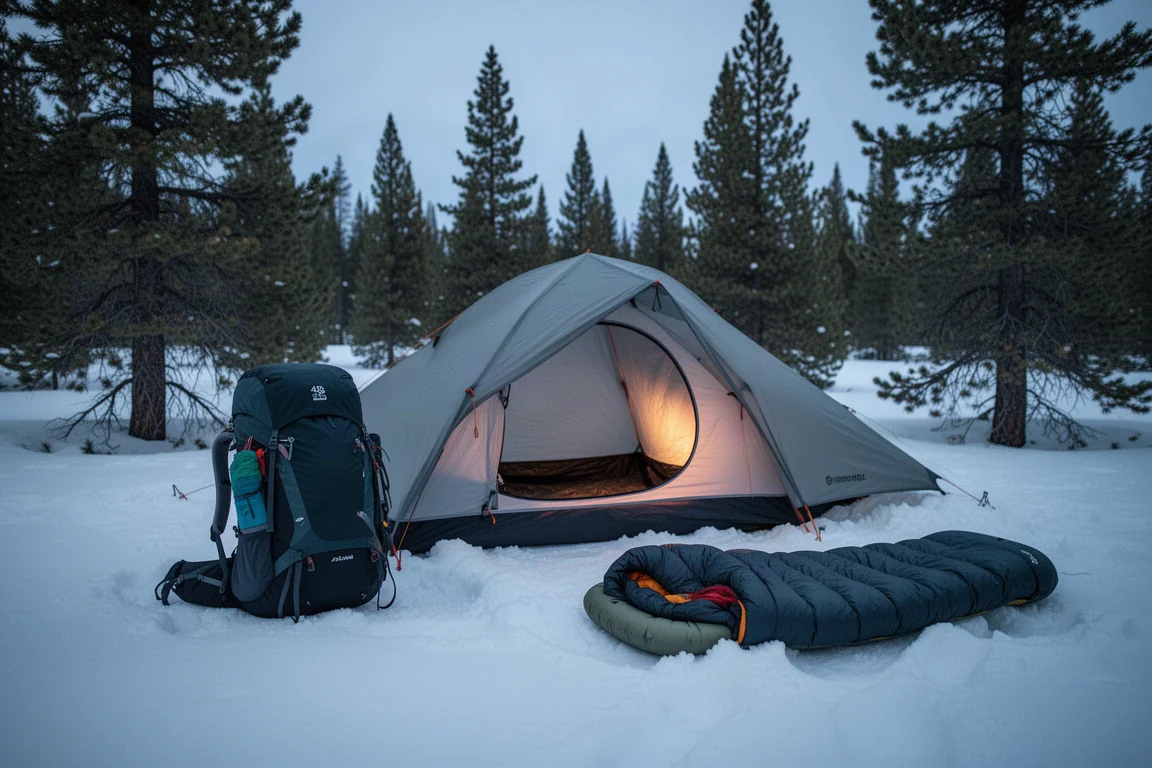
Four pieces of backpacking gear went out for a single overnight in the mountains on a night with a few inches of snow on the ground and a forecast low in the mid teens. The plan was deliberately simple: use everything exactly as it would be used on a real trip, sleep on snow, and note what held up and what did not.
The four items cover the core of a winter sleep system and the pack that carries it. There is a freestanding four-season shelter, a down sleeping bag, an insulated air pad, and a 48 liter backpack. Each one earned a clear verdict by morning, and one of them raised a broader question about how sleeping pad warmth ratings are presented to buyers.
How the Overnight Test Worked
The site sat roughly a mile from the trailhead, on a level, cleared patch tucked into trees with a wide view of the drainage below. Snow depth was only a few inches, which made for easy pitching, and the ground had not frozen solid yet.
Temperatures started around 22 degrees Fahrenheit in the late afternoon, dropped to about 18 degrees during dinner, and bottomed out near 16 degrees overnight, with humidity in the high 50s. That is a useful window for testing gear: cold enough to expose weak insulation, but not so extreme that a single night turns into a survival exercise.
The sleeping pad was deliberately tested on bare snow first, without a closed-cell foam layer underneath, to see how it performed on its own. A foam pad was kept nearby as a fallback and was added partway through the night.
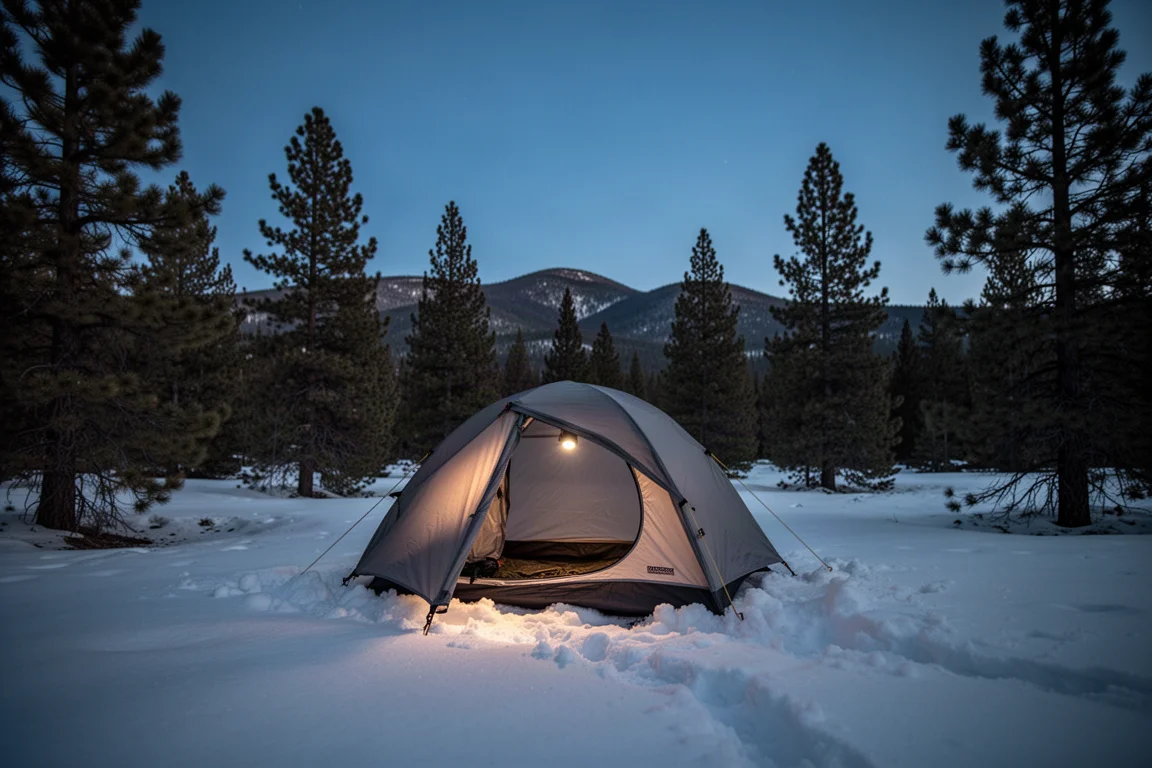
The shelter was pitched and taken down in the same conditions, and the sleeping bag was used with an extra synthetic quilt within reach for the coldest hours. That combination makes it possible to separate a product’s own performance from the help it received.
TarpTent Arcdome: A Freestanding Four-Season Shelter
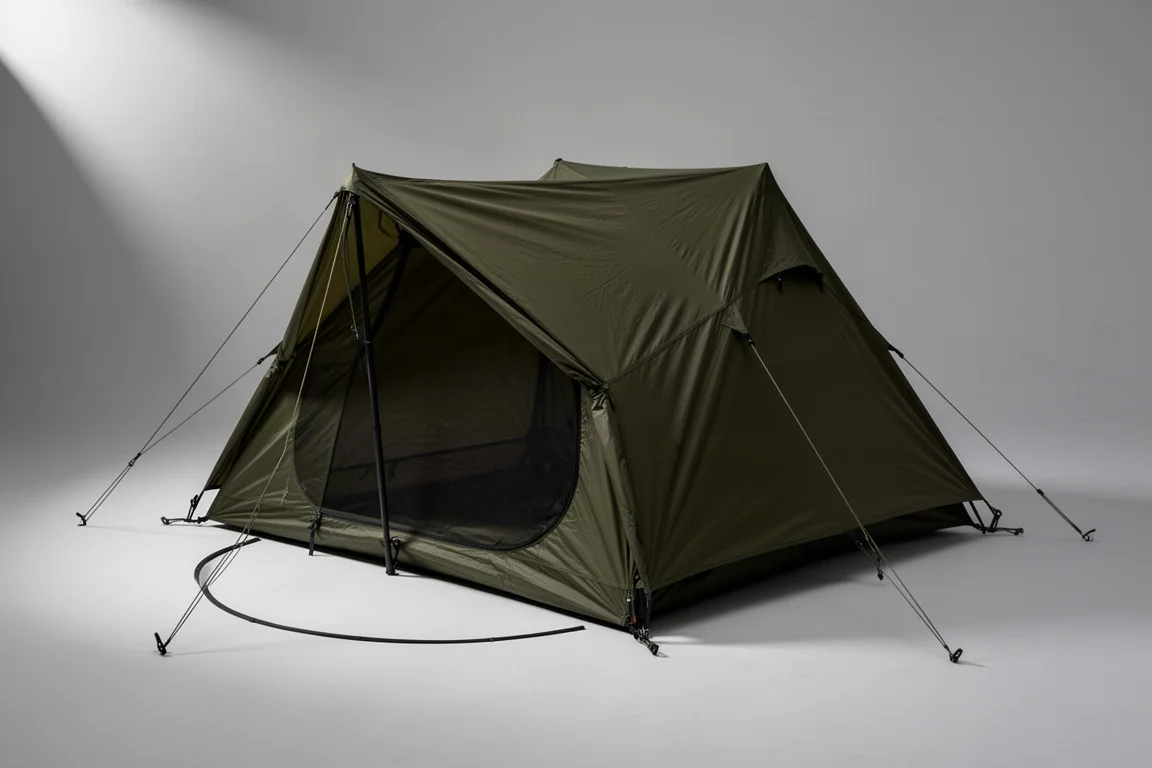
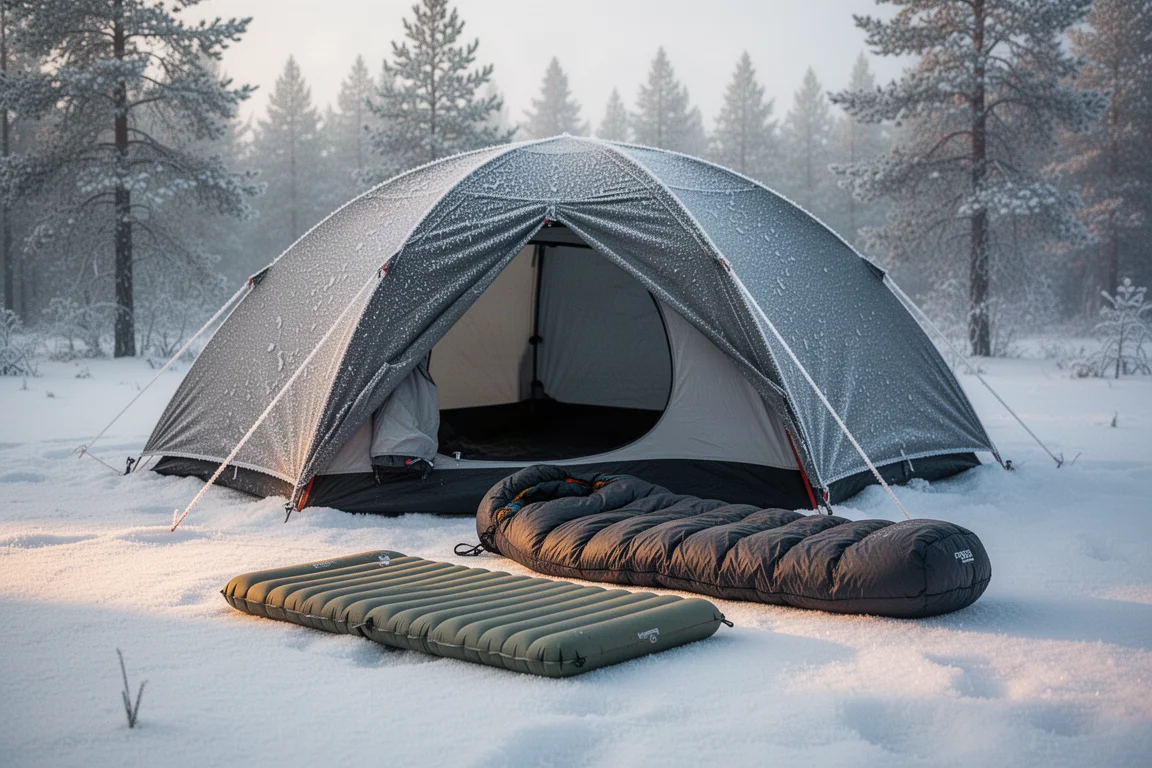
The Arcdome is a one-person, fully freestanding four-season tent, and the structure feels substantial the moment it goes up. Pole sleeves run the length of the tent and accept either carbon or aluminum poles. The sleeves are stiff when the tent is new, and seating the last pole end into a corner takes a firm push, though that should ease with use.
The most unusual detail is the staking system. Instead of pegging the corners, the tent uses guy lines anchored roughly nine to ten inches above each corner. It is a different approach than most tents take, and it takes a minute to adjust to, but the structure stays stable once everything is tensioned.
Inside, the floor has a broad arc that opens up a large vestibule area while keeping a separate gear zone outside the sleeping space. That storage stays dry and clear of where you sleep. The door opens wide, which makes getting in and out with bulky layers easy, and there are plenty of internal pockets for small items.
Length matters in a winter shelter. Condensation freezes on the inner walls overnight and effectively snows inside the tent, so having enough length to keep a sleeping bag and spare layers off the walls makes a real difference. The Arcdome has that length, and the solid inner option adds another layer of protection for cold trips.
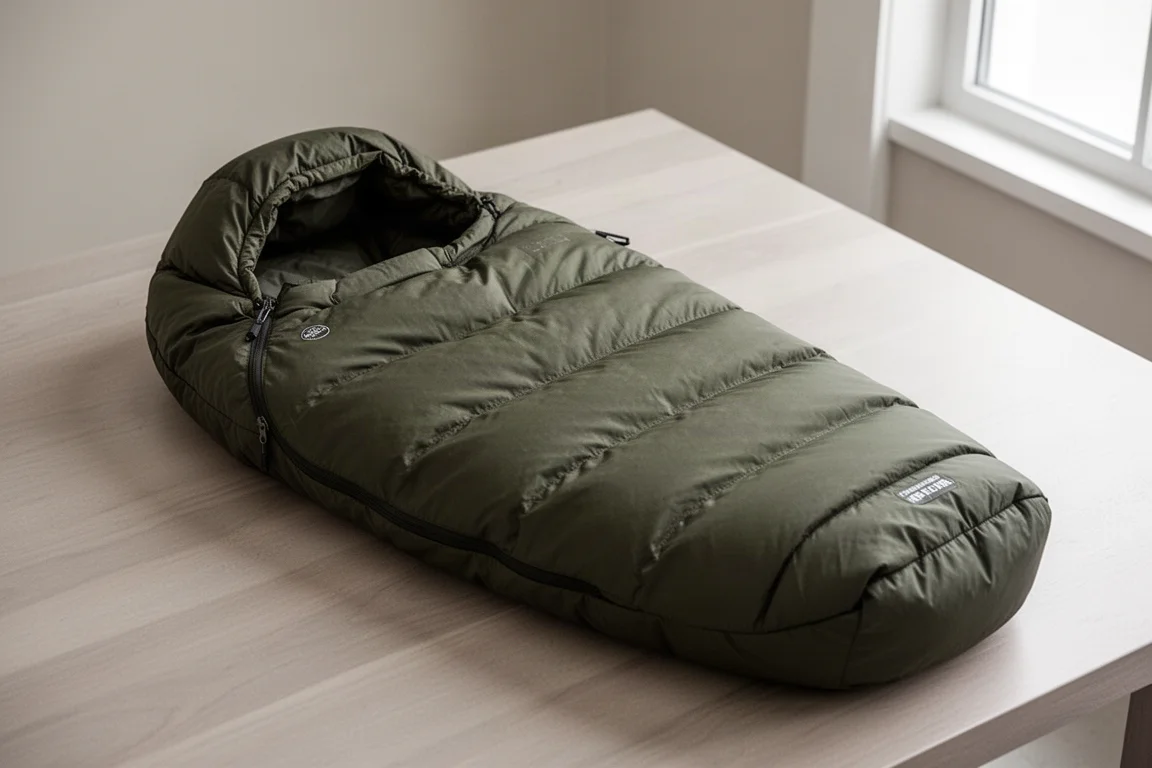
Cumulus Spotter 600: A Down Bag With Shoulder Zips
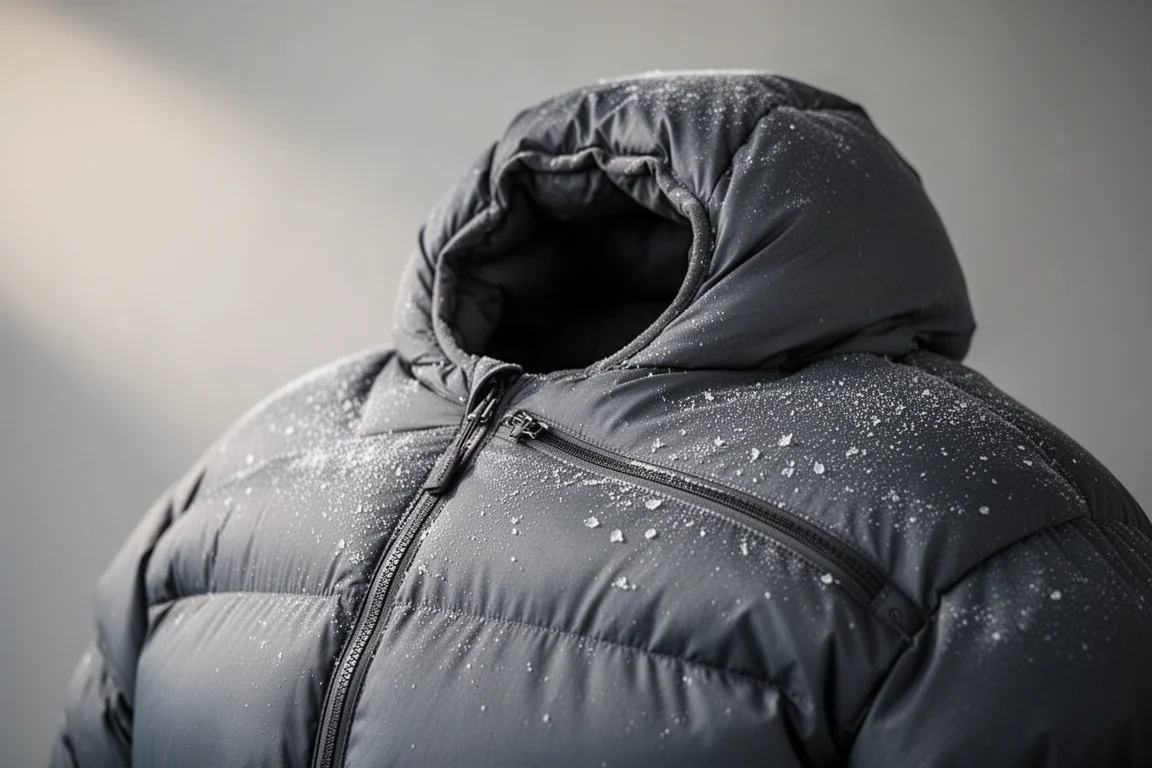
The Spotter 600 carries 600 grams of down insulation and a comfort rating of about 18 degrees Fahrenheit. On a night that landed just past that rating, the bag was warm enough to sleep in, but not with much margin. Adding a synthetic quilt over the top made a clear difference, and it is worth planning on that extra layer for trips that dip into the teens.
Construction quality stands out. The fabric feels light and well chosen, the stitching is clean, and the hood is tighter and more sculpted than the hoods on many bags of this type.
The feature that changes how the bag is used is a pair of zippers across the shoulder area. They let you push an arm out to cook, read, or sort gear without leaving the bag, which makes it far more functional during long dark hours in camp.
If your winter trips regularly drop below the mid teens, treat the Spotter 600 as a three-season-plus bag and pair it with an insulating layer. For trips that hover around its comfort rating, it is a comfortable and well-made option with a genuinely useful design detail.
Nature Hike NKTR: Comfortable, But the R-Value Claim Deserves Caution
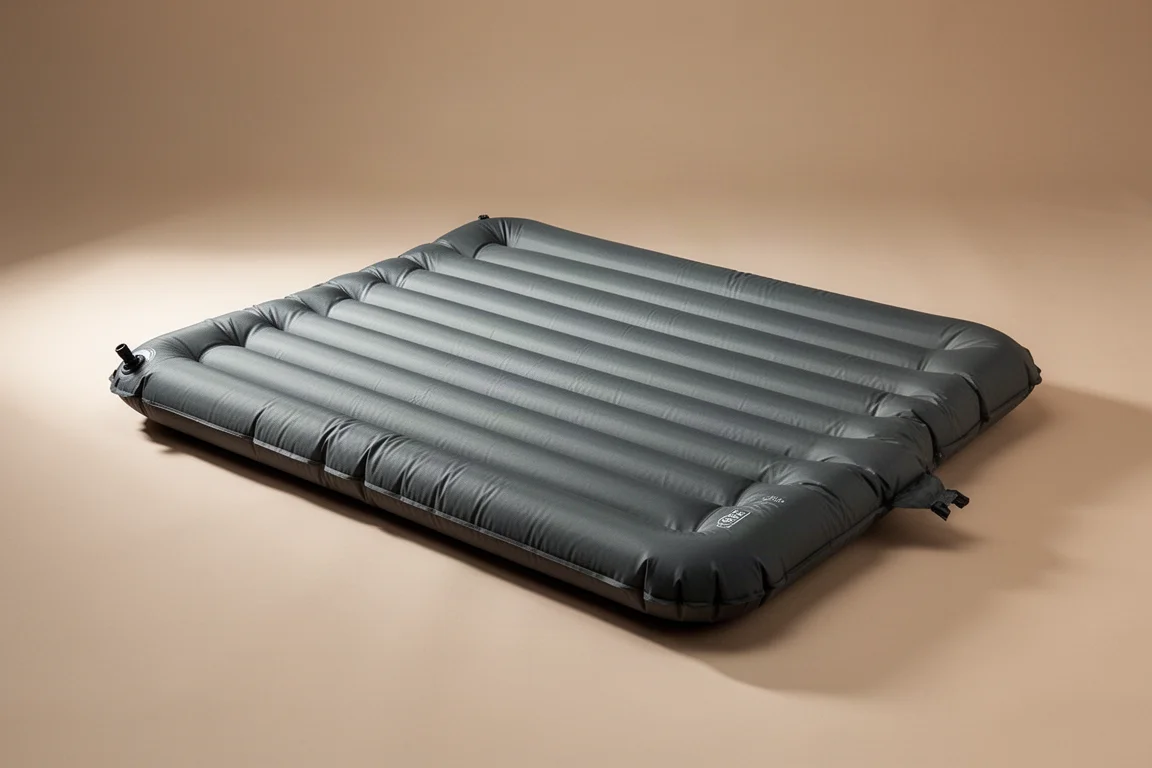
The NKTR is an inflatable pad with a claimed R value of 6.5 and a price of about $100. Comfort is its strongest card. It is one of the more comfortable pads of its type to sleep on, with a stable, supportive surface that stays flat through the night.
Warmth is another story. The pad is built with multiple layers of insulation, but the insulation leaves open gaps around the weld points where the baffles join, and those gaps act as cold spots. Lying on snow at around 16 degrees, cold came through the pad in a way that a genuine 6.5 R value should not allow. Adding a closed-cell foam pad underneath helped, but it did not fully solve the problem.
In practice, the NKTR performs more like a solid three-season pad than a winter one. For three-season trips and mild conditions, that makes it a good deal for the money. For snow camping, budget for a foam layer underneath or choose a pad whose insulation overlaps at the baffle welds.
ULA Circuit SV: A 48 L Pack for Multi-Day Loads
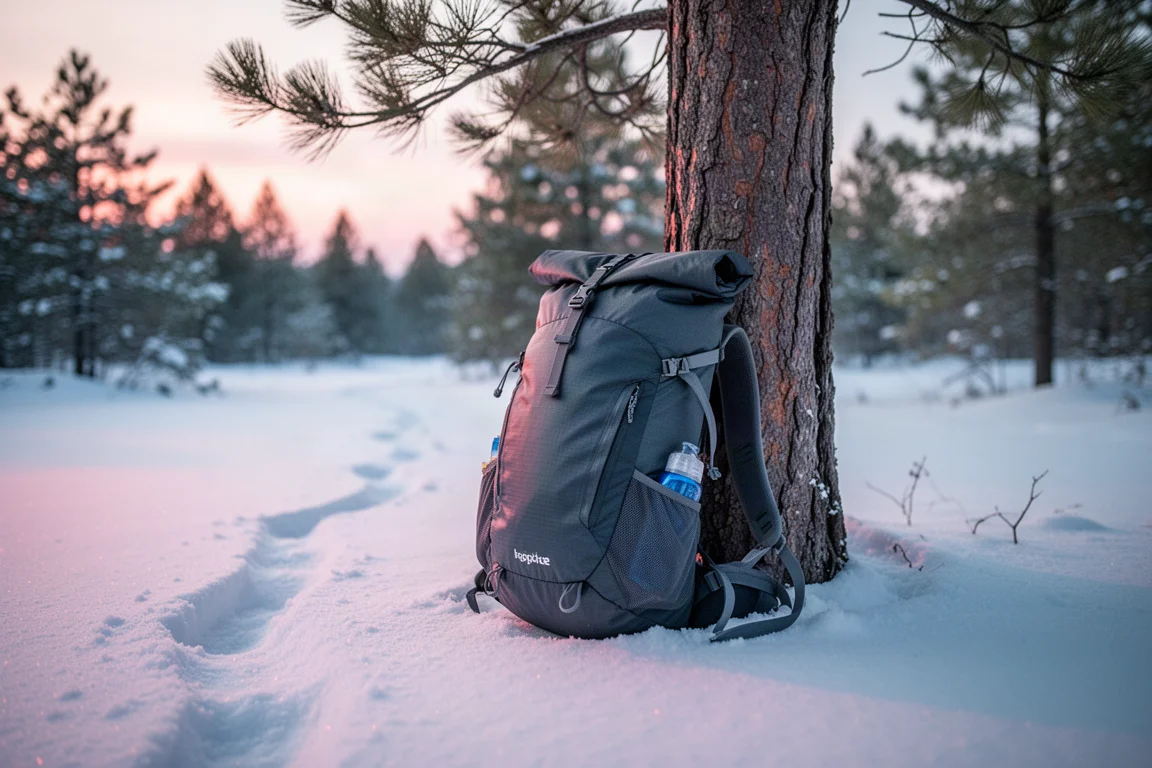
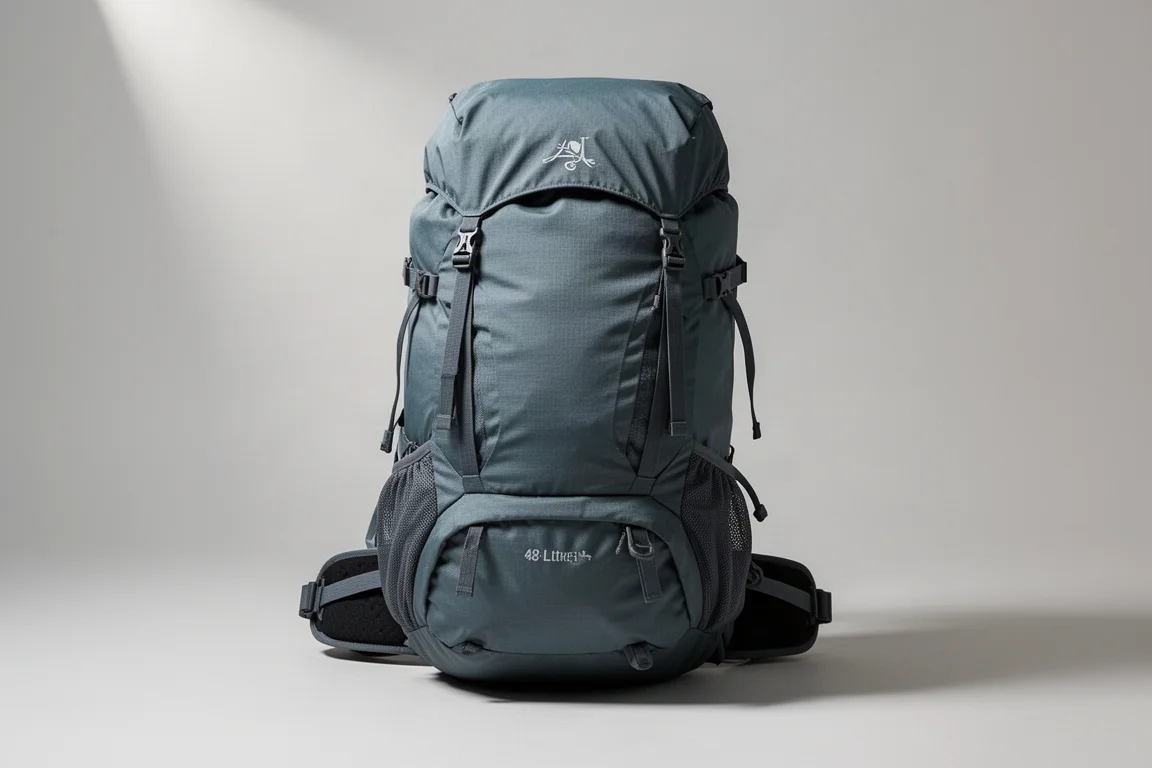
The Circuit SV is a new version of a long-running pack design from a brand with decades of history in lightweight backpacking. Capacity is 48 liters, which puts it in a useful middle ground: big enough for multi-day trips, small enough to stay manageable on rough terrain.
Loaded to roughly 22 to 24 pounds, the pack carried comfortably. Weight transferred well to the hips, the fit stayed stable, and the pack felt settled on the short approach. For trips in the four-day range with a moderate kit, the volume looks about right.
Bulky winter loads are the caveat. A four-season tent and a thick sleeping bag will fill 48 liters quickly, and cold-weather trips with heavy insulation often need more room or a carefully trimmed kit.
What the Cold Night Revealed About Sleeping Pad Warmth
Pad warmth ratings come from a lab method that presses a heated plate and a cold plate against the pad and measures how heat moves through it. That test cannot account for everything a camper runs into: ground temperature, air temperature, humidity, whether the pad is pressed against a cold tent wall, and how the insulation is actually arranged inside the pad.
The gap shows up in the field. Two pads with similar numbers can perform very differently if one has insulation that overlaps and offsets at the baffle welds and the other leaves openings around them. A rating is a reasonable starting point for comparing pads, but it is not a promise about how warm a pad will feel on snow at 16 degrees.
The practical takeaway is straightforward. For snow camping, carry a closed-cell foam pad as a base layer under an air pad, and treat any high R value as a claim to verify in the conditions you actually camp in rather than a guarantee.
Overall Buying Advice
Match each piece to the conditions you genuinely camp in, not the conditions you hope to camp in.
If your trips involve snow and real winter weather, the Arcdome is the piece here with the fewest compromises. It is freestanding, roomy for one person, and built to handle condensation and cold, with a staking layout that keeps the structure stable.
The Spotter 600 is a strong choice for cold-weather backpackers who want a light, well-built down bag with usable shoulder zippers. Plan on an extra quilt for nights near or below its comfort rating, and it becomes a versatile part of a winter kit.
The NKTR makes sense for three-season camping and for anyone who wants a genuinely comfortable pad at a low price. It is not the pad to trust on its own on snow, and pairing it with a foam layer is the sensible way to extend it into colder months.
The Circuit SV suits multi-day trips with moderate loads, and it carries weight well when the total stays in the low 20s. If your winter kit is bulky, size up.
Conclusion
One overnight at around 16 degrees settled the questions these four items raised. The shelter and the pack did their jobs with room to spare, the sleeping bag delivered quality construction along with a clear temperature limit, and the sleeping pad delivered comfort at a low price alongside a useful lesson about trusting published warmth ratings. Buy for the conditions you actually camp in, and a winter gear list stays honest.
Further reading
Related Reviews

Backpacking Gear
Building a 10 lb Base Weight: An Ultralight Backpacking Gear List
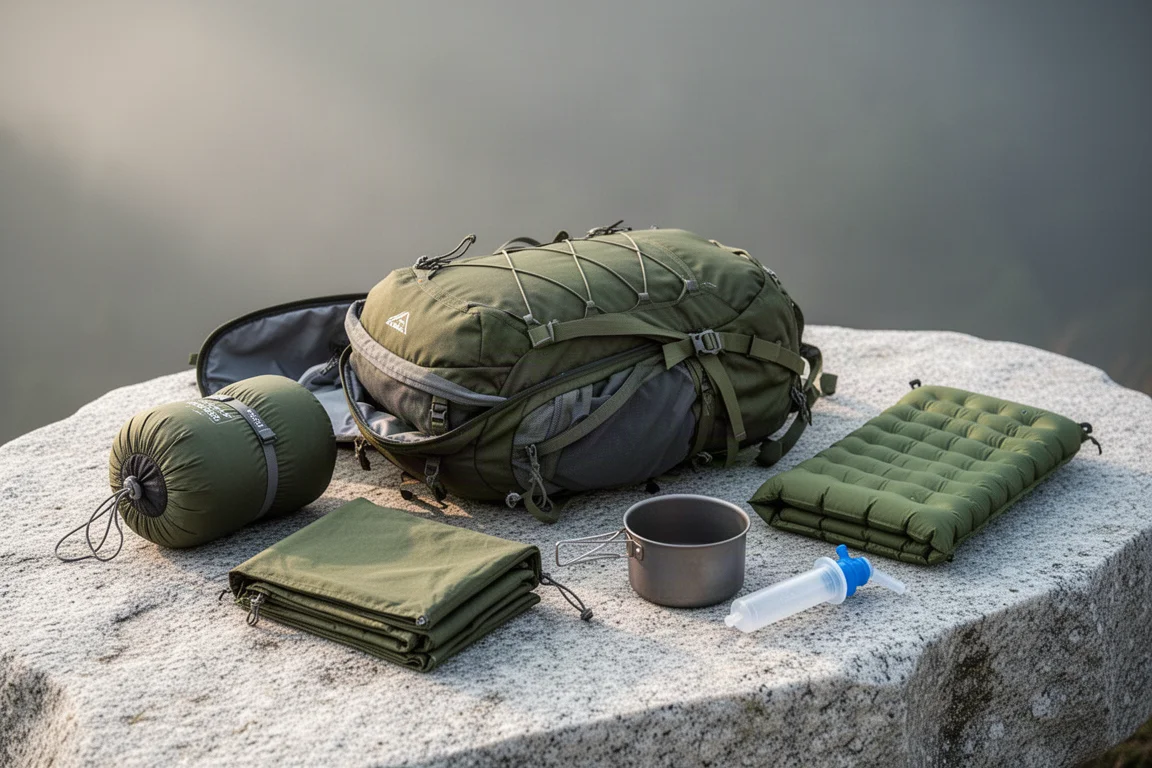
A practical walkthrough of the ultralight pieces behind a 10 lb base weight, from a 765 g pack and a roomy one-person tent to a full camp chair and a dependable water filter.
Backpacking Gear
A 15-Pound Lightweight Backpacking Gear List for Solo Trips
A beginner-friendly 15-pound backpacking setup built from easy-to-find gear, with notes on what each piece does, how it packs, and where to spend your attention.
Backpacking Gear
8 Ultralight Backpacking Gear Upgrades Worth Carrying
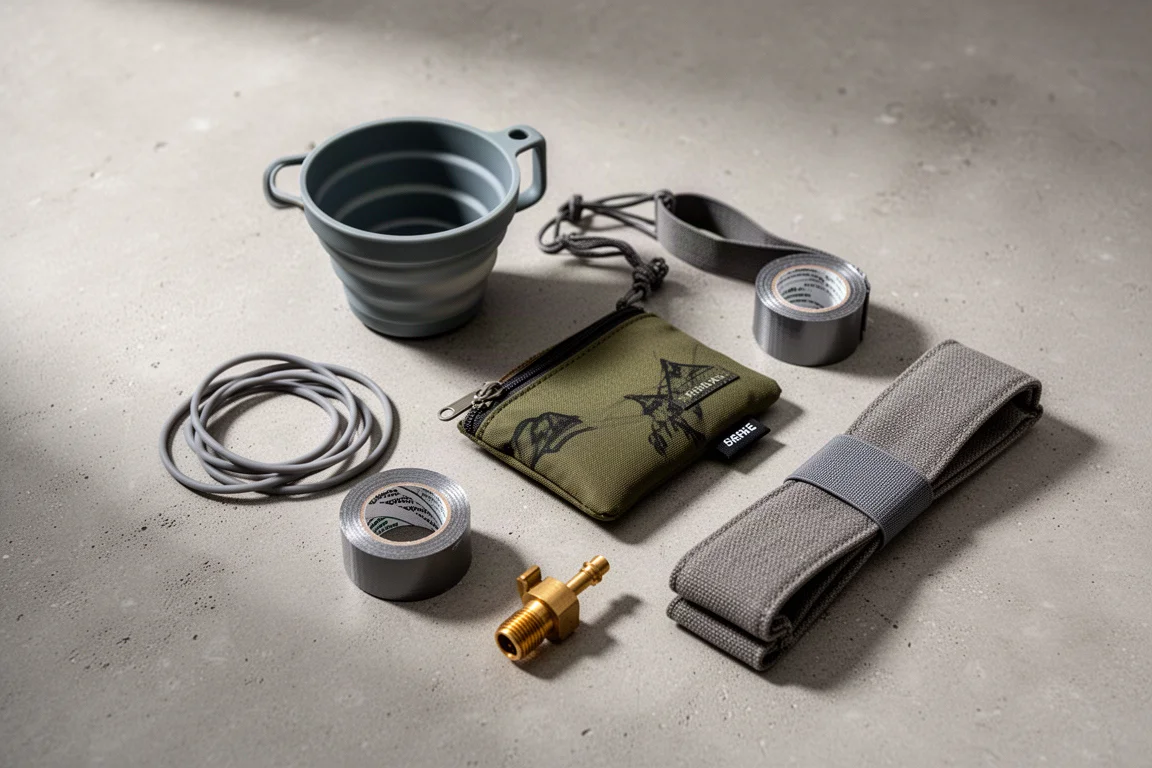
Eight small, affordable backpacking upgrades that solve real trail annoyances, from a pillow that stays put to a fuel valve that rescues leftover canister gas.