Backpacking Gear
8 Ultralight Backpacking Gear Upgrades Worth Carrying
Eight small, affordable backpacking upgrades that solve real trail annoyances, from a pillow that stays put to a fuel valve that rescues leftover canister gas.

Introduction
Some of the most useful items in a backpack are neither expensive nor strictly necessary. They are the small pieces of gear that quietly remove a recurring annoyance: a pillow that slides off the sleeping pad overnight, a water bag that is awkward to fill, a fuel canister that still holds gas you cannot reach. This roundup covers eight accessories in that category, and most of them sit in the same modest price range. None of them requires rebuilding a kit around it, which is exactly what makes them worth carrying.
Individually they solve small problems. Together they change how a trip feels, because the friction they remove is the friction you notice every single day on the trail.
What Makes These Upgrades Worth Carrying
A few filters shaped this list.
First, each item has to fix a real, repeatable problem rather than add a feature for its own sake. A strap that keeps a pillow where you put it qualifies. So does a valve that lets you burn fuel you already paid for.
Second, weight and packed size matter more than specifications on paper. Ultralight backpacking gear earns its place by disappearing into a pack, and several of these items do that by being collapsible, flat, or small enough to forget about entirely.
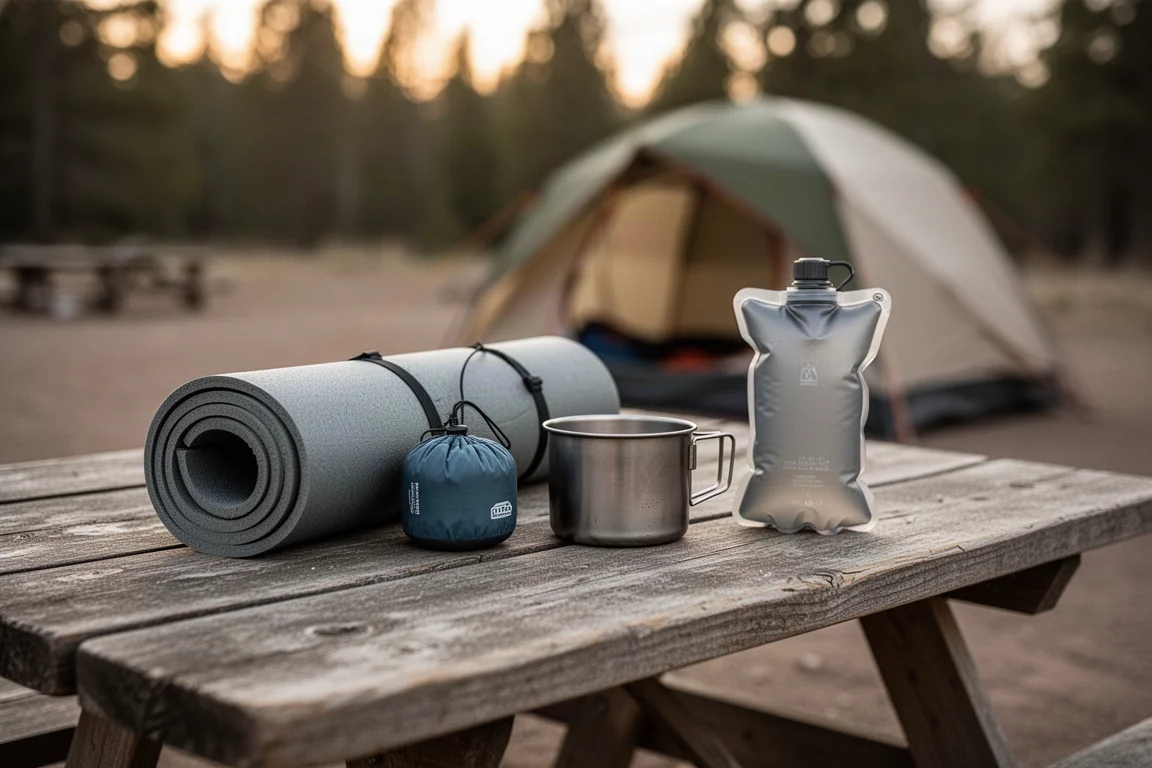
Third, compatibility counts for a lot. The strongest entries here work with equipment people already own, whether that is a favorite pillow, a titanium pot, a standard water filter thread, or a common jigsaw blade.
Fourth, cost is part of the appeal. Nothing on this list asks for a serious outlay, and one of the items costs little more than a dollar, which makes them easy additions rather than commitments.
Pillow Strap Universal Pillow Case Straps
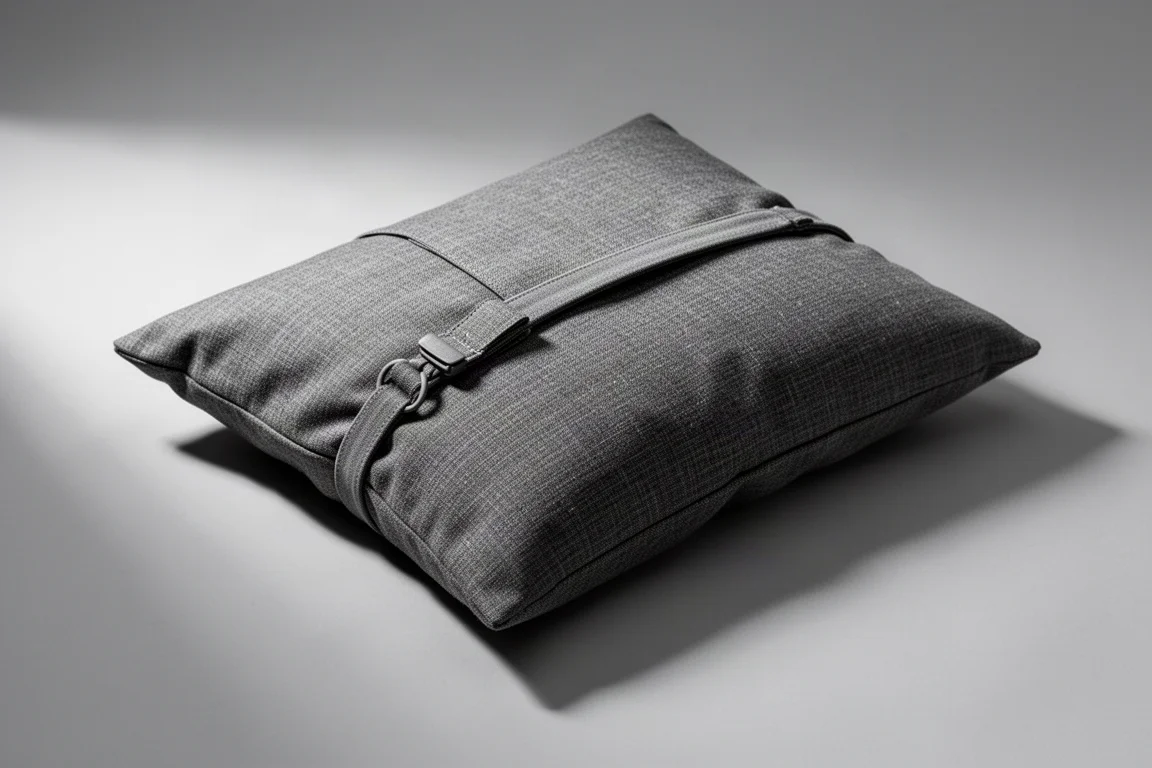
Sleep quality is one of the biggest variables on a long hike, and few things undermine it faster than a pillow that ends up somewhere near your knees by two in the morning. Dedicated camp pillows with built-in straps solve the problem, but they often give up comfort to do it.
Universal pillow case straps take the opposite approach. You slide your own pillow into the case, stretch the elastic band around the sleeping pad, and the pillow stays where you put it all night. Because the system is separate from the pillow itself, you keep the pillow you already find comfortable instead of compromising on the one part of a sleep kit that is hardest to get right.
That combination of a simple mechanism and compatibility with gear you already own is what makes this the kind of upgrade people wonder how they lived without.
Sea to Summit X Mug
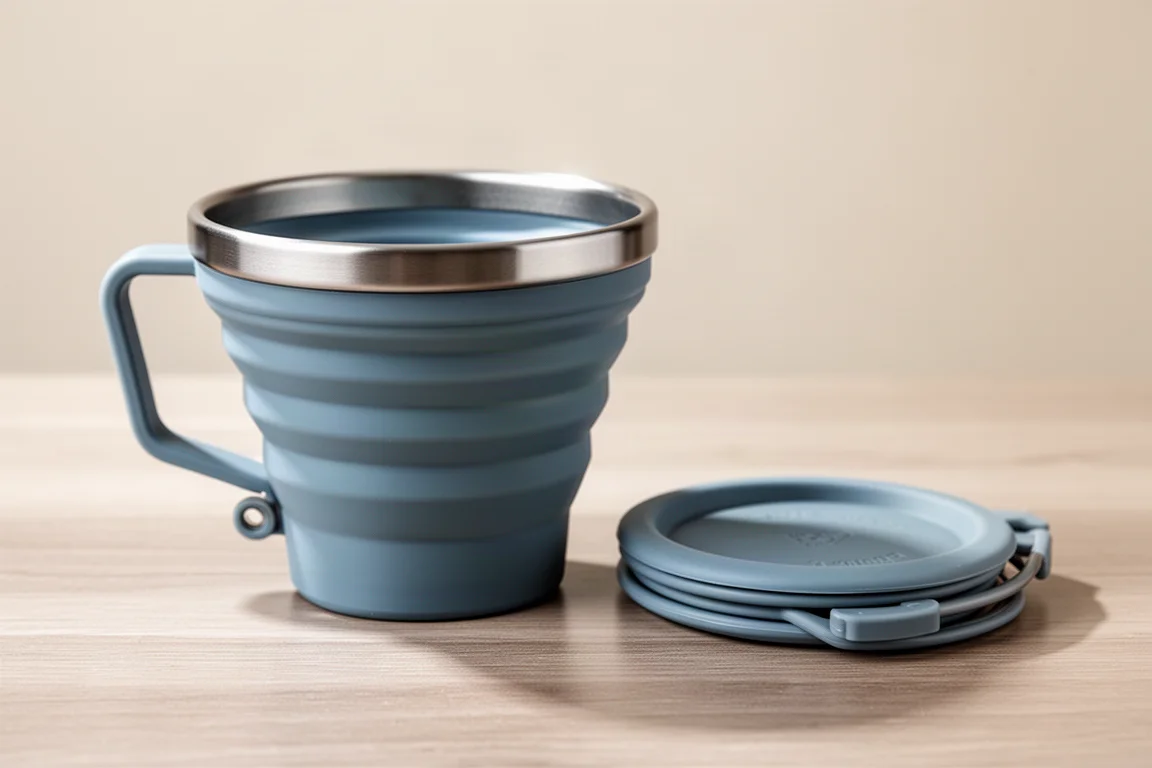
A collapsible mug is a familiar idea, but this one earns its place through a second job. It fits neatly as a lid on a titanium pot, which means a single item covers two roles in a pack that has no room for extras.
Used as a mug or cup, it folds down when empty. The middle section can be popped up to serve as a handle for lifting the lid off a pot, and the collapsible ridges double as a measuring cup, which is genuinely useful when you are portioning water or food.
If you already carry a titanium pot, the fit is the detail that makes this worth a look. If you do not, it still works as a compact mug that takes up almost nothing when packed.
Cross Bands Silicone Bands
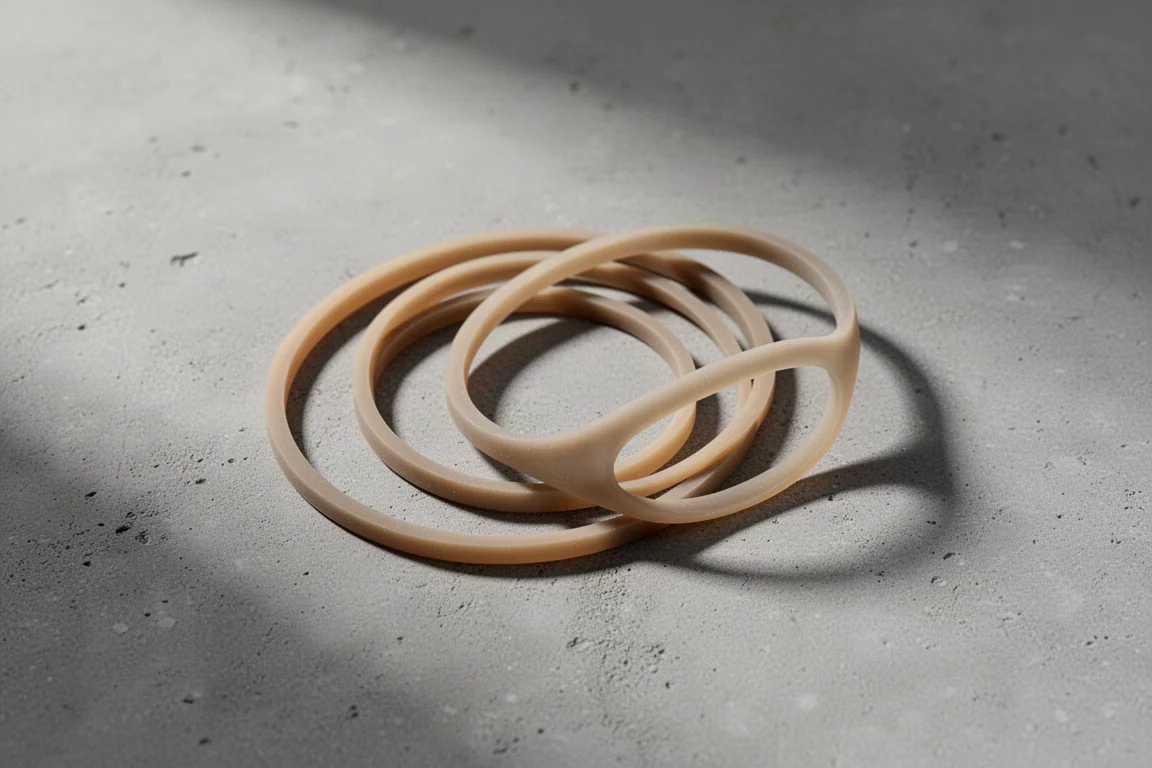
Small silicone bands are the least glamorous item on this list and possibly the most versatile. They hold loose items together, stand in for a stuff sack in plenty of situations, and come in multiple sizes so you can match the band to the job.
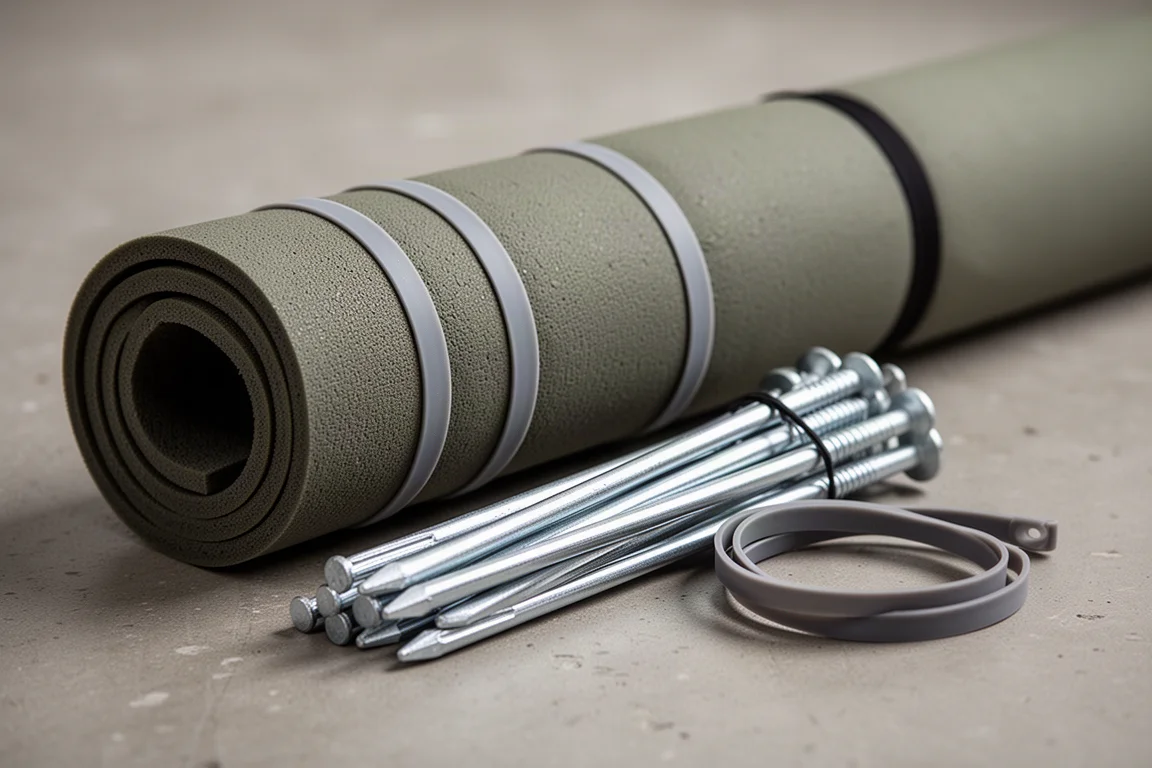
Because they are stretchy and reusable, they adapt to whatever needs bundling: a rolled mat, a bundle of stakes, a wrapped cord, or a pot and its contents. That flexibility is what separates them from a single-purpose sack.
They also cost very little, which makes them easy to add to an order without thinking about it. A handful in a pack covers a surprising number of small organizational problems over a season.
Hilltop Packs Printed Zipper Bag
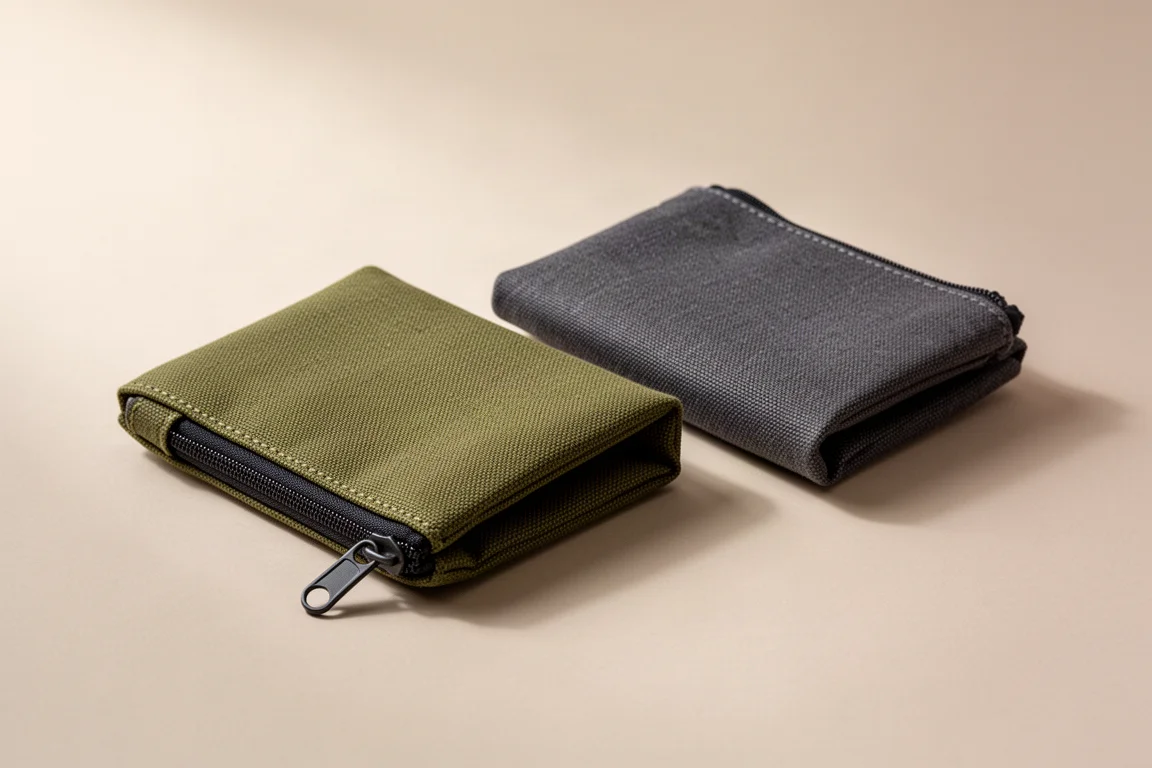
Printed zipper bags are a small luxury, but they solve a real organizational problem. Small items in a pack tend to migrate, and a light zippered pouch gives them a defined home.
The appeal here is that you can specify what is printed on the bag, so contents are identifiable at a glance. One bag can be reserved for a digging trowel, and a second for camera batteries, which keeps a clean item separate from a dirty one and keeps both easy to find in the dark.
They are not structural gear. They are the kind of accessory that makes a pack easier to live out of, and the printing turns a generic pouch into something you can identify by sight in low light.
Microlight 3D Printed Saw
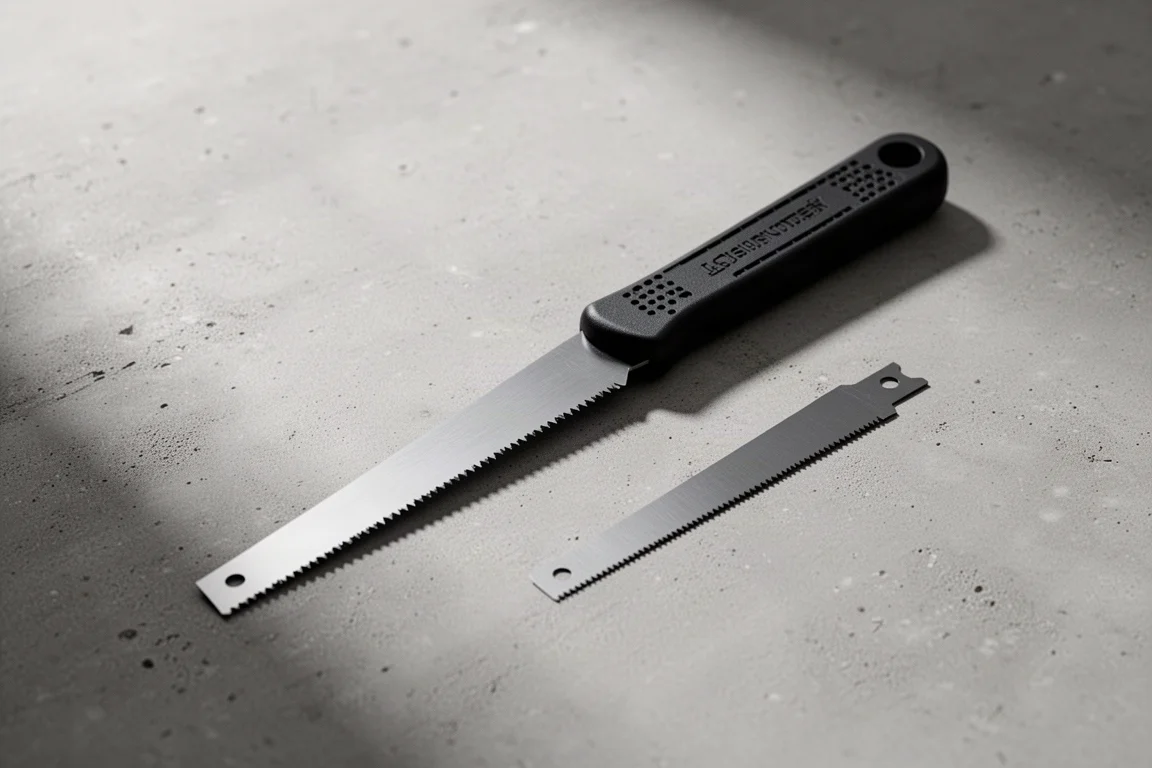
A saw is one of those items people leave at home because the weight seems hard to justify. This one changes that calculation. With its four-inch blade fitted, the whole tool weighs just 22 g, which is light enough to carry on the chance that you need it.
It takes standard jigsaw blades with a T-shank attachment, so replacements come from any hardware store rather than a specialist supplier. It ships with a four-inch blade but accepts longer blades as well, which means the same tool can scale from small jobs to cutting firewood.
That combination of low weight and widely available blades makes it a practical addition for anyone who wants the option of processing wood without carrying a full-size saw.
Cnoc Water Bags
Water bags are supplemental gear that many hikers overlook, and this design shows why they are worth a second look. The wide mouth opening makes filling fast, which matters at a stream or a tap when you want to be moving again.

The standard 28 mm thread fits the end of most water filters, so the bag integrates with the filtration setup you already carry instead of adding a separate system. If filling your current bag is a fiddly, splashy chore, this is the part that changes.
It is not a replacement for a primary water container. It is the bag you use when collecting and filtering, and it makes that step noticeably less irritating.

SOL Gear Duct Tape
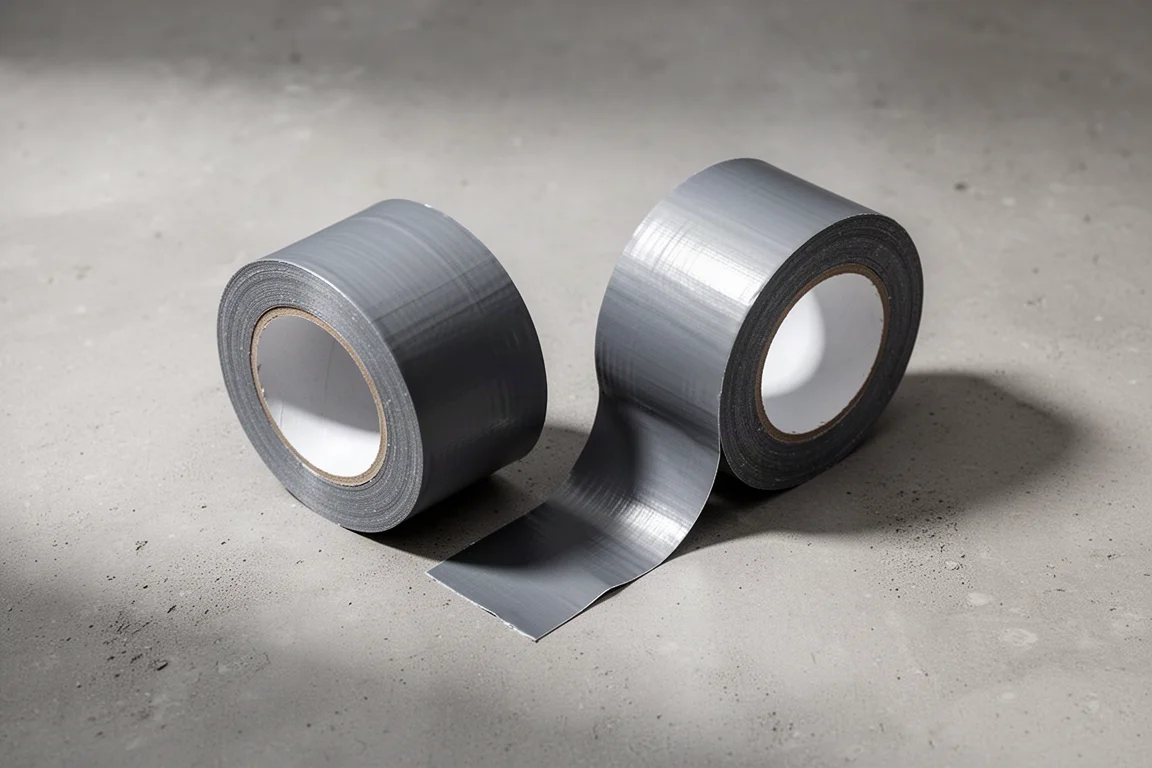
Most people already carry duct tape. The question is how. Pulling a length off a large roll leaves you with a bulky, awkward object in a pack, and the tape itself sticks to everything it should not.
Small pre-wound rolls solve that. They take up almost no space, keep the tape contained, and give you enough material for repairs without carrying the whole roll. One of these can sit in a pack for years and still be ready when a strap, a pad, or a stuff sack needs patching.
That longevity is the point. It is a repair kit you forget about until the moment you need it.
FlipFuel Fuel Transfer Valve
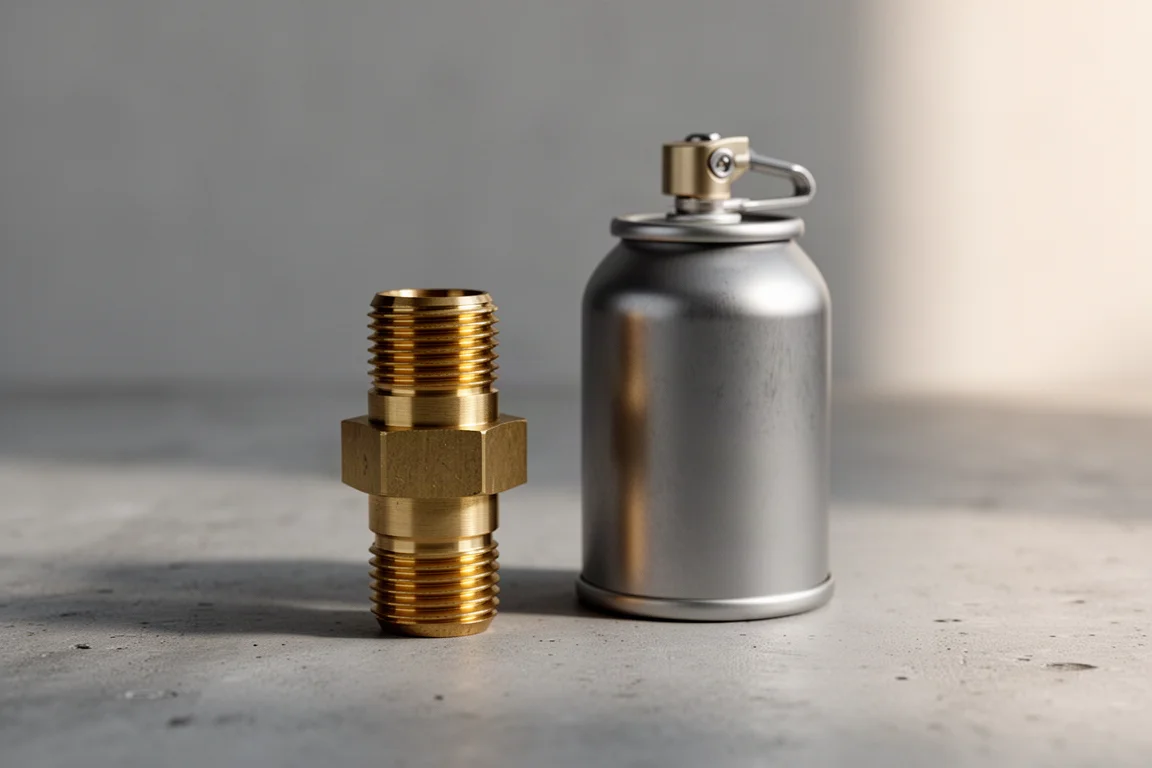
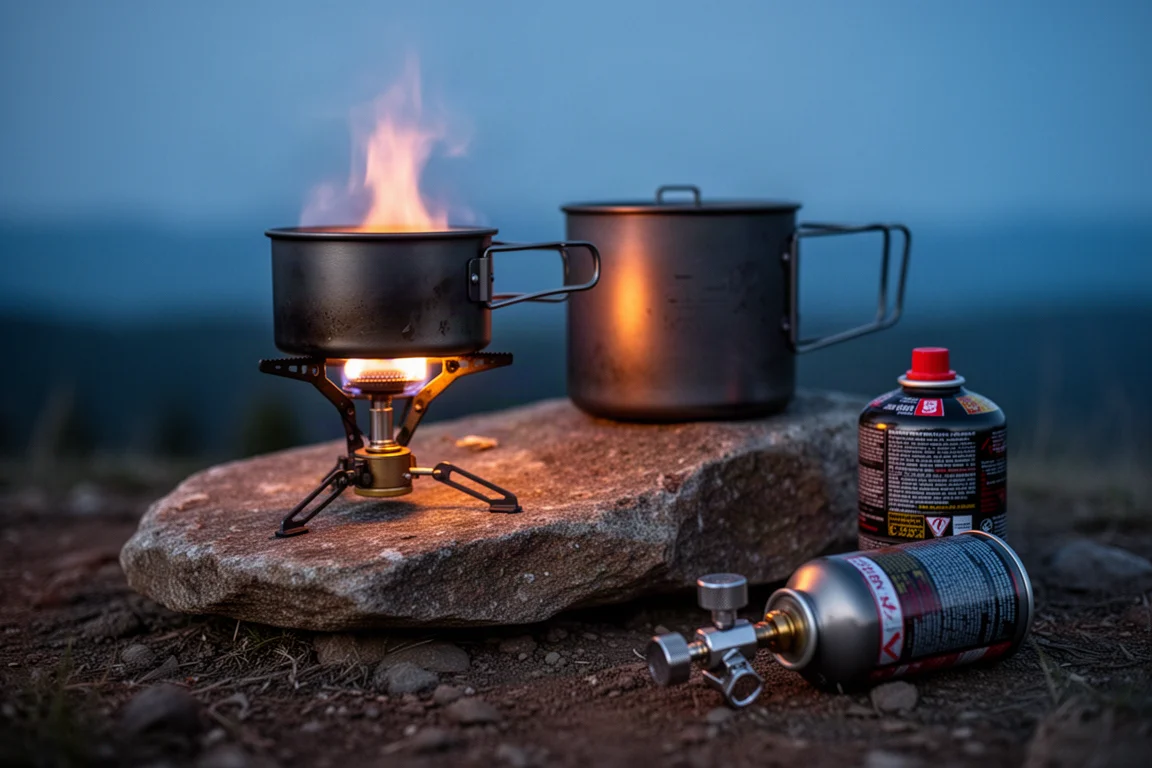
Half-empty fuel canisters are a quiet waste. You cannot easily use the remaining gas, so it sits in a drawer while you buy a fresh canister for the next trip.
A fuel transfer valve lets you move gas from a partially used canister into another one, which means the fuel you already paid for actually gets burned. Over a season, that adds up to real savings for anyone who runs a canister stove regularly.
There is an important caveat. Refilling canisters can be hazardous, so this is one item where reading and following the instructions is not optional. Handled carefully and with the manufacturer’s guidance, it turns dead weight in a gear bin into usable fuel.
Buying Advice
None of these items is essential, and that is precisely why they are worth considering. The best way to choose is to start from the annoyance you notice most often. If you wake up because your pillow moved, start there. If filling a water bag is the worst part of your morning routine, that is your answer.
Beyond that, look at what you already carry. Gear that fits an existing pot, filter thread, or blade standard delivers more value than gear that requires you to change everything around it. Compatibility is what keeps a small purchase from becoming a system overhaul.
Price is the final filter, and it works in your favor here. Most of these items sit in a modest range, and a few cost very little at all, so the risk of trying one is low. Pick one, use it on a trip, and let the trip decide whether it stays in the pack.
Conclusion
The gear that improves a trip most is rarely the gear that costs the most. A pillow that stays under your head, a mug that doubles as a lid, a bag that fills quickly, a valve that rescues leftover fuel: each of these removes a small, repeated frustration.
Start with the one that matches a problem you already recognize. The rest can wait until the next trip makes the case for them.
Further reading
Related Reviews

Backpacking Gear
Building a 10 lb Base Weight: An Ultralight Backpacking Gear List
A practical walkthrough of the ultralight pieces behind a 10 lb base weight, from a 765 g pack and a roomy one-person tent to a full camp chair and a dependable water filter.

Backpacking Gear
A 15-Pound Lightweight Backpacking Gear List for Solo Trips
A beginner-friendly 15-pound backpacking setup built from easy-to-find gear, with notes on what each piece does, how it packs, and where to spend your attention.
Backpacking Gear
9 Backpacking Essentials Under $30: Small Gear, Big Impact
Nine affordable backpacking accessories that solve real trail problems, from water measurement to gear repair.