Winter Outdoor Gear
Winter Layering System: 11 Pieces for Cold-Weather Hiking and Snowshoeing
A head-to-toe winter layering system built from quick-drying base layers, breathable soft shells, and insulated footwear, with the trade-offs worth knowing before you buy.
Introduction
Cold-weather hiking and snowshoeing are far more enjoyable when your clothing is doing its job. Get the layers right and you can move at a steady pace, stop for a snack on an exposed ridge, and keep going without your core temperature dropping. Get them wrong and a short outing turns into a cold, uncomfortable march back to the car.
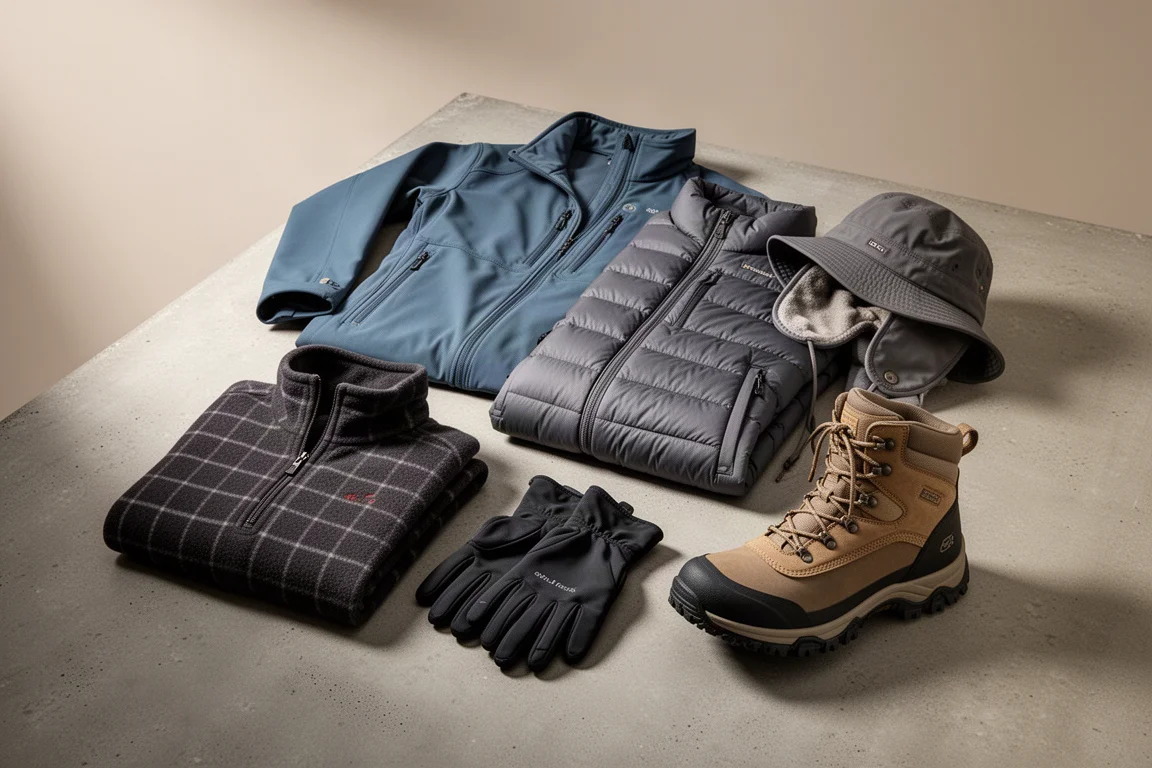
This guide covers a complete winter layering system, from the base layer against your skin to the boots on your feet. It is built around a simple idea: choose materials that dry quickly, add layers that can be vented or removed as your effort level changes, and treat your head, hands, and feet as separate problems to solve.
What This Layering System Is Built Around
Every piece here follows the same logic. Polyester and nylon are the default fabrics because they dry quickly and move moisture away from your skin. Cotton is the one material to leave at home, since it absorbs so much moisture and stays wet against the body. Merino wool holds on to roughly ten times as much moisture as nylon, and considerably more than polyester, which is why synthetics take priority for high-output winter activity.

The system also scales with temperature rather than being fixed. Around freezing, a thin base layer under a shell is often enough. As conditions get colder, a grid fleece base layer and an active synthetic insulation layer come into play. Quarter zips appear throughout because they let you dump heat quickly before a climb and zip back up the moment you slow down.
Base Layer Top: Outdoor Research Vigor Quarter Zip
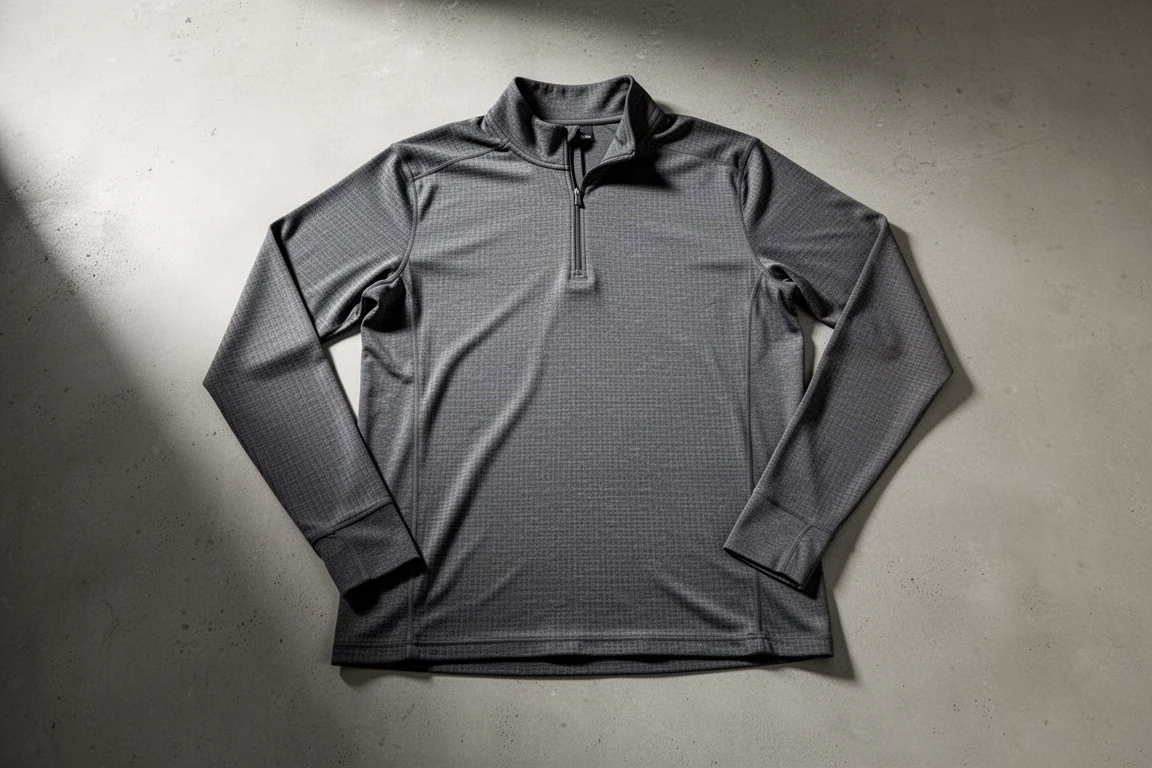
The Outdoor Research Vigor Quarter Zip is a long-sleeve grid fleece shirt, and grid fleece is one of the most useful fabrics for winter activity. It is quick drying, lightweight, and warm for its bulk, and the grid structure helps move moisture away from the body while holding warmth where you need it.
The quarter zip is the detail that matters most in practice. When you are about to tackle a long climb, you can open it up and shed heat in seconds rather than stopping to strip off a layer.
Lighter Base Layer for Milder Days: Outdoor Research Echo Quarter Zip
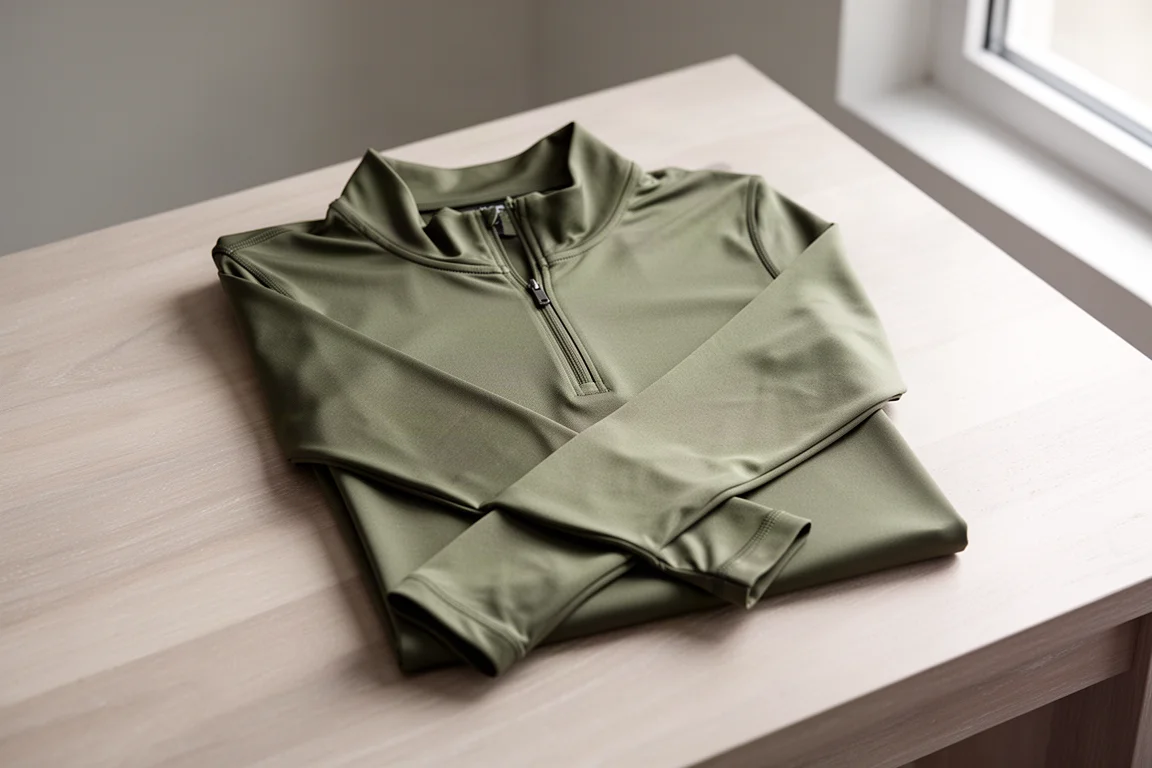
The Outdoor Research Echo Quarter Zip is a much thinner shirt, and it is the layer to reach for when temperatures sit roughly between minus five and plus five degrees Celsius, right around freezing. It will not keep you as warm as a grid fleece, but it manages moisture well and helps you avoid overheating on milder days when you are working hard.
If the cost of a technical grid fleece is hard to justify, Decathlon also makes grid fleeces that are considerably cheaper. They are good quality, though not quite as technical as the options above.
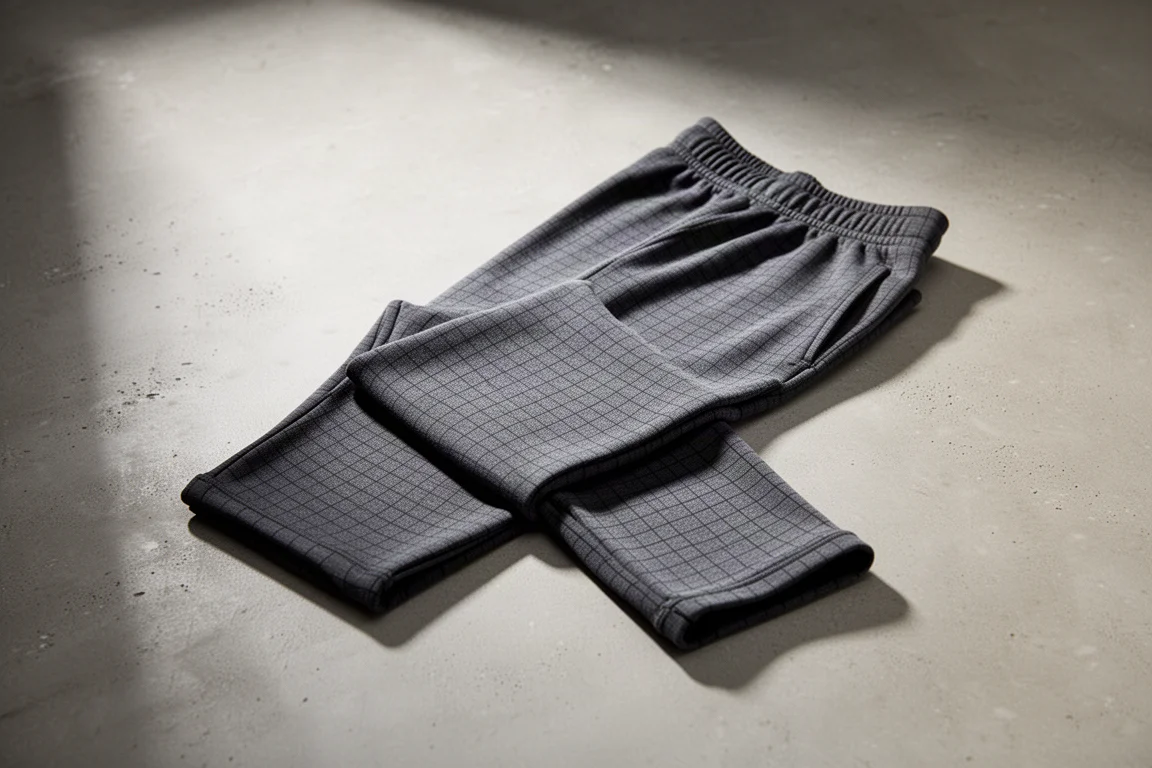
Base Layer Bottoms: Outdoor Research Vigor Grid Fleece Pants
The Outdoor Research Vigor Grid Fleece pants use the same polyester grid fleece construction as the matching top, and they earn their place for the same reasons: they dry quickly, they are warm without much weight, and they manage moisture well during sustained effort.
On milder winter days, when temperatures hover around freezing and you run warm, a thin layer under a pair of snow pants is often all you need. The grid fleece bottoms become more valuable as the temperature falls.
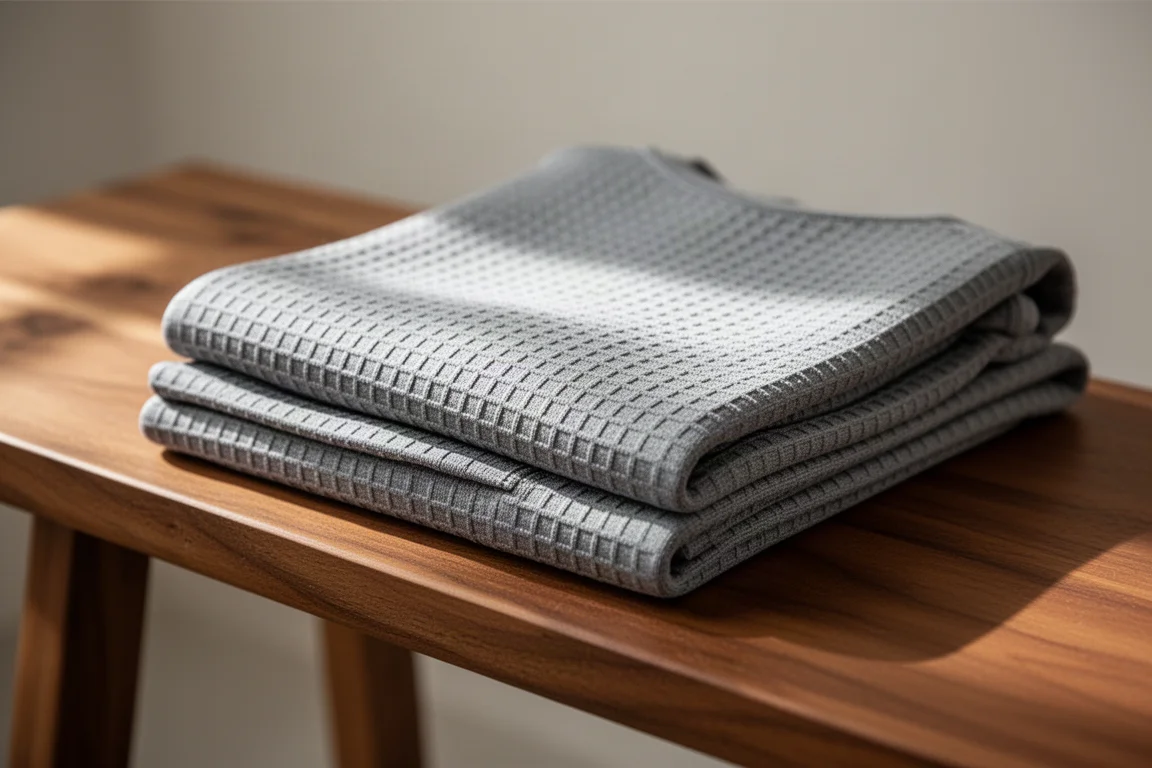
Because the fabric is synthetic rather than cotton, the pants stay comfortable when you are working hard enough to sweat, and they dry out quickly during a break.
Active Insulation for Colder Days
Below a certain temperature, a base layer and a shell are not enough on their own. An active synthetic insulation layer adds warmth without the bulk of a heavy jacket, and it is designed to be worn while you are moving rather than only when you stop. Two jackets in this category are the Arc’teryx Proton and the Arc’teryx Atom.
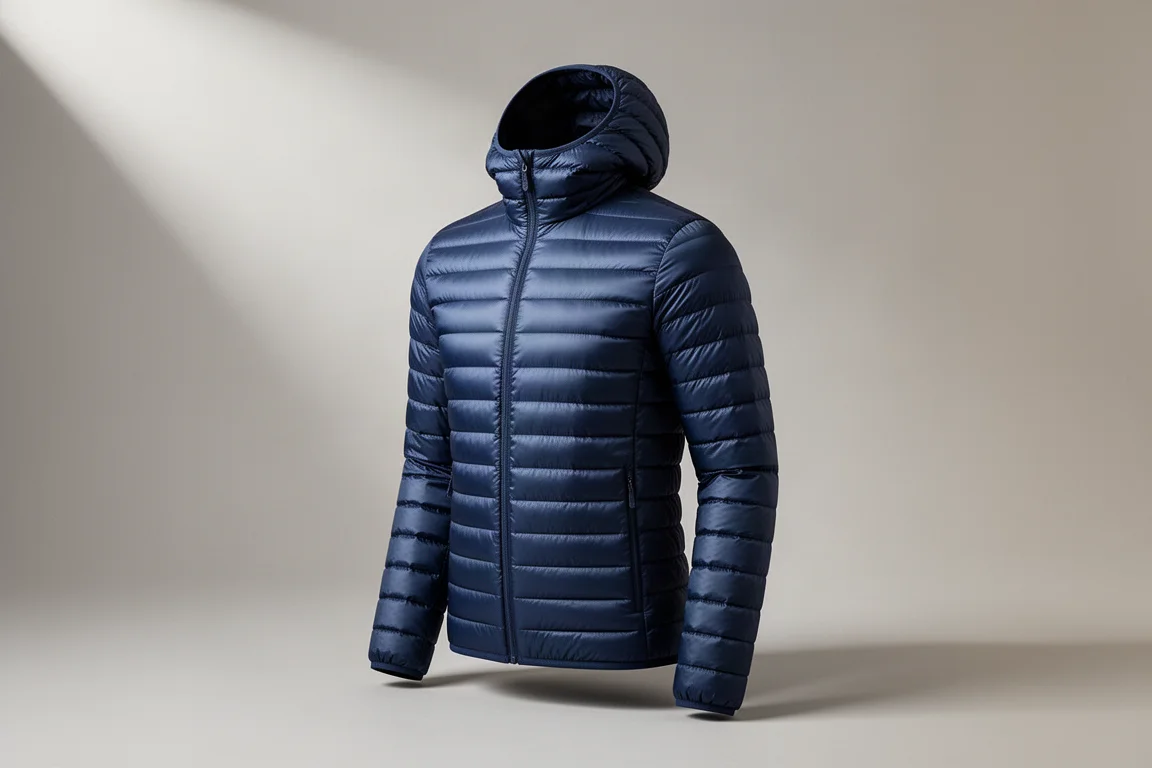
Arc’teryx Proton Jacket
The Arc’teryx Proton is an active synthetic insulation layer that slots in over a base layer when you run cold, or when you want to extend the same system into much lower temperatures. It adds meaningful warmth while staying the kind of layer you can keep on during active sections of a hike.
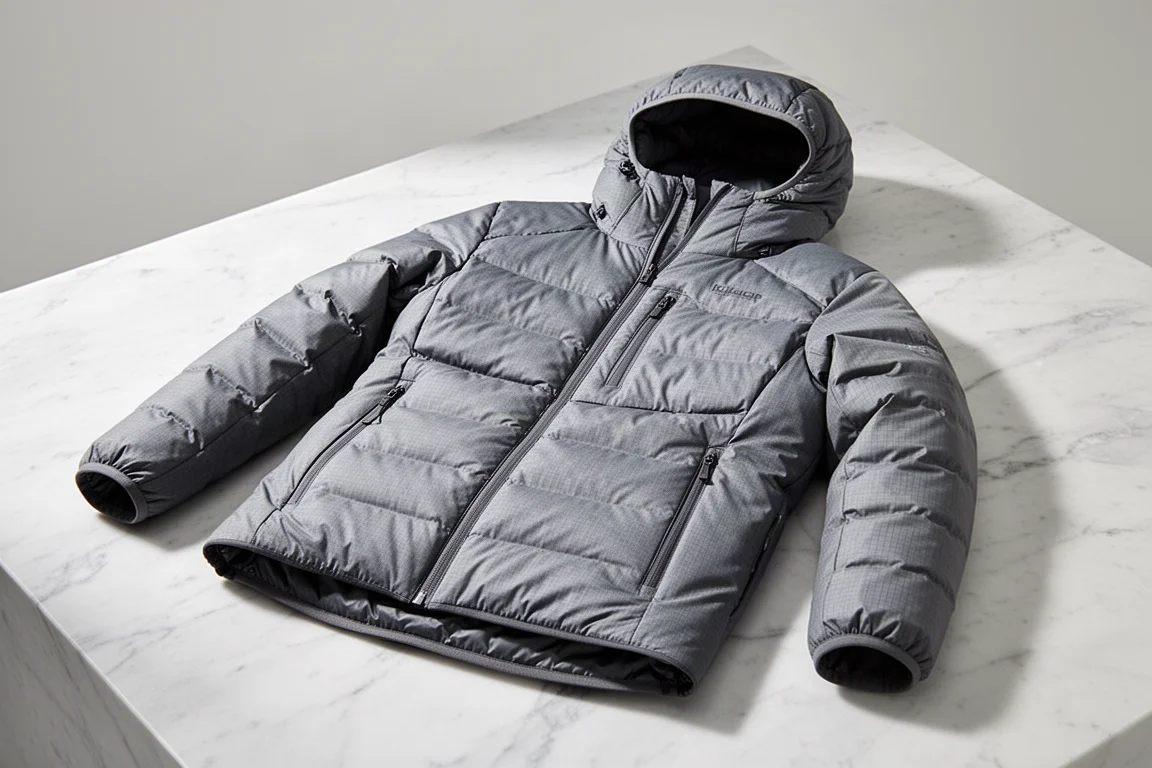
Arc’teryx Atom Jacket
The Arc’teryx Atom is the other synthetic insulated jacket in this system, and it fills the same role: extra warmth on cold days, layered over a grid fleece base layer. It is a straightforward way to add a temperature band to your kit without changing anything else about how the system works.
Headwear: Outdoor Research Wrigley Hat
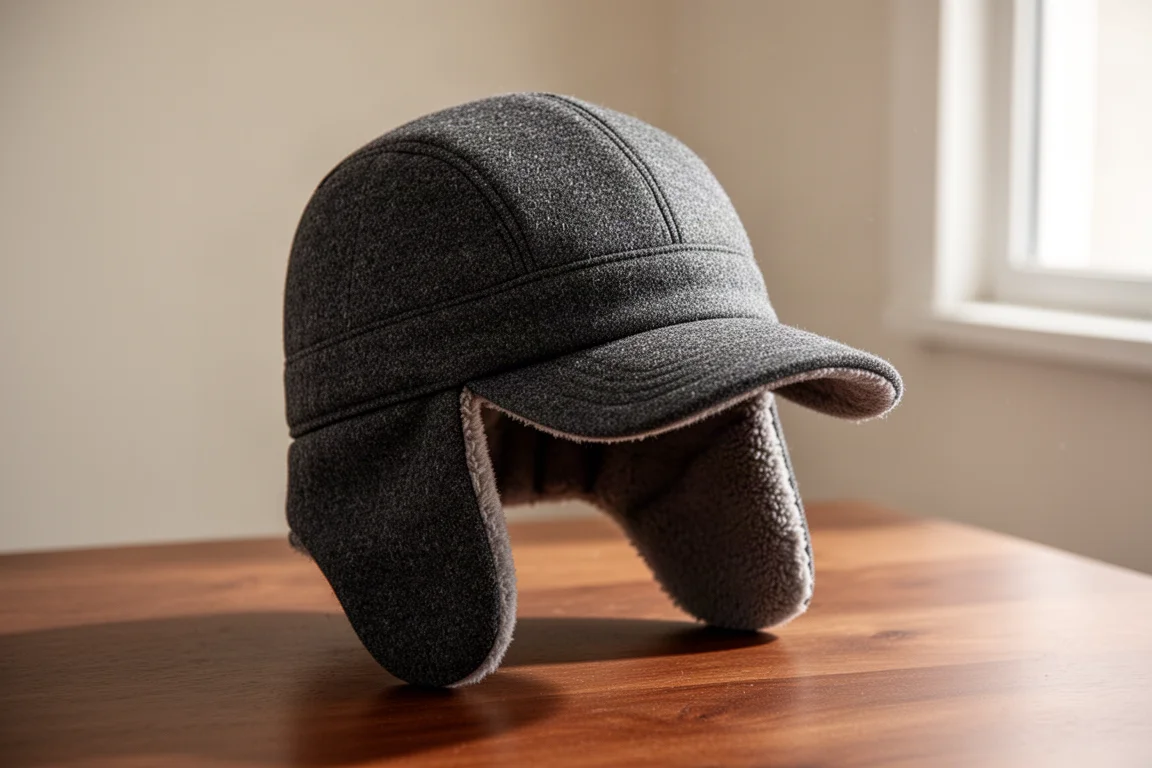
The Outdoor Research Wrigley hat solves a small but real problem: constantly switching between a baseball cap and a toque as conditions change. It has a full brim that blocks low winter sun, an insulated lining that adds warmth, and ear flaps that pull down when you hit an exposed ridge.
That combination gives you the sun protection of a cap and the warmth of a toque in a single piece, so you are not stopping on the trail to swap hats.
Soft Shell Jacket: Outdoor Research San Juan
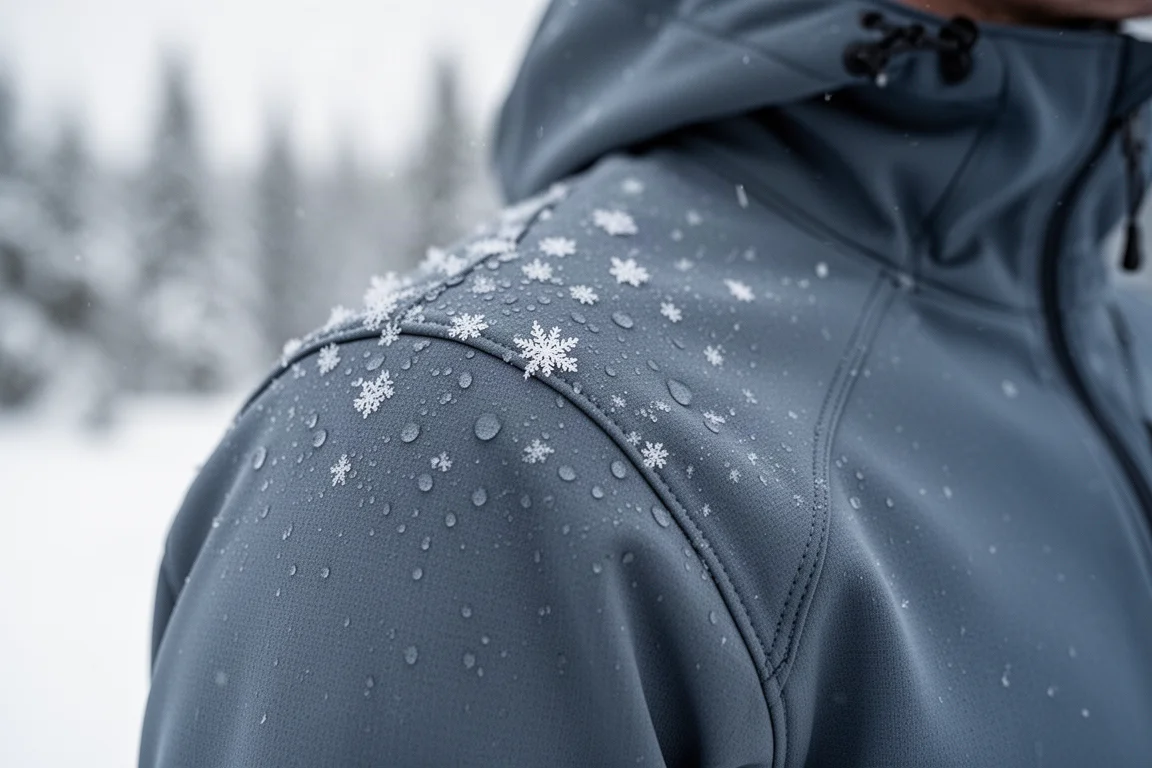
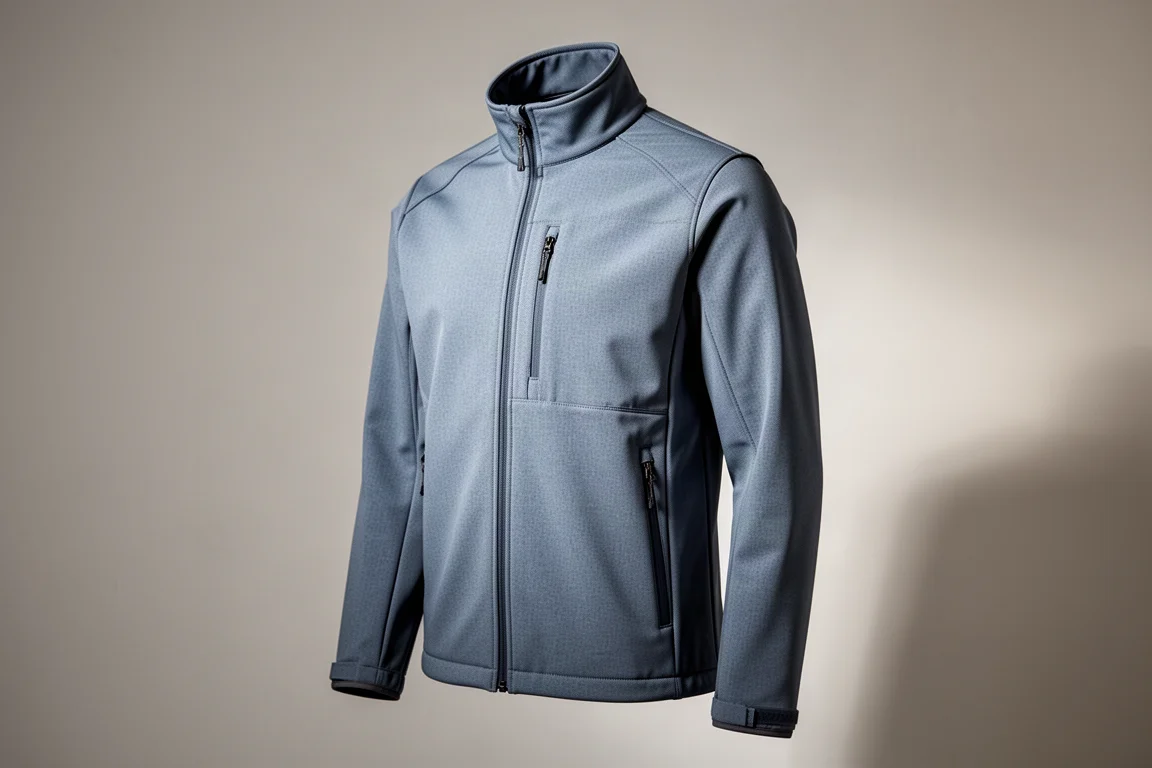
The Outdoor Research San Juan is a soft shell jacket, which means it has no waterproof breathable membrane. That sounds like a drawback, but it is precisely why soft shells breathe so much better than hard shells during hard efforts. Most soft shells carry a durable water repellent treatment, so snow and light rain bead up and roll off instead of soaking through.
The pocket layout is built around cold-weather practicalities. Chest pockets keep items that rely on batteries warm, which makes them a sensible home for a phone, a power bank, or a satellite communicator. Two large internal pockets hold water bottles close to the body so they are less likely to freeze.
Soft shells are at their best in cold, dry conditions. If your winter outings regularly involve rain, a hard shell is the more suitable choice.
Soft Shell Pants: Outdoor Research Trailbreaker II
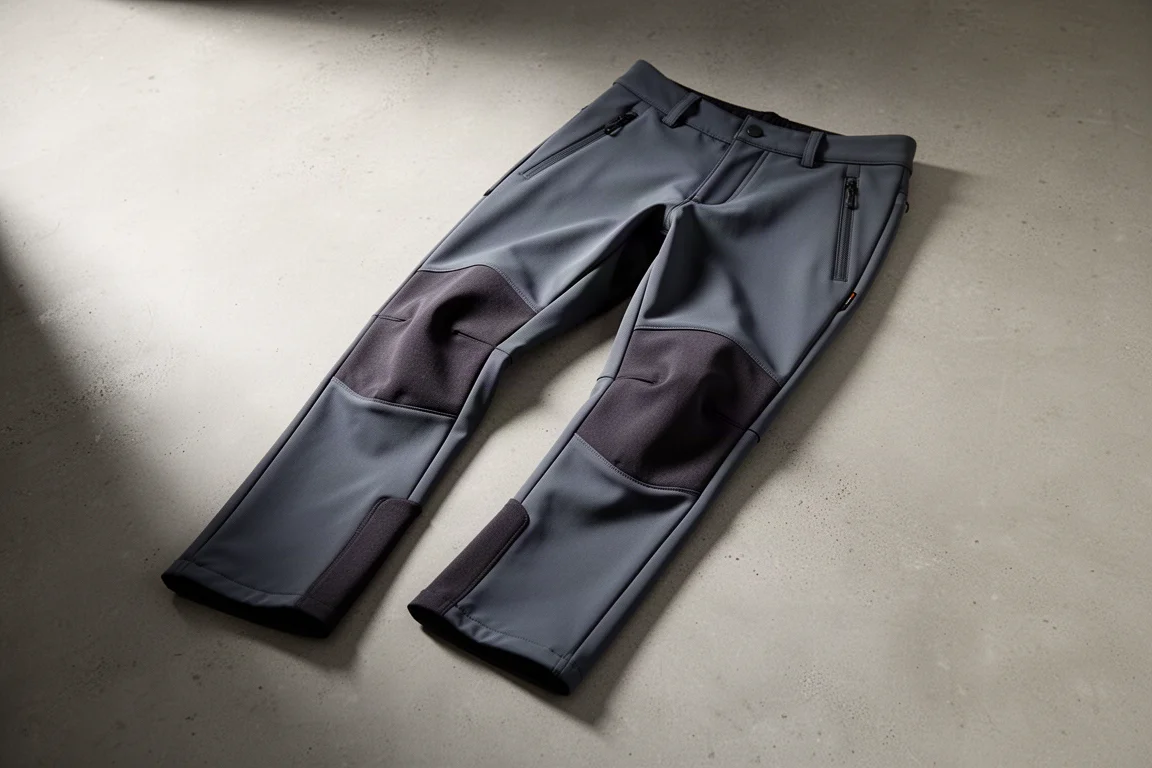
The Outdoor Research Trailbreaker II pants apply the same soft shell logic to your legs, with one addition that matters in deep snow: the knees are reinforced with a waterproof breathable material. If you are breaking trail, that reinforcement is what keeps you dry while you push through drifts.
Gloves: Decathlon Trek 500 Soft Shell Gloves
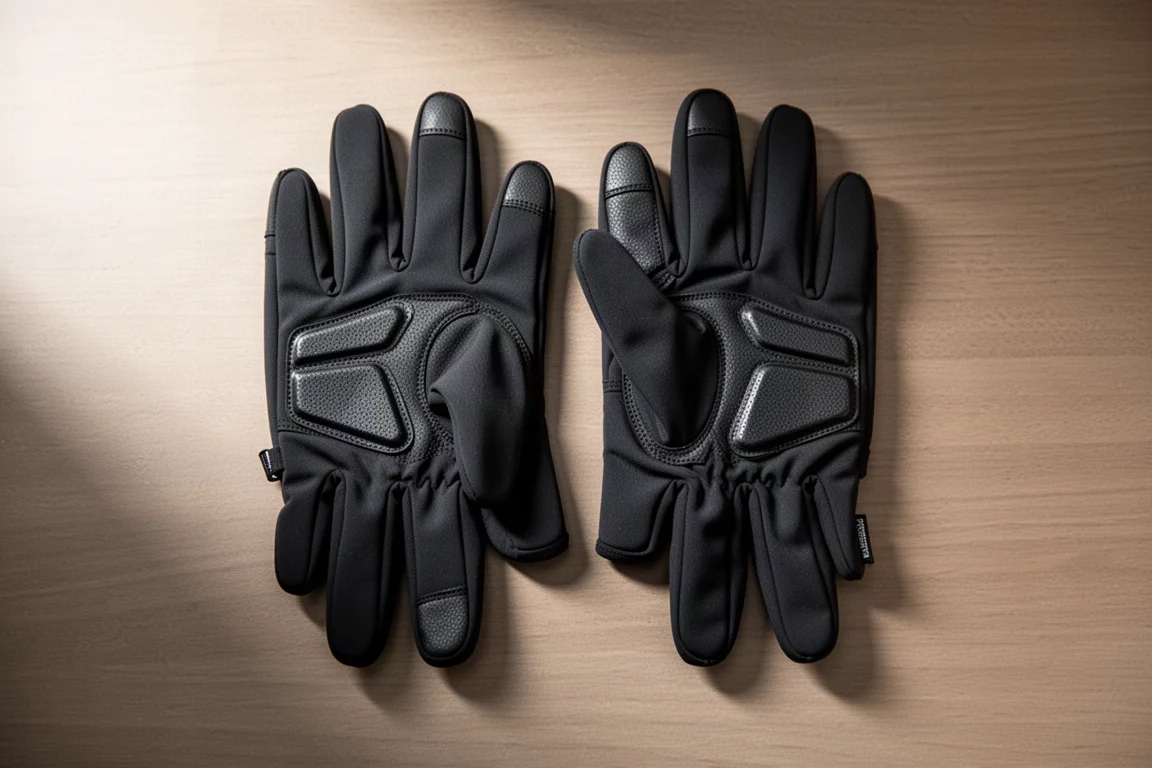
The Decathlon Trek 500 soft shell gloves are built for active winter use. They breathe well, which matters because hands warm up quickly during sustained effort, and the palms are reinforced for gripping trekking poles. A touch-capable finger and thumb let you use a phone without taking a glove off.
The trade-off is durability in one specific area. The touch capability stopped working after about a year and a half of regular use, although no other part of the gloves has worn out. Given how little they cost, that is a reasonable lifespan. If your hands run cold, look for gloves with more wind protection and insulation instead.
Winter Footwear: Decathlon SH520 and Salomon Tundra Pro
Winter boots are the piece of kit that raises the most questions, and the right answer depends on the trip you are planning. A short day hike calls for something different from a multi-day outing with a heavy pack.
Decathlon SH520 Winter Hiking Boot
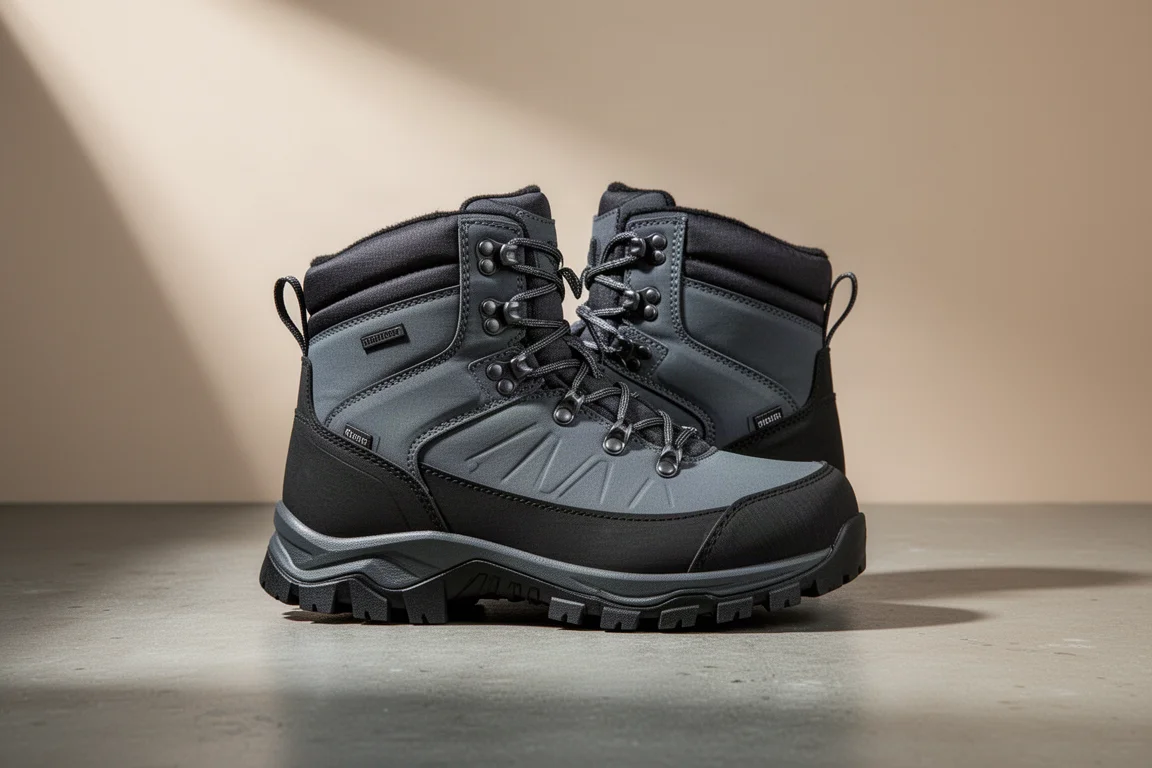
The Decathlon SH520 is a waterproof, insulated winter hiking boot at a price under 100. Grip is the standout quality: it holds traction on slippery, icy slopes where a budget boot would normally struggle. Comfort is on par with far more expensive winter boots.
The limitation is structure. The boot is soft and lacks support, which makes it a less suitable choice for very long days or trips with a heavy pack.
Salomon Tundra Pro Winter Boot
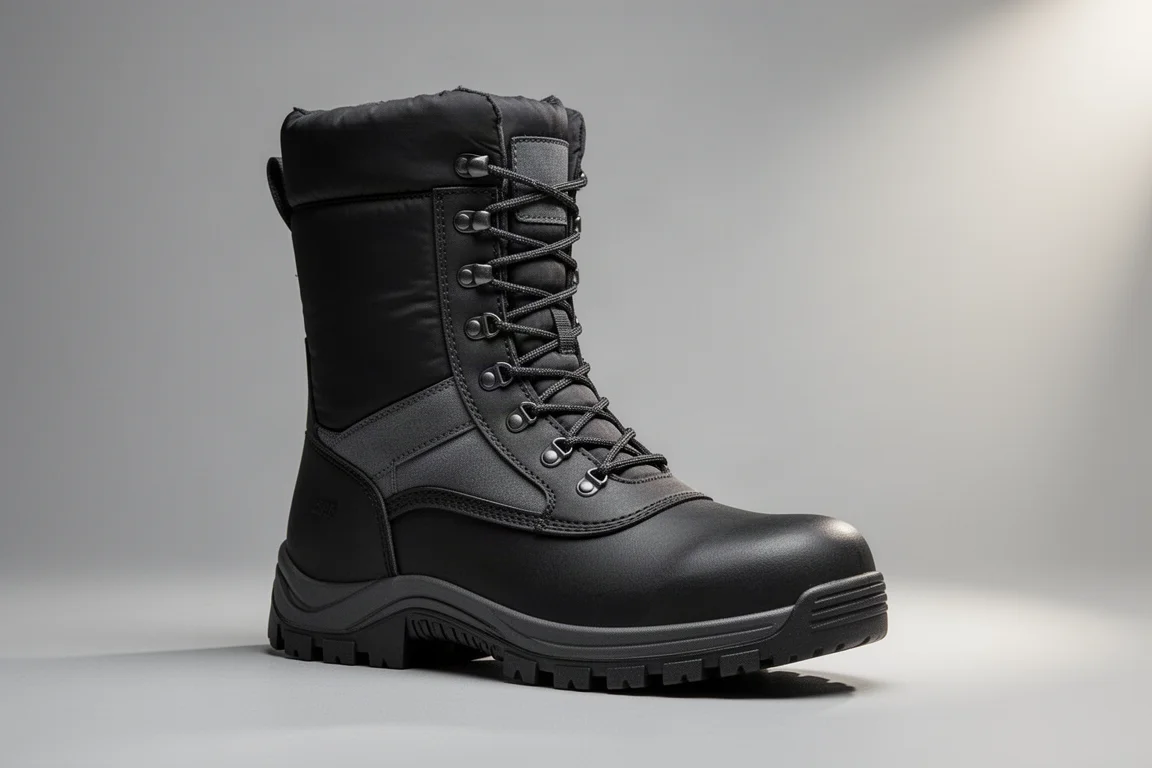
The Salomon Tundra Pro is a highly technical winter boot, built with insulation originally developed for space applications and a stiff sole. Stability and support run through the whole boot, which is exactly what you want when you are carrying a heavy load, snowshoeing, or heading out on a multi-day trip.
Socks and Vapor Barriers
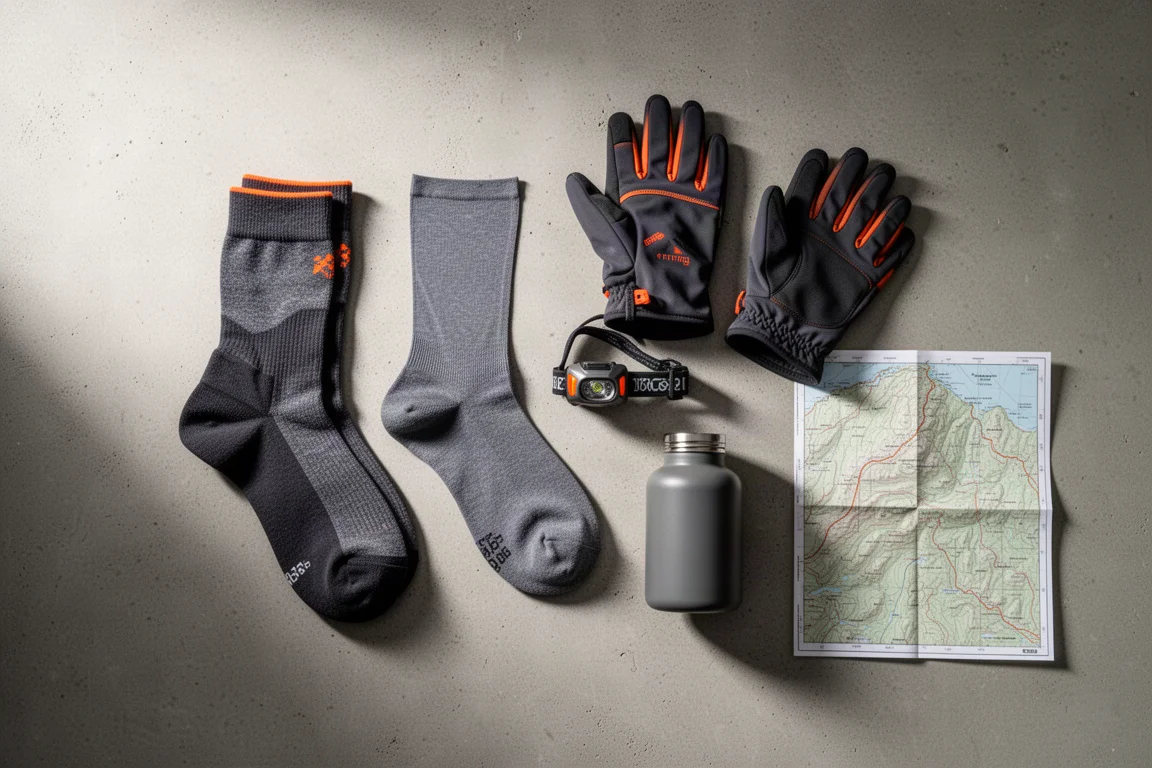
What goes inside the boot matters as much as the boot itself. For a standard winter hike, a synthetic sock works well, with the thickness matched to the temperature. Toe socks suit some people particularly well, and a thicker sock is the simple answer on colder days.
For multi-day trips or genuinely cold conditions, a vapor barrier is worth considering. It stops the sweat and moisture your feet produce from reaching the boot lining, where it would otherwise freeze overnight. The same approach helps on very cold resort days, placed between your sock and your boot so moisture does not evaporate and cool your foot down. You can wear a thin synthetic sock underneath the barrier, or add a warmer wool sock over the top if your feet run cold.
On multi-day trips, a complete change of clothes at camp is part of the system, because getting sweaty to some degree is almost inevitable.
Buying Advice: Building Your Own Winter Layering System
Start with the temperature range you actually go out in. Around freezing, a thin quarter zip base layer plus a soft shell covers most day hikes. Colder outings call for grid fleece base layers and a synthetic insulation layer over the top.
Fabric choice is the decision that pays off most. Quick-drying polyester and nylon keep you comfortable when you sweat, while cotton belongs in the closet until spring. Quarter zips are worth prioritizing across your layers, because venting is the easiest way to regulate temperature without stopping.
Footwear should follow trip length and load. A lightweight insulated boot is comfortable and affordable for day hikes, while a stiffer technical boot earns its place on multi-day trips and snowshoe routes. For hands, match insulation to how warm your hands run: breathable soft shell gloves suit active use, but if your hands get cold easily, look for wind protection and more insulation.
Eye protection deserves a place on the list too. Winter sun reflects off snow, and photochromatic lenses adjust to changing light so a single pair covers bright and overcast conditions.
Conclusion
A winter layering system is less about any single piece and more about how the pieces work together: quick-drying synthetics against the skin, a breathable soft shell to shed snow and wind, synthetic insulation for deep cold, and footwear that matches the trip you are planning. Get those four decisions right and cold-weather outings become something to look forward to rather than endure.
Further reading
Related Reviews

Backpacking Gear
Building a 10 lb Base Weight: An Ultralight Backpacking Gear List
A practical walkthrough of the ultralight pieces behind a 10 lb base weight, from a 765 g pack and a roomy one-person tent to a full camp chair and a dependable water filter.

Road Bikes
10 New Road Bikes Worth Watching: Aero, Titanium, Steel and Endurance Standouts
A practical roundup of 10 new road bikes, from aero flagships chasing single-watt gains to titanium, steel and endurance platforms built for real roads.
Bikepacking Gear
11 Bikepacking Essentials for Long-Distance Cycling
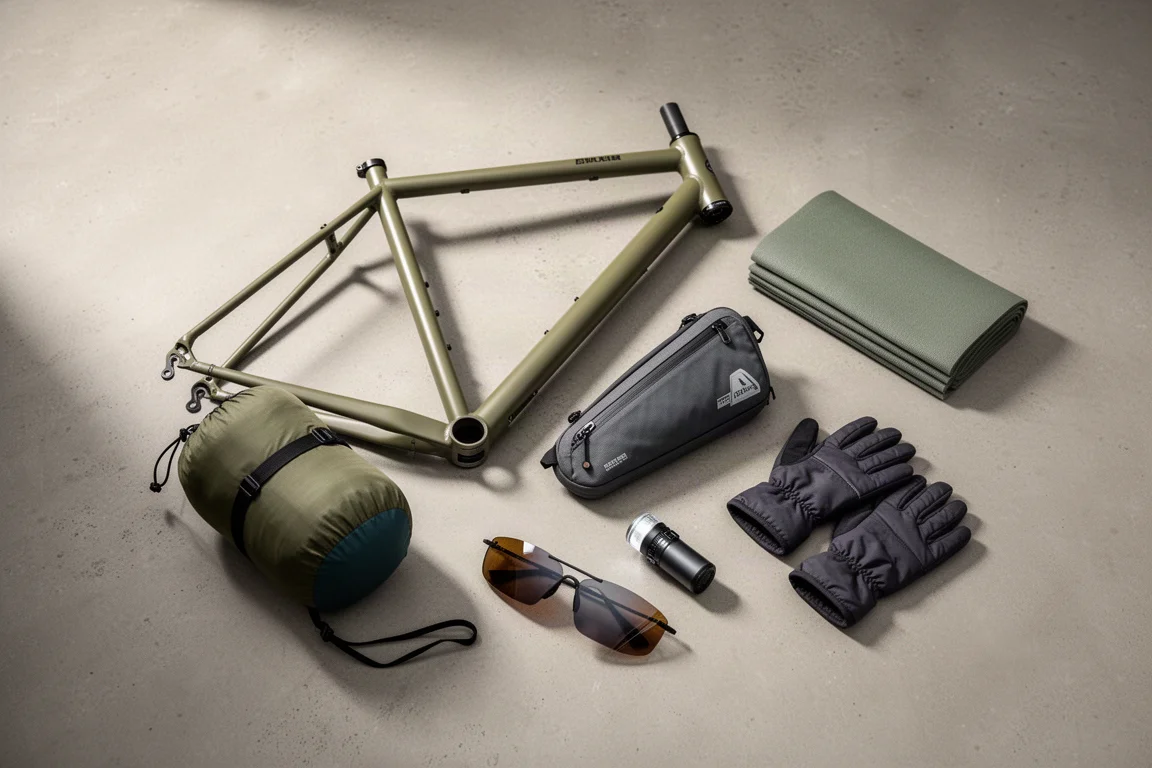
Eleven bikepacking essentials for long-distance cycling, from a steel gravel frame and a two-person tent to helmet lights, packable gloves, and a frame bag that puts weight in the right place.