Backpacking Gear
Winter Desert Backpacking Gear Loadout: 10 Items That Earned Their Place
A roughly 30 lb cold-weather backpacking loadout tested over three days in the southern Utah desert, covering shelter, sleep system, water treatment, camp comfort, and safety gear.
Introduction
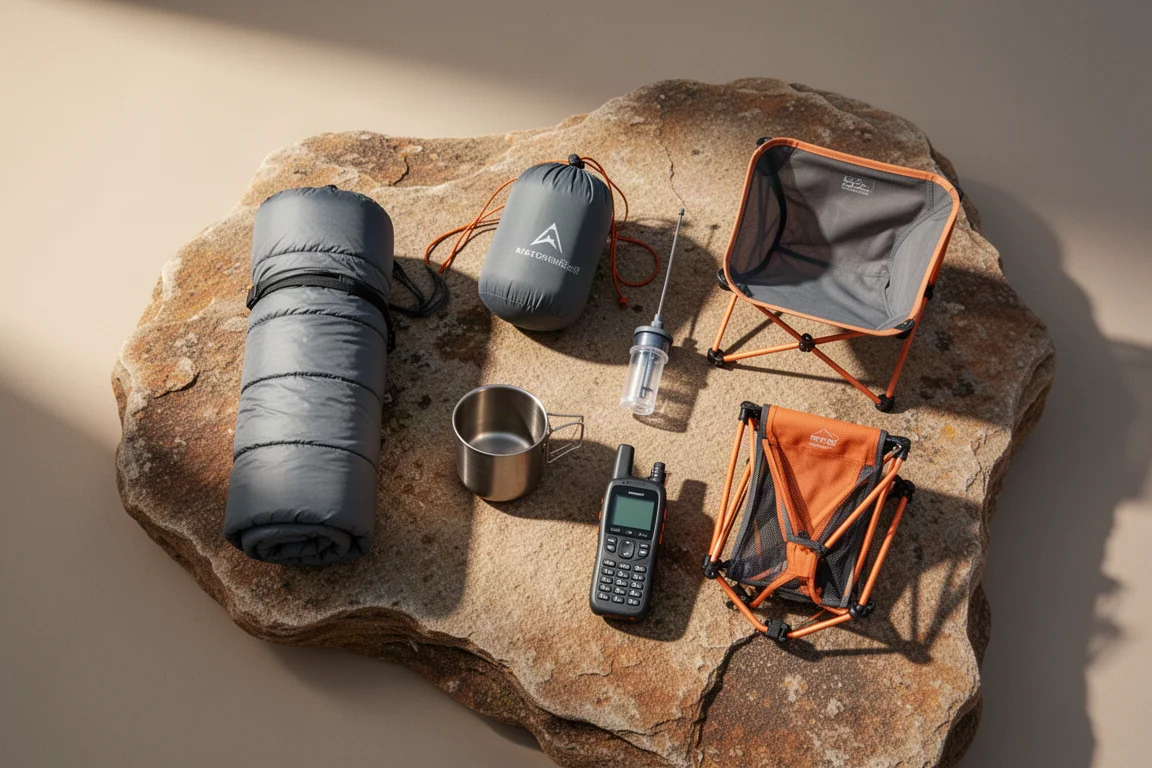
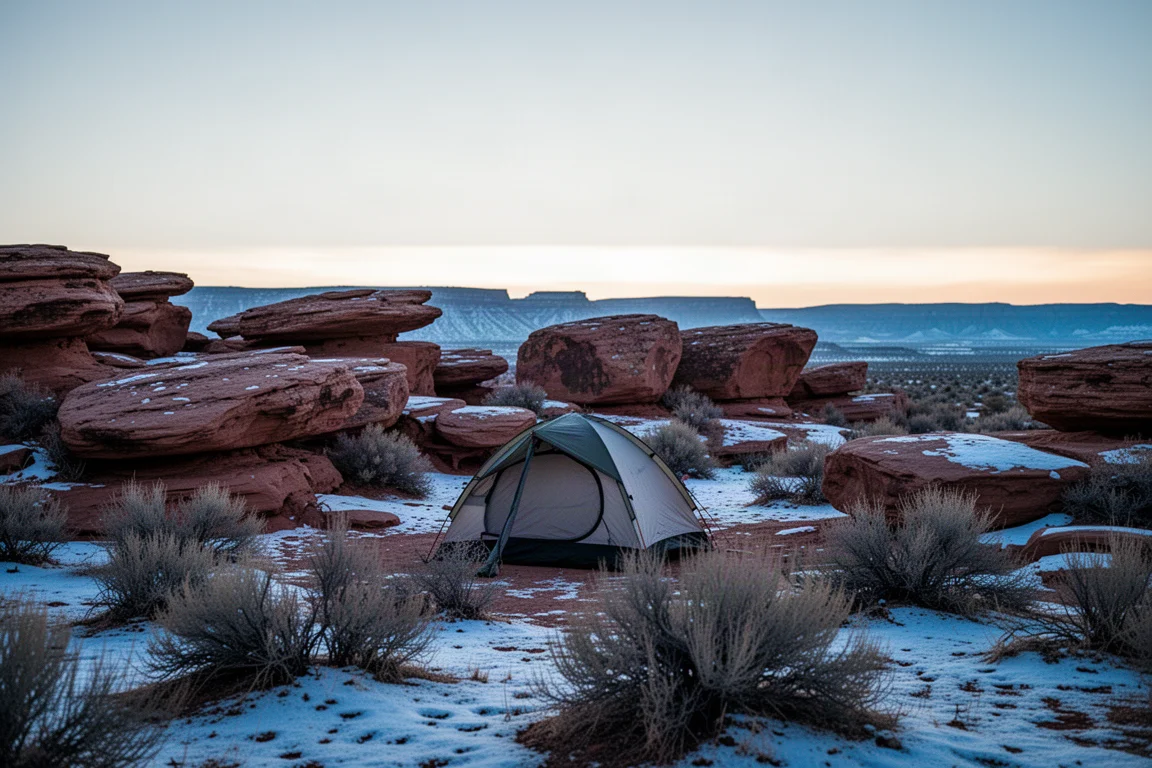
A three-day winter backpacking trip through southern Utah desert country is a demanding test for any kit. Overnight temperatures drop below freezing, gusts sweep through camp, the ground is often too rocky or too sandy to hold a stake, and route finding can turn into serious bushwhacking. This loadout came in around 30 lb with food, water, and camera gear included, and every item below earned its place in the pack.
Some of these pieces are long-standing favourites, one is a fresh collaboration, and one is a prototype that may be genuinely unlike anything else currently on the trail.
What This Loadout Had to Handle
The conditions set the priorities. Freezing overnight temperatures put the sleep system first: a warm pad, a quilt rated for cold nights, and a pillow that actually supports a side sleeper. Gusty wind and ground that refused stakes made a freestanding shelter the practical choice. A starting weight near 30 lb meant the pack had to carry a heavy load without complaint, and long stretches of dense brush tested how well fabrics survive abrasion.
Best Value Backpack: REI Flash 55
Between the two REI packs in this loadout, the Flash 55 is the better buy on value. Anyone weighing the two against each other with price-to-performance as the deciding factor should start here.
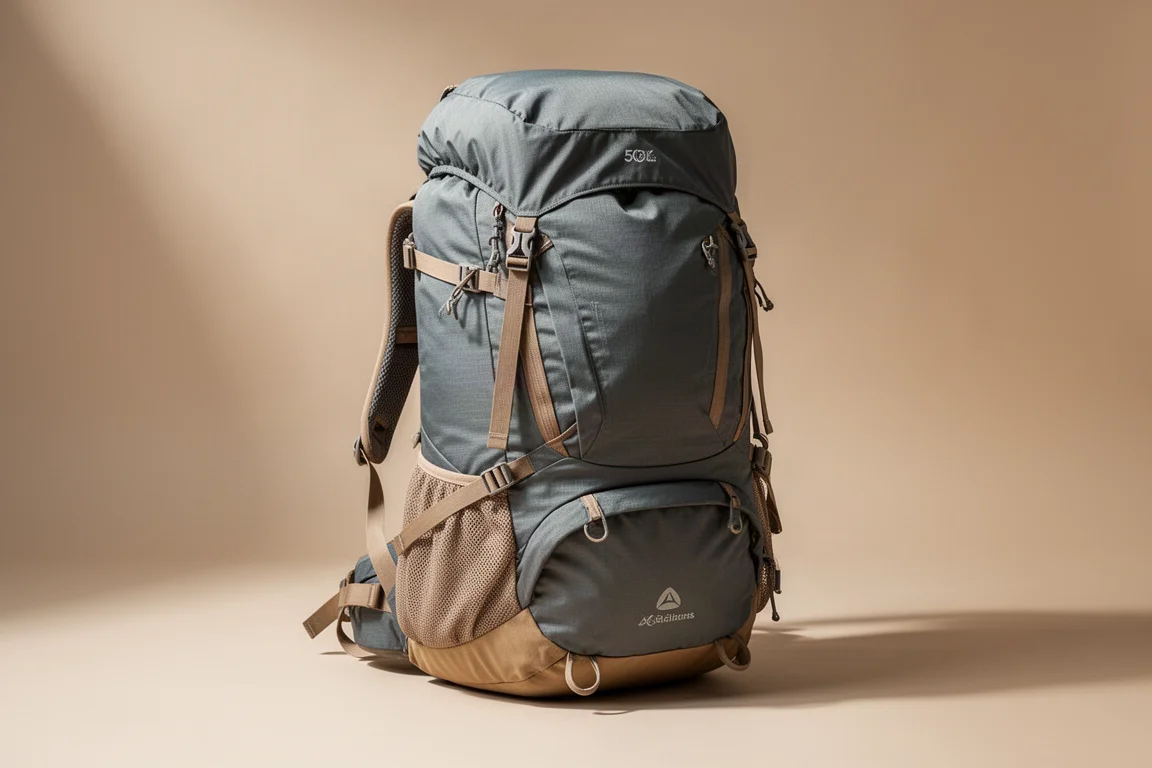
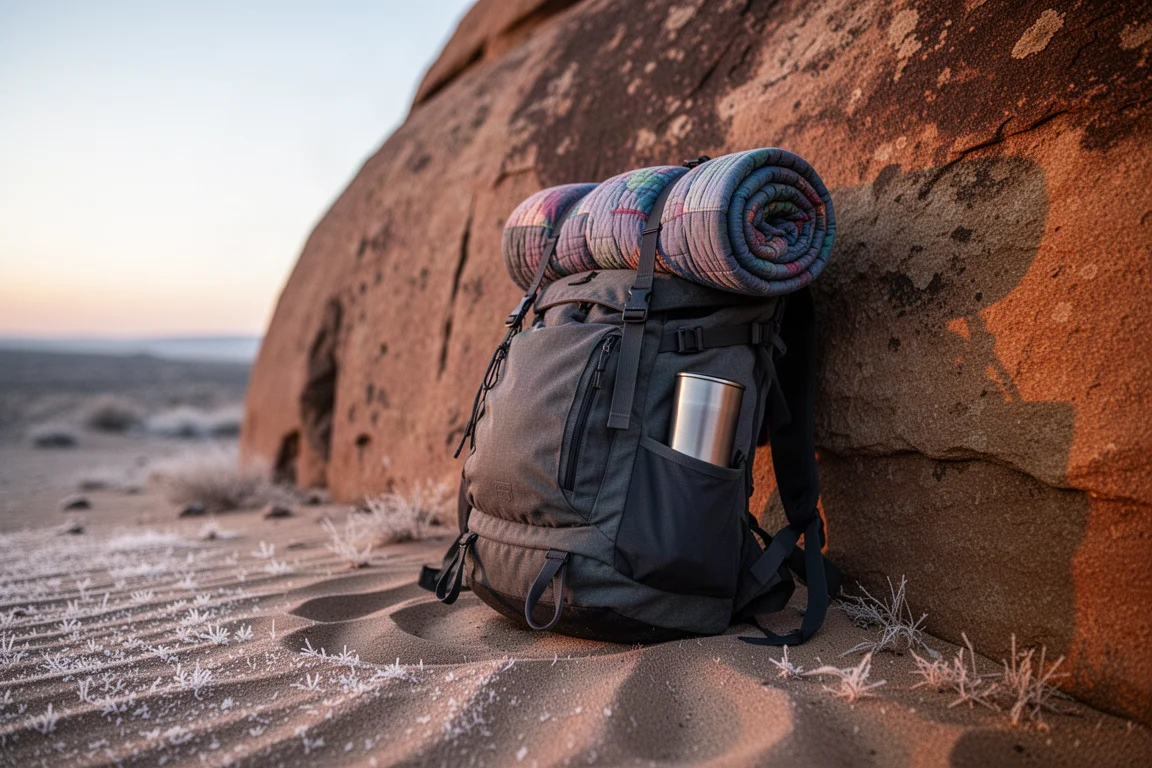
Ultralight Load Hauler: REI Flash Air 50
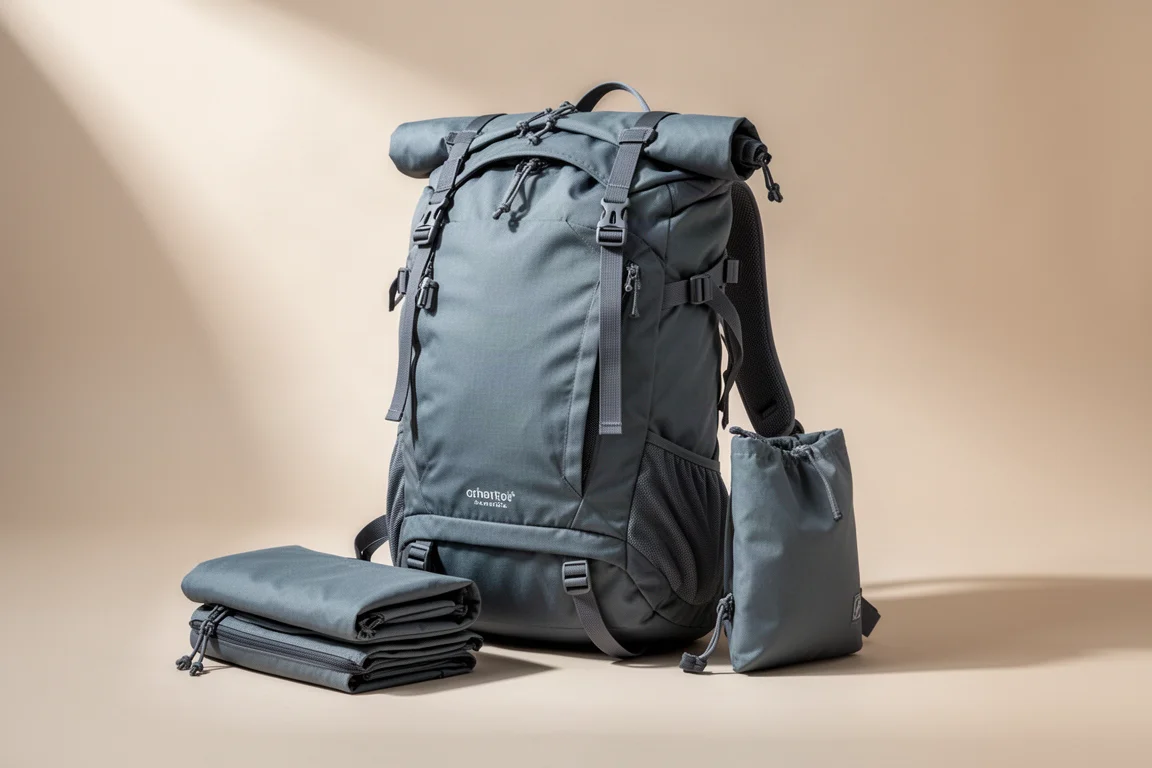
The Flash Air 50 carried the full load, roughly 30 lb including food, water, and camera gear, and carried it well. It also came through intense bushwhacking without getting ripped up, which says a lot about how the fabrics hold up against abrasive terrain.
Its case is strongest for backpackers who want to keep pack weight down and are comfortable giving up some of the value that the Flash 55 offers.
Freestanding Shelter: Durston X-Dome
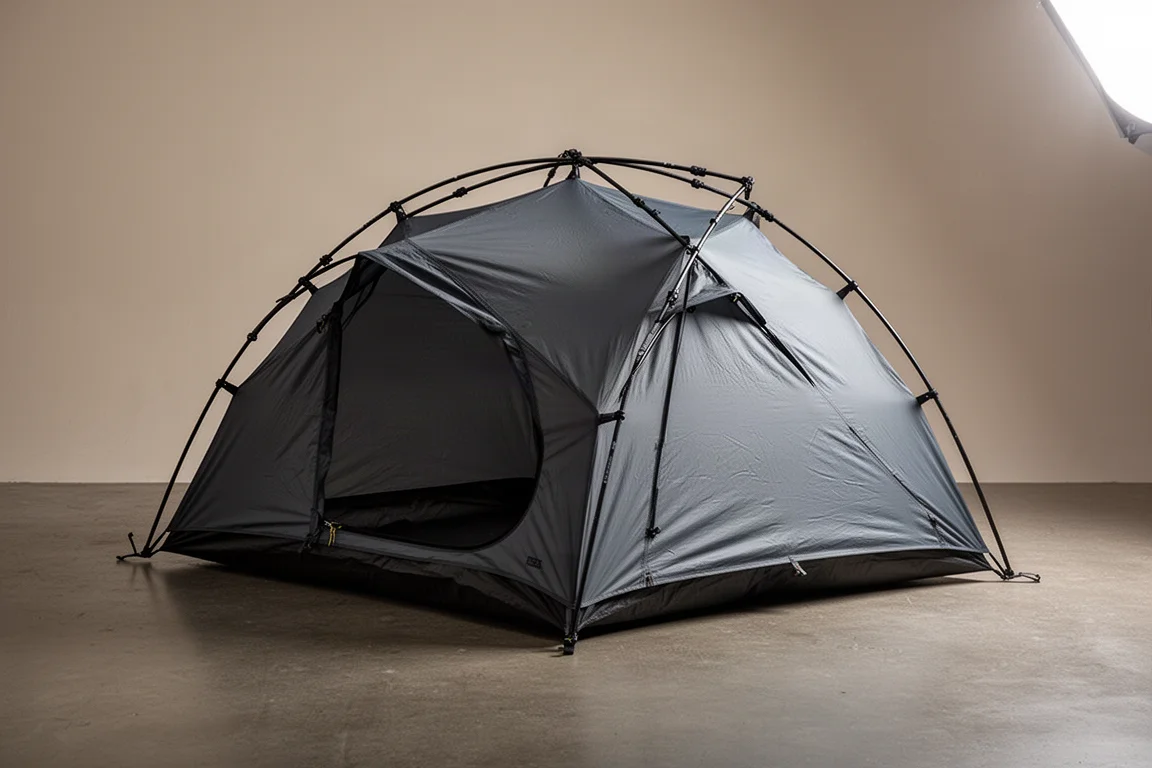
The X-Dome is a freestanding one-plus person tent, and that design choice paid off on this trip. Gusty winds came through camp overnight, and the ground was too rocky and sandy to drive stakes into. Because the tent stands on its own, rocks were enough to pin everything down, and it stayed very stable through the wind. The poles pack separately and ride on the outside of the pack.
The one real limitation is spindrift. Fine snow and sand can still work their way into the tent, which is worth knowing if you camp in exposed, windy places.
Camp Pillow: Zenbivy Soft Top Pillow
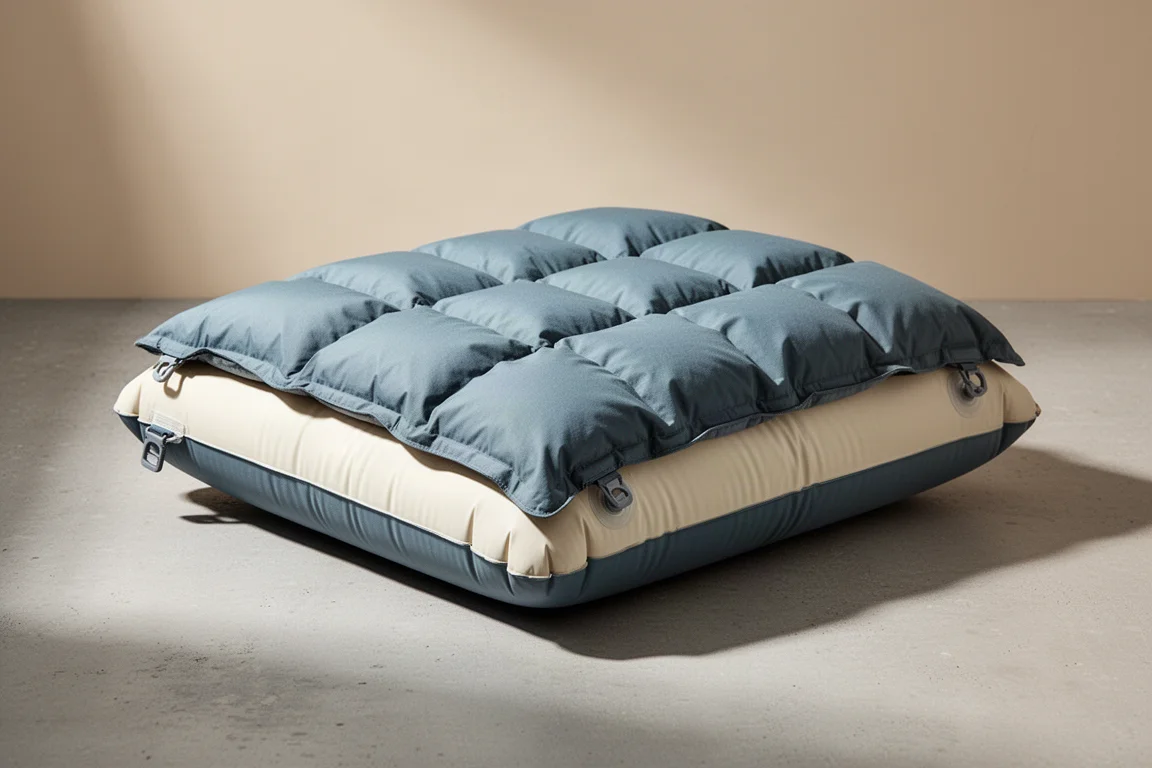
The large version of the Zenbivy Soft Top Pillow is easily the favourite pillow in this kit. It provides enough height for a side sleeper, which is usually the detail that decides whether a camp pillow is genuinely comfortable or just something to tolerate.
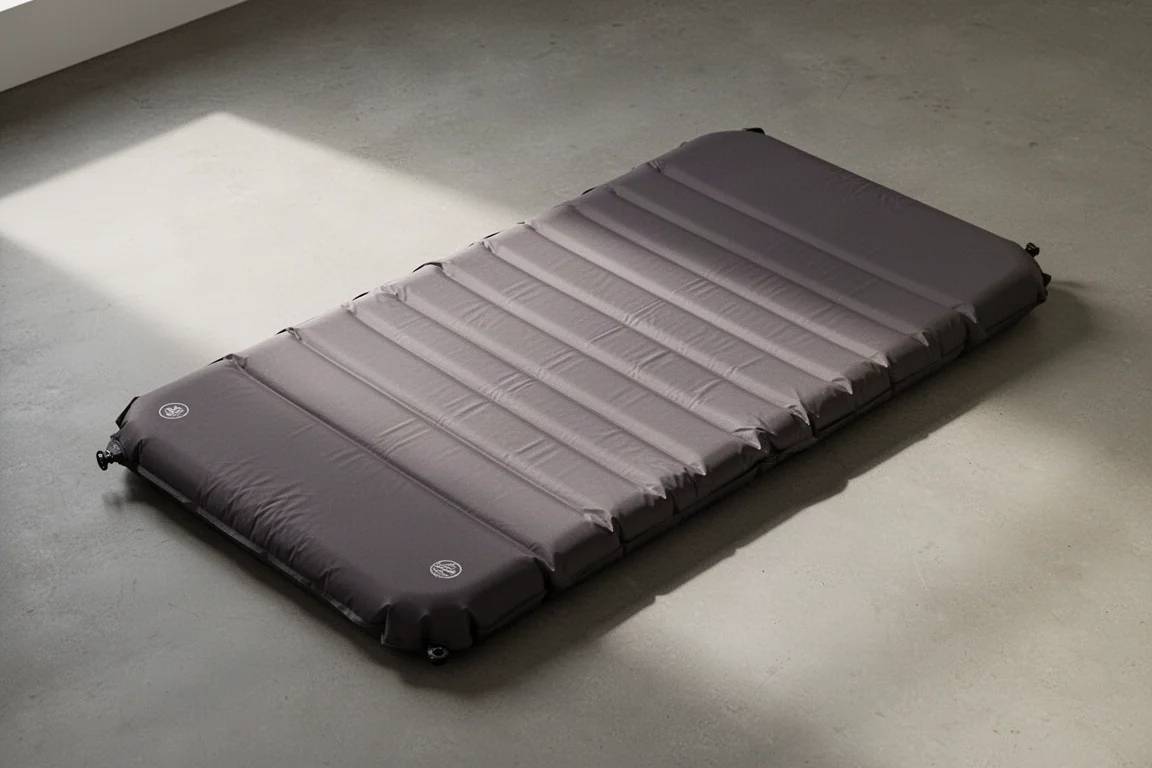
Sleeping Pad: Zenbivy Ultralight Sleeping Pad
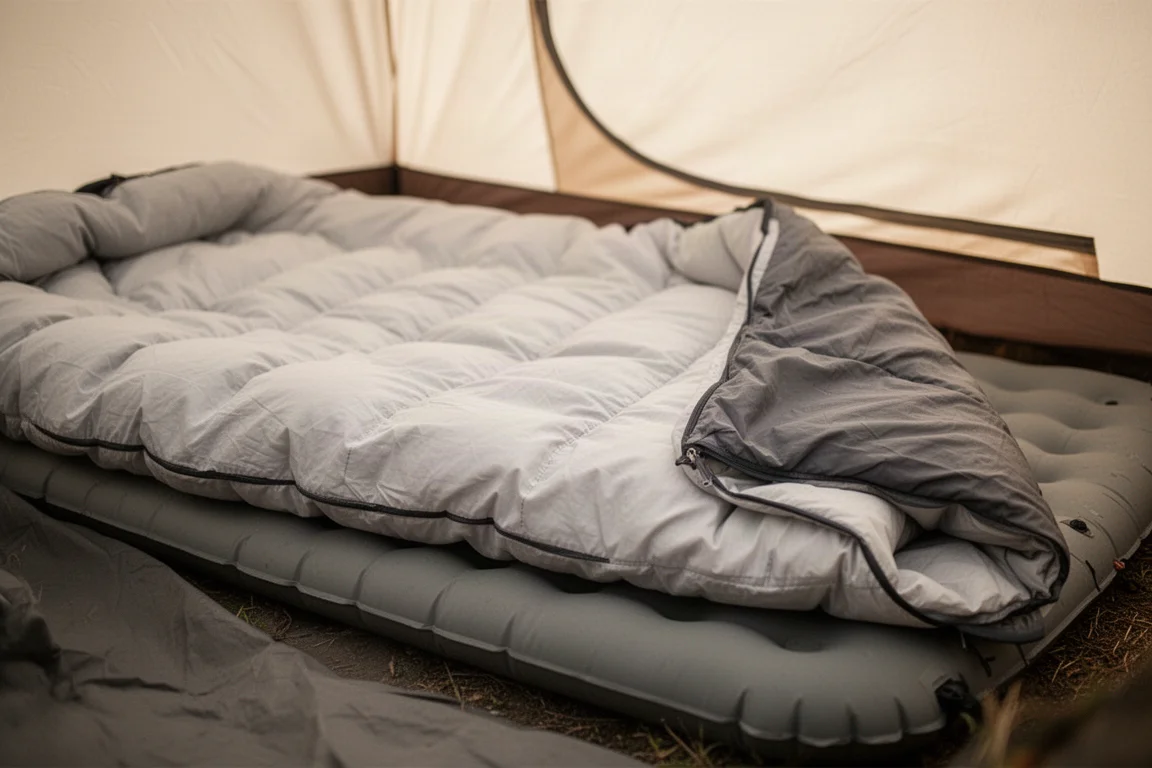
The Zenbivy Ultralight Sleeping Pad sleeps warm and is genuinely comfortable, the kind of pad that produces good sleep night after night in the cold. This is the rectangular version at 25 x 72 in, which gives a little more room to move around than a narrower shape.
On winter trips, warmth and comfort matter more than saving the last few grams, and this pad delivers both.
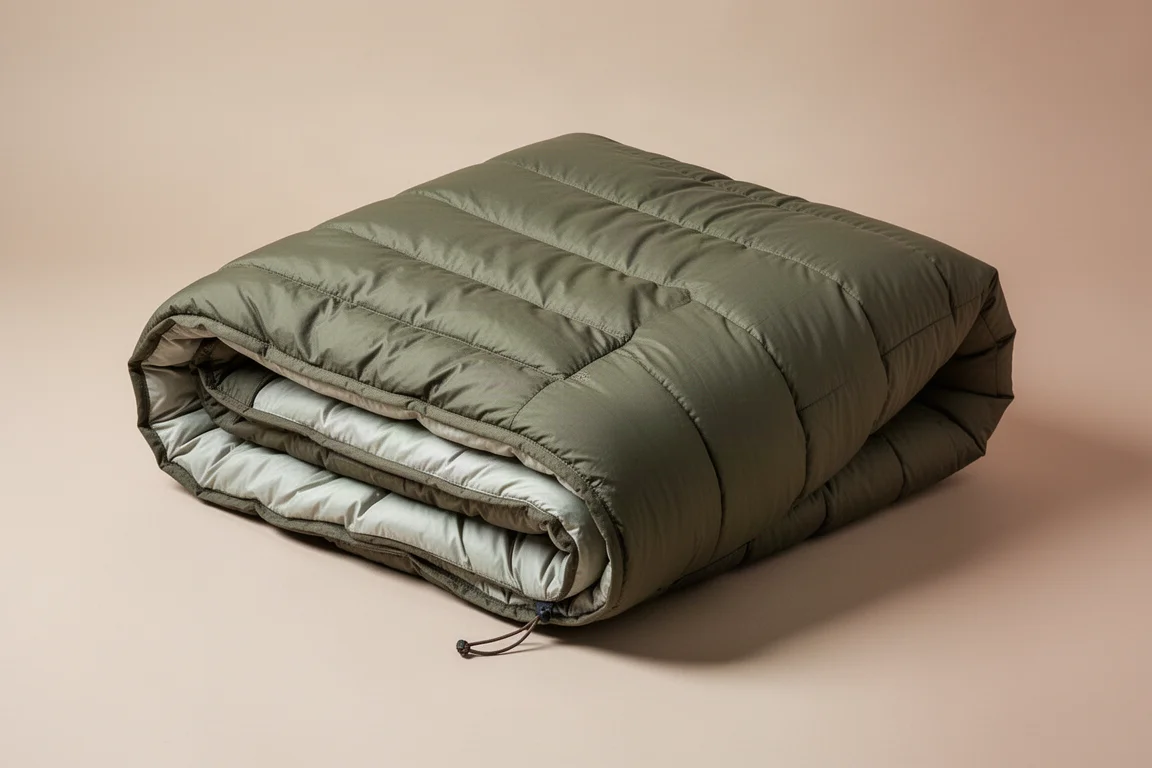
Quilt: UGQ Bandit with Alpha Direct
The quilt in this loadout is a prototype UGQ Bandit, and it is the most unusual item here. Its liner is made from Alpha Direct fabric, sewn directly into the quilt rather than added as a removable liner. The baffle lines run across the Alpha Direct, so the two are fully integrated. Alpha Direct is very light and very thermally efficient, trapping a great deal of body heat.
The result is a 20°F rated, 55 in wide quilt that felt warm, even hot, across two nights in freezing temperatures. Adding Alpha Direct is a low-weight way to push a 20°F or even a 30°F quilt into colder conditions. The version shown has a white liner; the production version is expected to use black Alpha Direct.
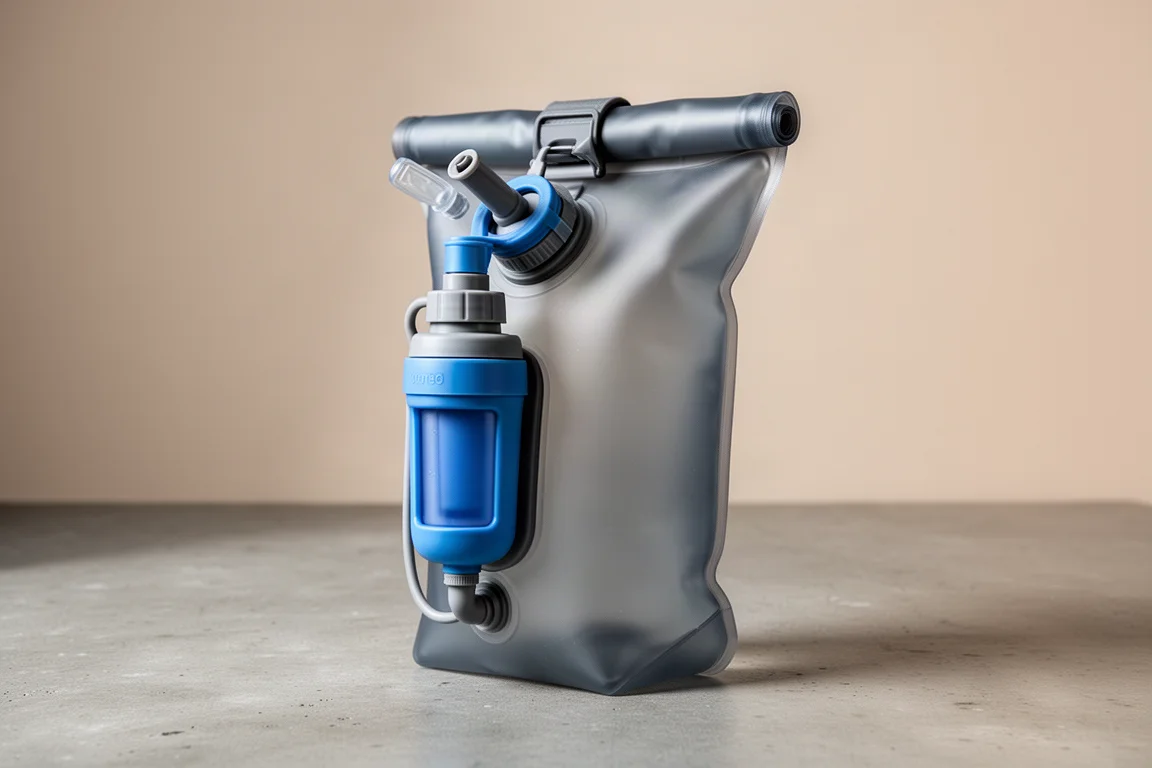
Water Treatment: Sawyer Squeeze with CNOC Vecto X
The Sawyer Squeeze remains the filter of choice, and it is now available bundled with the CNOC Vecto X as a Sawyer collaboration. Buying the two together as one package is a genuinely useful option, since the pairing covers both filtering and carrying water on a trip like this.
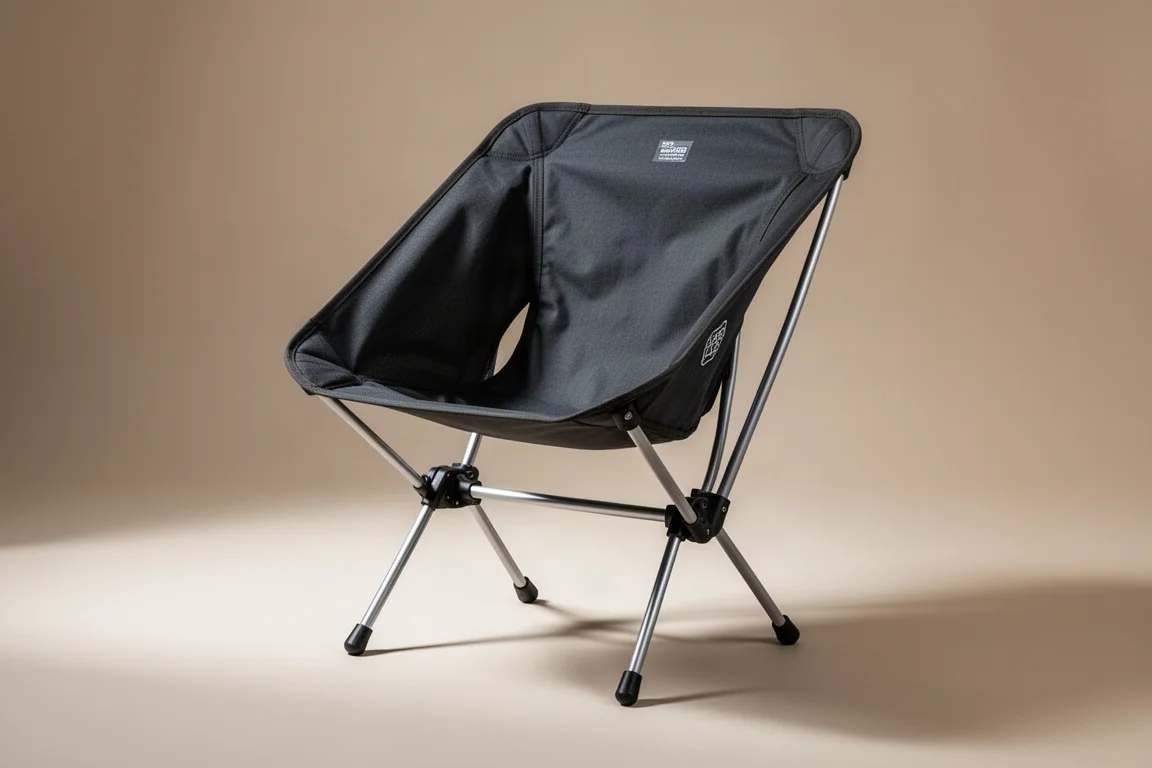
Camp Chair: Big Agnes Skyline UL Chair
The Skyline UL Chair came along for comfort at camp, and it earns its place on a long trip when evenings are cold and you want to sit properly rather than perch on a rock.
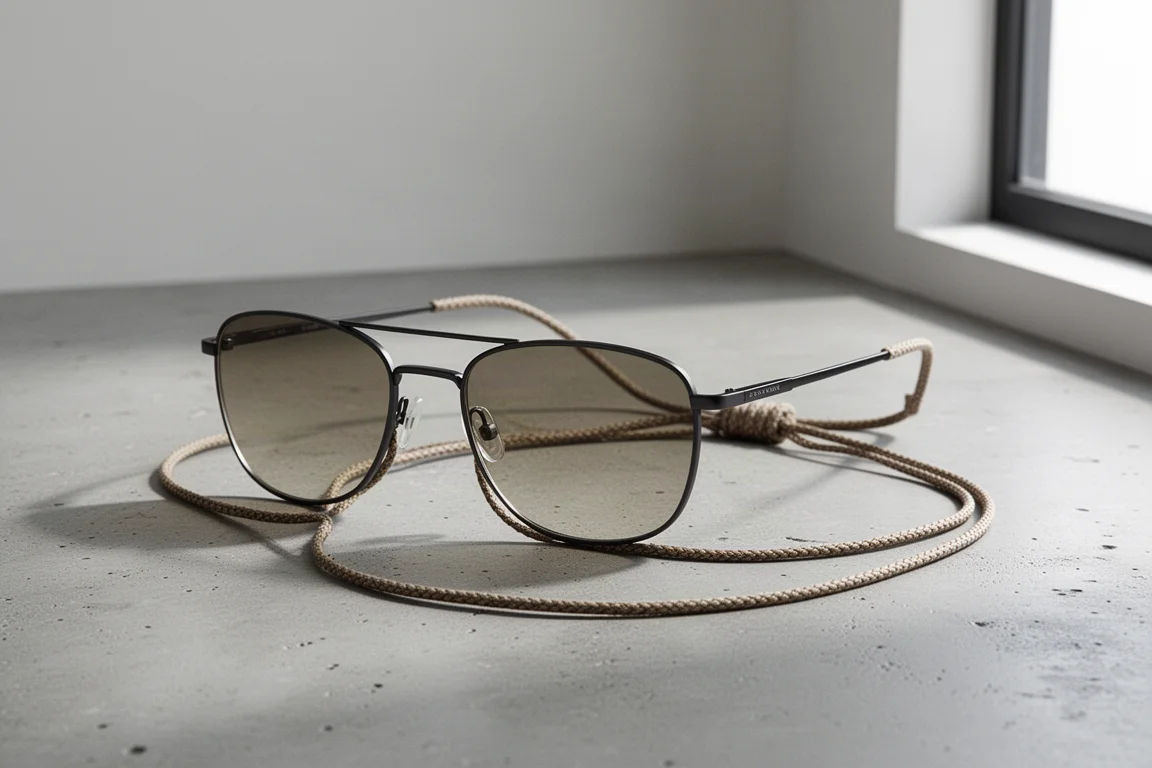
Sunglasses: Ombraz
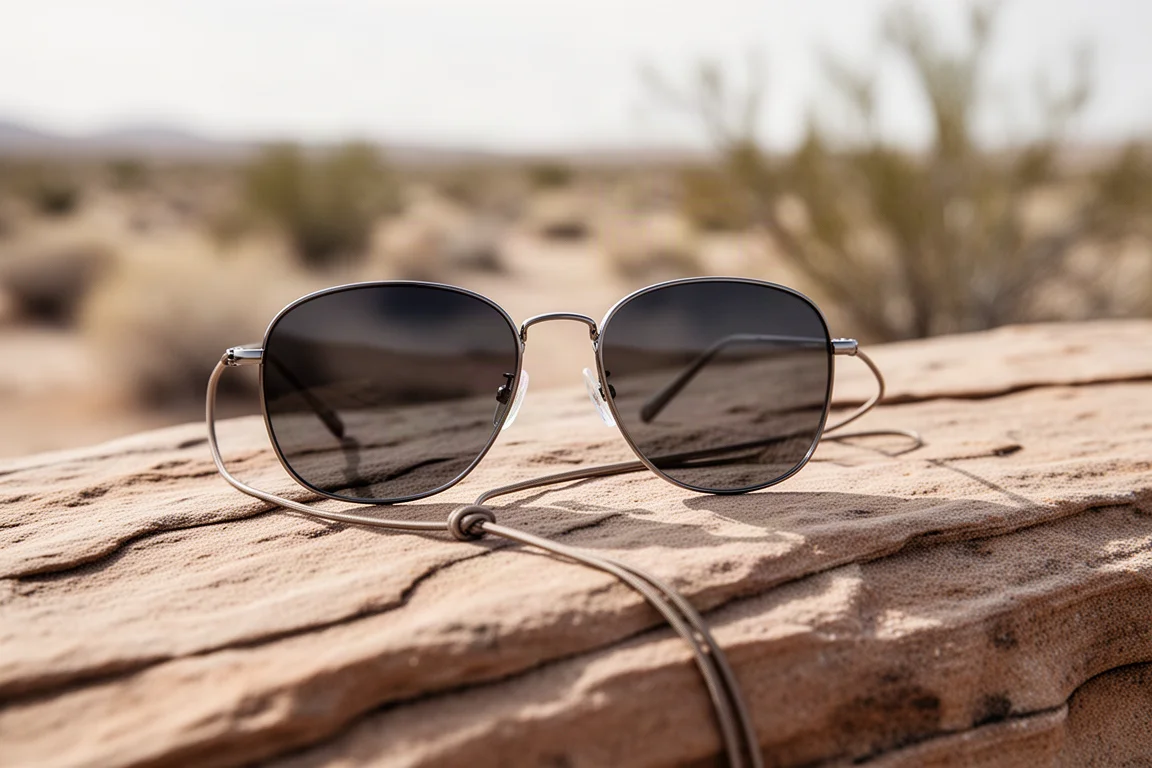
Ombraz sunglasses take a different approach: there are no side arms. Instead, a cord wraps around the back of the head, so they stay in place while scrambling over rocks and can simply hang around the neck when they are not needed. They have been in testing since around November and have proven to be a genuinely useful design.
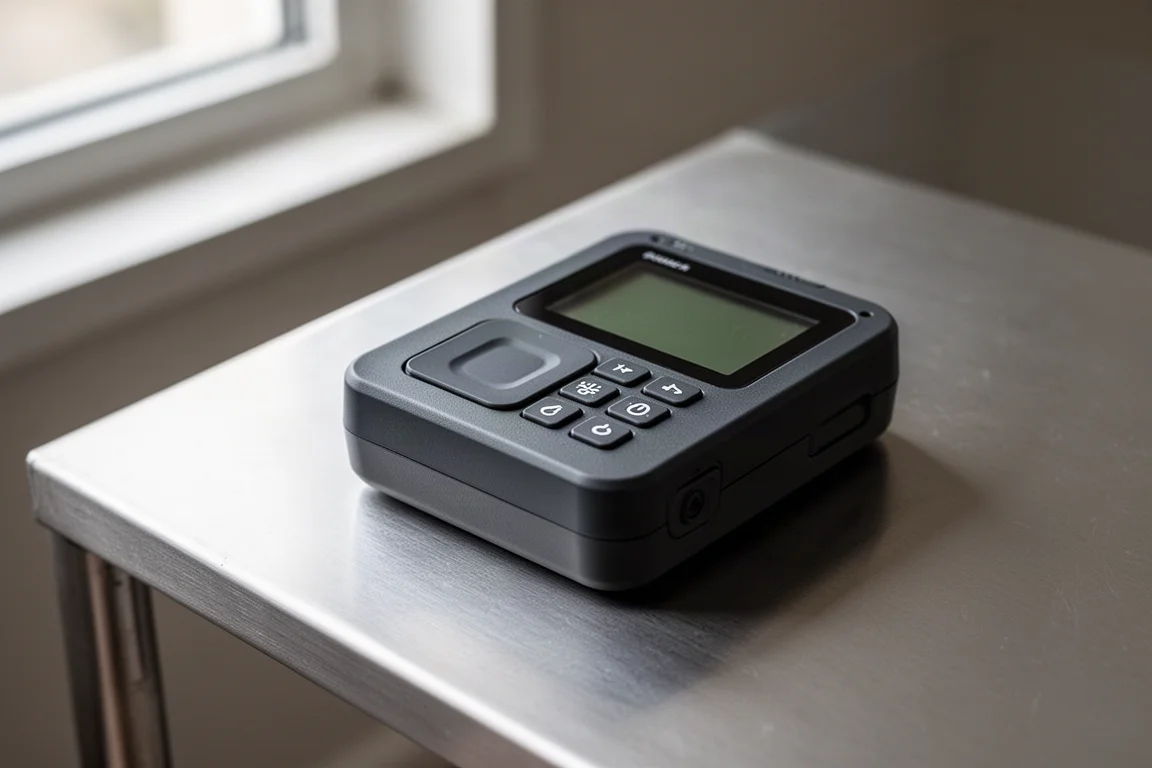
Satellite Communicator: ZOLEO
The ZOLEO satellite communicator has been a staple of this kit for nearly five years now, and it remains the piece of gear that makes remote trips feel manageable. Reliable off-grid communication is hard to replace.
Overall Buying Advice
Match each purchase to the conditions you actually expect. If your ground is rocky or sandy, a freestanding shelter is worth the weight. If your nights run below freezing, put the money into the sleep system first: pad, quilt, and pillow, in that order of impact.
Between the two REI packs, the Flash 55 is the better value, while the Flash Air 50 is the one to pick if low weight is the priority and you accept the trade-off. Water treatment and a satellite communicator are the two categories where the reliable, well-proven option is usually the right call, since both are pieces of kit you want to work without thinking about them.
Conclusion
Good cold-weather gear is less about the number of items and more about whether each one solves a real problem. On this trip, a freestanding shelter, a warm sleep system, a filter that pairs cleanly with a reservoir, and a satellite communicator did the heavy lifting, while a handful of comfort items made the evenings far better than they would have been otherwise.
Further reading
Related Reviews

Backpacking Gear
Building a 10 lb Base Weight: An Ultralight Backpacking Gear List
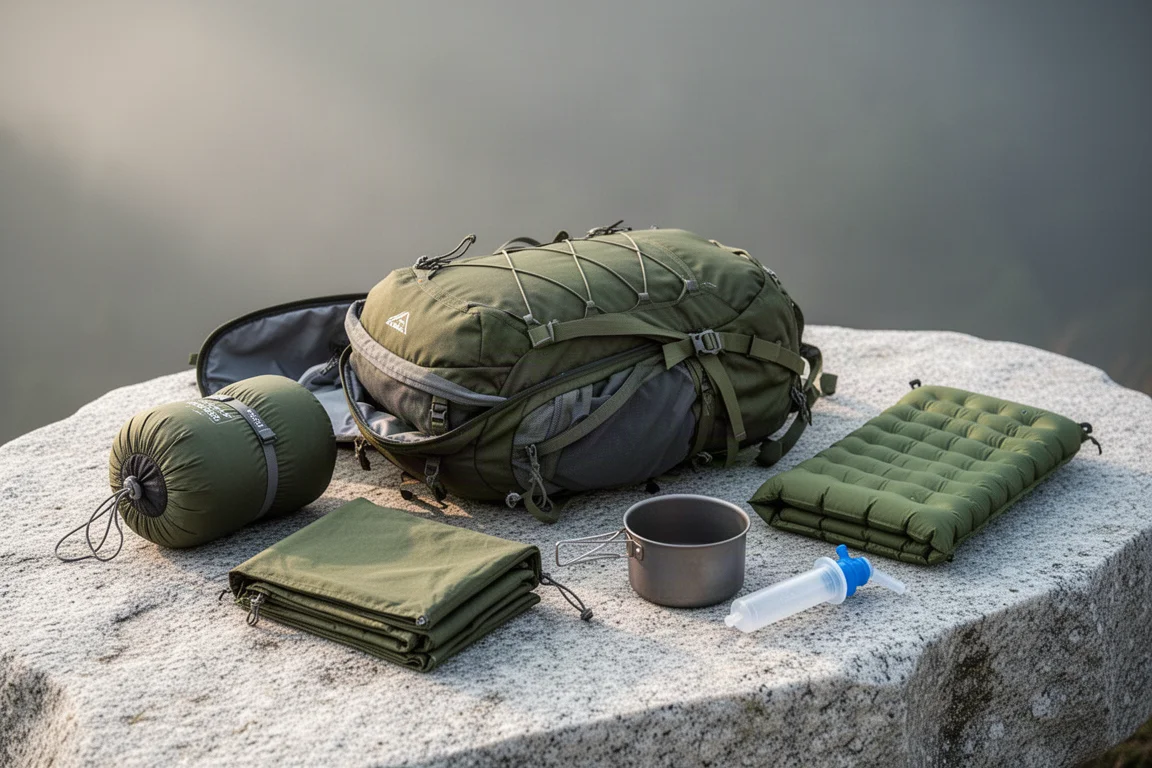
A practical walkthrough of the ultralight pieces behind a 10 lb base weight, from a 765 g pack and a roomy one-person tent to a full camp chair and a dependable water filter.
Backpacking Gear
A 15-Pound Lightweight Backpacking Gear List for Solo Trips
A beginner-friendly 15-pound backpacking setup built from easy-to-find gear, with notes on what each piece does, how it packs, and where to spend your attention.
Backpacking Gear
8 Ultralight Backpacking Gear Upgrades Worth Carrying
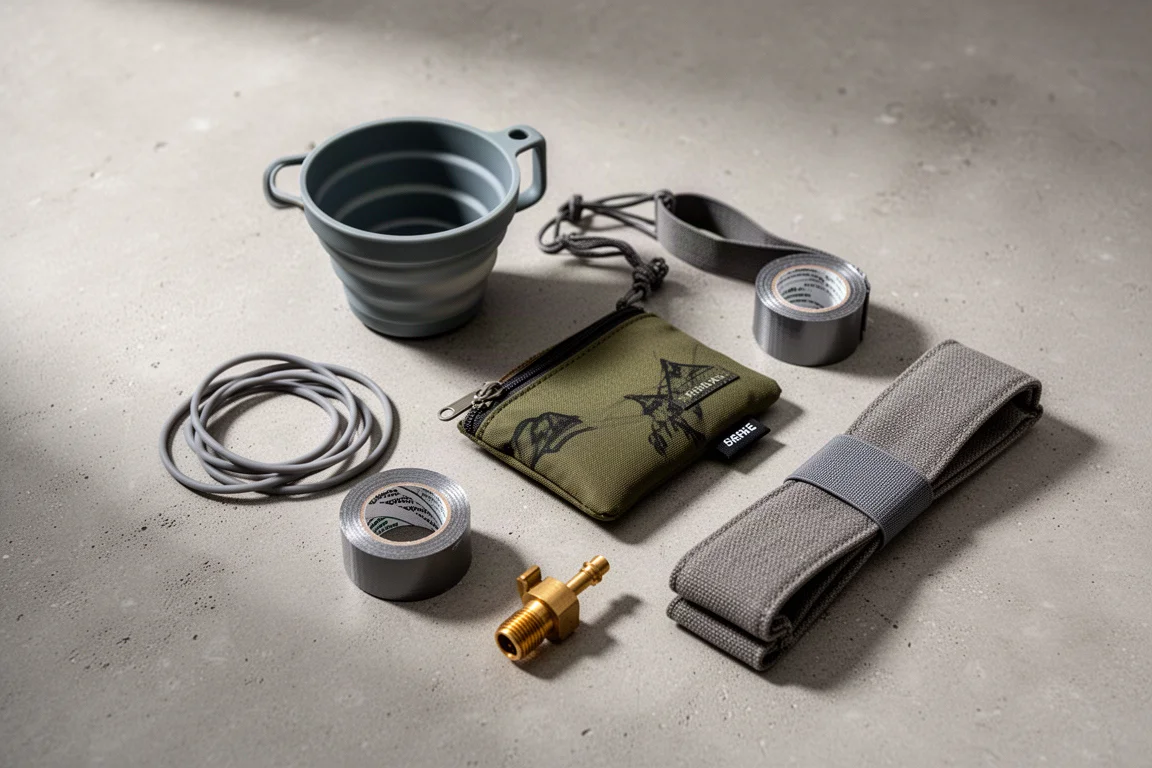
Eight small, affordable backpacking upgrades that solve real trail annoyances, from a pillow that stays put to a fuel valve that rescues leftover canister gas.