Camping Tents
Winter Camping Tents Compared: Three Season vs Four Season
A practical look at four winter camping shelters, from sealed three season tunnel tents to expedition grade four season options, and how to decide which one you actually need.
Introduction
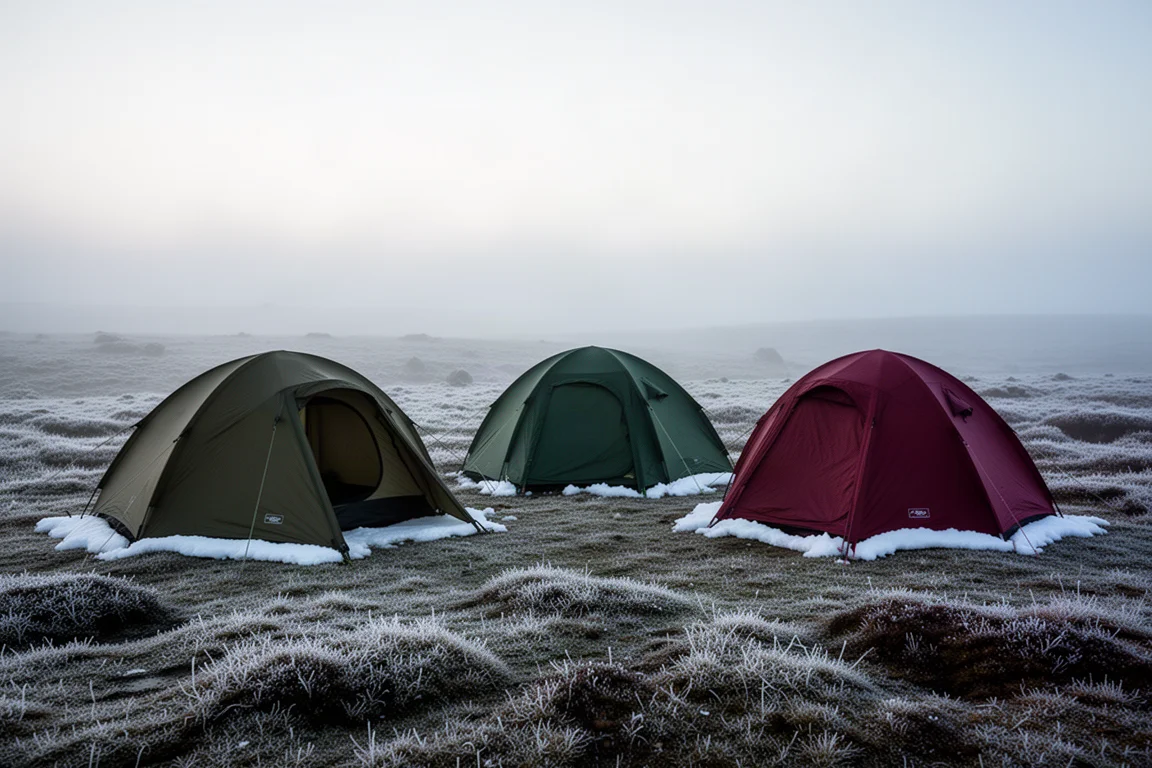
Winter camping does not automatically mean you need a four season tent. The right answer depends on the weather you expect, how exposed your pitch is, and how much structure you actually need. A three season shelter with a solid inner and a fly that reaches close to the ground can handle cold nights, light snow and moderate wind. A dedicated four season tent adds stronger poles, a more robust frame and better sealing against spindrift, which is what starts to matter when the forecast turns serious.
This guide looks at four shelters that cover that range. Two of them are tunnel style tents that make the three season versus four season difference easy to see side by side, and two more sit at opposite ends of the winter tent market: one expedition grade benchmark, and one budget option with a label worth questioning.
Three Season vs Four Season Tents: What Actually Changes
The first difference is how far the fly drops towards the ground. Many three season tents leave a deliberate gap around the base to encourage airflow in warm weather. That gap is exactly what you do not want in snow, because it lets spindrift blow into the sleeping area. Four season tents sit much closer to the ground, which keeps drifting snow out and traps a warmer microclimate inside.
The second difference is the inner. Three season tents typically use a lot of mesh, which is comfortable in summer and a liability in a cold wind. Four season tents usually have a mostly or fully solid inner, sometimes with a small mesh panel that can be covered when conditions demand it.
The third difference is the structure. Four season poles tend to be thicker and stronger, and the frame usually includes additional pole sections, corner supports or cross poles that can be added for rigidity. Tie-out points are another giveaway: a winter tent generally offers more of them, and more adjustability, so you can tension the shelter against wind and snow loading.
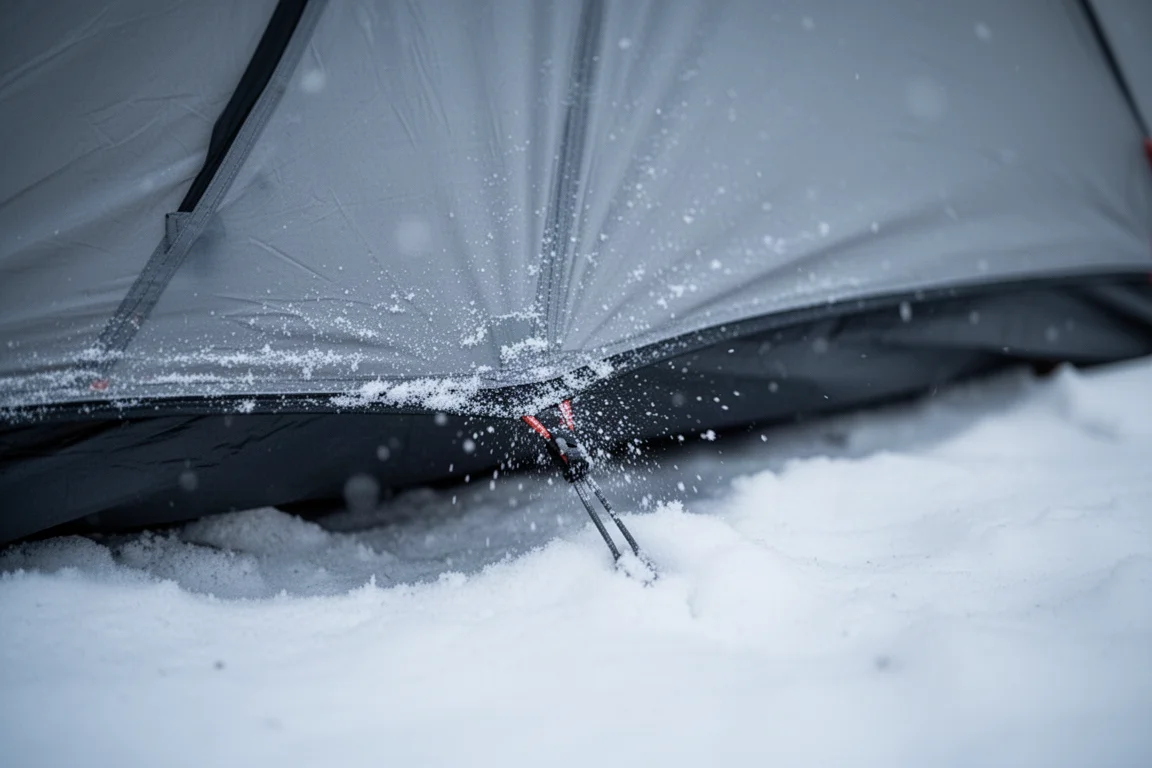
Ventilation is the trade-off. Because a four season tent is sealed up, moisture from your breath and body has fewer places to escape. Good vents at the top, and a fly that can be lifted or tensioned at the ends, make a real difference to how much condensation you wake up to.
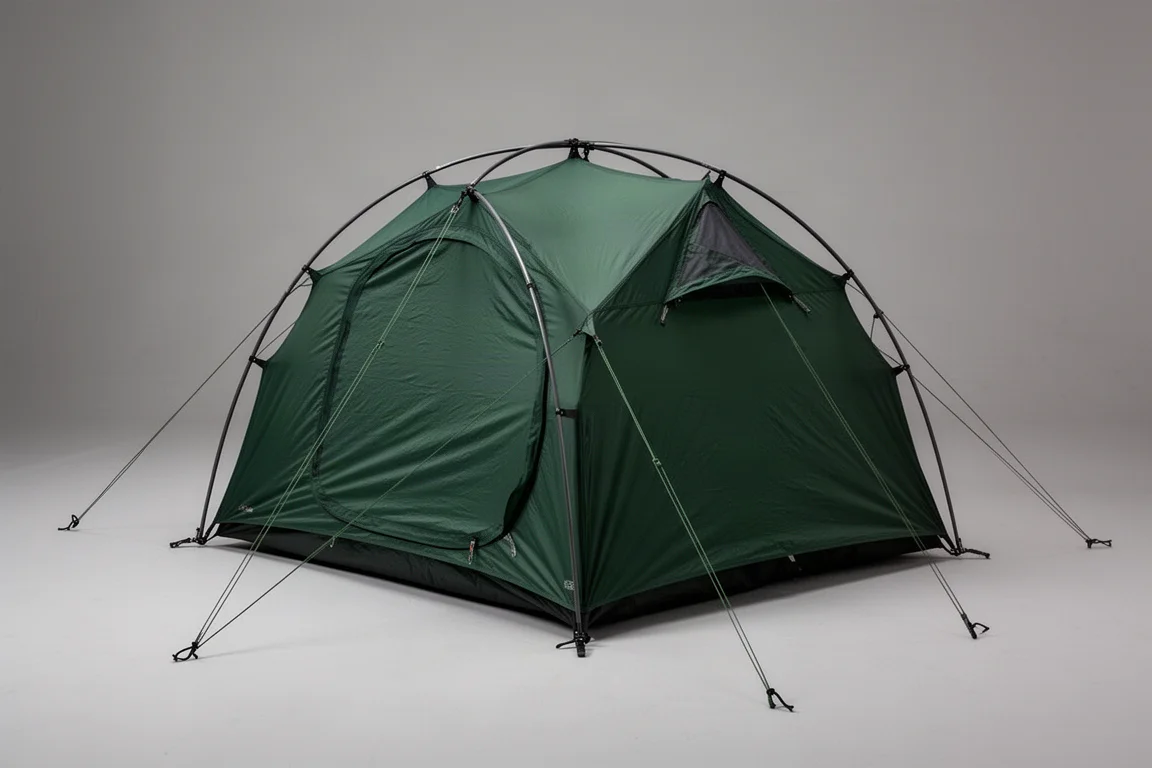
Wild Country Zephyros Compact 1
The Zephyros Compact 1 is a three season tunnel tent built around a single main hoop with a support pole at either end. What makes it relevant to cold weather is that the fly runs almost all the way to the ground, closer than many three season designs, so it is a reasonable step up from a purely summer shelter. There is ventilation mesh under the fly, and the inner mixes solid fabric with mesh, though it leans more towards mesh than a true winter tent would.
Inside, the inner and the vestibule can be adjusted by unclipping the inner and moving it inwards. Headroom is adequate rather than generous, and the tent is not as long as the larger options in this guide, but it is comfortably big enough for one person and their kit.
The compromises appear in wind and snow. There is only one guy-out point on the side and only one tie-out across the main hoop, so the shelter has less to work with when the wind swings around or arrives from an awkward direction. Snow loading can push the main hoop down more easily than it would on a four season frame. The door tie-back system is basic, so the door tends to flap, and there is no dedicated vent at the top, which limits airflow once the door is closed.
Used within its limits, and pitched thoughtfully, it is a strong value option for cold weather camping.
Terra Nova Scarp 1
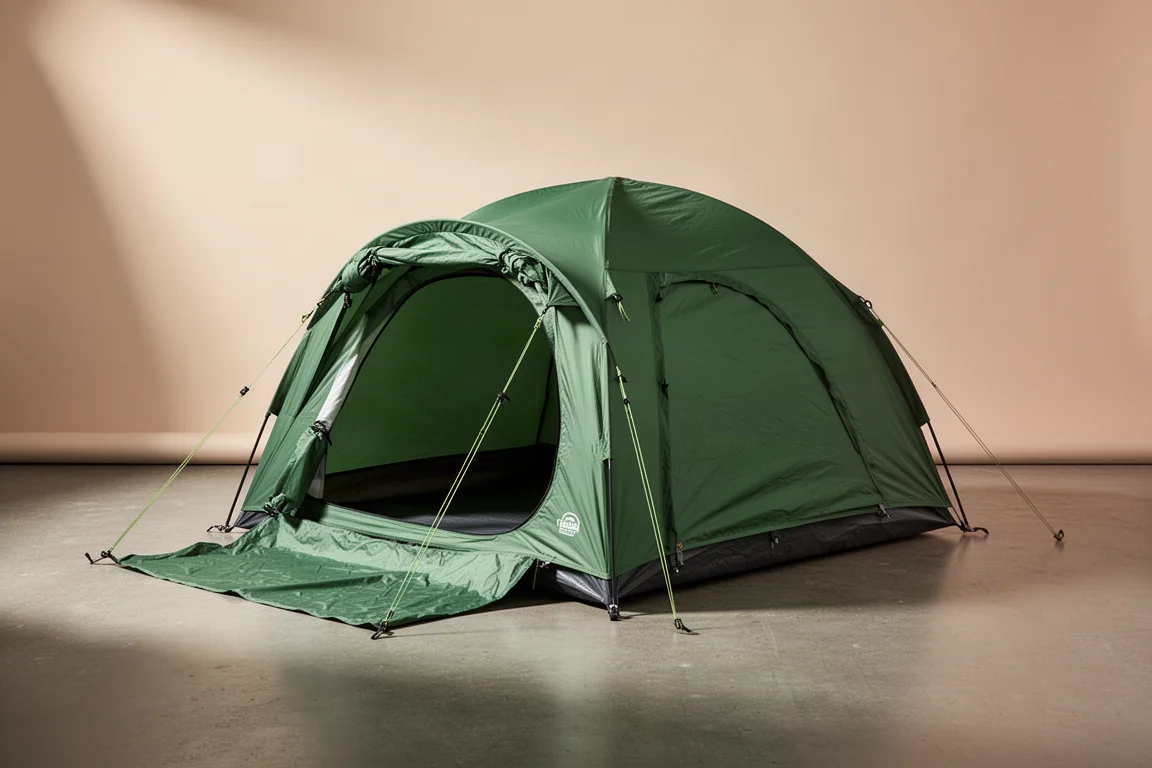
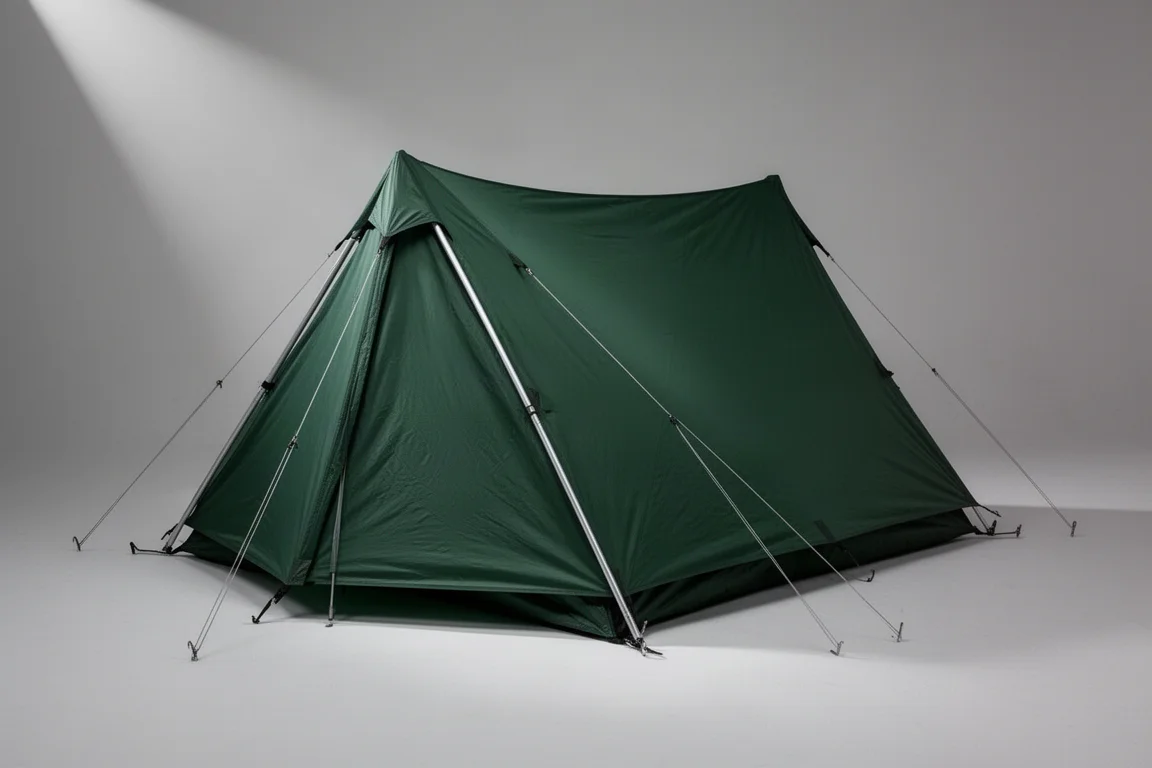
The Scarp 1 looks similar in silhouette, but the details are where the four season money goes. The main hoop uses stronger, thicker poles, and there are additional pole structures at the corners that make the frame noticeably more rigid. Cross-section poles can be added for extra bracing, which is what gives this design its resistance to wind and snow loading.
The inner is mostly solid with a small amount of mesh at the top, and the footprint is slightly larger than the Zephyros. Two doors and two vestibules make living space and storage far more practical, and the tent is long enough that two people can fit if they are comfortable being close. Taller campers will appreciate the length in particular.
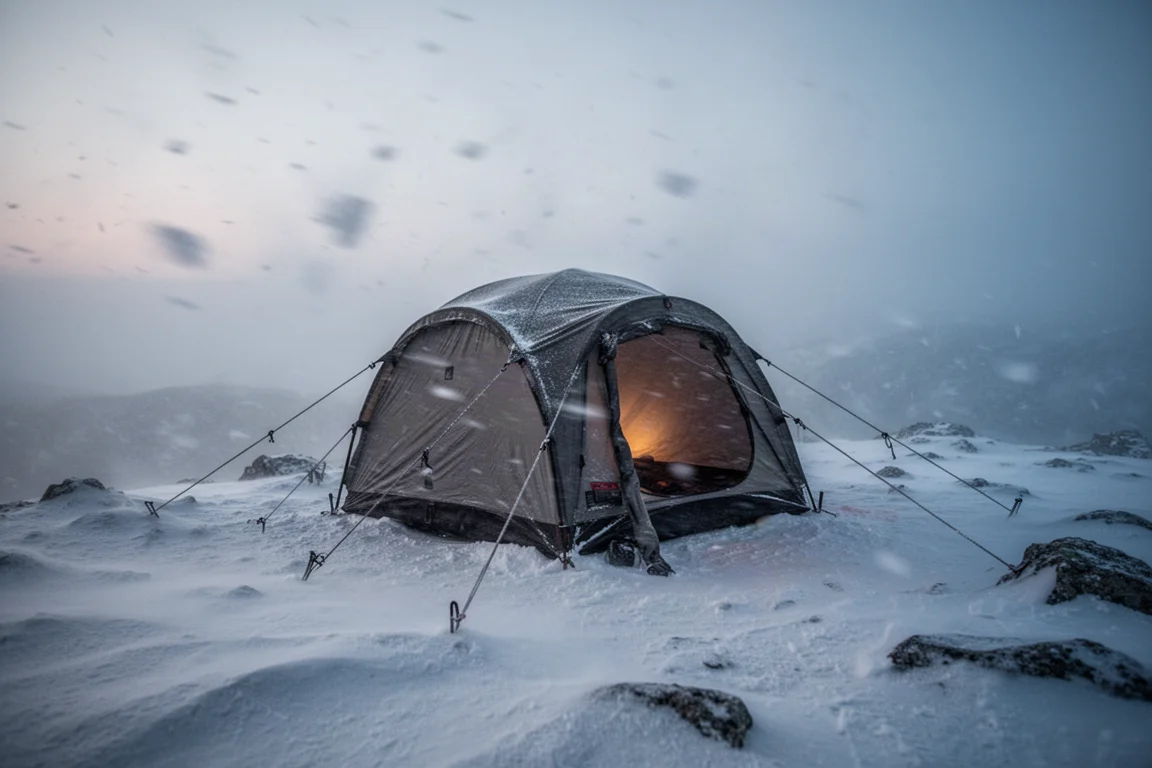
Tie-outs are where the Scarp pulls ahead. There are more of them, with more adjustability, including an extra tie-out for rigidity and a double tie-out at the pole that replaced a single point and improved strength considerably. The fly can also be raised and locked at the end to change tension and airflow.
The main thing to watch is condensation. Ventilation at the top of the tent is limited, so on a still, cold night moisture can build up on the fly.
Hilleberg Soulo
The Soulo represents the expedition end of the market. Its inner is fully solid, with a curtain that can be pulled down to expose a small mesh panel when conditions allow, and the inner fabric carries a DWR coating so condensation runs off rather than soaking in. At the top there is a complete mesh section covered by a separate fly sheet, which gives the shelter a proper venting path without leaving the interior exposed.
The structure is built for serious weather. It is the kind of shelter that is expected to stand up to heavy snow and winds around 50 mph, and it is the benchmark the other tents in this guide get measured against. It is not completely immune to noise, though. In winds around 40 mph, a lightweight shelter of this type will still move and flap enough to keep you awake without earplugs.
That level of capability comes at a cost, both in price and in packed weight and bulk, and for many trips it is more tent than the conditions require.
Naturehike Cloud Peak 2
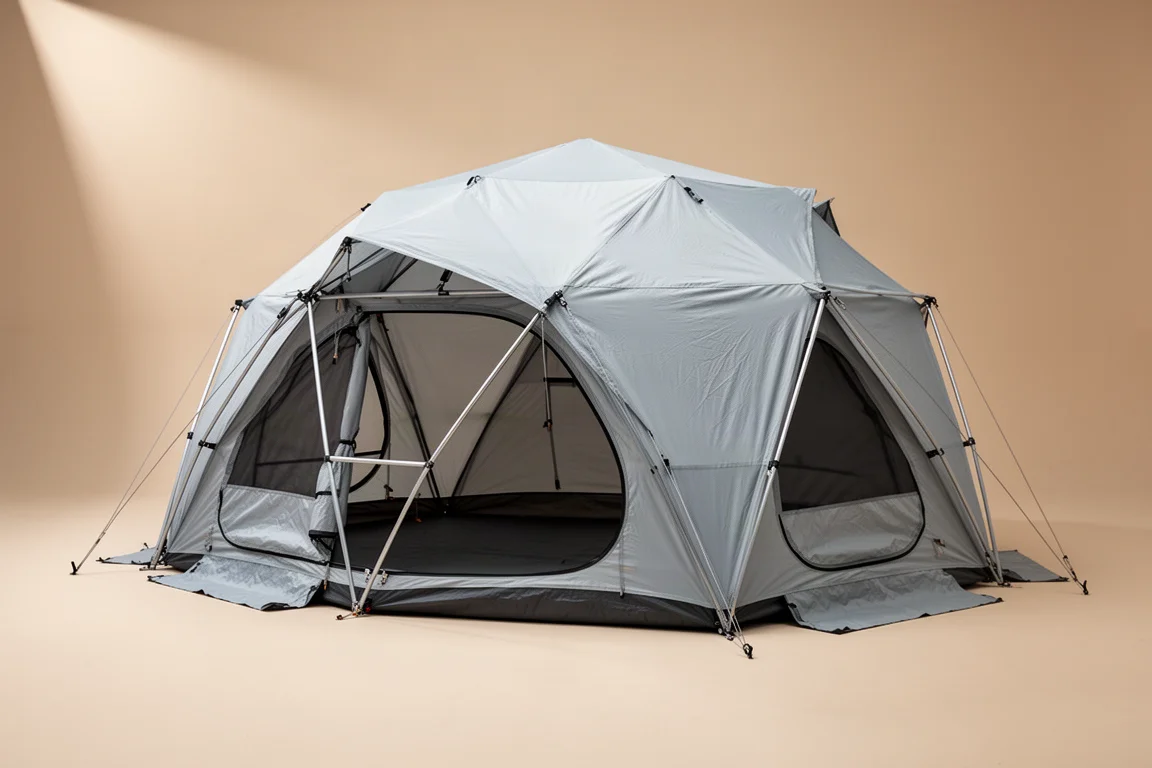
The Cloud Peak 2 is a good tent for the money, but it is worth being clear about one thing: it is marketed in a lot of places as a four season tent, and it is not one. That is not a criticism of the tent itself so much as a warning about the label. Several manufacturers describe shelters as four season when the design is clearly not built for winter storms.
The lesson is simple. If winter camping in wind and snow is the goal, judge the structure rather than the marketing: pole diameter, corner and cross pole options, tie-out count, how solid the inner is, and how close the fly comes to the ground.
If your trips are mostly three season with the occasional cold night, a tent like this can still make sense. If you are heading out into real winter weather, the label on the box is not the thing to trust.
Pitching and Sleeping Warm in Winter
Once you have the right shelter, how you pitch it matters almost as much. In winter, aim to set the tent as low to the ground as possible and adjust the tension so the fly sits tight and close to the ground. In summer you would raise the fly for airflow; in winter you want to keep the breeze out. Four season tents that come right to the floor also reduce spindrift and keep snow out of the vestibule.
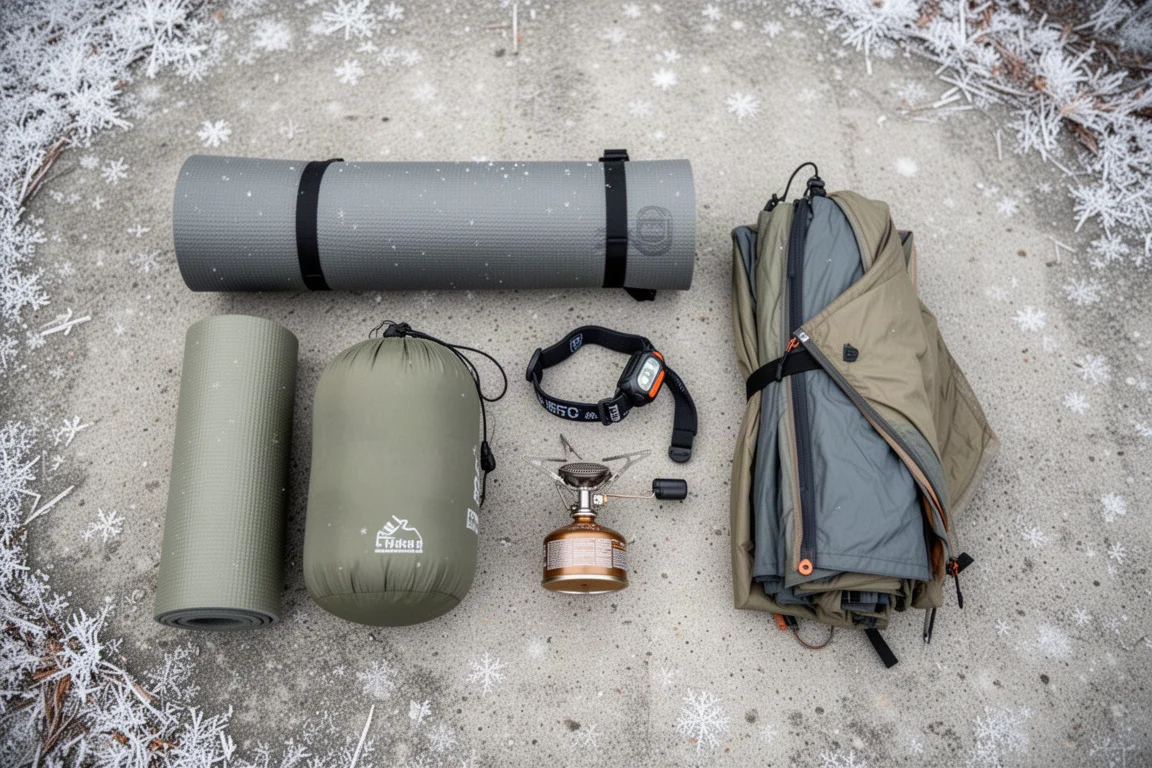
Warmth is not only about the tent. A decent sleeping bag and sleeping mat do more for a comfortable winter night than an expensive shelter, and it is entirely possible to sleep comfortably under a tarp or in a bivvy bag with a good bag and pad. If you are upgrading, upgrade the sleep system first and the tent second.
Buying Advice: Matching the Tent to the Trip
The honest answer to whether you need a four season tent is that it depends on where and when you camp, and how much margin you want when the weather turns. There is no single correct choice, only a choice that matches your conditions.
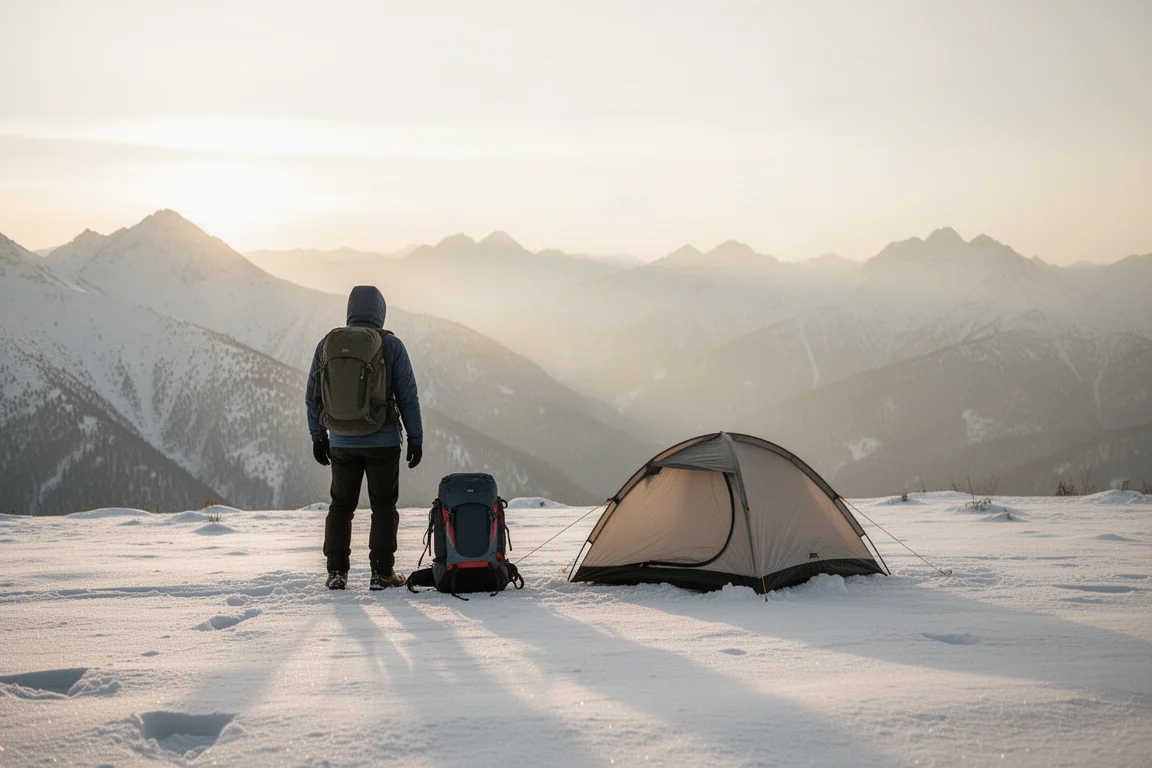
If your trips are mostly three season with the occasional cold snap, a well-sealed three season tent such as the Zephyros Compact 1 will cover most of it, provided you pitch considerately and keep an eye on the forecast. If you want a genuine four season shelter without moving to expedition pricing, the Scarp 1 is the middle ground, with a stronger frame, more tie-outs and more living space. If money is no object and you want something that will stand up to almost anything, the Hilleberg Soulo is the benchmark.
Expedition style tents are fashionable, and they are superb kit, but for a lot of trips they are overkill. Do not feel that a new four season tent is the only way to camp through the winter.
Conclusion
The gap between a good three season tent and a four season tent is mostly about structure, sealing and solid fabric, and that gap only matters when the weather genuinely tests it. A three season tent with a low fly and a mostly solid inner can take you through cold nights and light snow if you choose your pitch and your forecast carefully. A four season tent such as the Scarp 1 or the Soulo buys you margin in strong wind and heavy snow, and the Scarp 1 does it without going all the way to expedition money.
Whatever you choose, check the specification rather than the label, and put some of the budget towards a sleeping bag and mat that will actually keep you warm.
Further reading
Related Reviews
Camping Tents
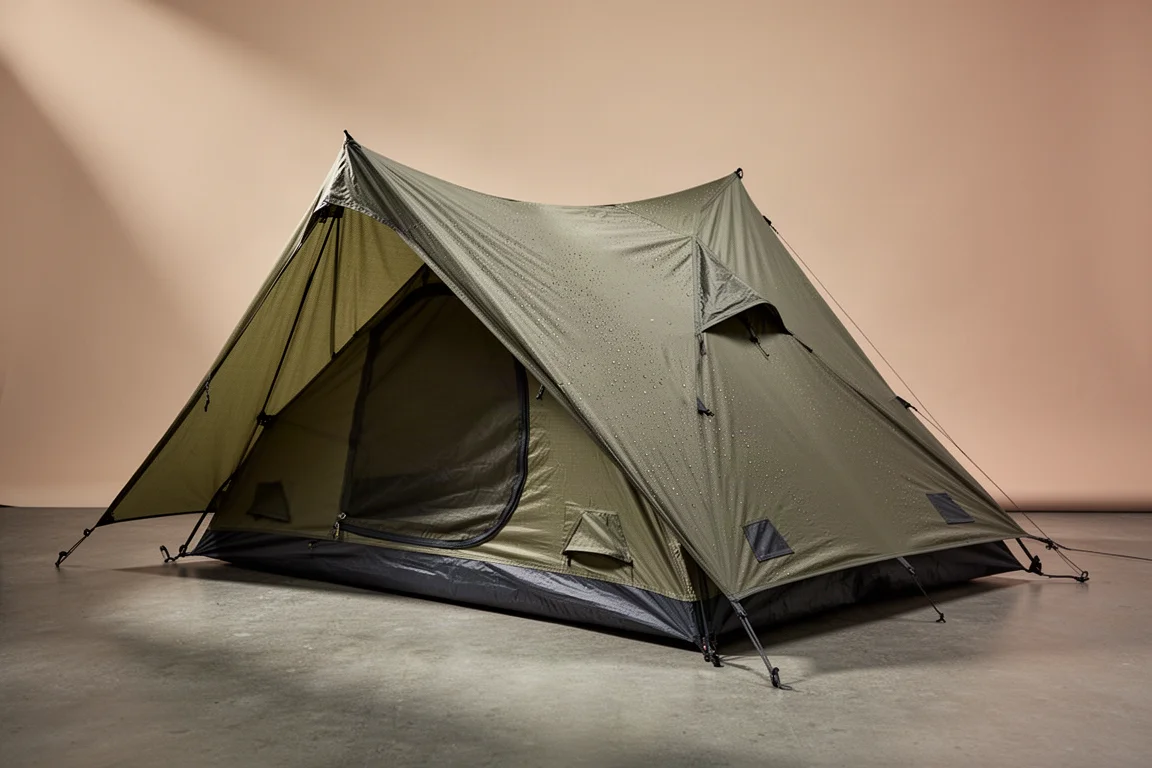
3F UL Gear Taiji Two-Person Tent Review: Field Waterproofing Results and Buying Advice
The Taiji pairs an attached fly with a removable inner, but sustained rain exposed untaped vent seams that need sealing before this shelter can be trusted.
Camping Tents
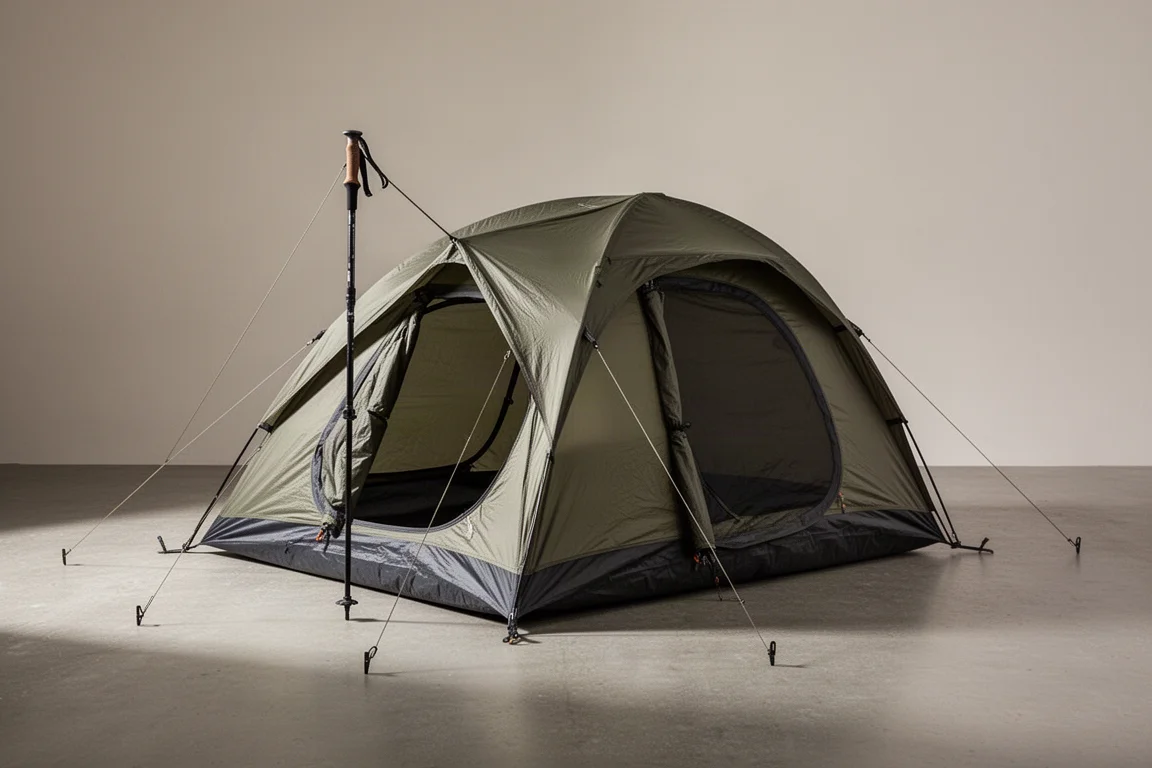
3FUL Gear Lanshan 2 Pro 4-Season Review: A Sub-$200 Single-Wall Trekking Pole Tent
An early look at the 3FUL Gear Lanshan 2 Pro 4-Season, covering its straightforward pitch, generous interior space, and the condensation and seam-sealing questions that come with any single-wall shelter.
Camping Tents
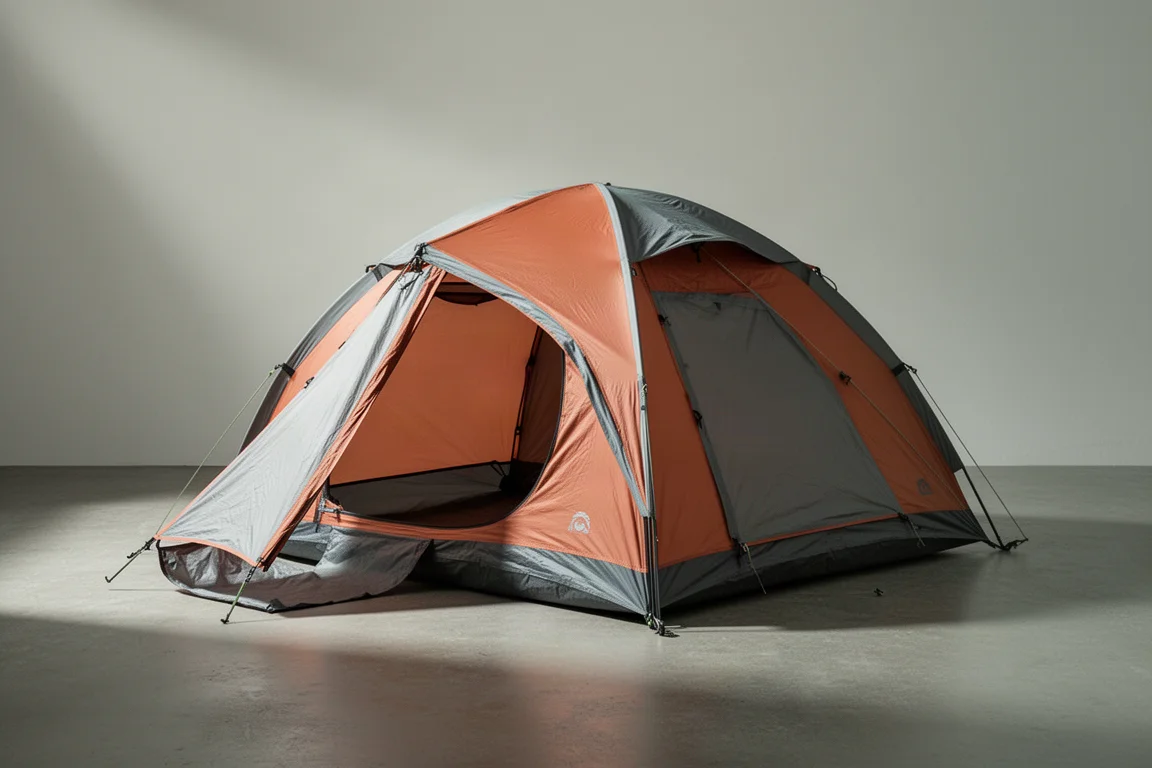
Alps Mountaineering Lynx 1-Person Tent Review: Big Value in a Small Budget Tent
A close look at the Alps Mountaineering Lynx 1-Person Tent, covering real interior dimensions, materials, setup time, ventilation limits, and who should buy it.