Winter Backpacking Gear
Winter Backpacking Layers: Three Insulation Pieces Worth Packing
A practical look at three winter insulation layers, a merino base layer, a high loft camp jacket and a lighter active jacket, and how they work together.
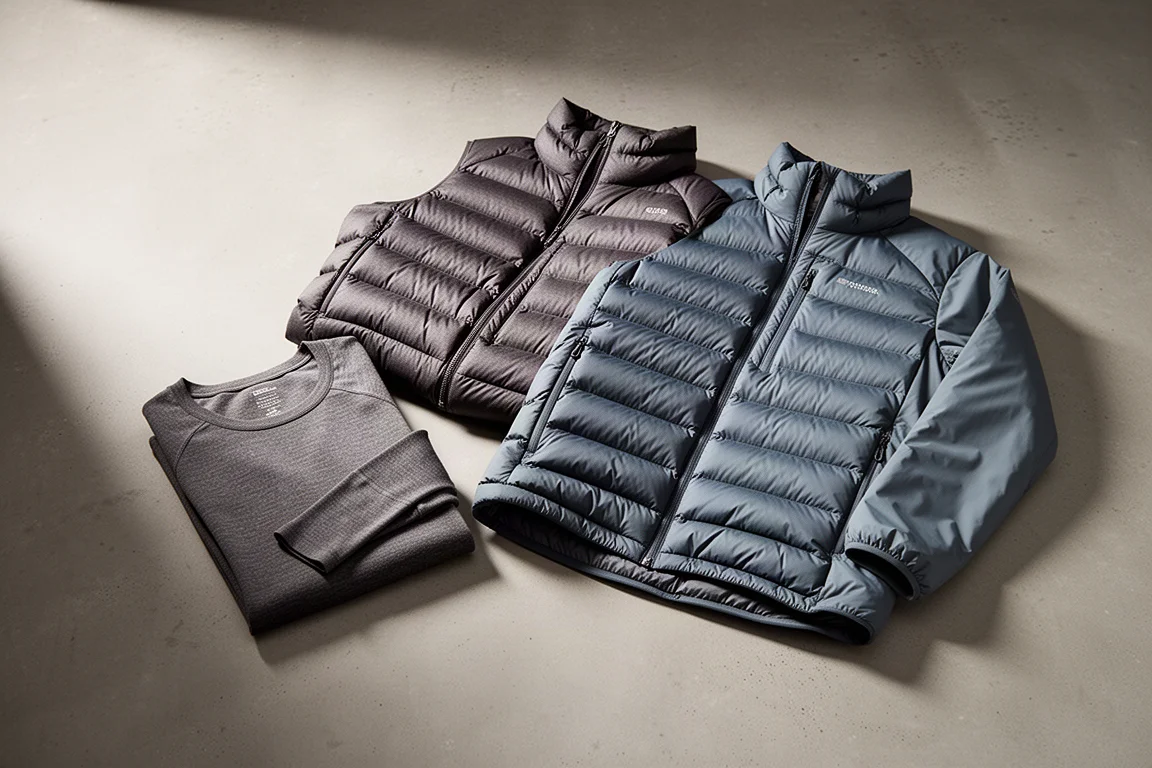
Introduction
Winter backpacking has a reputation for demanding an entirely new kit, but most of the change happens in a few specific places. A three-season setup can usually be stretched into colder conditions with targeted additions, and the largest gains come from what you wear and what you sleep on.
This guide focuses on the insulation side of that equation: a merino base layer, a high loft down jacket for camp, and a lighter lofted jacket for moving. Together they cover the two very different jobs that cold weather creates, staying warm while working hard and staying warm while standing still.
What Matters Most in Winter Layers
A few principles shape every winter layering decision. Moisture management matters more than raw warmth, because a damp layer pulls heat away from the body far faster than a dry one. Insulation has to be matched to activity, since the piece that keeps you comfortable on the climb is rarely the piece that keeps you warm once you stop.
The ground steals heat as efficiently as the air does. A closed-cell foam pad placed under an existing three-season pad is one of the cheapest ways to extend a sleep system into colder temperatures, and it is a more forgiving upgrade than trying to push a three-season bag far beyond its range.
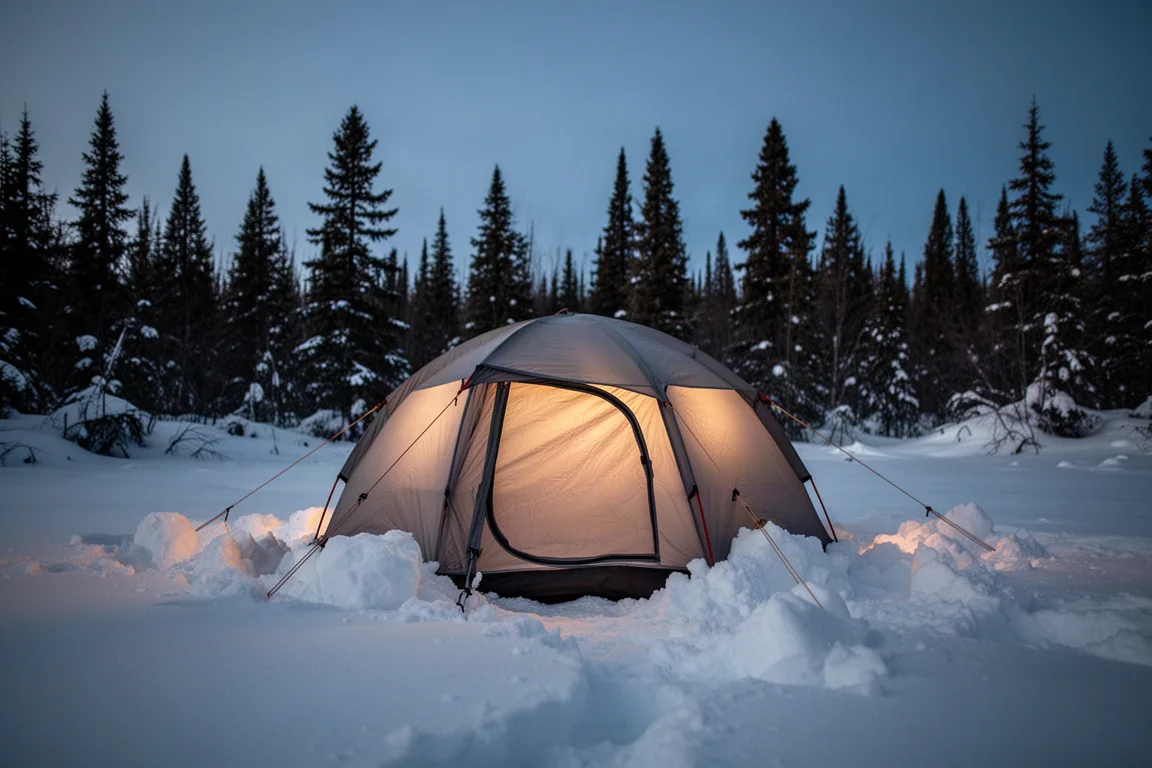
Waterproof insulated gloves with a liner underneath, insulated boots for deep snow, and a wool face covering round out the small items that make a disproportionate difference once the temperature drops and the wind picks up.
Best Base Layer: Dragon Wool
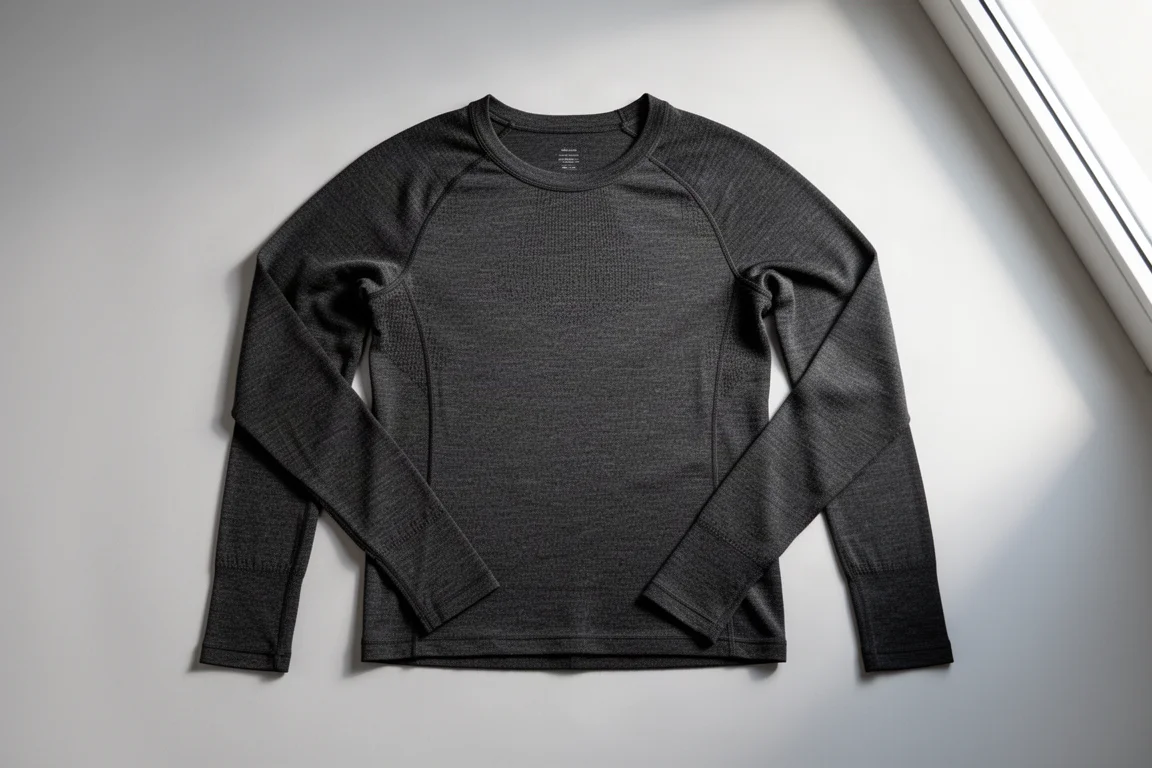
Base layers are critical in the fourth season, and the single most useful rule is to avoid cotton. Cotton holds moisture against the skin, and a damp cotton shirt worn under an otherwise warm layering system can leave a person genuinely cold. Dragon Wool takes a different approach: merino wool sits next to the skin while a polyester jersey face moves moisture away from the body. That combination works well in winter and stays comfortable across a range of effort levels.
If you are working to a tighter budget, fleece is a serviceable alternative. It is heavier and bulkier than technical fabrics, but it keeps working when it gets wet, which makes it a reasonable choice for a first winter season. Fleece pajamas or a fleece top layered under a shell will not match the packability of a technical piece, yet the warmth is real.
Best Camp Insulation: Regulator Down Jacket
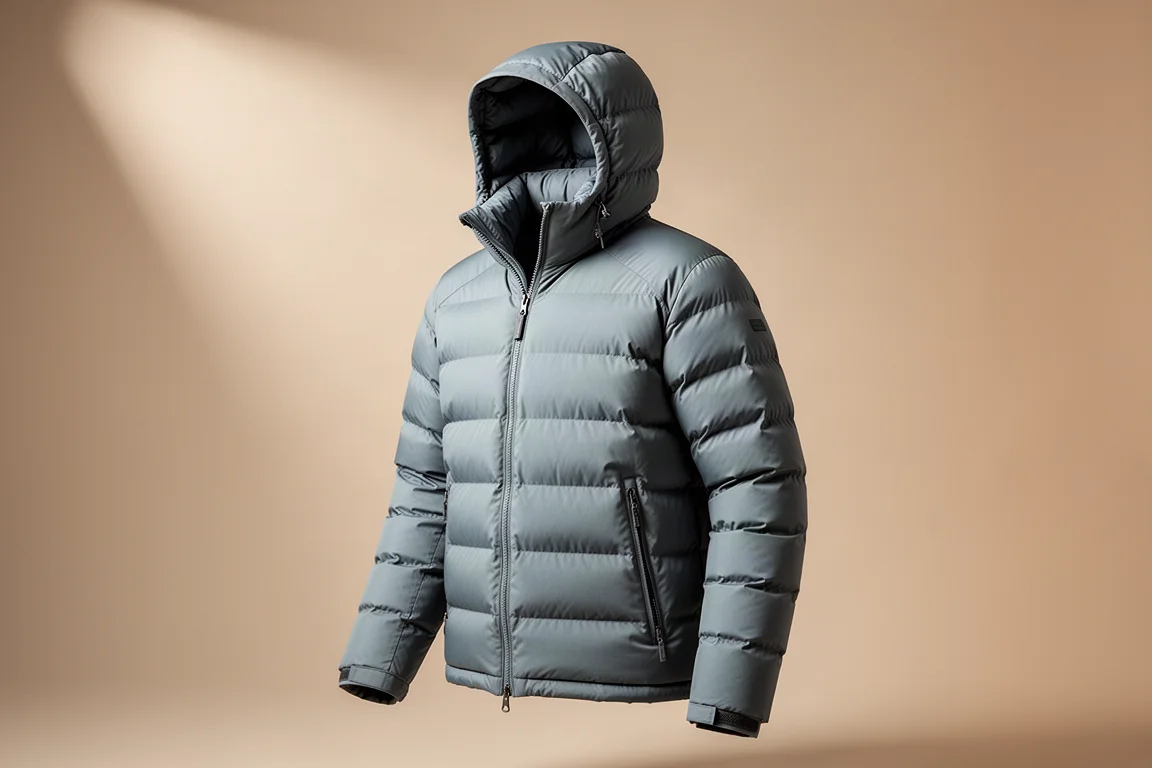
For standing around camp in genuinely cold conditions, loft is what counts. A windbreaker or a jacket chosen for how it looks around town will not do the job. You want visible loft, which is exactly what the Regulator Down Jacket delivers. It is the warmer of the two jackets covered here and the better pick when temperatures drop hardest. Pit zips give you a way to dump heat quickly when you start moving again.
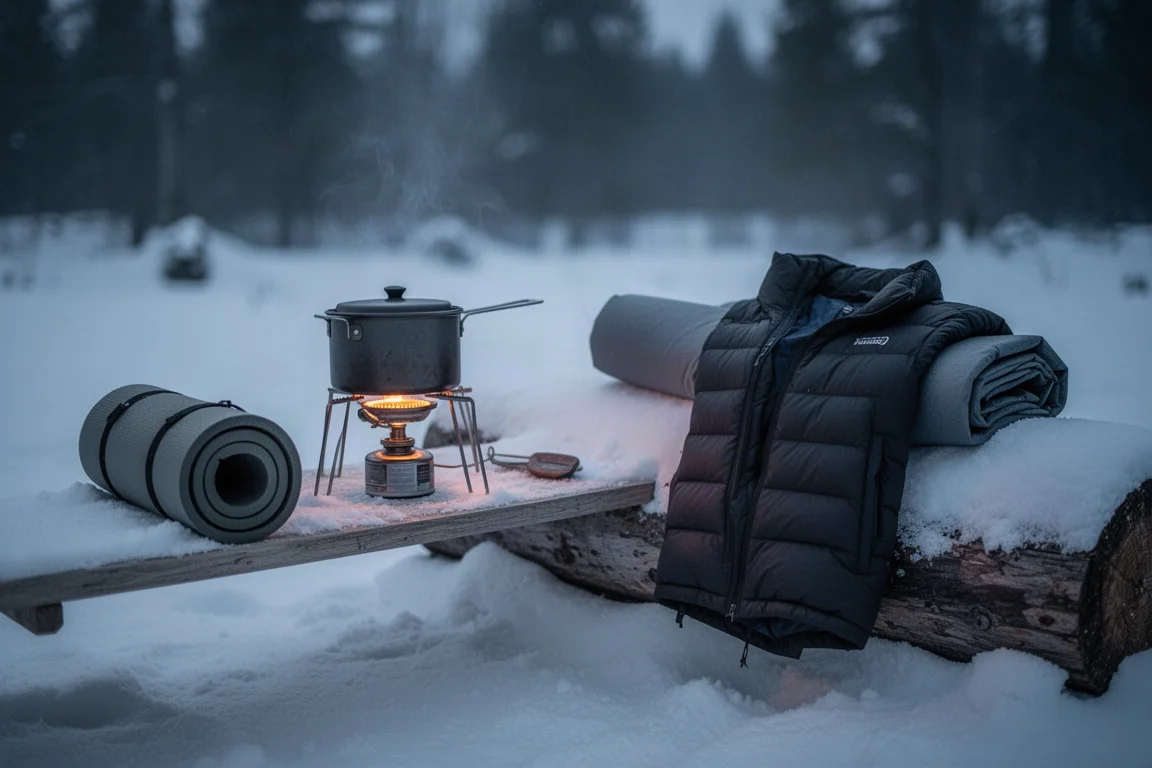
The practical pattern is to hike in the lighter jacket and pull the Regulator on over it once you stop. If you only carry one insulation piece, add a fleece underneath and let the jacket handle the rest.
Best Active Insulation: Loftic Jacket
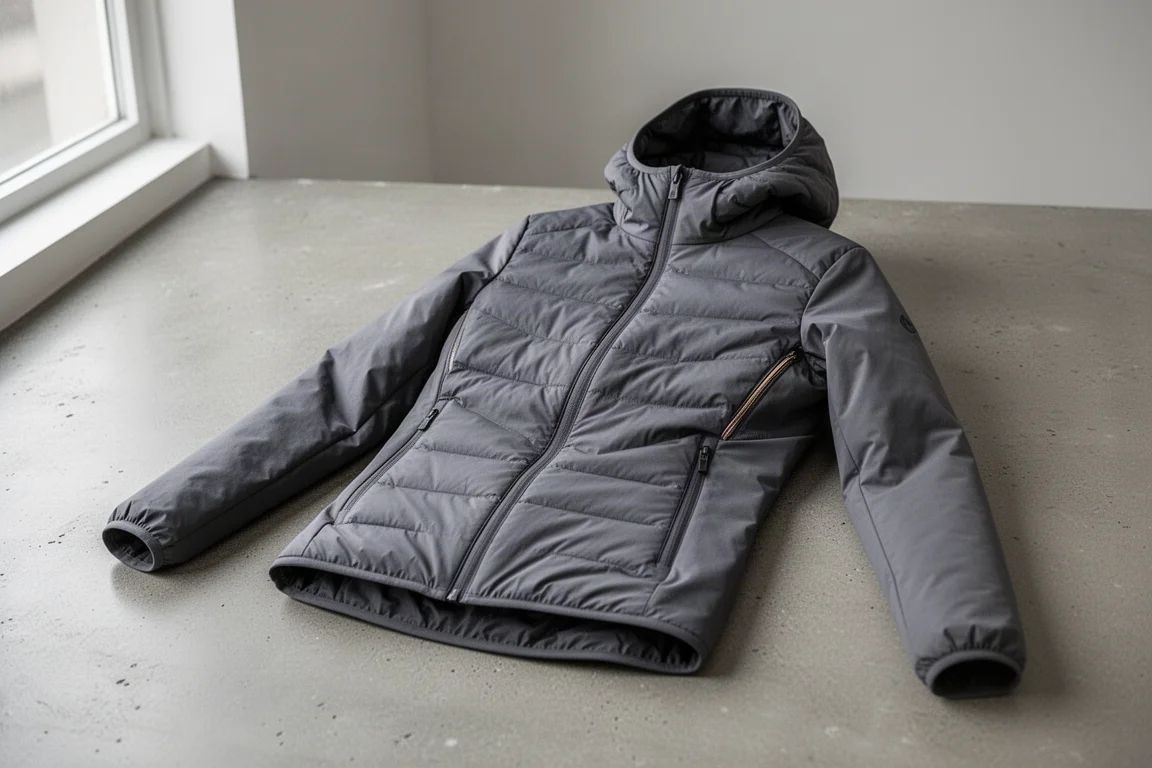
The Loftic Jacket is built for movement. It has the loft you need for winter conditions plus pit zips for venting, and it is comfortable enough to wear while you are actually hiking rather than only when you pause. It pairs naturally with the Regulator: Loftic for the climb, Regulator layered over the top at camp. On milder winter days it can carry the insulation role on its own.
How These Three Layers Work Together
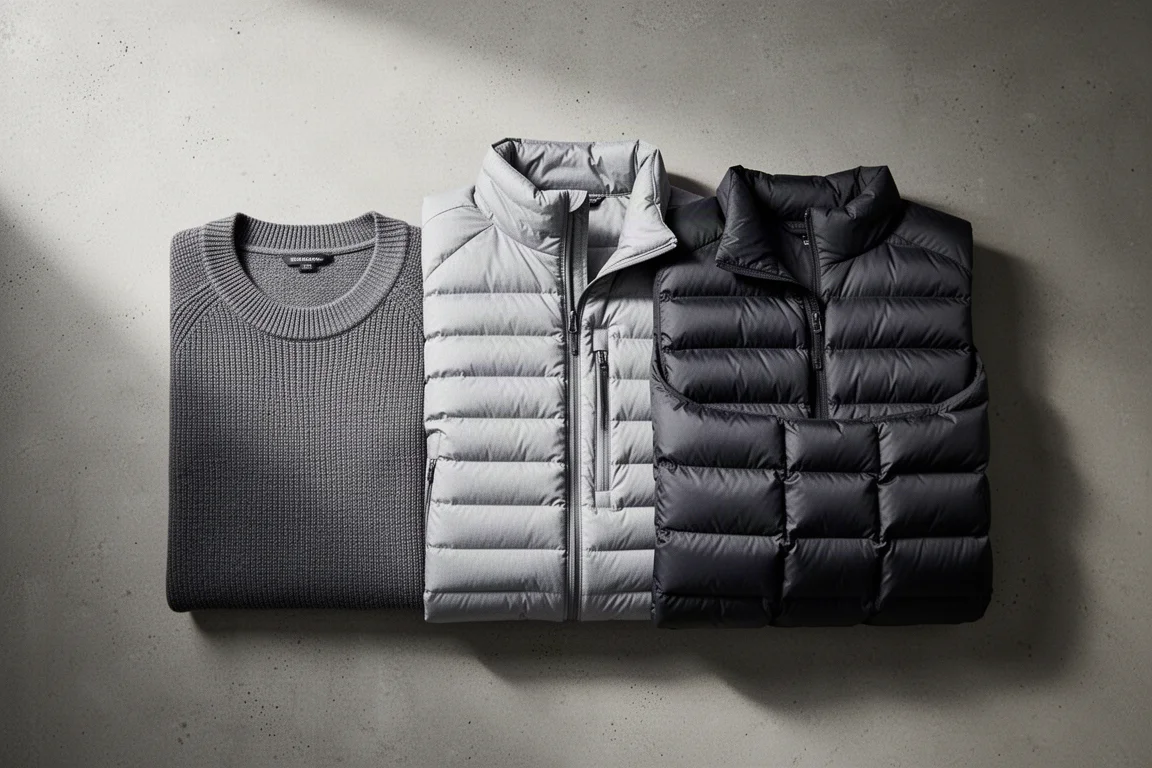
Order matters. Start with the merino base layer against the skin, add the Loftic Jacket for the climb, and keep the Regulator Down Jacket for stops and camp. On the coldest nights the same logic applies inside the tent: a dry base layer plus a lofted jacket is a meaningful part of staying warm, and a foam pad underneath keeps the cold ground from undoing that work.
The best part of building around these three pieces is that everything else in the system can stay flexible. A lightweight summer rain jacket still earns its place as a shell over the top, which is one of the ways a winter kit comes together without buying a second wardrobe.
Budget Adaptations for Winter Backpacking
Not every item on the winter checklist has to be new. A closed-cell foam pad added under a three-season pad is one of the cheapest upgrades available, and it does more for sleep warmth than most people expect. Insulated boots and gaiters matter most in deep snow, where switching socks alone will not keep feet warm through a full day.
Hands and face deserve the same attention. A waterproof insulated glove with a liner underneath keeps hands dry, which is the part that actually keeps them warm, and a wool face covering makes a noticeable difference in wind. It doubles as something to sleep in when temperatures approach zero, when even a thin layer of fabric across the face keeps the chill off.
Overall Buying Advice
The three pieces here cover different jobs, so the right starting point depends on where your current kit falls short. If your base layer is cotton or a basic synthetic that leaves you clammy, Dragon Wool is the highest-impact change. If you are cold at camp and only own a shell or a light puffy, the Regulator Down Jacket addresses that directly. If you overheat on the climb and end up stripping layers, the Loftic Jacket lets you keep insulation on while you move.
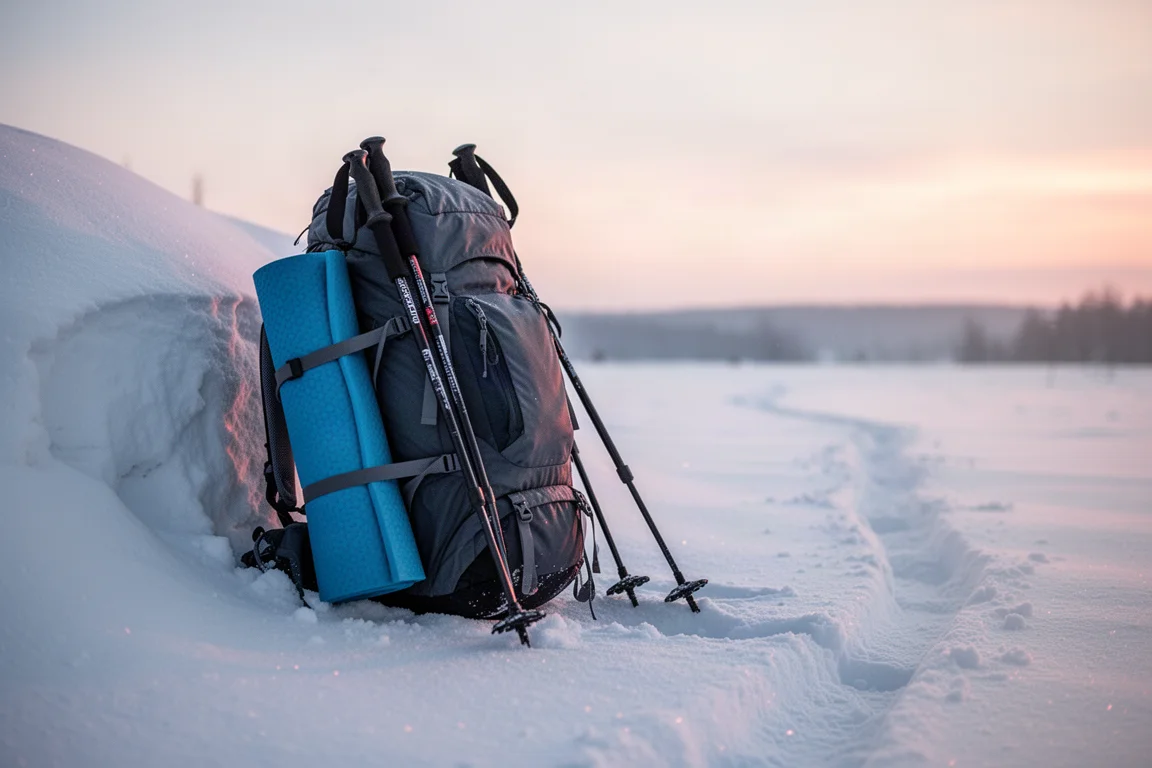
Buying both jackets is the most versatile option, since they are designed to stack, but one jacket plus a fleece underneath is a workable path for a first winter season. Whichever route you take, avoid cotton, keep a dry layer reserved for sleeping, and treat the pad under your sleeping bag as part of the insulation system rather than an afterthought.
Conclusion
Winter backpacking does not require replacing everything you already own. Most of the change comes down to moisture management, real loft, and a handful of small accessories that keep extremities warm. A merino base layer, a high loft jacket for camp, and a lighter lofted jacket for movement cover the insulation core of that system, and the rest of your three-season kit can come along for the ride.
Further reading
Related Reviews
Winter Backpacking Gear
Winter Backpacking Gear Upgrades: Nine Pieces Built for Cold and Altitude
Nine winter backpacking upgrades for snow travel, cold-weather cooking, camp warmth and navigation, with the trade-offs worth checking before you buy.
Insulated Jackets
Aerogel vs Down Insulation: Two Aerogel Jackets Compared
Aerogel is the lightest solid on record, but two aerogel jackets measured against a comparable down jacket tell a more complicated story about warmth.
Insulated Jackets
Arc'teryx Atom LT vs Decathlon Trek 50: Does the Premium Synthetic Jacket Earn Its Price?
A side-by-side look at two synthetic insulated jackets at very different prices, covering fit, weight, insulation, features, and warranty.