Winter Backpacking Gear
Winter Backpacking Gear Upgrades: Nine Pieces Built for Cold and Altitude
Nine winter backpacking upgrades for snow travel, cold-weather cooking, camp warmth and navigation, with the trade-offs worth checking before you buy.
Introduction
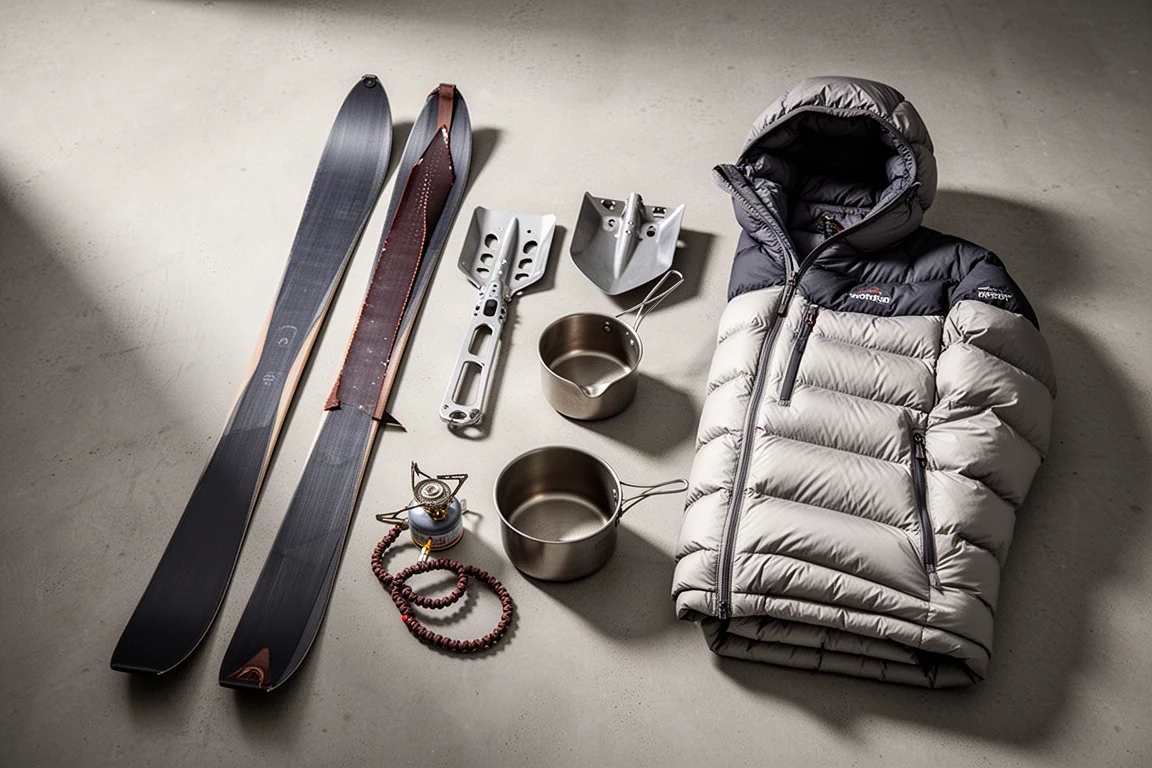
Winter backpacking at altitude asks more of every item in the pack. Snow has to be travelled over, water has to be melted from snow, fuel has to keep flowing when the temperature drops, and camp has to stay warm enough to eat and sleep well. The nine items below are upgrades chosen with those problems in mind, ahead of a stretch of winter trips at high elevation.
This is an early look rather than a long-term verdict. Most of these items have only just started to see field time, so the emphasis here is on what each one is designed to do, how it fits into a cold-weather kit, and the trade-offs worth knowing before you buy. A new sleeping quilt is also under evaluation but is not covered in detail here.
How to Judge Winter Backpacking Upgrades
Cold-weather backpacking changes the priorities you would normally apply to a three-season kit. Efficiency matters as much as weight, because moving through deep snow with a loaded pack burns far more energy than walking a dry trail. Cold-weather reliability matters too. Fuel, batteries and water all behave differently below freezing, and a piece of gear that only works well in mild conditions becomes a liability on a winter trip.
Packed volume deserves attention as well. Winter travel often means carrying a snow shovel, skis or snowshoes, and those items usually ride on the outside of the pack. Gear that packs down small and stays inside the main body of the pack is easier to manage, and anything that has to be strapped on separately competes for the same limited space.
Finally, consider how each item behaves when you are wearing gloves and moving quickly. Features that are easy to operate with cold hands tend to get used. Features that demand bare fingers tend not to.
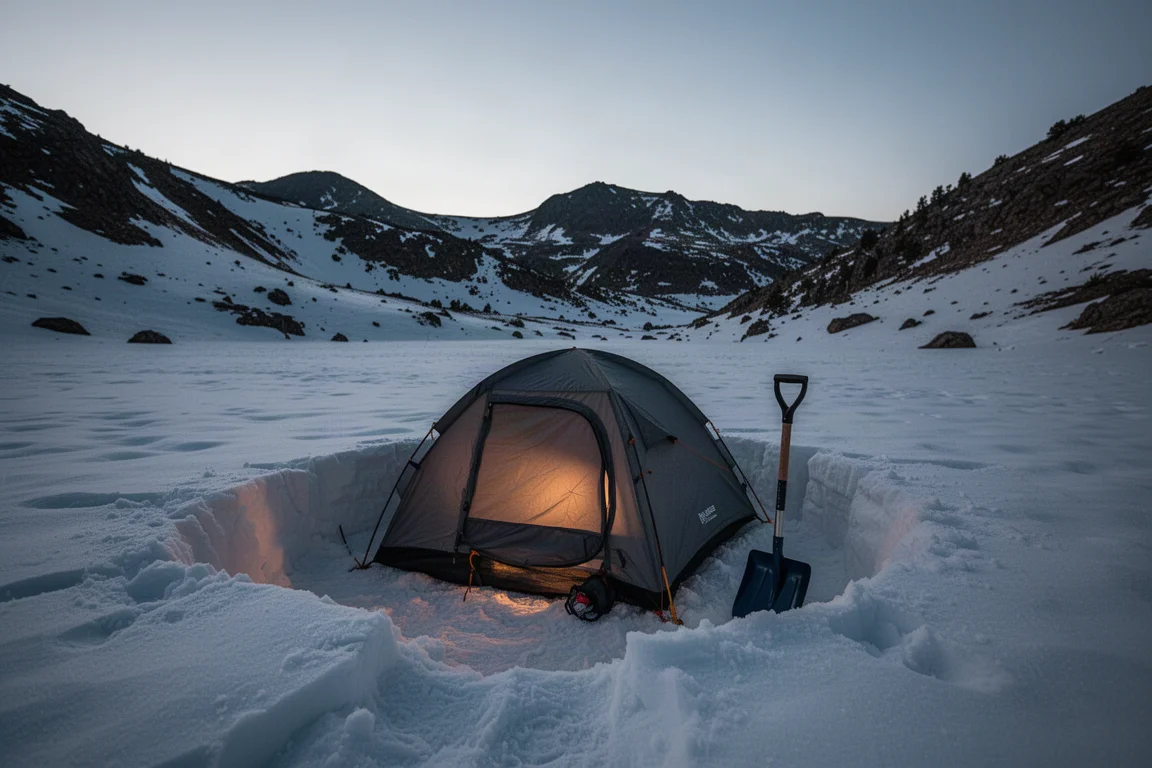
A practical way to evaluate any winter upgrade is to ask what problem it removes. A stove that copes with cold fuel removes a morning frustration. A longer parka removes the need to carry a second insulation layer for camp. A watch with offline maps removes some of the guesswork from navigation in poor visibility. Upgrades that solve a specific, recurring problem usually earn their weight, while upgrades that add capability you will rarely use tend not to.
Altai Hok Skis: Ski-Like Efficiency for Snow Travel
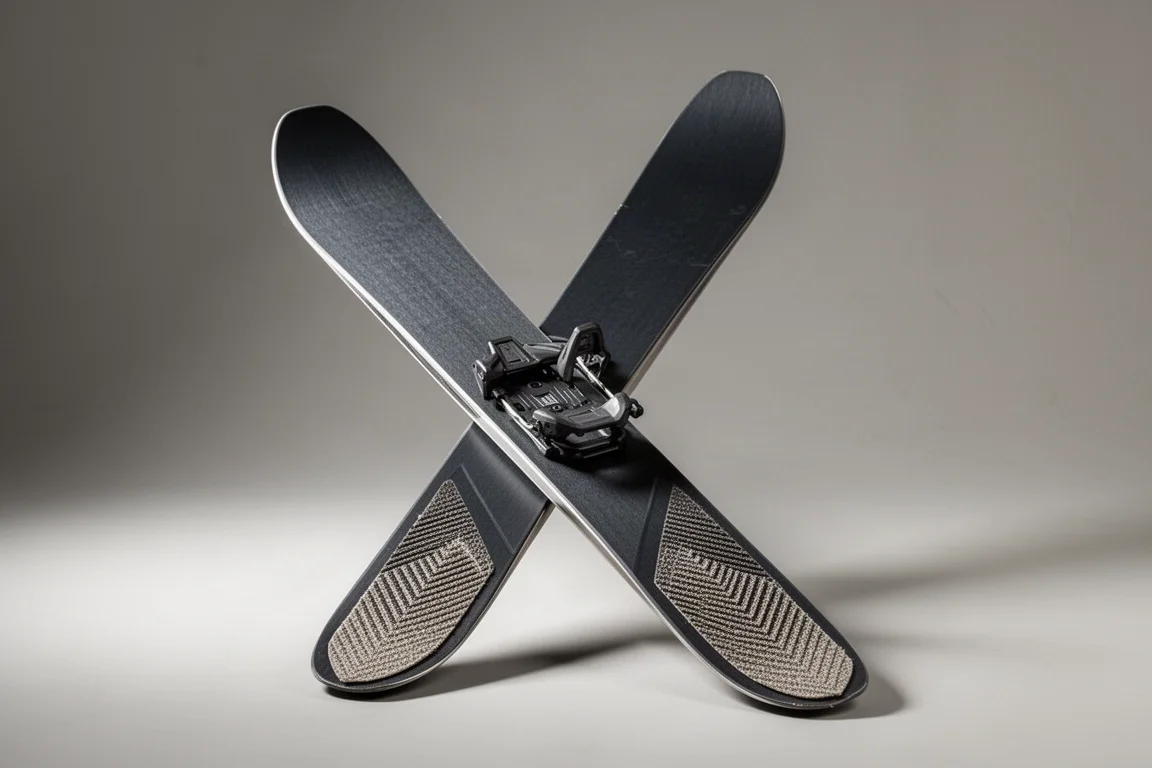
Snowshoes are simple, pack down reasonably small and are not too clumsy, but they take considerable effort in very deep snow. The Altai Hok skis take a different approach. This is a 145 cm ski that is unusually wide, with a metal edge and a skin material on the base that grips the snow and helps with climbing steep grades. They are built for traversing rather than downhill skiing, closer in spirit to a ski and snowshoe hybrid than to a conventional ski.
The detail that makes them flexible is the universal binding. Instead of a clip-in ski boot, the binding accepts regular shoes or boots, including winter mountaineering boots, and the skis work alongside crampons. A riser raises as you walk, which makes moving through snow more efficient. For anyone who already owns mountaineering boots, that means no separate ski boot purchase.
Black Diamond Transfer LT: A Light Shovel That Earns Its Place
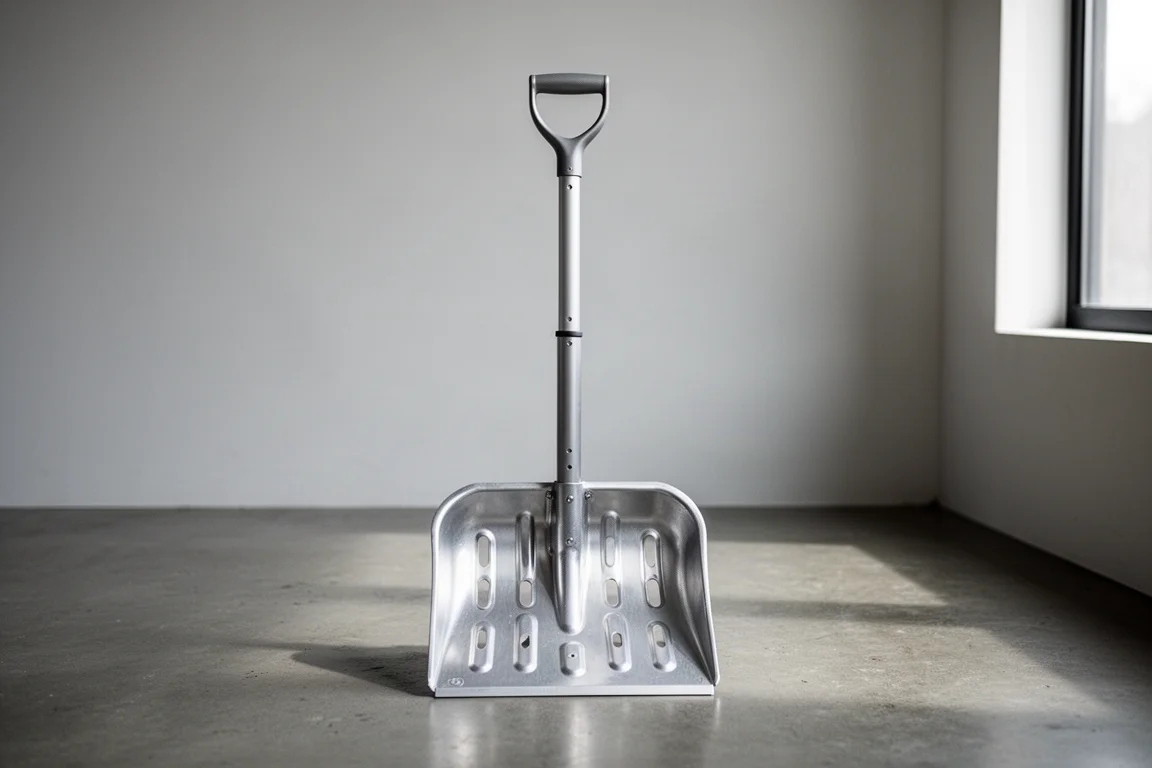
A snow shovel is one of those items that looks optional until the trip where it matters. The Black Diamond Transfer LT is a compact backpacking shovel with an aluminium blade, cutouts to trim weight, and an expandable handle that extends for real digging. It breaks down small and packs together so it can be strapped to the outside of a pack.
Two jobs justify carrying it. The first is avalanche rescue, where a shovel is essential for digging yourself or a partner out. The second is camp craft: shovelling out the area around a tent, cutting a trench so boots are easier to put on in the morning, or clearing a kitchen and sitting area in deep snow. It is among the lightest snow shovels available, which is what makes it reasonable to carry on a backpacking trip rather than only on dedicated rescue missions.
Fire-Maple Blade 2: A Remote Stove for Cold Fuel
Small canister stoves are light and simple, but they struggle in wind and in cold. Isobutane canisters lose pressure as they cool, and a stove that sits directly on top of the canister inherits that problem. The Fire-Maple Blade 2 is a remote stove, meaning the canister and burner are separate and connected by a hose, so the burner sits lower to the ground where it is better protected from wind.
The remote design also allows the canister to be inverted in very cold conditions, so liquid fuel feeds the burner instead of gas, which burns more reliably at low temperatures. A preheat tube runs alongside the burner, so fuel passes through the tube and is warmed by the flame before it reaches the burner. Together those two features are aimed squarely at cold, high-altitude cooking. It weighs just under 5 ounces, around 4.9 ounces, and packs down very small.
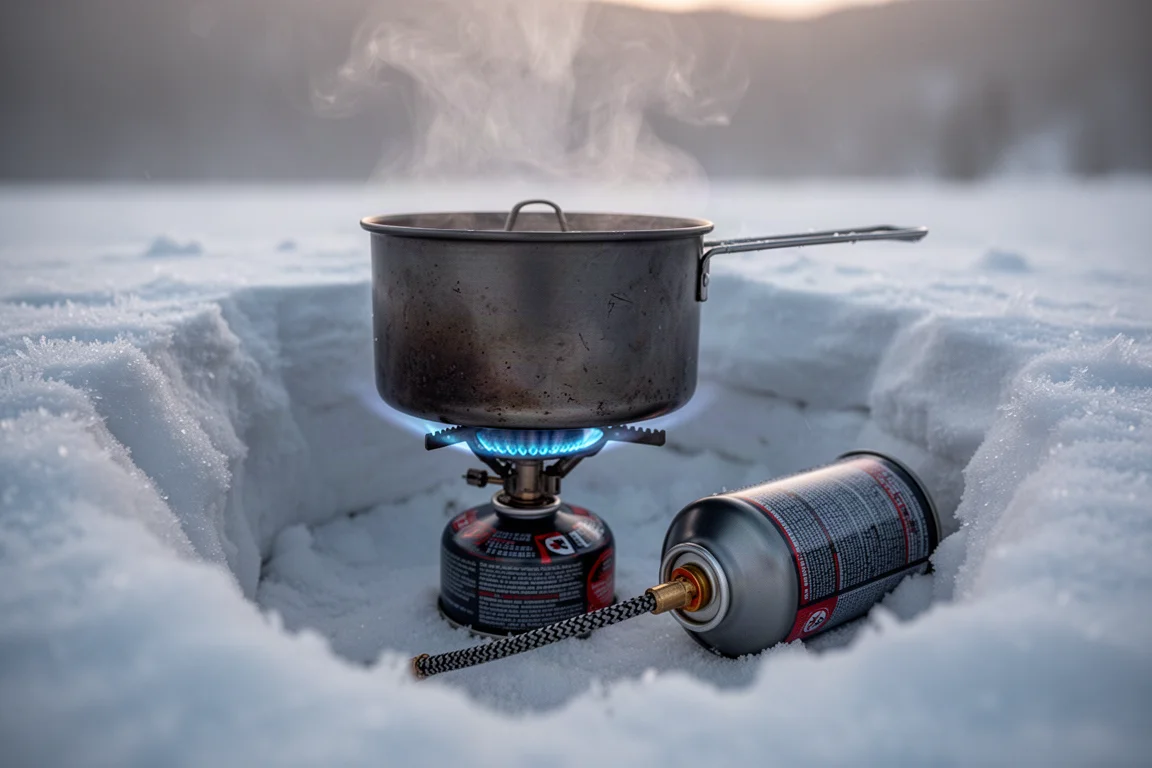
For a winter kit, the practical benefit is a stove that keeps working on a cold morning without the usual coaxing. It is a meaningful step up in cold-weather behaviour from a basic canister stove, while staying light enough for backpacking rather than basecamp use.
Evolv Supply Co 1100ml Pot: Room to Melt Snow
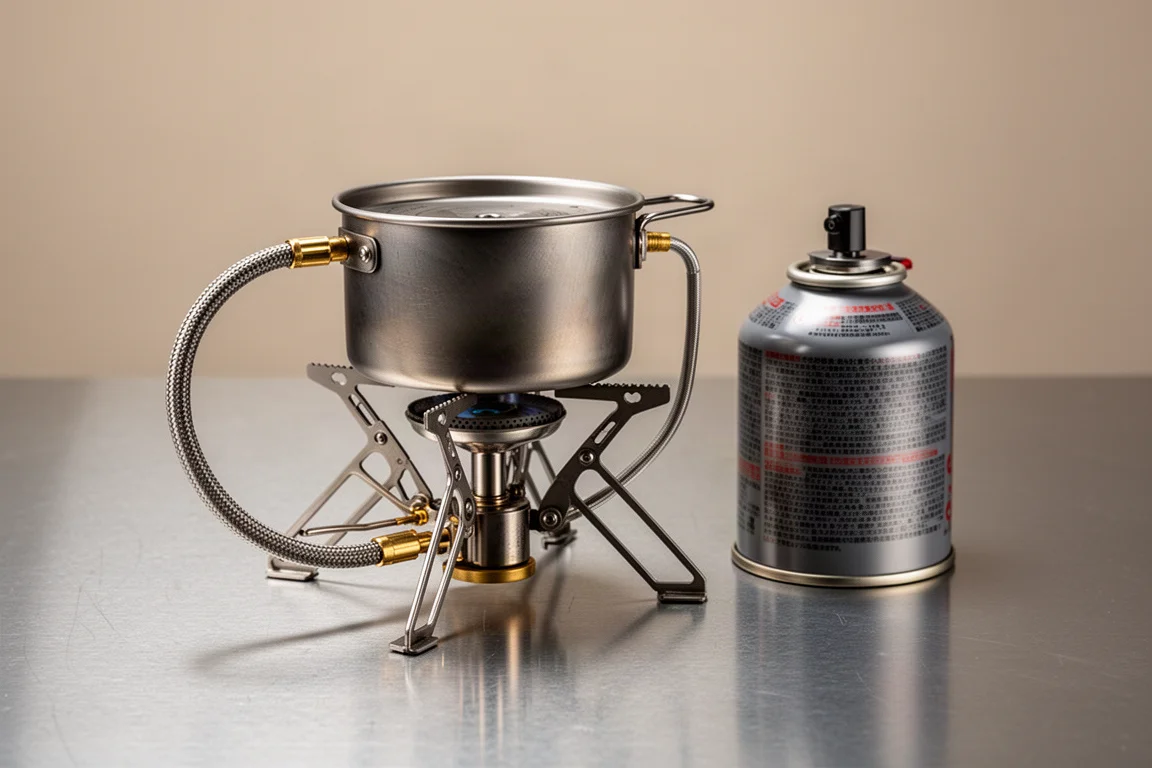
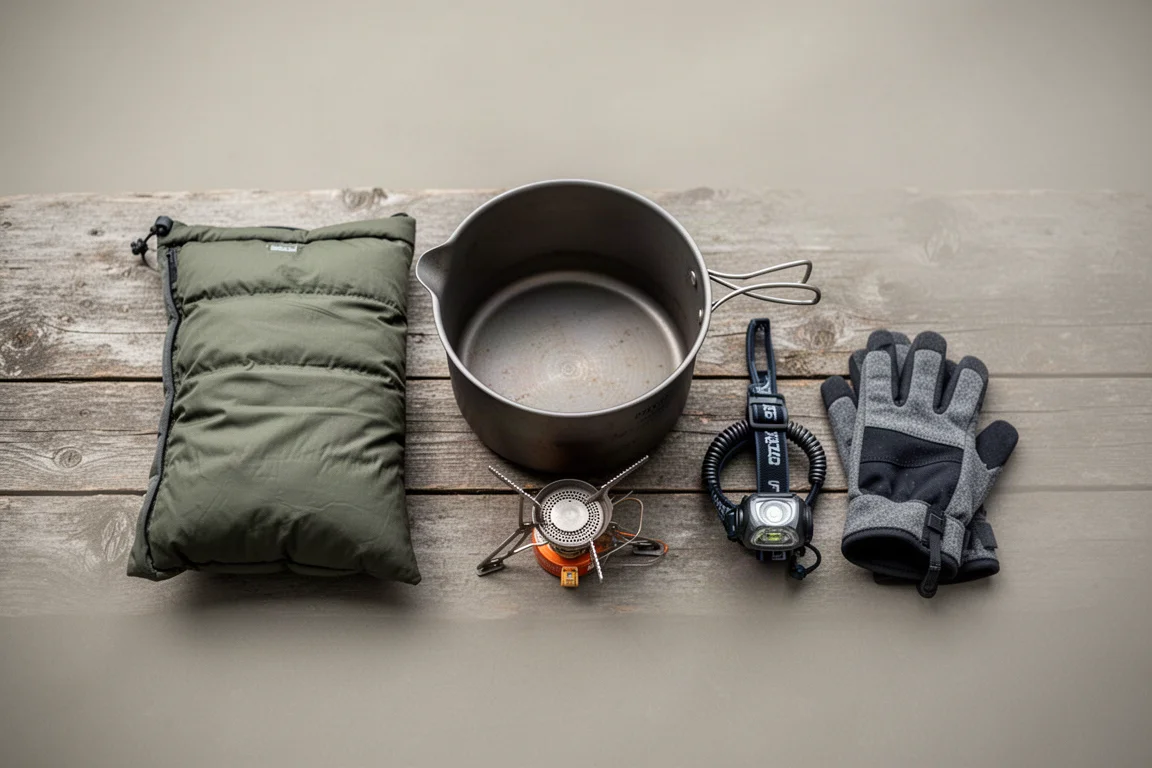
In winter, the main way to get water is to melt snow, and that takes volume. Moving up from a 750 ml pot to an 1100 ml pot makes the job noticeably more efficient, because there is simply more room for snow to melt into water in a single cycle. The Evolv Supply Co pot is wide and large enough for that task, and the Fire-Maple Blade 2 stove nests inside it, which keeps the whole cook system compact.
Two details matter for winter use. A pour spout makes it easier to move hot water into a meal bag or bottle without spilling, and a bail handle means the pot can still be hung over a fire if that becomes the better option. For anyone who has spent a cold evening melting small batches of snow over and over, the extra capacity is a straightforward improvement.

Big Sky International Rehydration Pouch: Warmer Meals
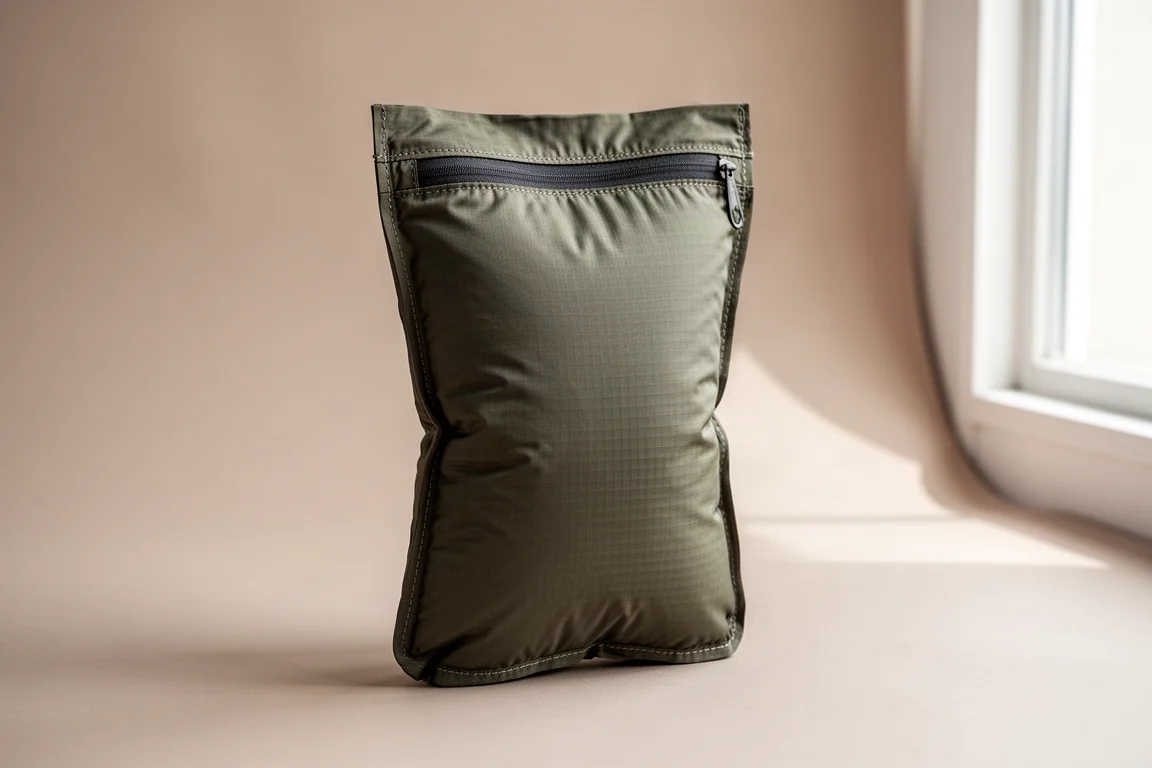
Freeze-dried meals rehydrate slowly in the cold, and a bag that is losing heat to the air around it will leave the outside of the meal cold while the centre is still crunchy. A rehydration pouch solves that by insulating the meal while it soaks. Boil water, pour it into the meal bag, seal the bag inside the pouch, and the food rehydrates faster and stays warm instead of cooling against the outside of the bag.
It is a small, inexpensive item, but it addresses one of the more annoying parts of winter camping, which is a lukewarm dinner after a long day of moving through snow. Together with the larger pot and the cold-weather stove, it rounds out a cook system that is designed for the conditions rather than adapted to them.
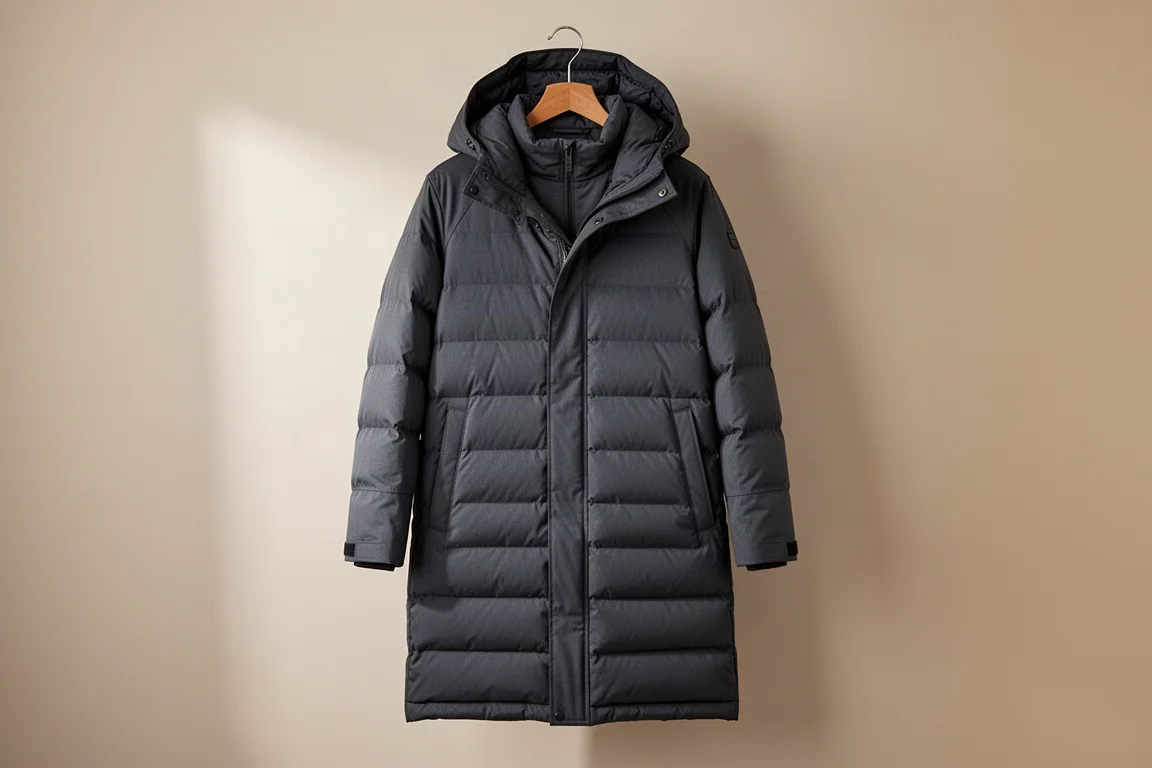
La Sportiva Super Couloir 1000: A Camp Parka for Real Cold
Synthetic insulation is a good match for active use and wet conditions, but down is the better choice for warmth when you are stopped. The La Sportiva Super Couloir 1000 is a serious down piece with 1000 fill, and it is closer to a parka than a jacket. It is very large, with a lot of loft, and the length is a big part of the appeal. It covers well down the body, which matters most when you are standing still at camp or on the side of a mountain.
The feature set is built around cold-weather use. Two large internal pockets sit close to the body, which is where you want a phone, a gas canister or camera batteries when temperatures drop. The hood uses a small neoprene element on the brim that grips the edge of a hat, holding the hood in place and letting the head move with it in high winds. Despite the size and the amount of down, it packs down small and weighs just under a pound, around 15.8 ounces.
If the goal is one dedicated camp jacket rather than layering a synthetic and a down piece together, this is the kind of item that replaces both for stopped use. It is a specialist piece, and it earns its place on trips where camp temperatures are genuinely low.
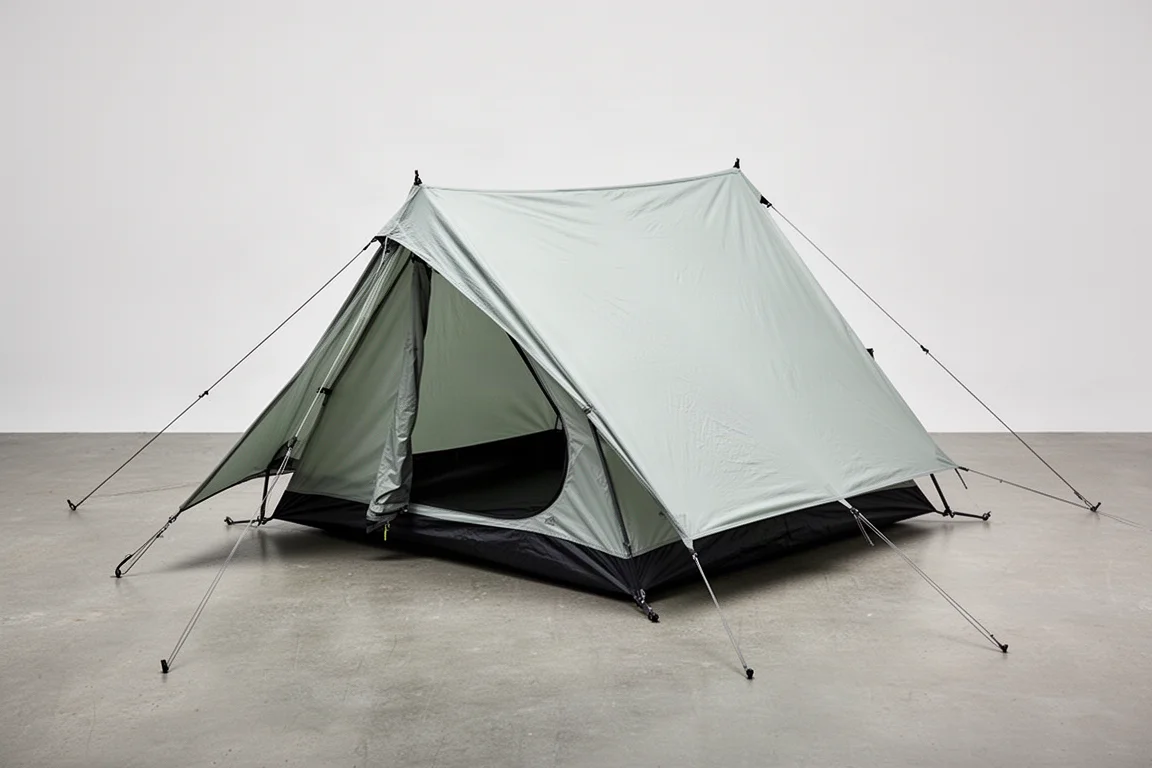
NEMO Hornet OSMO 2P: Light Double Wall With a Catch
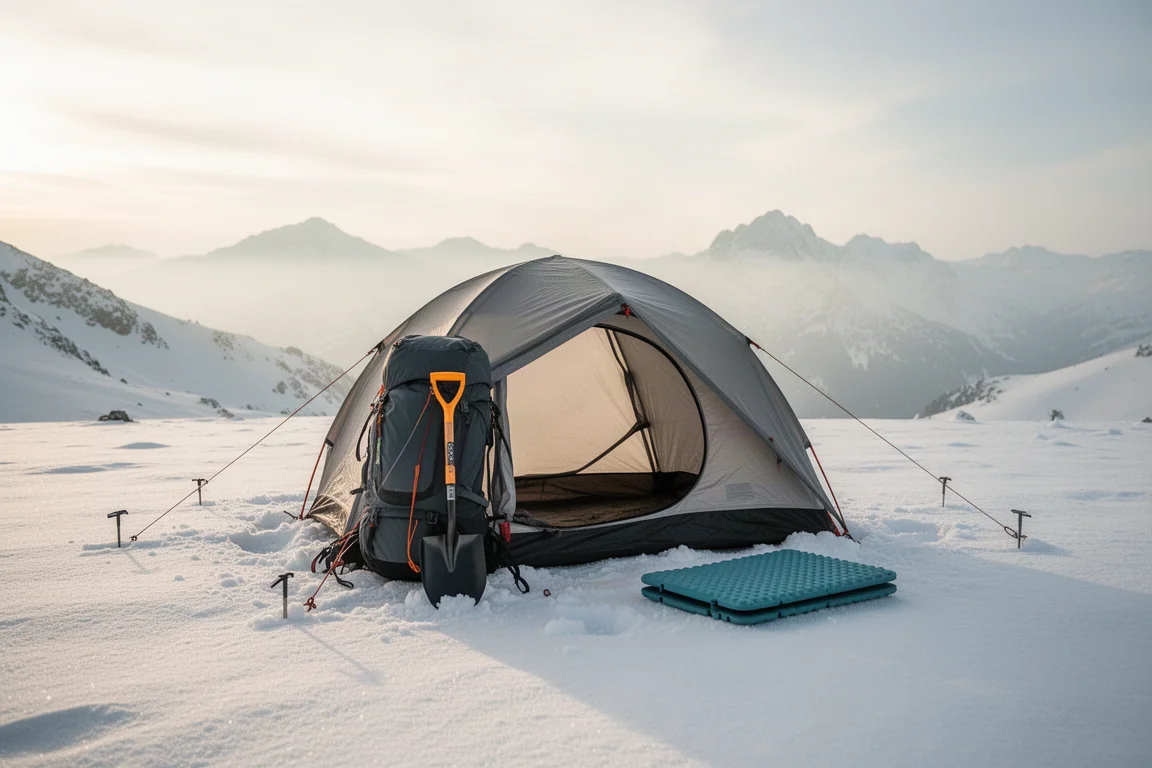
Trekking pole shelters are light and popular for three-season trips, but they depend on tension and on stakes holding well, which is harder in snow. A freestanding structure handles snow load and high winds better, because the poles carry the load rather than the stake placement. The NEMO Hornet OSMO 2P is a two-person double-wall tent that moves in that direction, with one important caveat: it is only partly freestanding, with one side requiring stakes.
For winter use, the practical advantage is that the poles pack inside the tent package, so the whole shelter stays in one compact bundle inside the pack. That is a real benefit on trips where a shovel, skis or snowshoes already take up space on the outside of the pack.
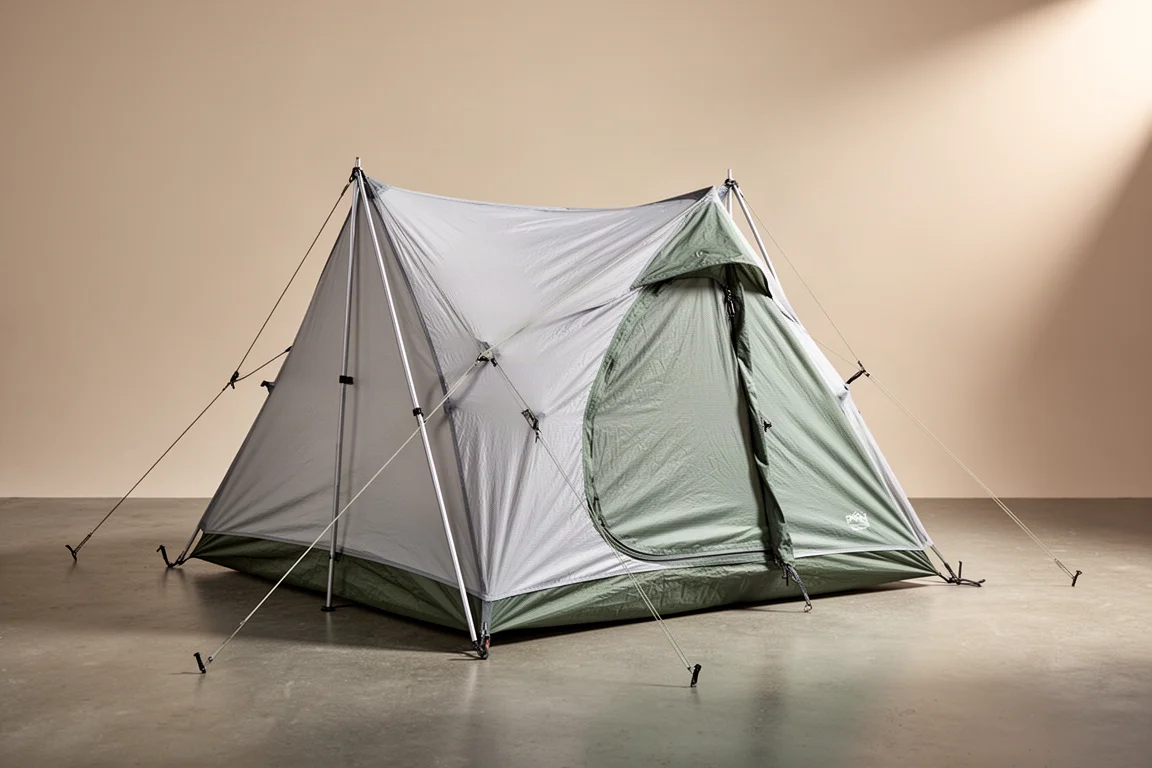
Big Agnes Copper Spur UL1: A Familiar Freestanding Shelter
The Copper Spur line has a long track record as a well-built, durable freestanding double-wall tent, and the UL1 is the one-person version, recently updated. For snow, a freestanding design makes sense. The structure holds up better under snow load and in high winds than a shelter that relies on trekking pole tension and staking.
The trade-off shows up immediately in the poles. They break down to a fixed length and pack separately from the tent body, so the shelter does not compress into one small bundle the way some alternatives do, where the poles sit inside the package. On a winter trip where the outside of the pack is already carrying a shovel or skis, that means either finding space inside the pack or strapping the poles on, which is the main reservation about this tent for cold-weather use.
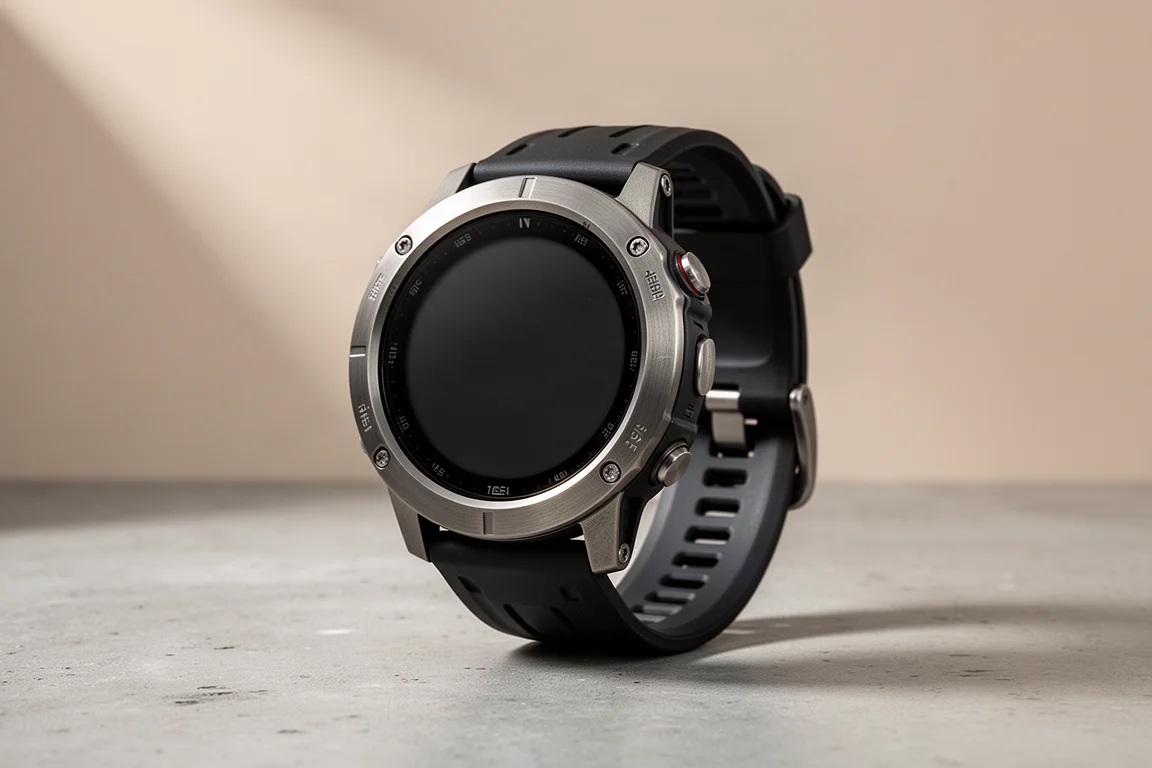
Suunto Vertical Titanium: Navigation and Data on the Wrist
A GPS watch is not strictly winter gear, but it becomes more useful in environments where visibility and conditions change quickly. The Suunto Vertical Titanium includes a barometer and an altimeter, shows current weather, and supports offline maps, so routes planned ahead of time can be loaded and followed from the wrist without a phone signal.
Battery life is the headline. The claimed figure is 60 days, and in practice it has lasted a long time: over roughly three months of near-daily use at the gym and on trails, it has been charged twice. It also has a solar face that charges from sunlight, which should help in bright snow. Cold temperatures are the remaining question, and that is what the coming winter trips will answer. It is an expensive watch, and the justification is the combination of altitude and weather data, offline navigation and long battery life in a single device.
Buying Advice: Match the Upgrade to the Trip
Not every item on this list belongs in every winter kit, and the sensible approach is to buy against the trips you actually take. If you travel over deep snow on long approaches, the skis address effort in a way snowshoes cannot, while a shovel becomes close to mandatory on any trip where avalanche terrain is in play. If your main frustration is cold, slow cooking, the remote stove, the larger pot and the rehydration pouch work together as one system, and they are among the least expensive changes you can make.
Insulation and shelter are the bigger decisions. A dedicated down parka makes sense when you expect to be stationary in genuinely cold conditions and want one layer to cover camp. On shelters, the deciding factor for winter is often how the tent packs rather than how it pitches. A freestanding design handles snow load and wind better, but a model whose poles pack inside the main bundle is easier to live with when the outside of your pack is already full.
For navigation and safety data, a watch with offline maps, an altimeter and a barometer is a convenience that turns into a safety tool when visibility drops. It is the most expensive item here, so it is best justified by frequent time in remote terrain rather than occasional use.
Conclusion
Taken together, these nine items target the parts of winter backpacking that cause the most friction: moving through snow, melting water, keeping fuel flowing in the cold, staying warm when stopped, and knowing where you are when the weather closes in. Most of them replace something already in the kit rather than adding to it, which is what keeps a winter pack workable.
Because these items are only just entering field use, the honest position is that they look well matched to the problems they are meant to solve, and the coming season of cold-weather trips will show how they hold up. If you are building or refreshing a winter kit, start with the items that remove a recurring problem on the trips you actually take, and let the rest wait until a specific need appears.
Further reading
Related Reviews
Winter Backpacking Gear
Winter Backpacking Layers: Three Insulation Pieces Worth Packing
A practical look at three winter insulation layers, a merino base layer, a high loft camp jacket and a lighter active jacket, and how they work together.

Backpacking Gear
Building a 10 lb Base Weight: An Ultralight Backpacking Gear List
A practical walkthrough of the ultralight pieces behind a 10 lb base weight, from a 765 g pack and a roomy one-person tent to a full camp chair and a dependable water filter.

Road Bikes
10 New Road Bikes Worth Watching: Aero, Titanium, Steel and Endurance Standouts
A practical roundup of 10 new road bikes, from aero flagships chasing single-watt gains to titanium, steel and endurance platforms built for real roads.