Winter Backpacking Gear
Winter Backpacking Gear List 2026: Seven Pieces That Held Up in Sub-Zero Snow
A field-tested winter backpacking gear list built for deep snow, high wind, and temperatures below zero, with the pieces that earned their place.
Introduction
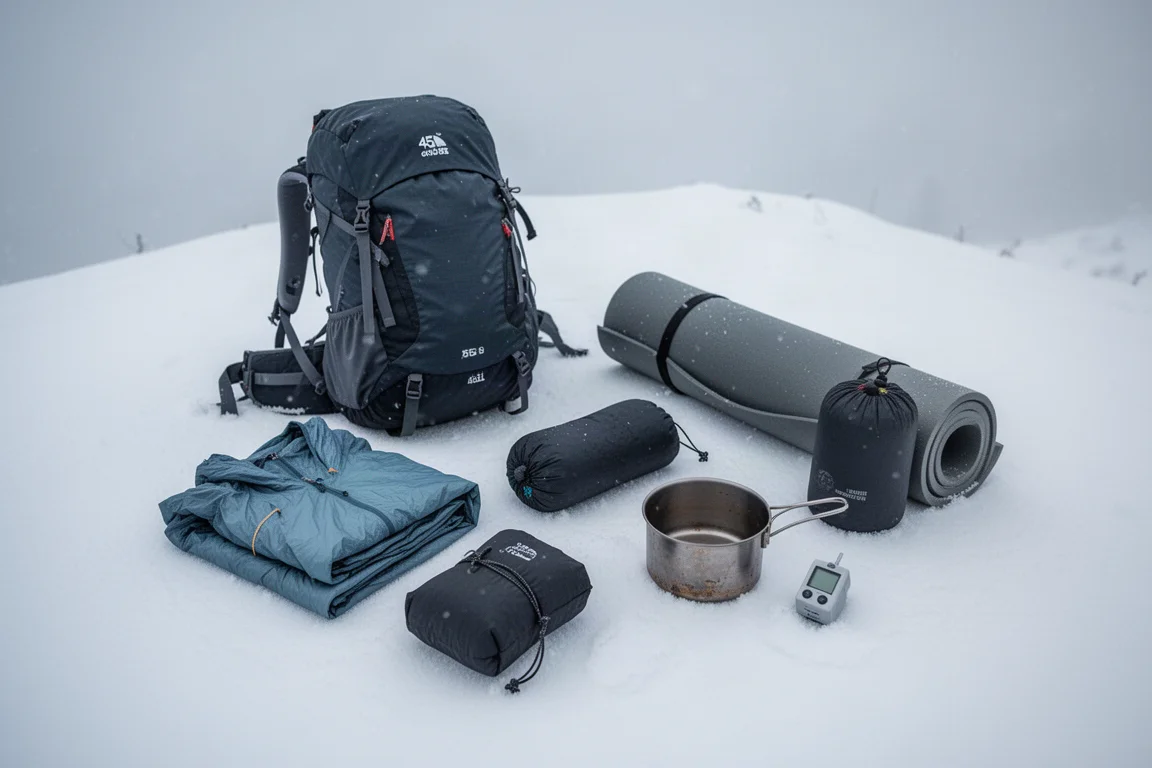
Six feet of snow, temperatures below zero, and sustained wind at high elevation. That is the setting this winter backpacking gear list was built for, and the whole kit came in at just under 20 pounds. That is heavy for a dialed-in three-season loadout, but entirely reasonable once the genuinely luxurious items are counted.
What follows covers the pieces that did the most work on the trip: the layers worn on the move, the sleep system, the shelter, and the small electronics that made the cold easier to understand. A few items were packed and never used, which is its own kind of result.
How This Gear List Was Tested
The trip ran through high-elevation tundra in January, where low temperatures combine with strong wind to produce conditions that punish anything that does not block wind or manage moisture. Every item below earned its place against four practical questions: does it cut wind, does it stay warm for its weight, does it handle moisture, and does it pack small enough to carry all day.
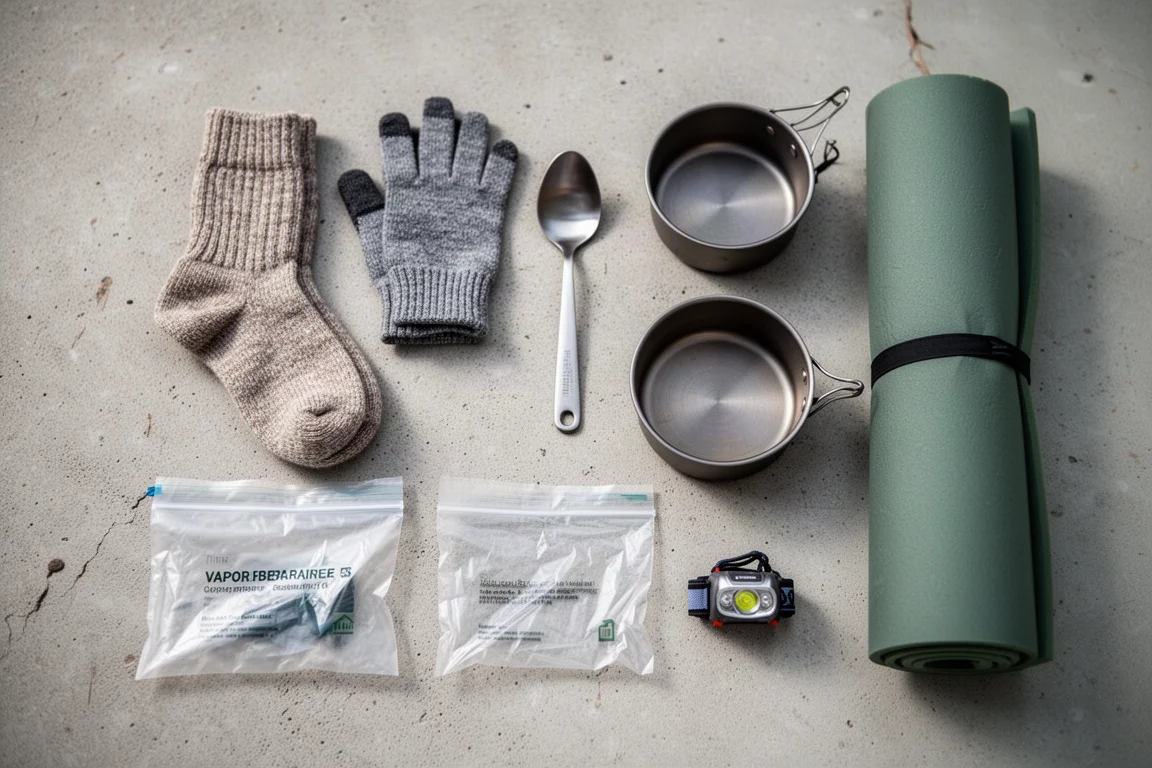
Weight is the other half of the picture. The full kit, including the shelter and stove, weighed just under 20 pounds in a 45-liter pack. Splitting the shelter between two people drops the per-person load closer to 17 pounds, which is a comfortable figure for a winter trip. A closed-cell foam pad was carried in addition to the inflatable pad, adding roughly 2 R-value to the sleep system, and thin vapor-barrier bags were worn inside ski boots to keep moisture out overnight.
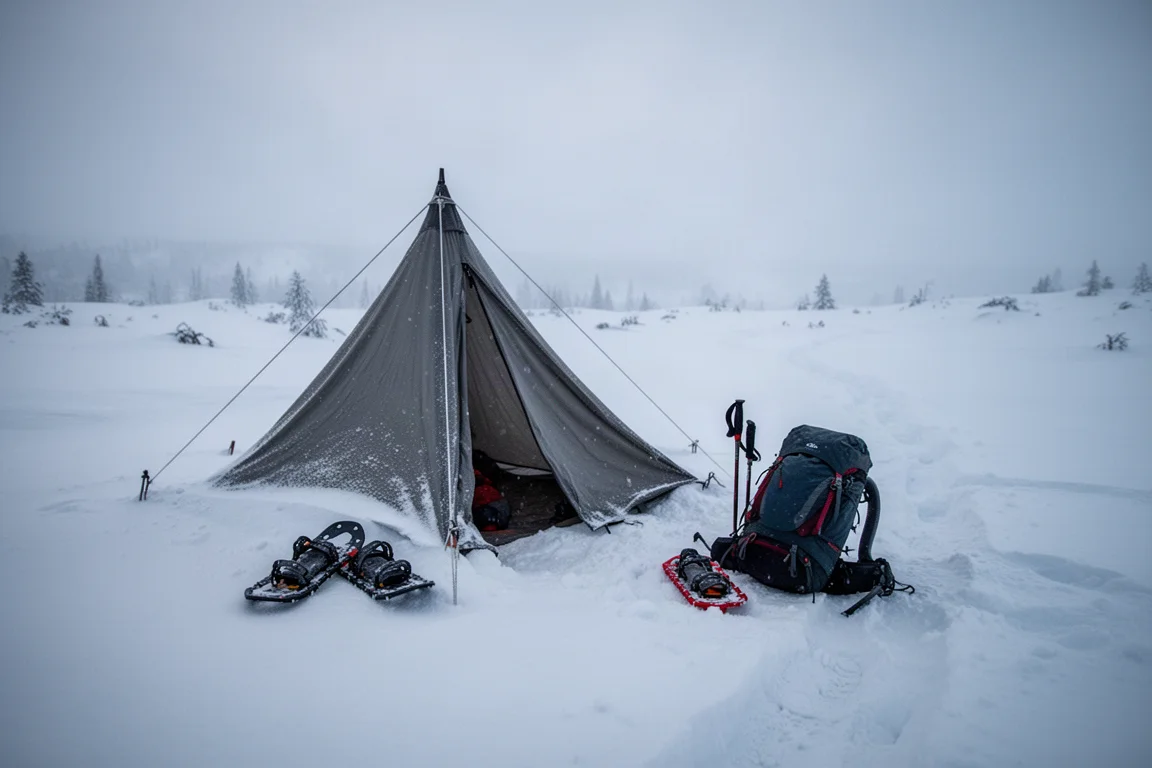
Those small decisions matter more than any single item. Wind protection, dry feet, and a pad that insulates from the snow are what separate a comfortable night from a cold one, and none of them depend on spending more.
Outdoor Vitals Nebo Windbreaker
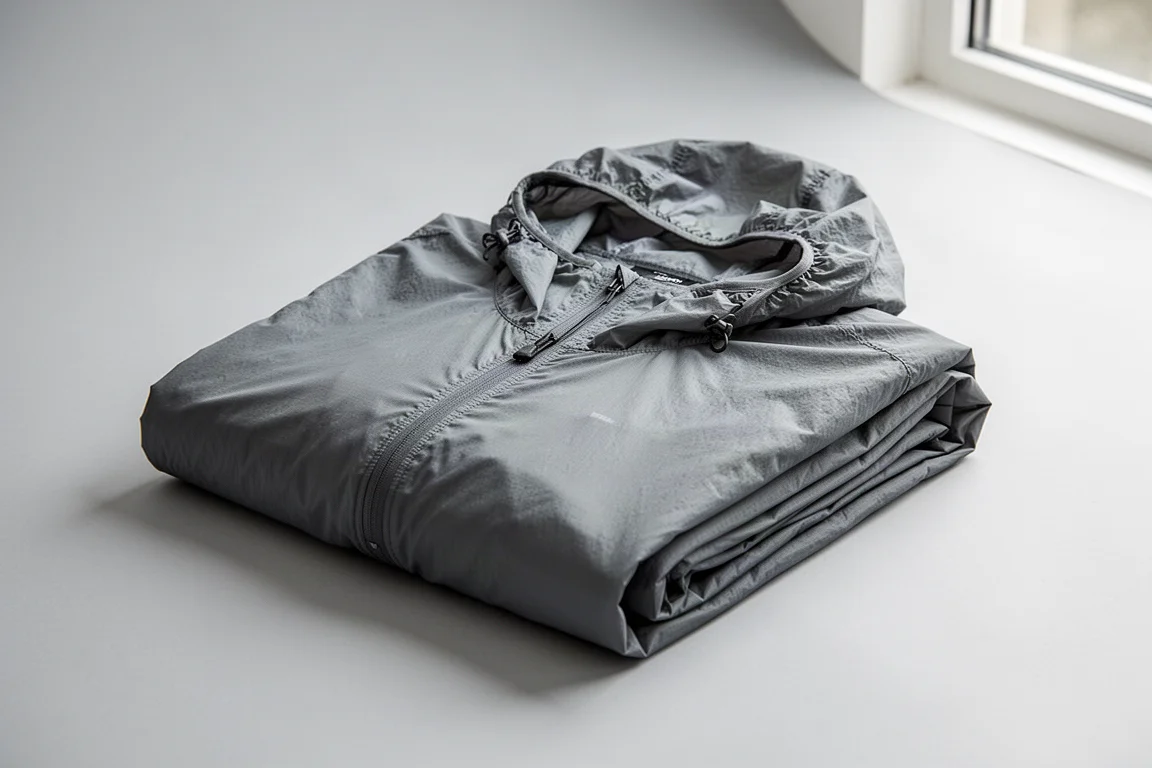
The standout piece of the trip was a windbreaker light enough to disappear into a tiny pocket and breathable enough to wear while moving. It was worn on the hike whenever the wind picked up but the effort level was high, which is exactly the window where a heavier shell becomes a liability.
It packs down small, adds almost nothing to pack weight, and handles the windy-but-active conditions that define most winter approaches. Availability was limited at the time of writing, with a wider release expected soon.
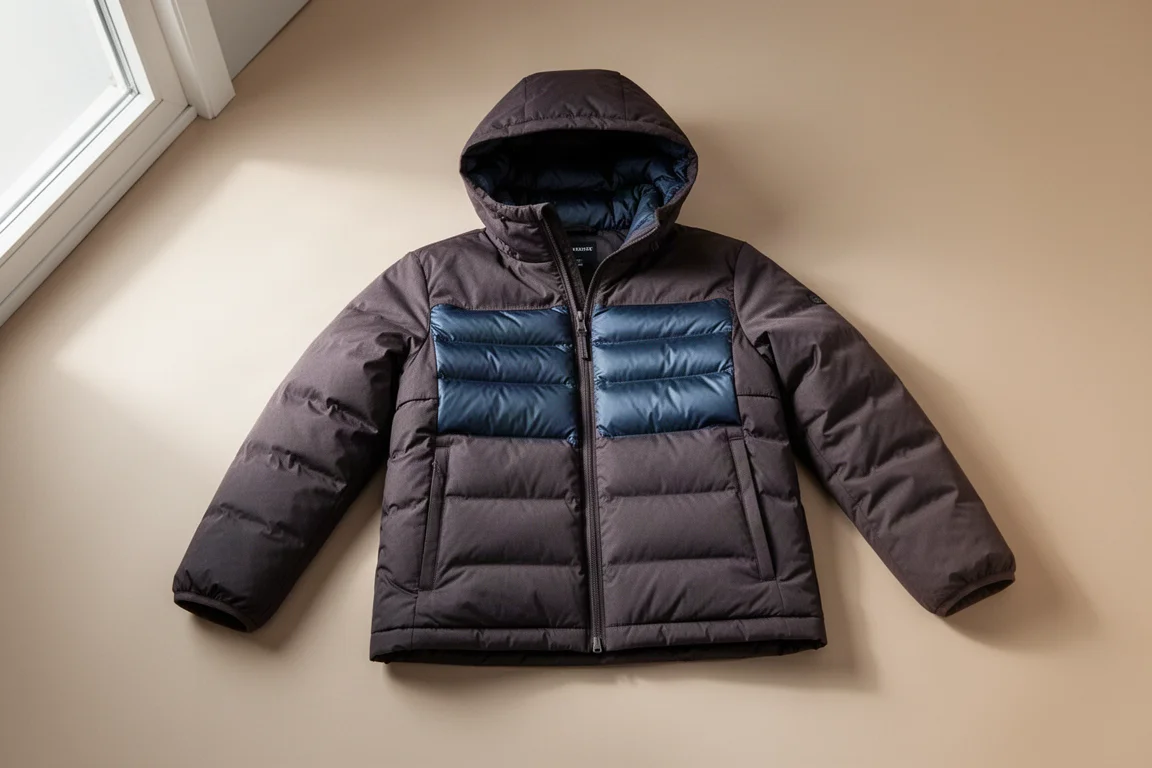
Outdoor Vitals Nova Pro
The Nova Pro was the layer that made high-elevation wind manageable. Its stitchless fabric construction blocks wind unusually well, and on exposed terrain in winter that is the difference between a warm walk and a miserable one. It was the best jacket used in these conditions.
Layering around it was straightforward: an Altitude Sun Hoodie underneath for moisture management and sun protection off the snow, and a Vario Jacket for the hiking approach. A merino wool neck gaiter, tapered so it tucks into a hat and stays put, kept wind off the face and reduced sun exposure from reflective snow.
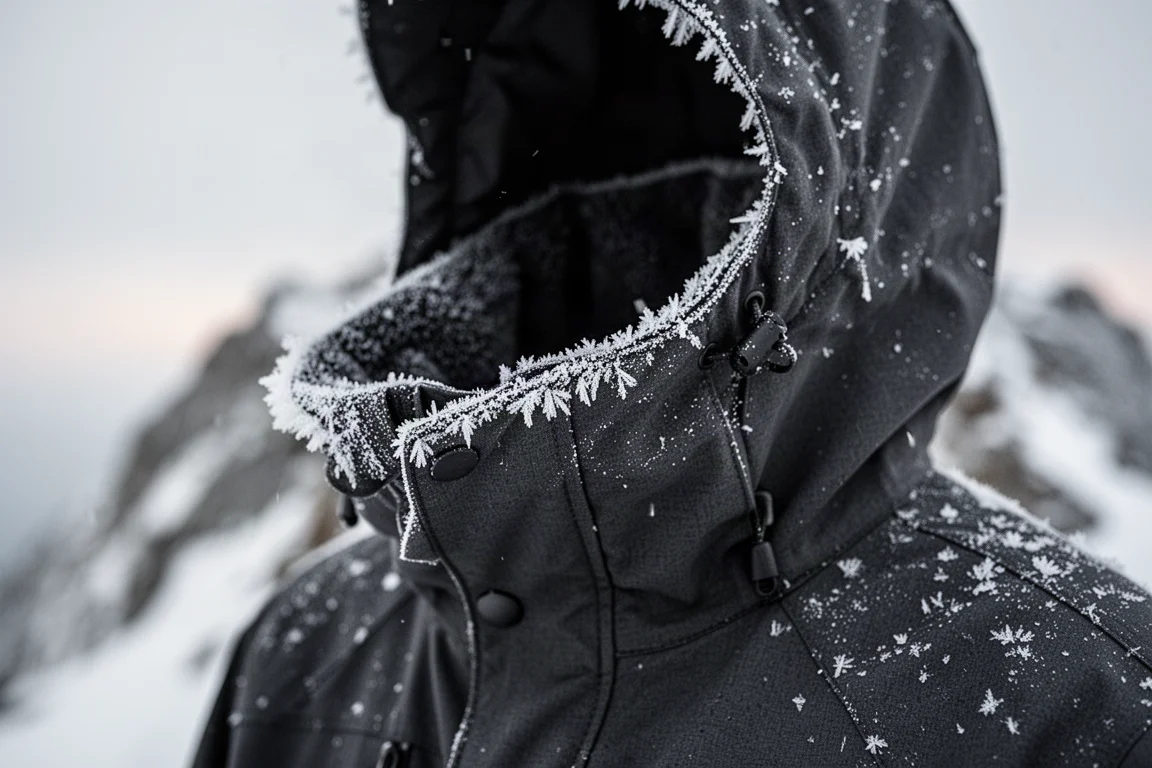
Because the shell blocks wind so effectively, it works best as part of a system rather than as a single do-everything layer. On milder trips it is more jacket than the conditions require.
Outdoor Vitals Oblivion Sleeping Pad
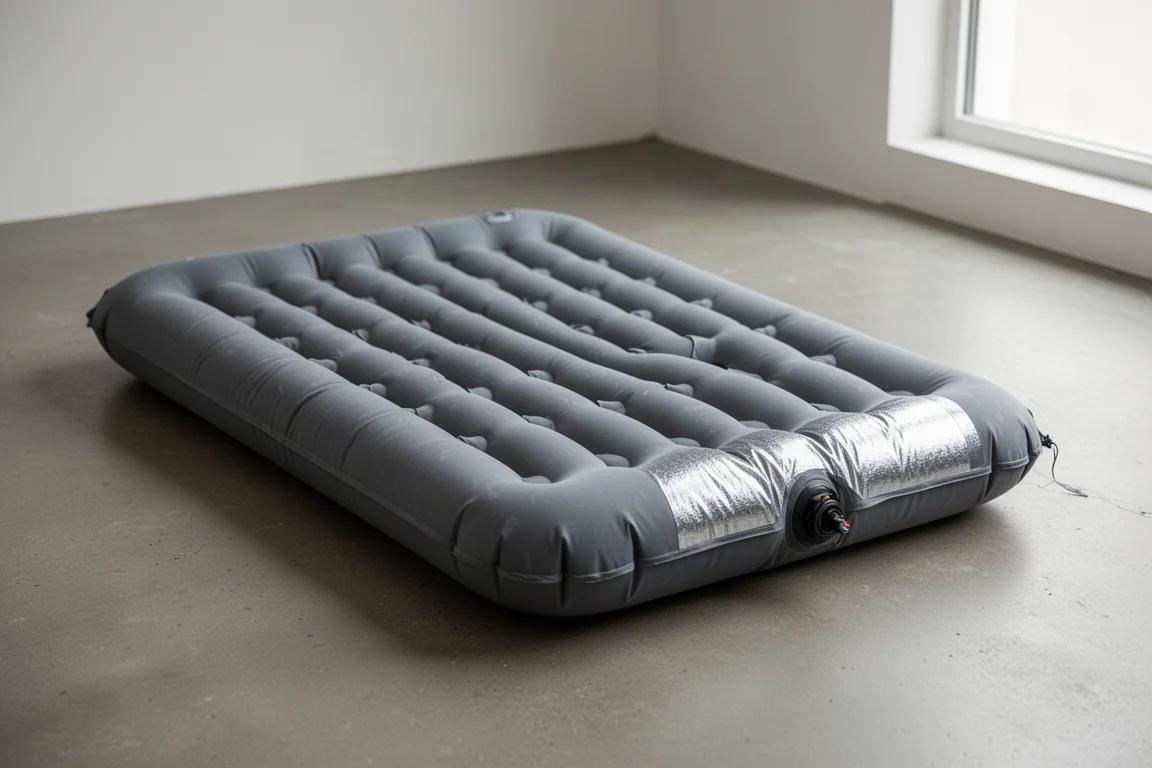
The Oblivion is a newer pad that is warmer and more comfortable than the design it replaces, and it carries a tested and certified 3.5 R-value. On its own that makes it a three-season pad. Layered with a closed-cell foam pad that contributes about 2 R-value, the system reaches roughly 5.5 R-value, which is enough to hold up in winter.
That layering approach is what everyone on the trip used, and everyone stayed warm. It is also the most cost-effective route into a genuinely cold-weather sleep system, because the foam pad does a large share of the work for very little weight and money.
Outdoor Vitals Summit Sleeping Bag
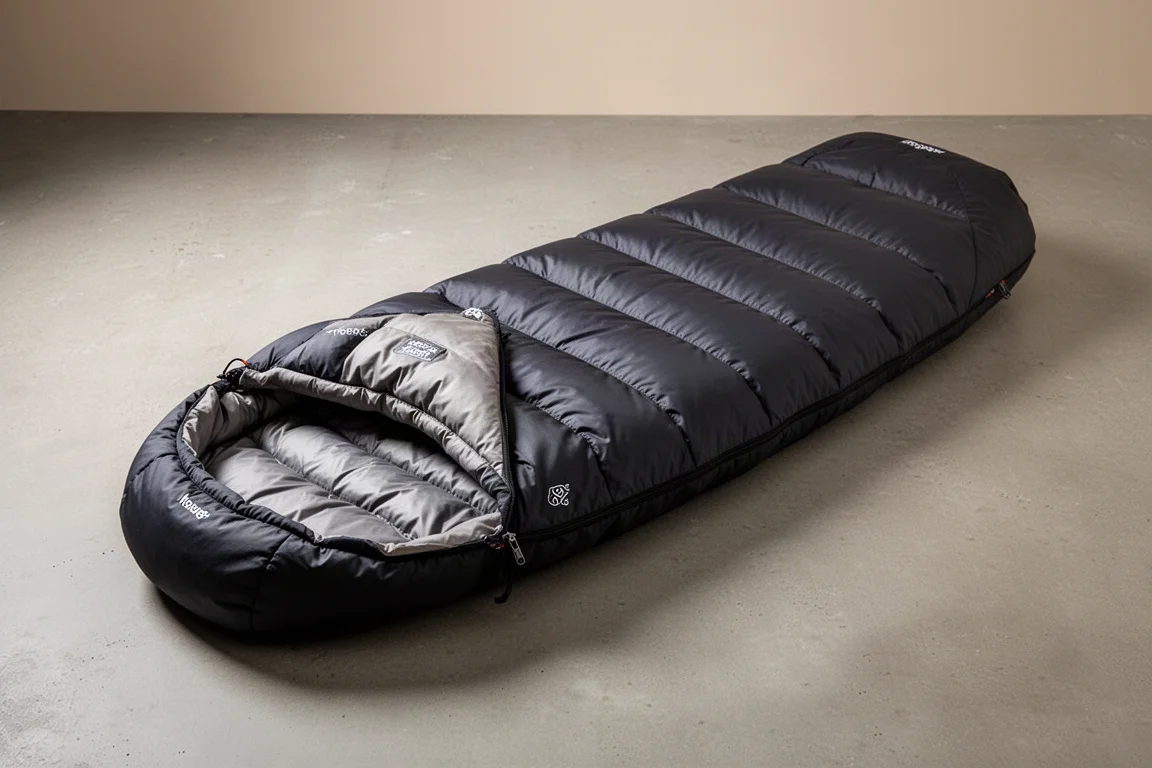
A 15-degree Summit sleeping bag formed the core of the sleep system, layered with a top quilt. The pairing used on this trip was a 15-degree bag with a 15-degree quilt, which is more insulation than most people need. The recommended combination is a 15-degree Summit with a 30-degree top quilt, which covers far more of the year and has been used comfortably down to -15 degrees Fahrenheit.
Supporting layers included a fleece hoodie kept specifically for sleeping, insulated hybrid booties, and a balaclava, which together kept feet and head warm through the coldest hours.
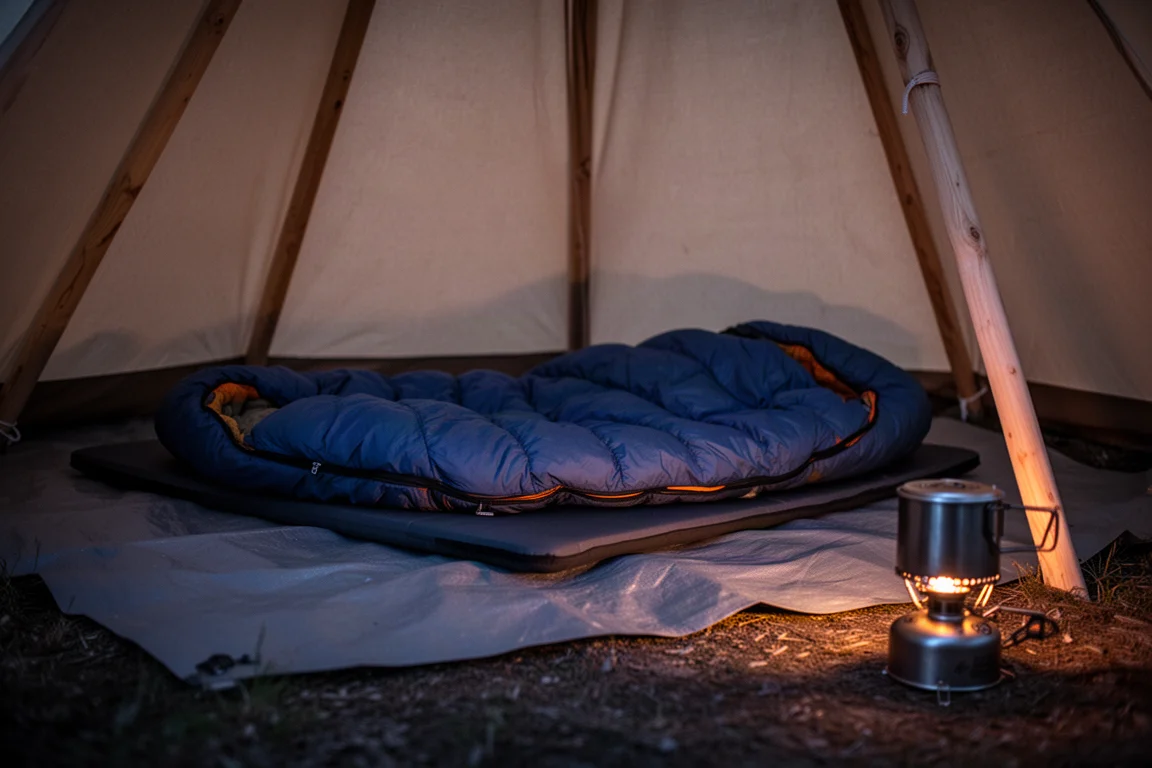
Layering a bag and quilt this way is one of the most flexible approaches to sleeping warm, because the same bag covers summer trips with a lighter quilt and deep winter with a heavier one. It also means the insulation can be tuned to the forecast rather than replaced.
Seek Outside Red Cliff
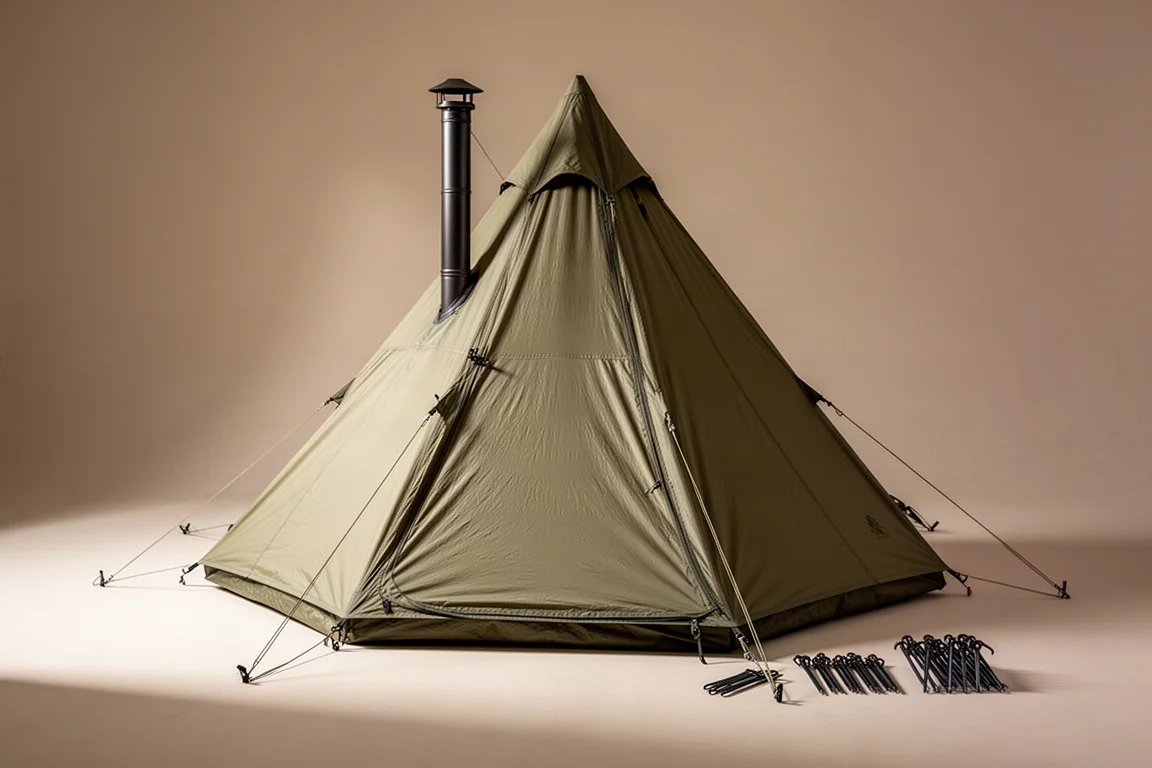
At about 6.5 pounds complete, the Red Cliff is heavy for a solo shelter and entirely reasonable when split. It is a four-person floorless tipi that runs with a titanium stove, and the stove changes what a winter evening looks like: gear dries, snow melts, and the space stays usable long after sunset.
The numbers break down simply. The shelter with its pole and stakes runs around 73 ounces, and the titanium stove comes in at just over 2 pounds. Split between two people, that is just over 3 pounds each. Five or six people fit inside comfortably for an evening of drying gear and eating.
Stakes proved unreliable in deep snow, and sticks were used instead. A ground sheet or footprint is worth carrying, since the shelter has no floor.
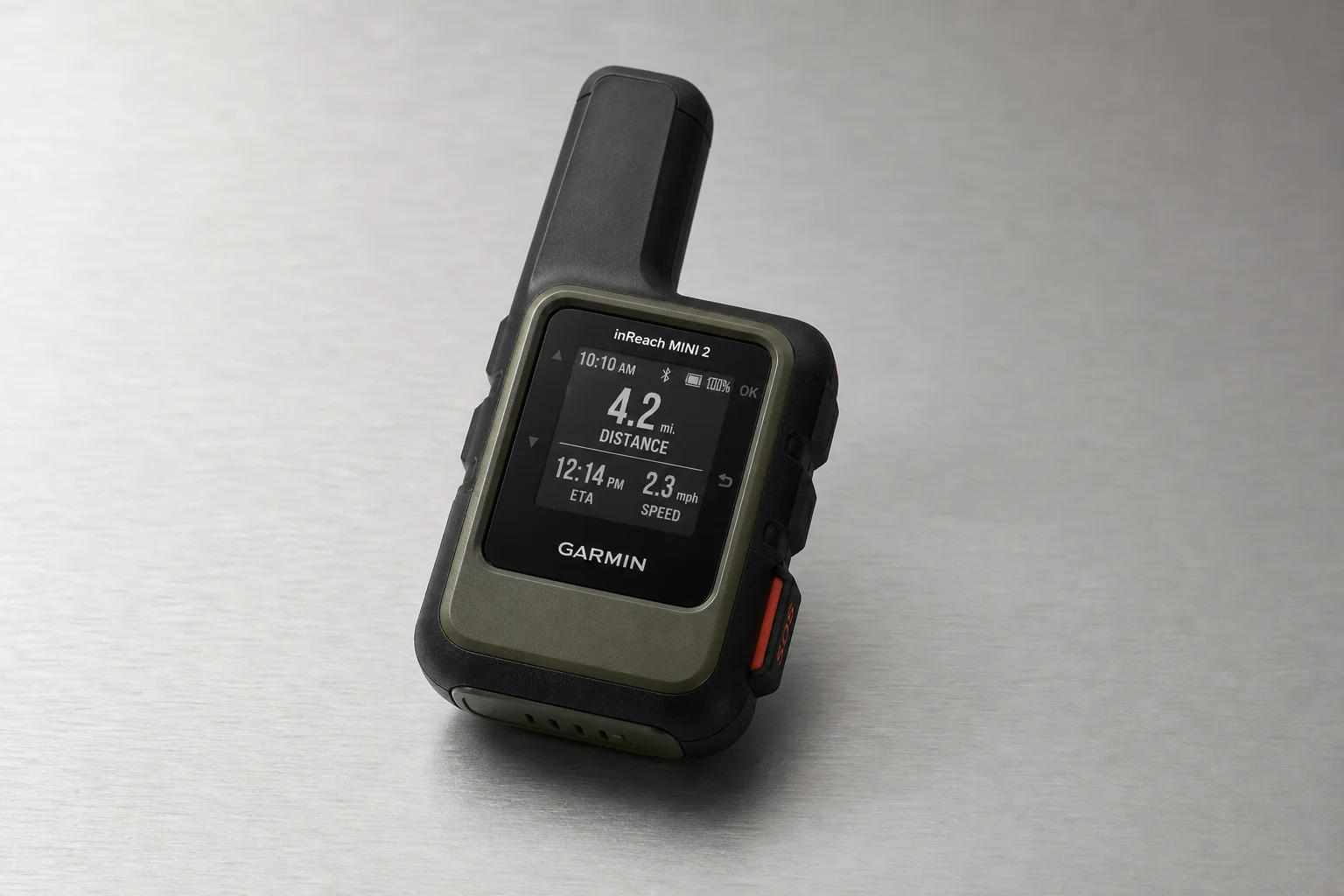
Garmin inReach
The inReach travelled in a zippered dry bag as the trip’s satellite communication device, alongside a battery bank. In an area with no cell coverage, a communicator is the item you hope never to use and never want to leave behind.
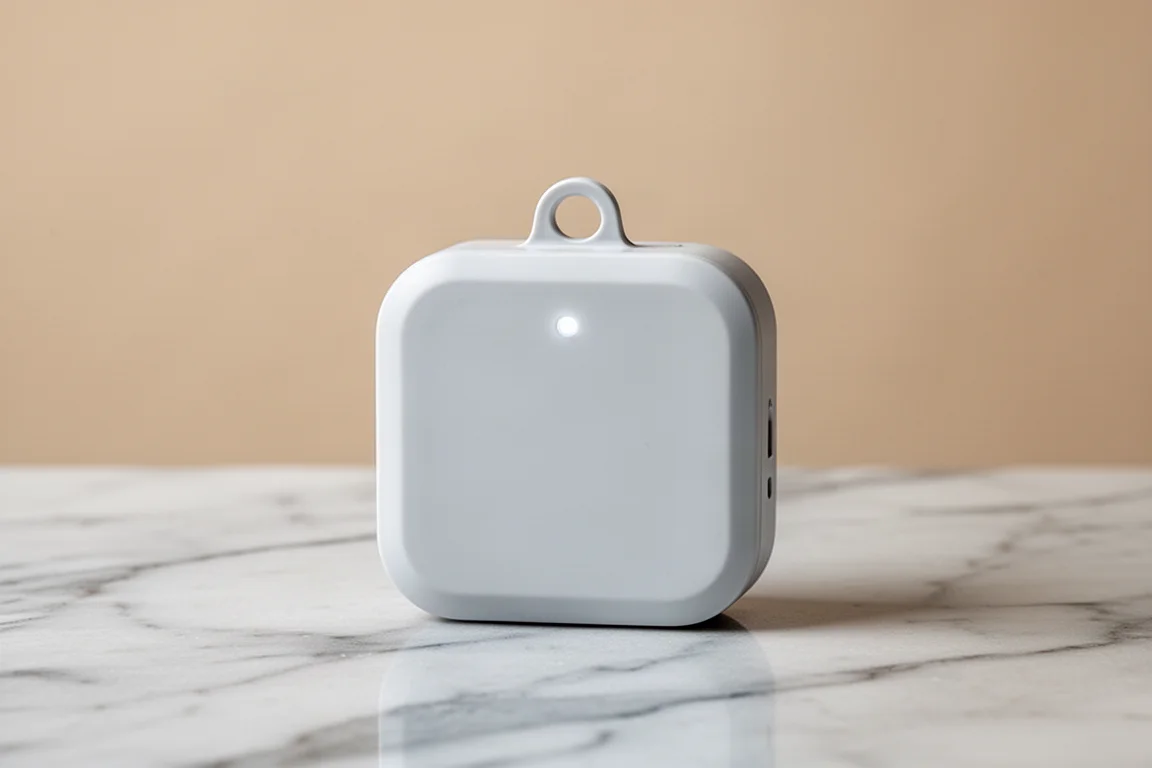
SensorPush
A small temperature and humidity sensor was placed outside the tent overnight, logging conditions to a phone. It recorded a low of roughly -2 to -3 degrees Fahrenheit on this trip, which is genuinely useful information when deciding how much insulation a sleep system actually needs.
Buying Advice for Cold-Weather Systems
Three things drove comfort more than any individual purchase. First, wind protection on the move: a light, breathable windbreaker for active hiking, and a wind-blocking insulated jacket for exposed terrain. Second, moisture management: vapor-barrier bags inside boots, dry sleep layers changed into at camp, and a bag-and-quilt pairing that can be tuned to the forecast. Third, insulation from the ground: a certified 3.5 R-value pad layered with closed-cell foam to reach roughly 5.5 R-value.
Weight is the last variable. The full shelter is heavy for one person and light for two. Split it, and the load drops to something most people can carry comfortably over a full day.
It is worth noting that hand warmers were packed and never used. When the layers, the sleep system, and the shelter are right, chemical warmers stop being part of the plan. If you are building this kind of kit from scratch, start with the sleep system and the shelter, since those two account for most of the weight and most of the comfort. Layers can be added over time.
Conclusion
The takeaway from a trip like this is that winter backpacking does not require suffering. A windbreaker that breathes, a windproof jacket for exposed terrain, a layered sleep system, and a heated shelter carried between two people produced a kit under 20 pounds that stayed comfortable well below zero.
Match the pieces to the conditions, split the heavy items, and keep the sleep system dry. Everything else follows from those three habits.
Further reading
Related Reviews
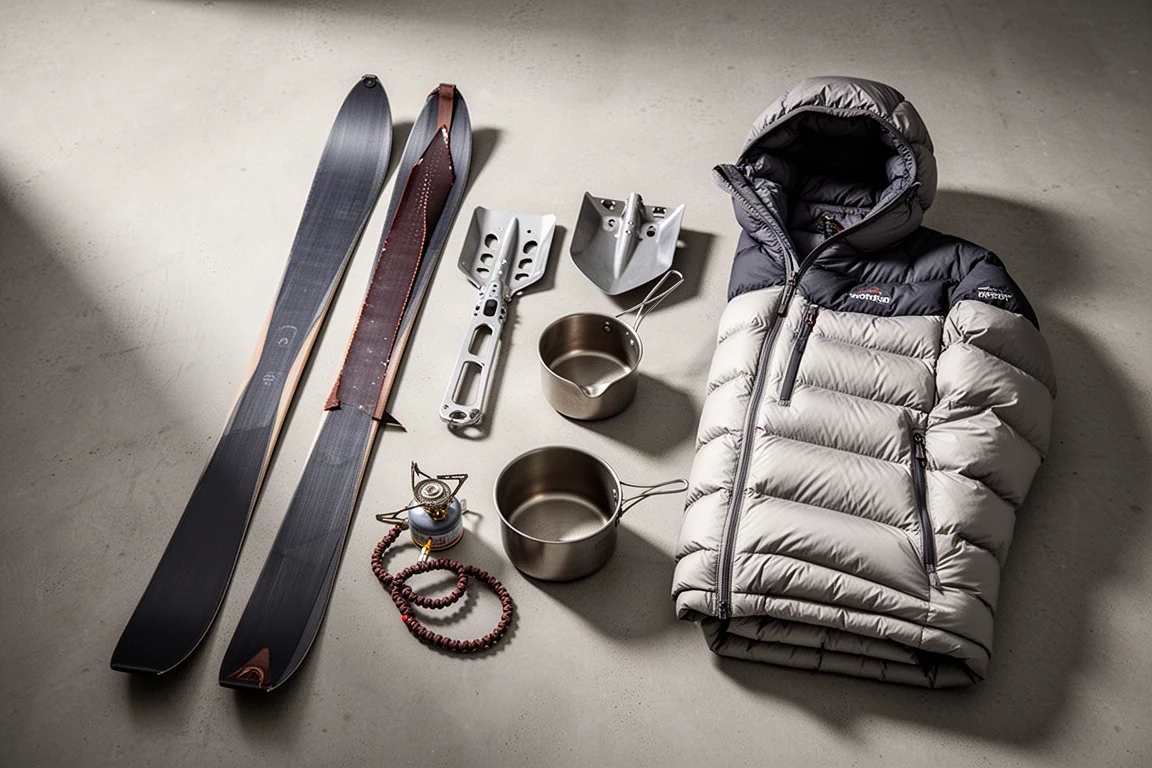
Winter Backpacking Gear
Winter Backpacking Gear Upgrades: Nine Pieces Built for Cold and Altitude
Nine winter backpacking upgrades for snow travel, cold-weather cooking, camp warmth and navigation, with the trade-offs worth checking before you buy.
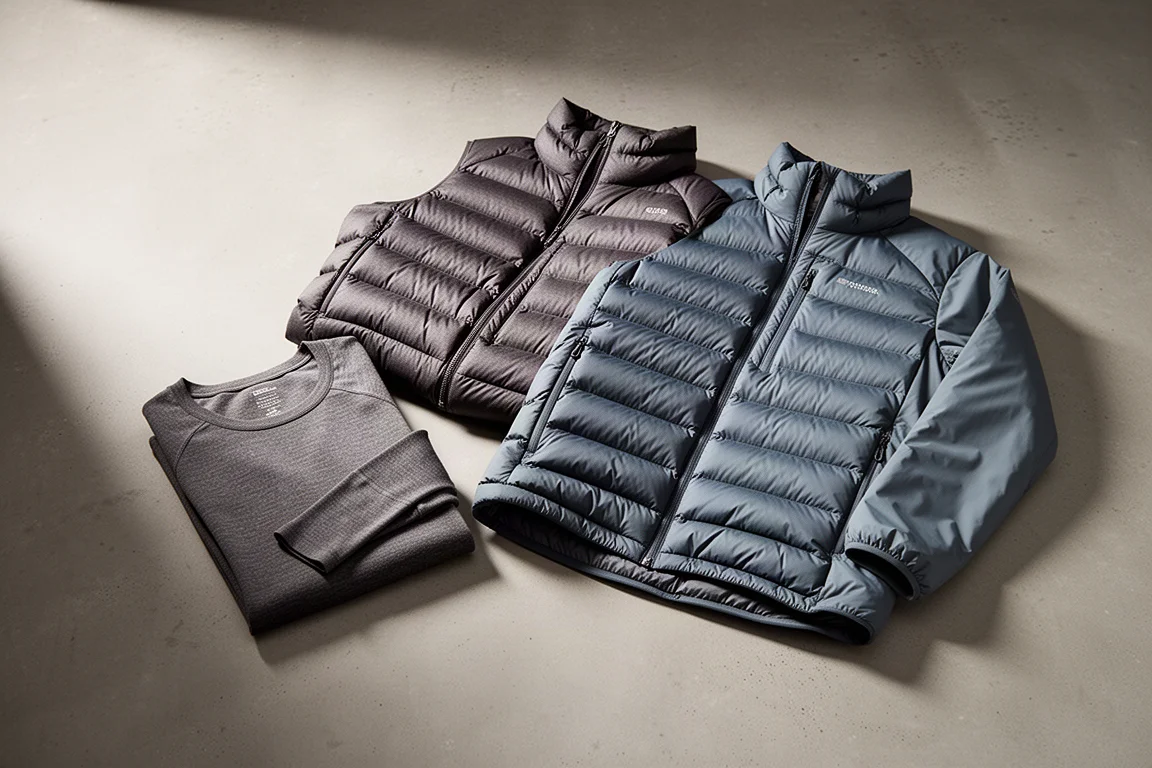
Winter Backpacking Gear
Winter Backpacking Layers: Three Insulation Pieces Worth Packing
A practical look at three winter insulation layers, a merino base layer, a high loft camp jacket and a lighter active jacket, and how they work together.

Backpacking Gear
Building a 10 lb Base Weight: An Ultralight Backpacking Gear List
A practical walkthrough of the ultralight pieces behind a 10 lb base weight, from a 765 g pack and a roomy one-person tent to a full camp chair and a dependable water filter.