Backpacking Gear
Winter Backpacking Gear Upgrades: 10 Pieces for Colder, More Efficient Overnights
A practical winter backpacking kit built around warmer sleep insulation, wind-resistant cooking, layered clothing, a freestanding shelter, and anchors that hold in snow.
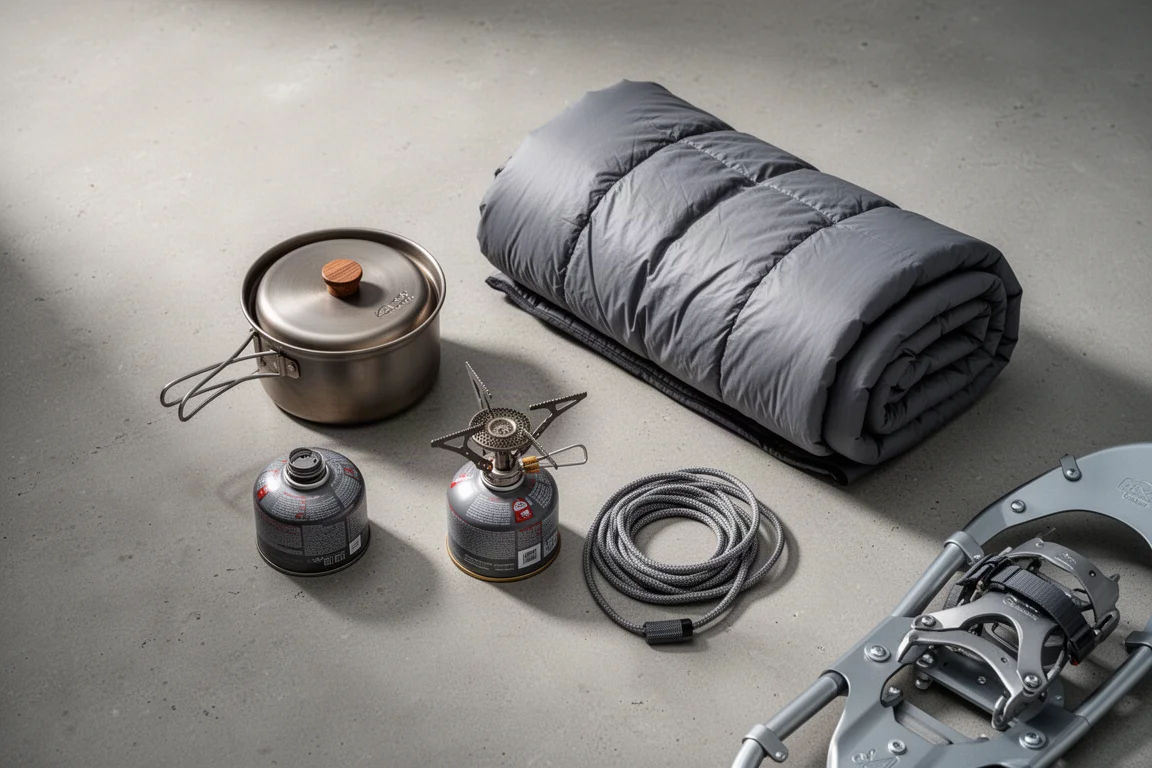
Introduction
Winter backpacking asks more from every item in a pack. Cold air, wind, and snow change how a stove burns, how a shelter pitches, and how much insulation a sleeper needs to stay warm until morning. This kit is aimed at weekend overnights, longer section hikes, and approaches toward mountaineering objectives, with a simple goal: stay warmer, stay more comfortable, and use fuel and effort more efficiently. It is a general winter setup rather than a full mountaineering loadout, which would add heavier-duty gear on top of it.
What This Winter Kit Is Built For
Three priorities shaped the changes here: warmth, efficiency, and ease of use in cold conditions.
Efficiency shows up first in the cook system. A stove that stays lit in wind and burns fuel predictably at low temperatures means less time fiddling with a lighter and more fuel left in the canister at the end of a trip.
Comfort drives the sleep and clothing choices. A warmer quilt and a pad with a higher R-value do most of the work on snow, while a layered clothing system keeps a hiker warm while moving and warm again at camp.
Reliability and versatility matter for shelters and anchors. Freestanding tents pitch more easily in snow and ice than trekking pole shelters, and multi-purpose tools earn their place when every gram has to justify itself.
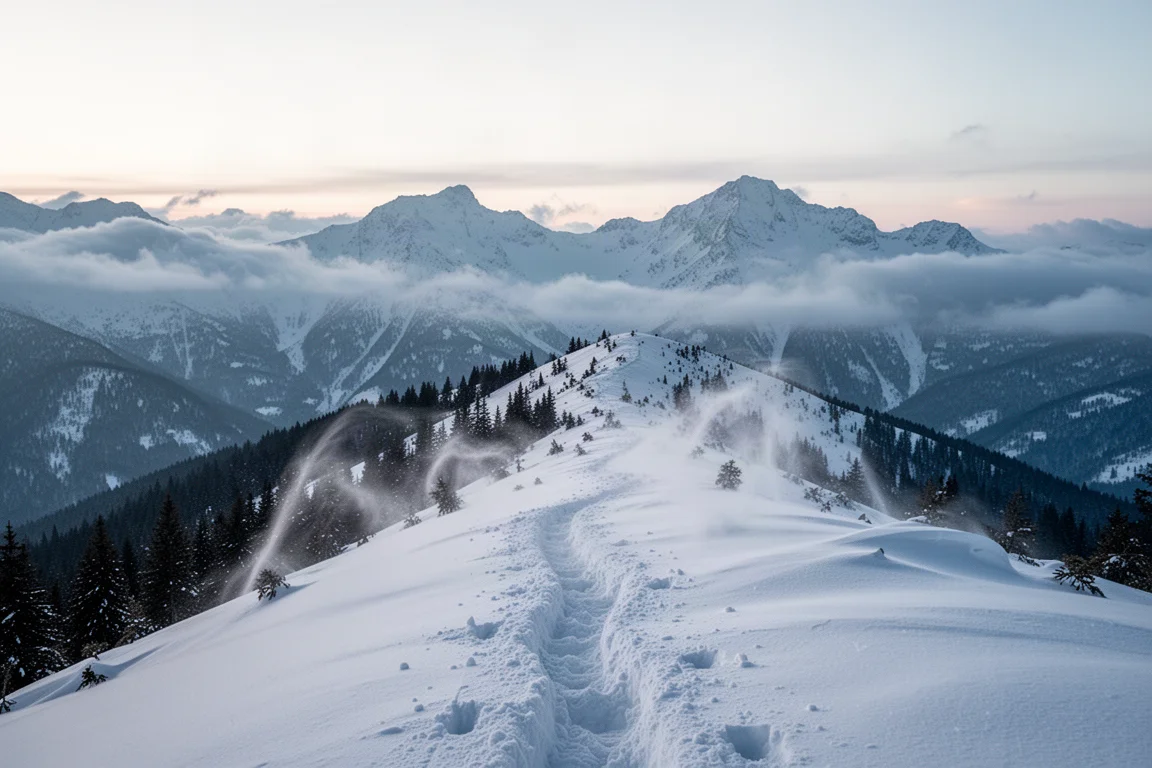
Together, those priorities explain most of the choices below. Nothing here is exotic gear for its own sake. Each piece solves a specific problem that shows up when temperatures drop and the ground stays frozen for weeks at a time.
Cook System Upgrades
For years, a bare-bones canister stove paired with a 700 ml titanium mug covered nearly every trip, including winter ones. The limitations only become obvious in the cold: the stove blows out easily in strong wind, it has no regulator, and it has to be lit with a separate lighter, which means pulling off a glove in freezing conditions. The mug also lacks a bail for open-fire cooking and never had a lid worth carrying. Two upgrades address both sides of the problem.
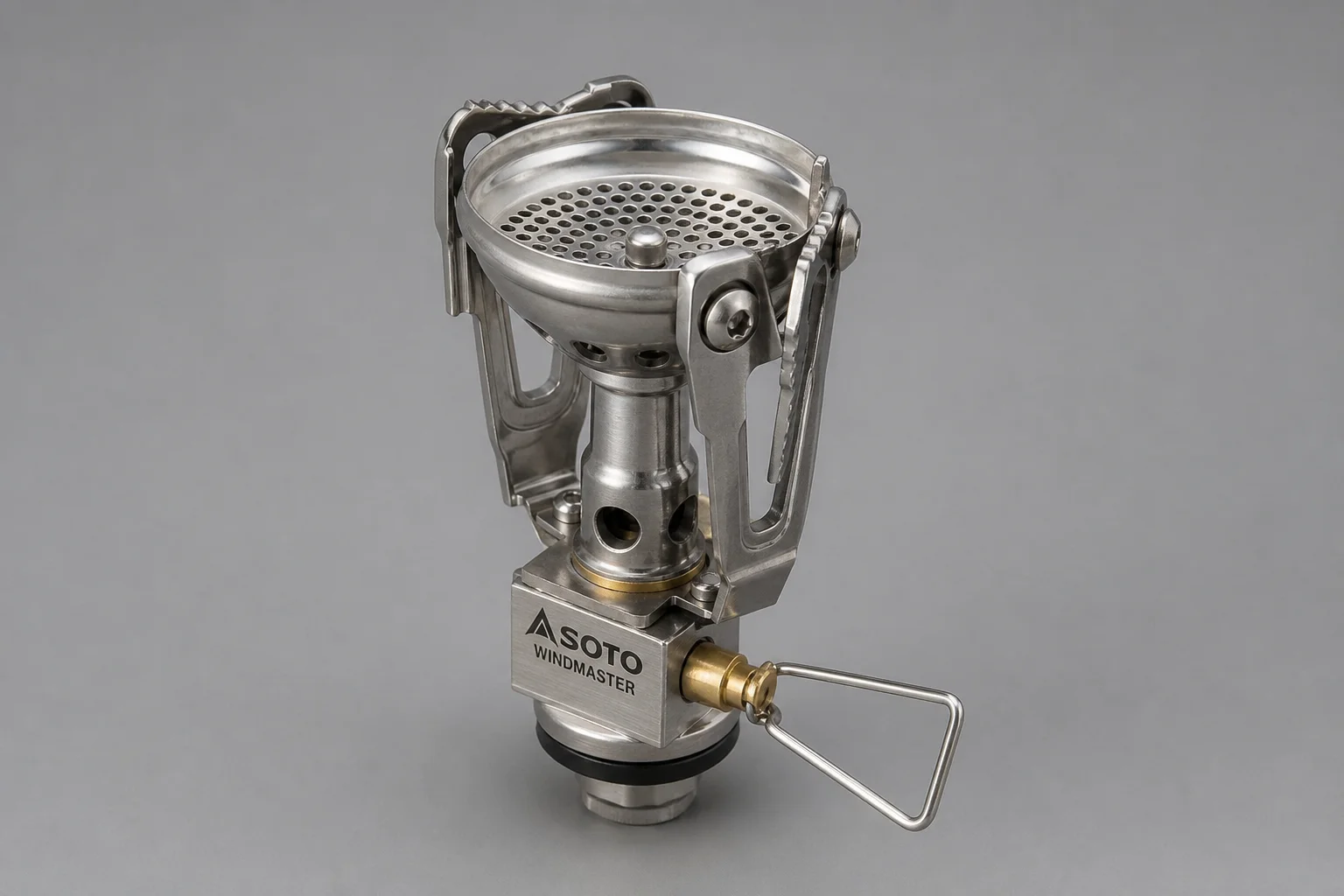
Soto WindMaster
The WindMaster is built around wind resistance. Its burner sits recessed inside the stove body, so a direct gust does not snuff out the flame. A piezo igniter means it can be lit while wearing thick gloves, without hunting for a lighter in the wind. A regulator keeps fuel delivery consistent at colder temperatures, which translates into better fuel economy across a trip.
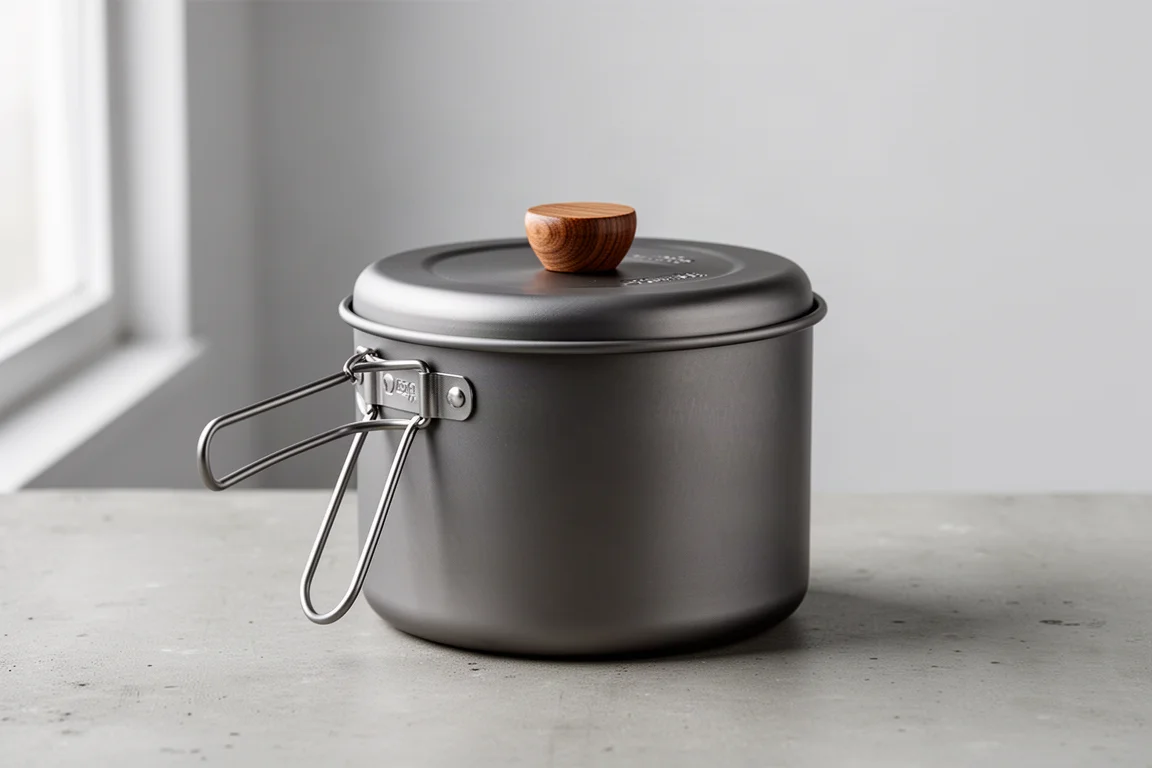
Evolved Supply Co 750 Titanium Pot
The 750 ml titanium pot from Evolved Supply Co is a new release designed around winter use. A bail handle makes it possible to lift the pot on and off an open fire, which saves fuel on trips where burning wood is an option. The titanium lid uses a larger wooden knob that is easier to grip with gloves and does not get hot the way small folding handles do. A pour spout makes it simpler to add water to a dehydrated meal without spilling.
Sleep System Upgrades
A 20°F quilt paired with either a NeoAir Xlite or a NeoAir UberLite covered every season for years, with the UberLite handling most trips. That combination is not the right answer for sleeping on snow, so the upgrade moves to a 0°F quilt and a pad with a much higher R-value.
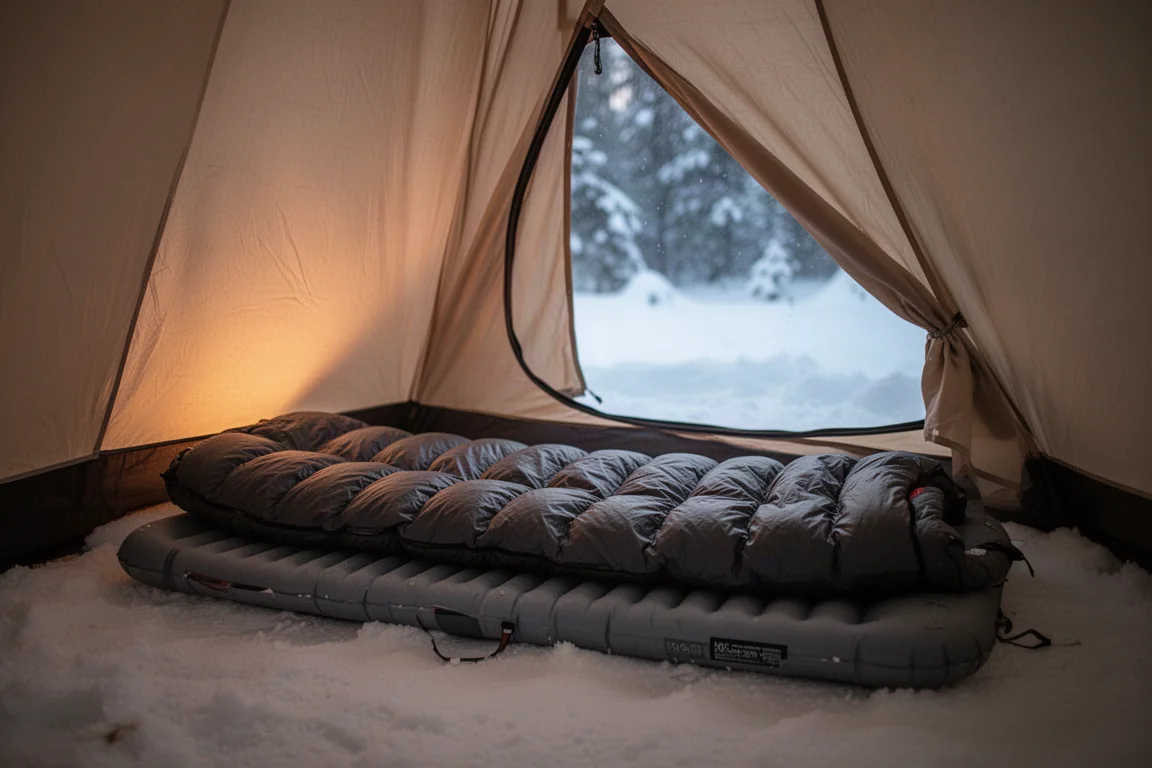
The pairing matters more than either item on its own. A warmer quilt only performs as rated when the pad underneath stops heat from draining into frozen ground, which is why the two changes happened together. A thin closed-cell foam pad adds a final barrier between the sleeper and the snow and provides a safety margin if the primary pad is not enough.
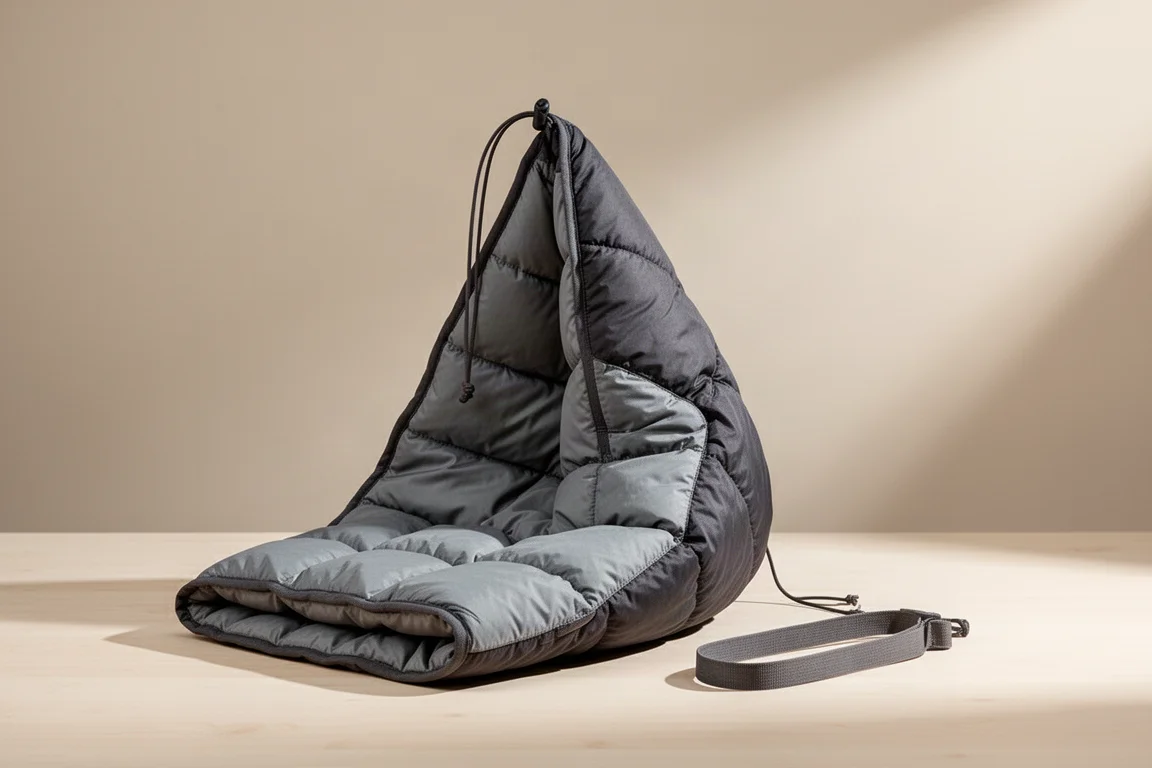
Enlightened Equipment Enigma 0° Quilt
The Enigma 0° is the first 0°F quilt in this kit, chosen for colder attempts and nights on snow. Combined with a 6.9 R-value pad, it is the setup that makes those nights manageable rather than miserable. Warm sleepers who have gotten away with a 20°F quilt in three seasons will notice the difference most on the coldest trips.
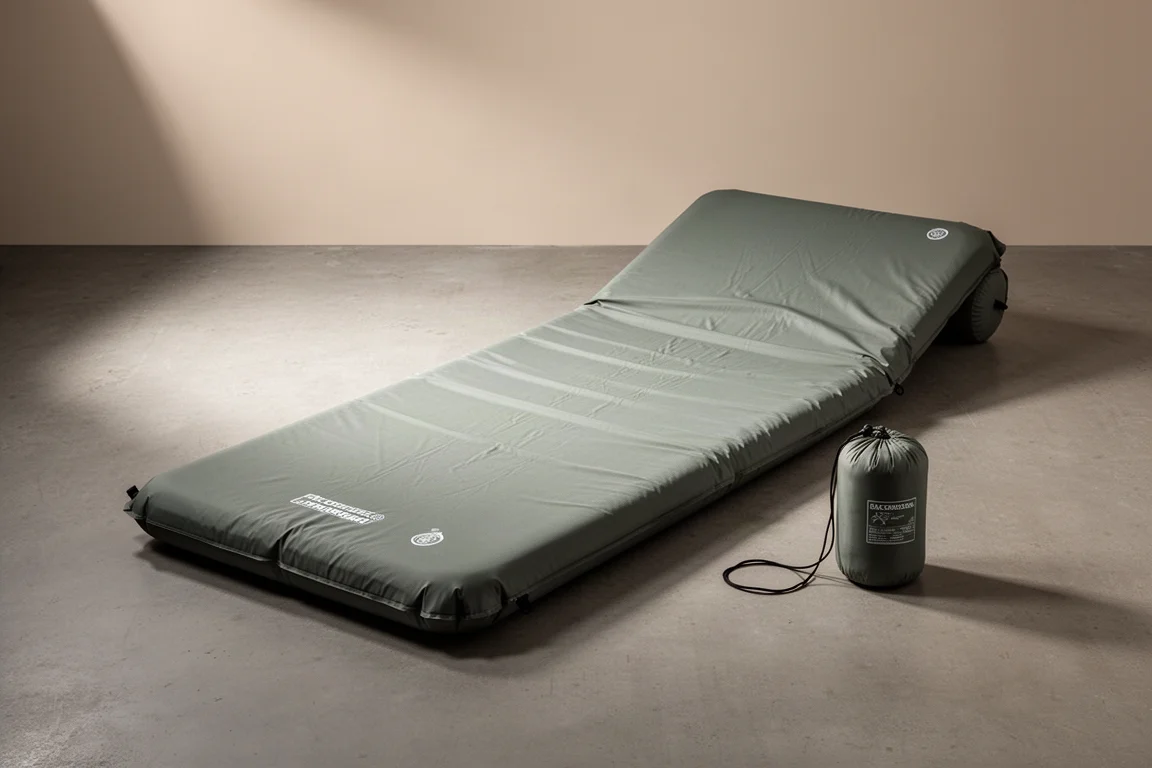
Therm-a-Rest NeoAir XTherm
The XTherm brings an R-value of 6.9, which is the number that matters most when the ground is frozen or covered in snow. It replaces the lower R-value pads used in warmer seasons and pairs directly with the 0°F quilt above.
Clothing Layers for Cold Weather
The previous layering system was built for three seasons: a sun hoodie and shorts for hiking, a light pair of tights to wear underneath when it was cold, a mid layer hoodie, a synthetic thermal jacket, and an ultralight rain jacket. For hard winter conditions, that stack needed more. The revised system keeps a merino sun hoodie as the base, adds hiking pants for leg protection and warmth, merino wool tights underneath, an ultralight rain shell, and two insulation pieces that cover movement and camp.
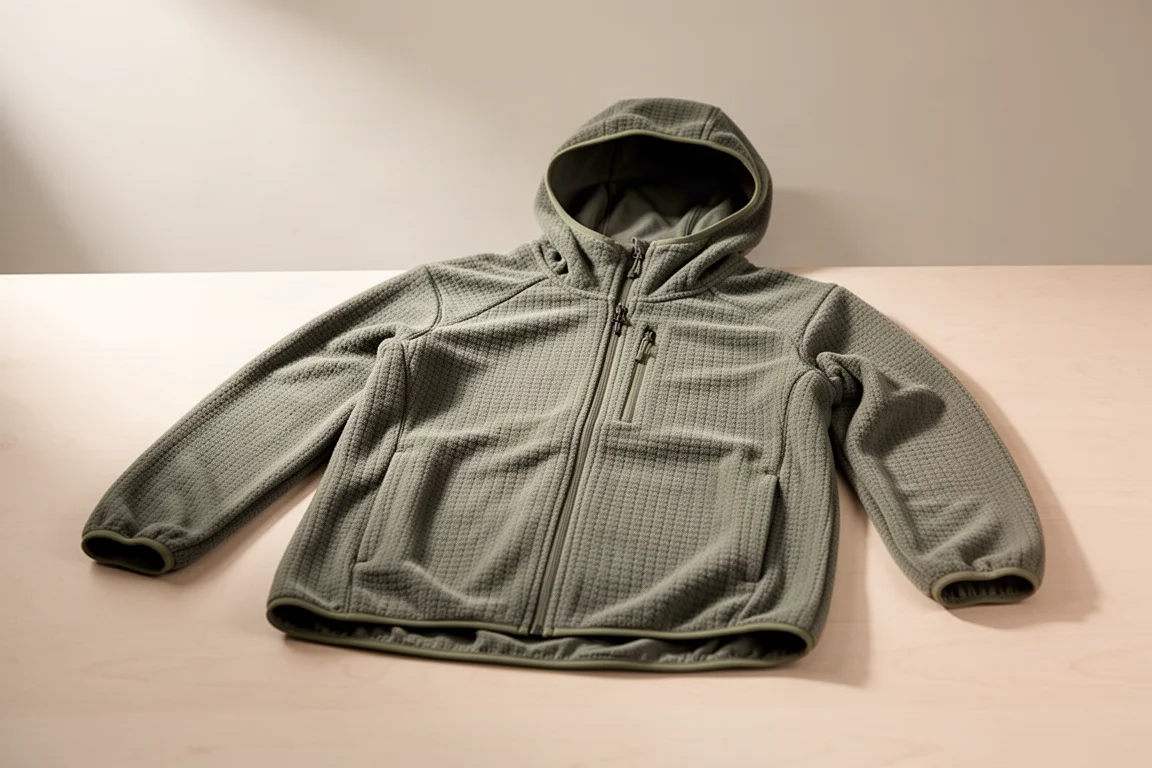
Norrona Alpha 90 Mid Layer
The Alpha 90 is an active mid layer, and it is the piece worn while moving. The Alpha fabric is highly breathable and stretchy, which keeps it comfortable during sustained effort on the trail instead of turning clammy.
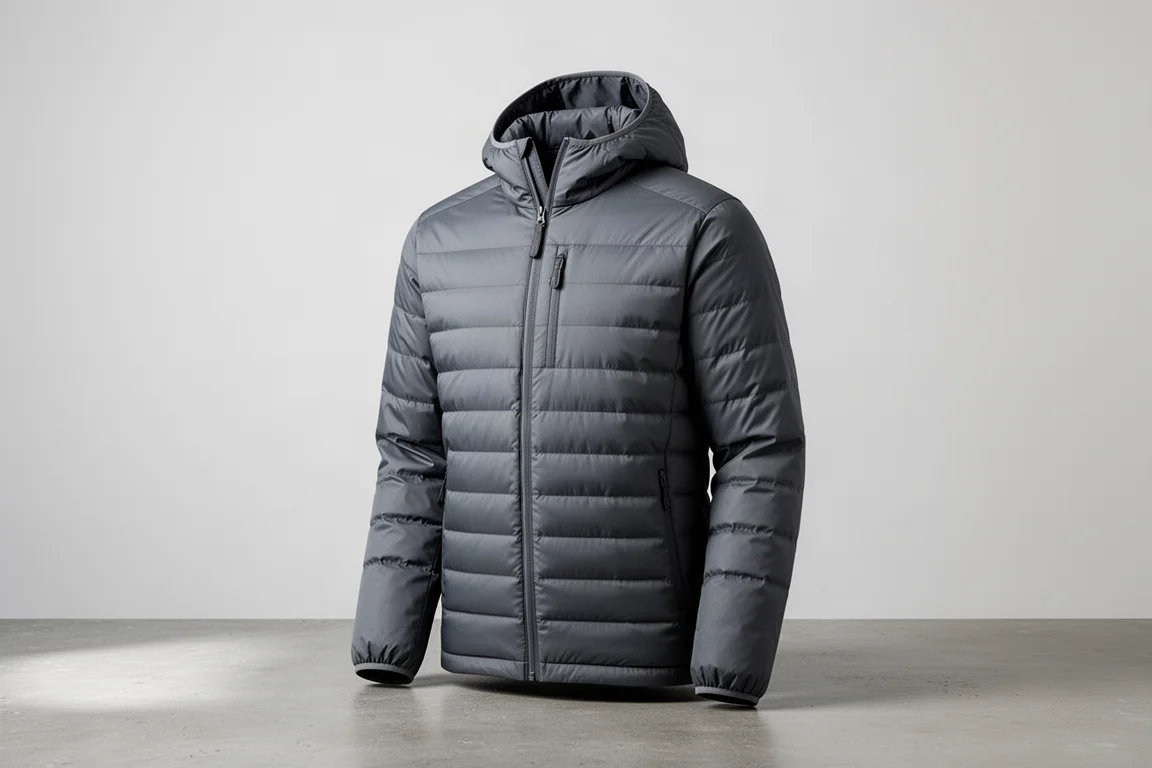
Enlightened Equipment M Outcast Jacket
The M Outcast is a synthetic jacket that sits a step above a light mid layer. It is thicker and heavier duty, with better wind resistance, which makes it the right piece for cold stops and for camp once the hiking is finished for the day.
Freestanding Shelter: Big Agnes Copper Spur UL1
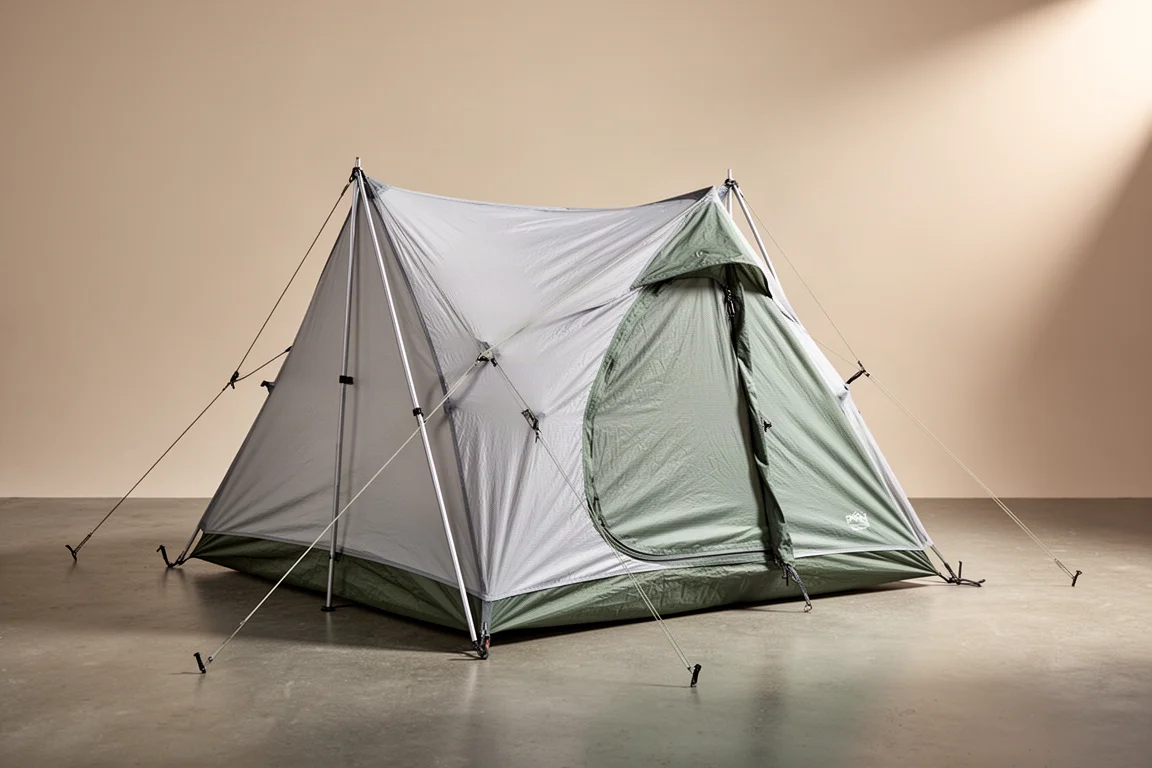
Trekking pole tents have been the default for years, and they do work in snow, but pitching them in snow and ice is a chore. A freestanding shelter is simply easier to manage in winter conditions, which is why this part of the kit is still in flux. The Copper Spur UL1 is the classic standby in this category: a one-person freestanding tent with a long track record behind it. Two other freestanding options are also in testing, one purpose-built for mountaineering with a very high price tag and one lightweight model from another brand that has seen the most use so far.
Snow Anchors and Tools
Stakes are the part of a winter kit that is easiest to underestimate. Short three-season stakes do not hold well in snow, and a shelter that pulls loose overnight is more than an inconvenience.
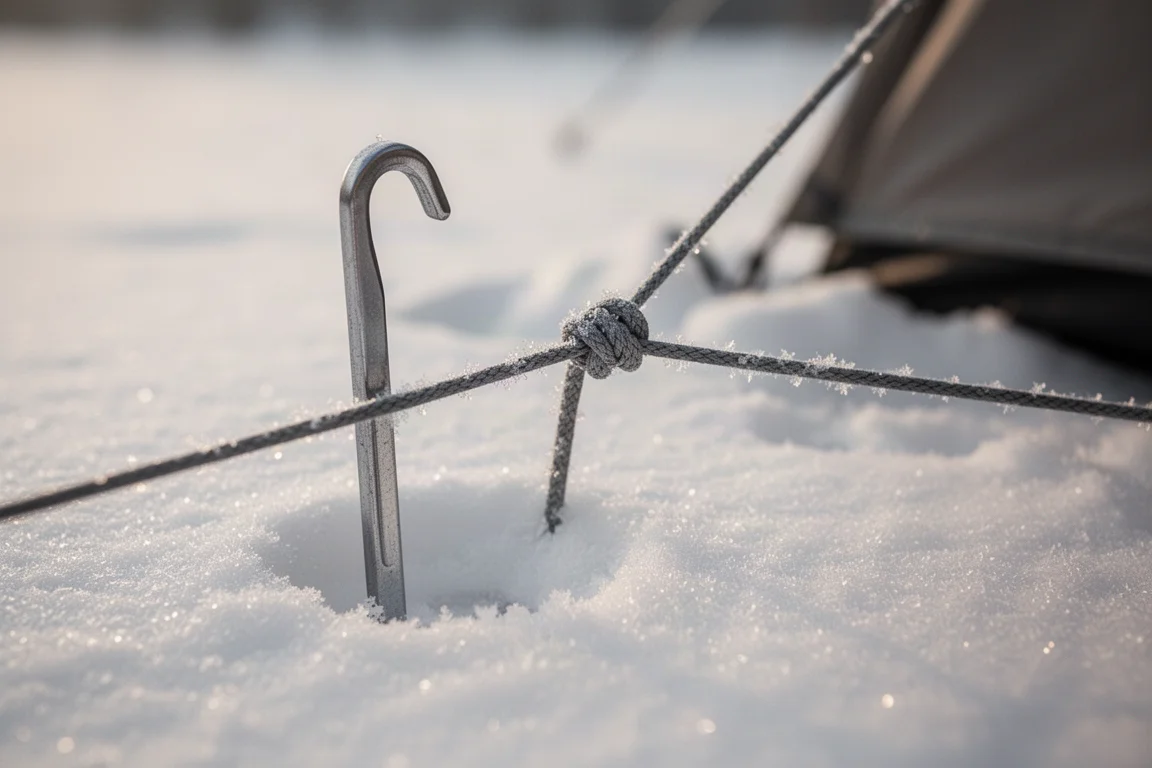
The upgrade path here is straightforward: longer, thicker stakes that bite deeper into snow and soft ground, plus a tool that does more than one job so it earns its place in the pack.
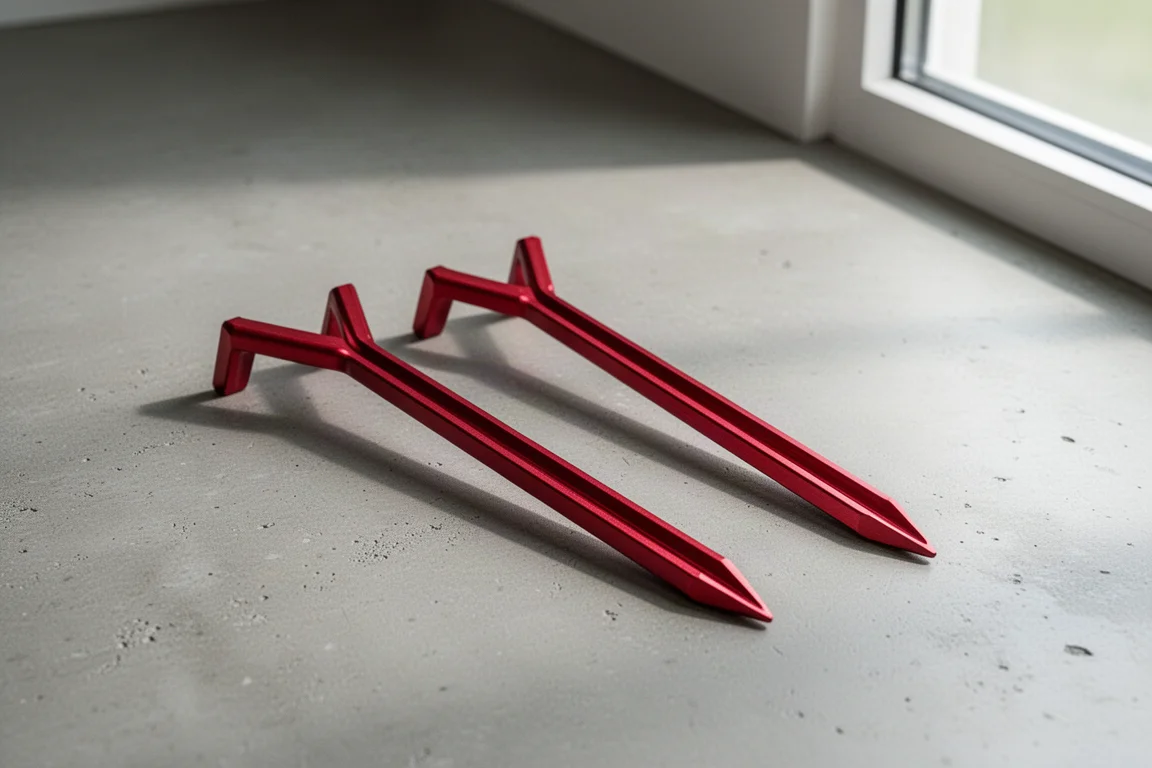
MSR Groundhog Stakes
The Groundhog is the larger version of the shorter stakes that served for years. The extra length and thickness give it a better hold in snow and soft ground, which matters most when a shelter has to stay put through a windy night.
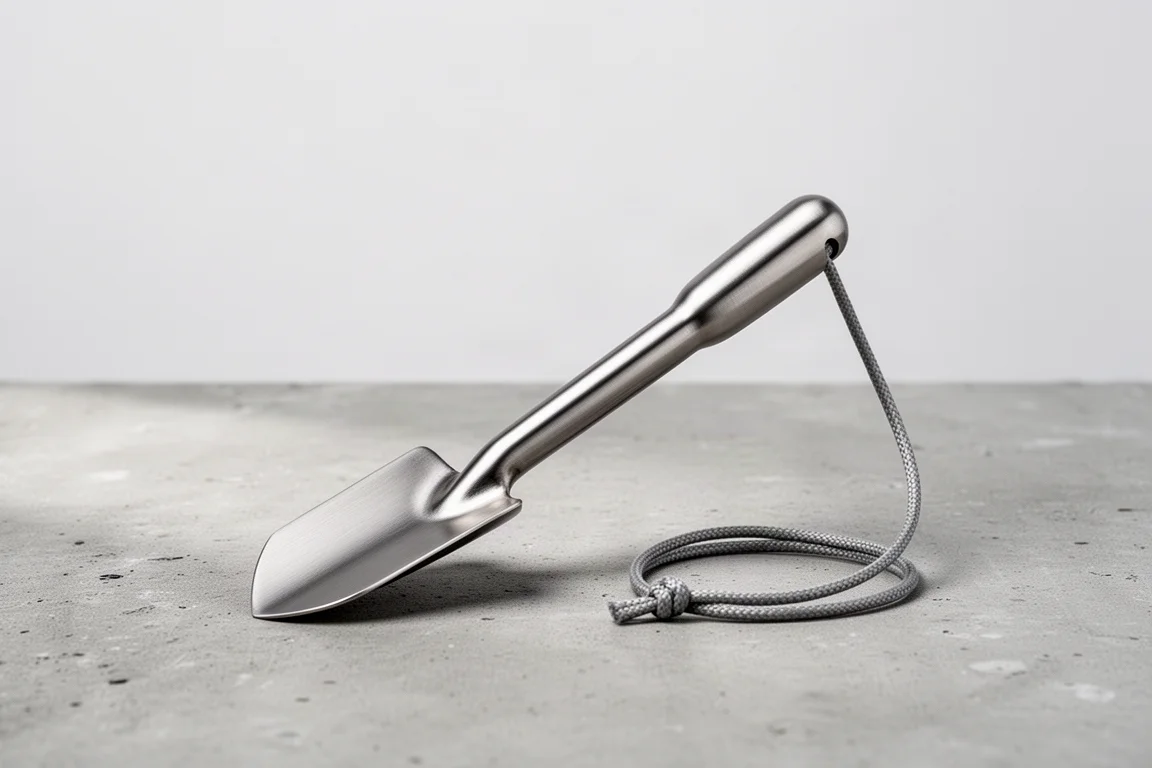
Vargo Dig Dig Tool
The Dig Dig is a small titanium tool that works as a trowel for digging a cathole and as a snow anchor that can be buried with a guy line wrapped around it. That combination replaced a single-purpose trowel, which is exactly the kind of trade that makes sense when packing for cold weather.
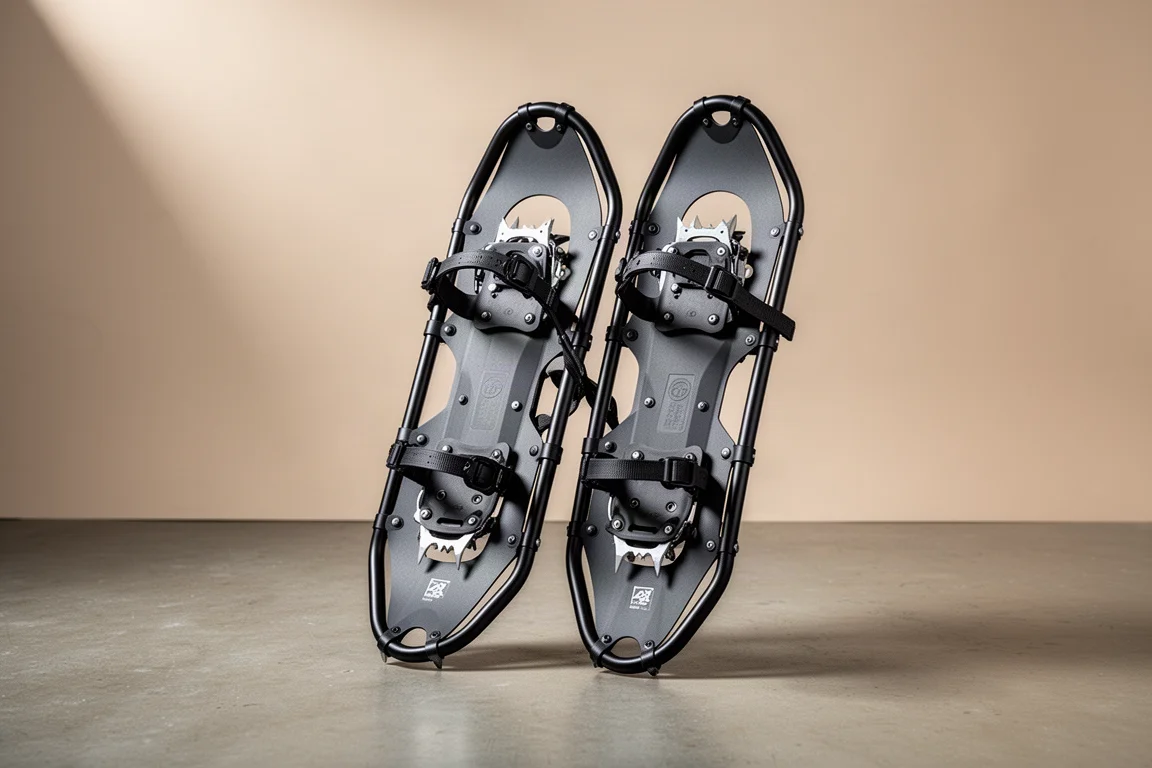
Snow Travel: MSR Evo Snowshoes
Snowshoes have been the default way to move over snow for years, and the MSR Evo remains the dependable choice. Backcountry skis are under consideration as a possible upgrade for longer approaches, but that decision is still open.
Buying Advice: Matching Gear to the Trip
No single winter kit fits every trip. Layers get added or removed depending on temperature, wind, and how much elevation the route gains, and footwear is the clearest example of a choice that changes trip by trip. Trail runners with waterproof socks cover a lot of ground, while heavier mountaineering boots take over when conditions demand them. There is still room for a middle option between those two.
The shelter decision is the other open question. A freestanding tent that pitches quickly in snow and ice is usually worth the weight for winter overnights, and the final choice comes down to how much mountaineering the trip involves. Testing several models side by side is the practical way to settle it.
For anyone building a similar kit, start with the items that affect warmth and safety first: the sleeping system, the shelter, and anchors that hold. Stove and cookware upgrades are worth it when they save fuel and keep working in wind, and multi-purpose tools pay off in a pack where every item has to justify its space.
Conclusion
Winter backpacking gear does not have to be complicated, but it does have to be chosen for the conditions. A wind-resistant stove and a pot that can go over a fire make cooking far less of a fight. A 0°F quilt on a 6.9 R-value pad is what makes sleeping on snow reasonable. Layering for movement and for camp keeps the body warm in both states. A freestanding shelter and stakes that hold are what keep the whole system standing when the wind picks up. Each of these changes targets the same outcome: warmer, more comfortable, and more efficient days in the snow.
Further reading
Related Reviews

Backpacking Gear
Building a 10 lb Base Weight: An Ultralight Backpacking Gear List
A practical walkthrough of the ultralight pieces behind a 10 lb base weight, from a 765 g pack and a roomy one-person tent to a full camp chair and a dependable water filter.
Backpacking Gear
A 15-Pound Lightweight Backpacking Gear List for Solo Trips
A beginner-friendly 15-pound backpacking setup built from easy-to-find gear, with notes on what each piece does, how it packs, and where to spend your attention.
Backpacking Gear
8 Ultralight Backpacking Gear Upgrades Worth Carrying
Eight small, affordable backpacking upgrades that solve real trail annoyances, from a pillow that stays put to a fuel valve that rescues leftover canister gas.