Winter Backpacking
Winter Backpacking Essentials: Four Gear Upgrades Worth Adding
Four insulated, moisture-managing pieces that make cold-weather backpacking far more comfortable, plus how to adapt the three-season kit you already own.
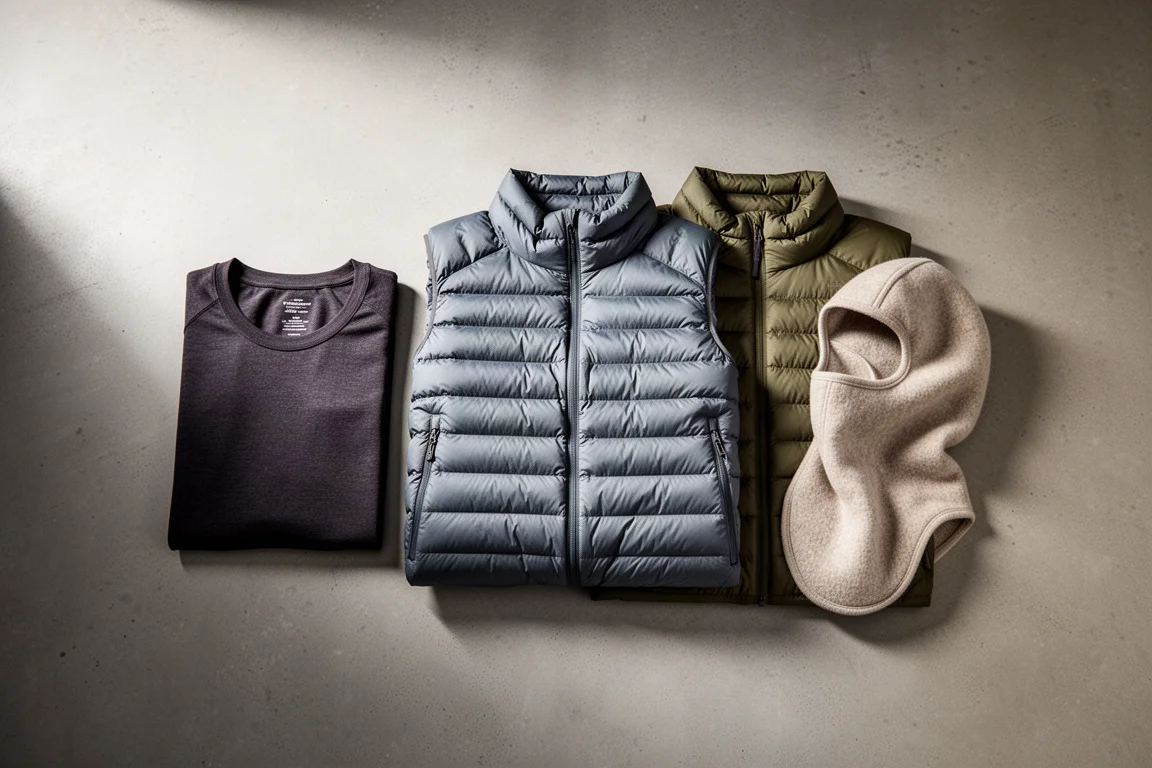
Introduction
Winter backpacking has a reputation for being expensive and gear-heavy, but the reality is more forgiving than it looks. Most of what you already carry through three seasons keeps working when the temperature drops, and the changes that matter most tend to be small, targeted additions rather than a full kit rebuild.
Five areas deserve attention: the insulation under you, your footwear, your hands and face, your base layer, and your high-loft insulation layer. Only some of them require new spending. The four pieces covered here handle the parts of that list that are hardest to improvise, and each one earns its place for a clear reason.
What Matters Most in Winter Backpacking Gear
Cold-weather comfort comes down to a few principles. Insulation beneath you matters as much as insulation over you, moisture has to move away from your skin, and your extremities need dedicated protection because they are the first places to suffer when temperatures fall. Get those three things right and the rest of the system tends to fall into place.
A useful way to think about it is in jobs rather than products. Every piece in your pack should either manage moisture, trap warmth, or block wind and weather. Knowing which job each item is doing makes packing for a cold trip far more straightforward, and it usually reveals that you already own more of the answer than you expected.
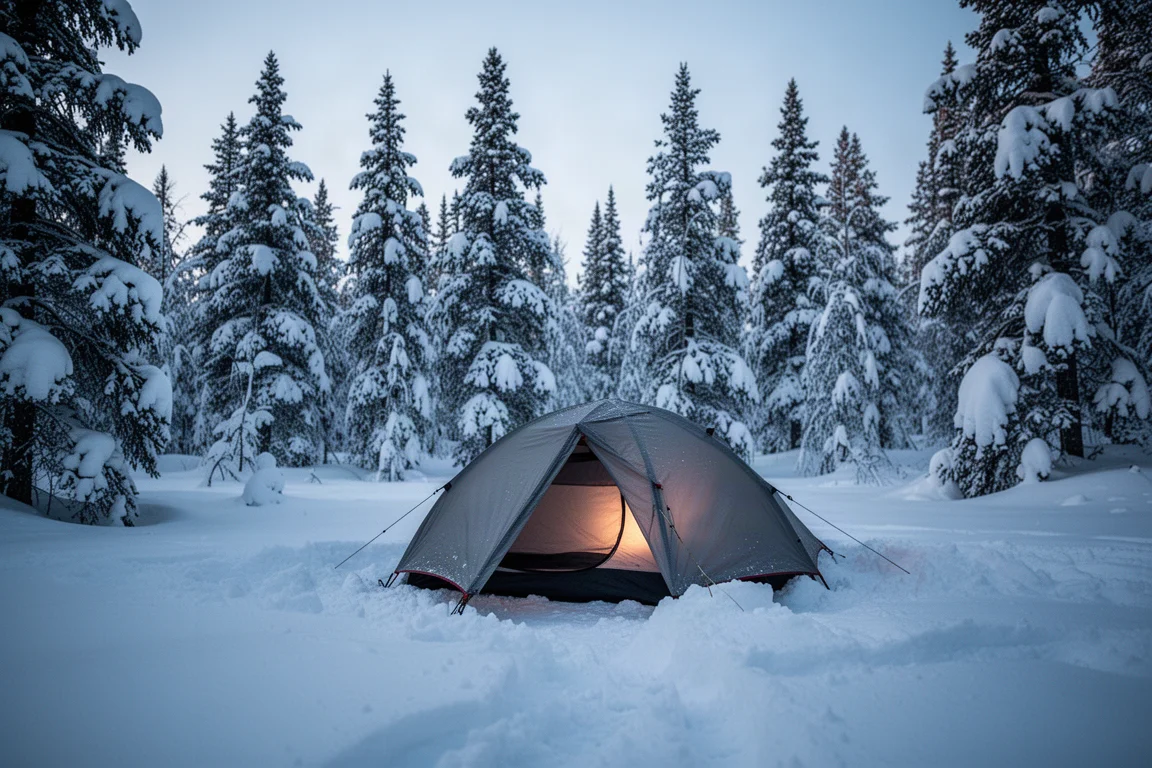
The order of priority is worth stating plainly. A sleeping bag can often be stretched into colder temperatures by layering clothing inside it, but a sleeping pad will not be nearly as forgiving. That is why ground insulation and genuine loft sit at the top of the list, with accessories close behind because they solve problems that no amount of jacket warmth can fix.
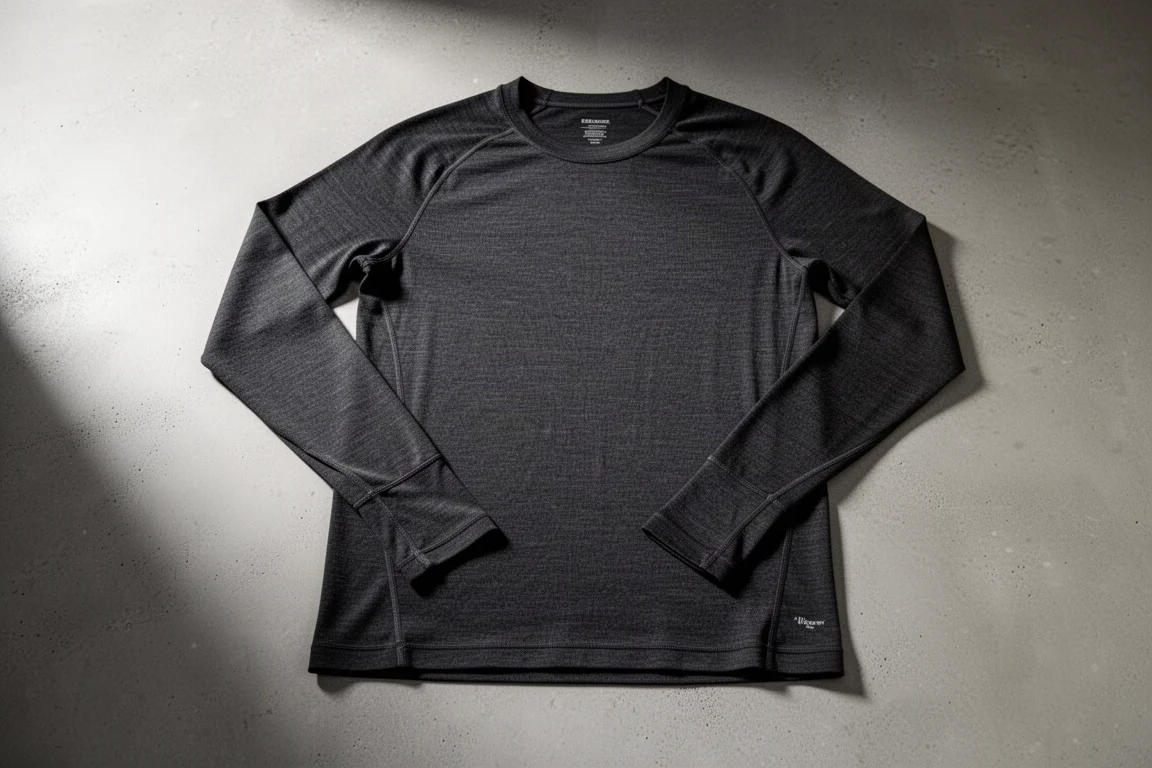
Best Base Layer: DragonWool
The easiest mistake to make in winter is wearing cotton next to your skin. Cotton holds moisture, and a damp layer against your body pulls heat away exactly when you need it most. Swapping it out for a technical base layer is one of the highest-return changes you can make, and it costs far less than replacing a jacket.
DragonWool pairs merino wool next to the skin with a polyester jersey face. The merino provides warmth and natural odour resistance, while the polyester face moves moisture away from your body so the layer stays drier through a full day of effort. It performs particularly well in cold conditions, where a wet base layer would otherwise become a real problem.
Availability has been tight. The first production run sold through quickly, with a restock expected in the new year, so it is worth watching the website if you want a set. If a technical base layer is out of reach right now, fleece is a legitimate budget alternative. It is heavier and bulkier than merino, but it keeps working when it gets wet, and fleece tops or fleece sleepwear layered under a shell will get most people through a cold trip.
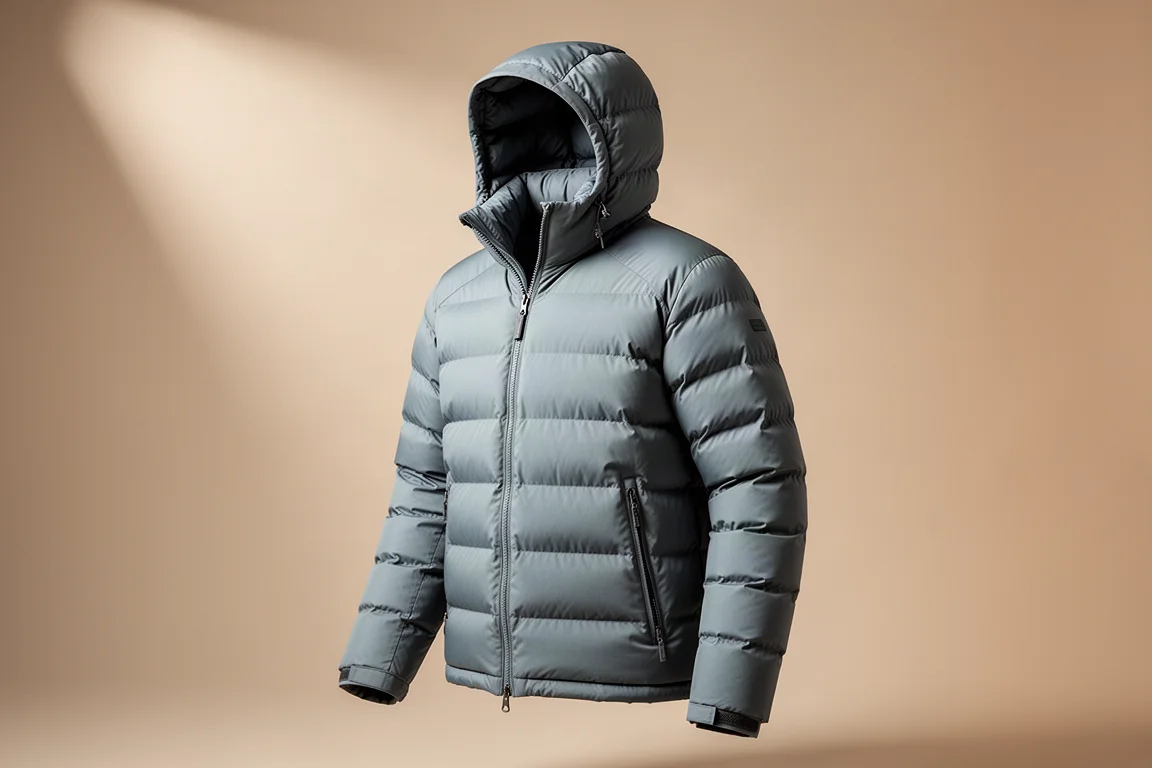
Best Warmth Layer: Regulator Down Jacket
For camp and rest stops you want genuine loft. A windbreaker, or a jacket chosen for how it looks around town, will not do the job. What you need is a piece with visible loft that traps a deep layer of warm air around your torso and holds it there while you are standing still.
The Regulator Down Jacket is the warmest of the two insulation pieces here and the better choice for genuinely cold temperatures. Pit zips let you dump heat quickly when you are working hard or when the sun comes out, which keeps sweat out of the insulation and preserves its warmth for later in the day.
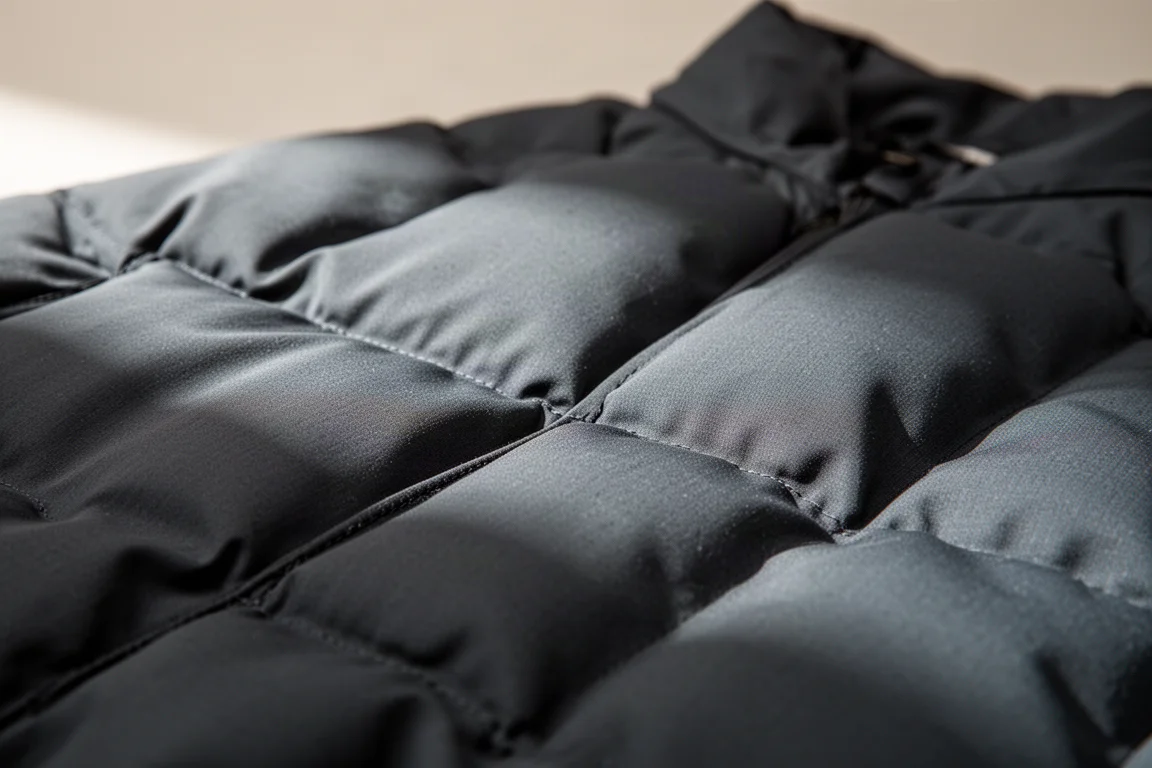
A common approach is to hike in a lighter insulation layer and then pull the Regulator over the top once you stop moving at camp. If you own both jackets, that combination covers a wide range of conditions. If you can only justify one, a fleece underneath plus the warmer jacket will handle most winter trips comfortably.
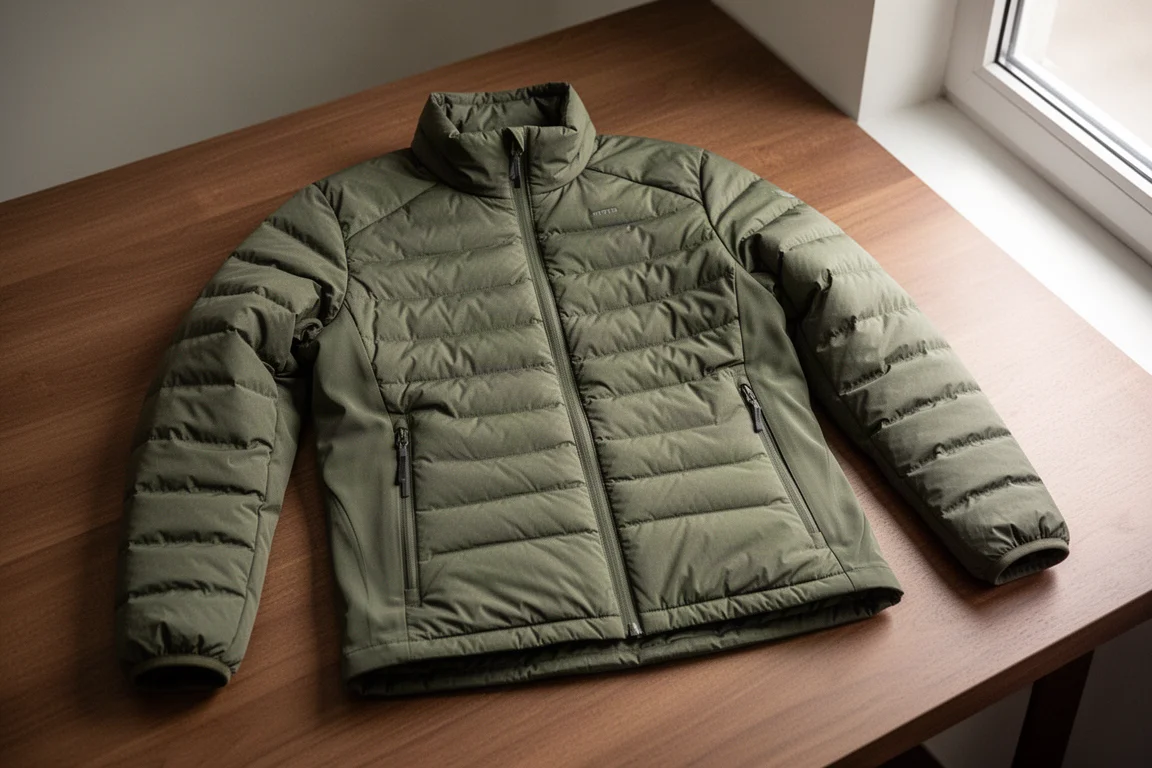
Lighter Insulation Option: LoftTek Jacket
The LoftTek Jacket is the more versatile of the two insulation layers. It carries enough loft to keep you warm while you are moving, which makes it a good hiking layer on cold days, and it layers cleanly under the Regulator once you stop and the temperature starts to bite.
Like the Regulator, it uses pit zips for venting, so you can regulate your temperature without stopping to change layers. On milder winter days it may be all the insulation you need. On colder trips it becomes the middle piece of a two-jacket system, which is a flexible way to cover a wide temperature range without buying three separate jackets.
Best Face and Neck Cover: Wool Buff
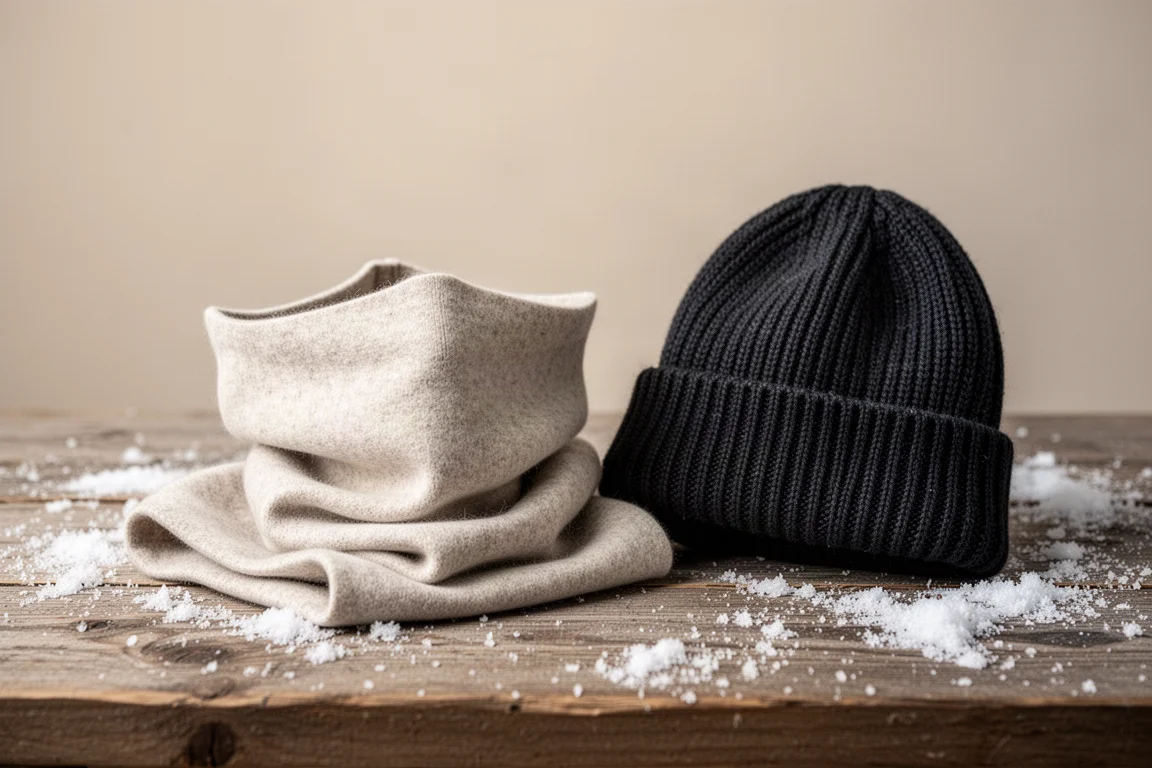
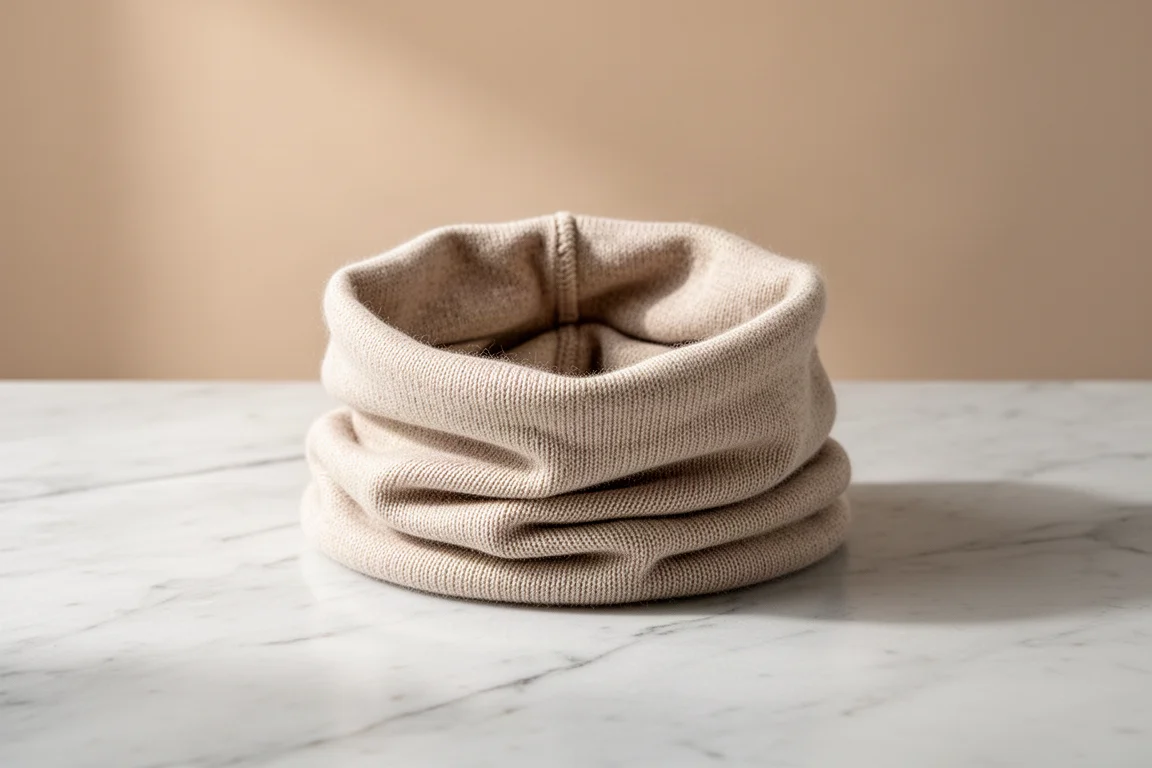
Small accessories are easy to overlook and often make the difference between a comfortable trip and a miserable one. A wool face cover weighs almost nothing, packs down to nothing, and does a surprising amount of work when the wind picks up.
The Wool Buff is shaped to cover the cheeks and can be tucked up into a hat, so it stays where you put it instead of shifting around in the wind. That thin layer of fabric makes a noticeable difference on exposed skin, and it is also worth sleeping in on very cold nights, when your face is the first thing to feel the chill. If you already own a neck gaiter, try it before buying anything new.
Pair it with waterproof, insulated gloves and you have covered the two areas that most often send people back to the tent early. Gloves with a fold-back mitt section are worth seeking out, because they preserve some finger dexterity for tasks while still offering full mitten warmth when you need it. A thin liner underneath adds another layer of flexibility for very cold days.
Adapting Your Three-Season Kit
Your sleeping pad is the least forgiving part of a three-season setup. A closed-cell foam pad is a simple and inexpensive addition that layers underneath an existing inflatable pad and extends its usable temperature range considerably. It is one of the cheapest ways to make a cold night bearable, and it doubles as a sit pad or an emergency layer.
Insulated boots are another area where the investment is easy to underestimate. Switching socks alone will not keep your feet warm across a multi-day winter trip. Boots with substantial synthetic insulation, in the region of 800 grams, make a world of difference, and they can sometimes be found at outlet or clearance pricing. Gaiters are worth adding for deep snow, though on shallower days a pant with a built-in gaiter attachment and a lace clip can be enough.
The rest of your kit adapts more easily than you might expect. A light summer rain jacket still works as a wind and weather shell in winter when it is layered over insulation, and a spare fleece makes a sensible emergency warmth layer for the bottom of your pack. The goal is to know your gear and trust it rather than to replace everything you own.
Buying Advice
If you are building a winter kit from scratch, spend first on the things that keep you warm when you are not moving: your sleeping pad and your high-loft insulation layer. Those two have the largest effect on whether a cold night is comfortable or miserable, and they are the hardest to improvise with what you already own.
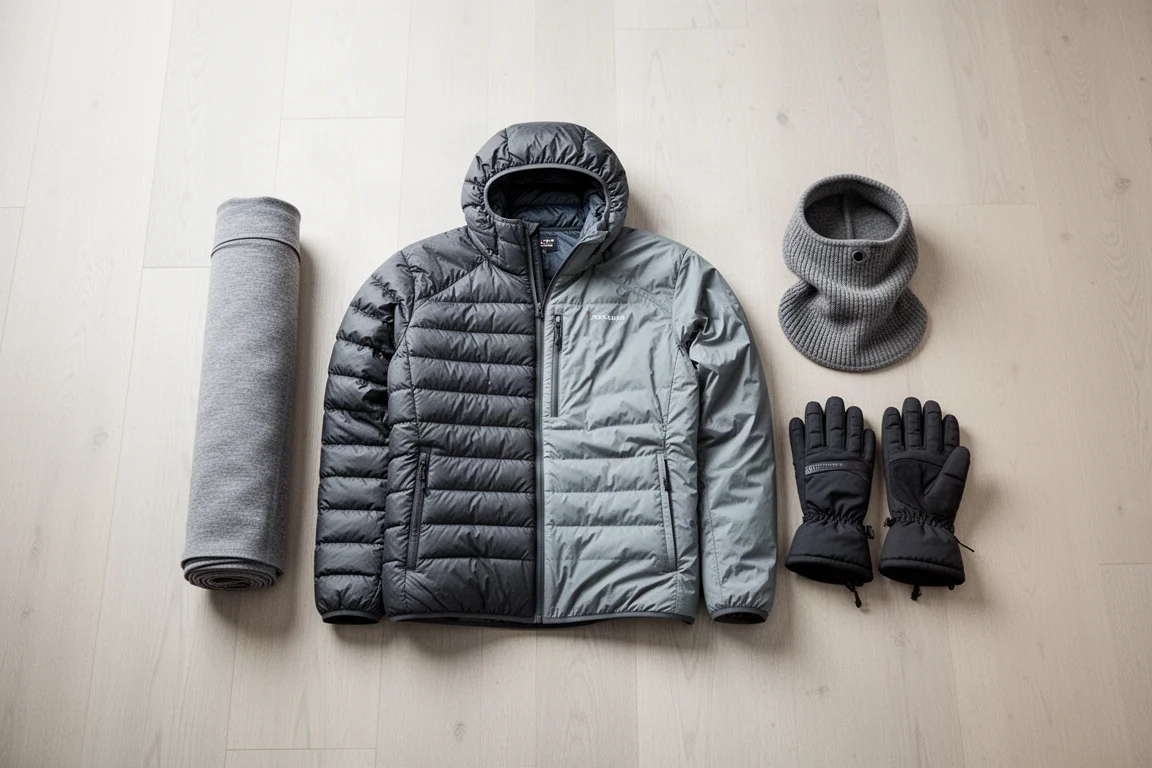
Base layers come next. They are relatively inexpensive compared to insulation, and they affect every hour of the day rather than just the hours you spend in camp. Avoid cotton entirely in winter, then choose merino or a merino blend if your budget allows, or fleece if it does not. Either way, a dry layer next to your skin is the foundation everything else builds on.
Accessories are the cheapest wins of all. A wool face cover, a liner glove and a spare pair of dry gloves cost little and solve problems that no amount of jacket loft can fix. If you already own a neck gaiter or a thin fleece top, test those before buying anything new, and only add the pieces that fill a gap you have actually felt.
Finally, remember that the gear you use the rest of the year does not stop working in winter. A summer rain jacket, a spare fleece and your existing three-season bag all have a role to play. Add deliberately, layer sensibly, and the fourth season stops looking like a separate sport.
Conclusion
Winter backpacking comes down to five areas of attention, and most of them are adaptations rather than purchases. Add insulation under you with a closed-cell pad, protect your feet with insulated boots, keep your hands and face covered, move away from cotton base layers, and make sure you have one genuinely lofty insulation piece.
The four pieces here cover the parts of that list that are hardest to improvise. DragonWool handles moisture next to the skin, the LoftTek and Regulator jackets work together as a flexible insulation system for moving and for camp, and the Wool Buff takes care of the small but critical job of keeping wind off your face. Start with what you already own, add with purpose, and cold-weather trips become far more approachable.
Further reading
Related Reviews
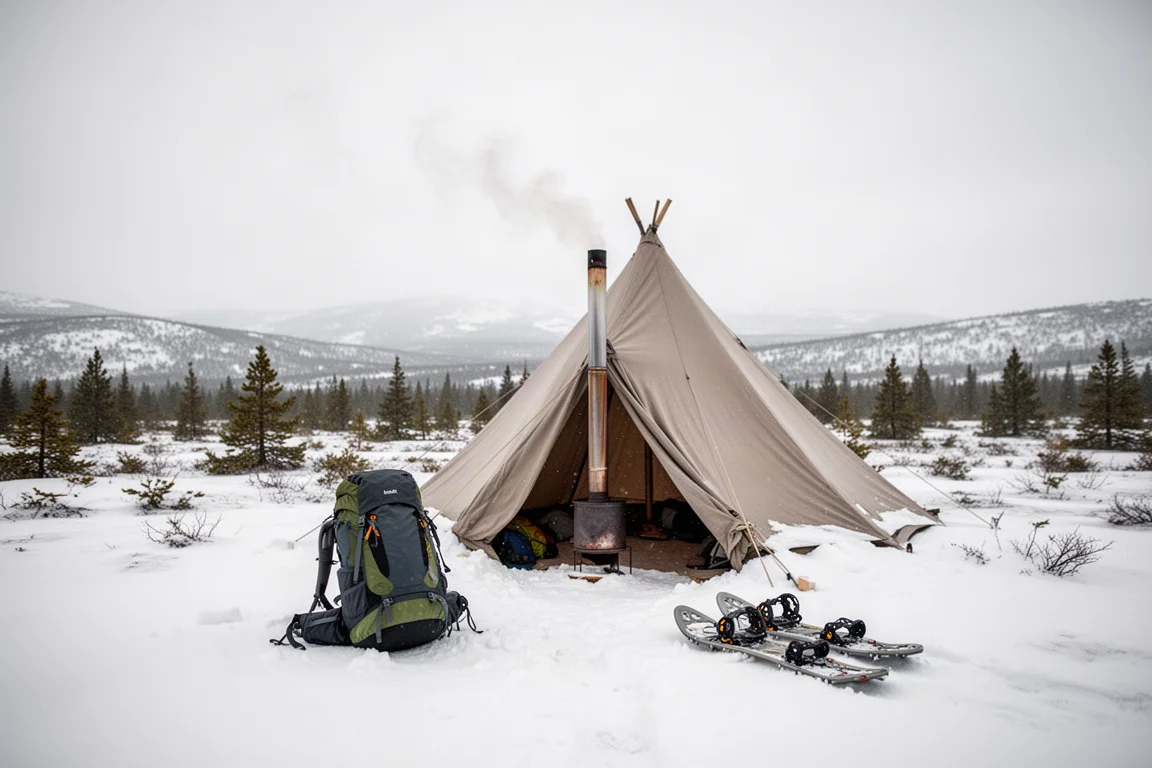
Winter Backpacking
Winter Backpacking Gear List: What I Packed for Sub-Zero Snow
A tested winter backpacking loadout for deep snow and sub-zero temperatures, with the key pieces that kept the pack under 20 pounds and the sleep system warm.
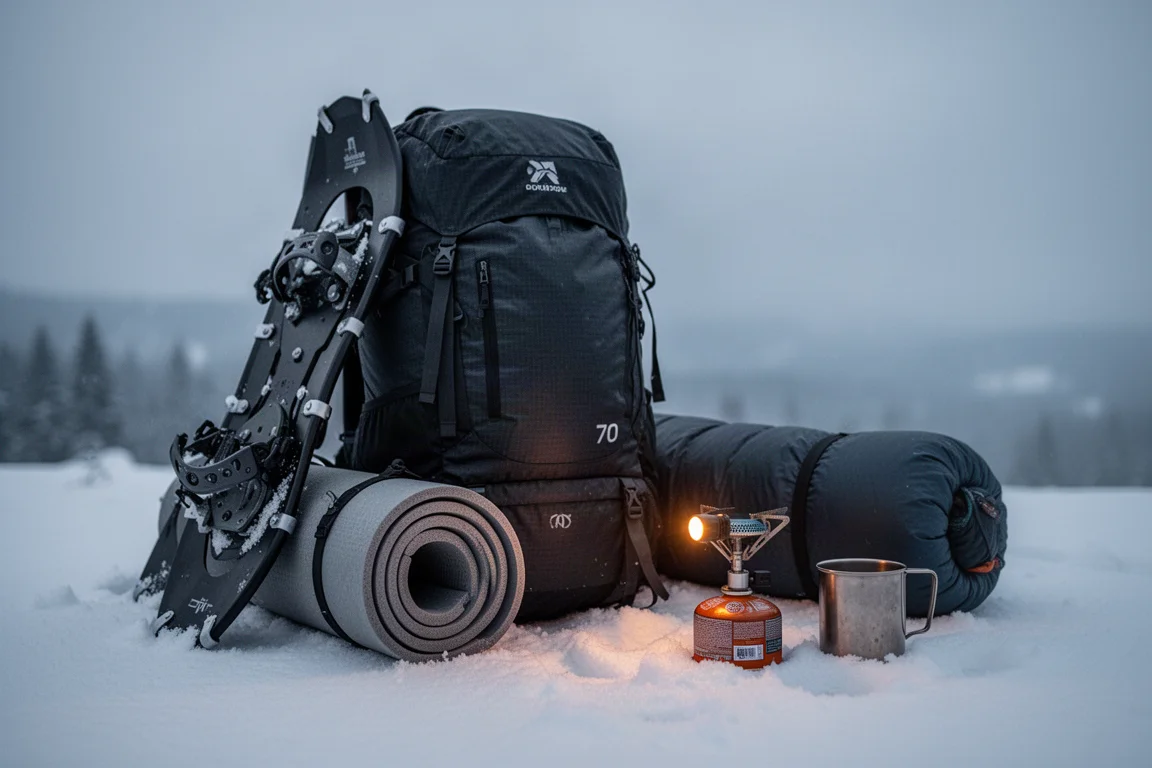
Winter Backpacking
Winter Backpacking Gear List: 8 Core Items for Cold-Weather Trips
A practical winter backpacking gear list built around moisture management, warm sleep, and a pack that carries heavy loads comfortably.

Backpacking Gear
Building a 10 lb Base Weight: An Ultralight Backpacking Gear List
A practical walkthrough of the ultralight pieces behind a 10 lb base weight, from a 765 g pack and a roomy one-person tent to a full camp chair and a dependable water filter.