Winter Backpacking
Winter Backpacking Gear List: 8 Core Items for Cold-Weather Trips
A practical winter backpacking gear list built around moisture management, warm sleep, and a pack that carries heavy loads comfortably.
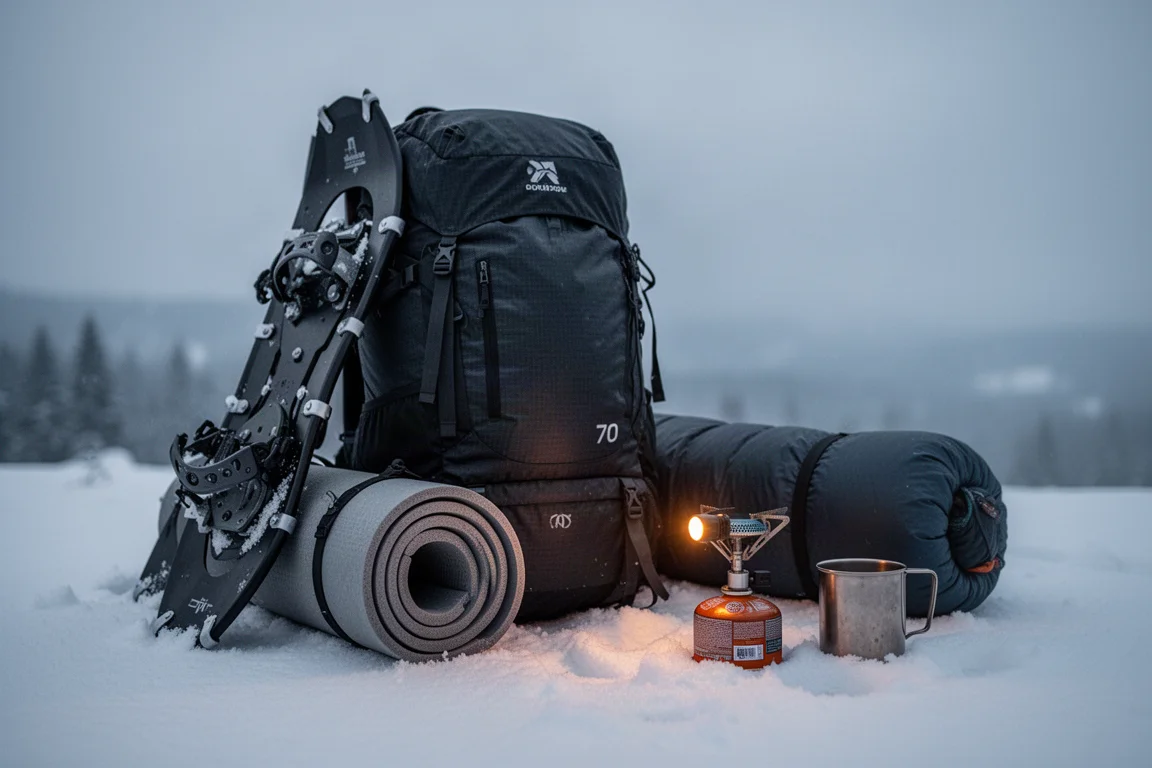
Introduction
Winter backpacking is not a different sport from spring and fall trips. It is the same sport with more variables, and those variables reach into every gear decision. Cold air, wind, snow, and long hours of darkness change how equipment performs, and they change what happens when something gets wet.
The organizing idea behind this list is moisture management. Everything here is chosen to keep the body dry, to avoid overheating while moving, and to make sure a soaked glove or a damp layer does not turn into a safety problem. The list reflects regular winter overnights, roughly one to two nights at a time, in cold and snowy conditions rather than extreme polar temperatures. Where an item only makes sense for a specific kind of trip, that is called out.
What Matters Most in a Winter Gear List
Three priorities shape the choices below. First, moisture: layers and insulation that manage sweat and shed snow, plus enough redundancy that a wet item can be swapped out. Second, warmth where you are static. Winter trips involve long hours in camp, so insulation for sitting still matters as much as insulation for walking. Third, load carrying. A winter kit is heavier and bulkier than a summer one, so a pack that stays comfortable under weight is not a luxury.
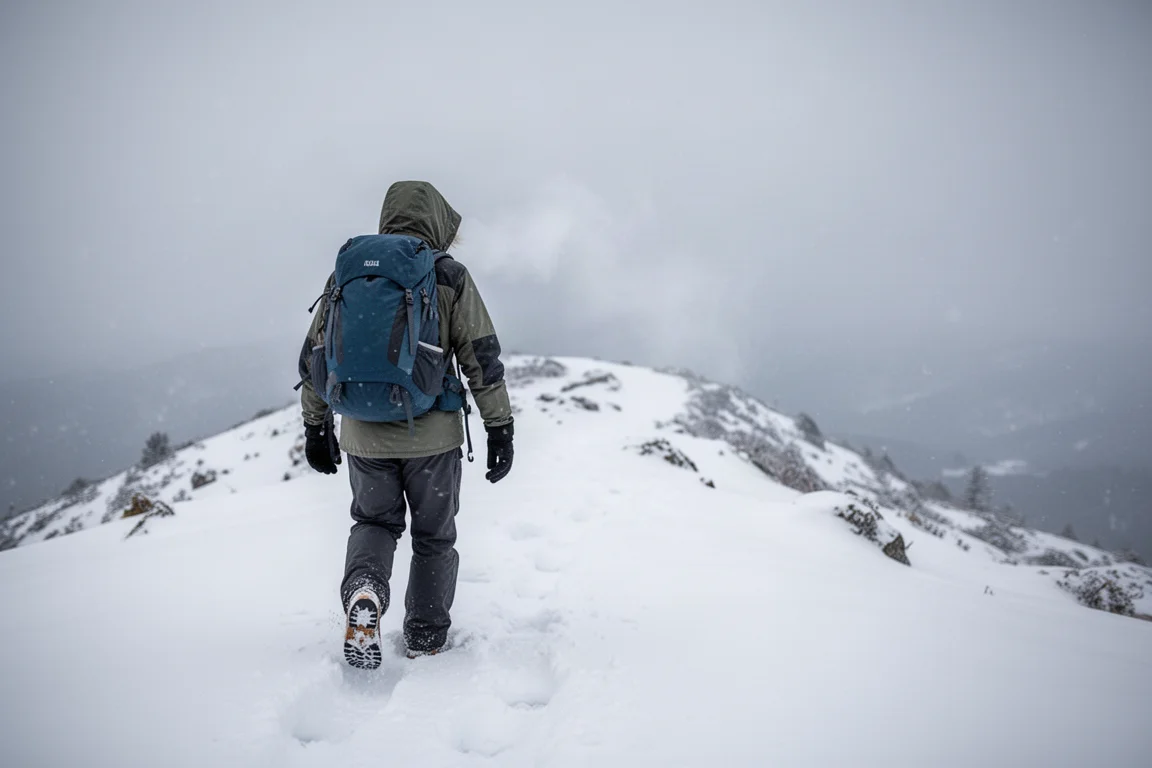
Shelter follows the same logic. A four-season tent with a fly that reaches the ground cuts wind, sleeps warmer, and handles snow load, which is why a full-coverage design with a solid inner makes sense for regular cold-weather use.
Pack: Superior Wilderness Designs Big Wild 70L
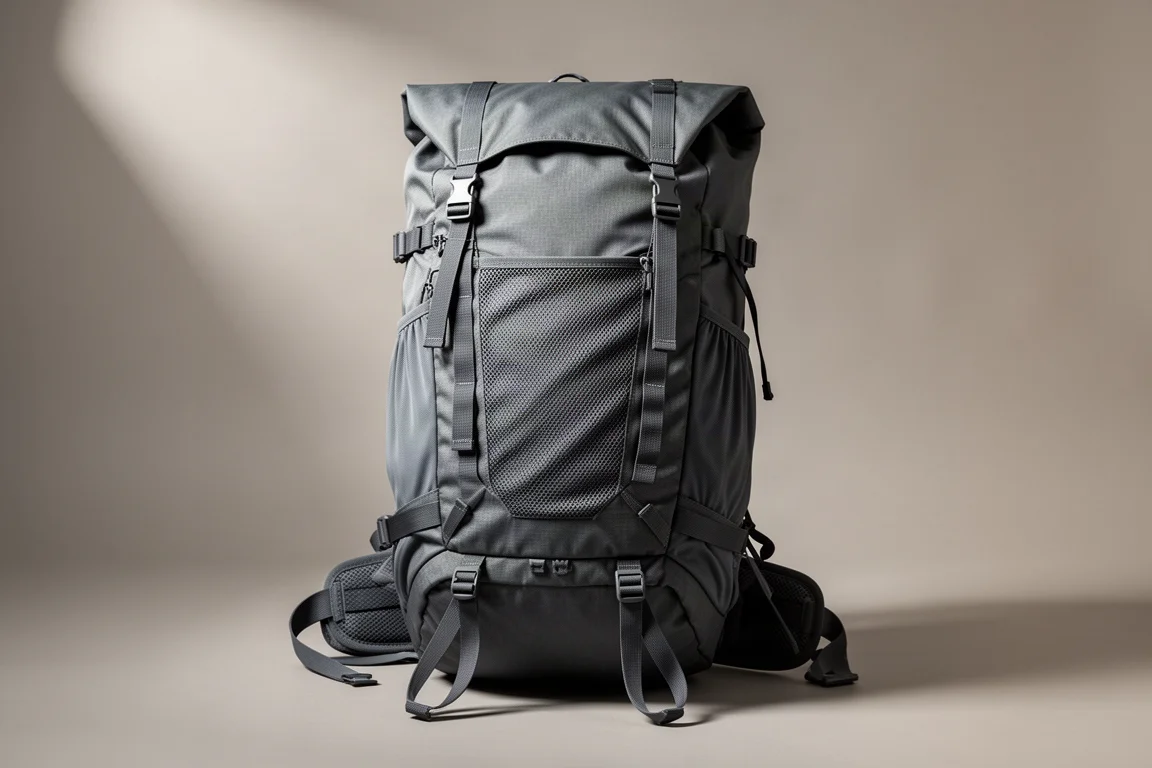
The Big Wild 70L is the foundation of the load. Its 70 liters of capacity swallow a snow shovel, snowshoes, a chair, and the rest of a winter kit without a fight, and the suspension is built to carry heavy loads rather than tolerate them. Loads in the 50 to 60 pound range sit within its design intent, and 34 pounds in the pack feels effortless in a way that packs with a roughly 35 pound ceiling do not.
The second strength is attachment points. Loops and strap options run across the body of the pack, so snowshoes, skis, a larger tent, or even a wood stove for a hot tent trip can be lashed down securely. That versatility is what makes it a winter-first pack rather than a summer pack stretched past its limits.
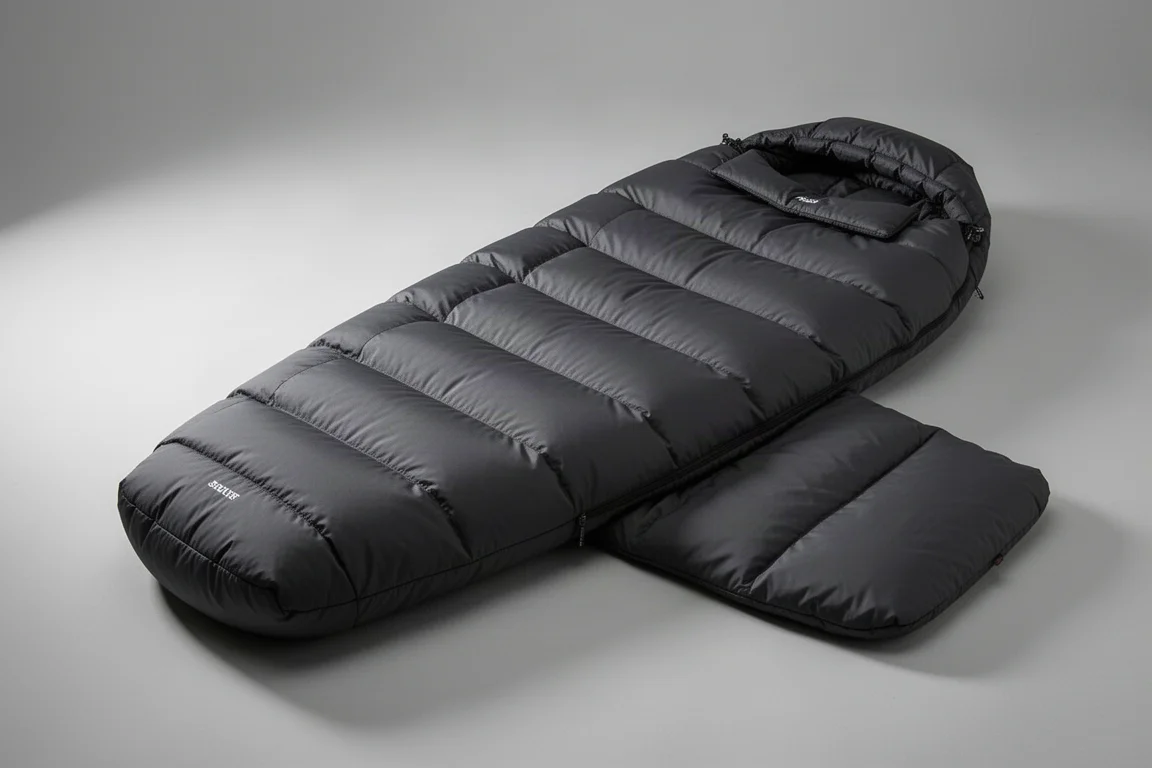
Sleep System: Cumulus Teneqa 700 Sleeping Bag
Sleeping cold in winter is miserable in a way that ruins the whole trip, so the sleep system is the last place to save weight. The Teneqa 700 is built for cold weather specifically: extra down baffles run along the sides of the bag to keep coverage even and reduce cold spots where the down shifts, and the cut is generous enough that adding a layer inside does not compress the insulation underneath it.
If winter camping is a regular habit, a winter-specific bag is worth the investment. If it is a couple of trips a year, a three-season bag rated around 20 degrees can often work with a liner or a light synthetic quilt layered over the top.
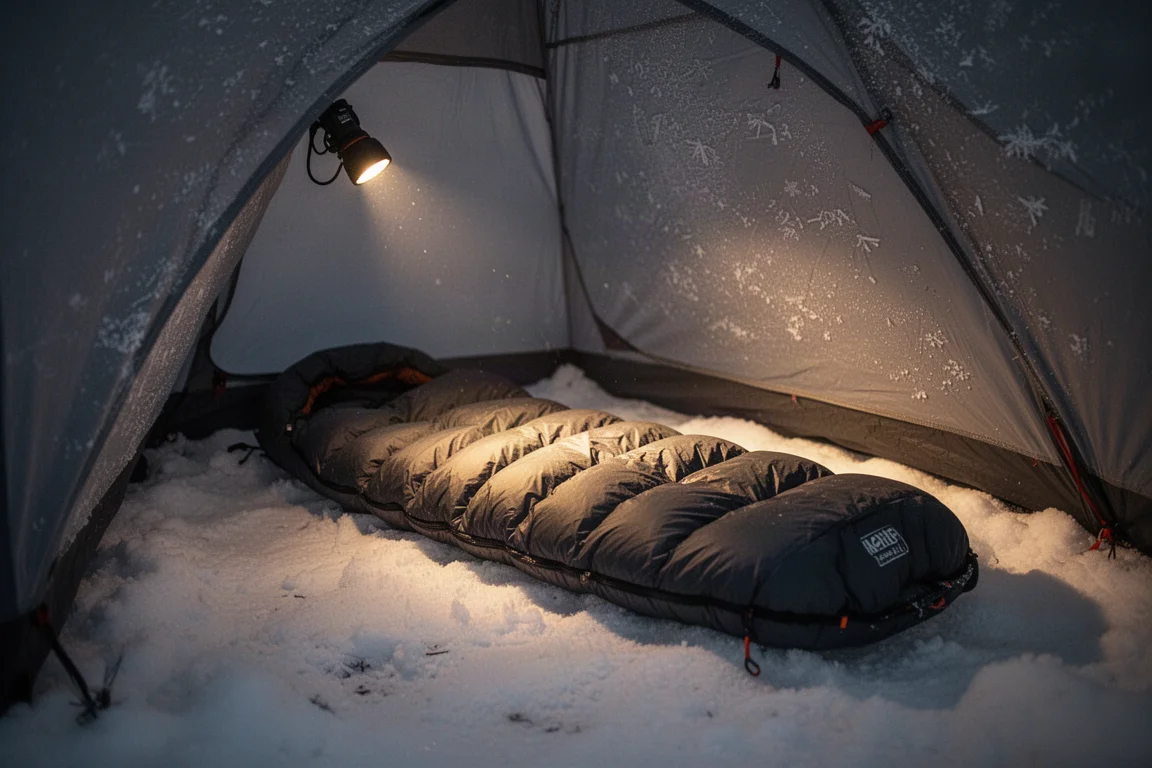
The wider girth is the detail that matters most in practice. Extra interior room means a puffy layer can go on inside the bag at night without flattening the down that is supposed to be trapping heat.
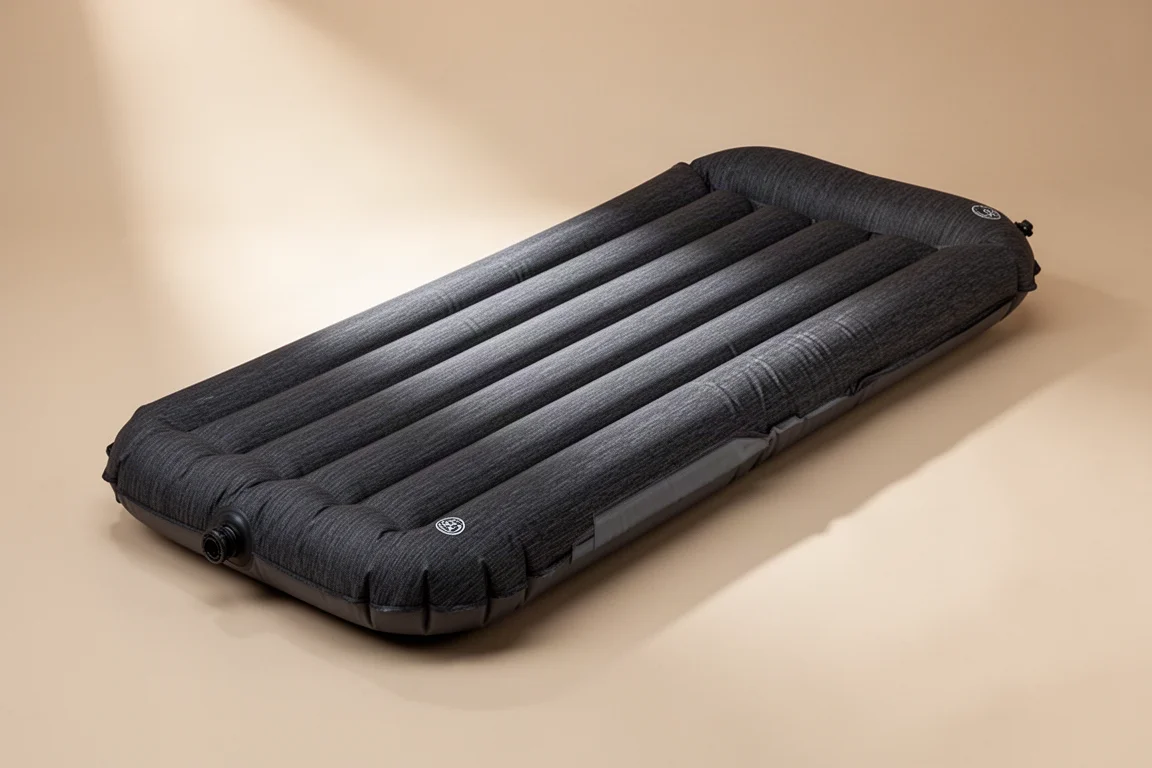
Sleeping Pad: Exped Ultra 7R
Underneath the bag, the Ultra 7R does the job on snow. It uses down insulation inside the pad and carries an R-value of 7, which is warm enough for sleeping directly on snow. It feels soft and plush, and it stays quiet. Reflective mylar pads may be warm, but the crinkling is a genuine annoyance inside a tent.
The baffling is not quilted, which is the one compromise here. A quilted baffle would be more comfortable, and this pad is the closest option that avoids both noise and a very high price. For winter camping on snow it is a strong balance of warmth, comfort, and cost.
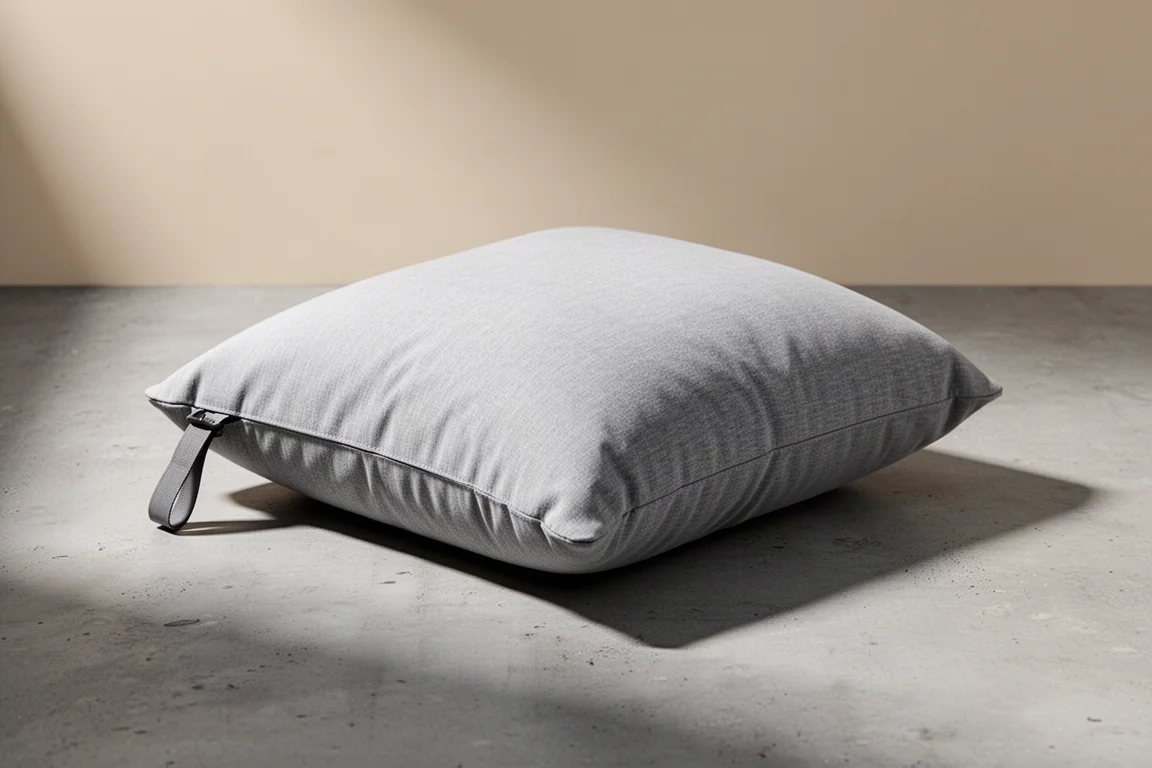
Pillow: Zen Bivy Soft Top Pillow
The Soft Top Pillow is a three-part design: a pillowcase, an air bladder, and a down topper. The air bladder sets the height, which matters for side sleepers who need real support, and the down topper adds warmth and softness on top.
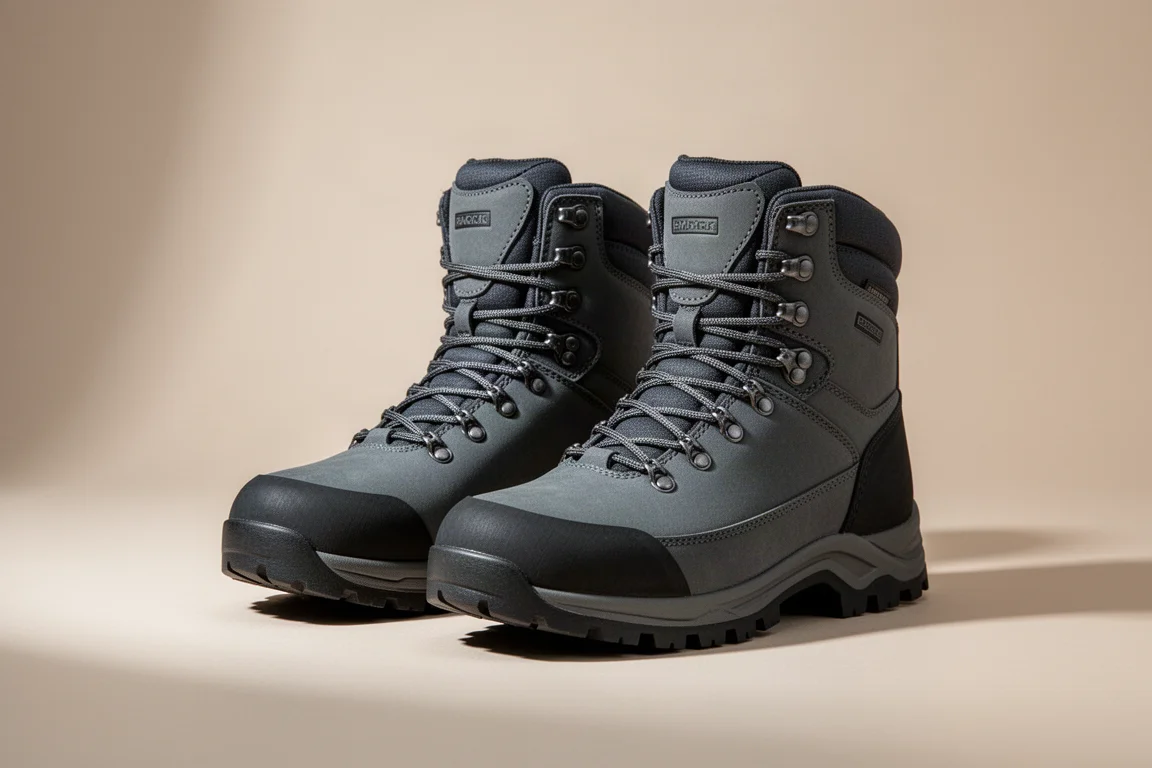
Footwear: Keen Revel Polar Boots
Winter boots have to do two jobs: stay warm and stay upright on ice. The Revel Polar uses a sole with a fiberglass element that improves grip on slick surfaces, and the boot is insulated and stable enough for snowshoeing. Paired with a thick wool sock, it covers most cold-weather walking and camp use.
Layering: Outdoor Vitals Vario Jacket
Synthetic insulation earns its place in a winter kit because it dries faster and keeps working when it gets damp, which is exactly what happens when you sweat on the climb. The Vario Jacket is a synthetic-filled piece used as an insulated mid layer, warmer than an active fleece but more reliable in wet conditions than down.
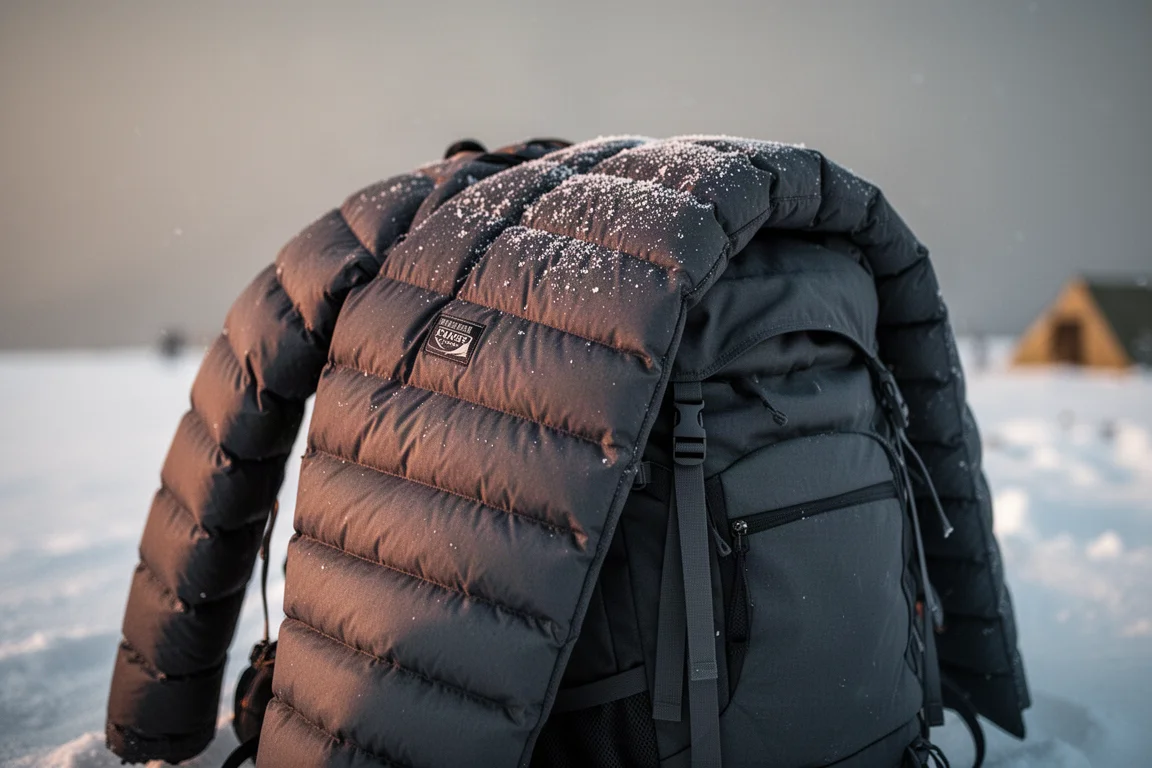
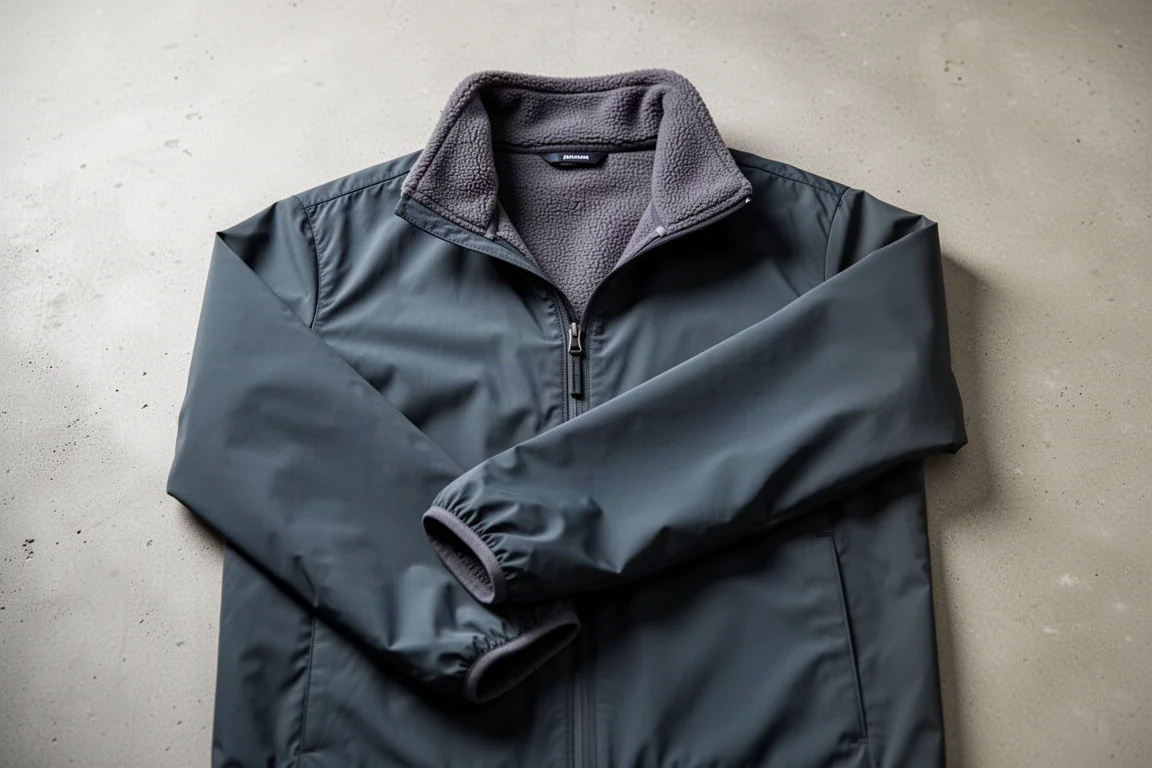
Around it, the rest of the layering system follows the same pattern. A merino base layer handles moisture next to the skin, an active mid layer with a fleece interior and a light wind-resistant shell breathes on the move, and a heavier down jacket is the option for dry cold. The outer shell matters more than people expect in winter: a cold-weather shell with a larger cuff lets gloves tuck inside and keeps hands dry. A lightweight beanie, a neck gaiter, and two pairs of gloves, one insulated and one light, round out the redundancy.
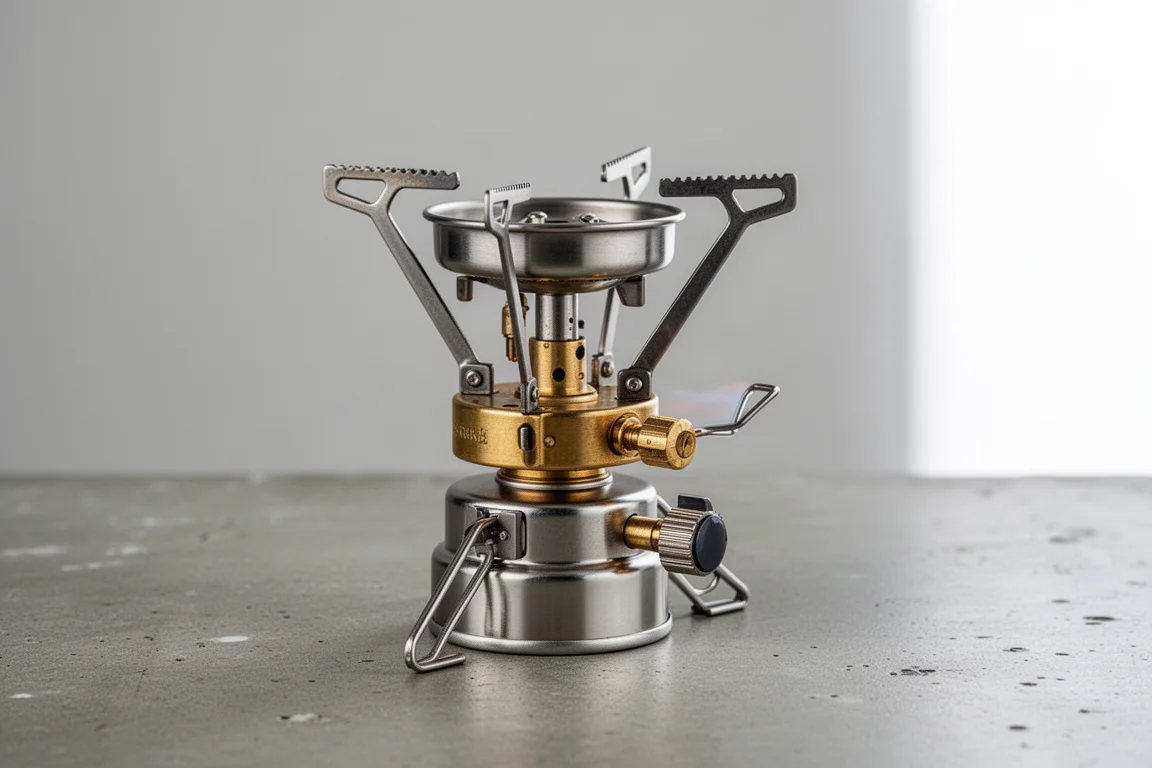
Cooking: Fire Maple GreenPeak 2 Stove
A stove with a pressure regulator keeps output consistent as the canister cools, which is the practical reason to choose one for winter. The GreenPeak 2 has wide pot supports for a stable pot, a good-sized burner, a pressure regulator, and a piezo igniter. A backup mini lighter and a 100 gram or larger canister cover the rest. In genuinely extreme cold, below zero, a white gas stove becomes the more dependable option.
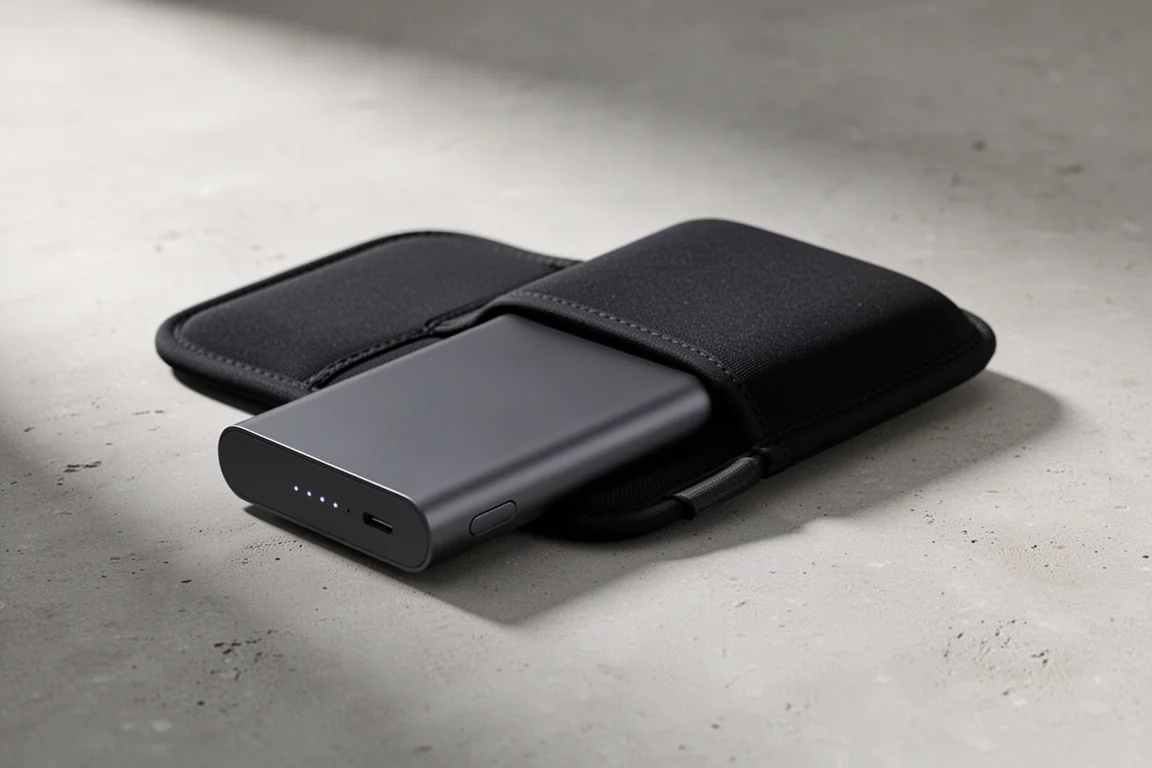
Electronics: Nitecore Summit 10,000 Power Bank
Cold is hard on batteries, and winter darkness can last twelve hours or more. The Summit 10,000 is built to perform better at low temperatures and comes with a neoprene insulated case, which keeps it from draining when temperatures drop. It carries a phone, a headlamp, and a satellite communicator through a night out.
Supporting Gear Worth Packing
Beyond the core items, a few additions make winter trips considerably more comfortable. A folding chair with a case that doubles as a footprint keeps you from sinking into snow, and a small table with a center pole that pushes into the ground and adjusts for height gives you a stable surface for cooking and eating. For camp, down pants add warmth while sitting still, and a microfiber towel handles condensation and snow.
Cooking and water shift in winter too. A water filter will freeze and fail, so a larger one-liter titanium pot with a lid becomes the melting and boiling vessel, and carbon fiber pot grabbers stay comfortable to hold because they are not metal. A titanium fry pan paired with a titanium plate that doubles as a lid keeps a real meal possible without much bulk, and an insulated double-wall titanium mug holds a hot drink at the end of the day.
Small systems matter as much as big ones. A satellite communicator rated to work at lower temperatures, waterproof and durable, is worth carrying even when a phone offers satellite messaging. A headlamp, a small camp light, and charging cables live together in a zip pouch. For waste, a wag bag is standard on snow where digging is impossible, alongside a small kit with a trowel, wipes, and hand sanitizer. Finally, terrain decides the rest: snowshoes, skis, or microspikes, plus an avalanche shovel for moving and leveling snow.
Buying Advice: Matching Gear to the Conditions
Build the kit around where you actually go. If winter overnights are frequent, the sleep system and the pack are the two places where spending more pays off, because they determine whether you sleep warm and whether the load is tolerable on the approach. If winter trips are occasional, a three-season sleeping bag with a liner or an added quilt, combined with a well-insulated pad, will handle most cold nights.
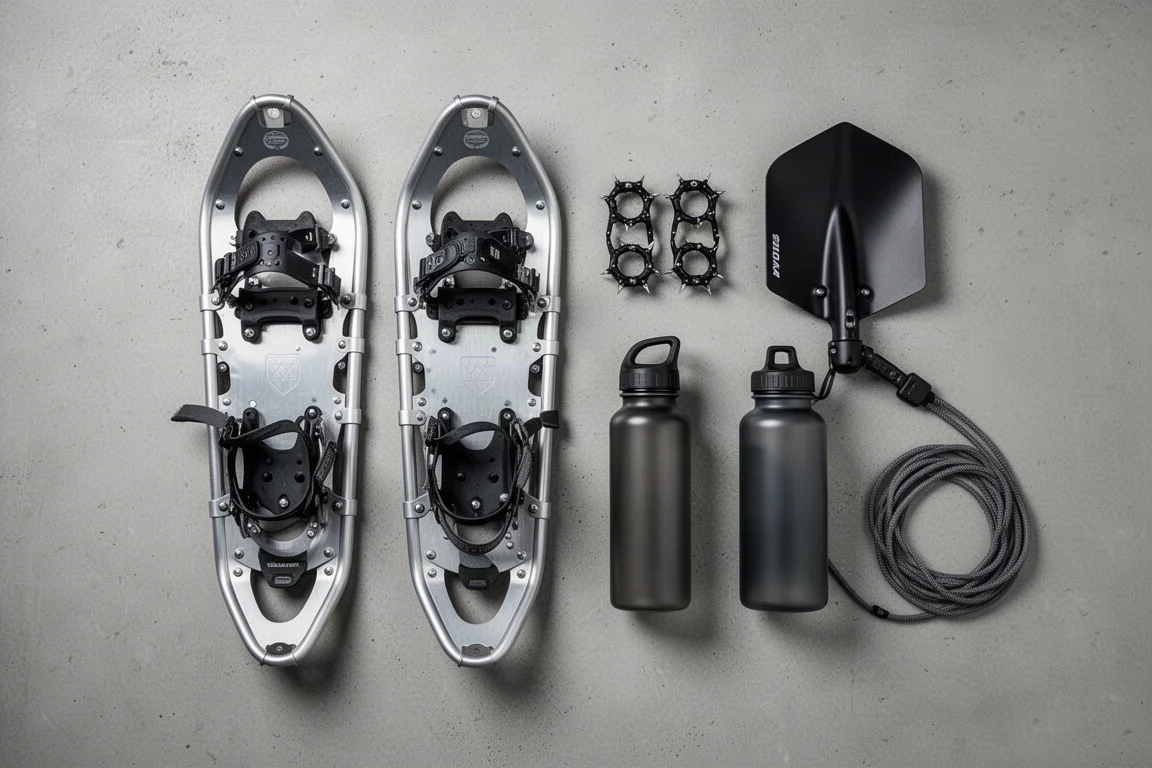
Insulation choice follows climate. Synthetic fill is the safer call in wet, humid, or thawing conditions because it keeps working when damp, while down is lighter and warmer per gram for dry cold. In every category, a small amount of redundancy, an extra pair of gloves, a backup lighter, a second layer option, is what turns a cold trip from a gamble into a comfortable one.
Conclusion
A winter pack is less about any single item and more about how the pieces work together: a pack that carries weight comfortably, a sleep system that keeps you warm on snow, insulation that handles moisture, and a handful of small items that make long, dark hours in camp pleasant. Start with the sleep system and the load carrying, layer for the conditions you expect, and add the comforts as you go.
Further reading
Related Reviews
Winter Backpacking
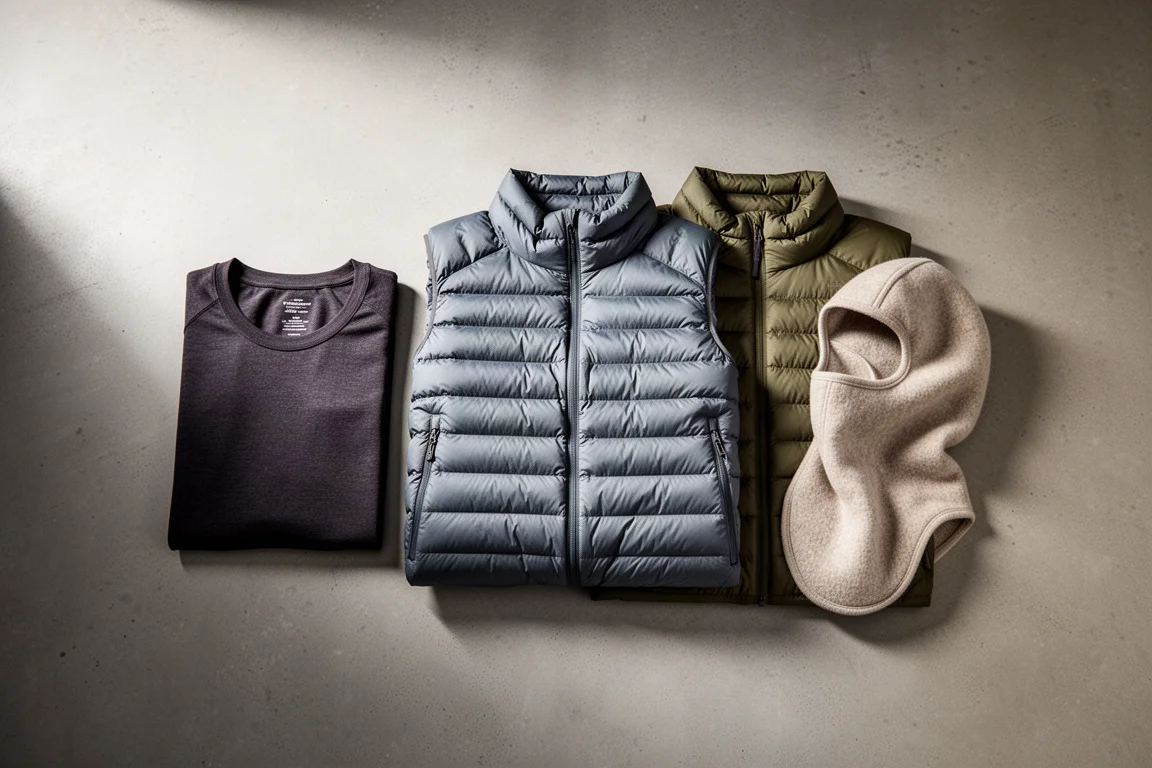
Winter Backpacking Essentials: Four Gear Upgrades Worth Adding
Four insulated, moisture-managing pieces that make cold-weather backpacking far more comfortable, plus how to adapt the three-season kit you already own.
Winter Backpacking
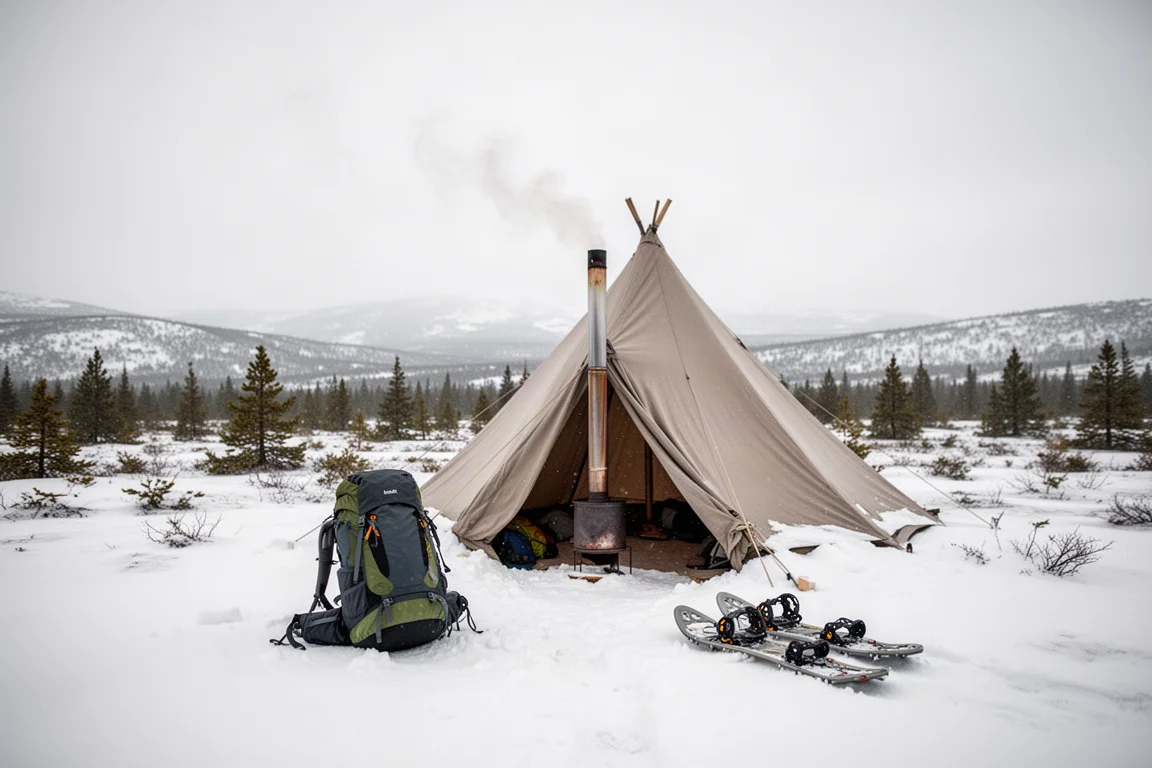
Winter Backpacking Gear List: What I Packed for Sub-Zero Snow
A tested winter backpacking loadout for deep snow and sub-zero temperatures, with the key pieces that kept the pack under 20 pounds and the sleep system warm.

Backpacking Gear
Building a 10 lb Base Weight: An Ultralight Backpacking Gear List
A practical walkthrough of the ultralight pieces behind a 10 lb base weight, from a 765 g pack and a roomy one-person tent to a full camp chair and a dependable water filter.