Winter Backpacking
Winter Backpacking Gear List: What I Packed for Sub-Zero Snow
A tested winter backpacking loadout for deep snow and sub-zero temperatures, with the key pieces that kept the pack under 20 pounds and the sleep system warm.
Introduction
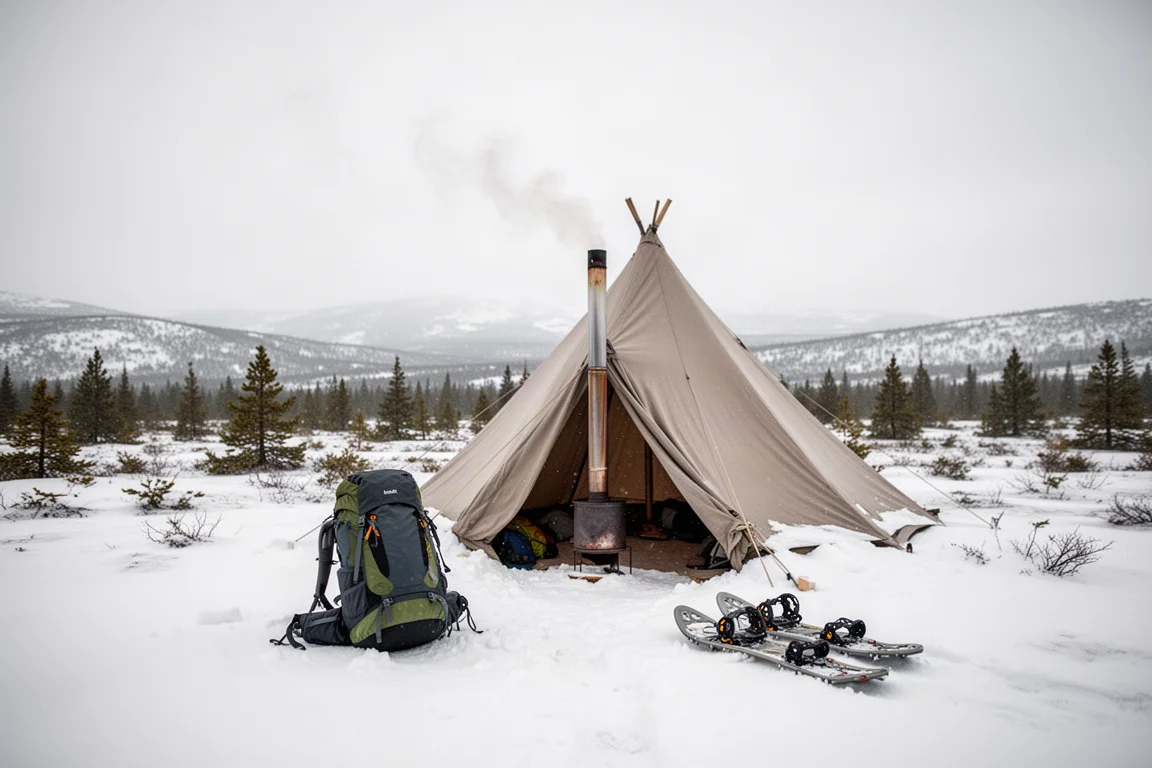
On a recent winter trip, we headed into high-elevation tundra with six feet of snow and temperatures dropping below zero. The goal was to test a full winter backpacking loadout in extreme conditions. The pack weighed just under 20 pounds, which is on the heavier side for a personal setup, but it included several luxury items that made the experience far more comfortable. This guide walks through the key pieces that performed well and explains what to consider if you are building your own winter system.
What to Look for in Winter Backpacking Gear
Winter backpacking demands a different approach than three-season trips. Wind protection becomes critical, moisture management is non-negotiable, and your sleep system needs to handle temperatures well below freezing. Layering is the foundation: a breathable base layer, an insulating midlayer, and a windproof outer shell. For sleeping, the pad’s R-value matters as much as the bag’s temperature rating, and layering pads and quilts can extend a system’s range significantly. Shelter choice depends on group size and whether you want a stove for warmth and drying gear.
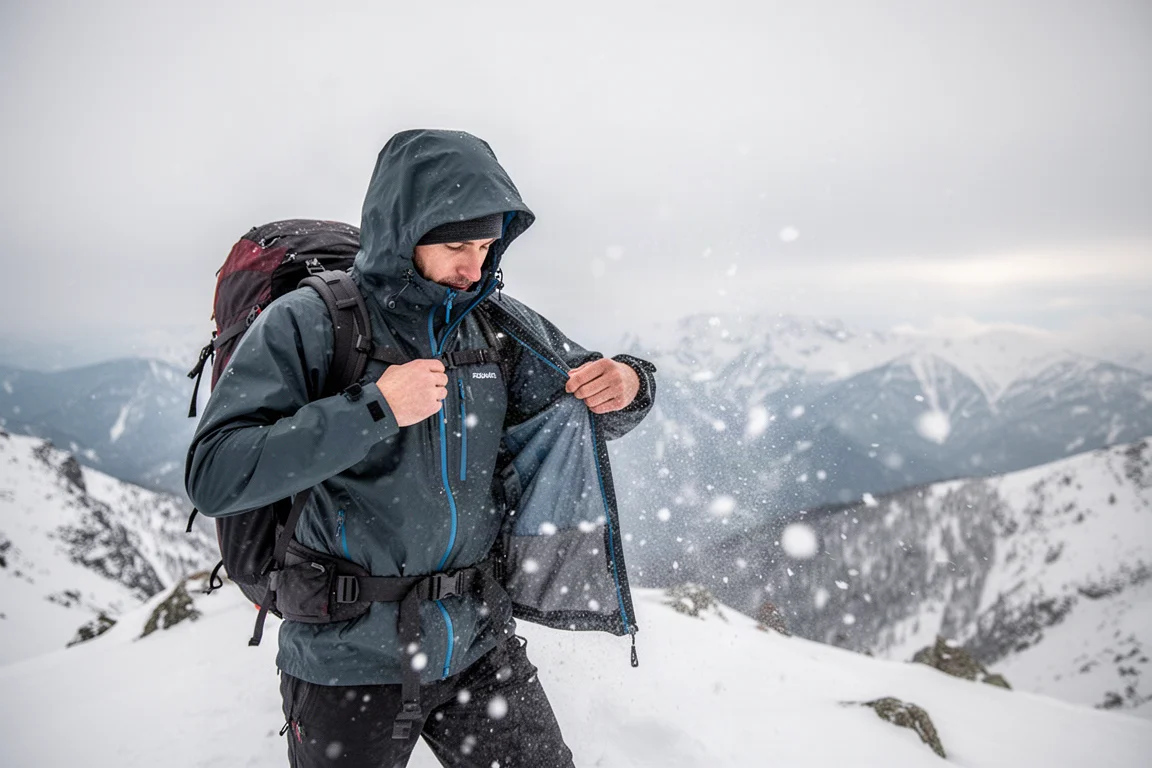
Weight is always a trade-off. A heavier pack can mean more comfort, but splitting shared gear like a shelter can bring per-person weight down considerably.
Outdoor Vitals Nebo Windbreaker: The Windproof Layer That Disappears
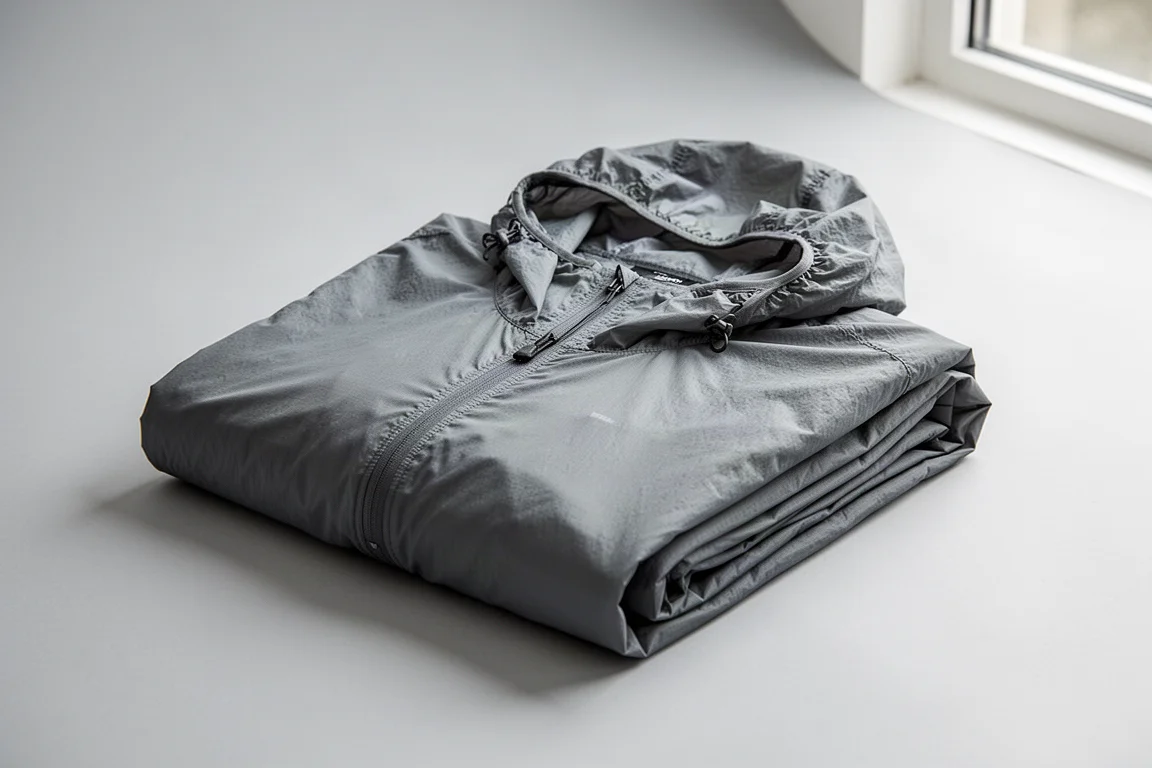
The Nebo Windbreaker was the standout piece on this trip. It is incredibly light, breathes well during active hiking, and packs down into its own tiny top pocket. In windy but active conditions, it provided exactly the right balance of protection and ventilation. It is not yet widely available, but it is expected to launch soon.
Outdoor Vitals Nova Pro Jacket: Windproof Protection for Exposed Terrain
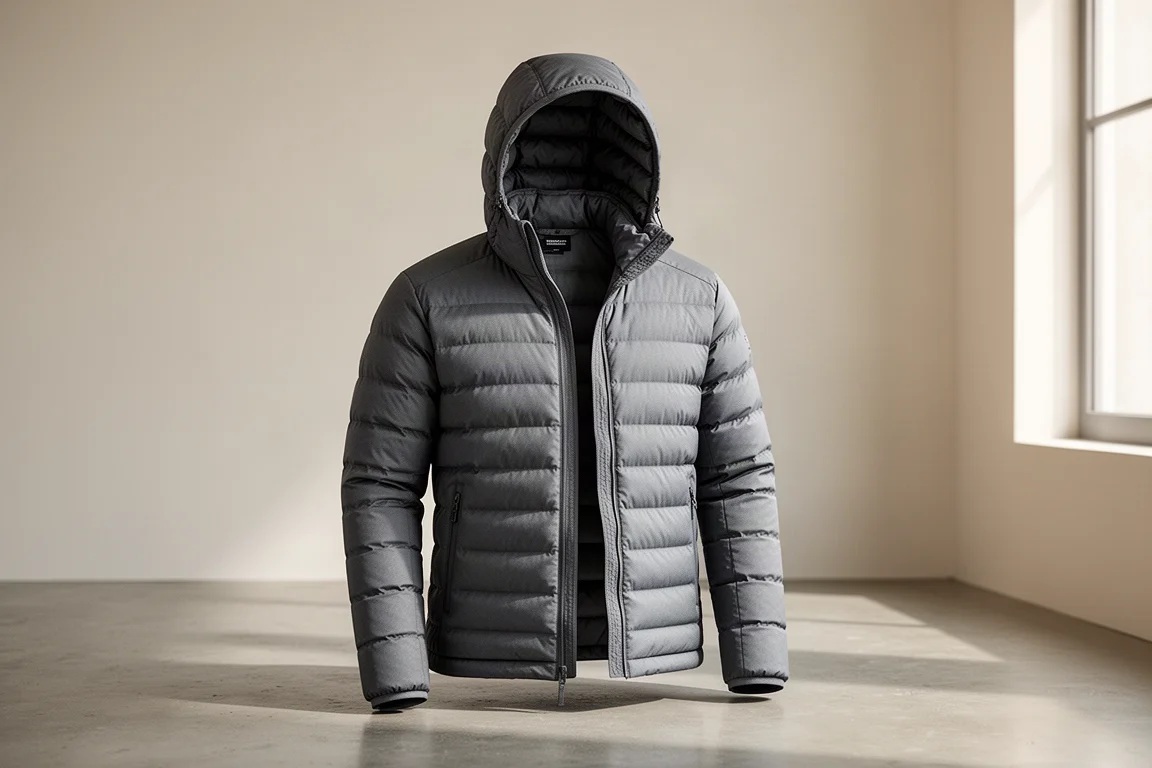
At high elevation in winter, wind is relentless. The Nova Pro Jacket uses a stitchless fabric that blocks wind exceptionally well. It quickly became the best jacket for these conditions, offering reliable protection without feeling bulky. For anyone facing exposed, windy terrain, this piece is a critical layer.
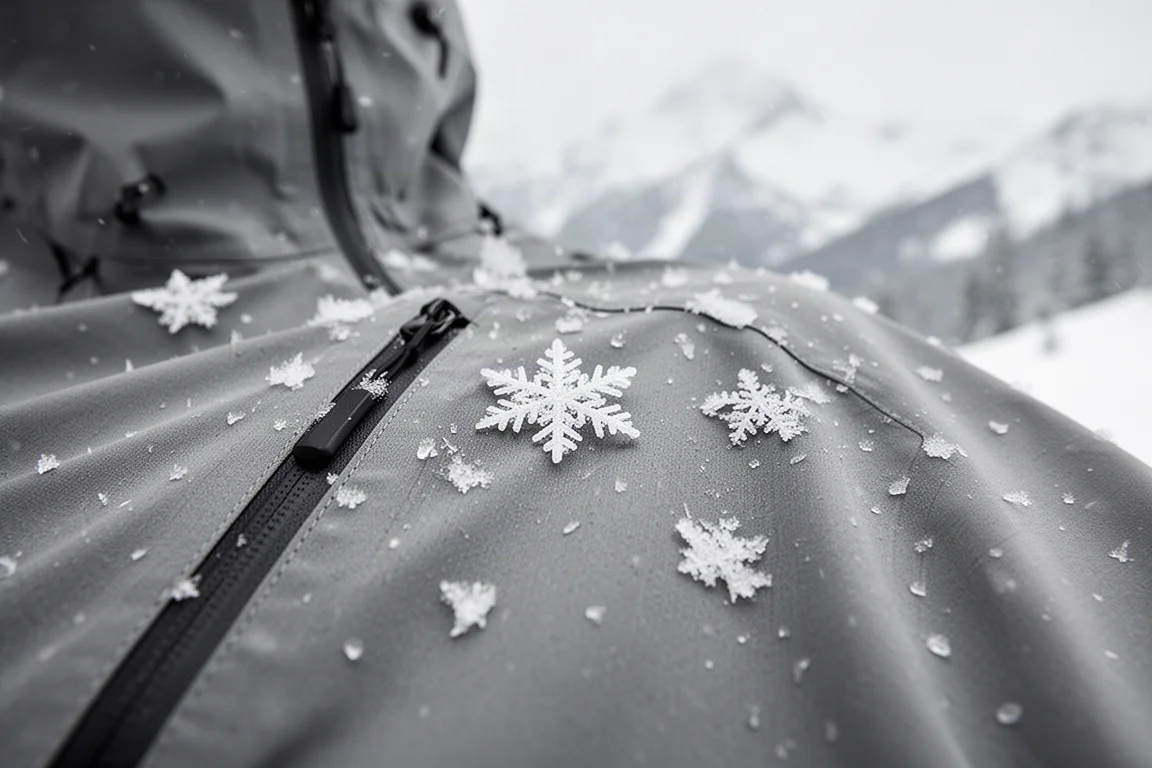
The stitchless construction also helps reduce cold spots and improves overall durability. It layers easily over a base layer and midlayer, making it a versatile addition to a winter system.
SensorPush: Real-Time Temperature Tracking
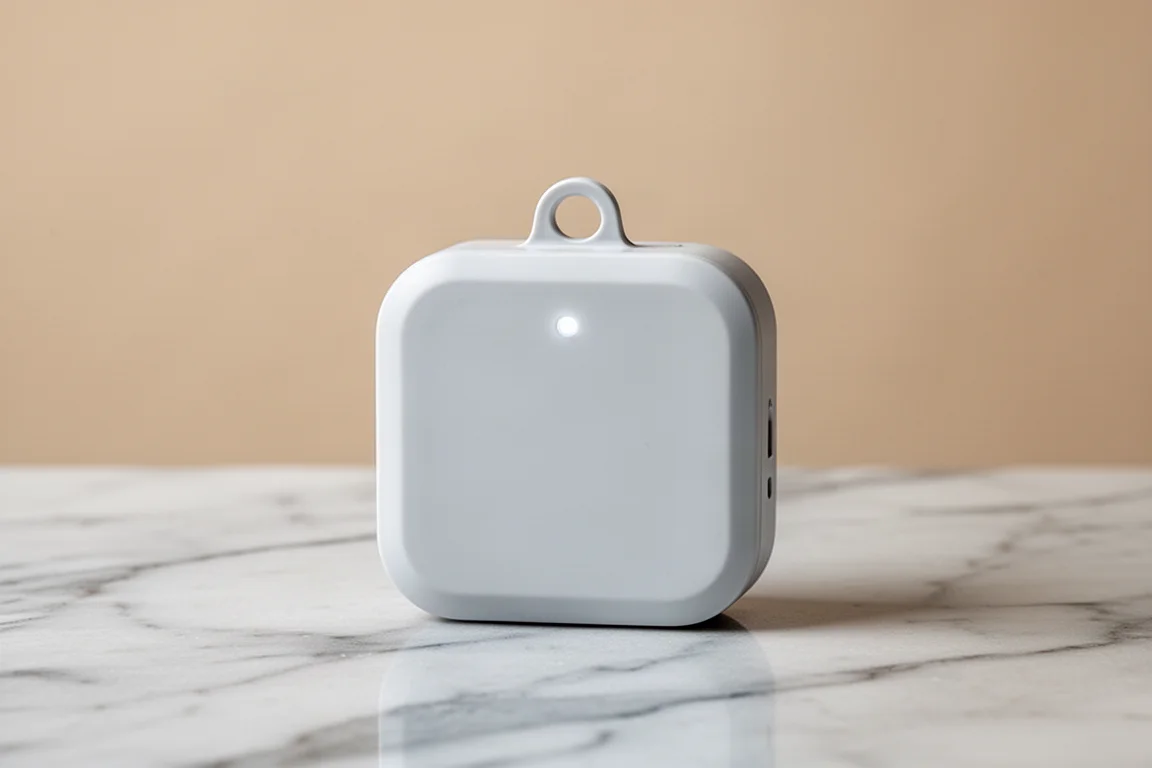
The SensorPush is a small sensor that tracks temperature and humidity, sending accurate readings directly to your phone. Placed outside the tent at night, it recorded a low of negative two or negative three degrees Fahrenheit on this trip. That kind of data helps you understand how your sleep system performs and whether you need to adjust your layering.
Outdoor Vitals Oblivion Sleeping Pad: Warmth You Can Layer
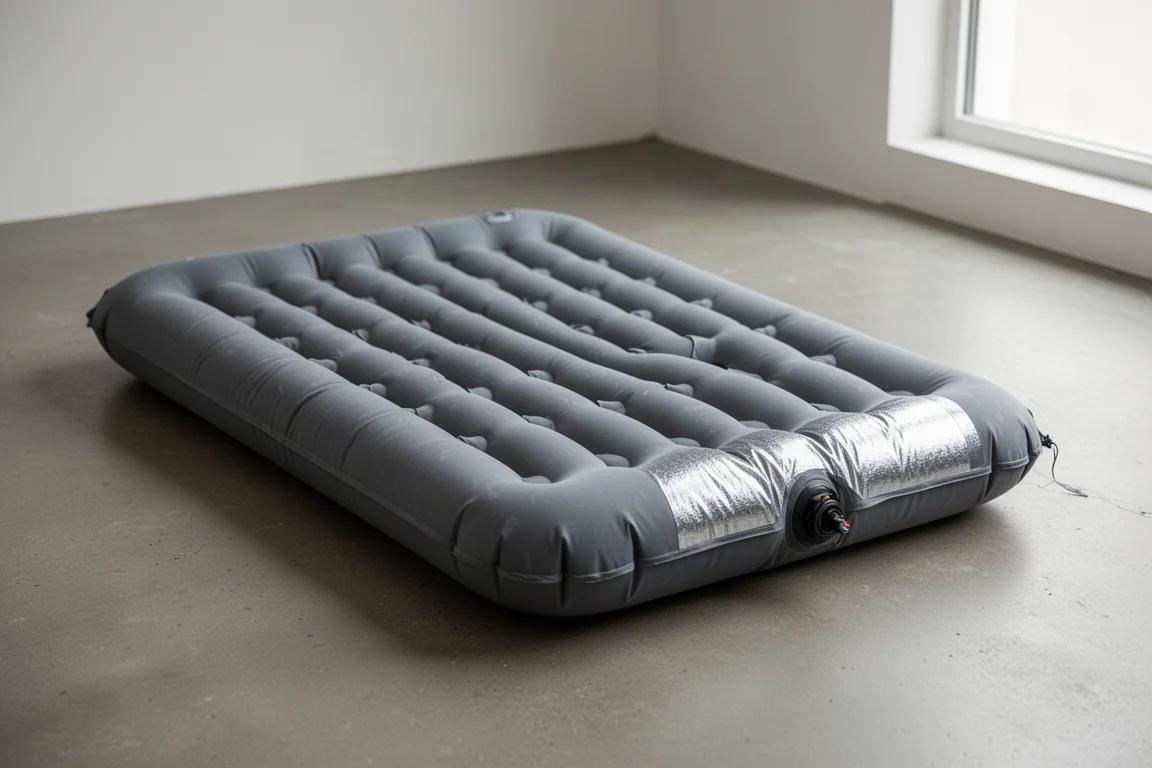
The Oblivion Sleeping Pad is a new model that is warmer and more comfortable than previous options. It carries a tested and certified 3.5 R-value. On this trip, it was layered with a closed-cell foam pad, which brought the combined R-value to about 5.5. While technically a three-season pad, layering it with an additional pad makes it suitable for winter conditions.
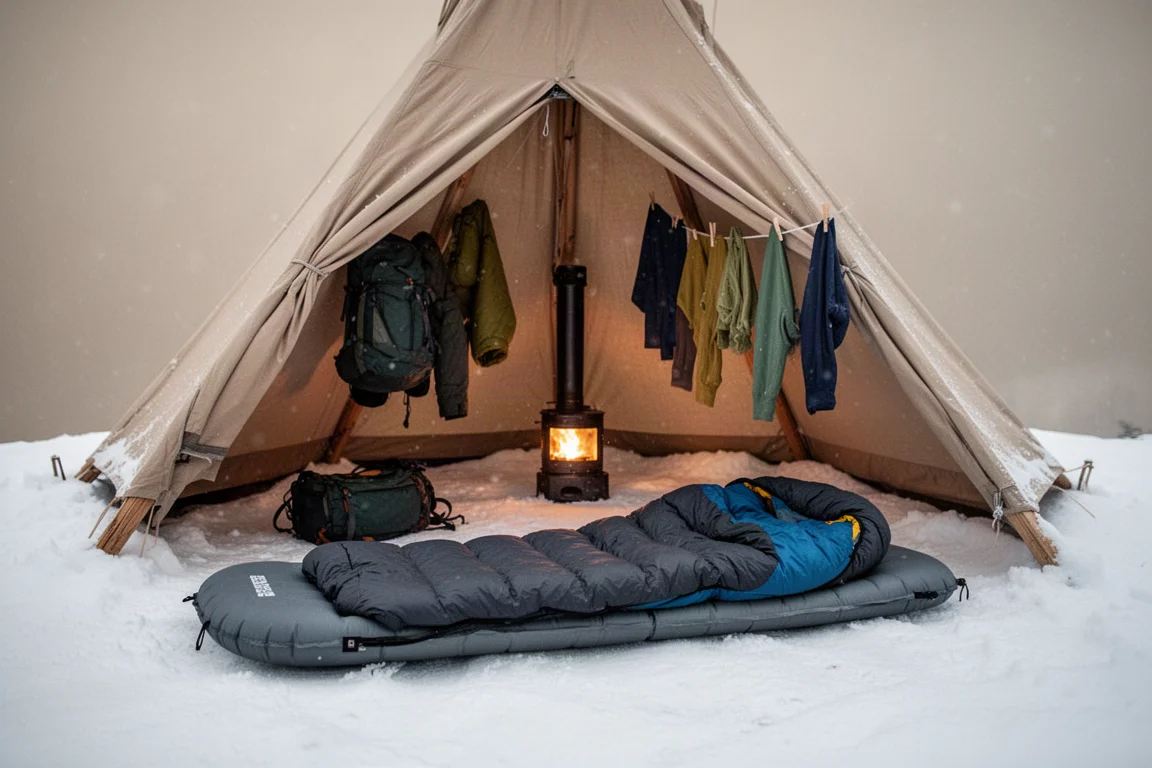
This layering approach is a smart way to extend the usefulness of a three-season pad. Everyone on the trip who used this setup stayed warm.
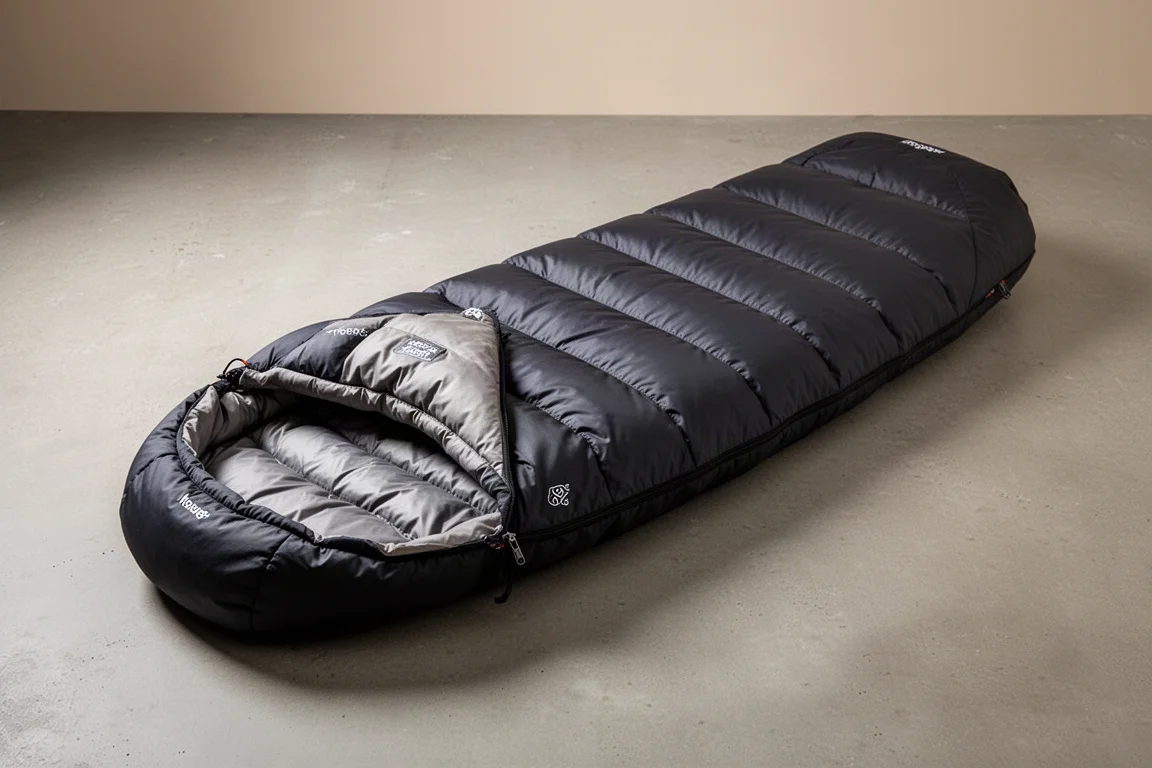
Outdoor Vitals Summit Sleeping Bag: A Flexible Sleep System
The Summit Sleeping Bag is rated to 15 degrees Fahrenheit. On this trip, it was paired with a 15-degree top quilt, which was overkill. A more practical pairing would be the 15-degree Summit with a 30-degree top quilt. That combination has been used down to negative 15 degrees Fahrenheit with excellent warmth. This kind of layering creates a sleep system that can handle a huge temperature range.
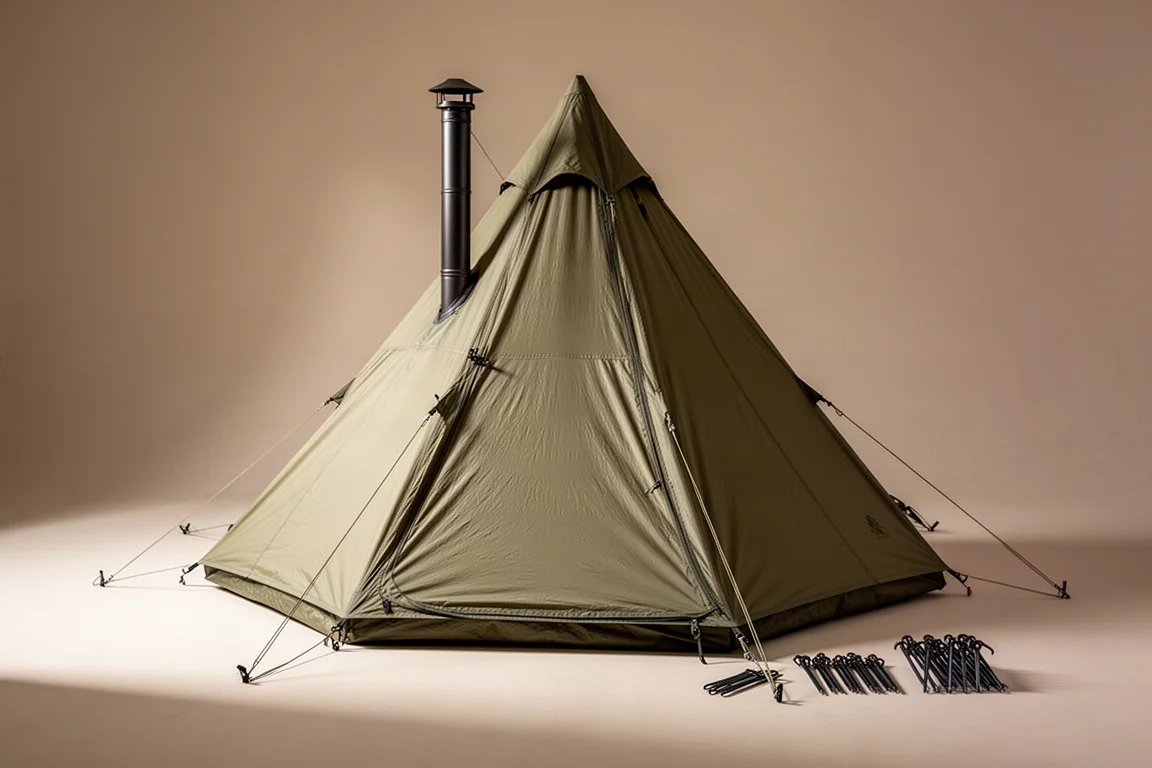
Seek Outside Red Cliff: A Four-Person Tipi With a Titanium Stove
The Seek Outside Red Cliff is a four-person tipi shelter designed for use with a stove. The complete shelter, including pole and stakes, weighs about 73 ounces. The titanium stove adds just over two pounds, bringing the total to around 6.5 pounds. That is heavy for one person, but split between two, it is just over three pounds each. The stove made the shelter a warm, comfortable gathering space where we dried gear, melted snow, and enjoyed meals for hours after sunset.
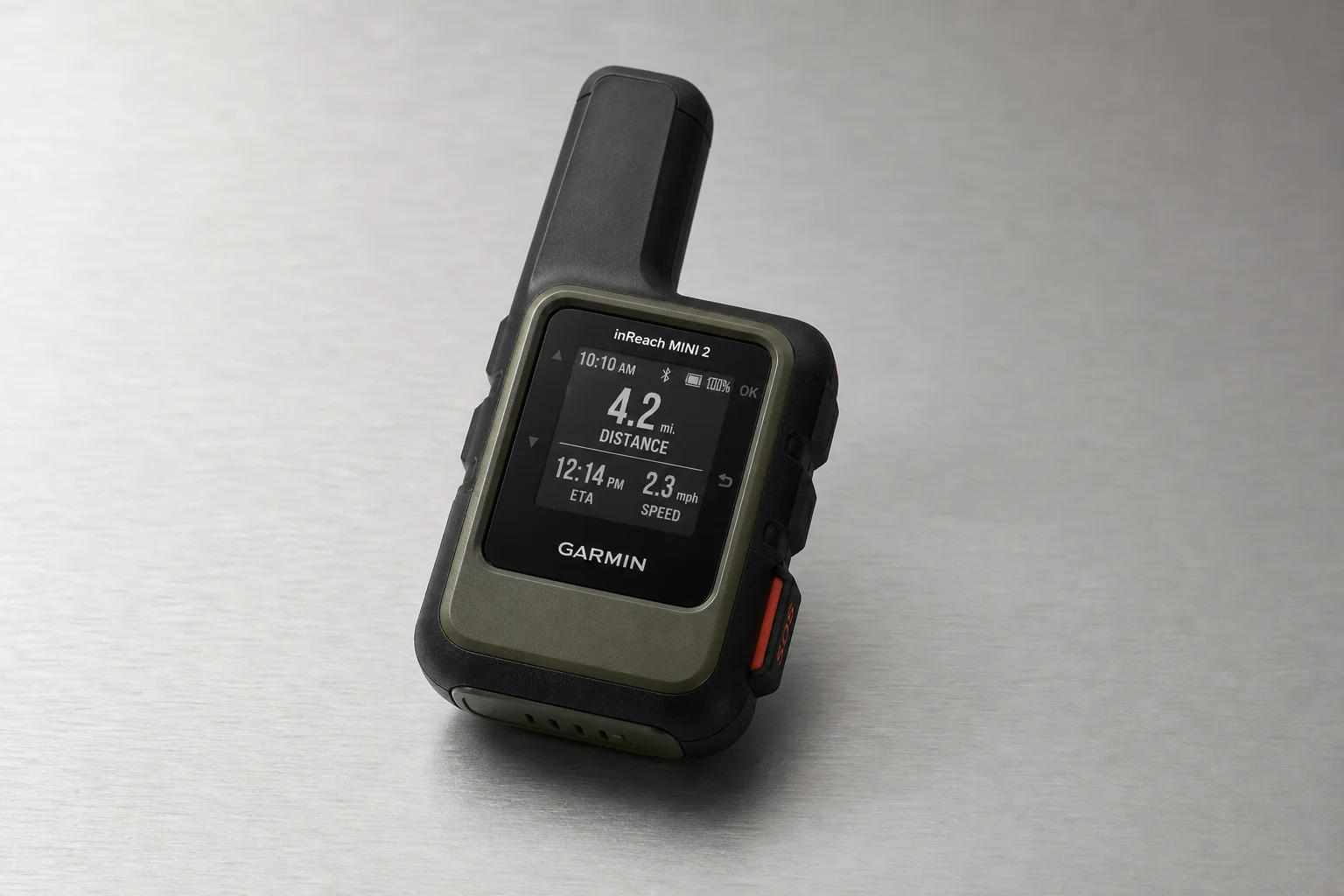
Garmin inReach: Reliable Off-Grid Communication
The Garmin inReach was carried in a zippered dry bag for safety and communication. In remote winter terrain without cell service, a satellite communicator provides peace of mind and a way to stay in touch with emergency contacts.
Other Gear Worth Noting
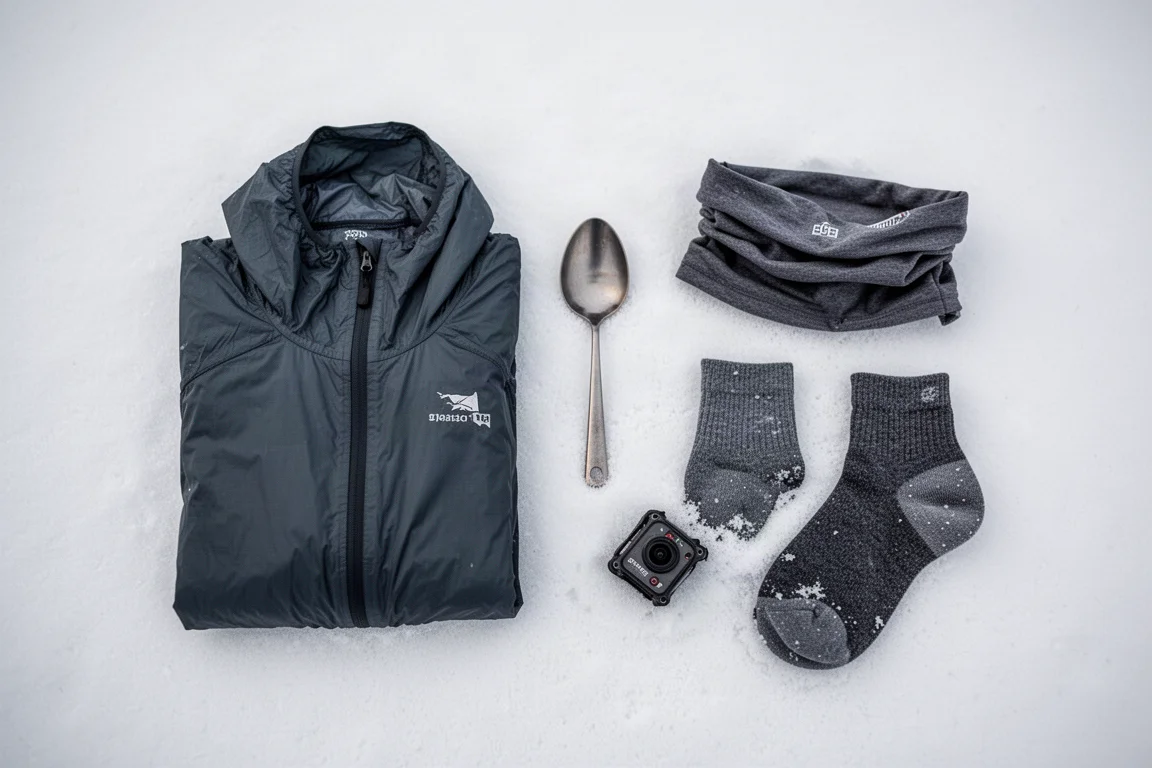
Several other pieces rounded out the loadout. The Outdoor Vitals Vario Jacket was worn during the hike in. The Outdoor Vitals Titanium Spoon is a durable, ultralight utensil. The Merino Wool Neck Gaiter has a tapered shape that tucks easily into a hat and protects against wind and sun reflection off snow. Darn Tough Micro Crew Socks kept feet comfortable. The Altitude Sun Hoodie and Tern Hoodie provided breathable warmth, with the Tern Hoodie doubling as a clean, dry sleep layer. The Loftic Hybrid Booties and Loftic Hybrid Balaclava added significant warmth for sleeping. A battery bank, hand warmers, and sunglasses were also in the pack, along with a closed-cell foam pad for layering.
Buying Advice
When building a winter backpacking kit, prioritize your sleep system and wind protection. A pad with a solid R-value and a sleeping bag that can be layered with a quilt will keep you warm across a wide range of conditions. For shelter, consider how many people you are splitting weight with and whether a stove is worth the extra pounds. Ultralight accessories like a packable windbreaker and a titanium spoon add little weight but improve comfort. Finally, a satellite communicator is a worthwhile safety investment for remote trips.
Test your system on shorter trips before committing to extreme conditions, and always carry a bit more insulation than you think you need.
Conclusion
This winter loadout proved that comfort in sub-zero temperatures is achievable with the right layers, a flexible sleep system, and a warm shelter. The pack weighed just under 20 pounds, and not once did the hand warmers come out. With careful gear selection and smart layering, winter backpacking can be enjoyable rather than simply survivable.
Further reading
Related Reviews
Winter Backpacking
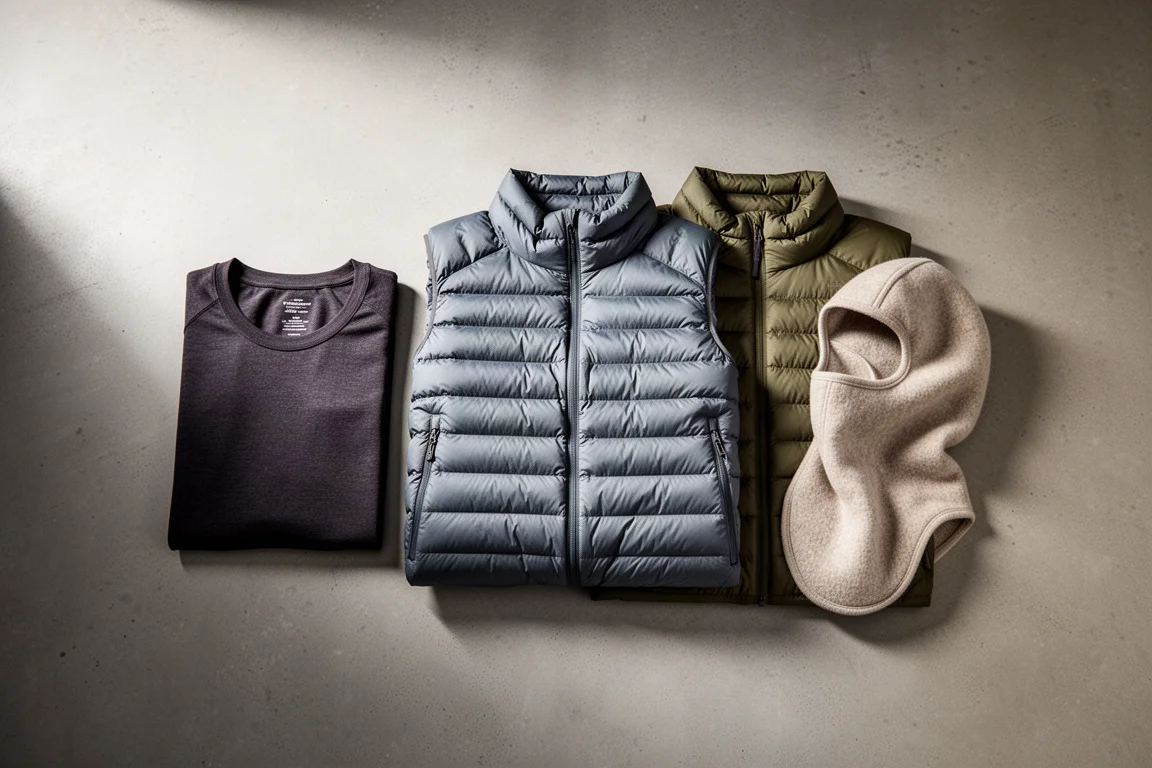
Winter Backpacking Essentials: Four Gear Upgrades Worth Adding
Four insulated, moisture-managing pieces that make cold-weather backpacking far more comfortable, plus how to adapt the three-season kit you already own.
Winter Backpacking
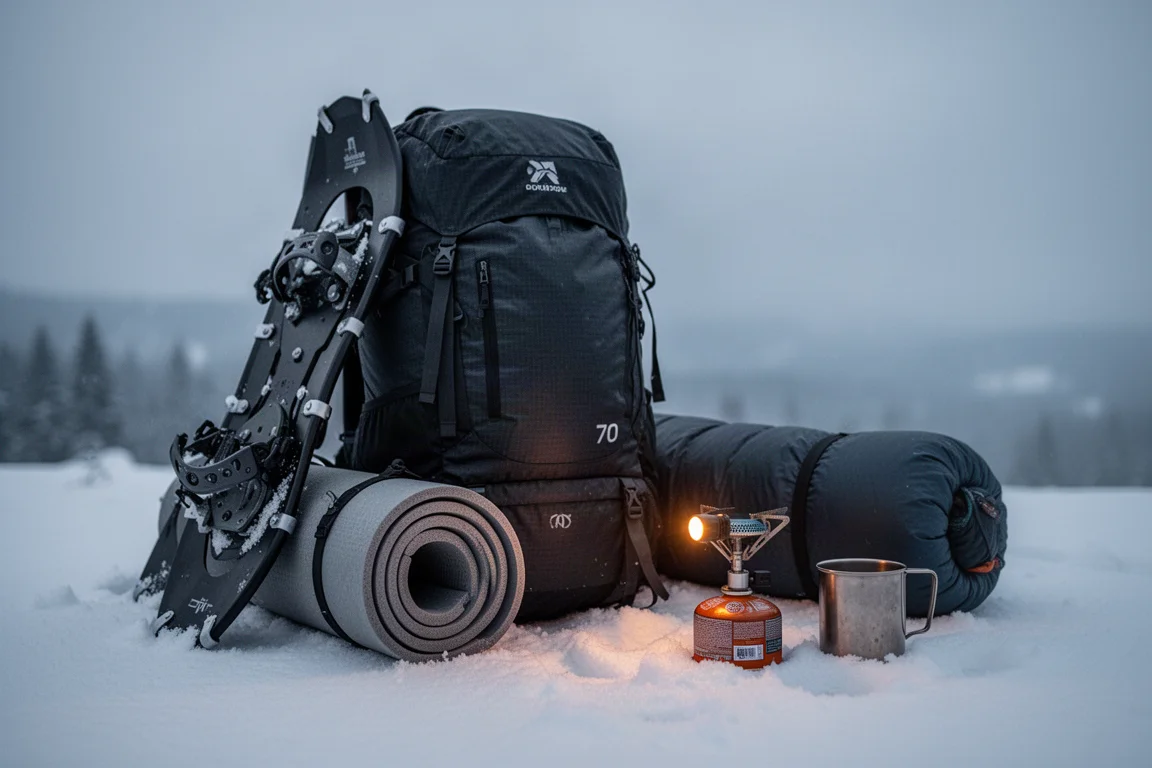
Winter Backpacking Gear List: 8 Core Items for Cold-Weather Trips
A practical winter backpacking gear list built around moisture management, warm sleep, and a pack that carries heavy loads comfortably.

Backpacking Gear
Building a 10 lb Base Weight: An Ultralight Backpacking Gear List
A practical walkthrough of the ultralight pieces behind a 10 lb base weight, from a 765 g pack and a roomy one-person tent to a full camp chair and a dependable water filter.