Backpacking Gear
Winter Backpacking Gear: How to Adapt Your Three-Season Setup
A practical guide to the pack, layers, quilts and sleeping pads that decide whether your three-season kit holds up in winter conditions.
Introduction
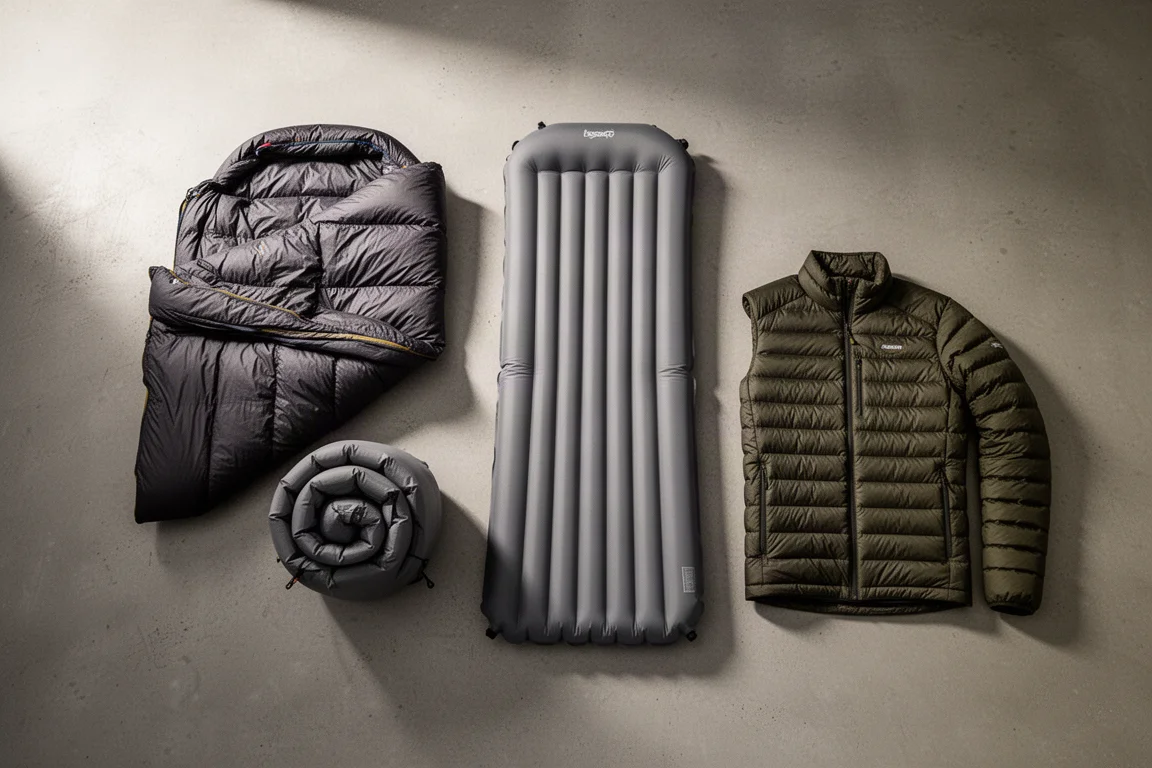
Winter backpacking has a reputation for demanding an entirely separate kit, but that is not always the case. Much of what you already carry from late spring through early fall can be adapted, provided you understand which pieces are doing the real work and where the weaknesses show up once temperatures drop.
The most useful starting point is the big items: the pack that carries everything, the layers you wear while moving, the insulation you sleep under, and the pad underneath it. Get those four right and the rest of the trip tends to fall into place.
How Winter Changes Your Gear Planning
Gear planning starts with the forecast, not with the gear list. The questions worth answering before you pack are practical ones: what is the high for the day, what is the overnight low, will you be sleeping on snow or frozen ground, and how likely is it that you will get wet.
That last point matters more in winter than in summer. Sweating on the approach is one of the most common ways to end up cold, because damp clothing pulls heat away from the body and makes it far harder to stay warm once you stop moving. External moisture adds to the problem. A warm day can melt snow around camp, and condensation inside a tent can soak into whatever is pressed against the walls.
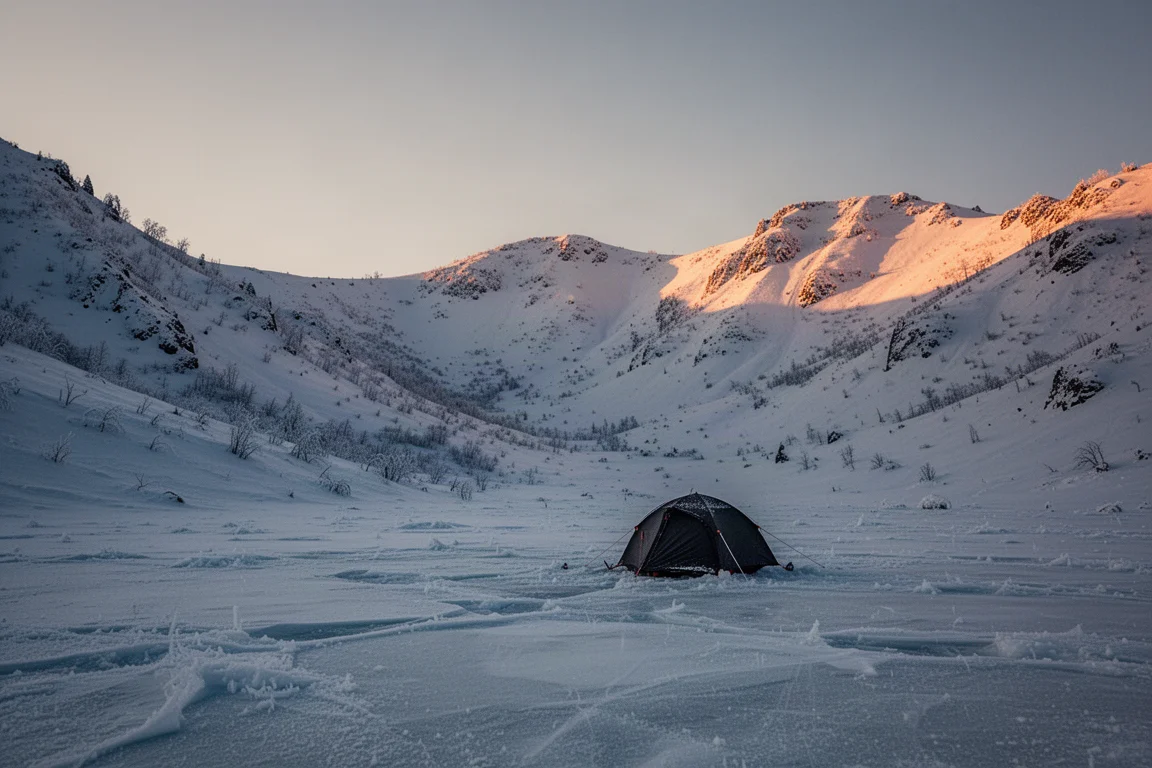
Studying the forecast for snow, freezing rain and humidity is not over-preparation. It directly determines whether you pack down or synthetic insulation, how much spare warmth you carry, and how conservative you need to be with your margins.
Pack Volume: Is Your Three-Season Pack Enough?
For most winter trips, the pack you already own will work. Bulk increases when you add a warmer sleeping bag and more layers, but winter routes are often shorter than summer ones, so a slightly overloaded pack is rarely a problem on the trail.
If you are heading into genuinely extreme conditions, or building a full winter setup that has to stay comfortable under a heavy load, a larger pack becomes worth considering. Some designs in that class are rated to carry roughly 50 to 60 pounds comfortably, which is more than most people need, but the option exists if you want extra margin.
Layering to Stay Dry, Not Just Warm
A winter layering system has one job above all others: move moisture away from your skin and dry quickly. Warmth matters, but a warm layer that stays wet is a liability.
A good base layer is synthetic wool or full polyester. Both wick moisture and dry faster than cotton-based alternatives. Above that, a grid fleece mid layer adds warmth while still allowing air to move through the fabric, which helps when you are climbing and generating heat.
Down and synthetic insulation behave very differently once moisture is involved. Down clumps when it gets wet and stops insulating, and it takes a long time to dry. Synthetic fills continue to insulate reasonably well when damp and dry out faster. Modern loose-fill synthetics are also engineered to resist clumping, and many are made from recycled plastic bottles, a practice that dates back to the early 1970s. If the forecast points to a humid cold rather than a dry cold, synthetic is usually the safer bet.
The final piece is a hard shell. A waterproof, windproof outer layer keeps the wind off and protects everything underneath from rain, wet snow and spindrift.
Light Insulation: Stio Pinion Down Jacket
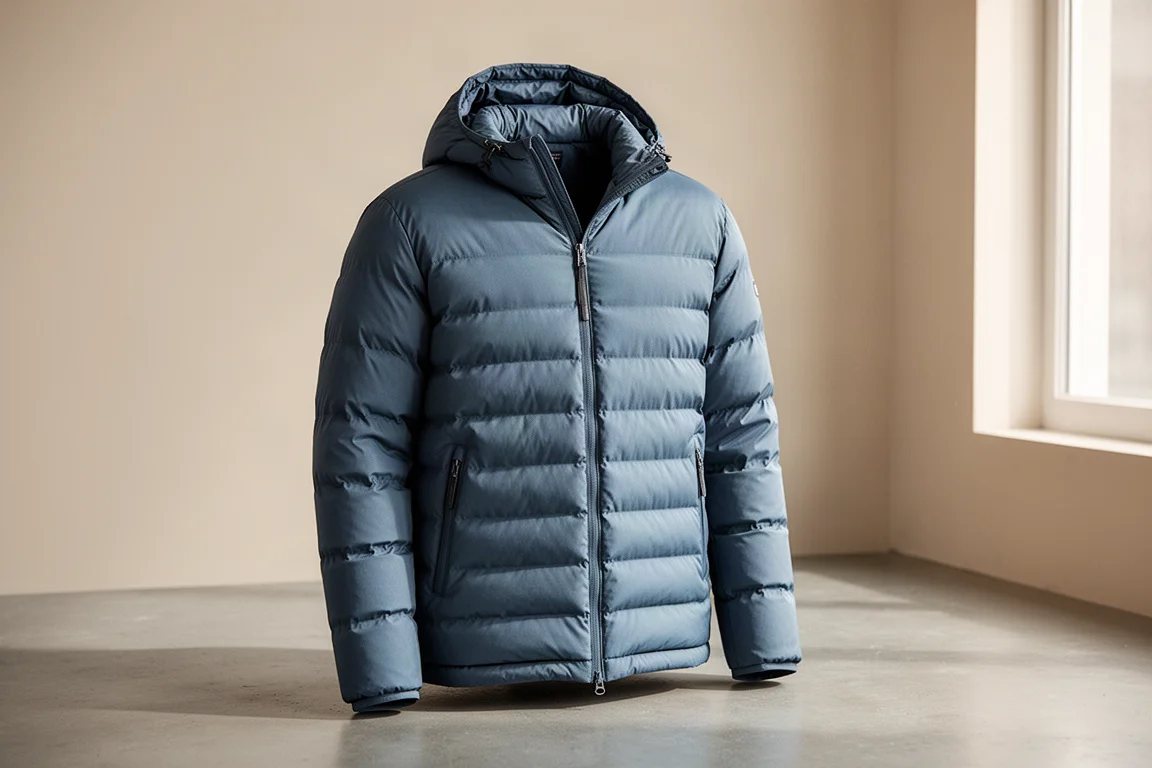
A thin down jacket is one of the most useful pieces in a shoulder-season kit, and the Stio Pinion Down Jacket fits that role. It is light, packable and comfortable as an active layer on the move.
It is worth being clear about what it is not. With sewn-through baffling and a slim profile, it is not a deep-winter down jacket, and it will not match the warmth of a heavier, higher-loft option. Where it earns its place is in a stacked system: worn while hiking, layered under a shell, or combined with additional insulation when the temperature drops. On wet trips, a synthetic jacket in the same slot is the more forgiving choice.
Three-Season Quilts: UGQ Bandit Top Quilt
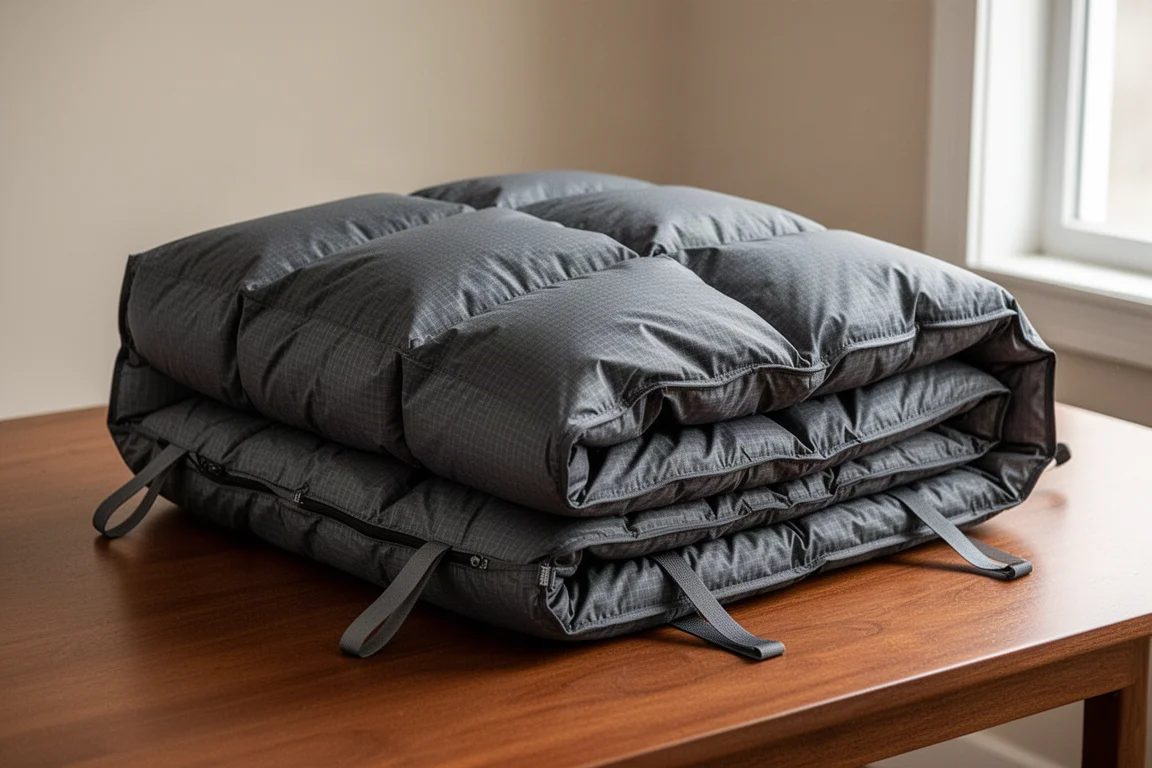
The UGQ Bandit Top Quilt is a 20°F quilt, which is the rating most backpackers carry from late spring through early fall. That is plenty of insulation for a comfortable night across most of the three-season calendar.
Ratings deserve a careful read, though. Many bags and quilts are quoted at a survival or limit temperature, and a comfort rating is typically around 10 to 12 degrees warmer. In other words, a 20°F limit rating can translate to roughly a 30°F comfort rating. UGQ rates the Bandit at 20°F comfort, which is a meaningful difference.
Even so, taking a 20°F quilt into a winter trip where the overnight low sits in the 20s, with wind and humidity on top, is likely to leave you short on warmth. That is the point where supplemental insulation becomes worthwhile.
A Low-Cost Warmth Boost: UGQ Quillow
Before buying a dedicated winter bag, it is worth looking at cheaper ways to extend the quilt you already own. A sleeping bag liner is the classic answer. The UGQ Quillow is a more flexible one.
It is a down-insulated pillow that opens into a small ultralight quilt, with a foot pocket that lets it sit neatly inside a backpacking quilt. Used as a liner, it adds loft and warmth to the system without replacing anything. It comes in a junior size and a larger deluxe size, and on its own it works as a 50°F-rated quilt or as a pillow at camp.
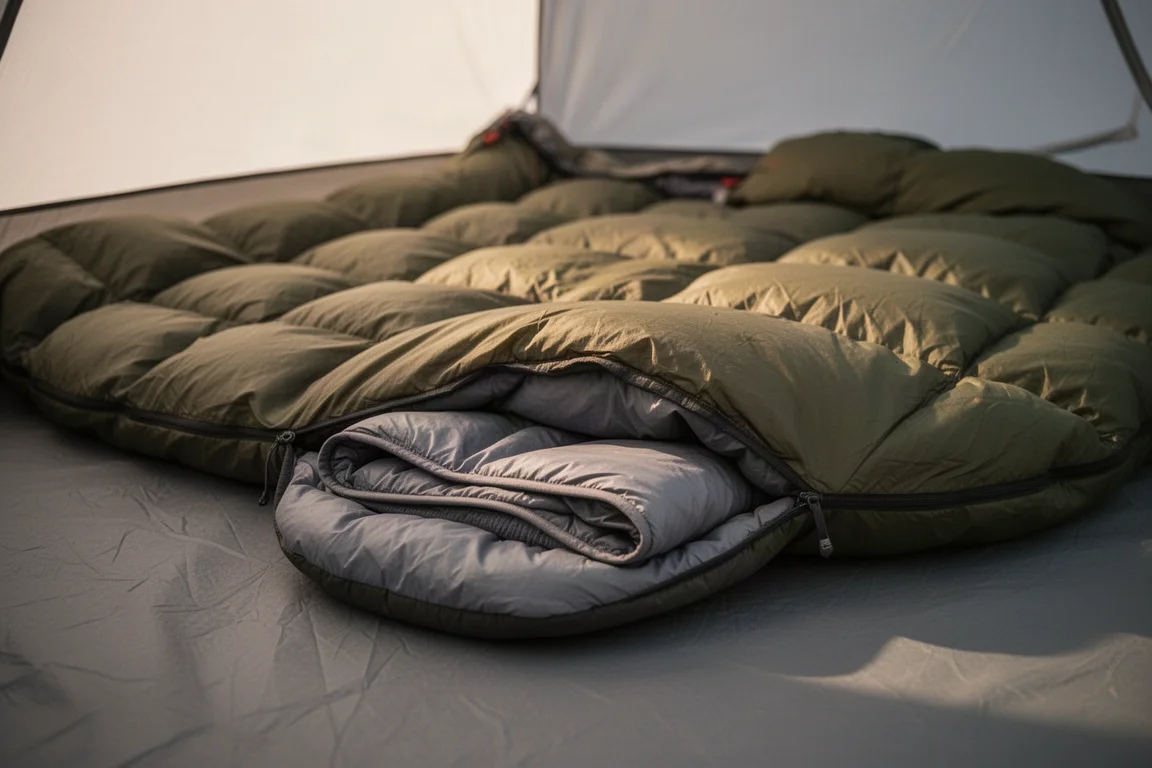
For anyone who only occasionally pushes a three-season setup into colder conditions, this is one of the simplest upgrades available. It costs far less than a winter bag and adds a genuine margin of warmth on the nights that need it.
Winter Sleep Systems: ZenBivy Light Bed
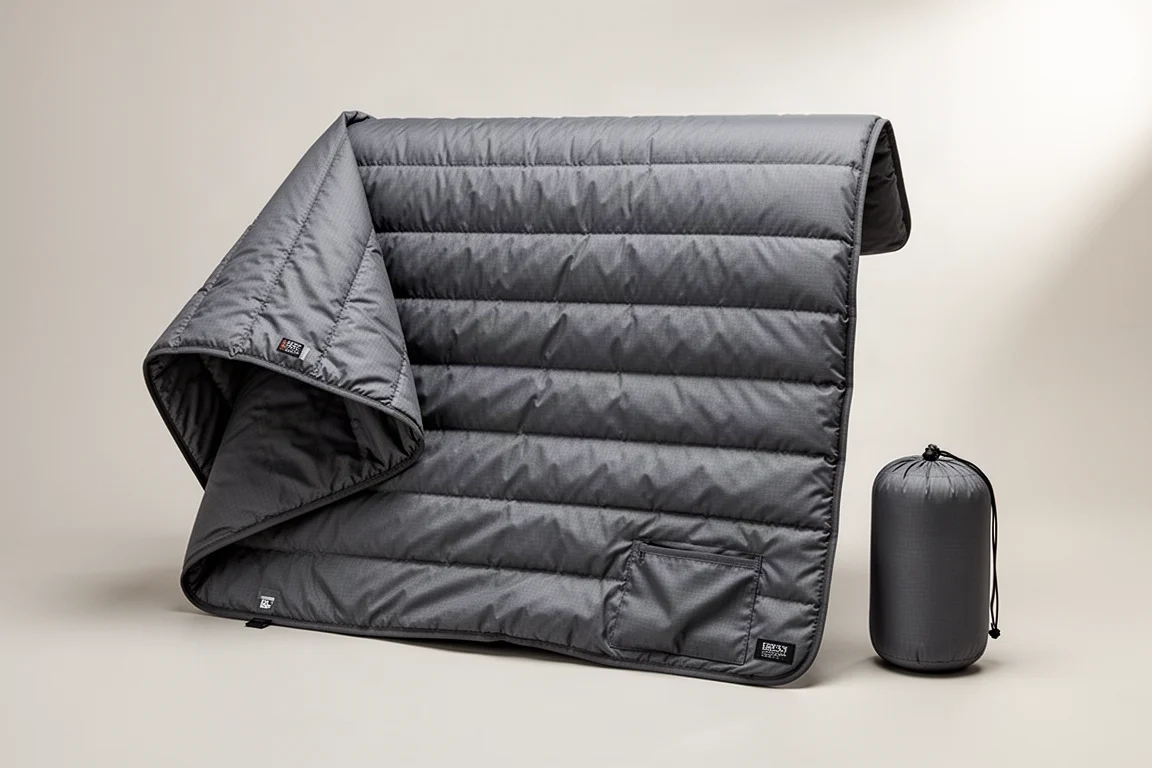
If winter trips are going to become a regular habit, a purpose-built sleep system is the more sensible long-term answer. The ZenBivy Light Bed is comfort rated at 5°F, and the system is designed around a sleeping pad with an R-value of 7.
The quilt carries a substantial amount of down and has a noticeably high loft, which is what makes the low comfort rating credible rather than optimistic. For anyone planning repeated nights on snow or frozen ground, a system in this class, rated to 0°F or colder, is the piece that removes the guesswork from winter sleep.
Sleeping Pad Basics: Nemo Tensor Trail
The sleeping pad is arguably the single most important item in a winter kit. A bag or quilt insulates you from the air, but the pad is what stops the cold ground from drawing heat out of your body all night. Get it wrong and no amount of down will save the night.
R-values are useful but not infallible. Pads are tested to a standardised rating, yet construction plays a large role in how a pad actually performs, and real-world results do not always match the number on the label. Pads rated at R-value 4 and above have still delivered cold nights on frozen ground. The practical lesson is to look at how a pad is built and how it performs in the conditions you expect, rather than trusting the rating alone.
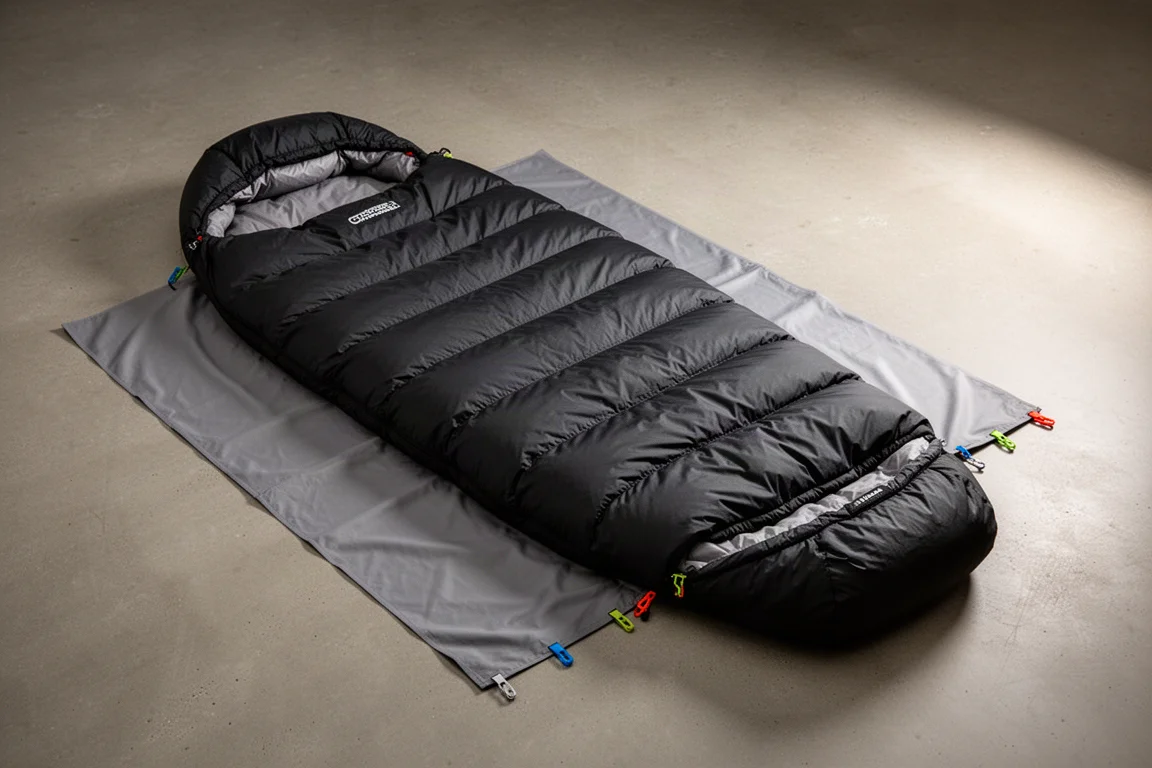
The Nemo Tensor Trail is a good example of a three-season pad, rated just under R-value 3. It is an excellent choice for the warmer months, but on snow or frozen ground it needs help.
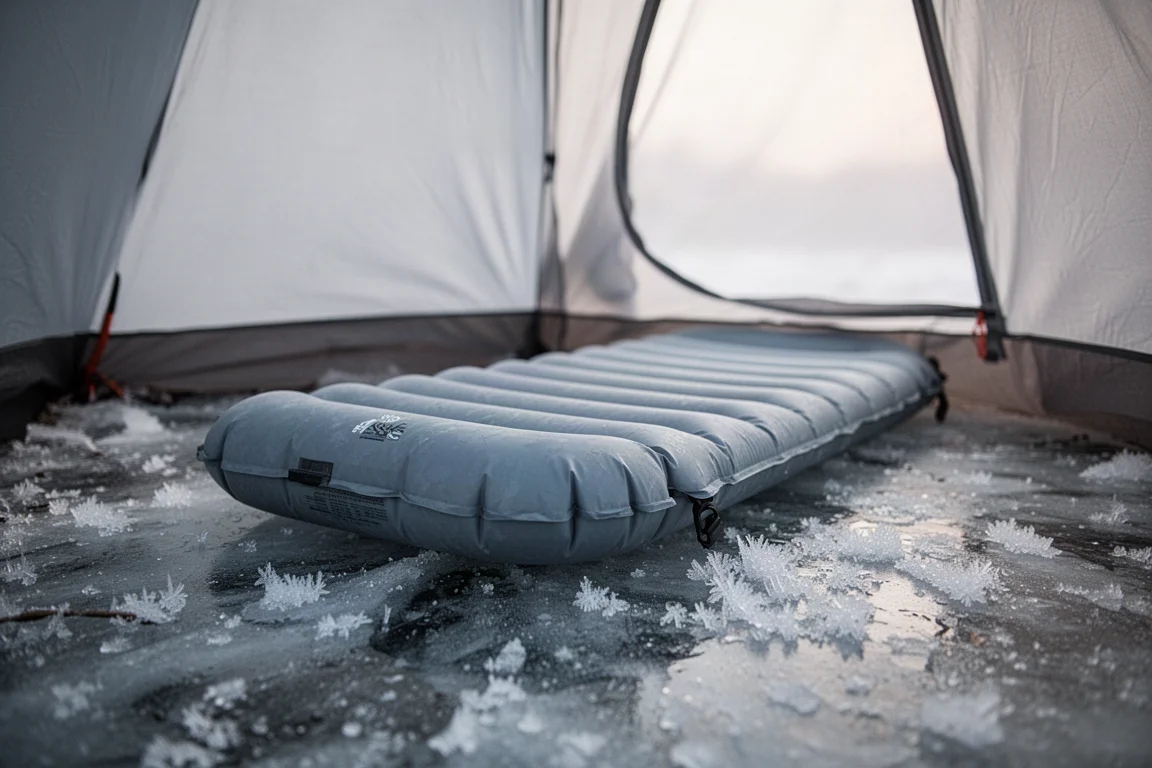
That help is straightforward to add, and the next section covers the cheapest version of it.
Closed-Cell Back-Up: Nemo Switchback
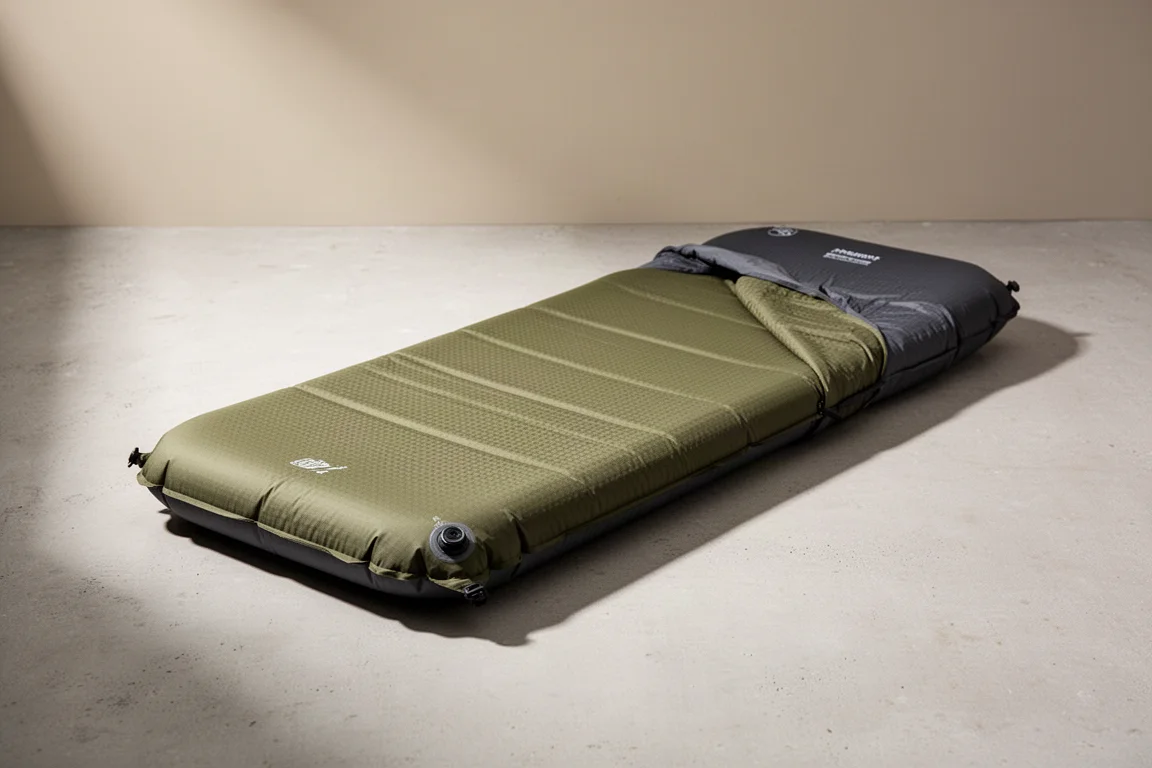
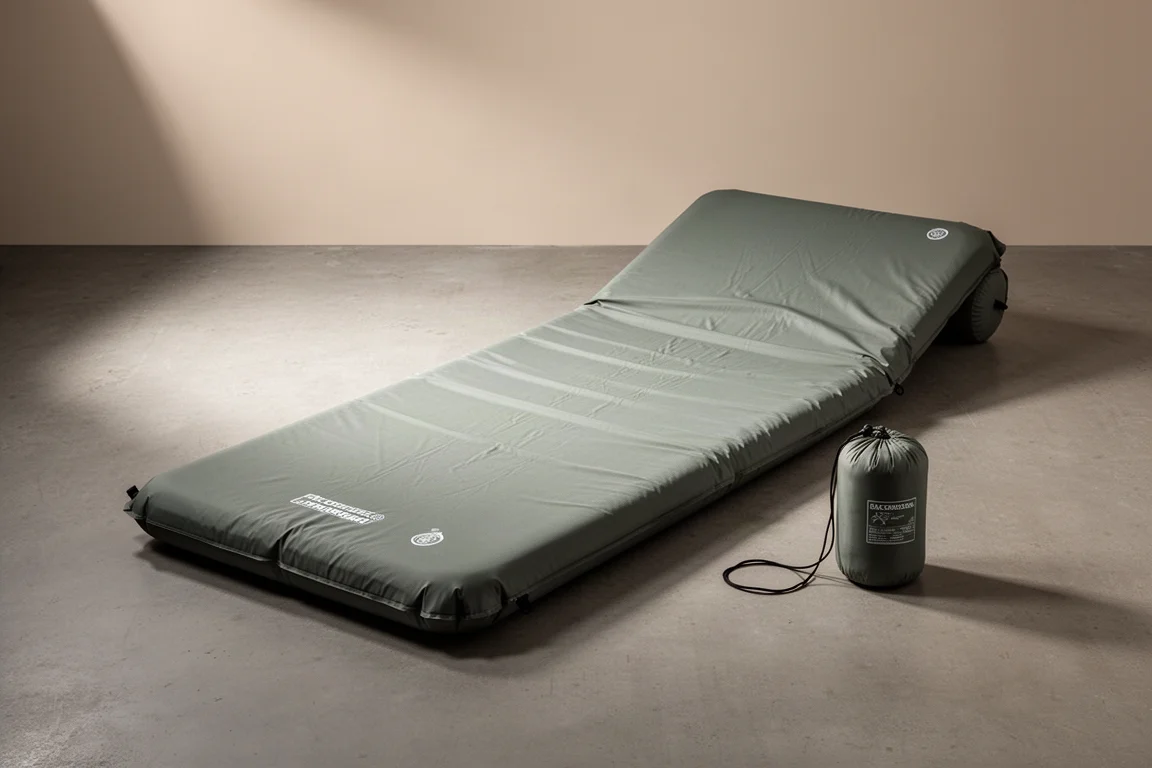
A closed-cell foam pad is the simplest way to make a three-season pad work in winter. Placed underneath an inflatable pad, the Nemo Switchback creates a thermal barrier that substantially reduces conduction between your body and the ground.
The same principle applies to anything non-compressible placed on top of the pad, such as a fabric layer that will not flatten under body weight. Either approach adds insulation value without requiring a new inflatable pad. The trade-off is bulk, since a closed-cell pad takes up space in the pack and cannot be compressed.
Cold-Weather Pads: EXPED Ultra 7R
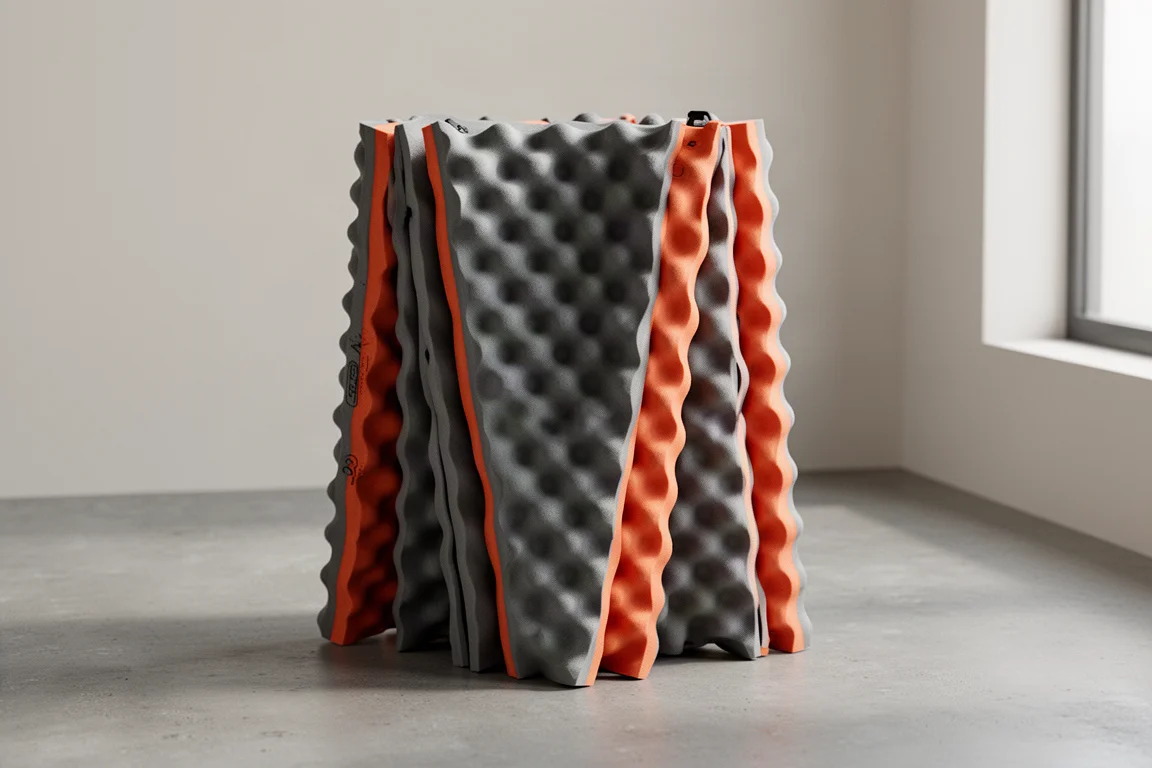
Once you are spending real time on snow, a dedicated winter pad is the better answer. The EXPED Ultra 7R carries an R-value of 7 and uses down-based insulation inside the pad.
In practice, that is warm enough to sleep comfortably on cold ground without a closed-cell pad underneath, which simplifies the whole setup. Paired with a winter-rated quilt or bag, it forms the second half of the sleep puzzle that decides how a winter night actually feels.
A Proven Winter Pad: Therm-a-Rest NeoAir XTherm
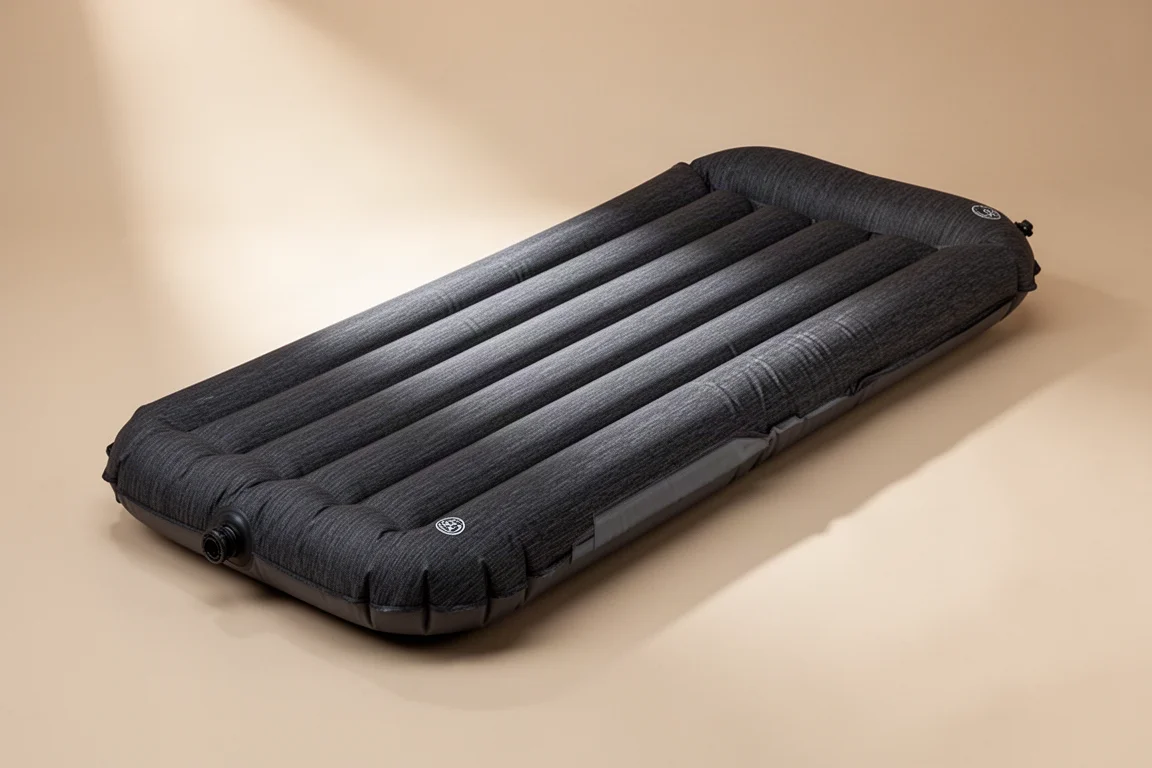
The Therm-a-Rest NeoAir XTherm is the other long-standing option in this category. It is a tried and tested design for winter conditions, and it pairs dependably with a genuinely warm quilt.
Between a pad like this and a winter-rated sleep system, the two halves of the sleep puzzle are covered. That combination is what turns a cold night on snow from something to endure into something you barely notice.
Buying Advice
Start with the cheapest changes and work upward. A closed-cell foam pad under an existing inflatable pad, a liner or a Quillow inside an existing quilt, and a hard shell over your existing layers will extend a three-season kit further than most people expect.
If you are heading out repeatedly in genuinely cold conditions, the priorities shift. A winter-rated pad and a winter-rated quilt or bag are the two purchases that make the biggest difference to how a winter trip feels, and they are worth doing properly rather than improvising around.
Do not overlook the smaller items. Footwear, socks, trousers and spare base layers all matter, and a stove system that performs reliably in cold weather is worth checking before you rely on it.
Conclusion
Winter backpacking does not have to mean a complete gear reset. Understand the conditions you are likely to meet, keep moisture away from your insulation, and treat your sleeping pad as seriously as your quilt.
If you only occasionally stretch a three-season setup into the cold, a closed-cell pad and an added liner will usually be enough. If winter trips are becoming a habit, invest in a winter-rated pad and a winter-rated sleep system and let the rest of your kit do the job it already does well.
Further reading
Related Reviews

Backpacking Gear
Building a 10 lb Base Weight: An Ultralight Backpacking Gear List
A practical walkthrough of the ultralight pieces behind a 10 lb base weight, from a 765 g pack and a roomy one-person tent to a full camp chair and a dependable water filter.
Backpacking Gear
A 15-Pound Lightweight Backpacking Gear List for Solo Trips
A beginner-friendly 15-pound backpacking setup built from easy-to-find gear, with notes on what each piece does, how it packs, and where to spend your attention.
Backpacking Gear
8 Ultralight Backpacking Gear Upgrades Worth Carrying
Eight small, affordable backpacking upgrades that solve real trail annoyances, from a pillow that stays put to a fuel valve that rescues leftover canister gas.