Backpacking Gear
Winter Backpacking Gear Tested on a Snow Overnight: Four Pieces Worth Knowing
Four winter backpacking pieces taken out for a snow overnight at around 16°F, with field notes on shelter, sleep insulation, pad warmth, and pack comfort.
Introduction
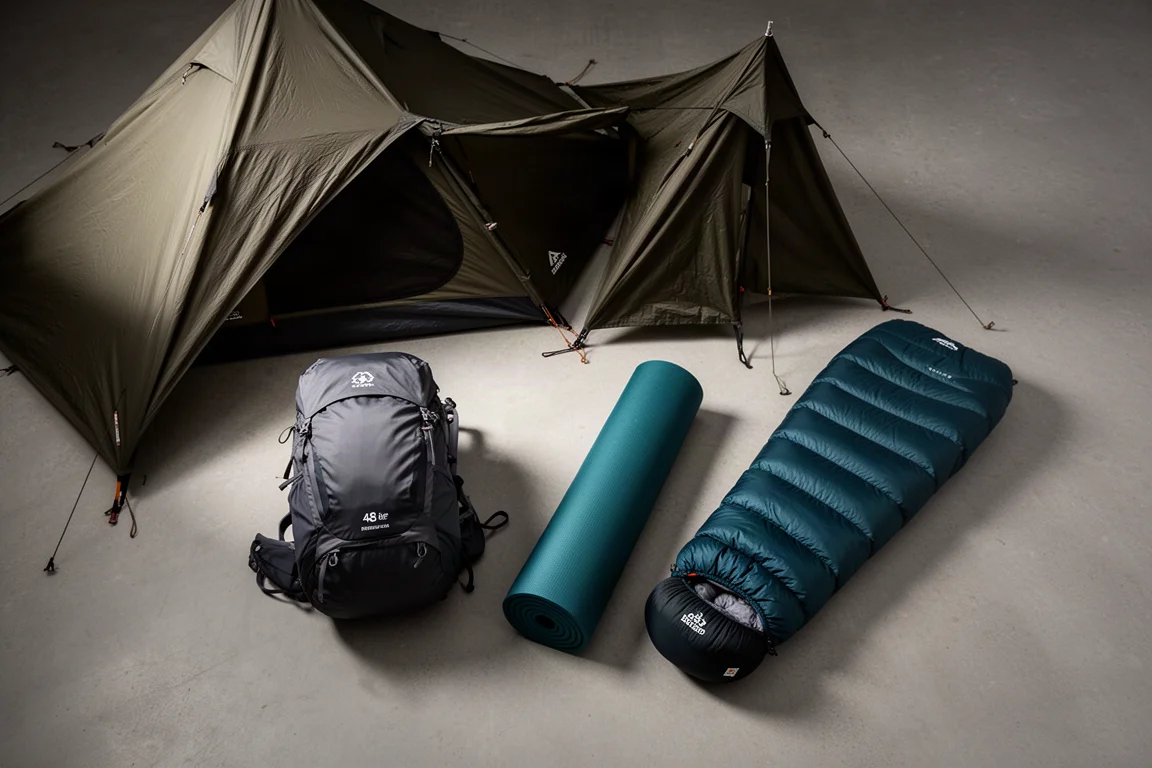
A cold overnight on snow is one of the fastest ways to find out what a piece of gear is actually worth. Four new items went out for a single night at roughly 16°F: a freestanding four-season tent, a down sleeping bag rated for around 18°F, an insulated sleeping pad with a claimed 6.5 R value, and a 48-litre backpack. Camp sat on a few inches of snow in a sheltered pocket of trees, which meant the shelter had to hold up without a serious storm and the sleep system had to work against cold ground rather than cold air alone.
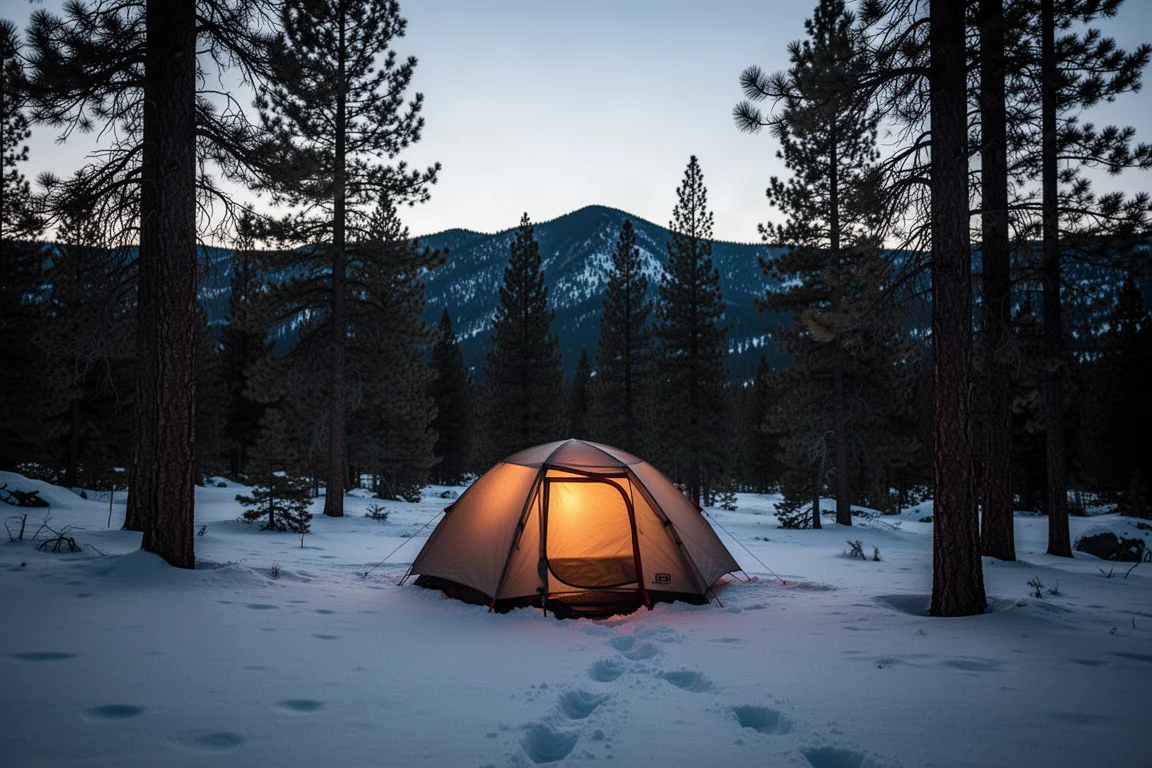
Conditions stayed cold but manageable through the evening, with the temperature sliding from the low twenties into the teens and humidity hovering in the high fifties. That combination is where sleeping pads tend to show their real character, and where a comfort rating gets tested honestly.
How These Four Pieces Were Tested
Everything was carried in on a short approach and pitched on snow, with an ambient thermometer logging conditions through the evening. Readings dropped from around 22°F at setup to roughly 18°F by dinner, then settled near 16°F overnight. The sleeping pad was deliberately used without a closed-cell foam layer underneath for the first part of the night, so any cold transferring up from the snow would be obvious rather than masked. A closed-cell foam pad was kept nearby as a backup and added later.
The tent was pitched in shallow snow without a heavy weather load to prove its guy-out points, so the notes below focus on structure, interior space, and how the shelter handled condensation and interior frost.
Tarptent Arcdome: A Freestanding Four-Season Shelter
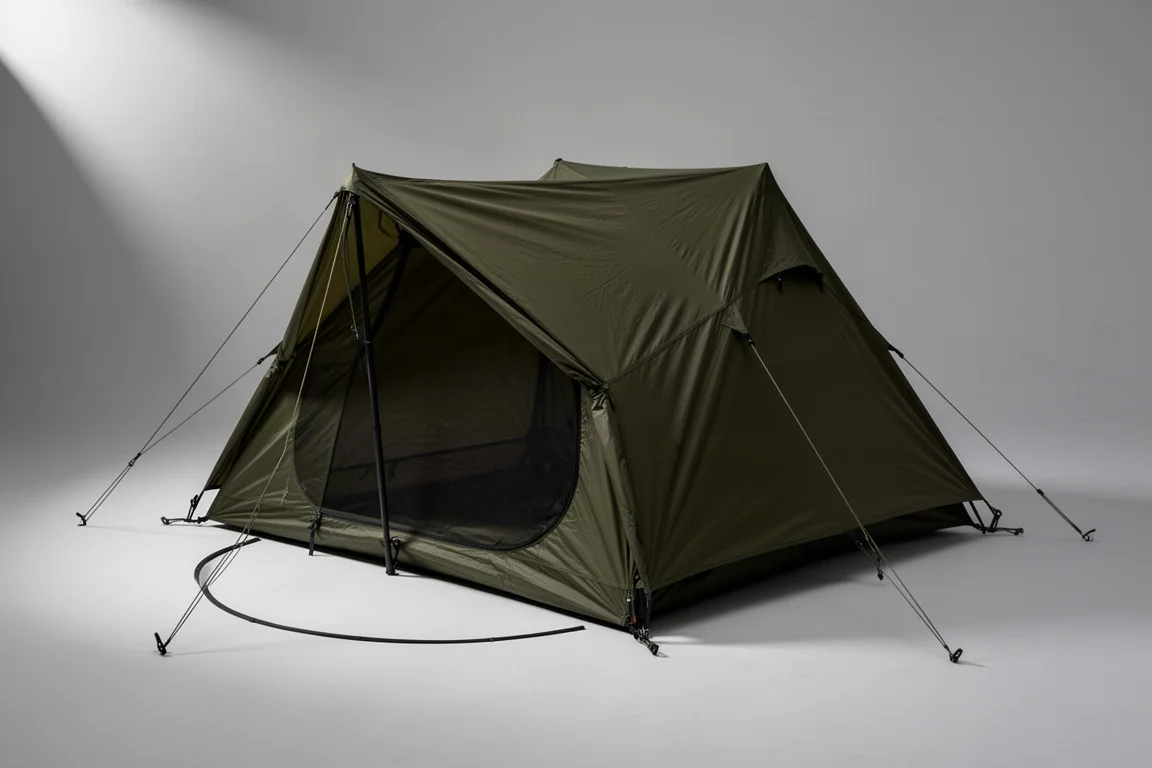
The Arcdome is a one-person, fully freestanding four-season tent, and it feels like one. The pole structure builds into a stiff, stable frame rather than a light three-season shell, and the option to run carbon poles or an aluminium set gives buyers a choice between weight and toughness.
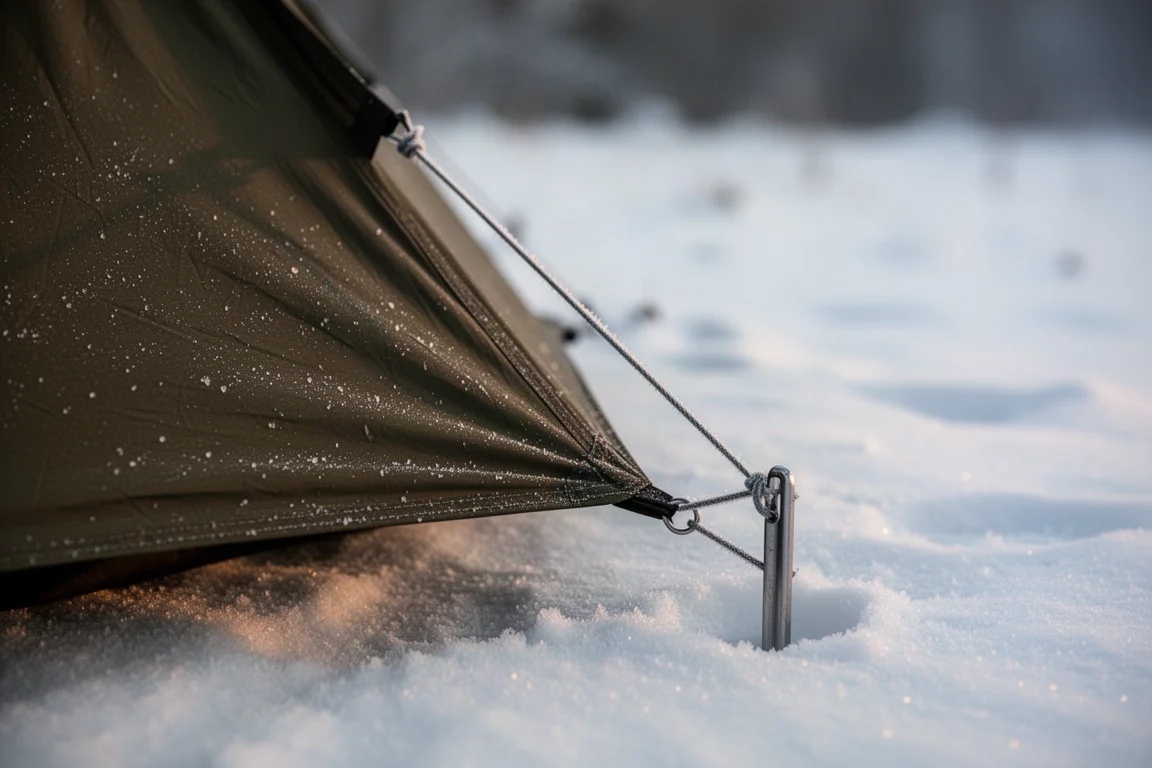
The most unusual detail is the staking arrangement. Rather than anchoring the corners, the tent uses guy lines that sit roughly nine to ten inches above each corner, which takes a moment to get used to but produces a taut pitch once everything is tensioned. Threading the pole sleeves is the other quirk: they arrive stiff, so the final section needs a firm push into the corner before the frame locks up. That should ease with use.
Inside, the Arcdome is unusually roomy for a solo shelter. The floor shape arcs around to create a generous vestibule alongside a separate gear storage area that stays out of the sleeping space, and the door opens wide enough to move in and out without contortions. Interior pockets are plentiful, which matters on a winter night when gloves, a headlamp, and a water bottle all need a home. Length is another deliberate strength: enough room to keep gear away from the walls where condensation freezes into interior frost. A solid inner is available as an option, which suits cold, windy nights.
Cumulus Spotter 600: Arm Zips, Snug Hood, and a Real Comfort Limit
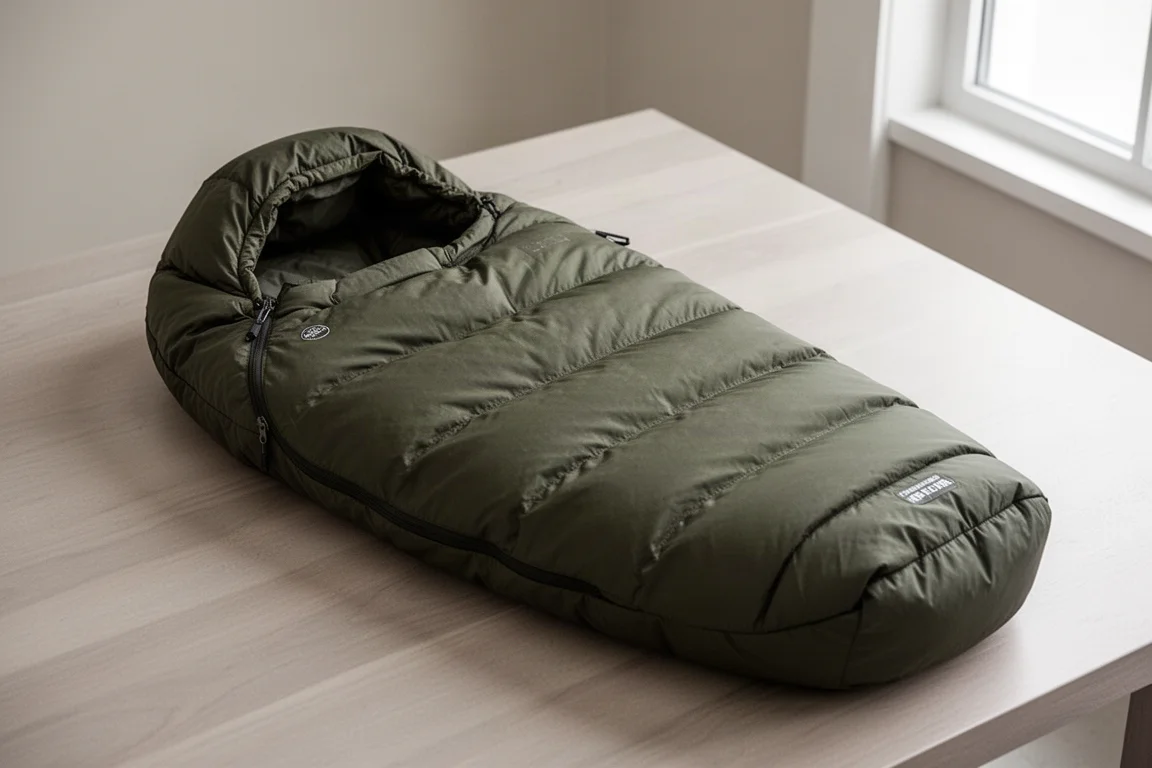
The Spotter 600 is rated to a comfort limit of around 18°F and carries 600 g of insulation, so a night near 16°F was always going to sit just past the edge of what it promises. It performed exactly that way: warm enough to sleep, not warm enough to be careless. Adding a quilt over the top made the difference between tolerable and comfortable, which is worth planning for whenever the forecast is in the teens.
The bag itself is beautifully made. Fabric selection and detailing are the standout, and the shape is more purposeful than most. Zips over the shoulders let you push an arm out and sit up without leaving the bag, which turns it into something you can wear around camp in the evening rather than a cocoon you only enter to sleep. The hood is snug and close-fitting, though the overall silhouette is different enough from a conventional mummy bag that the first night takes a little adjustment.
Naturehike NKTR: Comfortable, But the Claimed R Value Does Not Hold Up
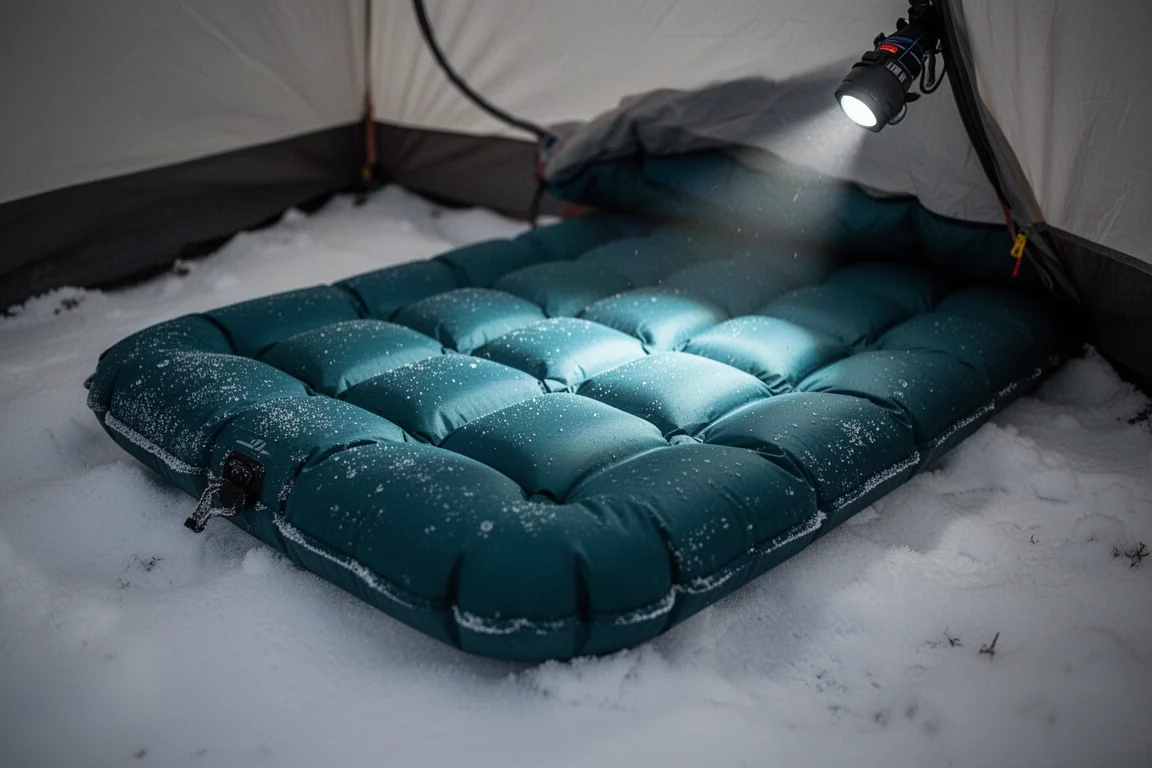
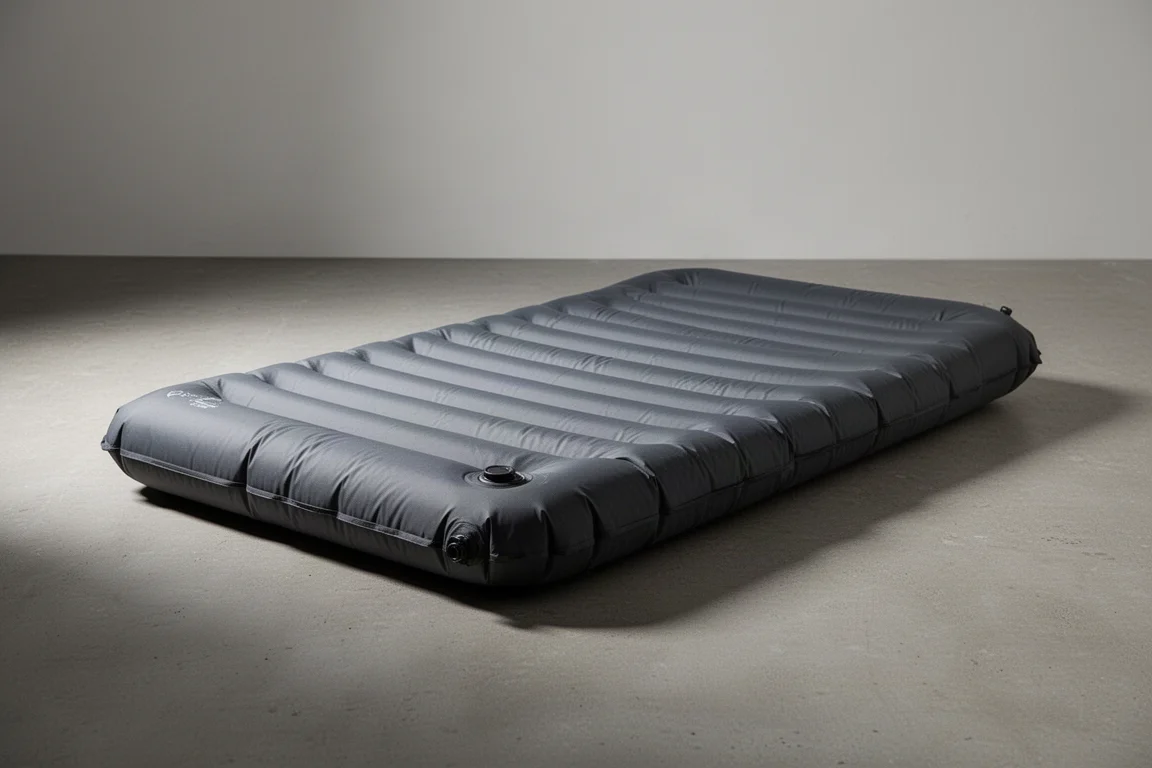
At around $100, the NKTR is the value play in this group, and on comfort alone it earns its place. It is one of the most comfortable pads of its type, with a stable surface that supports side sleeping and does not feel like a bare air mattress. That part of the design is genuinely good.
Warmth is the problem. The pad claims an R value of 6.5 and eight layers of insulation, but the insulation is arranged in a way that leaves gaps around the weld points where the baffles meet. Those gaps act as cold spots, and lying on snow at 16°F, cold transfer through the pad was immediate and obvious. Judged by feel, the pad behaves closer to something in the R value 4 range, which is a meaningful gap from the number on the spec sheet. A closed-cell foam pad underneath helped, but not enough to make the combination a confident winter setup at those temperatures.
The broader lesson is worth repeating: a single R value cannot capture ground temperature, ambient temperature, humidity, or whether the pad is pressed against a frozen tent wall. Pads with a lower published R value and overlapping, offset insulation have felt warmer on similar frozen ground. The NKTR is a comfortable, affordable three-season pad, and buyers should treat the winter claim with caution.
ULA Circuit SV: A New Version of an Established Pack
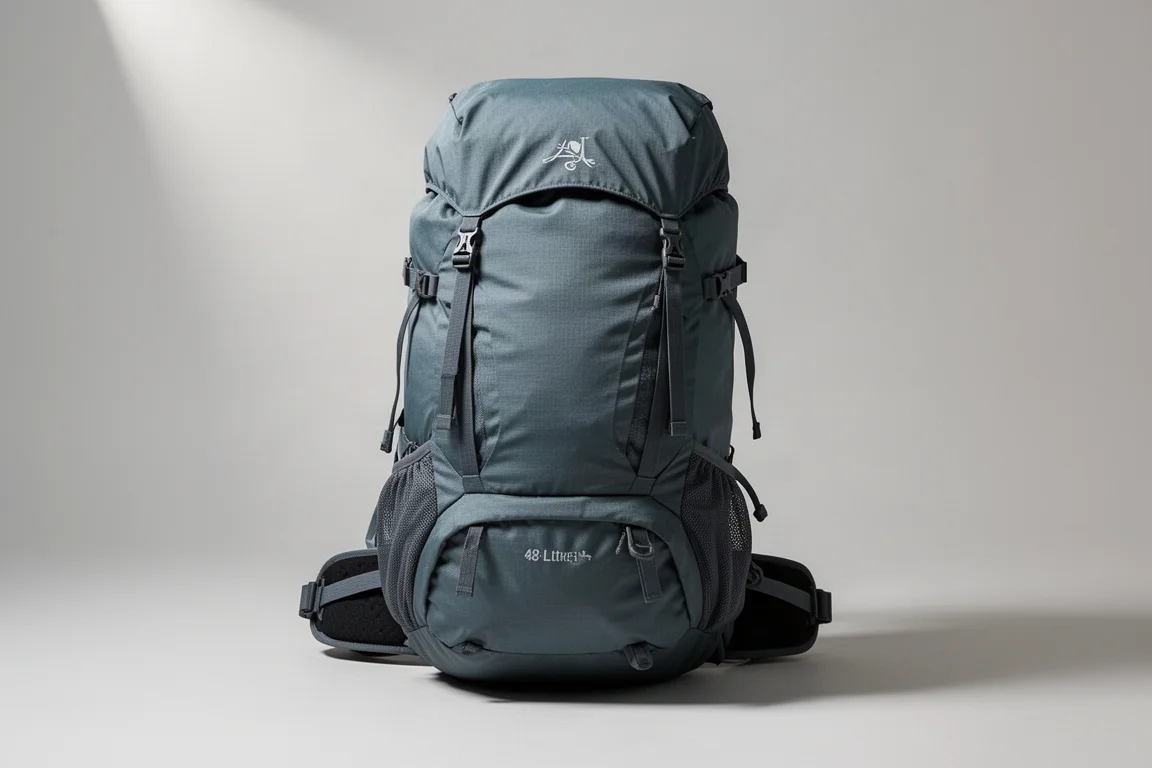
The Circuit SV takes a long-standing pack design and updates it. The original Circuit has been around for years, so the SV is the new variable, and it is the version worth looking at if you want a mid-volume pack that carries well without weighing much.
At 48 litres, the capacity is right for multi-day trips with moderate loads. Loaded to roughly 22 to 24 lb, it carried comfortably on the hips, with the weight transferring cleanly rather than hanging off the shoulders. Over a short approach that is a limited sample, but the fit and hip belt made a strong first impression, and the pack is lined up for a longer multi-day trip.
Buying Advice for Cold Overnights
Cold-weather gear is less about headline numbers and more about how the pieces work together. The tent in this group buys the most margin: a four-season, freestanding shelter with real length and a solid inner option gives you somewhere dry to ride out a long winter night, and the extra space keeps frozen condensation off your gear.
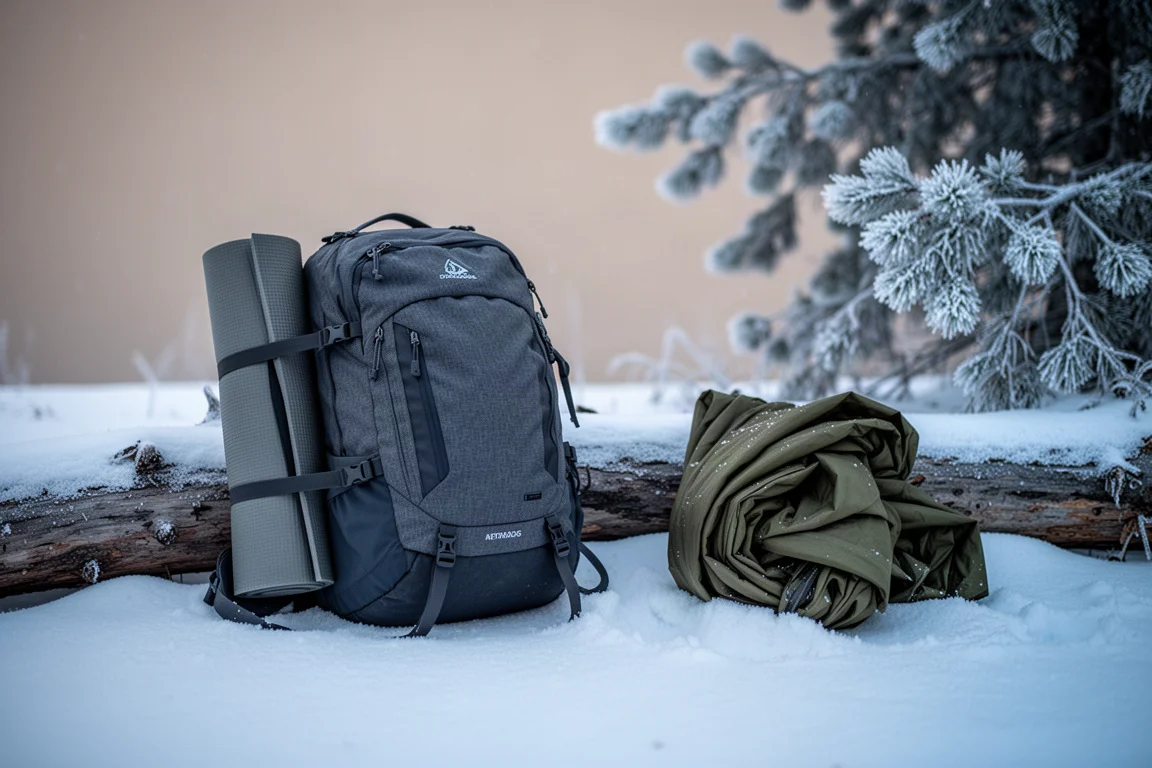
For the sleep system, treat comfort ratings as a starting point rather than a promise. If the forecast sits at or below a bag’s comfort limit, bring supplemental insulation and expect to use it. On pads, weigh the insulation layout as heavily as the R value: overlapping and offset layers are what keep cold spots from forming at the weld points, and a closed-cell foam layer underneath remains the cheapest insurance on snow.
A 48-litre pack is a sensible volume for two to four nights of cold-weather gear if your kit is reasonably compact, and comfort at around 22 to 24 lb is a more useful benchmark than maximum load claims.
Conclusion
One cold night on snow separates marketing from performance. The Arcdome delivered the space and structure a winter shelter needs, the Spotter 600 impressed on build and features while reminding anyone heading into the teens to bring extra insulation, and the Circuit SV carried a moderate load comfortably. The NKTR is the outlier: comfortable, affordable, and honest mainly as a three-season pad, whatever the claimed R value says.
Further reading
Related Reviews

Backpacking Gear
Building a 10 lb Base Weight: An Ultralight Backpacking Gear List
A practical walkthrough of the ultralight pieces behind a 10 lb base weight, from a 765 g pack and a roomy one-person tent to a full camp chair and a dependable water filter.

Backpacking Gear
A 15-Pound Lightweight Backpacking Gear List for Solo Trips
A beginner-friendly 15-pound backpacking setup built from easy-to-find gear, with notes on what each piece does, how it packs, and where to spend your attention.

Backpacking Gear
8 Ultralight Backpacking Gear Upgrades Worth Carrying
Eight small, affordable backpacking upgrades that solve real trail annoyances, from a pillow that stays put to a fuel valve that rescues leftover canister gas.