Backpacking Gear
Winter Backpacking Gear List: 8 Pieces That Held Up in Deep Cold
A field-tested winter backpacking kit built around a hot tent, light snowshoes, insulated boots, and a layered sleep system that stayed warm near minus 15 degrees.
Introduction
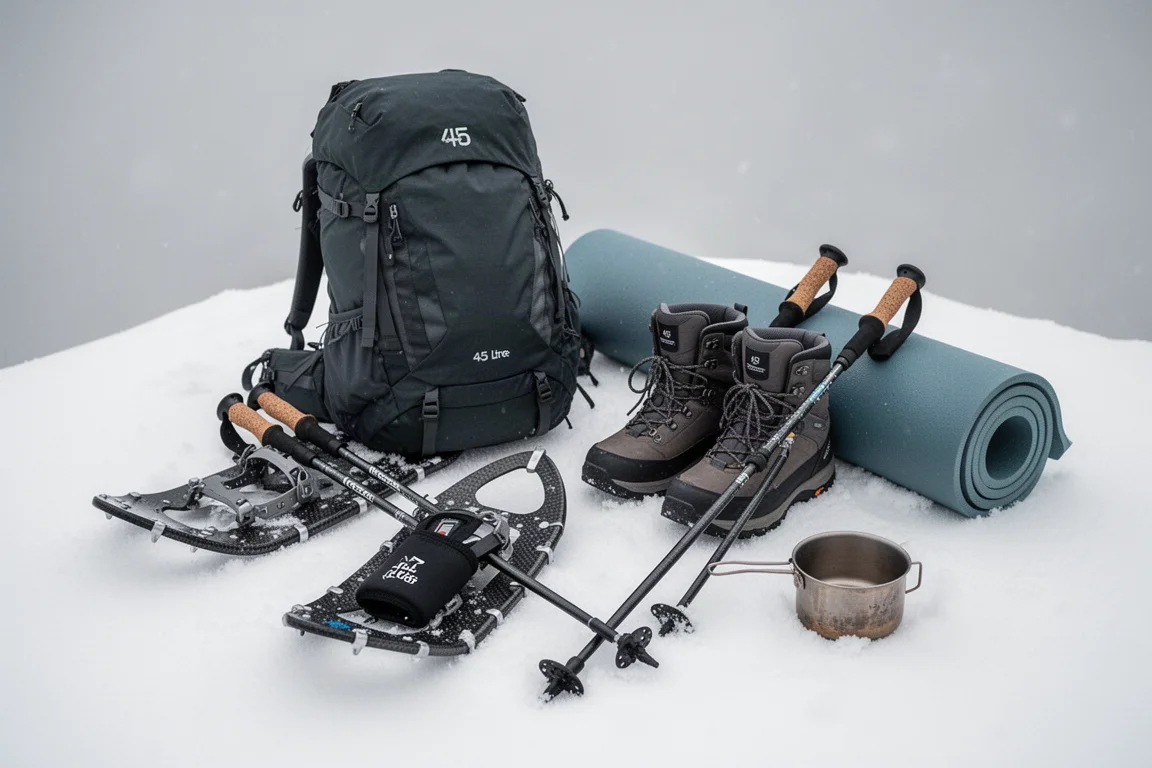
Some trips test a kit in ways a mild weekend never will. This one was a cold-weather push into deep snow, with wind, fresh snow falling, and an overnight camp where the temperature came close to minus 15 degrees. The goal was simple: stay warm, keep the load manageable, and find out which pieces actually earned their place.
Everything below was carried on that trip, from the pack itself to the shelter, the sleep system, and the small tools that quietly matter more than they should. Total weight on the way in was about 32 pounds with three litres of water, food, and camera gear. On the way out, with food and water consumed, the pack came in closer to 20 pounds.
How This Gear List Was Tested
Conditions were the real test. The route climbed through soft, uncompacted snow, the kind of surface that punishes both footwear and the person wearing it. Snowshoes went on and off, poles were lifted high with every step, and camp was pitched in a spot where snow had to be cleared before anything could be set up.
Worn layers handled the moving part of the day: merino wool socks, a merino base layer, wool bottoms, a hooded mid layer, and softshell pants. The plan was to hike in the lighter layers and add insulation at camp, which kept sweat to a minimum on the climbs and left dry layers for the cold hours.
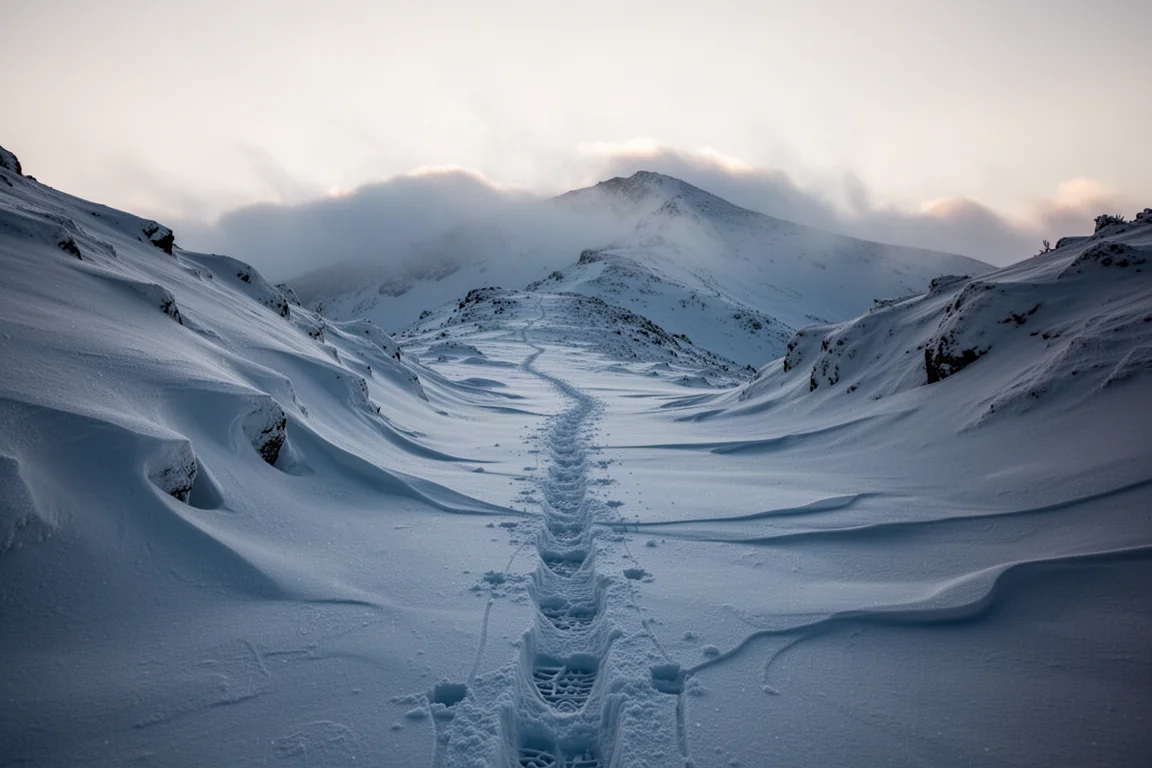
The overnight setup was the piece that mattered most. A hot tent with a wood stove, a foam pad strapped on top of the pack, and a layered sleep system all belonged to a kit that stayed comfortable on the coldest night recorded on trail so far.
Komperdell Carbon Airframe Snowshoes
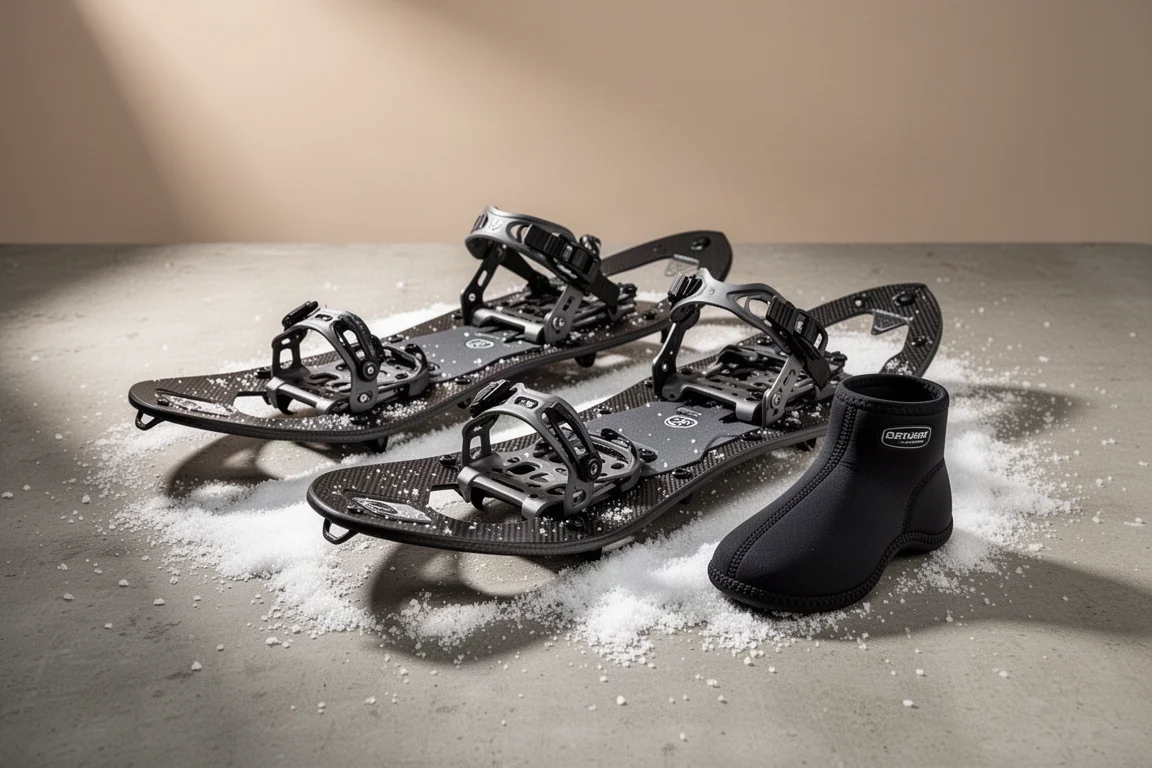
These were the newest item on the trip, and the first impression was weight. A carbon-fibre frame keeps them notably light, which is easy to appreciate when they are strapped to a pack on a long approach.
The neoprene toe cover that came with them turned out to be the quiet win of the trip. Snow and moisture stay off the boot seams, and on a day of constant wet snow that matters, because even good boots eventually let water work into the stitching when it sits on the seams for hours. The snowshoes performed well, though the route itself was never going to be ideal snowshoe terrain.
Salomon Tundra Boots
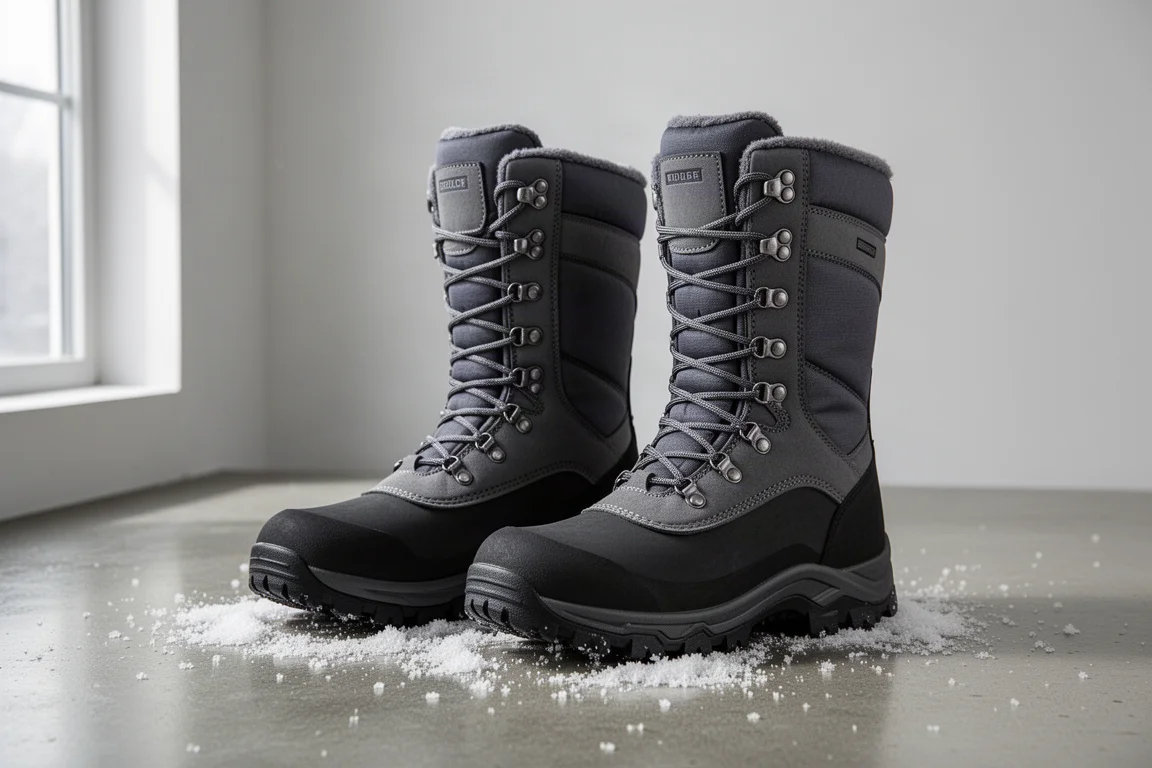
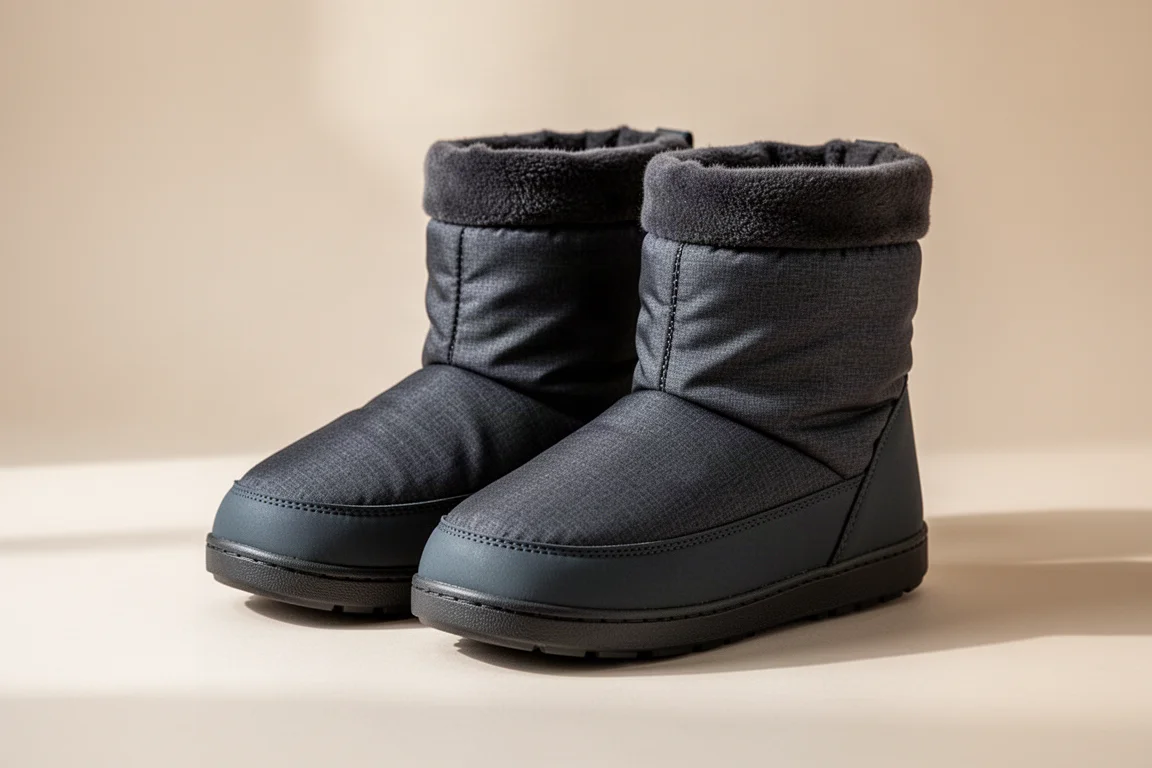
Warmth and weight are usually a trade-off in winter boots, and these were chosen specifically to break that pattern. They are heavily insulated, very warm, and still light enough to wear all day without feeling like anchors.
This was a first outing with them, and they handled the conditions well: warm feet through long hours in snow, no break-in complaints, and enough support underfoot for steady uphill work. The one caveat is a general one. Any insulated boot will eventually take on moisture at the seams during sustained wet snow, which is exactly why the toe covers above proved so useful.
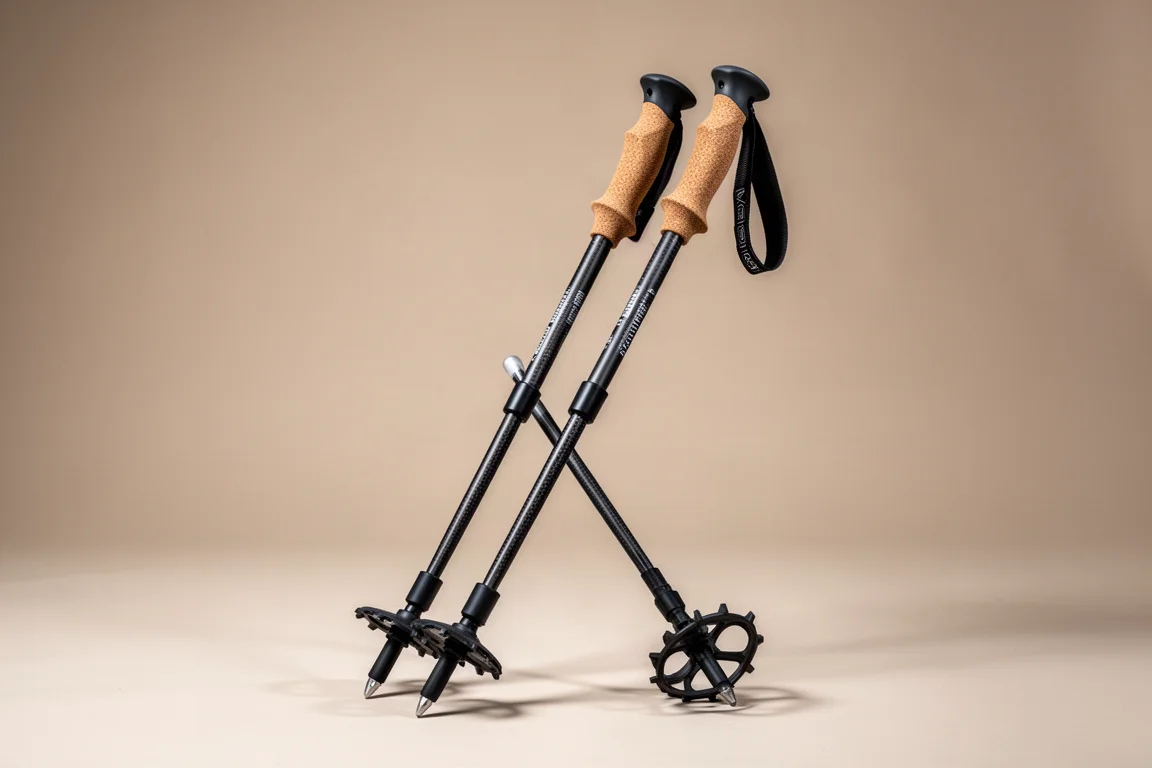
Komperdell Cloud Carbon Poles
Poles do unglamorous work on a trip like this: balance on the descent, support on the climbs, and a surprising amount of upper-body effort when the snow is deep. These carbon poles came with cork grips and, finally, snow baskets.
The baskets make a real difference in soft snow, since a bare tip punches straight through. Deep, uncompacted snow still means lifting each pole high on every step, and that workload lands in the shoulders by the end of the day. Even so, the poles worked well and stayed comfortable to grip over long hours.
Seek Outside Silex
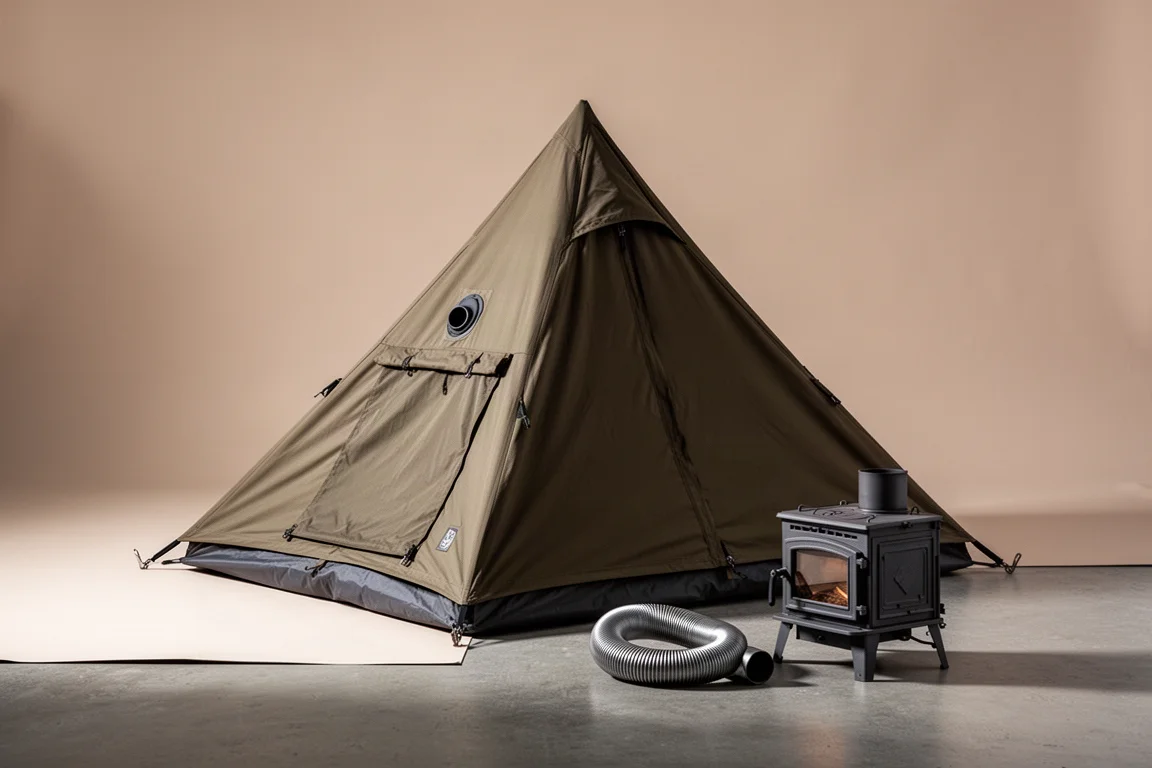
The shelter was the biggest upgrade in the kit. The Silex is a hot tent with a stove jack, and it replaces an earlier hot tent that never quite delivered. It packs down small, pitches taut when it is set up properly, and pairs with a compact wood stove that adds roughly two pounds.
That combination keeps a full hot tent setup under about four pounds, which is a serious number for anyone who wants stove heat without a heavy shelter. A footprint and a set of stakes complete the package. The practical payoff is a dry, warm place to sit at the end of a cold day and a much more comfortable transition into the sleeping bag.
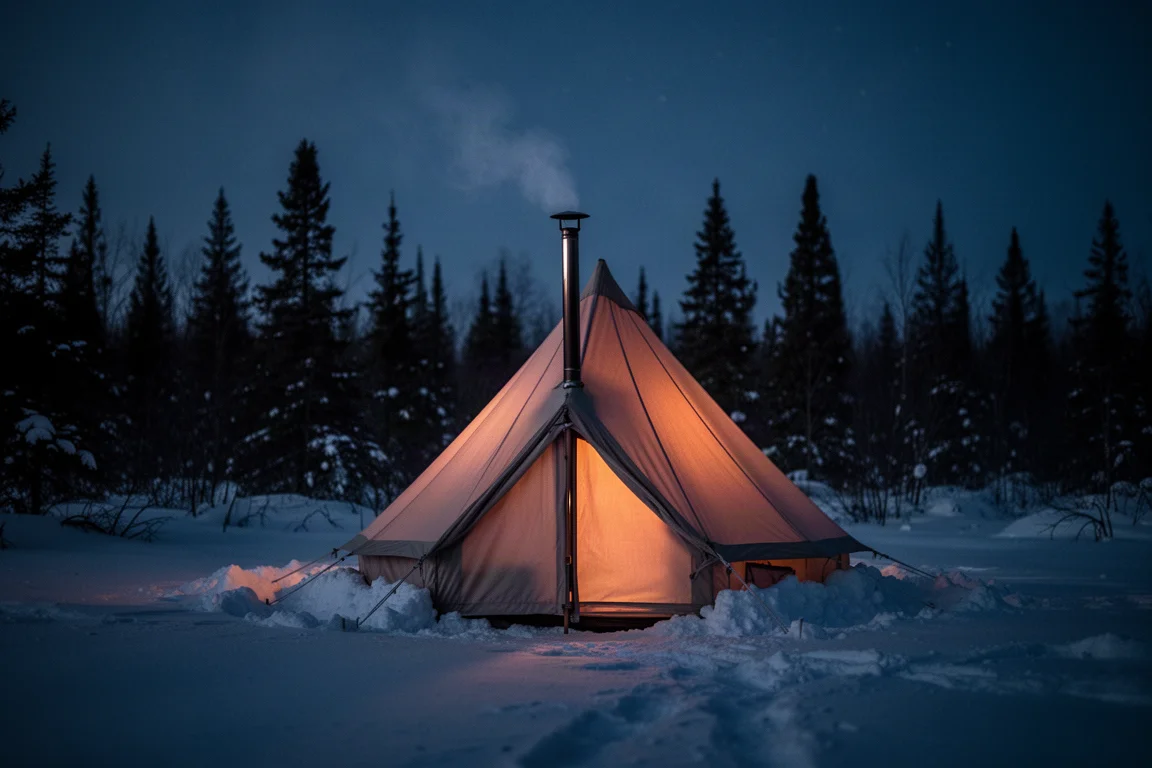
Pitching in deep snow takes a little patience, and the tent rewards a careful setup. Once it was up and the stove was running, it changed the character of the evening completely.
Toaks 700ml Titanium Pot
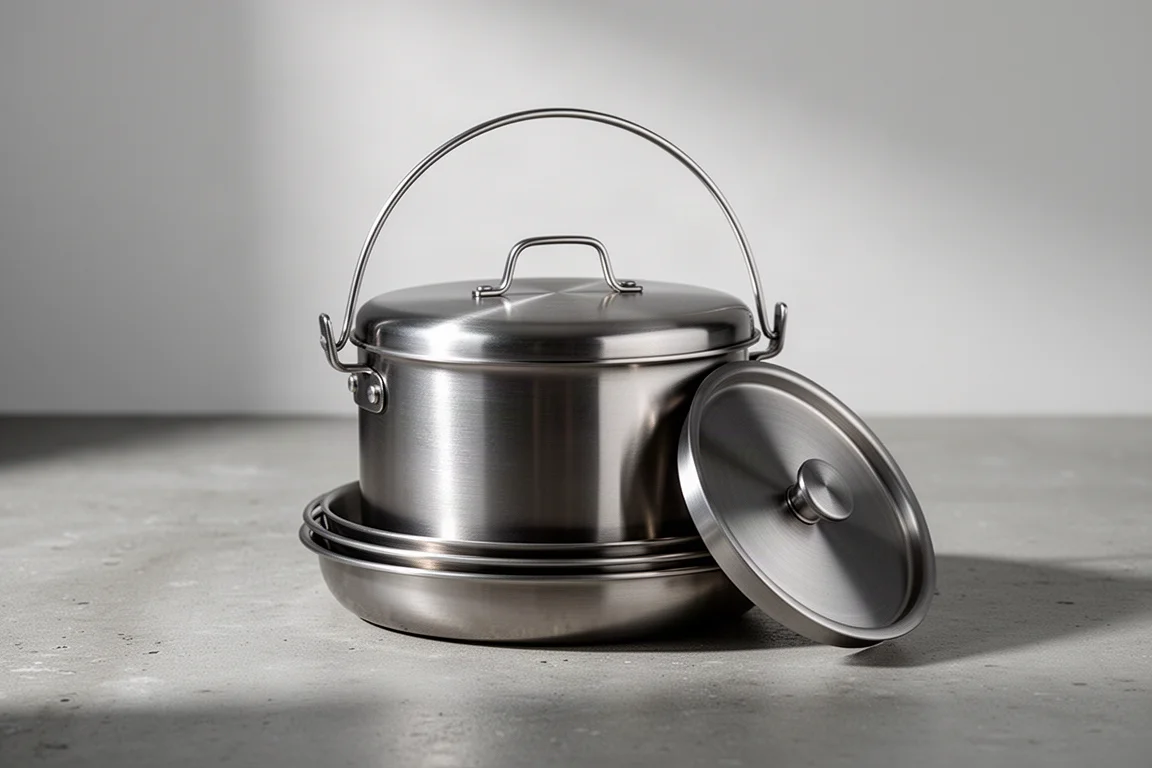
Cook kits tend to earn their keep through clever packing rather than features. This titanium pot stores its lid on the base, which turns the whole thing into a container that food can be packed into, saving space elsewhere in the pack.
Titanium keeps the weight down to almost nothing, and the pot is simple to manage in camp. It is a solo-sized piece of cookware, so it suits straightforward meals rather than elaborate cooking, and it disappears into the pack once it has done its job.
Outdoor Vitals LoftTek Hybrid Booties
Sleeping warm in deep cold comes down to layers, and the booties were part of a system that worked. The approach was to stack a 30-degree top quilt with a 15-degree bag, then fill the gaps around the body with insulation.
That combination held up on a night that came close to minus 15 degrees, the coldest recorded on trail so far. The insulated booties kept feet warm inside the bag, where cold feet are usually the first thing to ruin a night. It is a flexible setup too: the lighter quilt covers summer, the warmer bag handles shoulder seasons, and together they reach much lower temperatures.
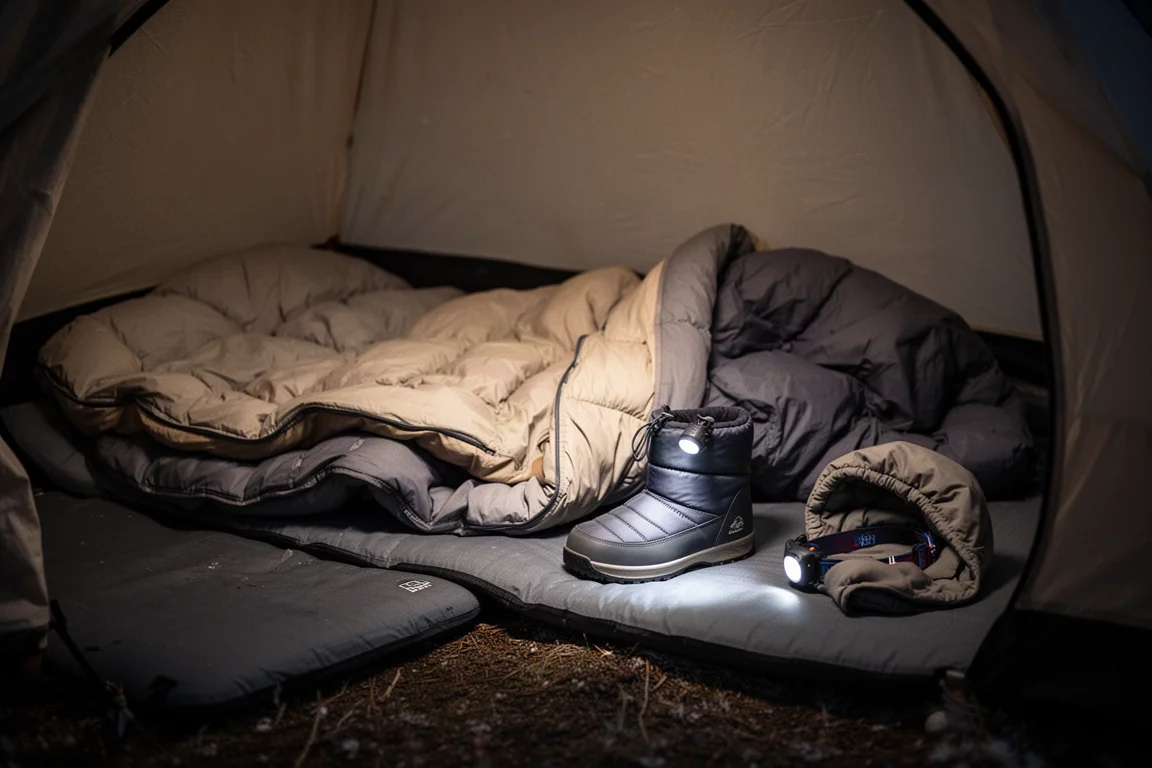
Packing a layered system takes a little discipline, since two bags plus booties fill space quickly. The trade is worth it on a trip where the overnight temperature is genuinely uncertain.
Garmin inReach Mini
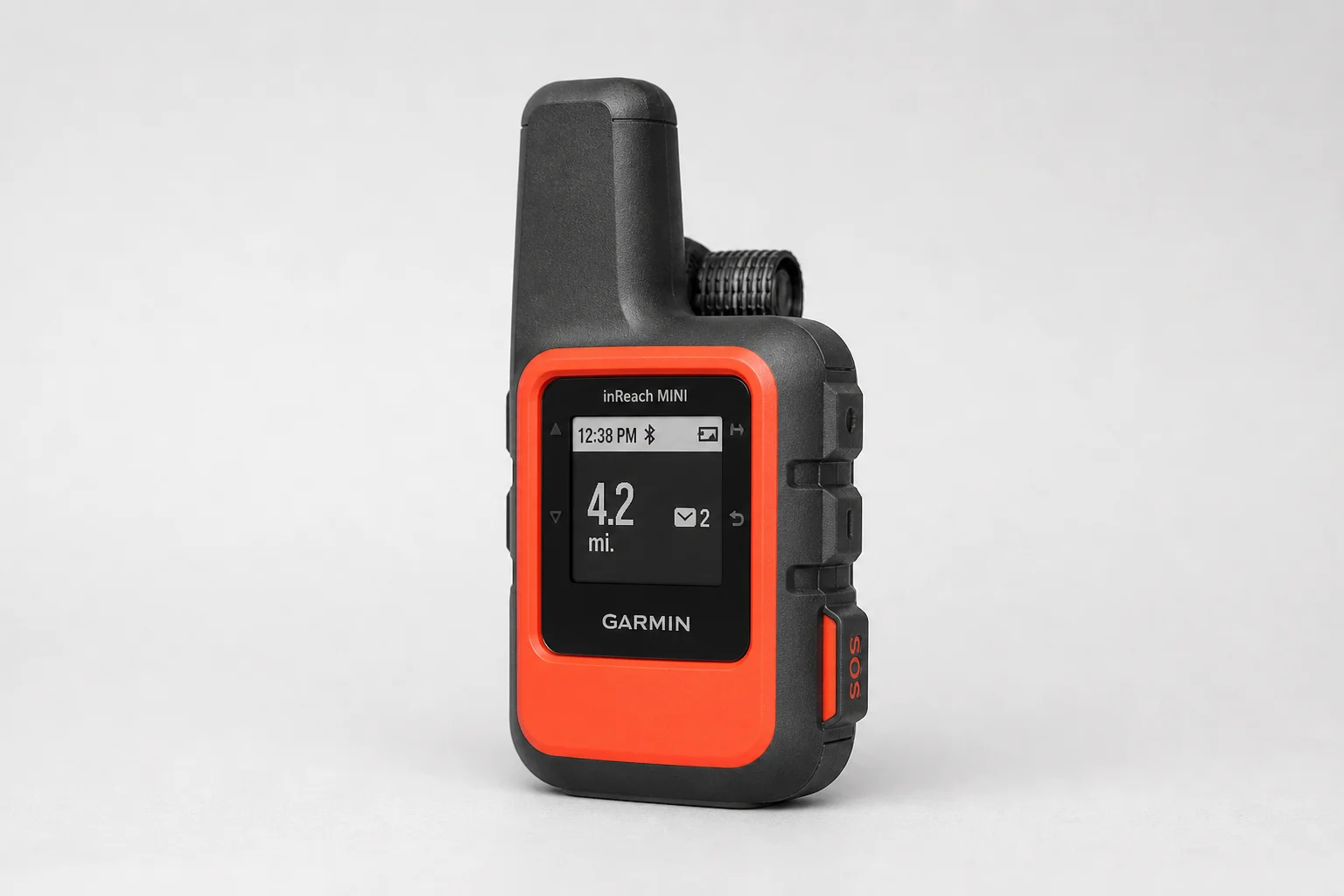
Some items are carried in the hope that they are never needed, and this is one of them. The inReach Mini stays clipped to the outside of the pack, ready for a situation where a phone has no signal.
On a trip that pushes into remote terrain and low temperatures, that capability is worth the small weight penalty. It also needs to be kept charged, which means planning it into the same battery routine as camera gear.
Shadow Light 45L Pack
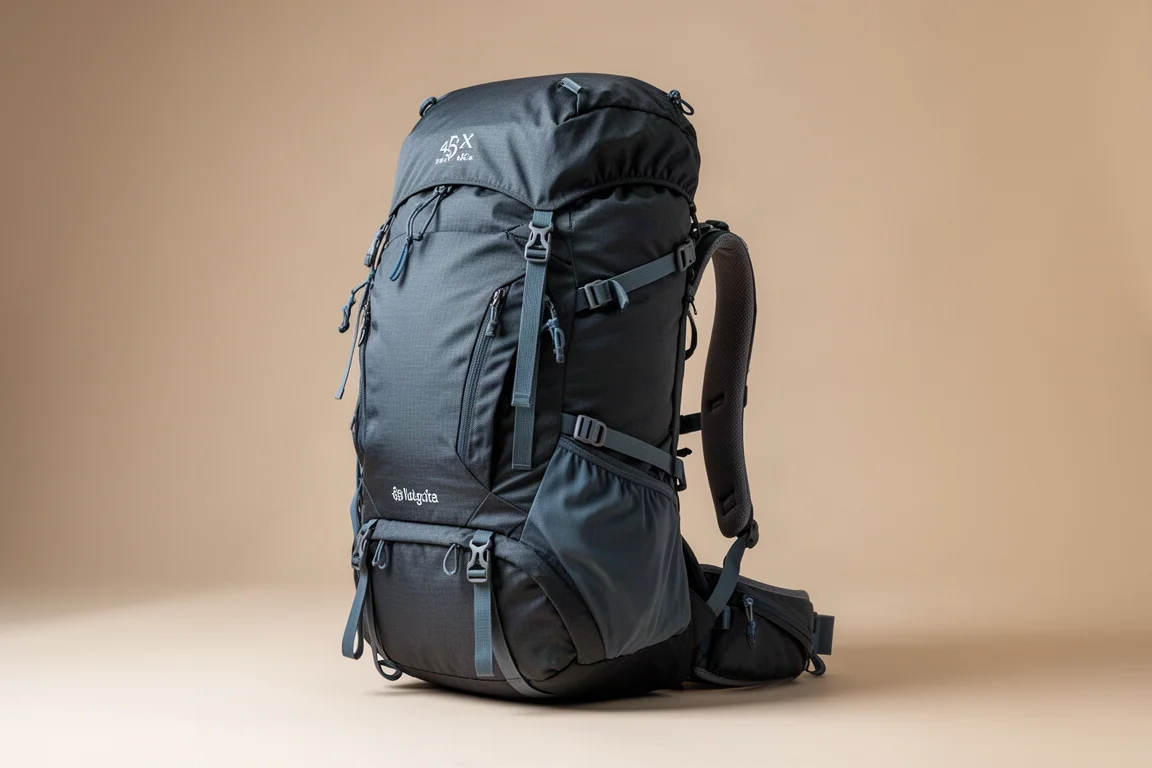
One pack covers every season here. The 45-litre Shadow Light fits the full winter kit, including shelter, sleep system, food, and camera gear, which is why it is the default choice rather than a seasonal swap.
The layout does a lot of quiet work. Large outer pockets hold wet or bulky items that should be the last things packed, side pockets keep snacks and small essentials within reach, and a dedicated pocket holds camera gear and a headlamp so they are always in the same place. Loaded with three litres of water and all the camera equipment, the pack came in around 32 pounds on the way in and closer to 20 pounds on the way out.
What I Would Change
Honestly, very little. The kit performed the way it was supposed to, and the pieces that saw the most use were the ones chosen with weight and warmth in mind.
Two items went unused: down pants and rain gear. Both are safety layers carried on the assumption that the weather might turn, and on a forecast like this one they could arguably have stayed behind. Leaving them is a judgement call, and one that is easy to second-guess in either direction. The gloves were the one genuine weak point, trapping moisture inside and letting hands get cold, so a different glove setup is worth testing next time.
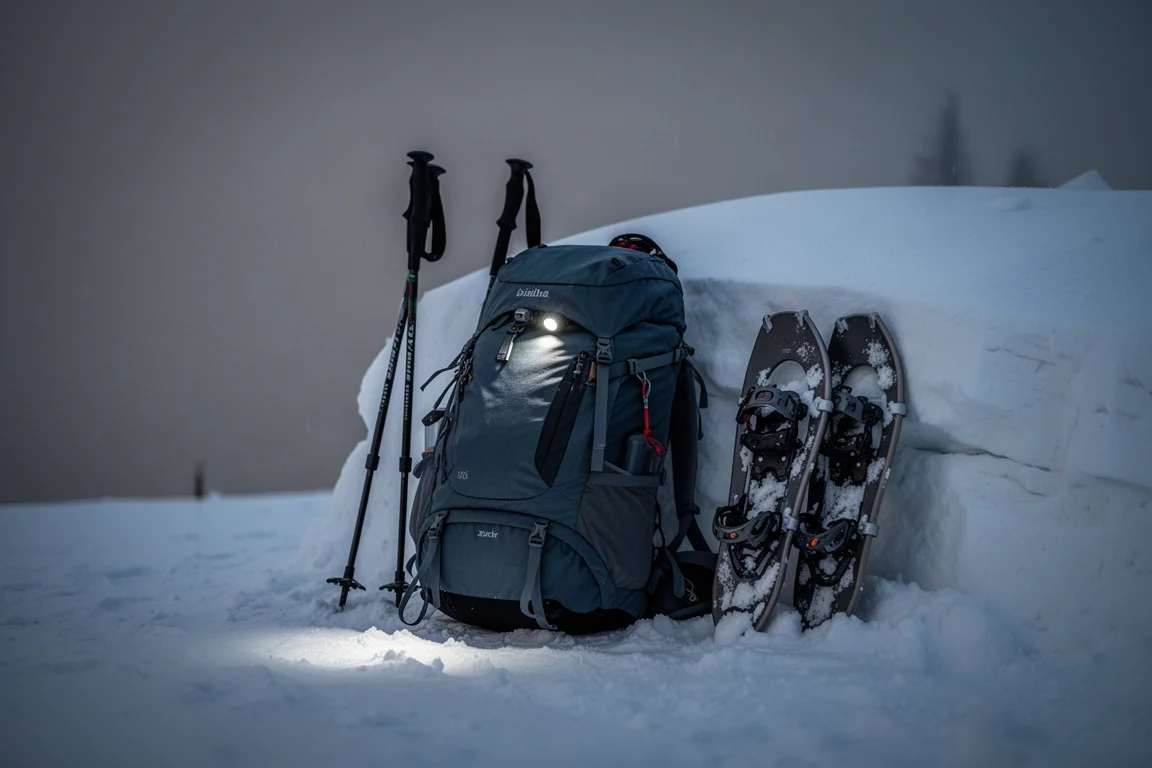
If there is a broader lesson, it is that the sleep system and the shelter deserve the most attention in a winter kit. Everything else supports those two decisions, and both of them were right on this trip.
Conclusion
A winter kit is only proven in winter conditions, and this one held up: warm nights near minus 15 degrees, light snowshoes for the approach, insulated boots that stayed comfortable, and a hot tent that turned a cold camp into somewhere worth spending an evening. The pieces worth prioritizing are the shelter, the sleep system, and the footwear, with the rest of the kit built around them.
Further reading
Related Reviews

Backpacking Gear
Building a 10 lb Base Weight: An Ultralight Backpacking Gear List
A practical walkthrough of the ultralight pieces behind a 10 lb base weight, from a 765 g pack and a roomy one-person tent to a full camp chair and a dependable water filter.

Backpacking Gear
A 15-Pound Lightweight Backpacking Gear List for Solo Trips
A beginner-friendly 15-pound backpacking setup built from easy-to-find gear, with notes on what each piece does, how it packs, and where to spend your attention.

Backpacking Gear
8 Ultralight Backpacking Gear Upgrades Worth Carrying
Eight small, affordable backpacking upgrades that solve real trail annoyances, from a pillow that stays put to a fuel valve that rescues leftover canister gas.