Backpacking Gear
Winter Backpacking Gear: 12 Items From A Remote Ice Storm Trip
A budget-focused winter backpacking kit used on a 3.5-mile loop in remote Pisgah National Forest, with honest notes on what worked, what did not, and what to check before buying.
Introduction
A forecast calling for four or five inches of snow turned into a night of freezing rain, a forest coated in ice, and a thunderstorm rolling through just as the pack was being closed. That is the kind of trip that sorts gear quickly into two groups: the items that earn their weight, and the items that need a hard look.
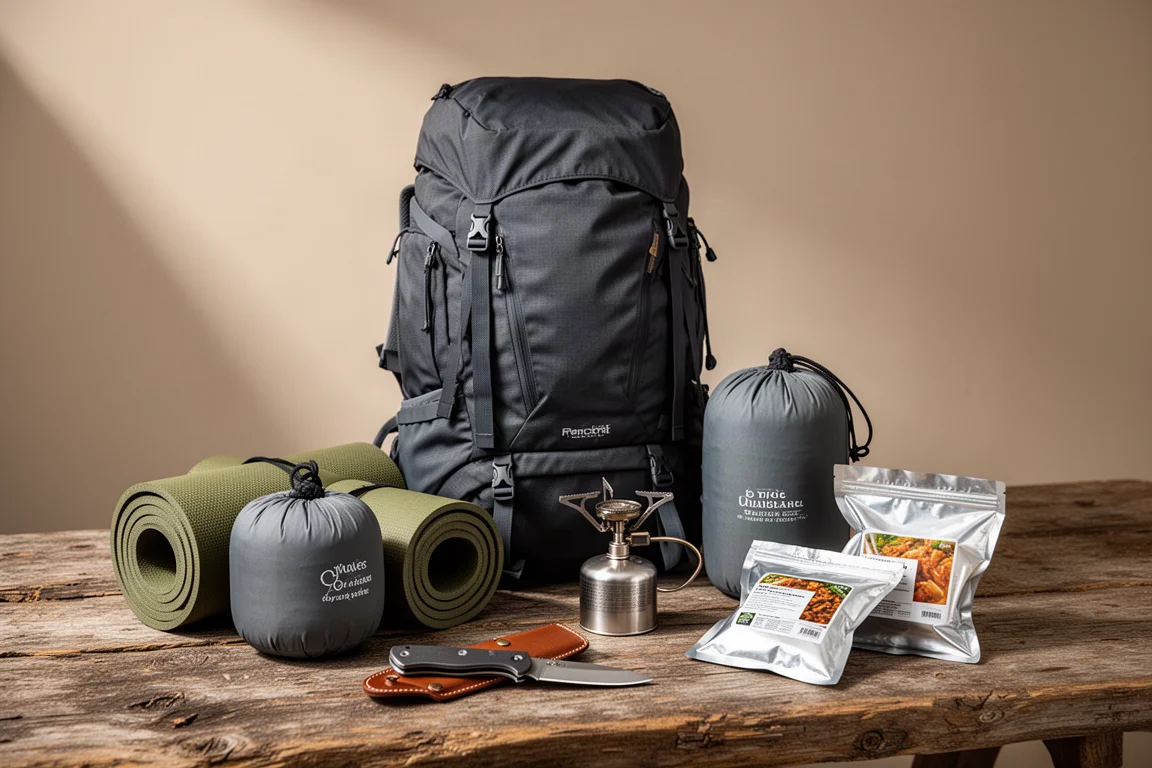
The route was a 3.5-mile loop in a remote corner of Pisgah National Forest, an area with patchy phone service and no ranger presence nearby. Self-reliance is not a slogan out there, it is the operating condition. The kit was deliberately budget-focused, with the three main Naturehike items coming to $258 in total.
Below is every item carried, what it did well, and the trade-offs worth understanding before you buy.
Planning For Weather That Does Not Cooperate
The forecast was wrong in the most instructive way. Freezing rain fell hard through the night and into the morning, and the storm cleared right as the drive out began. Air temperature sat at exactly 32 degrees Fahrenheit, while the ground stayed slightly warmer, which kept the roads passable and prevented a far more difficult exit.
Ice rewrites the risk profile of a forest fast. Limbs and trees come down, roads glaze over, and the decision to leave becomes the single most important judgment of the trip. Knowing when to bail is not a failure or a sign of timidity. It is good sense, and it is the same good sense that keeps hikers out of the rescue reports that follow every winter storm.
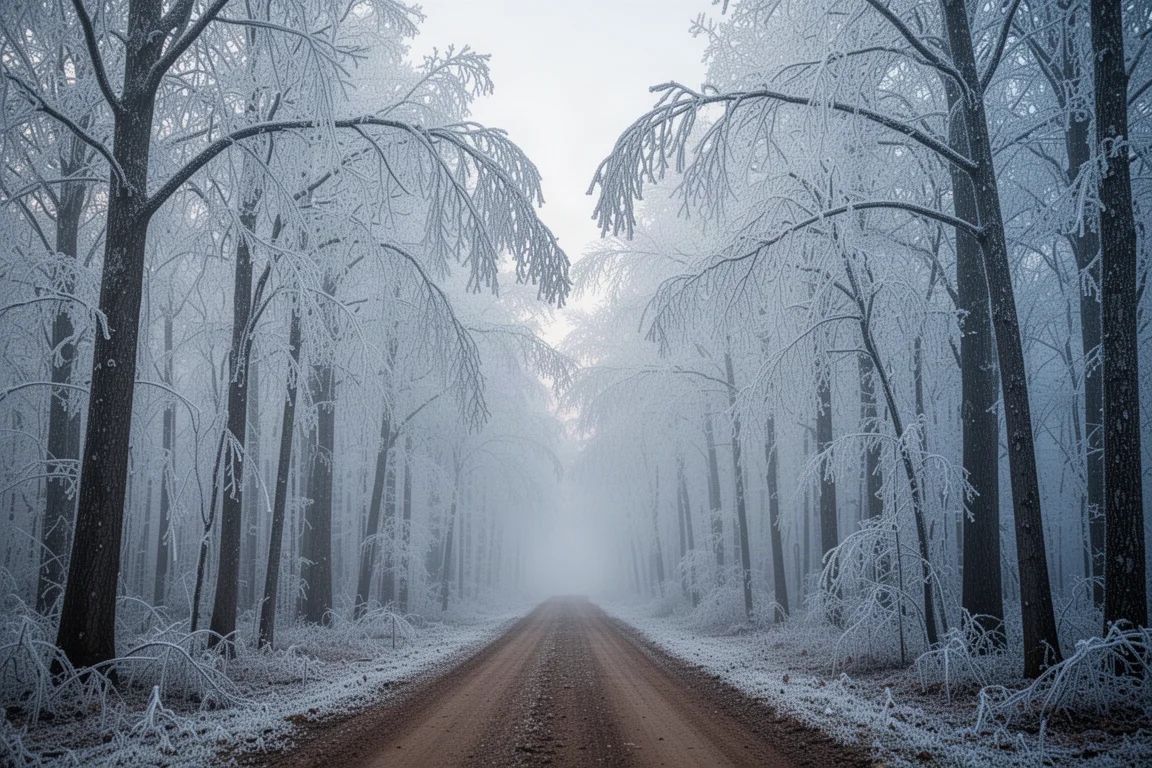
None of that takes away from how striking the conditions were: every tree coated, every branch bent under the weight of it. A trip like this rewards preparation far more than optimism.
Gaia GPS
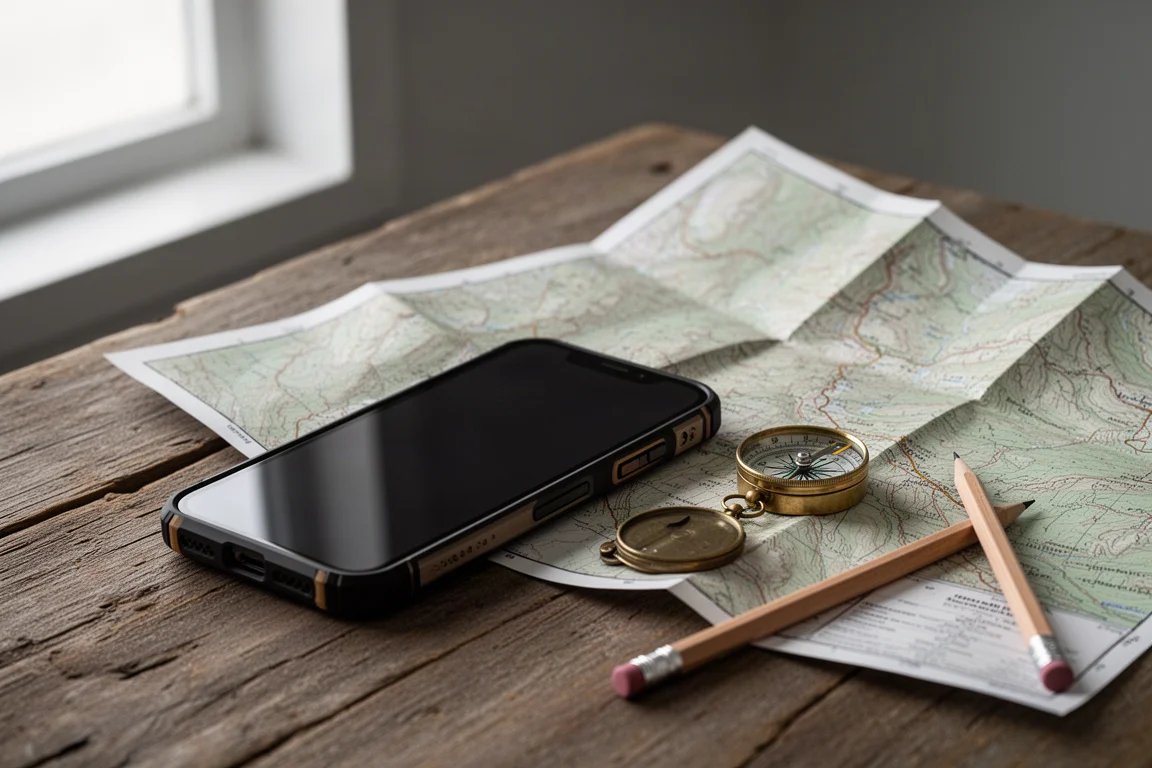
Route planning happened on a phone with Gaia GPS, a mapping app used to lay out the loop before setting off. In country where phone service disappears for most of the day, having the route worked out in advance is what matters. Treat it as a planning tool rather than a substitute for a paper map and compass.
Naturehike 60+5 Backpack
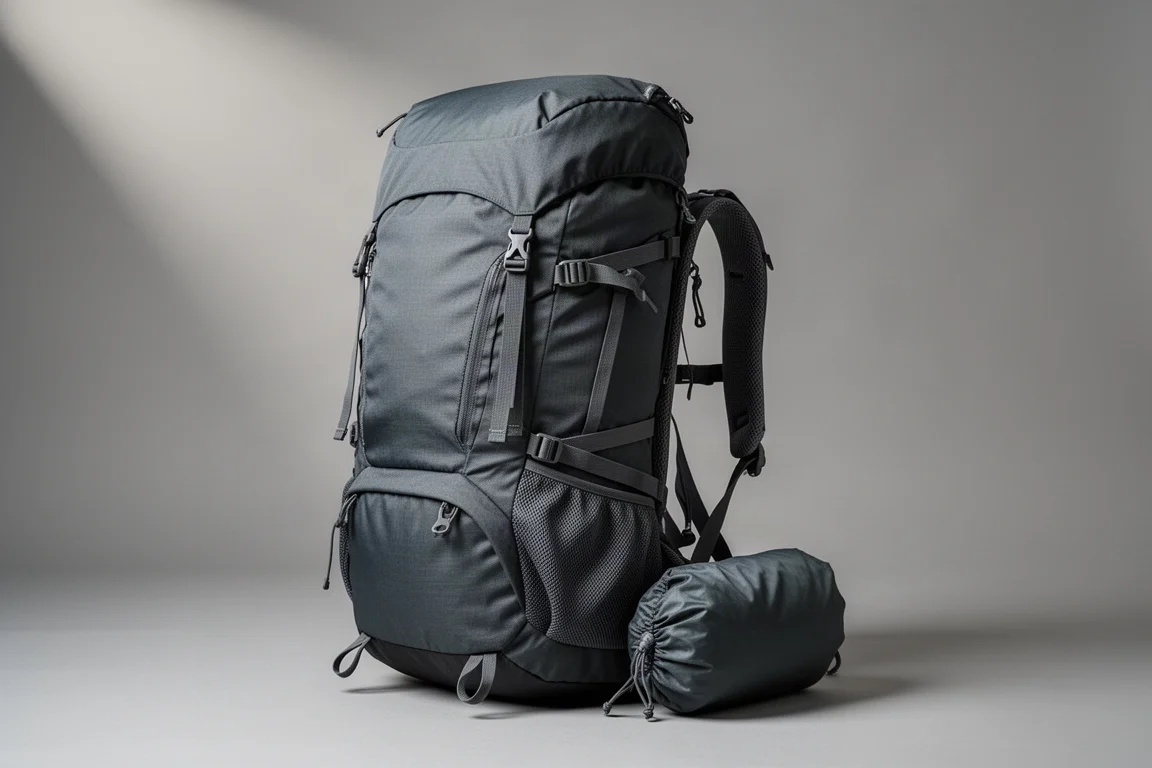
At $80, this is the standout value of the kit. It carries a robust frame sheet and an internal frame, which is unusual at this price and weight class. Most ultralight packs of the same design leave both out, which means gear has to be stacked in a very specific way to form a stable load against your back. Here, gear can go in almost any way and the pack still supports the weight properly.
The compromises are real. The pack is narrow, so it has to be packed tall and high. The hip pockets are tiny and narrow, barely able to hold a phone. The two shoulder harness straps sit only about 3.5 inches apart, so each one presses into the neck, and that gets uncomfortable quickly in light clothing. Torso length is rated at roughly 22 inches, so shorter-torsoed hikers will struggle to get a good fit.
On the plus side, an included pack cover kept everything dry, and the two outer pockets handled wet gear without soaking the contents.
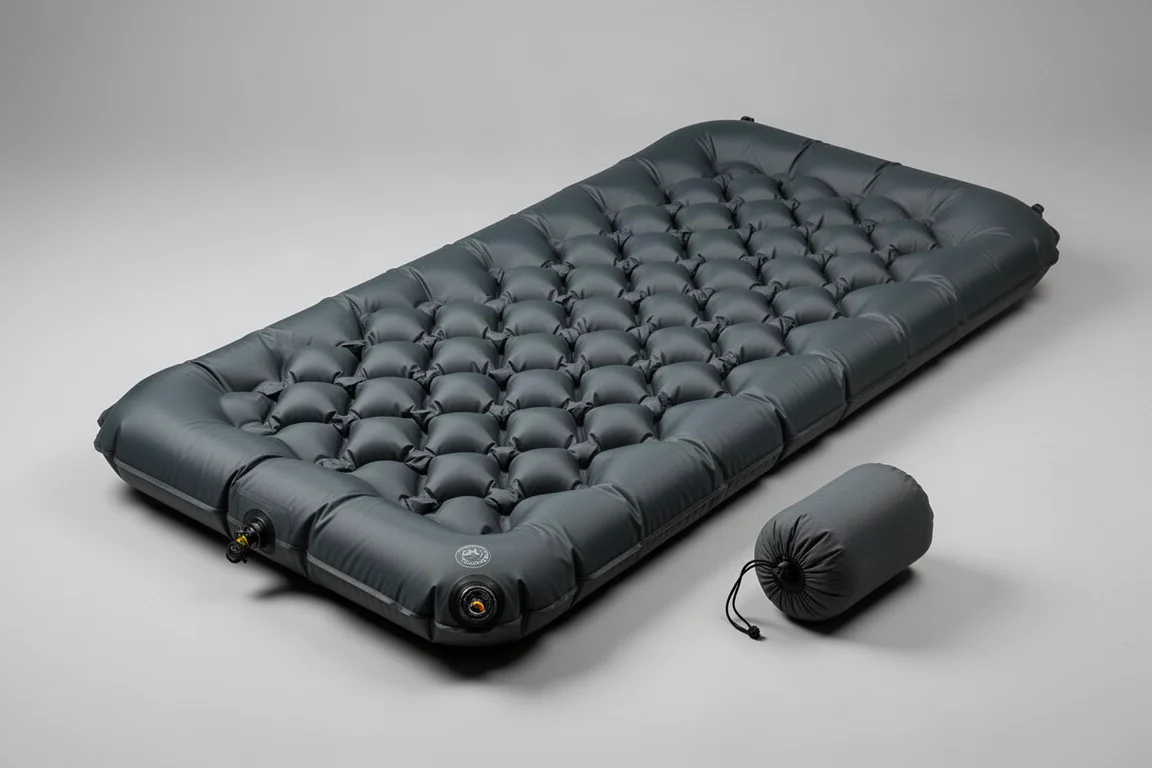
Naturehike Ultralight Sleeping Pad
The pad costs $50 and is billed as ultralight, but it weighs over two pounds. That is heavy for what it is.
It uses a two-side design with a divider down the middle, so you inflate one side or the other, and a puncture on one side still leaves you with a usable pad. The manufacturer recommends inflating both sides to 50/50. Sleeping on a single fully inflated side was not comfortable, because the gaps between the cushioning segments are deep enough that hips press straight through to the ground. Inflating both sides makes a substantial difference to comfort, at the cost of considerably more inflation work.
Build quality is decent for the price. It is simply heavy, and comfort depends on setting it up the way the maker intends.
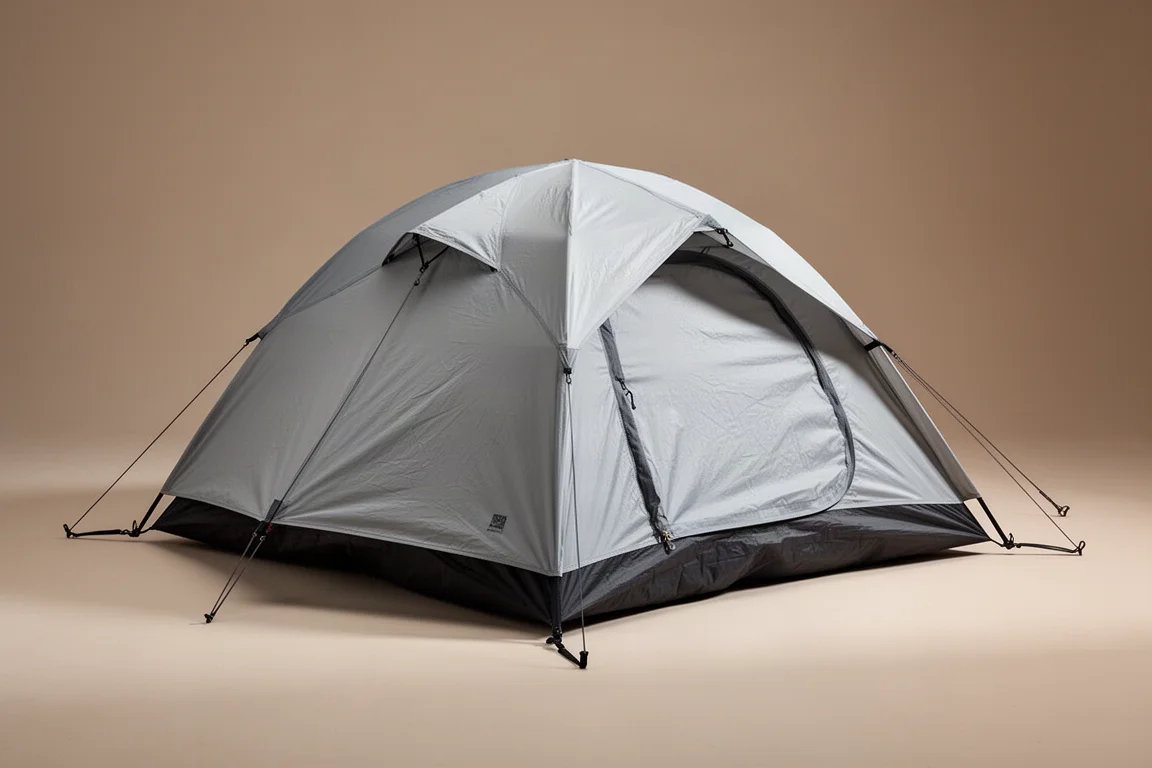
Naturehike Vik 2 Tent
At $128, this two-person tent is marketed as a four-season backpacking tent. It can be used in the fourth season, but it should not be taken onto high mountains with heavy snow and strong winds.
Waterproofing is not the issue. Even with heavy rain falling all night, nothing leaked. Condensation is the issue, and it was severe: moisture built up inside until it was effectively raining indoors, soaking sleeping bags and gear and forcing hours spent under cover. The fly does not reach the ground, and the vents at the bottom and top are not enough to clear it.
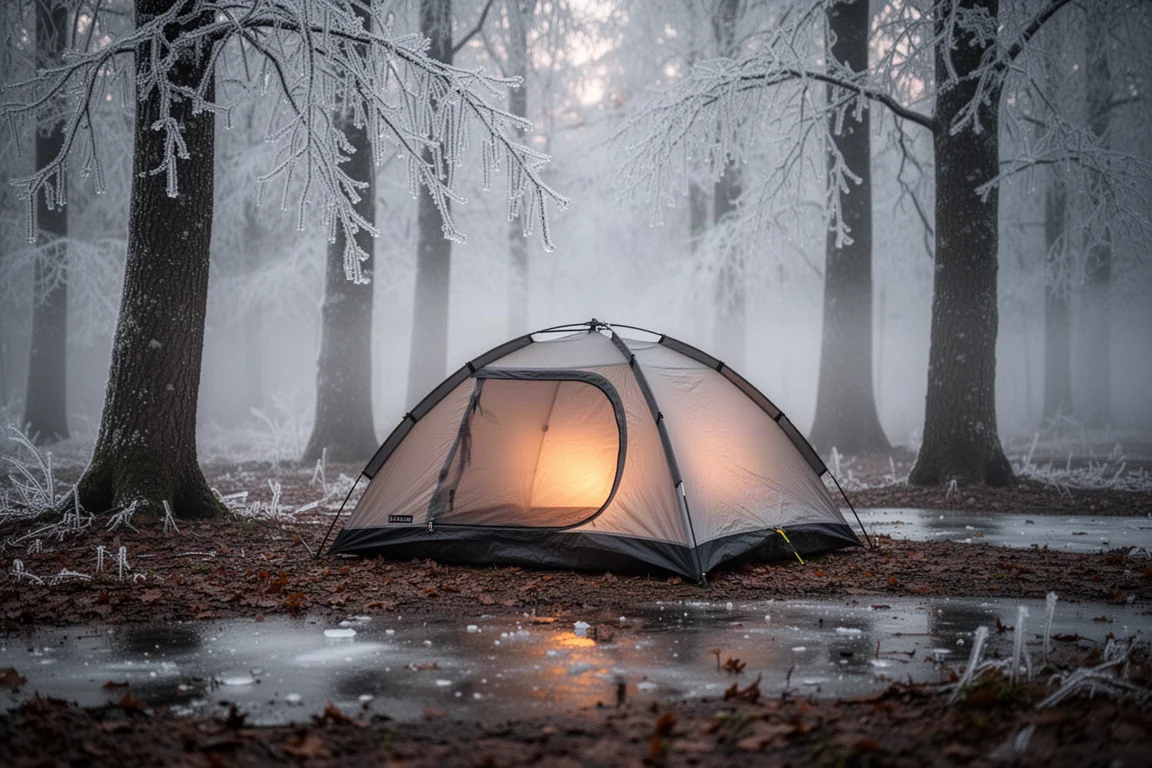
In humid conditions this is not the right tent. The snow-fly version should be avoided entirely, since it removes most of the remaining ventilation. Setup is easy, weight is reasonable, and the interior is a good size for one person and their gear, with enough height to sit up and change clothes. The bottom vents do let splash enter during heavy rain, so keep sleeping bags clear of the floor, which is harder for taller campers.
Enlightened Equipment Convert Sleeping Bag
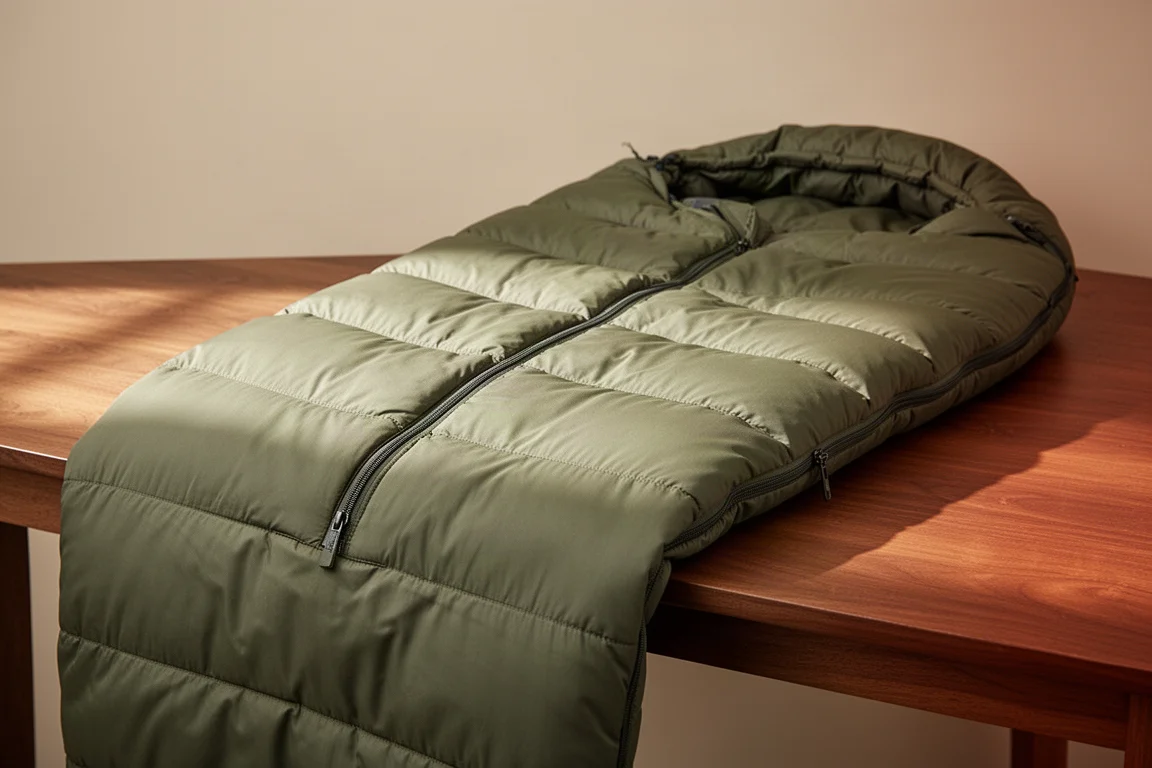
This is a custom-made bag, so expect to pay accordingly. It is also one of the most versatile pieces of backpacking gear you can carry: a full-length zipper lets it work as a conventional sleeping bag or as a quilt, depending on the conditions you meet.
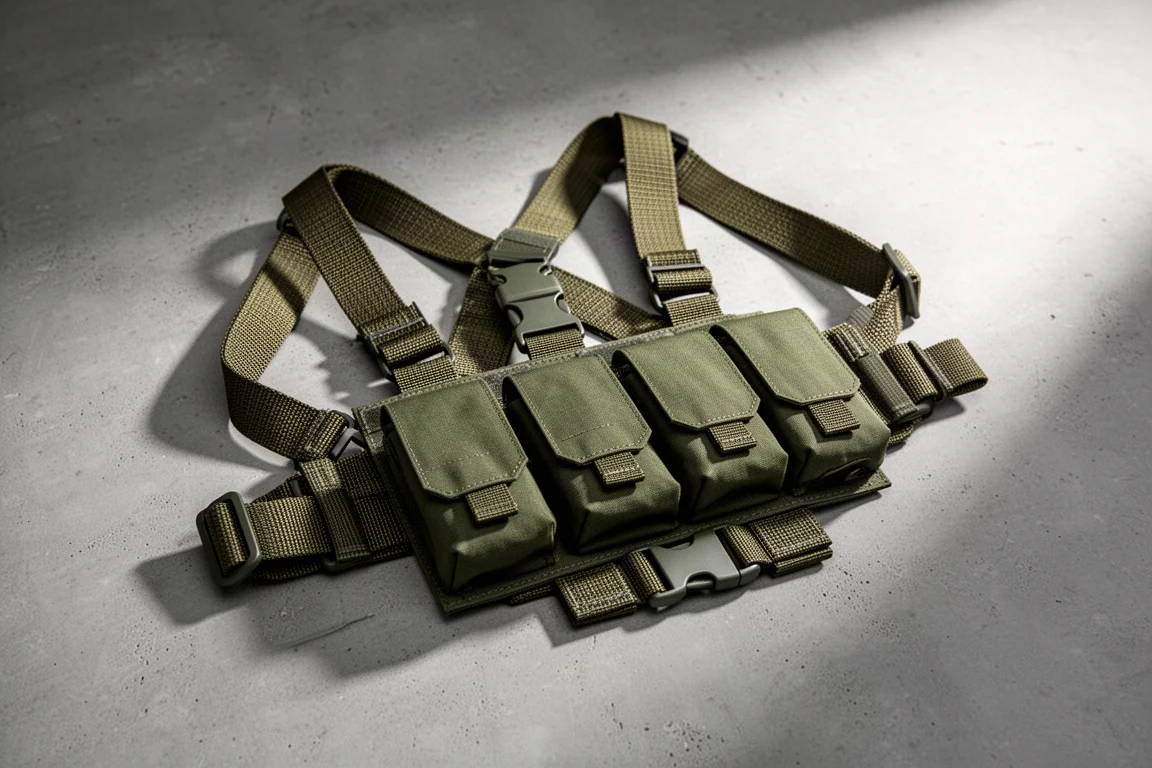
Helikon-Tex Numbat Chest Rig
The Numbat carried a paper map, a compass, a handgun and camera gear without complaint. Most chest rigs sit at premium prices, while this one stays genuinely budget-friendly and still feels like a serious piece of kit.
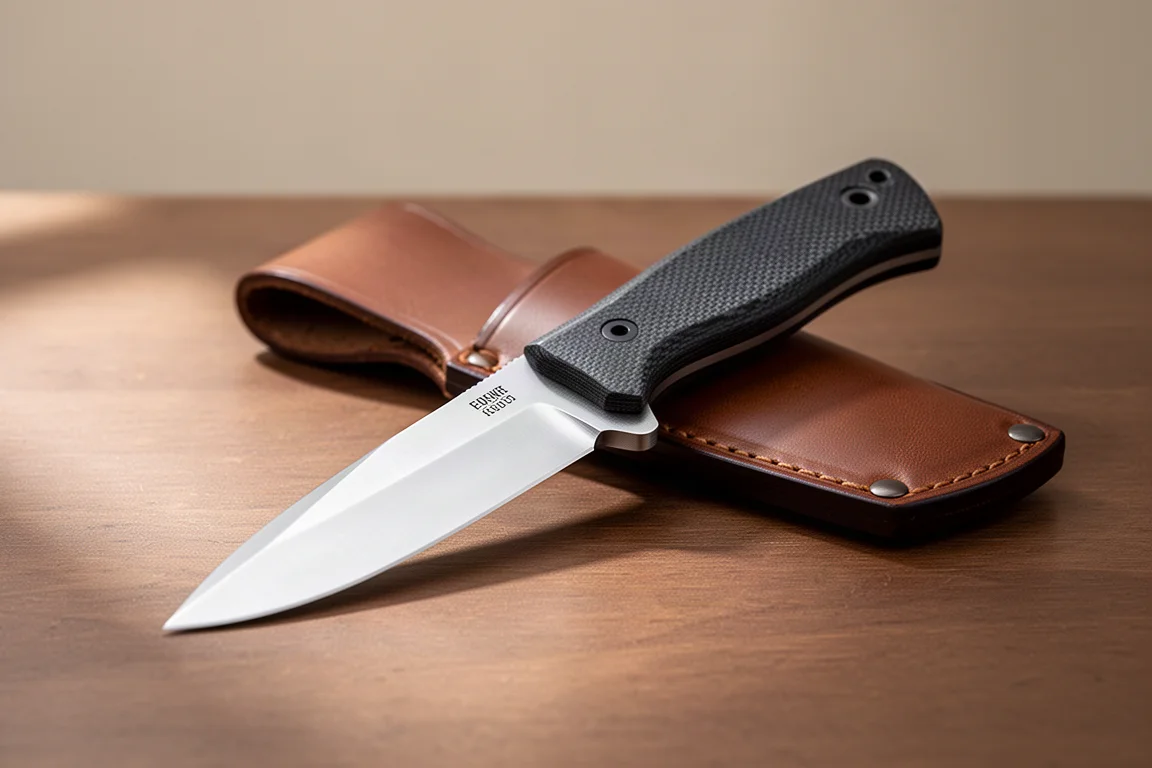
EKA Nordic W12 Knife
A general-purpose knife that is a master of nothing and good at everything. It arrives reasonably sharp and responds well to honing, at which point it takes a genuinely keen edge. If you want one blade to cover most camp and trail tasks, this is the shape of tool to look at.
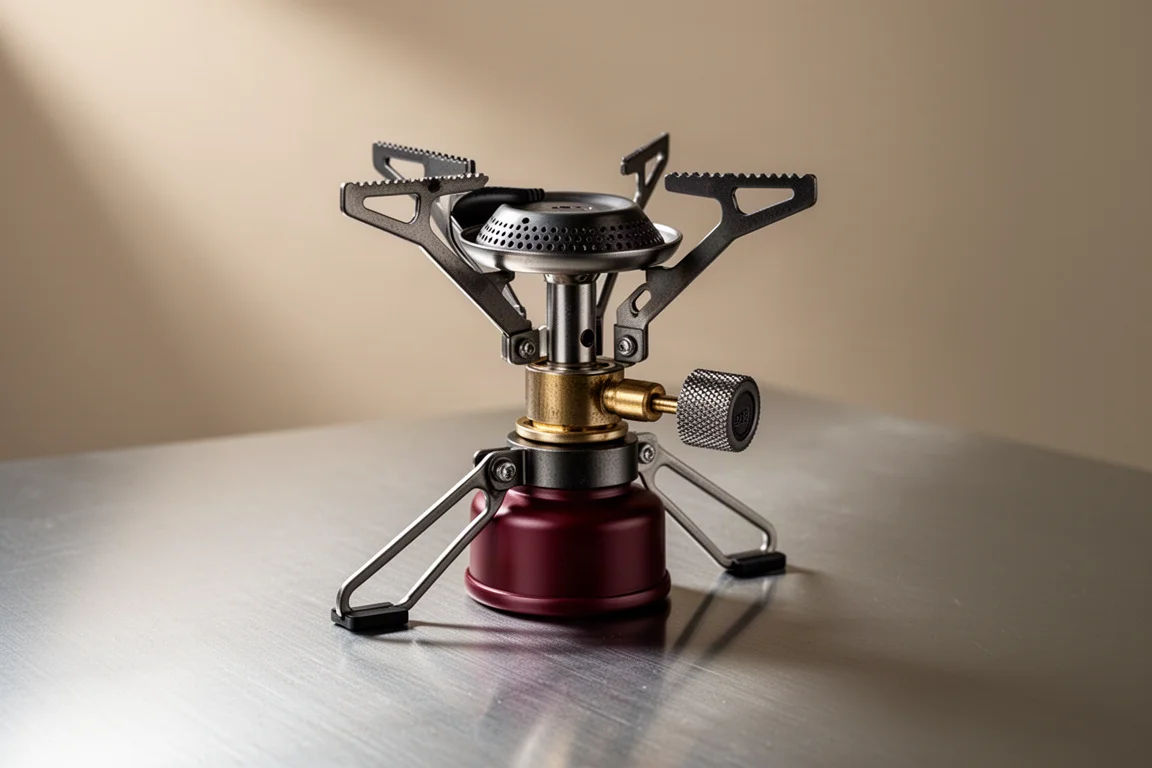
MSR PocketRocket Deluxe Stove
This is the cold-weather version of a well-known canister stove, and it performed reliably through freezing, wet conditions. For winter trips, a stove that lights and runs predictably in the cold matters far more than raw output.
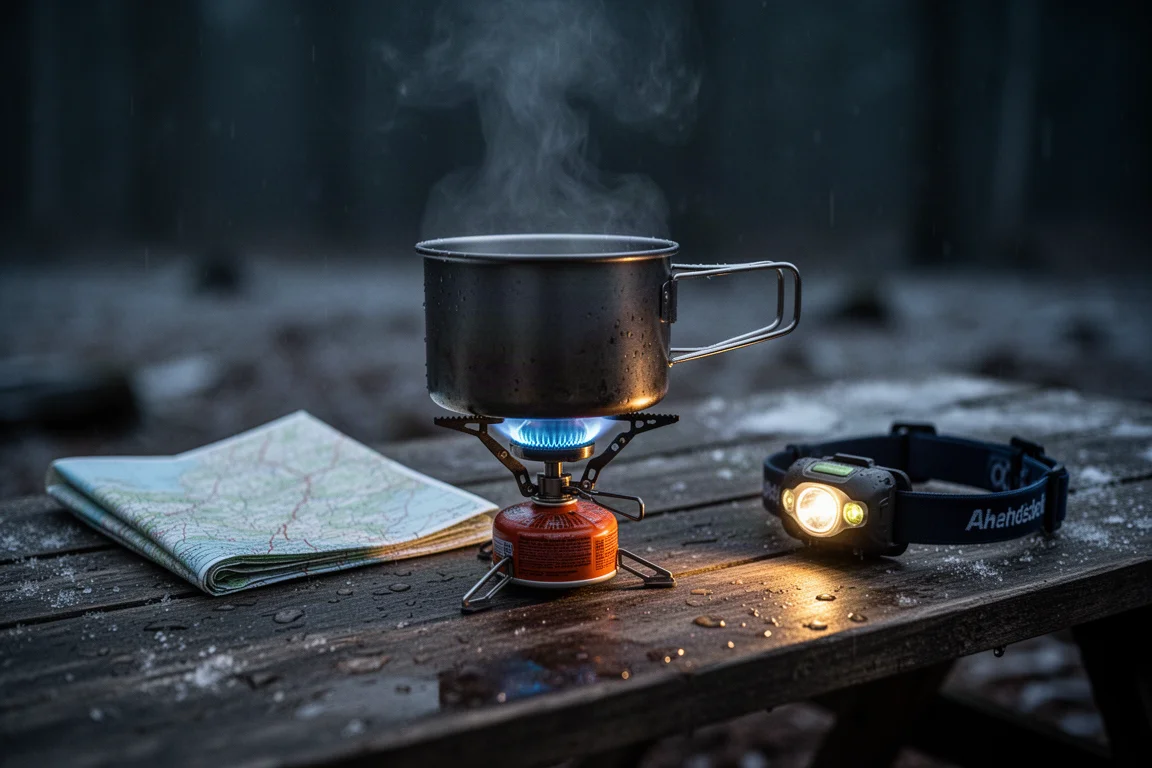
The practical consideration is fuel: canister supply has to be sourced and carried separately, so plan capacity around the number of hot meals and drinks you expect to make.
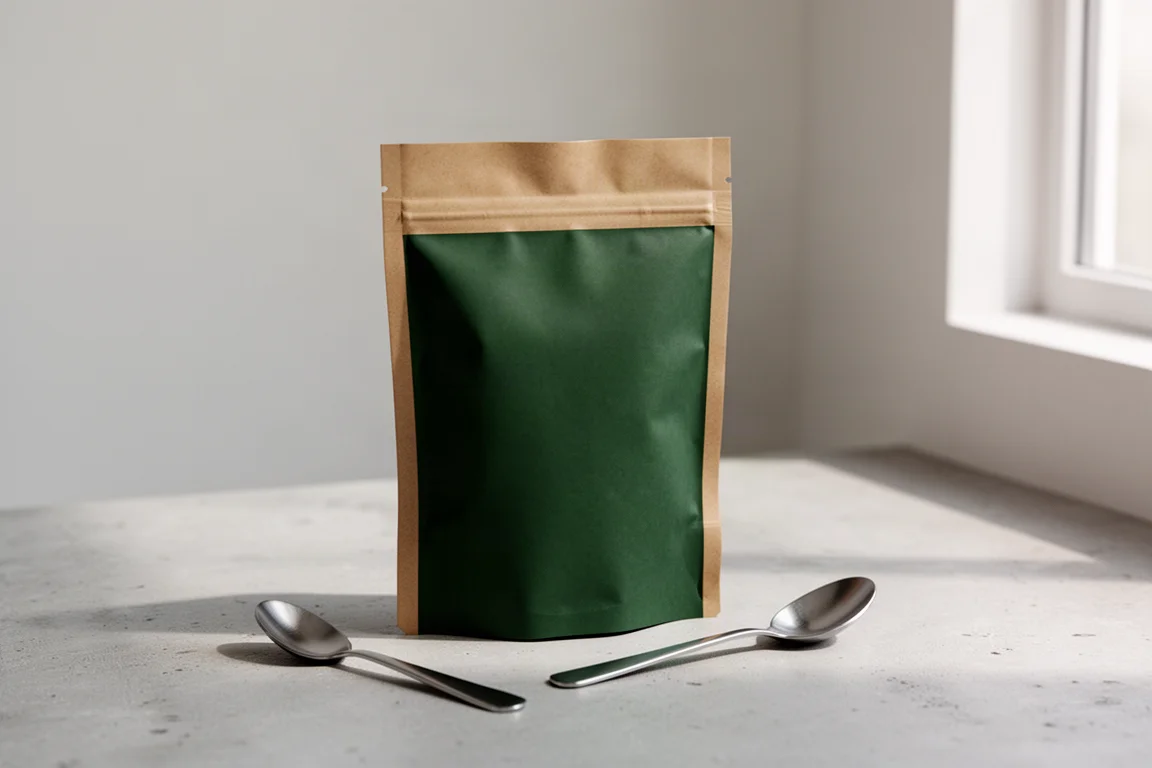
Real Turmat Reindeer Stew
Among freeze-dried meals, this one sits at the top. It is excellent, and it is the sort of dinner that lifts an evening in bad weather. Availability is the catch. Importing it is difficult and expensive, with reports of costs over $30 per meal once it reaches the country, so it is a treat rather than a routine purchase.
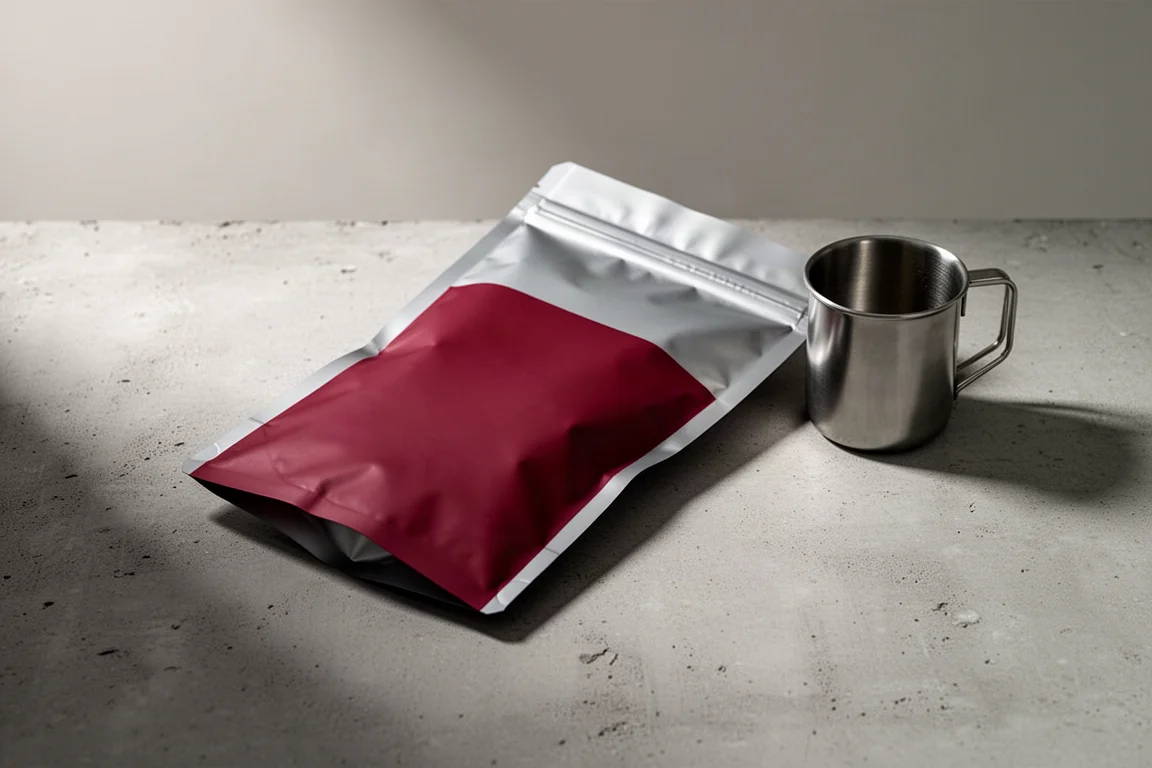
Real Turmat Meat Soup
Very close to the reindeer stew in quality, with a slightly different flavor profile. The same import difficulty applies, so the sensible approach is to buy it when you can find it rather than build a menu around it.
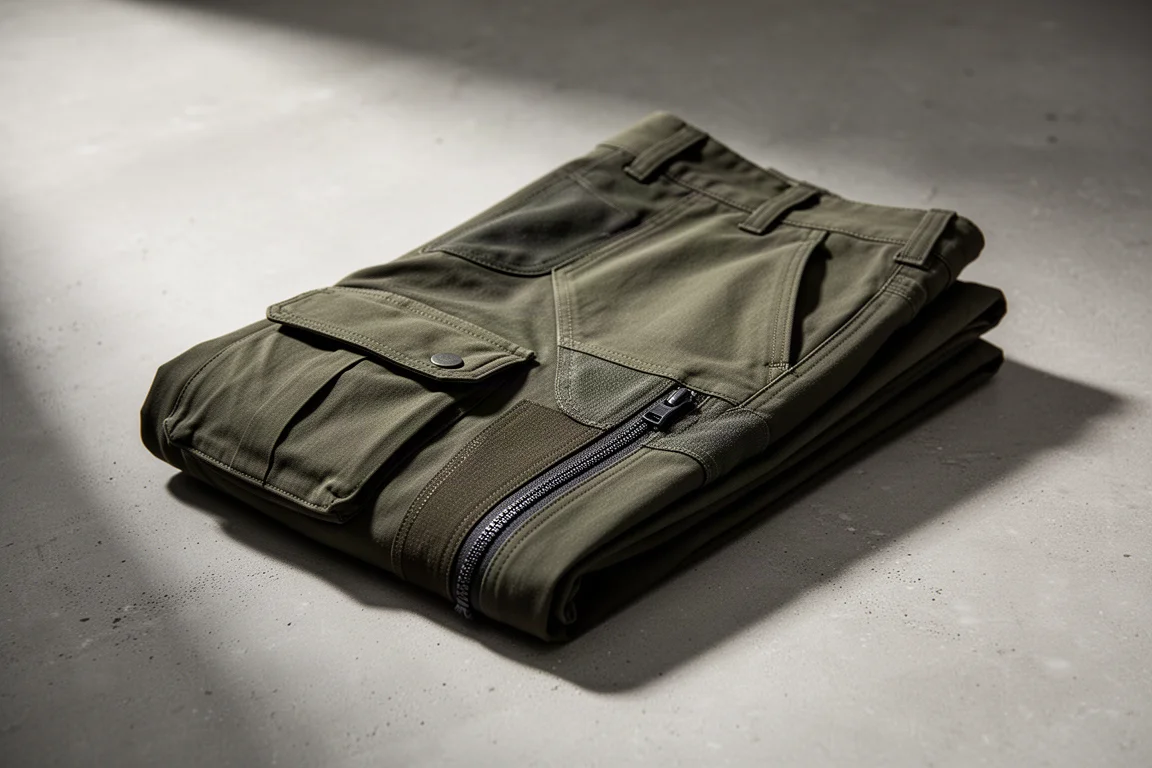
Fjällräven Vidda Pro Pants
These trousers use a side zipper and held up well across the whole trip. They are an excellent pair of hiking pants, best paired with a base layer when temperatures drop to freezing, and built for trekking rather than ultralight fastpacking.
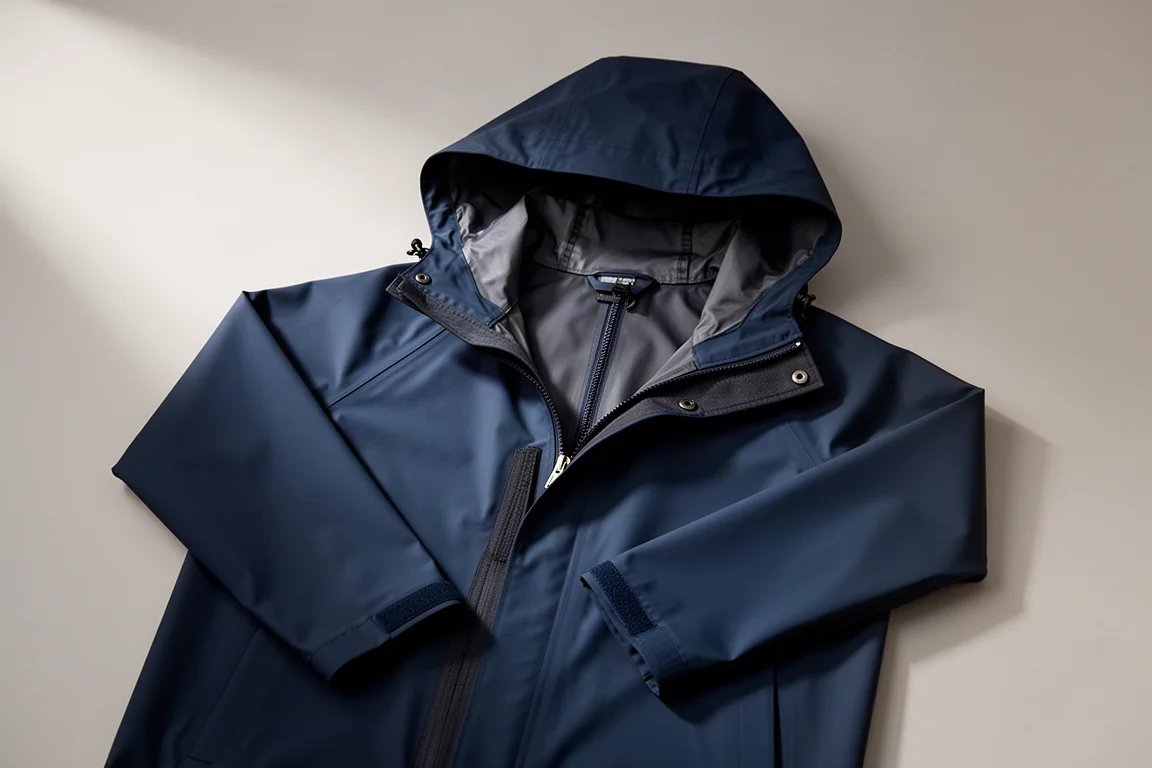
Marmot Minimalist Rain Jacket
This was the rain shell for the trip, and it is the piece that decides how a freezing-rain night feels. A dependable waterproof layer, worn over insulation rather than instead of it, is what keeps a long, wet evening manageable.
Overall Buying Advice
If you are assembling a winter kit on a budget, the Naturehike 60+5 backpack is the clearest recommendation here. At $80 it brings an internal frame, a frame sheet and a pack cover, with the caveat that the harness spacing and the 22-inch torso rating will not suit every build. The $50 sleeping pad is a compromise that only works if you inflate both sides, and the $128 Vik 2 tent is worth considering for dry, calm conditions only.
The Enlightened Equipment Convert is the item to save for if versatility matters most. The Helikon-Tex Numbat and the EKA Nordic W12 are inexpensive, capable additions to a loadout. The MSR PocketRocket Deluxe is a safe choice for cold-weather cooking, and the Marmot Minimalist is a dependable shell.
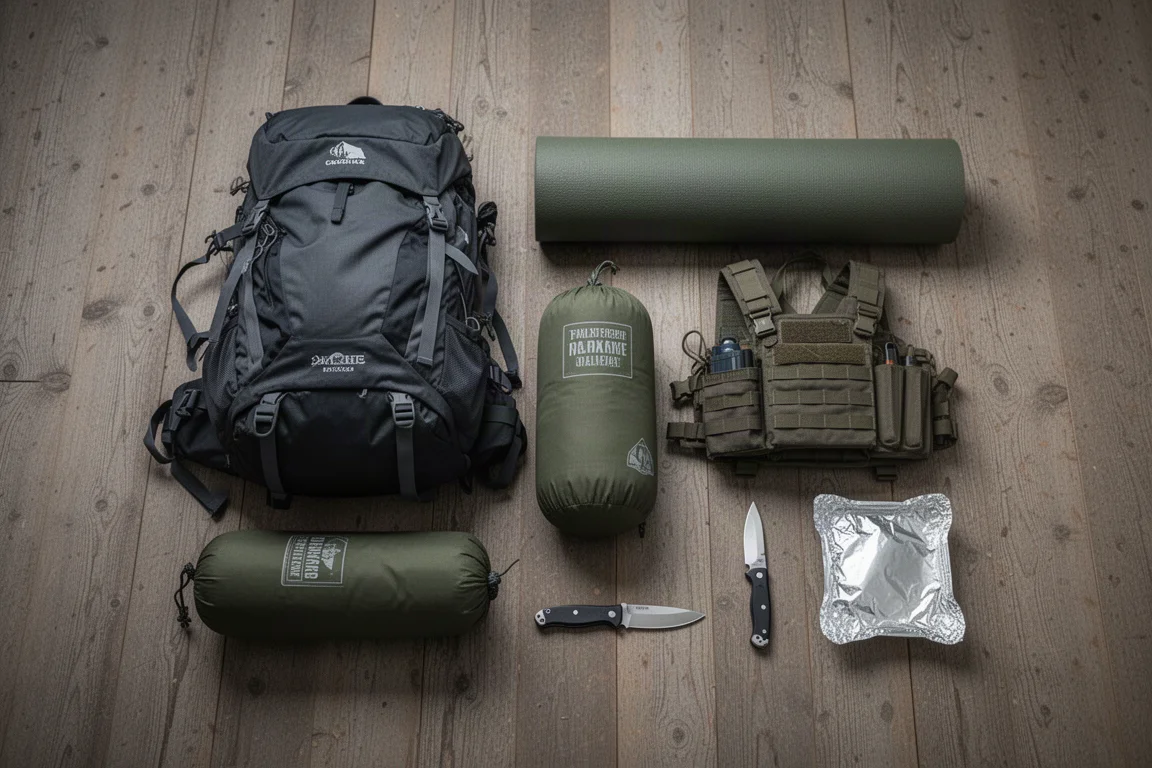
Match the kit to the conditions you genuinely expect, keep a margin for the forecast being wrong, and be willing to change plans on the day.
Conclusion
A 3.5-mile loop in freezing rain is not the most comfortable way to test gear, but it is an honest one. The clearest value in this kit is the Naturehike 60+5 backpack at $80, provided the harness spacing and torso rating suit your build. The $50 sleeping pad needs both sides inflated to be comfortable, and the $128 Vik 2 tent belongs in dry, calm conditions.
Everything else follows the same principle: match the item to the trip. A dependable shell, a stove that lights in the cold, a sleeping system that adapts, and food you actually look forward to are what turn a difficult night outdoors into one worth remembering.
Further reading
Related Reviews

Backpacking Gear
Building a 10 lb Base Weight: An Ultralight Backpacking Gear List
A practical walkthrough of the ultralight pieces behind a 10 lb base weight, from a 765 g pack and a roomy one-person tent to a full camp chair and a dependable water filter.

Backpacking Gear
A 15-Pound Lightweight Backpacking Gear List for Solo Trips
A beginner-friendly 15-pound backpacking setup built from easy-to-find gear, with notes on what each piece does, how it packs, and where to spend your attention.

Backpacking Gear
8 Ultralight Backpacking Gear Upgrades Worth Carrying
Eight small, affordable backpacking upgrades that solve real trail annoyances, from a pillow that stays put to a fuel valve that rescues leftover canister gas.