Carbon Wheelsets
Winspace Hyper 50 vs Zipp 303 S: Two Carbon Wheelsets at the Same Price Point
A practical comparison of two carbon road wheelsets around the UK's 1,000 pound benchmark, covering speed, comfort, crosswind behaviour, tubeless setup and warranty.
Introduction
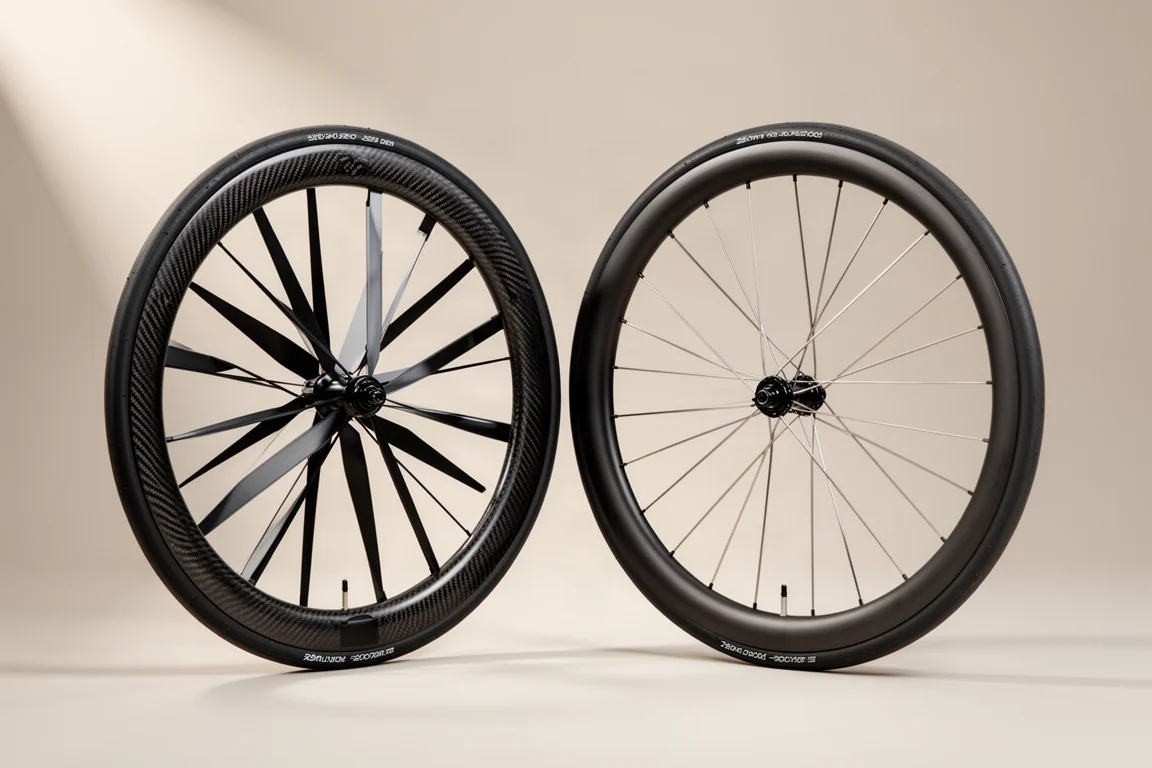
Carbon fibre road wheels have shifted from race-only equipment to something far more attainable, and in the UK a price of around 1,000 pounds is now widely treated as the benchmark for a set that is fast, light and dependable. Two wheelsets sit close to that mark: the Winspace Hyper 50, which combines a 50mm rim with carbon fibre spokes and ceramic bearings, and the Zipp 303 S, a hookless design that has become a familiar reference point in the same bracket.
Both are genuinely quick, but they take different routes to get there. One prioritises stiffness, low weight and distinctive materials. The other leans on a wide rim, broad warranty cover and a simpler, well-established build. This comparison walks through what each wheelset offers so you can judge which one belongs on your bike.
Winspace Hyper 50: Light, Fast, and Very Loud
The Hyper 50 uses a 50mm deep rim, the middle option in a range that also includes 38mm and 65mm depths. That middle ground is a sensible choice if you are unsure which depth suits you, because it covers climbing, descending, flat riding, road racing and general country lane riding reasonably well. A 65mm rim suits riders chasing maximum aerodynamic advantage, while a 38mm rim is the option for anyone who wants the lightest possible build for mountain terrain. Disc brake and rim brake versions are both available.
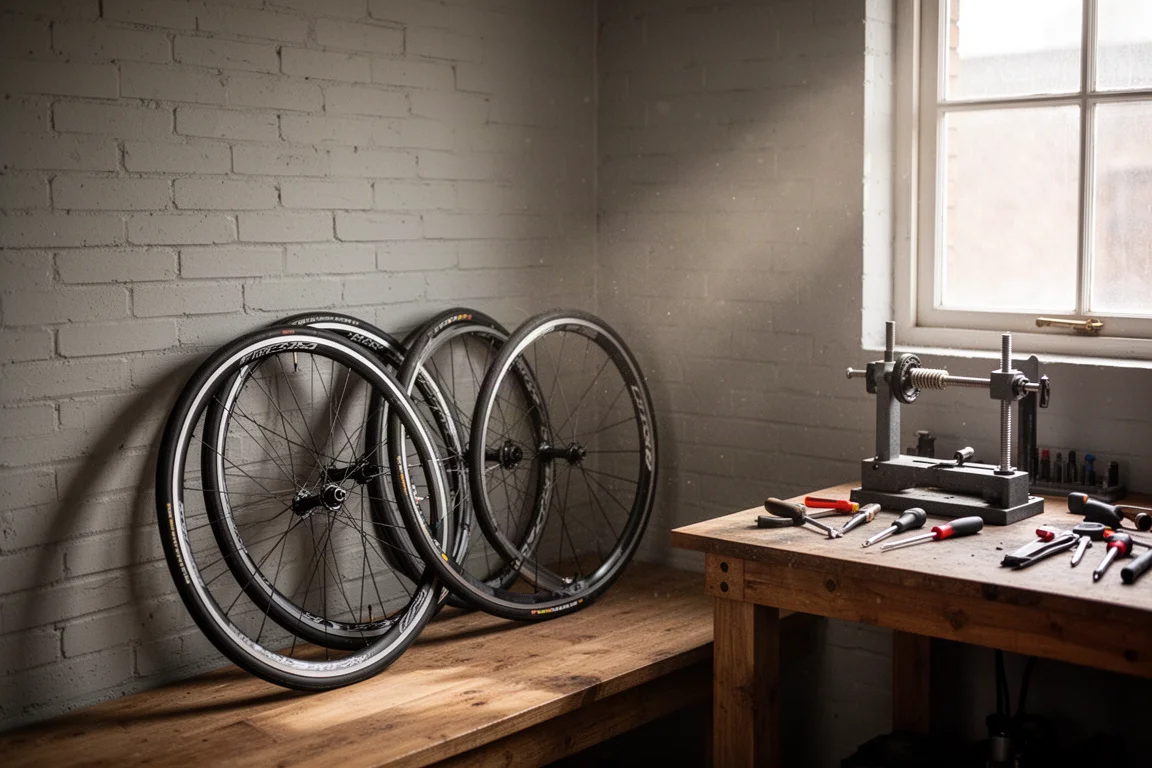
The rim measures 26mm wide externally and 19mm internally. That is reasonably wide, though narrower than some current designs. The most distinctive feature is the filament-wound carbon construction, which reinforces the spoke holes and spreads tension evenly around the rim, and it gives the rim a woven finish that stands out visually. The spokes are carbon fibre blades with external nipples, paired with the company’s own alloy hubs, wide flanges, an oversized axle and ceramic bearings at the front and rear. The freehub is compatible with Shimano and SRAM XDR drivetrains. The freehub sound is loud, sitting at the noisier end of what is available.
The rims are tubeless compatible with a hooked bead, so standard tyres and inner tubes remain an option. They arrive pre-taped with valves already installed, and a 28mm tubeless tyre inflated first time with a regular track pump. Over several months of riding there were no punctures, no air loss between rides and no burping or leaking. The wheelset is also UCI approved, having passed the governing body’s own crash testing.
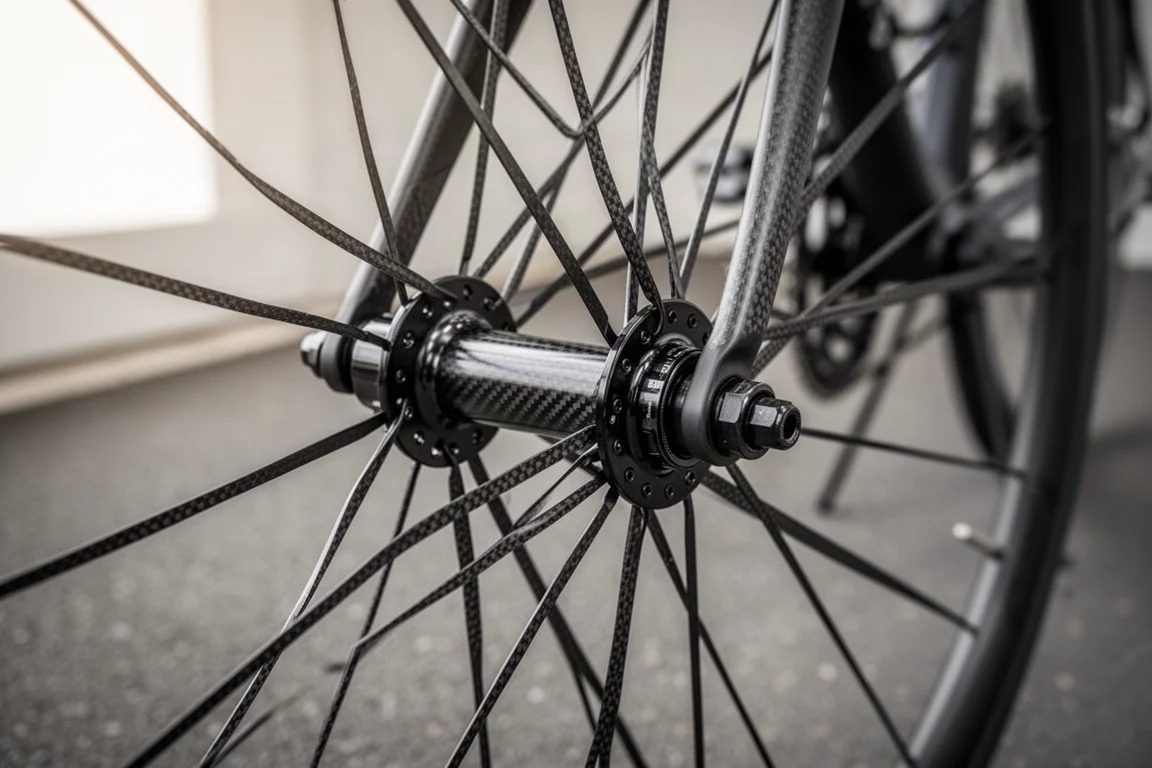
Straight-line speed is the headline strength. The Hyper 50 feels quick by the standards of deep-section carbon wheels of similar depth, and it represents a clear step up from the shallow alloy rims found on many entry-level road bikes. Riders looking for free speed on smooth roads will notice the difference immediately.
Zipp 303 S: Hookless and Backed for Life
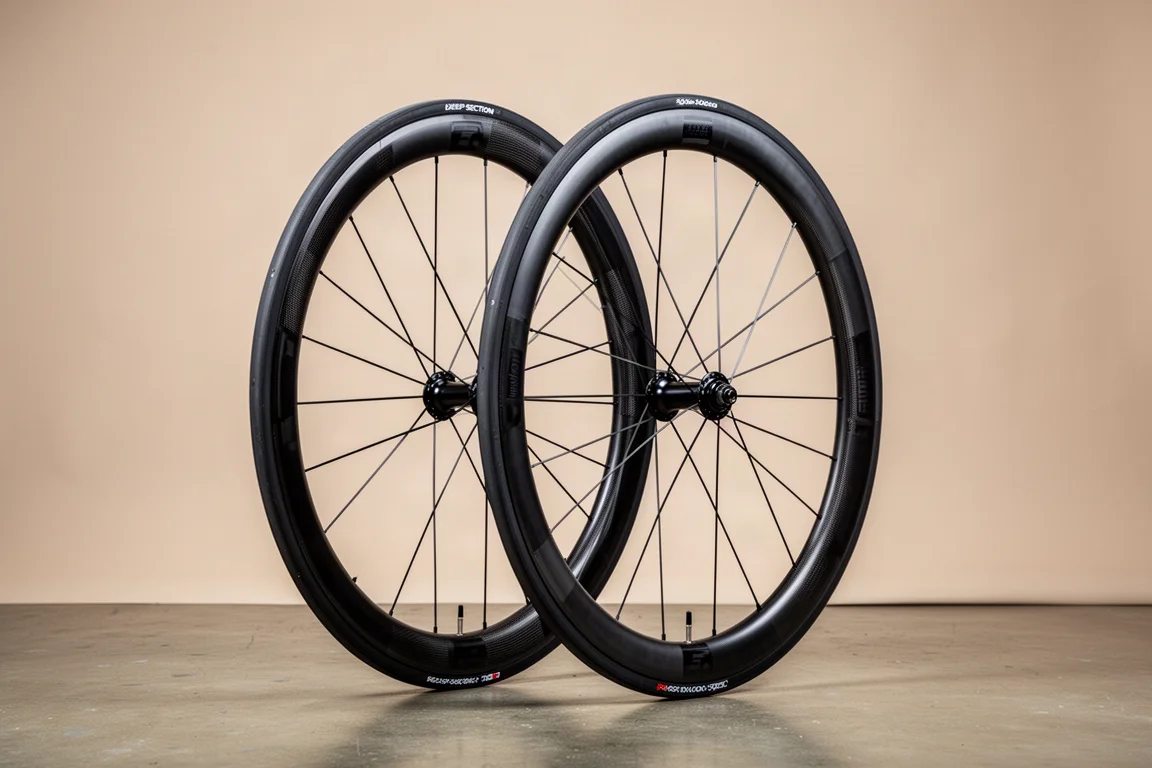
The 303 S approaches the same price bracket from a different direction. Its internal rim width is 23mm, noticeably wider than the 19mm of the Hyper 50, which supports wider modern tyres and the lower pressures they allow.
The rim is hookless, which means tubeless tyres only and a maximum pressure of 72.5 psi. Inner tubes cannot be used except as a temporary measure to get home after a puncture. The wheelset weighs around 1,530g and uses standard steel spokes with standard bearings rather than the carbon spokes and ceramic bearings found on the Hyper 50.
Where the 303 S pulls clearly ahead is warranty cover: it carries a lifetime warranty, compared with two years on the Hyper 50. It has also been on the market long enough to be discounted, with prices seen as low as around 850 pounds in the UK, although it typically sits close to the 1,000 pound mark. For many riders it is the default benchmark for what a carbon wheelset at this price should deliver.
Real-World Ride Quality and Crosswind Stability
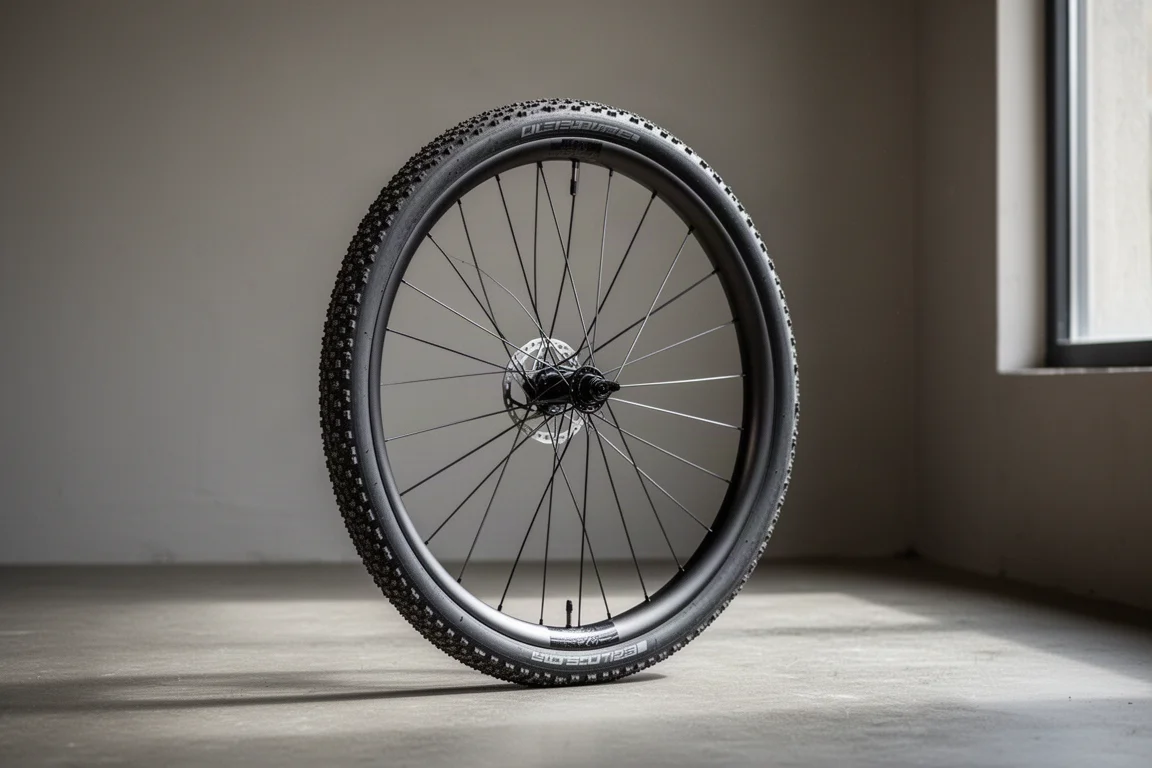
Ride quality is where the two wheelsets diverge most sharply, and it is worth understanding before you spend money. The Hyper 50 is stiff and firm. With familiar tyres at preferred low pressures, it transmits noticeably more road surface feedback into the contact points than the 303 S does. On broken, coarse tarmac that firmness is obvious. Riders who prioritise comfort on rough roads should weigh this carefully, because a stiff rim paired with a stiff frame produces a tiring ride over long distances.
Crosswind behaviour is a common trade-off on any deep-section wheel, since a larger surface area catches more wind. The Hyper 50 manages this reasonably well but is not quite as stable or confidence inspiring as some deep-section wheelsets, and it can occasionally snatch at the handlebars. It is not severe, and most riders adapt quickly once they know what to expect. Lighter riders may notice the effect more.

Neither wheel is difficult to live with, but the difference matters on exposed roads and long days in changeable weather. If your regular routes are open and windy, that context is worth more than any aerodynamic gain on paper.
Tubeless Setup and Tyre Compatibility
The hooked bead on the Hyper 50 gives it a practical edge in a few areas. It allows higher maximum pressures, works with standard clincher tyres and inner tubes as well as tubeless, and offers a wider spread of tyre compatibility. Setup is straightforward: the rims come pre-taped with valves fitted, so it is simply a case of mounting the tyre, adding sealant and inflating. A 28mm tubeless tyre went up first time with a track pump and has stayed reliable since, with no loss of pressure between rides.
The 303 S is hookless, which means tubeless only and a 72.5 psi ceiling, with tubes reserved for emergency use. That restriction worried more riders in the past than it does now, because tubeless road tyres from the major manufacturers have improved and compatibility is far less of a problem than it once was. Even so, if you prefer the reassurance of a higher pressure limit, the option to run tubes, or the widest possible tyre choice, the hooked bead design is the more flexible of the two.
Price, Warranty, and Long-Term Value
Value is more nuanced than the headline numbers suggest. The Hyper 50 sits at 1,200 pounds, or 1,050 pounds in the UK, which is not dramatically cheaper than mainstream alternatives and can actually be more expensive than a discounted 303 S at around 850 pounds. What you get for that money is carbon fibre spokes, ceramic bearings, a lighter build and a hooked-bead tubeless rim. Those are real advantages, and they are the reason the Hyper 50 stays interesting even when the price gap narrows.
The 303 S counters with a lifetime warranty against two years, standard bearings and spokes that are cheaper and easier to replace, and a wider rim that suits modern wide tyres. Over a five-year ownership period, that warranty and the simpler serviceability are worth factoring in, particularly if you ride high mileages or keep bikes for a long time.
Buying from a newer brand is also a consideration in itself. The savings are not always as large as they once were, and the support network behind a wheelset matters when something needs replacing.
Who Each Wheelset Suits Best
The Hyper 50 makes most sense for riders who spend their time on smoother roads and want straight-line speed, low weight and a distinctive look. Carbon spokes, ceramic bearings and a woven rim finish are features you rarely see at this price, and the hooked bead keeps your tyre options open. The trade-offs are a firm ride, crosswind behaviour that is good rather than class-leading, a very loud freehub and a two-year warranty.
The 303 S suits riders who value long-term backup, a lower street price and a more forgiving ride. The wide internal width is a genuine benefit for modern tubeless tyres, and the lifetime warranty removes a lot of the anxiety from a significant purchase. The compromises are the hookless tubeless-only design, a 72.5 psi maximum and a slightly heavier build with standard spokes and bearings.
Buying Advice: Making the Final Call
Both wheelsets are strong options at roughly the 1,000 pound mark, and neither is a bad purchase. The decision comes down to which set of compromises you would rather accept on the roads you actually ride.
If speed, low weight and unusual materials matter most, and your routes are reasonably smooth with limited exposure to strong crosswinds, the Hyper 50 delivers a lot for the money and feels quick from the first ride. If you want a wider rim for modern tyres, a more comfortable ride, a lower price and the reassurance of a lifetime warranty, the 303 S is the safer long-term choice.
It also helps to think about how you ride rather than how you would like to ride. A wheelset that feels fast on a smooth summer loop may feel harsh on a winter training route, and a wheelset that feels comfortable everywhere may leave you wanting more on race day. Matching the wheelset to your typical terrain is the single most useful decision you can make here.
Conclusion
The Winspace Hyper 50 and the Zipp 303 S sit in the same price bracket and appeal to different priorities. The Hyper 50 is the lighter, faster and more distinctive option, with carbon fibre spokes, ceramic bearings and a hooked-bead tubeless rim, at the cost of a firmer ride, less settled crosswind behaviour and a shorter warranty. The 303 S is the more conservative choice, with a wider rim, a more comfortable ride, a lower typical street price and lifetime warranty cover, restricted by its hookless, tubeless-only design.
Either way, both are genuine upgrades over shallow alloy wheels. Choose based on the roads you ride most often and how long you plan to keep the wheels, and you will end up with a set you are happy with.
Further reading
Related Reviews

Backpacking Gear
Building a 10 lb Base Weight: An Ultralight Backpacking Gear List
A practical walkthrough of the ultralight pieces behind a 10 lb base weight, from a 765 g pack and a roomy one-person tent to a full camp chair and a dependable water filter.

Road Bikes
10 New Road Bikes Worth Watching: Aero, Titanium, Steel and Endurance Standouts
A practical roundup of 10 new road bikes, from aero flagships chasing single-watt gains to titanium, steel and endurance platforms built for real roads.
Bikepacking Gear
11 Bikepacking Essentials for Long-Distance Cycling
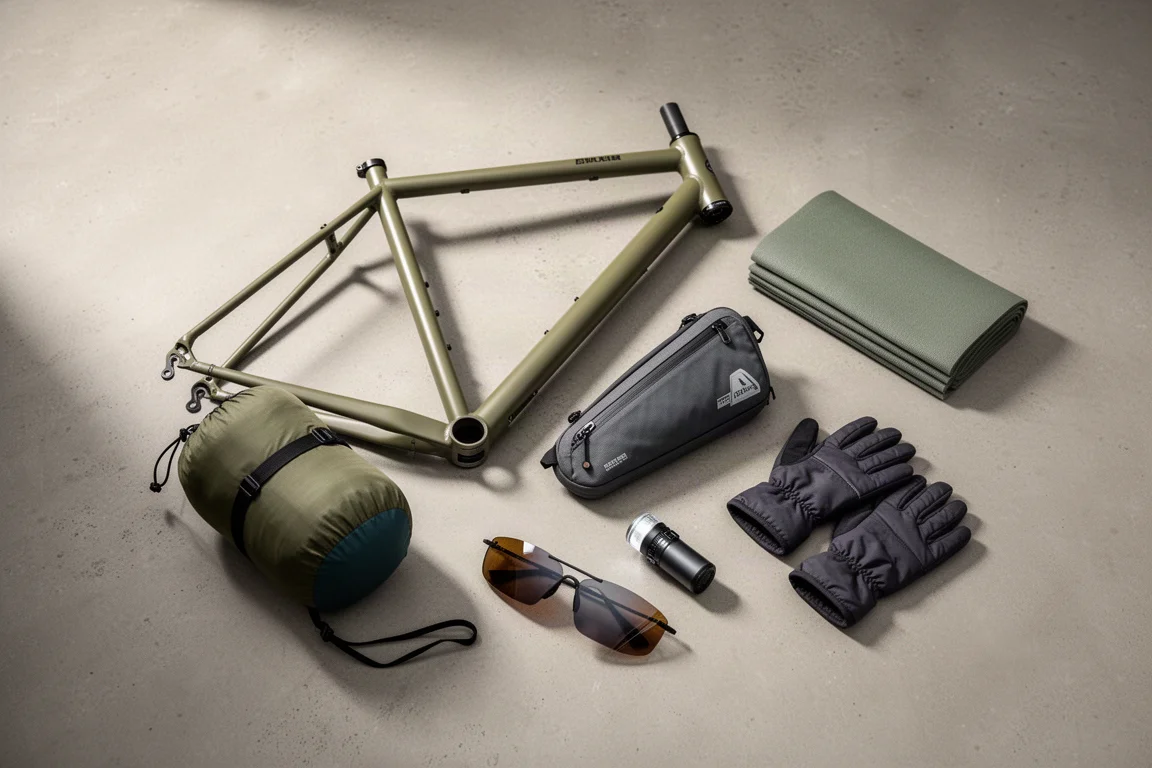
Eleven bikepacking essentials for long-distance cycling, from a steel gravel frame and a two-person tent to helmet lights, packable gloves, and a frame bag that puts weight in the right place.