Integrated Amplifiers
Willsenton R800i Review: 48 Watts of Single-Ended Class A Tube Power
A heavyweight Class A tube integrated amplifier with a warm, harmonically rich mid-range, a huge soundstage, and real potential for tube upgrades.
Introduction
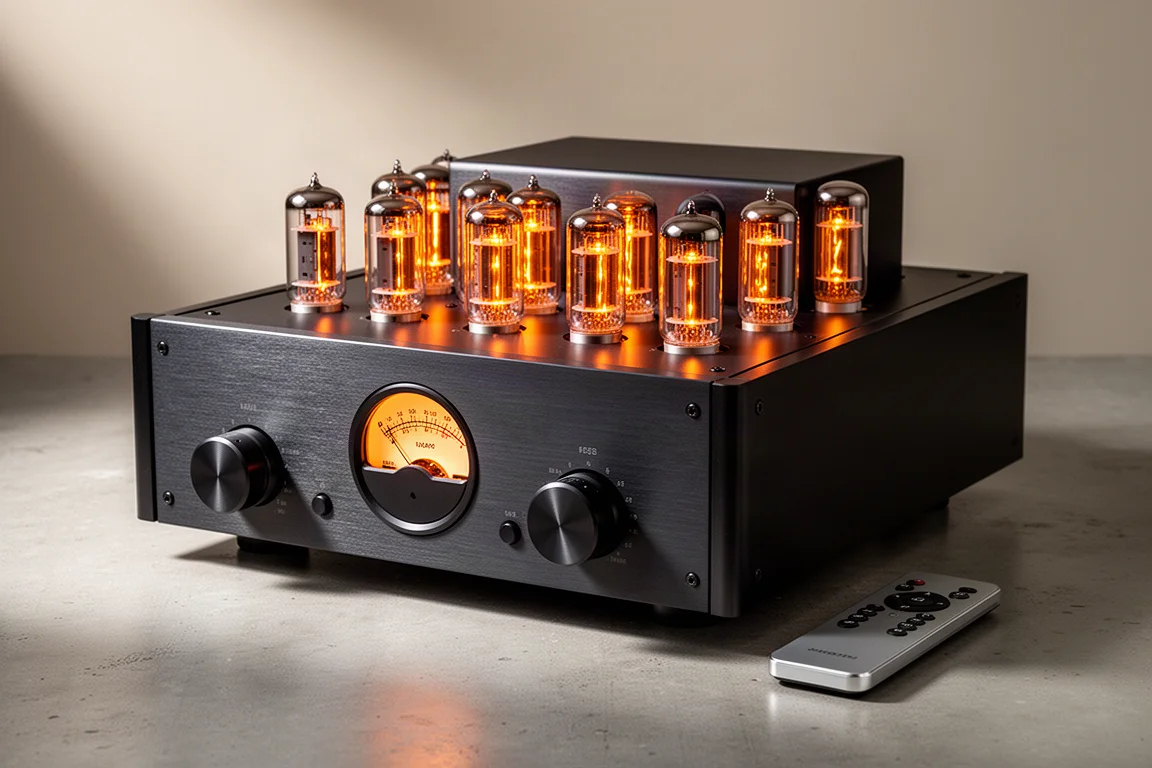
The Willsenton R800i is a single-ended, pure Class A tube integrated amplifier rated at 48 watts per channel. It is also a serious piece of furniture: the chassis weighs 42 kilograms, close to 100 pounds, so it tends to stay wherever it is first installed.
In many ways the R800i is the bigger brother of the widely liked Willsenton R8. It is larger, substantially heavier, and designed along different lines. Where the R8 has built a reputation as a great amplifier for around £1,000, the R800i sells for roughly $2,000 direct, which works out at around £2,500 delivered in the UK once shipping, taxes, and import duties are added.
Two versions are available. The one running 805A output tubes produces 48 watts per channel and is recommended for low and medium sensitivity speakers, meaning anything below about 90 dB. The other version runs 845 output tubes, produces 23 watts, and trades output power for a lower noise floor, which suits higher sensitivity speakers rated 90 dB and above. The tubes are not swappable between the two, because each amplifier is designed specifically around its own output tube set.
Who This Amplifier Is For
Speaker sensitivity is the first thing to settle before choosing between the two versions. If your speakers are below 90 dB, the 805A model with its 48 watts is the sensible pick. If your speakers are rated 90 dB or higher, the 845 version and its lower noise floor becomes the more interesting trade.
This is a Class A design, and that shapes who it suits just as much as the wattage does. Class A amplifiers run hot, and the driver and output tubes in particular reach temperatures you would not want to touch. The supplied cage becomes a necessity in a home with children, and the amplifier needs to sit somewhere with good ventilation. In a small room that already runs warm, the added heat is worth thinking about before you buy.
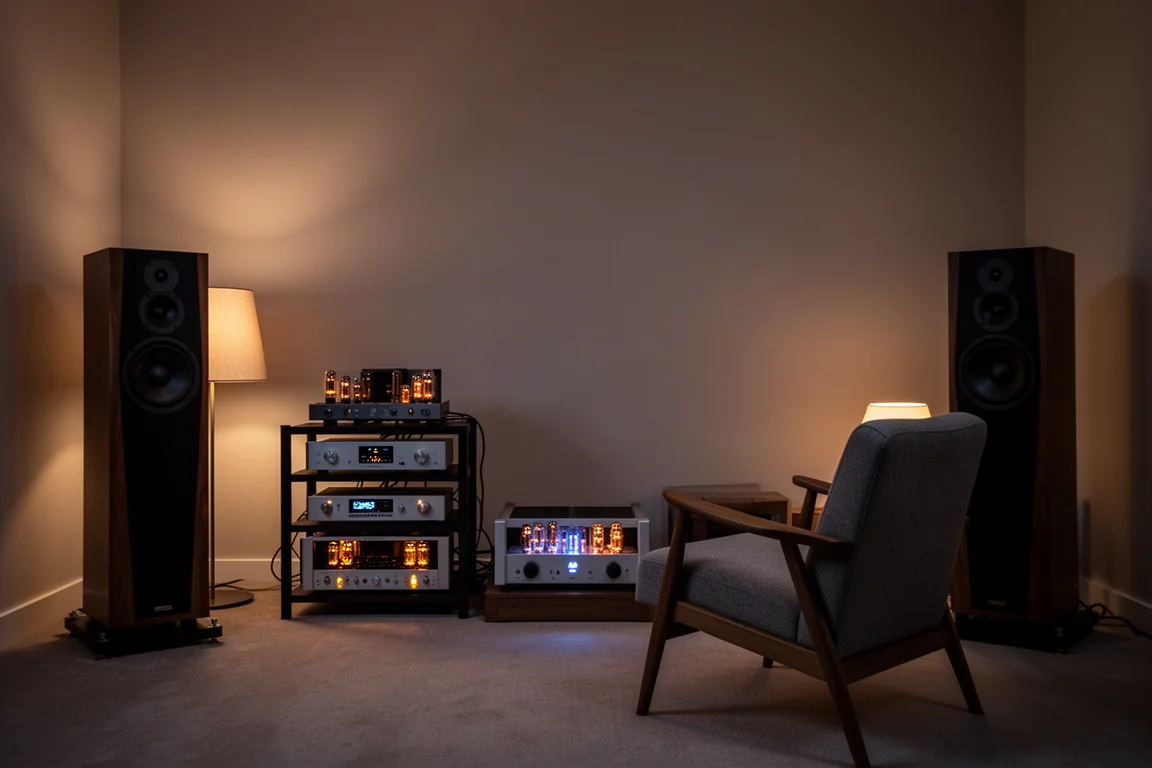
What the R800i offers in return is a particular style of presentation rather than outright measurement bragging rights. Listeners who prioritise a full, harmonically rich mid-range over the last degree of analytical detail are the natural audience, and so are owners who enjoy the hobby side of tube ownership, including periodic bias checks and the option of rolling in different tubes later.
Design, Controls, and Build Quality
The front panel keeps things simple. A single knob powers the unit on, the tubes warm up over a short period, and a relay click confirms the amplifier is ready. A toggle switch handles bias current adjustment, and the VU meter doubles as a bias meter. The meter’s blue LED lighting can be switched off, which is a welcome option if you prefer a darker listening room. Five inputs are labelled A through E, and there is no input display, so you will need to remember what is connected where.
Build quality is a clear strength. Everything is metal, the gauge is heavy, the finish is nicely executed, and there is no plastic on show. The volume control comes from Alps and has a smooth, well-weighted feel with good resistance. Even the supplied remote control is an all-metal unit, simple but solid.
The rear panel carries three conventional RCA inputs and one XLR balanced input. Input E is a pre-input, which allows the R800i to be used as a power amplifier. Sources should not be connected directly to that input unless they have their own volume control, otherwise the full output of the amplifier goes straight to the speakers. Speaker binding posts are good quality and offer taps at 4, 8, and 16 ohms. Whatever the official rating of your speakers, it is worth trying the different taps to hear which one actually sounds best.
Inside, the tube complement is arranged deliberately. Six tubes sit directly in the signal path and two do not. The 274B in the middle handles rectification, converting incoming AC mains into DC. A small 12AX7 acts as a mixer tube for the left and right channels. The signal path then runs through three amplification stages: a preamplifier stage using 6SN7 dual triode tubes, a driver stage built around the 300B triode, and an output stage using 805A triodes. The output transformer is an IE type construction, which brings the high voltage from the output tube down to something safe and delivers the current that low impedance speakers need. The large transformer in the centre is the power supply unit, a toroidal design that is encased both for appearance and to reduce noise.
Sound Quality and Character
The classic Class A signature is exactly what the R800i delivers: a warm tonal balance, a full and harmonically rich mid-range, and no hint of electronic glare in that region. It is the kind of sound that can be listened to all day without fatigue setting in. The character is close to a Sugden presentation, similar in spirit to the A21 Signature, but with considerably more power on tap. For context, a Sugden IA4 selling in the UK for just over £6,000 produces 33 watts of Class A power, which makes 48 watts at the R800i’s price look like strong value.
Bass is weighty and authoritative, which is what you would hope for from a good Class A amplifier, though it is not the last word in definition. Fast percussive transients are not this amplifier’s specialty, so listeners whose library leans heavily on rock may want to look elsewhere. Across other genres, the extra dynamic impact is a genuine pleasure.
Clarity and revealing detail are good rather than class-leading. Leading edges of notes are softened slightly, decays could be realised a little more fully, and that slightly slower stop-and-start quality is likely why imaging is not as tightly locked down as the best in class. It is a solid performer in this area, but not a reference for the money. High frequencies are slightly recessed as well, again landing in the good rather than great category, and no worse than the R8 manages.
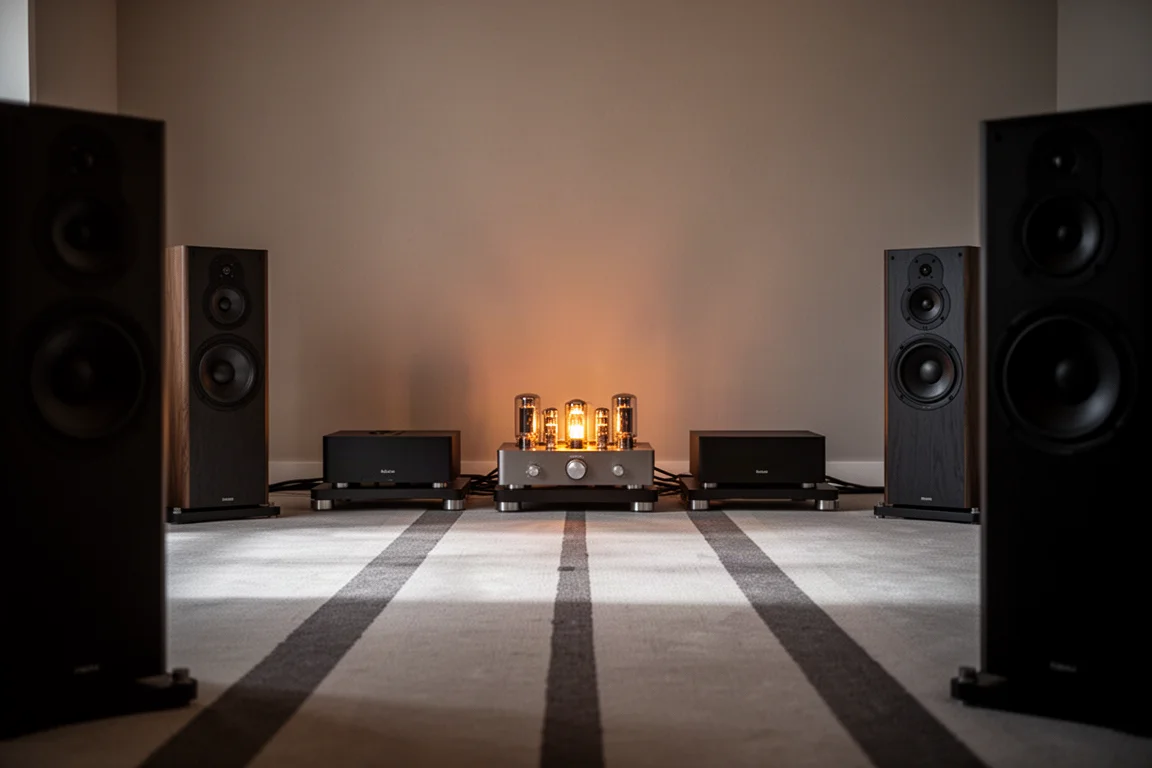
Where the R800i pulls clearly ahead is scale. The soundstage is huge, extending well beyond the speakers to the left and right, with immense depth when the recording contains it. Instrument separation is very good, and tracking individual parts within a busy mix is easy.
How It Compares With Other Amplifiers
Against the standard Willsenton R8, the R800i is better in every respect, which is what you would expect given that it costs more than double. The R8 is a great amplifier for around £1,000, but it is out of its depth next to its bigger sibling.
The comparison gets more interesting once the R8 is fitted with PSVane T Mark II collection tubes. In that form the R8 matches the R800i for clarity, and arguably offers the more even tonal balance overall. Where it still cannot compete is dynamics, sense of scale, and harmonic richness.
The Hegel H190 sits at a similar price to the R800i and counters with greater clarity, thanks to a more extended top end and tighter control in the bass. It also plays things safer. The R800i answers with its thumping bass line, colossal soundstage, and the acoustic mass it brings to the mid-range.
Solid state amplification rarely gets close to this kind of scale, but the Exposure 21 preamplifier paired with the Exposure 18 super monoblocks comes nearest. Even there, the valve amplifier takes a narrow edge on scale. The Exposure combination adds a little harmonic richness of its own, though it does not go as far as the R800i. What distinguishes that pairing is the blackness of its background and the fine detail that becomes audible within it: small nuances, textures, and decays in the mid-range. That level of resolution remains rare.
Speaker Pairing and Listening Notes
The R800i is not especially fussy about speakers, although it will always impart its own character on the system. It drove a pair of ProAc speakers without any problem, and the two made a nice sonic pairing.
The Dali Menuet SE brought excellent mid-range clarity, and its virtues combined well with the strengths of the amplifier to produce a very satisfying result. The Sound Artist LS3/5A is less revealing but tonally richer, with the special quality in the vocal region that the original LS3/5A is known for. Pairing a warm, rich speaker with a warm, rich amplifier normally risks a mushy result, and that did not happen here. The LS3/5A has rarely sounded so warm and rich while also remaining full and lively.
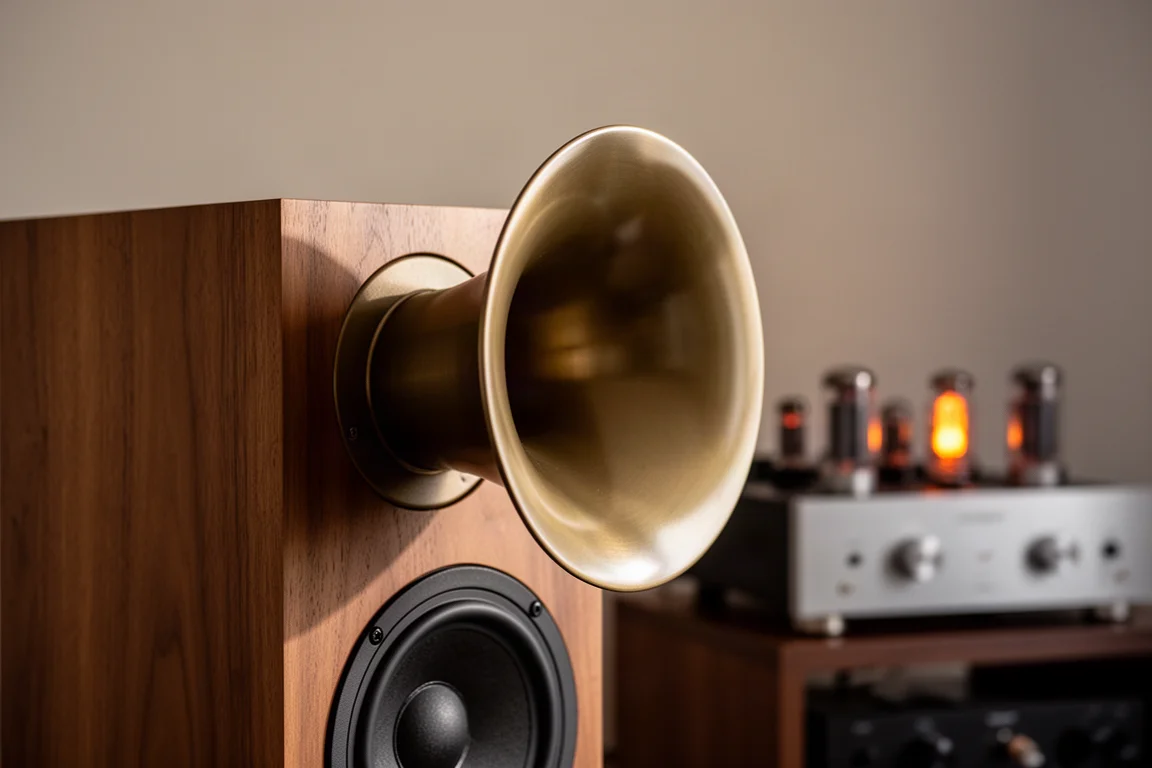
The JBL 4309 brings a livelier character, though not a bright one, and stands out as a refined and balanced horn speaker with a lifelike quality. Tubes and horns are a classic combination when both are done well, and this pairing showed why. On large-scale choral music with pipe organ and bagpipes, the instruments, the voices, and the acoustics of the recording venue all came through clearly. It was an engaging and, at times, moving listen.
The practical takeaway is that the amplifier rewards experimentation. Sensitivity, room size, and the tonal balance of your speakers will all shape the result, and the 4, 8, and 16 ohm taps give you one more variable to play with.
Living With Tubes: Bias, Heat, and Maintenance
Anyone new to tubes or to Class A should go in with realistic expectations. Tube lifespan depends on the amplifier design and on what each tube is doing, with a minimum of around 1,000 hours of use and potentially as much as 10,000 hours in some cases. Output tubes tend to be driven hardest and are usually first to need replacing, so the 805As are the ones to watch.
Replacement does not have to cost a fortune, although it certainly can. Upgrading to the PSVane T Mark II collection, which covers a pair of 6SN7s for the preamplifier stage, a pair of 300Bs for the driver stage, a pair of 805As for the output stage, and one 274B for rectification, comes to around £700.
Routine maintenance is modest. Every couple of months, check the bias on the two main output tubes. The other tubes use fixed bias and have no adjustment. To check bias, switch the meter into bias meter mode, press and hold the bias current switch in either the V1 or V2 position, find the matching bias adjustment on the top plate, insert a flat head screwdriver, and turn until the needle sits at zero. Then repeat the process for the second output tube.
Heat is the other daily consideration. The driving stage and output stage tubes run very hot, so keep the amplifier well ventilated and use the supplied cage if there are children around.
Buying Advice and Long-Term Value
At around $2,000 direct, or roughly £2,500 delivered in the UK after shipping, taxes, and duties, the R800i costs more than double the R8. The question is whether the extra buys enough. For listeners with speakers below 90 dB who want single-ended Class A power, a large soundstage, and a rich mid-range, the case is straightforward.
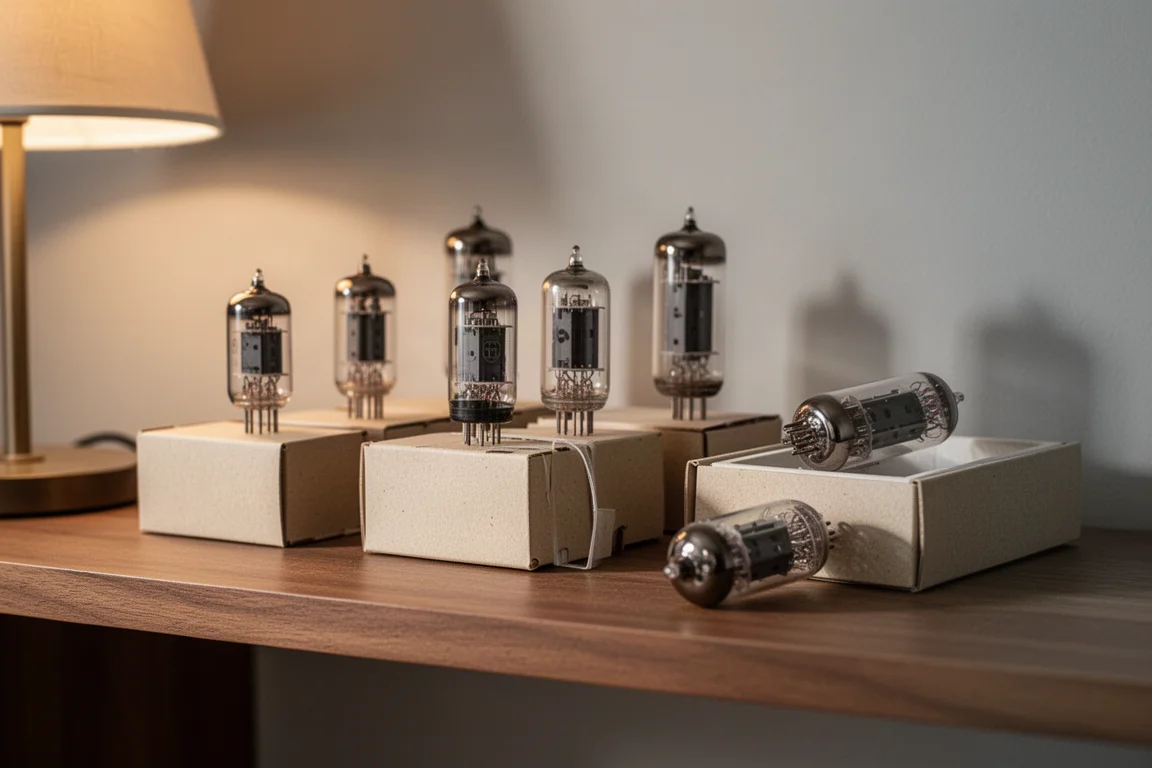
It is also worth weighing the amplifier as a long-term project. In stock form there are areas that could be better: more focus and detail, tighter bass, crisper transients through the mid-range, fuller decays, and a little more top-end extension. Those are exactly the qualities that tube rolling tends to change, and the same upgrade path transformed the R8 when it moved to the PSVane T Mark II collection. Buyers who enjoy that process will get a lot out of this amplifier.
If, on the other hand, you want maximum resolution straight out of the box, or you listen mostly to fast, percussive material, the R800i’s priorities may not match yours.
Conclusion
The Willsenton R800i is a big, dynamic, full, and rich sounding amplifier with immense potential for future refinement through tube changes. Judged on its stock tubes, it falls just short of the very best in its class on detail, transient speed, and top-end extension, but only just. On scale, mid-range richness, and sheer presence, it is a compelling proposition for the money, and it earns a strong recommendation for the right system.
Product link
View more details for Willsenton R800i
This product is mentioned in the review. Check the specifications, options, and compatibility before buying.
View more details for Willsenton R800iFurther reading
Related Reviews
Integrated Amplifiers
Advance Paris A10 Classic Review: Vintage Looks and a Lively, Punchy Sound
The Advance Paris A10 Classic pairs glowing blue VU meters and a tube stage with one of the widest input sets on any integrated amplifier. Here is what it does well and what to weigh before spending $2,500.
Integrated Amplifiers
Advance Paris A12 Apex Review: A Modern Integrated Amplifier With Vintage Character
A dual mono integrated amplifier with 180 watts per channel, a tube front end, VU meters, and a connectivity list that covers turntables, televisions, computers, and headphones.
Integrated Amplifiers
Advance Paris Nova Range Review: AI130, AI190 and Modular Upgrades
A practical look at the Advance Paris Nova range, including the AI130 and AI190 integrated amplifiers and the modular streaming, Bluetooth and remote accessories that expand them.