Astrophotography
William Optics Redcat 91 Review: A First-Light Test on the Pleiades
We put the Redcat 91 through a cold, demanding first-light session on the Pleiades to see how its optics, mechanics, and full-frame imaging circle hold up.
Introduction
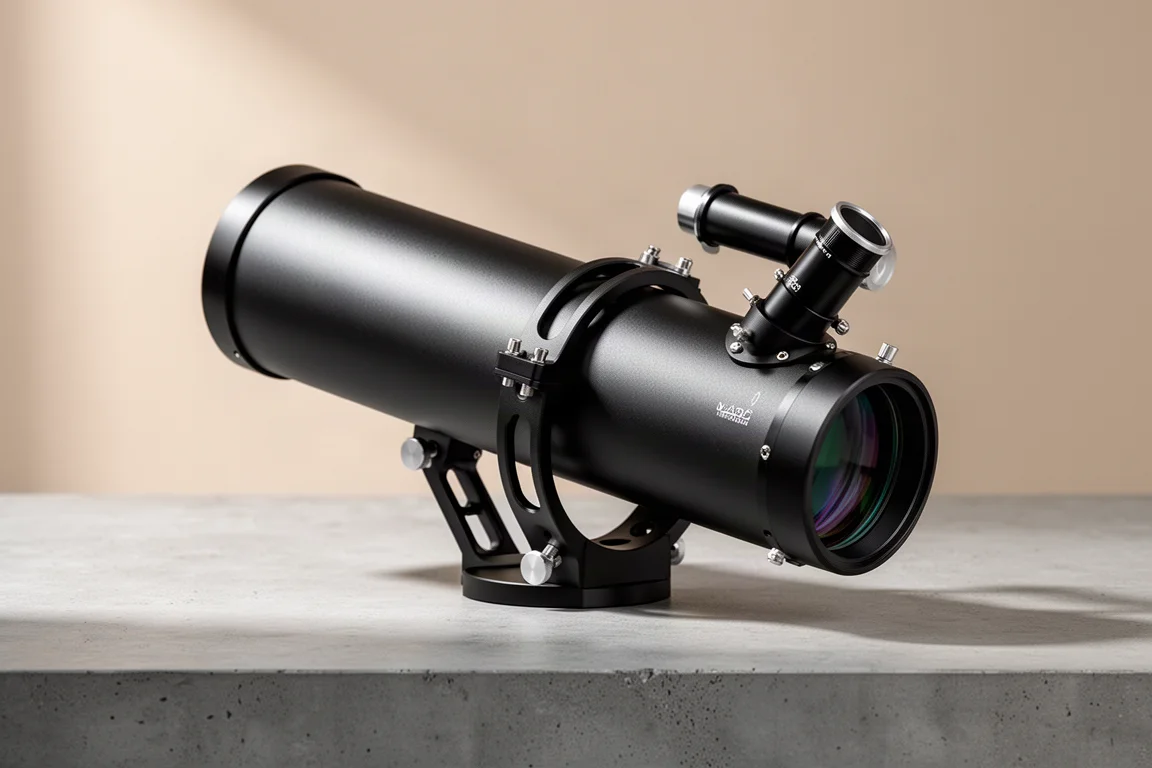
The William Optics Redcat 91 is the newest and second-largest member of the Redcat family, sitting above the well-loved 51, 61, and 71mm models. For this first look, the telescope was put to work on one of the most unforgiving optical tests available from a light-polluted backyard: the Pleiades star cluster, a broadband target full of extremely bright stars that exposes reflections, chromatic issues, and focus problems quickly.
The test conditions were about as harsh as they come. The session ran unattended on a bitterly cold winter night, with temperatures dropping to around minus 20 degrees Celsius, and the sky clouded over partway through. Even so, the limited data collected revealed a lot about how this scope behaves in the field.
Key Specifications and Build
The Redcat 91 delivers a 448mm focal length at f/4.9, finally pushing the Redcat line past the 400mm mark and making mid-range deep sky targets much more accessible. The standout specification is a 55mm image circle, which makes the telescope medium format compatible and means full-frame sensors are covered completely.
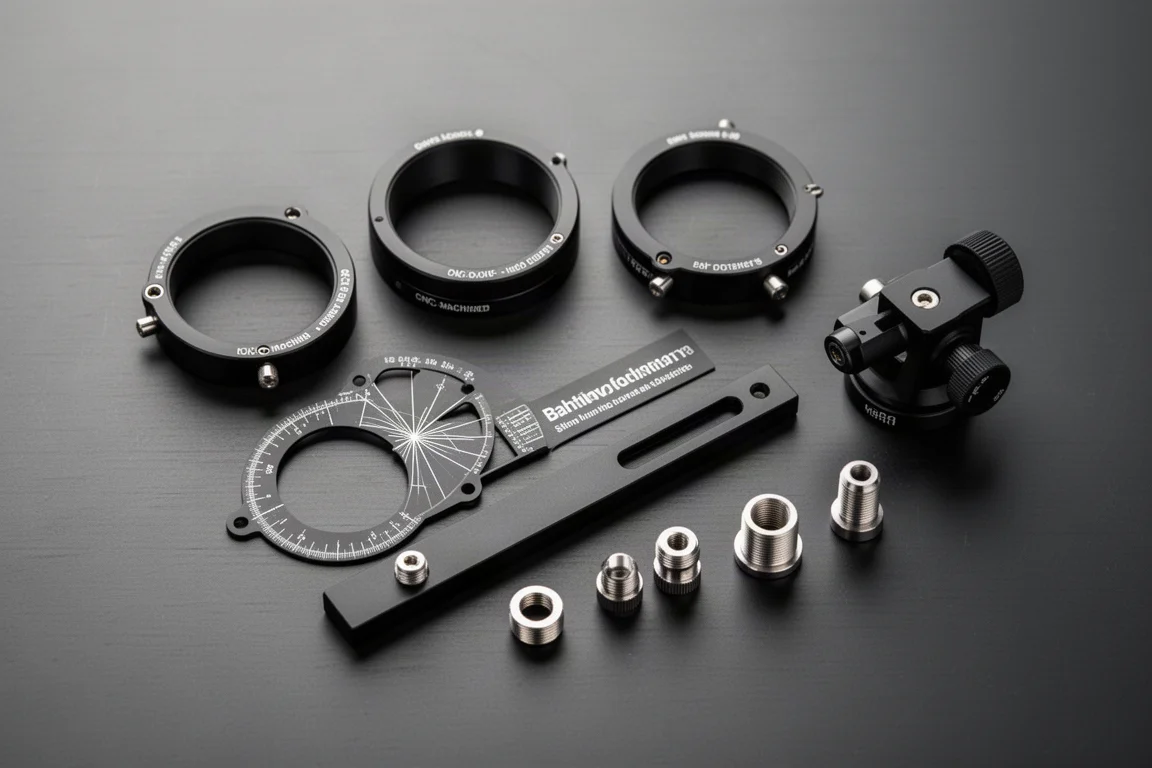
Hardware details are generous for a scope in this class. It includes the Wifd focuser, which can be paired with an electronic autofocus motor such as an EAF. A Bahtinov mask is built directly into the lens cap, the dual dovetail and tube rings feel solid, and the familiar Cat saddle completes the package. Buyers can choose between the classic red finish that matches the rest of the Redcat lineup or an all-black version.
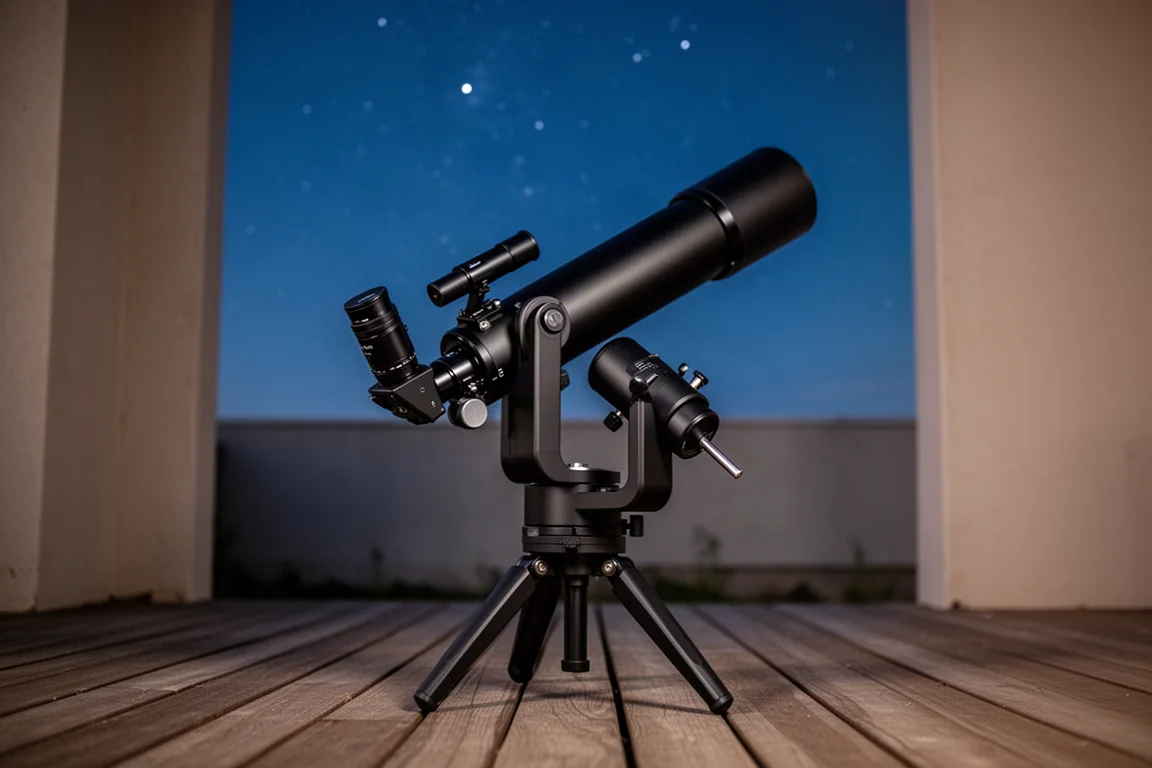
On the mount side, a portable strain wave mount such as the AM5 handles the Redcat 91 without any trouble, and the configuration proved capable of passing an unattended meridian flip test, which matters for anyone running long autonomous sessions.
First-Light Results: Imaging the Pleiades
The test rig used a monolithic cooled camera shooting LRGB, with 120-second exposures through each filter. Because the session ran unattended, the final focus had to hold through the night without an autofocus motor installed, a genuine stress test in freezing conditions.
Even from a limited set of roughly twelve two-minute subs per filter before clouds rolled in, the star quality held up well. A single luminance sub showed clean, sharp stars with no obvious optical surprises. Considering the extreme cold, there were no signs of pinched optics or strange star shapes. The stacked red filter frames also looked sharp and clean on this demanding, bright-star target.
The Pleiades is particularly harsh on optics because of its brilliant stars, which tend to trigger reflections and highlight any chromatic weakness. On that front, everything looked great, with no surprises in star quality. One note for prospective buyers: to take full advantage of the large image circle, a full-frame or medium format camera is the natural pairing, and a crop-sensor camera leaves much of that selling point unused.
Things to Consider Before Buying
A few practical observations are worth weighing before purchasing. The focuser, like many in this class, can get noticeably stiff in deep cold, which is worth considering for winter imaging. The test unit shipped without an autofocus motor installed, and one would have been genuinely useful during the unattended session; adding an EAF is an easy upgrade and an easy recommendation.
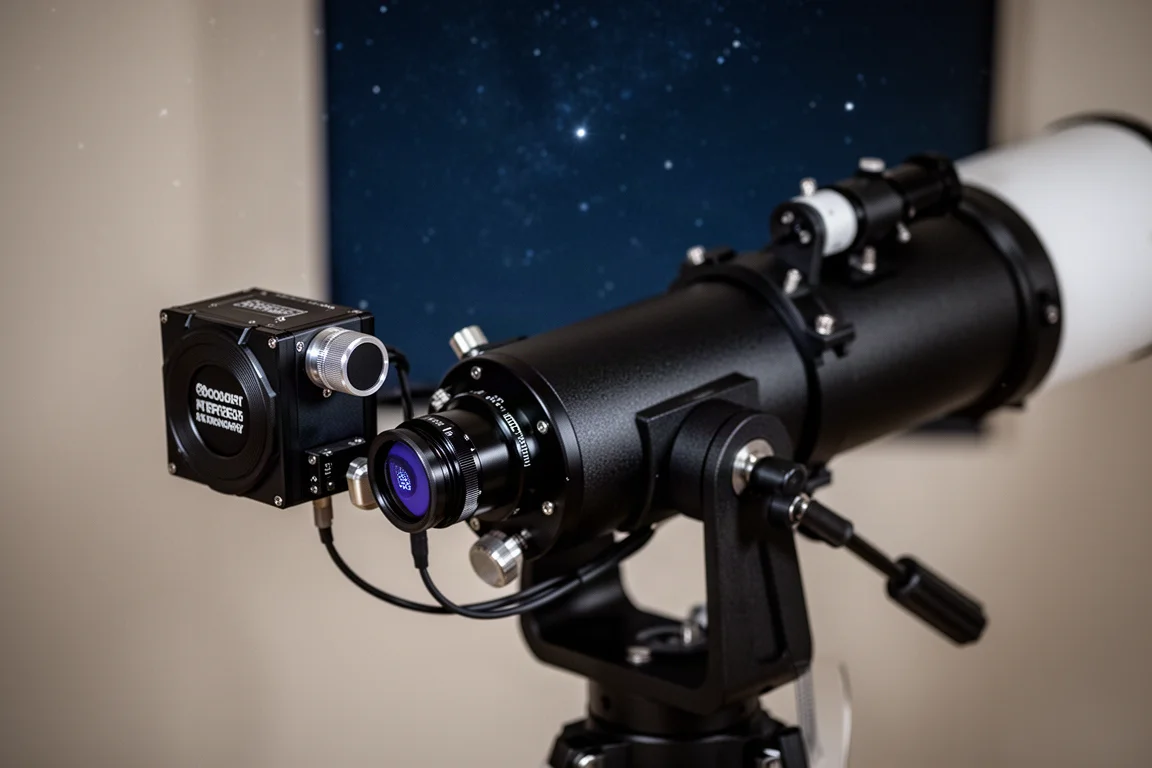
For fully remote operation, adding an automated rotator is the remaining piece that would allow complete control of the rig from indoors. Paired with an ASI Air running in station mode for a reliable whole-home wireless connection, the Redcat 91 becomes the core of a very capable unattended imaging setup.
Buying Advice
The Redcat 91 makes sense for imagers who want Redcat-style portability and build quality but need more focal length for mid-range targets like the Pleiades, Orion, the Horsehead, or the Rosette. The medium format compatible 55mm image circle is a genuine differentiator, and the included accessories mean less additional spending on rings, dovetails, and mounting hardware.
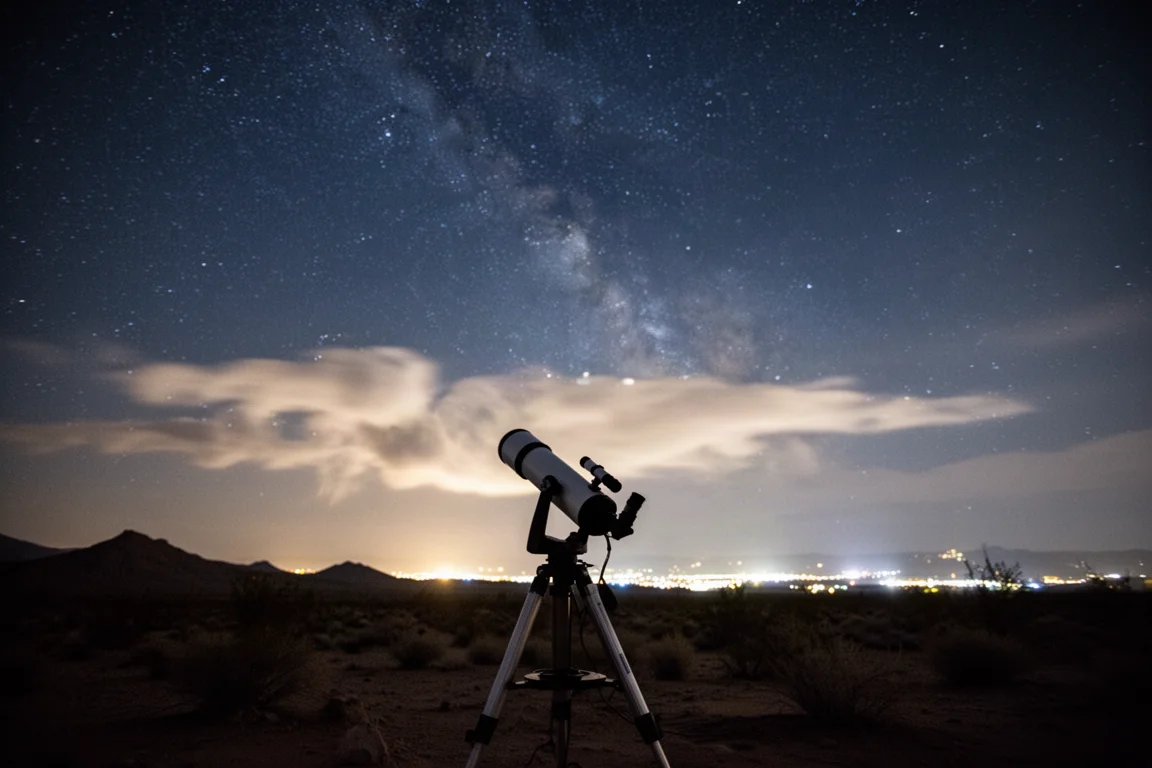
If most of your imaging happens in freezing conditions, plan on an electronic autofocuser early, and consider how your cable management will handle the meridian flip. Rigid, stiff cables in the cold are easier to snag during a flip, so keeping them flexible and tidy pays off.
Who This Telescope Is For
This scope suits backyard astrophotographers who want a compact, wide-to-mid focal length refractor that covers full-frame sensors with room to spare, and who value a polished accessory package out of the box. It is equally appealing to anyone building an unattended automated rig, given how smoothly the configuration handled a flawless, unsupervised meridian flip on a cold night.
Conclusion
Based on this demanding first-light session, the Redcat 91 delivered exactly what a buyer would hope for: clean, sharp stars on one of the toughest broadband targets in the winter sky, no optical red flags in extreme cold, and a hardware package that supports easy automation. For imagers ready to step up from smaller Redcats, it is a compelling option.
Product link
View more details for William Optics Redcat 91
This product is mentioned in the review. Check the specifications, options, and compatibility before buying.
View more details for William Optics Redcat 91Further reading
Related Reviews
Astrophotography
ASKAR FRA400C Review: A Versatile 400mm Refractor for Astrophotography and More
The ASKAR FRA400C is a compact 72mm refractor that balances reach, versatility, and portability for astrophotographers and visual observers.
Astrophotography
Askar SQA106 Review: A Premium 106mm Astrograph With Exceptional Optics
The Askar SQA106 is a premium 106mm quintuplet astrograph with impressive sharpness across full-frame sensors, though its price and weight demand careful consideration.
Astrophotography
Astro Imaging Gear 2026: Eight New Products Worth Watching
A look at the most interesting new astrophotography and astronomy products announced this year, from fast telescopes to smart cameras and wireless accessories.