Camping Tents
Wild Country Panacea II vs Terra Nova Northern Light 2: Which Tent Is Worth It?
Two tents with the same shape and size, separated by fabric, poles, weight, bulk and price. Here is how to choose between them.
Introduction
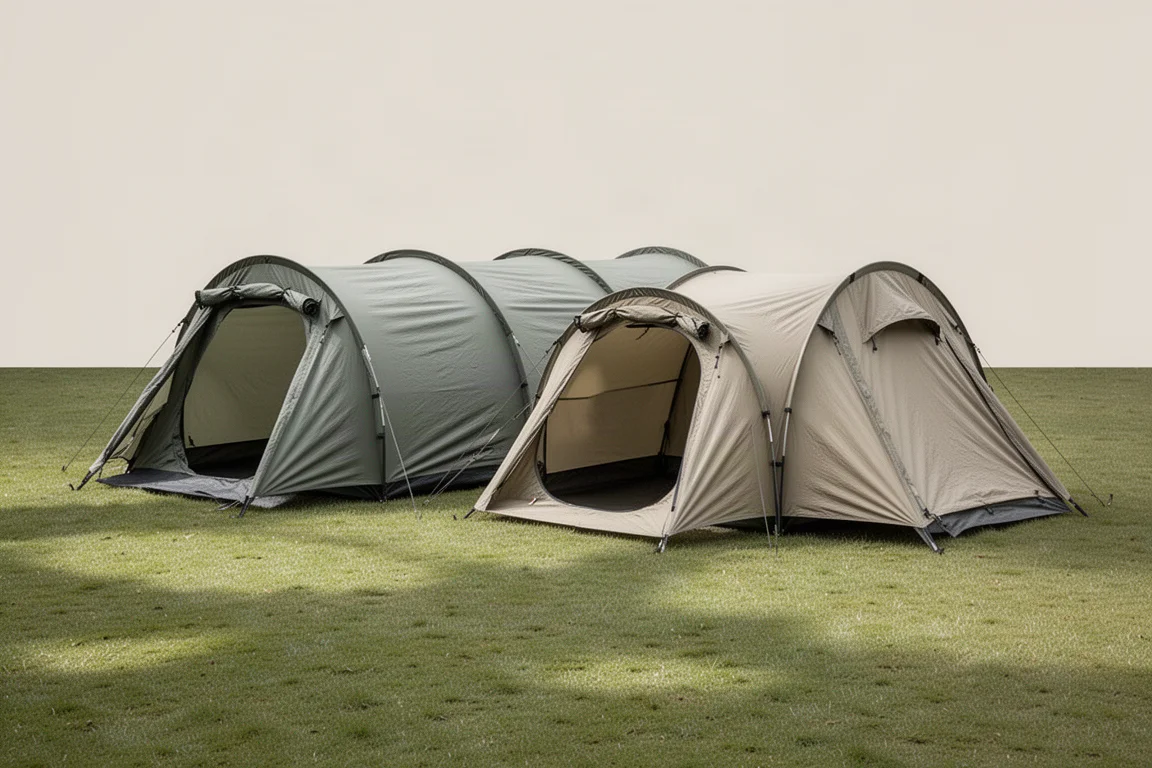
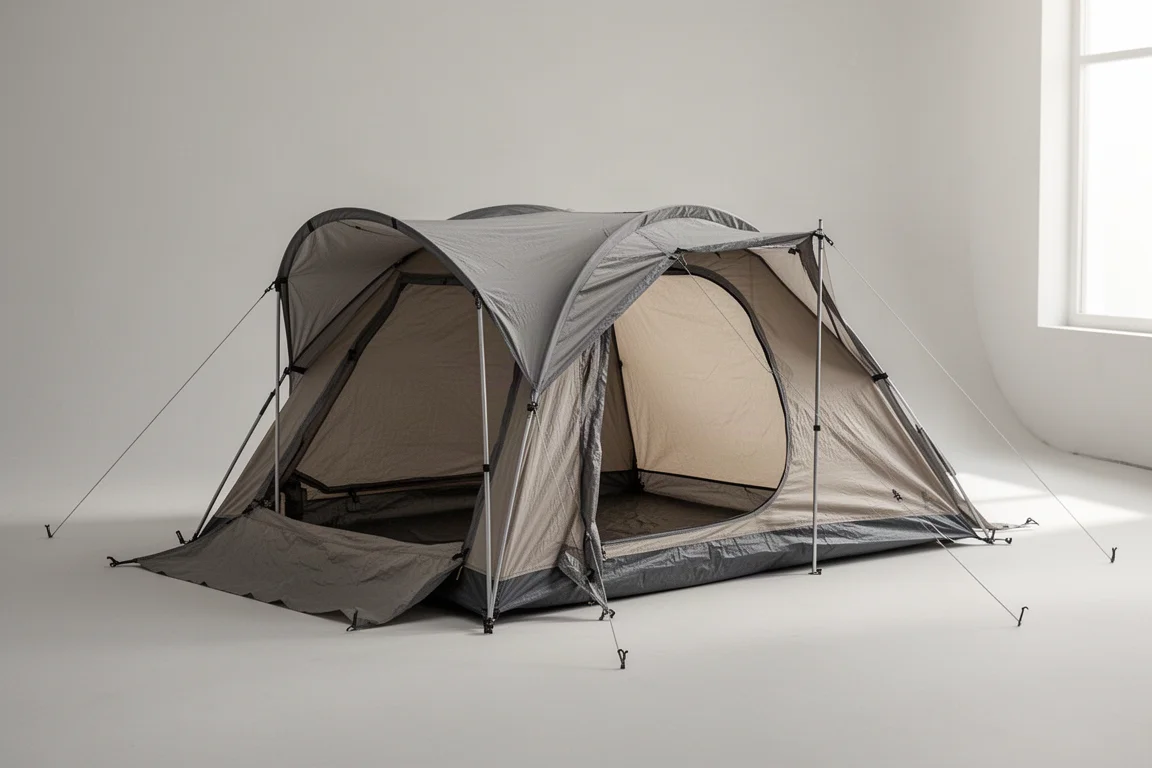
Two tents, one outline. The Wild Country Panacea II and the Terra Nova Northern Light 2 share the same shape and the same size, and from the outside they are almost impossible to tell apart. What separates them is the fabric they are cut from and the poles that hold them up, and those two decisions ripple outward into weight, packed bulk and price.
That makes the choice unusually clean. You are not choosing between two different designs. You are choosing how much you are willing to pay and carry for a lighter, more durable build. This comparison walks through the materials, the shared features and the practical differences so you can pick the tent that matches the trips you actually take.
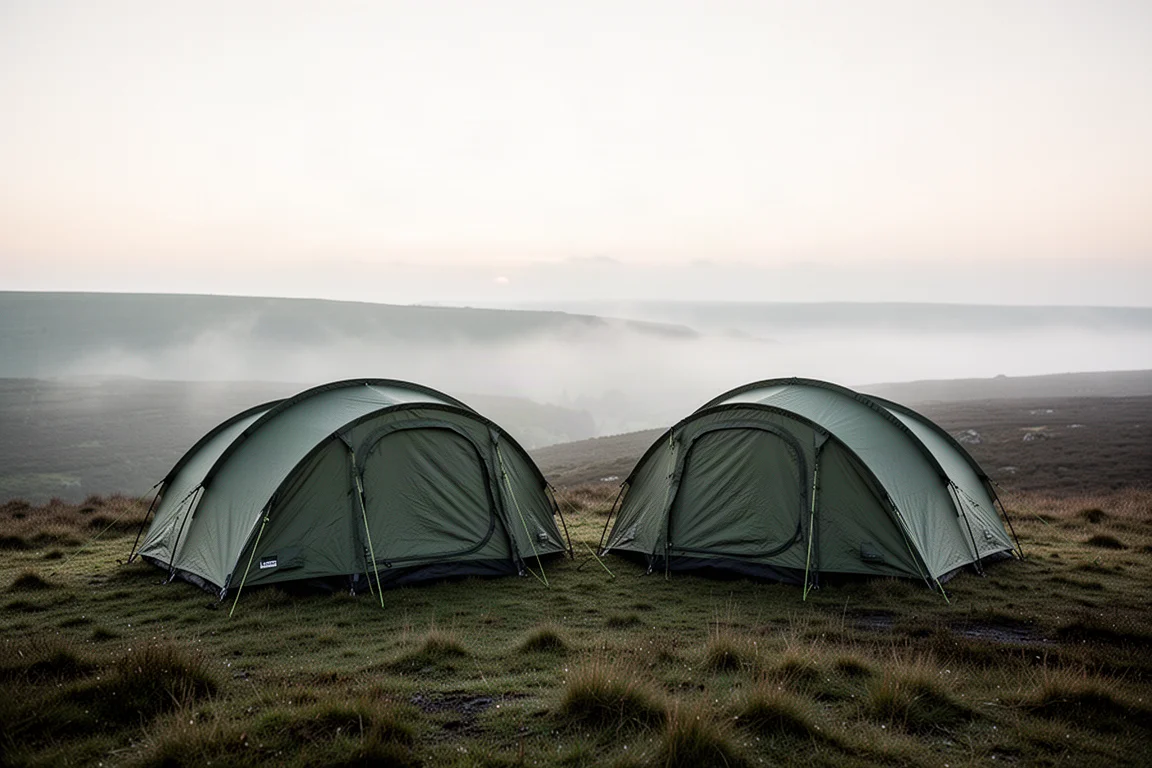
Both tents are compact tunnel designs with a large vestibule at each end, a cross pole that keeps the living space open, and a set of features that Terra Nova applies across both brands. Neither is a stripped-back entry model. The question is where the extra money goes and whether it matters for you.
How These Two Tents Compare
The most useful starting point is the fabric, because that is where the two tents diverge most.
The Panacea II uses a Wild Country Stormtex P4000 polyester flysheet in a 68 denier construction. Denier describes the thickness of the individual fibre strands, so a higher number means thicker strands and a heavier, denser cloth. Polyester is the more affordable option here.
The Northern Light 2 uses a 20 denier ripstop nylon flysheet with a silicone and PU coating, which Terra Nova markets as Watershed. Nylon is stronger than polyester, so a much thinner strand can still outperform a thicker polyester one. The result is a flysheet that feels noticeably different in the hand: lighter, thinner, and still very strong.
Waterproofing is a genuine tie. Both tents are covered by a waterproof guarantee, and both carry a hydrostatic head rating of 4,000 mm, meaning the fabric will hold a column of water four metres high before it starts to pass through. Anything above 1,500 mm is considered waterproof, so both sit comfortably in the very waterproof bracket. Both flysheets also carry a DWR coating that encourages water to bead and run off the surface.
The poles differ too. The Panacea II uses Wild Country’s own 9.5 mm Superflex alloy poles. The Northern Light 2 steps up to a 9.3 mm DAC NFL pole with a different hub design. DAC poles are widely regarded as the benchmark for tents, and they appear on most high-end models, though the Wild Country poles have a solid reputation of their own. Purchases direct from Terra Nova come with a two-year guarantee on tent poles that also covers accidental damage, which is a meaningful safety net given how easily a pole can be damaged in wind.
Wild Country Panacea II: The Value Option
The Panacea II pairs its 68 denier polyester flysheet with a matching 68 denier polyester half-mesh inner, so the whole tent feels substantial. The groundsheet is a 68 denier polyester fabric that Wild Country calls Aquastop, rated to a 5,000 mm hydrostatic head, which is a robust floor for a tent in this class. Guy lines are the standard Wild Country items.
The trade-off for all that thicker material is weight and bulk. The stated weight is 2.85 kg, and the packed size is visibly larger than its stablemate. It is also marketed as a three-season tent, though in practice it has been used comfortably in snow and changeable conditions without any obvious disadvantage against the four-season labelling of the other model.
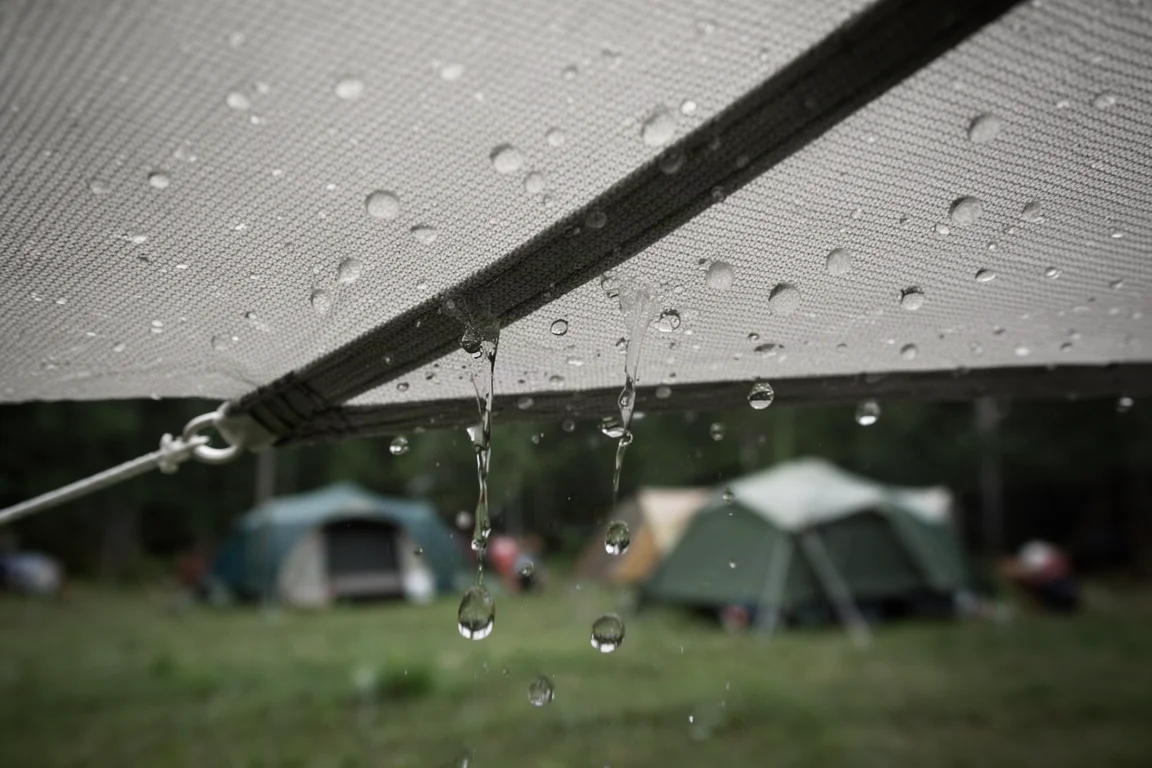
The thicker fabrics are the reason for the extra grams, and they are also the reason the tent packs down bigger. In return you get a build that feels dense and hard-wearing, with reinforced pegging points and fully taped seams throughout, at roughly half the price of the Northern Light 2.
Terra Nova Northern Light 2: The Lighter, Stronger Option
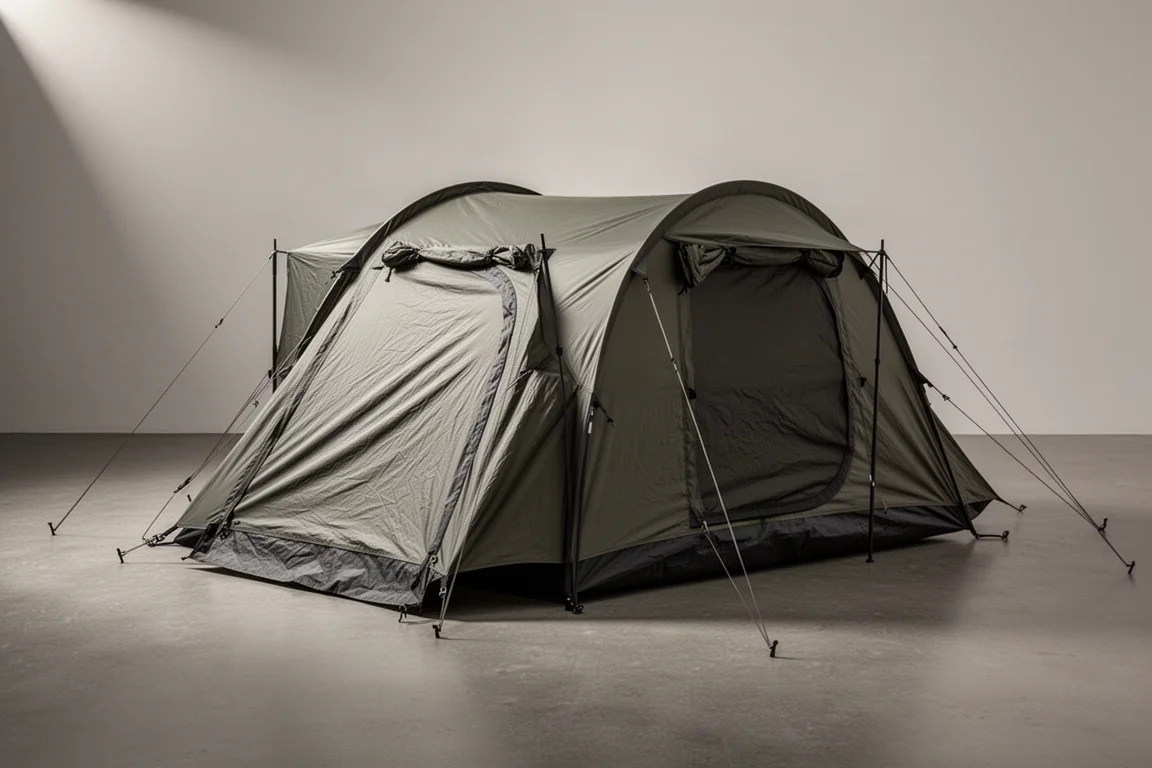
The Northern Light 2 is the tent you buy when weight and packed volume matter. Its 20 denier ripstop nylon flysheet is silicone and PU coated, and it is paired with a lighter ripstop nylon half-mesh inner at 30 denier. The groundsheet steps up to 70 denier with a 10,000 mm hydrostatic head, so the floor is both thinner in construction and more resistant to water than the Panacea’s.
The 9.3 mm DAC NFL poles use a different hub arrangement, and the guy lines are a thinner Dyneema cord that is remarkably strong for its diameter. Everywhere you look, the hardware has been trimmed to save grams without giving up strength. The stated weight is 2.2 kg, and Terra Nova markets it as a three to four season tent.
There is a longevity argument here as well. The Watershed flysheet material has been developed to be more UV resistant and less likely to degrade over time, which matters if you intend to keep the tent for many seasons rather than a few.
Shared Design and Weatherproofing Features
The features most people will actually notice are identical on both tents.
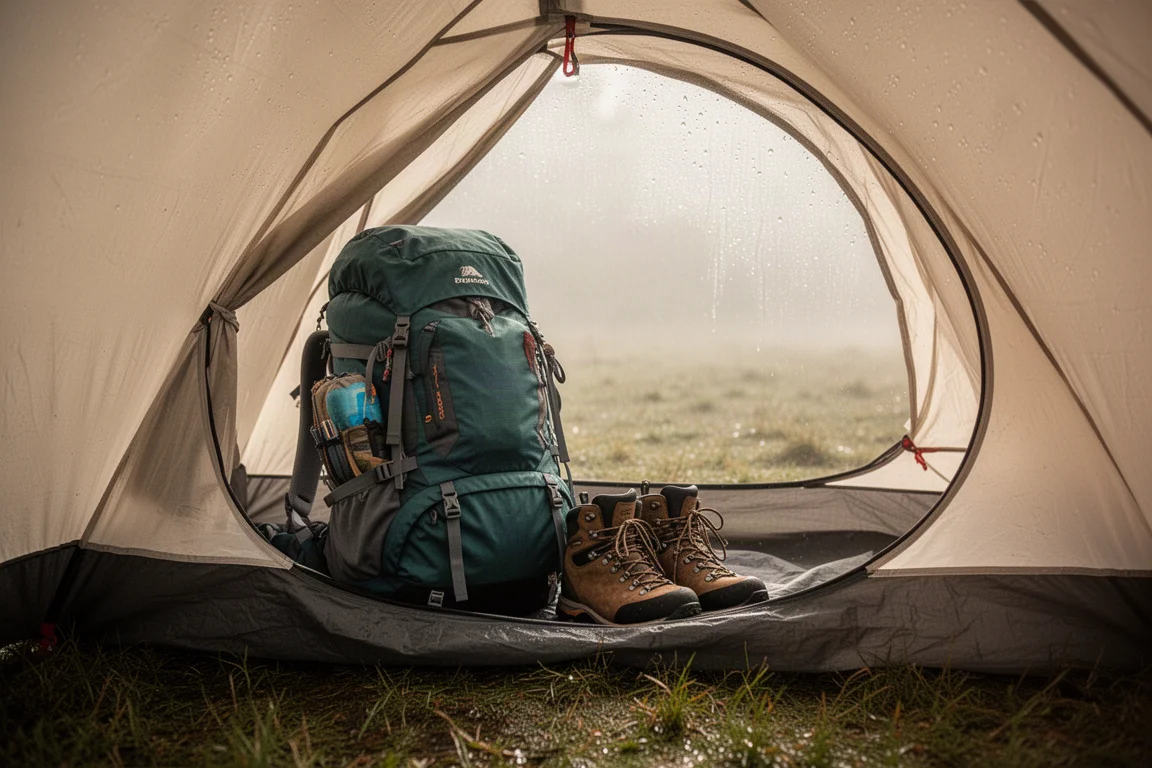
Ventilation is generous, with vents on all four sides, each held open by a small velcroed arm so air keeps moving even when the weather turns. The seams are fully taped on both. The pegging points are adjustable, reinforced, and strong on both, with taping underneath for waterproofing. Corners are beefed up, the zip pulls glow in the dark, and the doors use two-way zips so you can crack a window open in the morning without fully opening the tent. Both tents have pockets on either side of the door, and both have a very large vestibule at each end, with enough room for a couple of packs, boots, and cooking out of the rain.
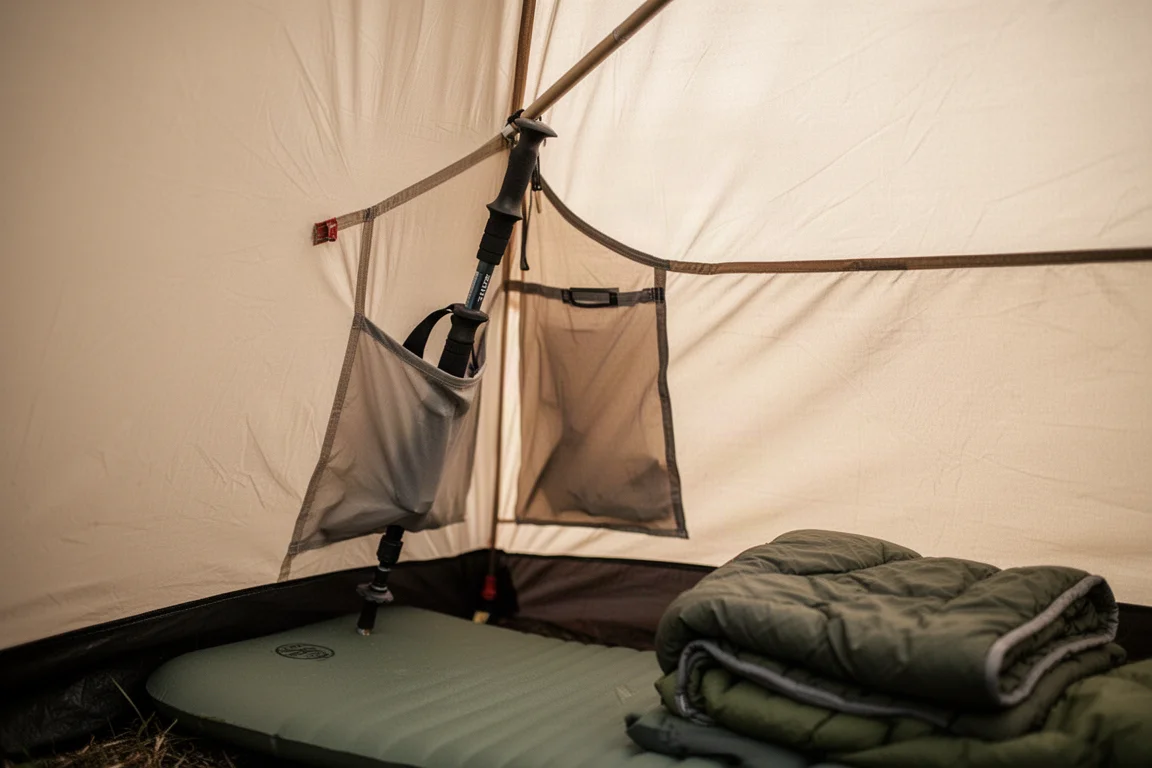
The standout shared feature is the trekking pole pocket. A reinforced sleeve high on the inner wall accepts the handle of a trekking pole, and raising the pole turns it into a vertical pillar of strength. The same can be done on the opposite side. On a design where the cross pole does not run all the way to the ground, that extra support is what stops the tent bowing down in strong wind, and it has proven effective in snow and exposed conditions on both models.
Weight, Pack Size, and Longevity
Put the numbers side by side and the gap is 2.85 kg against 2.2 kg. That is roughly the weight of a couple of cans of drink, so it is not a dramatic difference in the hand, though gram-counting backpackers will notice it over a long day. The packed size is the more obvious separation: the Panacea II takes up noticeably more room in or on a pack.
The other consideration is lifespan. Every tent material wears over time, and the more expensive coated nylon used on the Northern Light 2 has been developed to resist UV degradation better than the polyester on the Panacea II. If you want one tent to last as long as possible, spending more up front is the more economical path in the long run. If you camp a handful of weekends a year, the difference is far less important.
Buying Advice: Which Tent Fits Your Trips
The honest summary is that the Panacea II will do almost everything the Northern Light 2 will do. It shares the shape, the ventilation, the vestibules, the taped seams and the trekking pole reinforcement, and it carries the same 4,000 mm hydrostatic head on the flysheet. It is heavier and bulkier, and its fabric is a step below in strength and UV resistance, but it is a genuinely capable tent rather than a compromise.
The Northern Light 2 asks for a premium: over £600, against a Panacea II that comes in at just over half that. For that money you get the lighter build, the industry-standard DAC poles, the thinner Dyneema guy lines, the stronger groundsheet and a flysheet designed to hold up longer against the sun.
If you are a weekend camper heading out once every couple of months, the Panacea II is the sensible purchase and the savings will stretch to other kit. If you backpack regularly, count every gram, or want a tent you can keep for many seasons, the Northern Light 2 justifies its price. Either way, you are buying into the same well-proven design.
Conclusion
These two tents are the same tent in two different grades. The Wild Country Panacea II delivers the full design in heavier, more affordable materials. The Terra Nova Northern Light 2 delivers it in lighter, stronger, longer-lasting ones and charges accordingly. Match the choice to how often you sleep out and how much you are willing to carry, and neither will disappoint.
Further reading
Related Reviews
Camping Tents
3F UL Gear Taiji Two-Person Tent Review: Field Waterproofing Results and Buying Advice
The Taiji pairs an attached fly with a removable inner, but sustained rain exposed untaped vent seams that need sealing before this shelter can be trusted.
Camping Tents
3FUL Gear Lanshan 2 Pro 4-Season Review: A Sub-$200 Single-Wall Trekking Pole Tent
An early look at the 3FUL Gear Lanshan 2 Pro 4-Season, covering its straightforward pitch, generous interior space, and the condensation and seam-sealing questions that come with any single-wall shelter.
Camping Tents
Alps Mountaineering Lynx 1-Person Tent Review: Big Value in a Small Budget Tent
A close look at the Alps Mountaineering Lynx 1-Person Tent, covering real interior dimensions, materials, setup time, ventilation limits, and who should buy it.