Camping Tents
Wild Country Panacea 1 Review: A Sturdy One-Person Tent You Can Brace With Trekking Poles
A practical look at the Wild Country Panacea 1: a 2.3 kg semi-freestanding one-person tent with a 4,000 mm hydrostatic head fly and a trekking pole pocket for extra wind stability.
Introduction
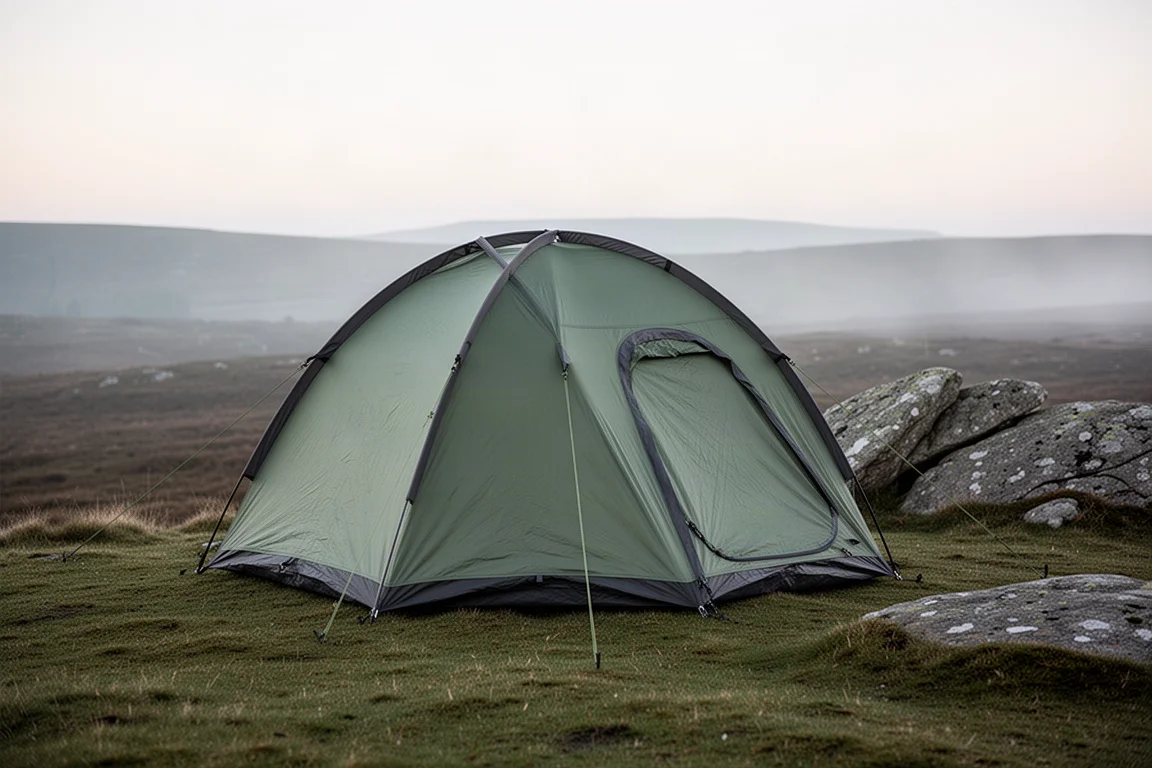
The Wild Country Panacea 1 is a one-person, semi-freestanding tent aimed at campers who want something that stands up to poor weather without a large outlay. It weighs 2.3 kg, uses a PU-coated polyester fly with a 4,000 mm hydrostatic head, and packs down to roughly the same size as the widely used Helm 1.
What separates it from that tent is a small pocket under the main pole that accepts a trekking pole, letting you add tension and rigidity when the wind picks up. The rest of the design is conventional in the best sense: a single pole system joined at a hub, a fly and inner that stay connected, and enough door configurations to suit anything from a still summer evening to a wet and breezy one.
This review covers how it pitches, how it lives inside, and what is worth weighing up before you buy.
Who this product is for
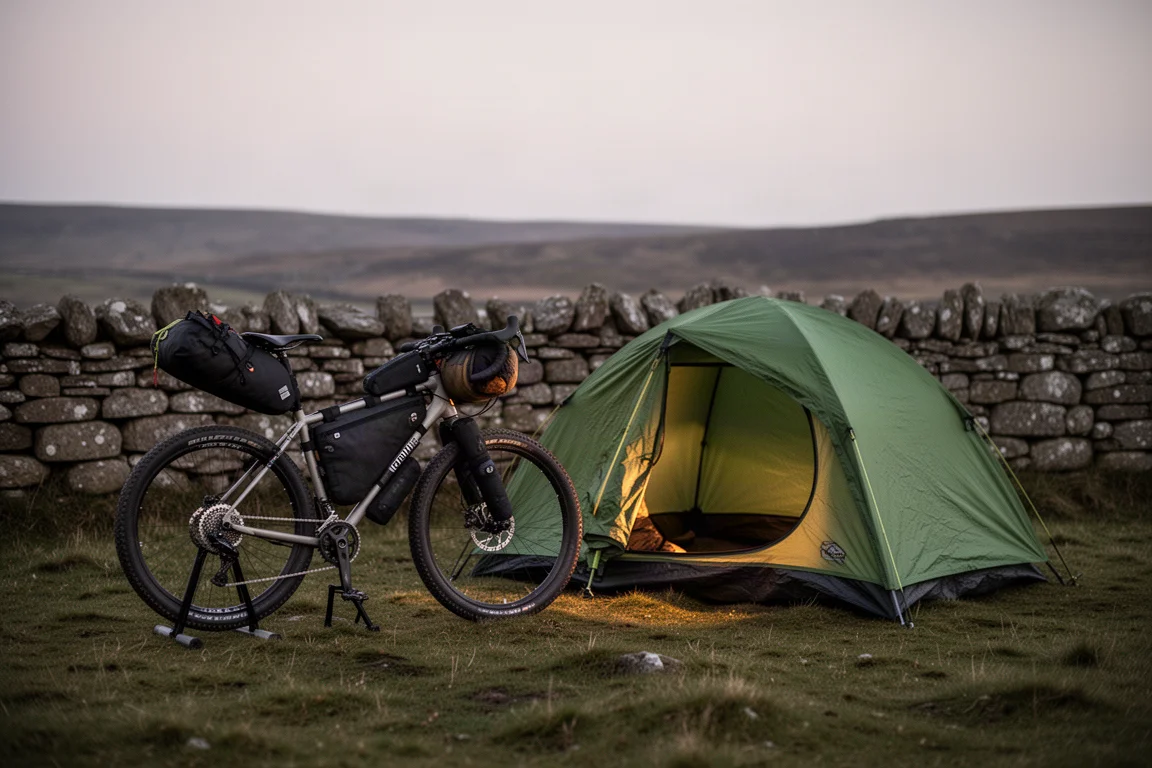
The Panacea 1 suits backpackers and bikepackers who want one tent that covers most of the year. The compact pole sections make it easy to split across a bike, and the compression bag lets you squeeze the packed tent down further. It is not a four-season tent, but with a good sleeping bag and sleeping pad it can be used in subzero temperatures, and the mostly solid inner fabric helps hold warmth through the colder months.
It also makes sense for anyone who already carries trekking poles. Being able to brace the tent with a pole you are carrying anyway adds stability without adding weight to your pack.
If your priority is the lightest possible load or maximum airflow on hot summer nights, this is a less obvious fit. The inner is mostly solid fabric rather than full mesh, which is a deliberate trade-off in favour of warmth.
Main strengths
Pitching and Structure
The fly and inner are connected, so the tent pitches as one piece and the inner stays dry if it is raining while you set up. The pole set is a single system joined with a hub, built from 8.5 mm Super Flex alloy 701 poles. Eleven Wild Country branded pegs and a pole repair sleeve are included in the bag.
Pitching is straightforward: eyelets at the corners, then the clips that attach the fly to the pole. Working around the tent from the ground up makes it easier to pitch in wind and avoids bending the poles at awkward angles. The corner tabs have sewn-in tape, so you cannot over-stretch them.
The tent is semi-freestanding, which means you can sleep in it without pegging anything out, although you need to peg the sides and vestibules to get the full structure. There is a single tie-out point at the back that can be tightened or loosened for airflow, and two pegging points at the front.
Ventilation and Living Space
Ventilation comes from several places: a vent at each end of the tent, plus another at the front with a small strut and a Velcro closure, which is handy because it does not need a guy line. The end vents do not have tie-outs.
The door has a large storm flap over the zip with Velcro tabs, plus a bungee loop at the bottom that holds the door open on a peg. The zip can be worked one-handed, and the rolled door tucks into a mesh pocket rather than being tied back. You can run the tent with one door open for ventilation, roll the door up to sit and take in the view, or open the whole front in warm weather.
Inside, the sleeping area measures 69 cm wide and 222 cm long, with 100 cm of head height and a 57 cm vestibule when the doors are closed. The main pole rises at a steep angle, so there is usable headroom when you are lying down and the inner does not hang in your face. With a 10 cm sleeping pad you will be close to the roof, but sitting up is comfortable. There is mesh at the top of the inner with a loop for hanging a lantern, a vent at the foot end, and a few storage pockets.
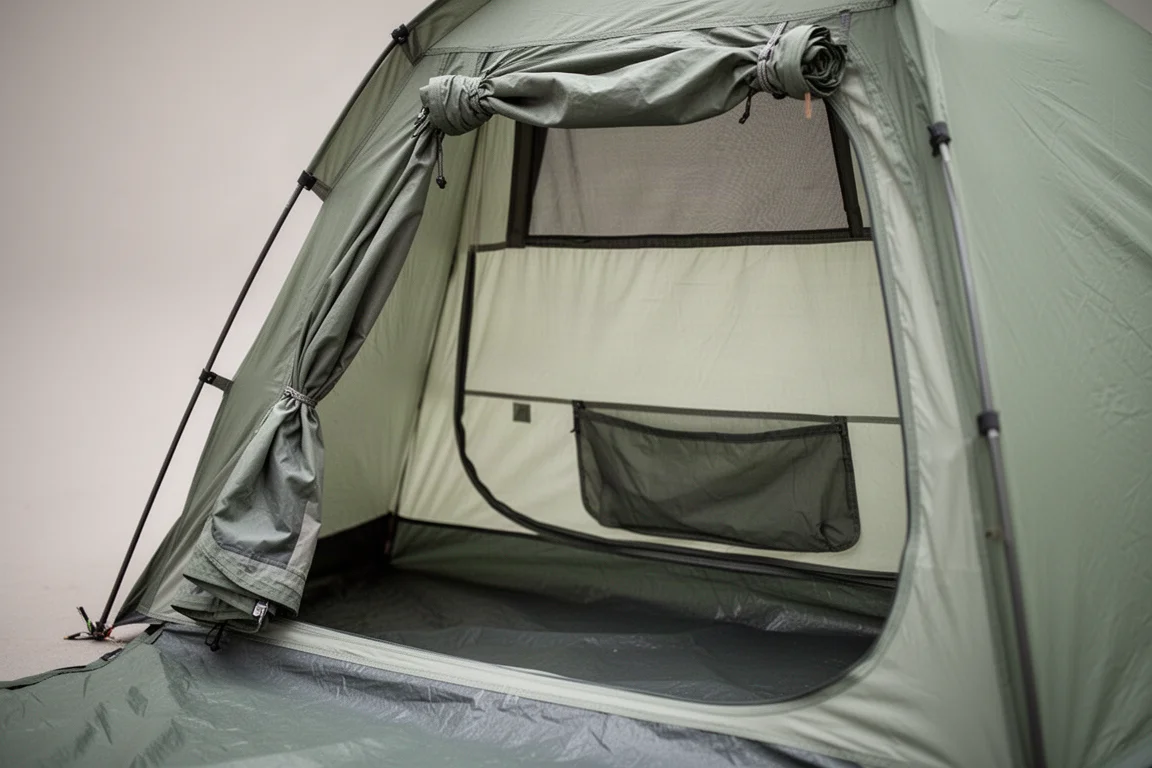
The inner is mostly solid fabric. That is good news in cold weather and less good on a hot, still summer night, when a full mesh inner would breathe better.
Trekking Pole Support
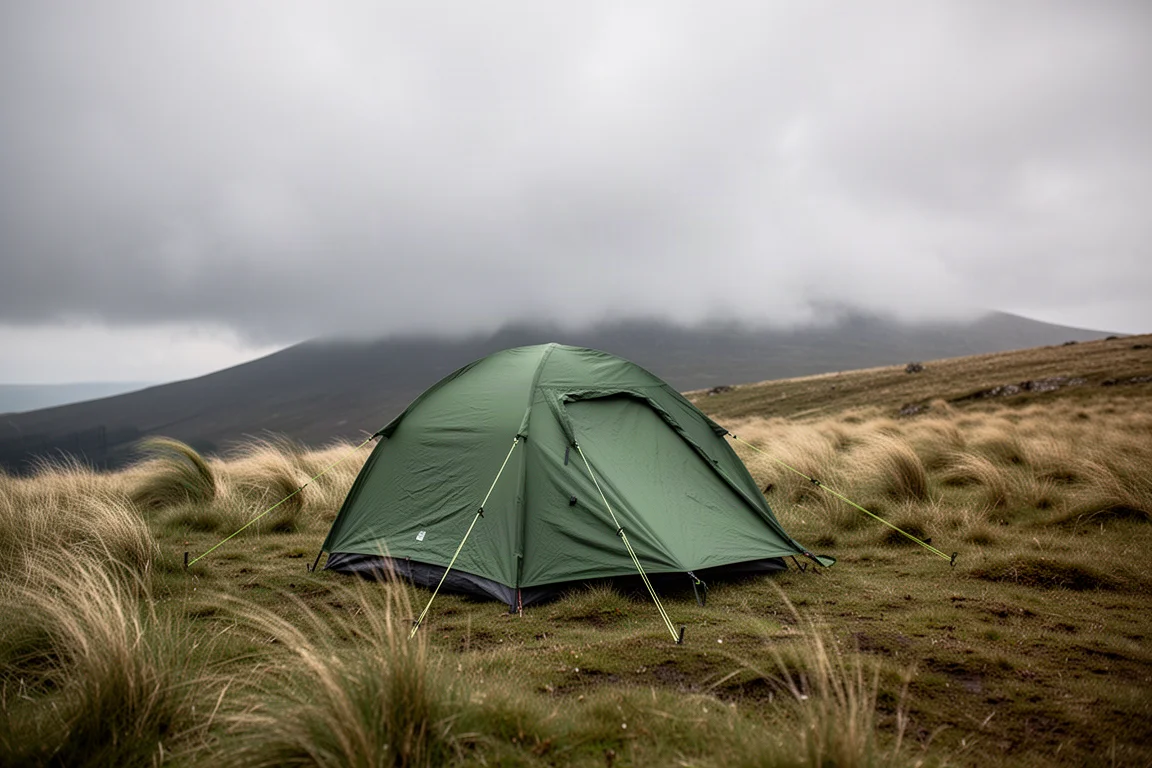
Under the main pole there is a small pocket that takes the handle of a trekking pole. Extending or shortening the pole tensions the structure, and the effect is significant: the tent becomes far more rigid, closer in feel to a trekking pole tent than to a simple pole-sleeve design.
There are a couple of practical points. Access is slightly restricted with a pole in place, and the guy line needs to be pegged out for the setup to work properly. It is easier to do with the tent already guyed out and the doors closed, so you do not end up straining the zip. Unclipping three clips at the top of the inner gives more room to work. Once the pole is in, the pegging positions shift slightly, which changes the tension across the tent.
Things to consider before buying
The most obvious trade-off is weight. At 2.3 kg the Panacea 1 is around 300 g heavier than the Helm 1, which weighs 1.99 kg. Some of that difference comes down to the pole structure, since the Helm is less freestanding and uses a simpler arrangement without the wishbone section.
The two tents also differ in shape. The Helm 1 is 8 cm shorter in height and 2 cm shorter in length, slightly wider inside, and has a smaller vestibule. The Panacea 1 offers more height and length plus a larger porch area, at the cost of a little interior width.
The 57 cm vestibule is compact with the doors closed, so plan on using the door configurations if you want to cook or store a pack under cover. The mostly solid inner will not suit everyone in high summer either.
Price is worth weighing up as well. The Panacea 1 sits at around £260 and the Helm 1 at around £250, so the decision is really about which set of features matters more to you rather than about a large price gap.
Buying advice
If you want a one-person tent that feels planted in wind, offers decent headroom, and can be braced further with a trekking pole you are already carrying, the Panacea 1 is a sensible choice. It is a good match for three-season backpacking and bikepacking, and for colder trips where the solid inner fabric works in your favour.
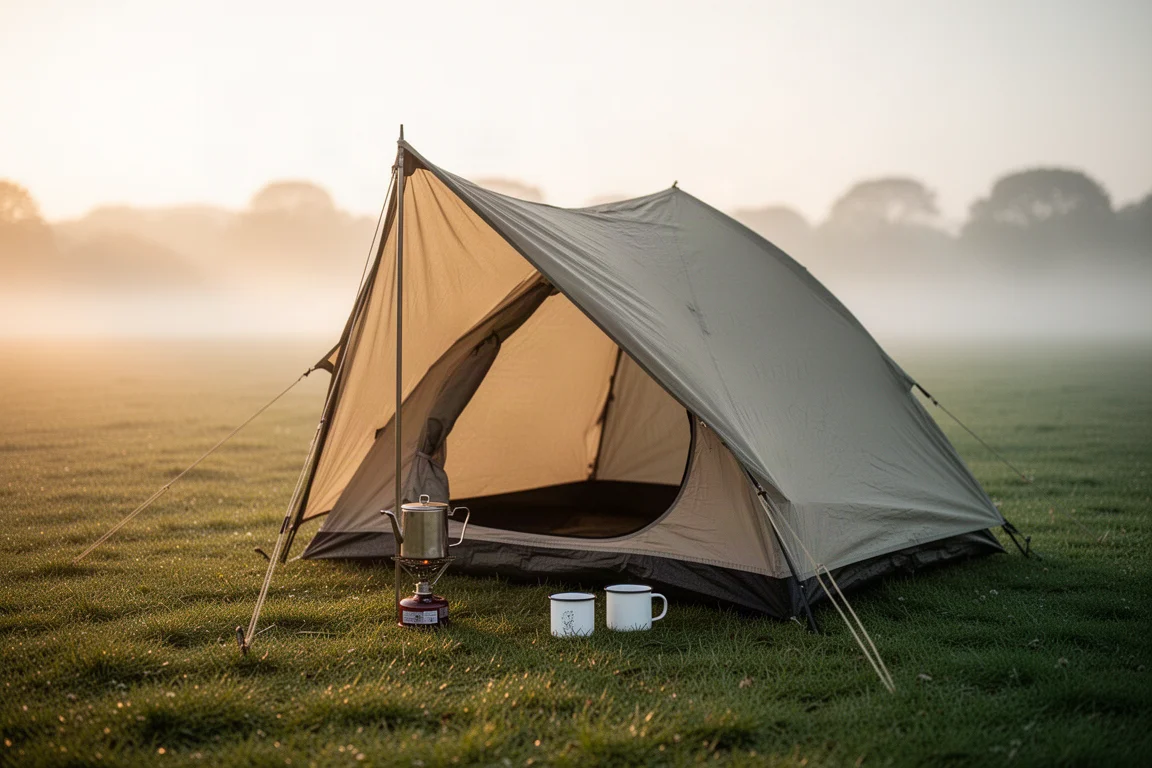
If saving weight matters more than the extra structure, the Helm 1 is the lighter option at 1.99 kg and comes in slightly cheaper. If you want a little more internal width and can live with less height and a smaller porch, it is worth a look as well.
Whichever you choose, set the tent up fully, peg out the guy lines, and close the doors before adding a trekking pole. Doing it in that order keeps the tension even and the zip running freely.
Conclusion
The Wild Country Panacea 1 is a well thought-out one-person tent with a clear identity: sturdy, semi-freestanding, and adaptable thanks to the trekking pole pocket. It is not the lightest option in its class, and the solid inner is a compromise in hot weather, but for campers who want a tent that handles wind and cold without a premium price tag, it is easy to recommend.
Product link
View more details for Wild Country Panacea 1
This product is mentioned in the review. Check the specifications, options, and compatibility before buying.
View more details for Wild Country Panacea 1Further reading
Related Reviews
Camping Tents
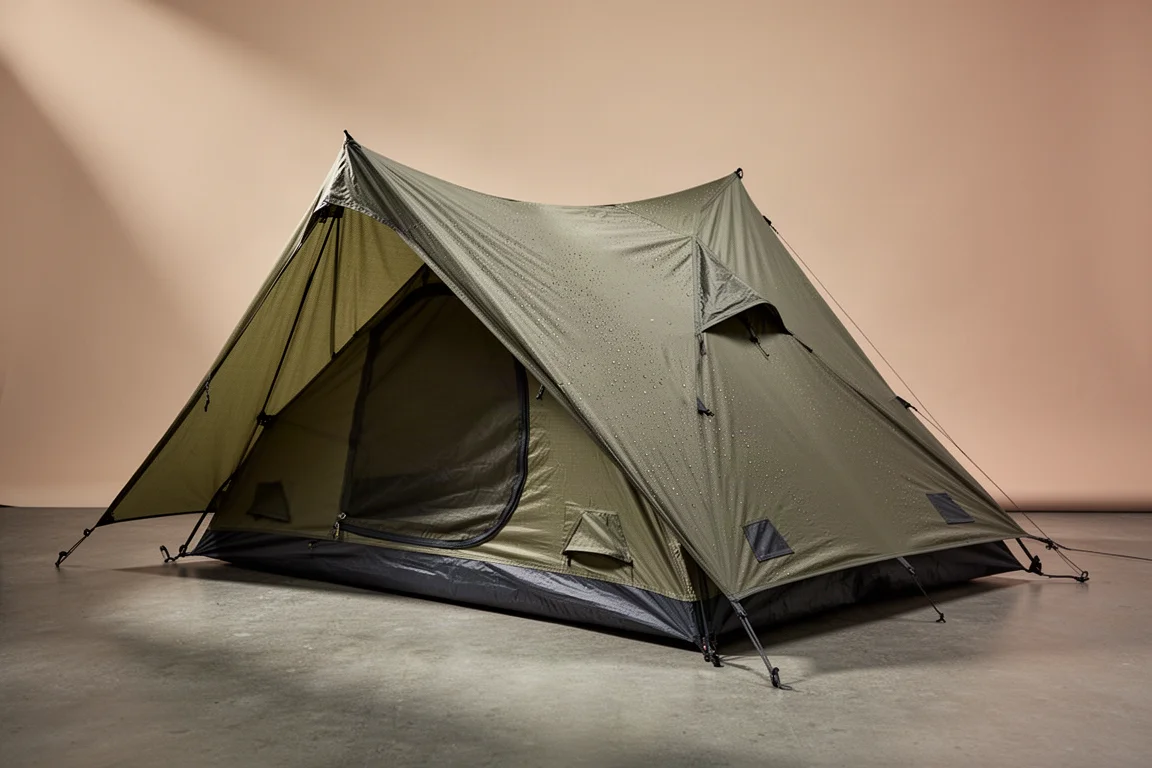
3F UL Gear Taiji Two-Person Tent Review: Field Waterproofing Results and Buying Advice
The Taiji pairs an attached fly with a removable inner, but sustained rain exposed untaped vent seams that need sealing before this shelter can be trusted.
Camping Tents
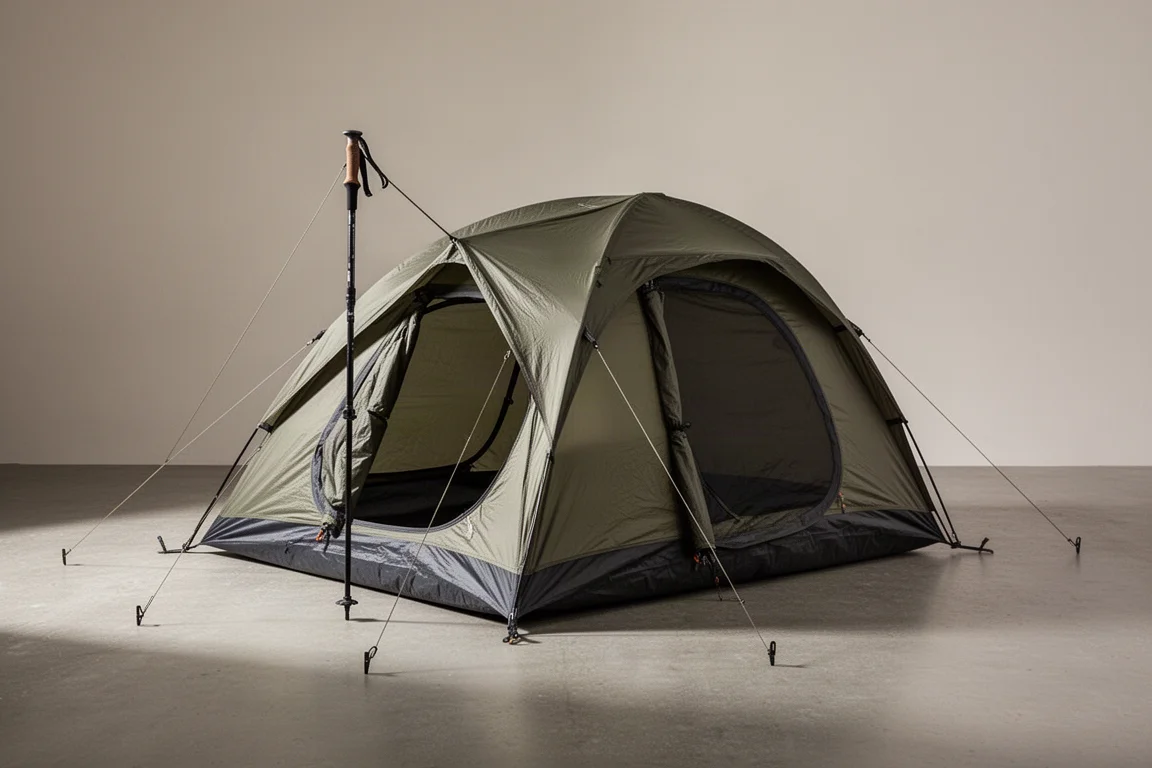
3FUL Gear Lanshan 2 Pro 4-Season Review: A Sub-$200 Single-Wall Trekking Pole Tent
An early look at the 3FUL Gear Lanshan 2 Pro 4-Season, covering its straightforward pitch, generous interior space, and the condensation and seam-sealing questions that come with any single-wall shelter.
Camping Tents
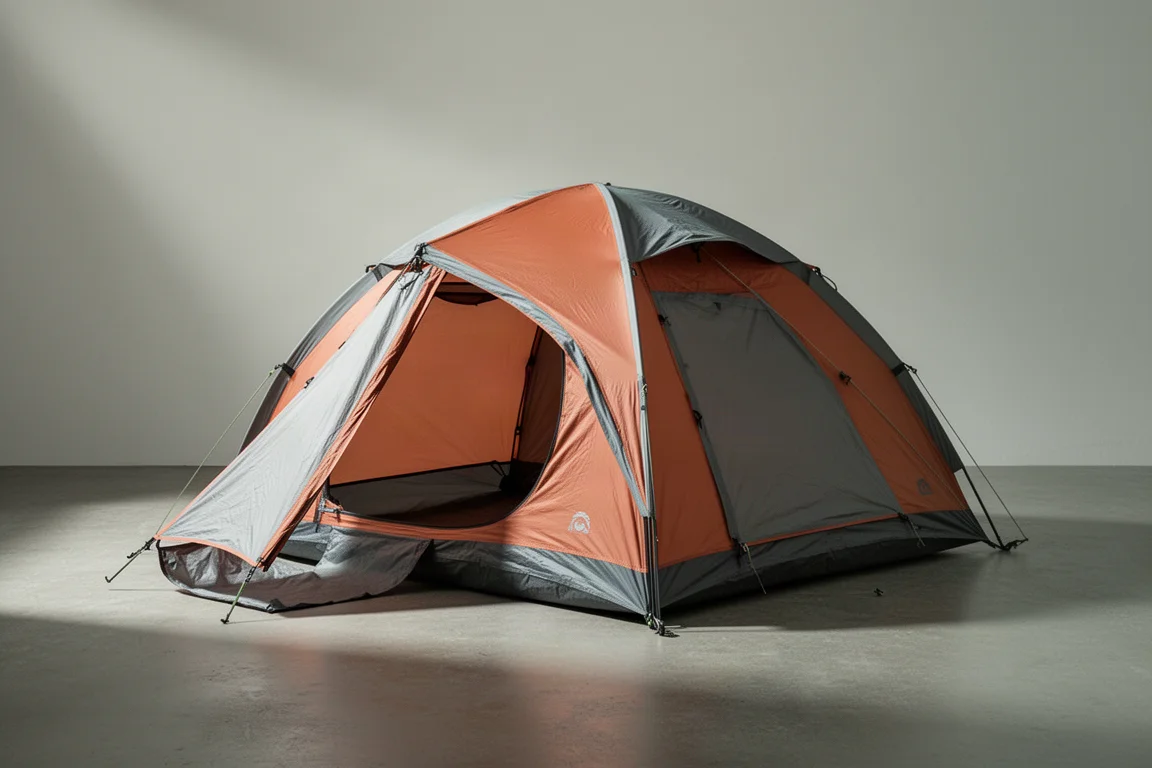
Alps Mountaineering Lynx 1-Person Tent Review: Big Value in a Small Budget Tent
A close look at the Alps Mountaineering Lynx 1-Person Tent, covering real interior dimensions, materials, setup time, ventilation limits, and who should buy it.