Camping Tents
Wild Country Helm Compact 1 vs Helm 2: Choosing a Solo Wild Camping Tent
A practical look at the Wild Country Helm Compact 1 and the two-person Helm 2, covering wind stability, interior space, condensation control, and how to choose between them.
Introduction
Solo wild camping asks a lot of a tent, and a fair amount of the person inside it. The usual worries surface before the first trip: being asked to move on, noises in the dark, wildlife moving around the pitch, and the possibility of deciding at 2am that home sounds better. Most of those can be managed with planning and a bit of experience. The kit question is the one you can settle before you leave the house, and it is where the Wild Country Helm Compact 1 comes in.
The Helm Compact 1 is the one-person version of the Wild Country Helm. It is a low-profile solo shelter with more interior height than a simple single-hoop design, shaped to stay steady when the wind picks up. This guide covers what it offers on a real overnight, how it compares with the two-person Helm 2, and which of the two makes more sense depending on how you camp.
What the Helm Compact 1 Is Designed For
The Compact 1 sits in the middle of the market rather than at the extremes. It is built for the conditions most UK wild campers actually meet, which means wind, rain and cold nights rather than full winter storms. On that basis it will cope with roughly 95% of the conditions you are likely to encounter and keep you protected from the elements. For extreme storms or heavy snow loads you would be looking at specialist four-season kit instead, which is a different category of tent at a different cost.
That positioning is the point. The design favours a compact, streamlined shape over maximum floor area, which makes it a sensible choice for a solo camper who wants a shelter that pitches quickly and behaves predictably through the night.
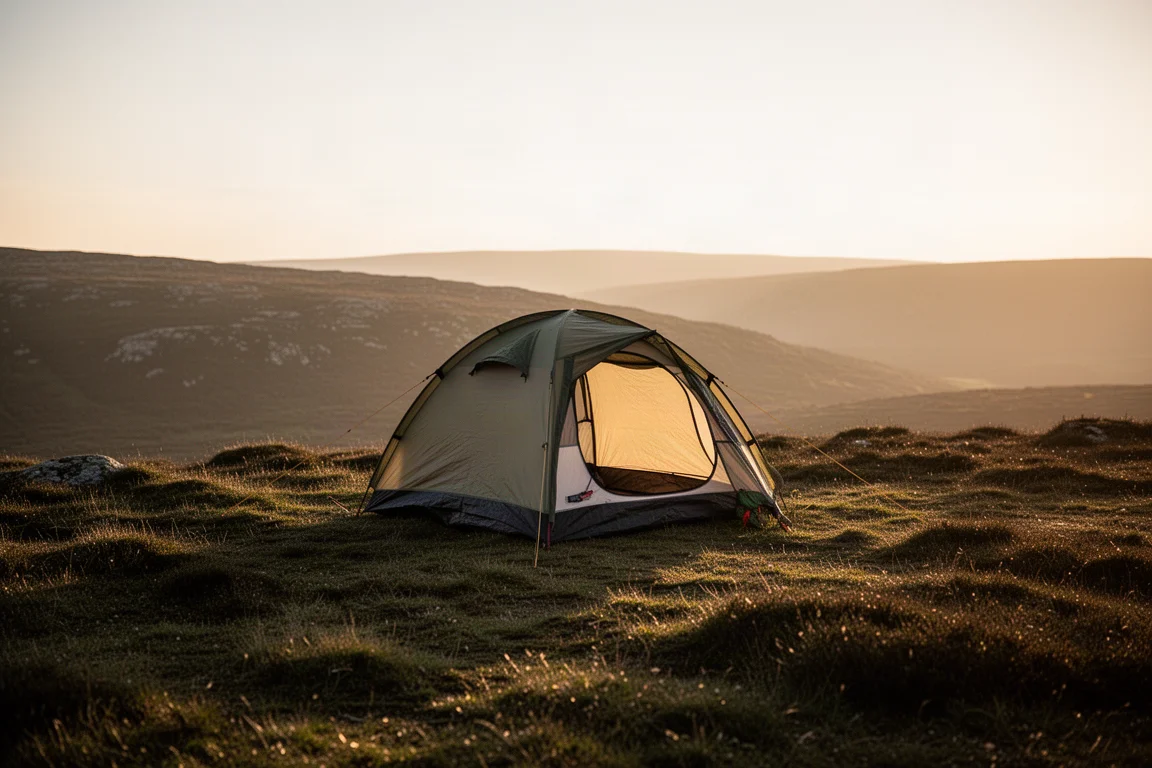
Pitching on ground you already know removes a lot of the guesswork from a first solo trip. Being able to walk the area in daylight, check where a tent will sit, and know the route back to the car makes the whole exercise calmer, and it gives you an easy exit if you decide you would rather head home.
Space and Storage Inside the Helm Compact 1
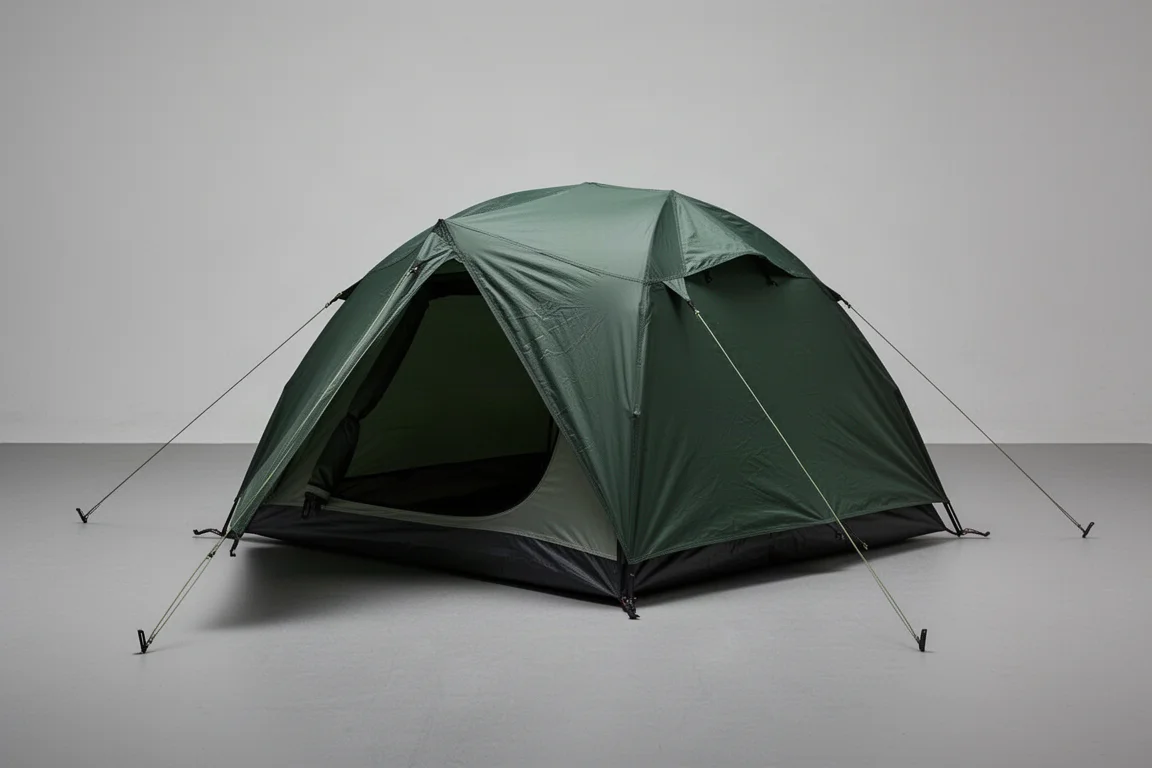
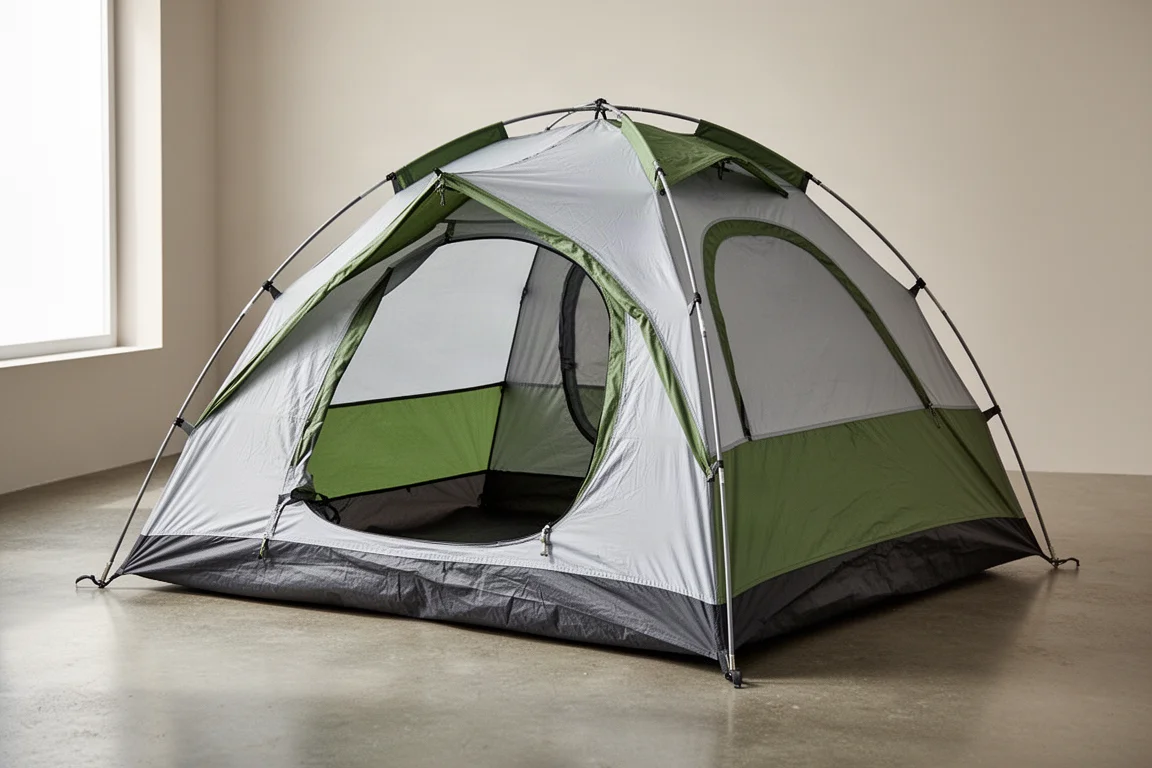
The Compact 1 is not a single-hoop tunnel, and that shows up most clearly when you are lying down. There is a decent amount of usable space inside, and the inner does not sit against your face the way it can in a lower, simpler shelter. Sitting up, sorting kit or getting changed is straightforward.
Storage is handled well for a one-person tent. There is a generous pocket low down in the inner, plus a second empty pocket behind the sleeping area that takes a phone and other small items. A wide sleeping pad fits with room on either side, and there is still space for a pack, a stove and a pair of boots. On a wet morning there is enough room to make a brew inside without feeling cramped.
Ventilation deserves a mention too. Leaving a zip section open a little overnight coincided with no condensation and no dew inside by morning, which is a small habit that makes a noticeable difference on cool, still nights.
Helm Compact 1 vs Helm 2: Wind Stability and Interior Volume
The two-person Helm 2 is the version many people gravitate towards, and the reason is simple: extra space. Two occupants, or one person who wants room to spread out, will find it more comfortable.
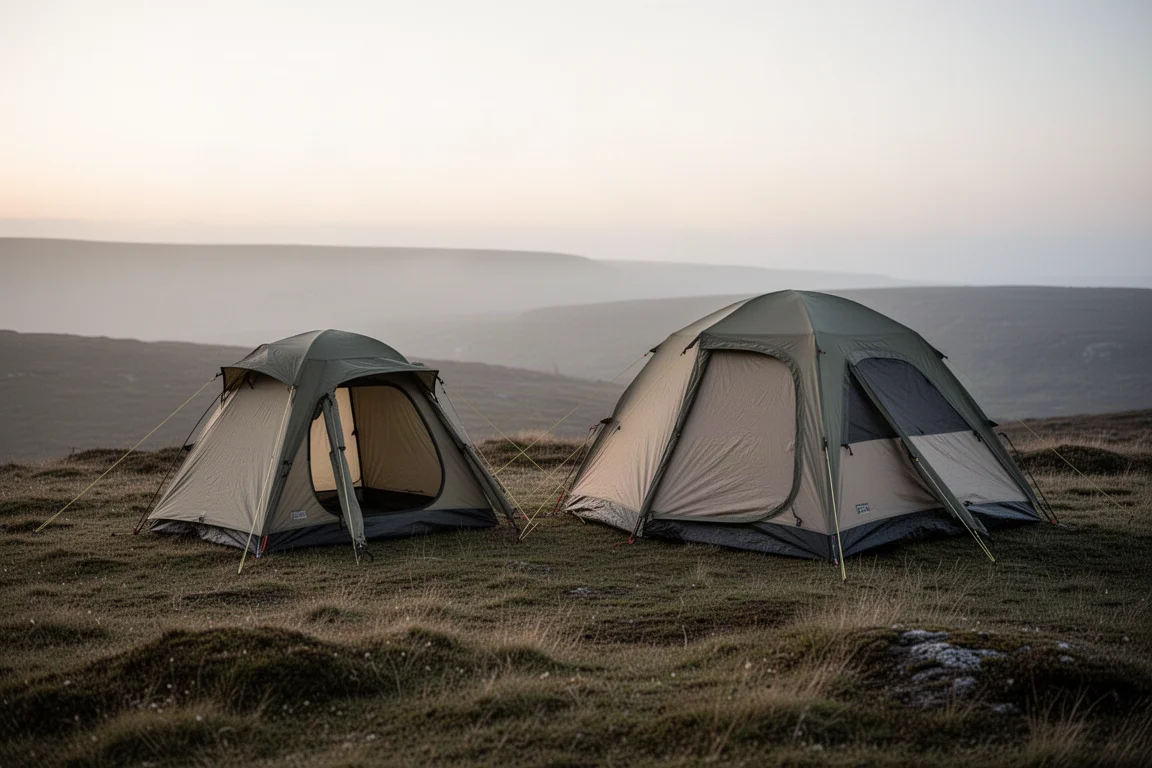
The trade-off is worth understanding before you buy. The Helm 2 uses larger panels, and larger panels move more in the wind. In practice the one-person Compact 1 is the sturdier of the two in windy conditions. It is more streamlined, while the Helm 2 presents a bigger surface area and therefore a bigger target for gusts. Neither is an issue on a calm night. On an exposed pitch, the difference is noticeable.
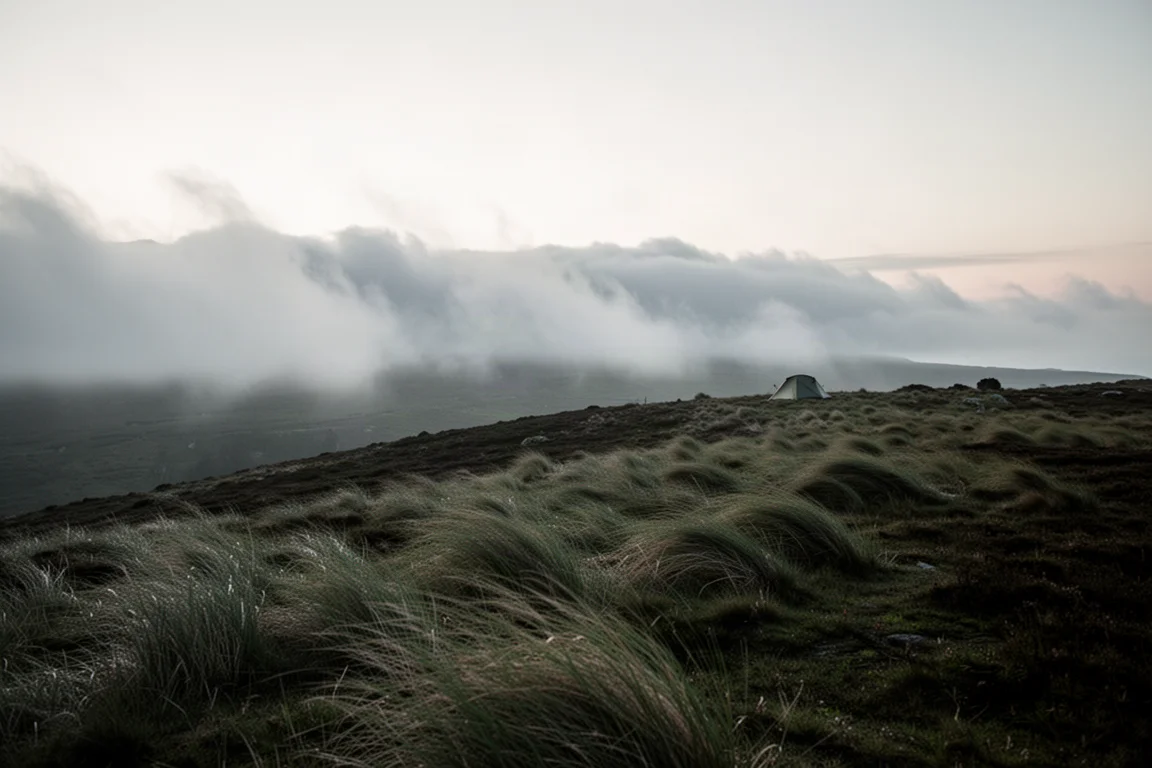
That does not make the Helm 2 the wrong choice, only a different one. If most of your camping is sheltered or shared, the extra volume is worth having. If you expect to be out on open ground in changeable weather, the more compact profile of the one-person version is the more reassuring option.
Night-Time Nerves and What to Expect on a First Solo Trip
Expect to be woken. Noises around the tent, owls calling, and small wildlife moving through the grass are all normal, and the sound of something rustling near your pitch is usually far less dramatic than it sounds. Small holes in the ground nearby are often the work of animals rather than anything to worry about.
The practical answer is to stack the odds in your favour before you go. Start somewhere familiar. Visit in daylight first, walk the ground, and pick out a pitch plus a backup option in case someone is already there. Make sure the car is parked somewhere you feel safe leaving it, and that the walk back is short enough to manage in the dark. Knowing you can leave at any point, for any reason, takes most of the pressure out of the night.
It also helps to accept that not every trip goes perfectly, and that packing up and going home is a legitimate outcome rather than a failure. There is nothing to prove to anyone.
Weather Protection and the Conditions This Tent Covers
For the majority of UK conditions, a tent like the Compact 1 will do the job without drama. It handles wind and rain, keeps you dry, and stays stable enough to sleep through a gusty night. Other tents can match it in wind and snow, but not many do so at the same price point. Spending more opens up genuinely four-season shelters for extreme weather, which is worth considering only if that is the kind of camping you have in mind.
Condensation control matters as much as waterproofing on still nights, and the Compact 1 handled that well on test. Leaving a vent partially open overnight produced no condensation and no dew inside by morning, which keeps the inner drier and the sleeping bag in better shape.
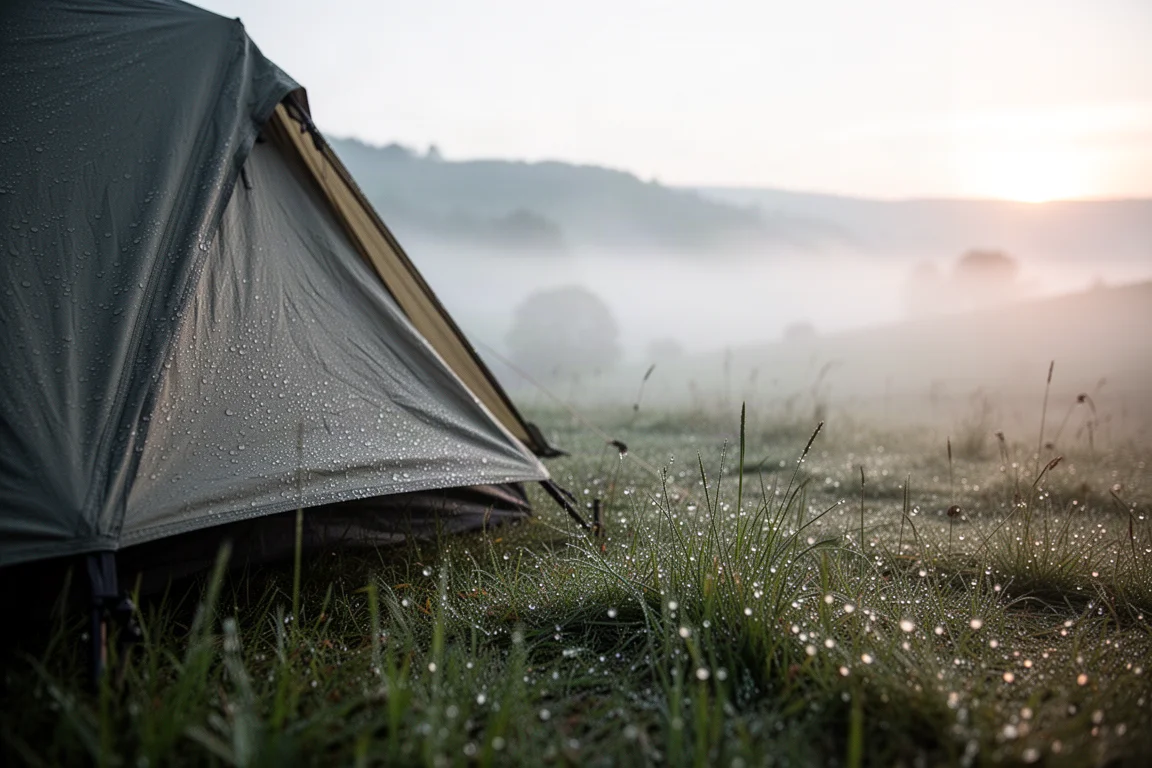
A final point on familiarity: a pitch that worked before is not guaranteed to work again. The same spot can be clear one morning and damp and overcast the next. Treating every night as its own set of conditions is part of the habit.
Practical Notes for a First Solo Overnight
Arriving with time to spare makes a real difference. Pitching before the light goes removes the fumbling and leaves room to enjoy the part of the evening that makes the trip worthwhile. Sunset colour on a clear night is not something you get from a sofa, and the satisfaction of a night out tends to be proportional to how much you had to push through to get it.
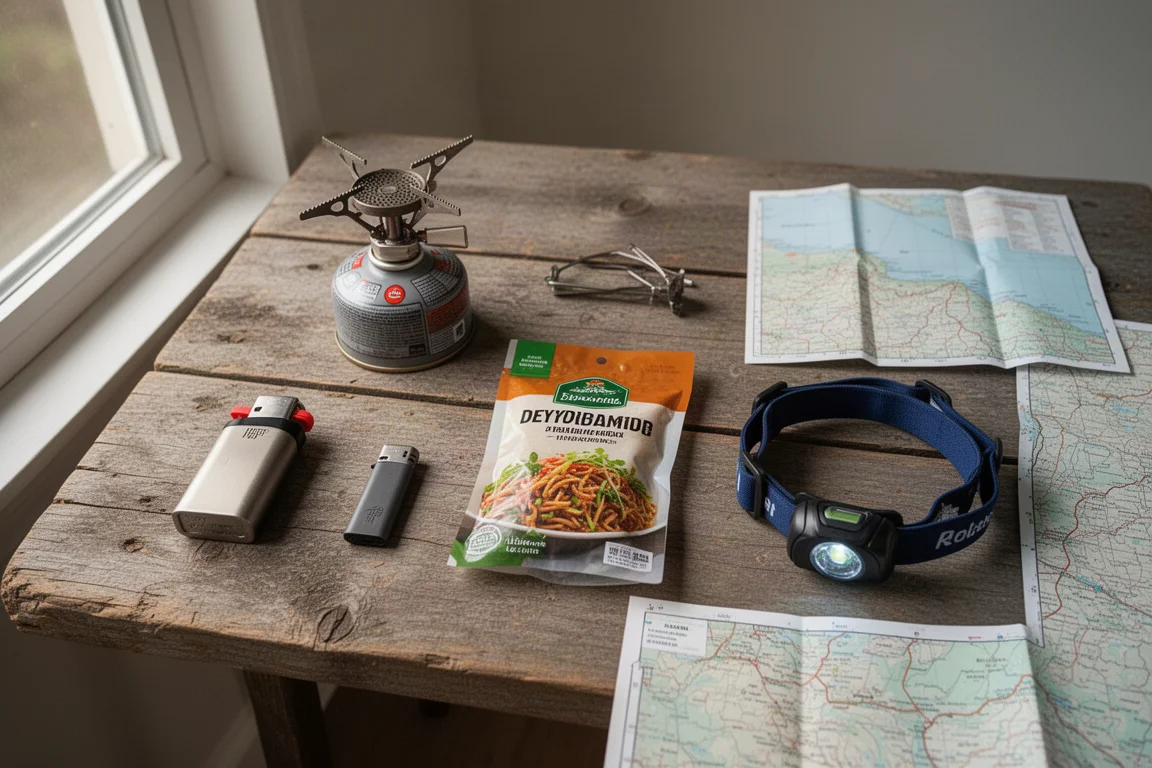
Kit-wise, keep it simple. A dehydrated meal is easy to prepare and needs less water than a full cook-up, which saves gas. Small details matter too: a compact jet lighter that refills from a gas canister, a head torch, and a phone kept in an interior pocket rather than loose in the porch all make the morning easier.
Morning routines tend to sort themselves out. If the weather is good, there is little reason to boil more water than you need. If it is not, having the option to brew inside the tent is a genuine comfort.
Buying Advice: Matching the Tent to Your Trip
The choice between the two Helm models comes down to how you camp.
Choose the Helm Compact 1 if you camp solo, want a shelter that stays composed in wind, and value a compact, streamlined pitch over floor area. It has enough interior space for one person and their kit, with good storage and easy ventilation.
Choose the Helm 2 if space is the priority: two occupants, or one person who wants more room to spread out. It is the more comfortable option on calm, sheltered pitches, and the larger panels are the compromise you accept for that volume.
If your plans include extreme storms, heavy snow or genuine winter conditions, neither model is the right starting point. That is specialist four-season territory and a higher budget. For everything up to that, the Compact 1 covers the overwhelming majority of conditions a UK wild camper will meet.
Whichever you pick, start with a familiar location. Scout it in daylight, have a backup pitch in mind, park somewhere you feel safe leaving the car, and keep the walk home manageable. Confidence comes from the first few nights going reasonably well, not from having the most expensive tent on the hill.
Conclusion
The Wild Country Helm Compact 1 is a solid, practical solo shelter for wild camping in real UK conditions. It offers more headroom than a simple single-hoop design, sensible storage, and a shape that holds up better in wind than its larger sibling. The Helm 2 answers a different question, trading some of that wind stability for extra interior space. Match the tent to the way you actually camp, start somewhere familiar, and a first night out becomes far less daunting than it looks from the sofa.
Further reading
Related Reviews
Camping Tents
3F UL Gear Taiji Two-Person Tent Review: Field Waterproofing Results and Buying Advice
The Taiji pairs an attached fly with a removable inner, but sustained rain exposed untaped vent seams that need sealing before this shelter can be trusted.
Camping Tents
3FUL Gear Lanshan 2 Pro 4-Season Review: A Sub-$200 Single-Wall Trekking Pole Tent
An early look at the 3FUL Gear Lanshan 2 Pro 4-Season, covering its straightforward pitch, generous interior space, and the condensation and seam-sealing questions that come with any single-wall shelter.
Camping Tents
Alps Mountaineering Lynx 1-Person Tent Review: Big Value in a Small Budget Tent
A close look at the Alps Mountaineering Lynx 1-Person Tent, covering real interior dimensions, materials, setup time, ventilation limits, and who should buy it.