Climbing Gear
Wild Country Friends Review: The Latest Generation of the Original Cam
A practical look at the newest Wild Country Friends, from the unchanged 13.75 degree camming angle to the new flow cord, hollow axles and the added 0.3 size.
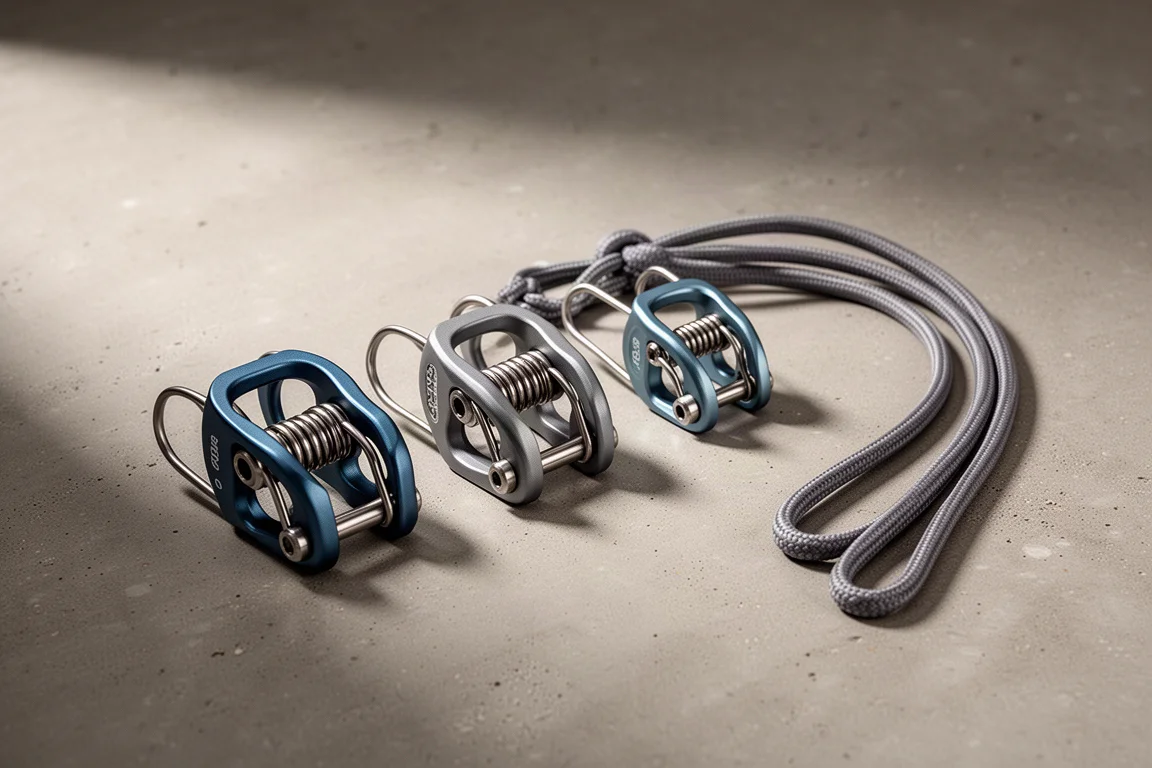
Introduction
Wild Country Friends have been part of climbing history since the mid-1970s, when Ray Jardine was working in Yosemite and looking for a way to protect parallel cracks. The wedges and nuts of the day simply would not hold in a perfectly parallel splitter, so he developed the idea of a spring-loaded camming device. Jardine was not interested in building a company around it, so he took the design to Mark Vallance, who founded Wild Country to make it. The name came from the way other climbers asked to borrow one: they wanted to have a go with your “friends”.
The first Friends to reach the UK made an immediate impression, including a televised demonstration in which Mark Vallance climbed Dexterity at Millstone and took a large fall onto a single cam. It held. That moment changed what climbers believed was possible on cracks, and camming devices have been a core part of trad racks ever since.
The latest generation keeps the fundamentals that made the design work and updates the details around them. The camming angle is still 13.75 degrees, which remains one of the strongest angles you can get for a cam, and the thumb loop is still there. Around that, Wild Country has reworked the axles, the lobes and the sling.
Who These Cams Are For
These are cams for anyone who places protection in cracks on a regular basis. That includes trad climbers building a first proper rack, climbers replacing tired cams, and winter or alpine climbers who want hardware that stays manageable with gloves on.
The thumb loop is a detail that matters more than it looks. It makes the cam harder to fumble, particularly in winter conditions or with bulky gloves, and it is one of the features that long-term users of the previous generation tend to notice immediately. The extendable connection is equally practical: on a horizontal break, a little bit of extension keeps the carabiner away from the rock edge, which reduces rope drag and avoids wearing the carabiner against the stone.
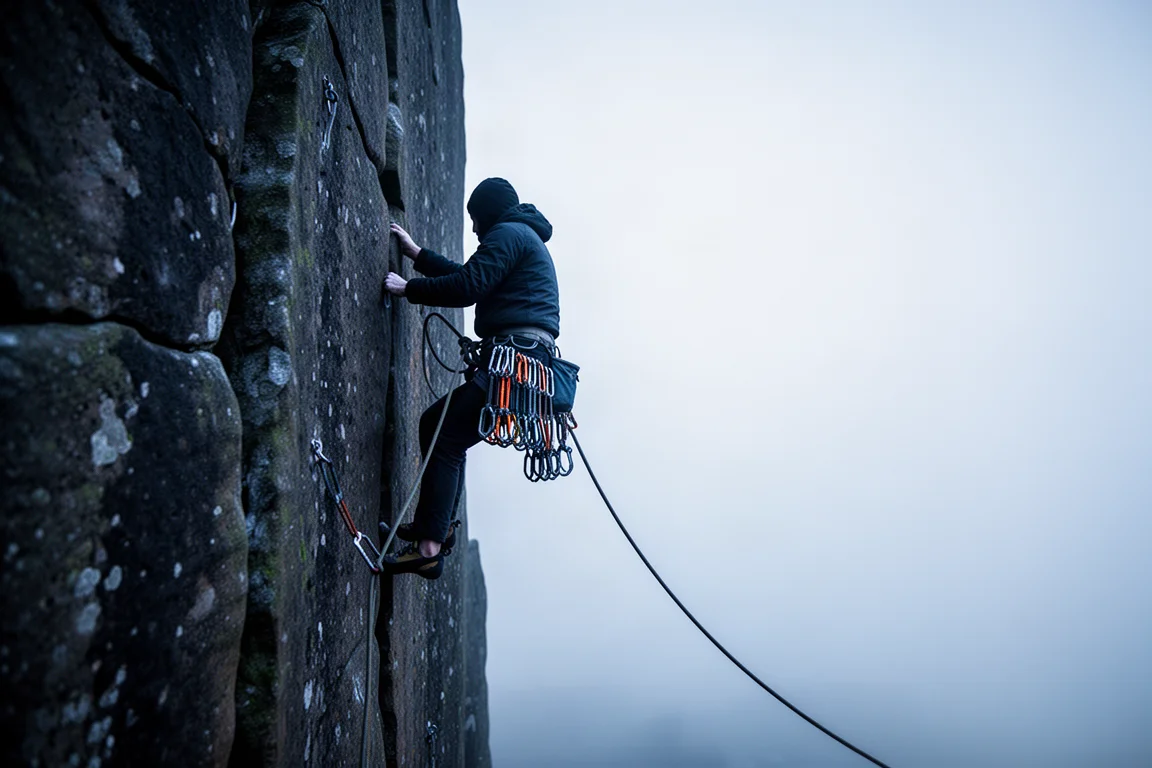
The range also now includes a 0.3 size that was not made in the older version, which makes the line-up more useful for climbers who want small placements covered. At the other end, the largest size in the range gets a spring-loaded cam locking device, aimed at climbers who want to rack big cams compactly rather than leaving them swinging off the harness.
If you mostly climb bolted routes or boulder, these are not the products you need. They are specifically a trad and crack climbing tool, and the design decisions here are all made with that use in mind.
Key Strengths of the New Friends
The most obvious improvement is weight. The new Friends come in lighter than the previous generation even though the cam lobes are a little thicker and look chunkier. Hollow dual axles remove a meaningful amount of material from the head, which is the part of a cam that usually feels heavy on the harness. A lighter head is easier to carry in quantity and easier to place on the move.
The lobes themselves are milled and polished rather than anodised, which makes them roughly 8 to 10 percent grippier than anodised aluminium. In the hand they feel noticeably more textured, and the surface actually improves as it becomes worn and slightly fluffy rather than losing bite.
The biggest structural change is the sling. The old extendable sling has been replaced by a flow cord, built as a seamless core and mantle so there are no hard bar tacks along its length. That matters in practice: you can grab the cord anywhere and it extends smoothly without snagging or tangling, and it packs away just as easily. The cord combines nylon with ultra high molecular weight polyethylene, which makes it more resistant to cuts and better at handling abrasion while staying soft and easy to manipulate.
Inside the cord there is a red wear indicator. If any of that red starts showing through, it is time to replace the sling or retire the cam.
What Changed Compared With the Previous Generation
Placed side by side with the previous dual-axle version, the new Friends look very similar at a glance. The geometry is unchanged, the 13.75 degree camming angle is unchanged, and the thumb loop and extendable connection are both still present. The differences sit in the details.
The head is lighter thanks to the hollow axles. The lobes are slightly thicker, which should translate into more holding power. The sling has moved from a stitched webbing design to the flow cord, which changes how the cam behaves when you extend it and how it feels when you rack it.
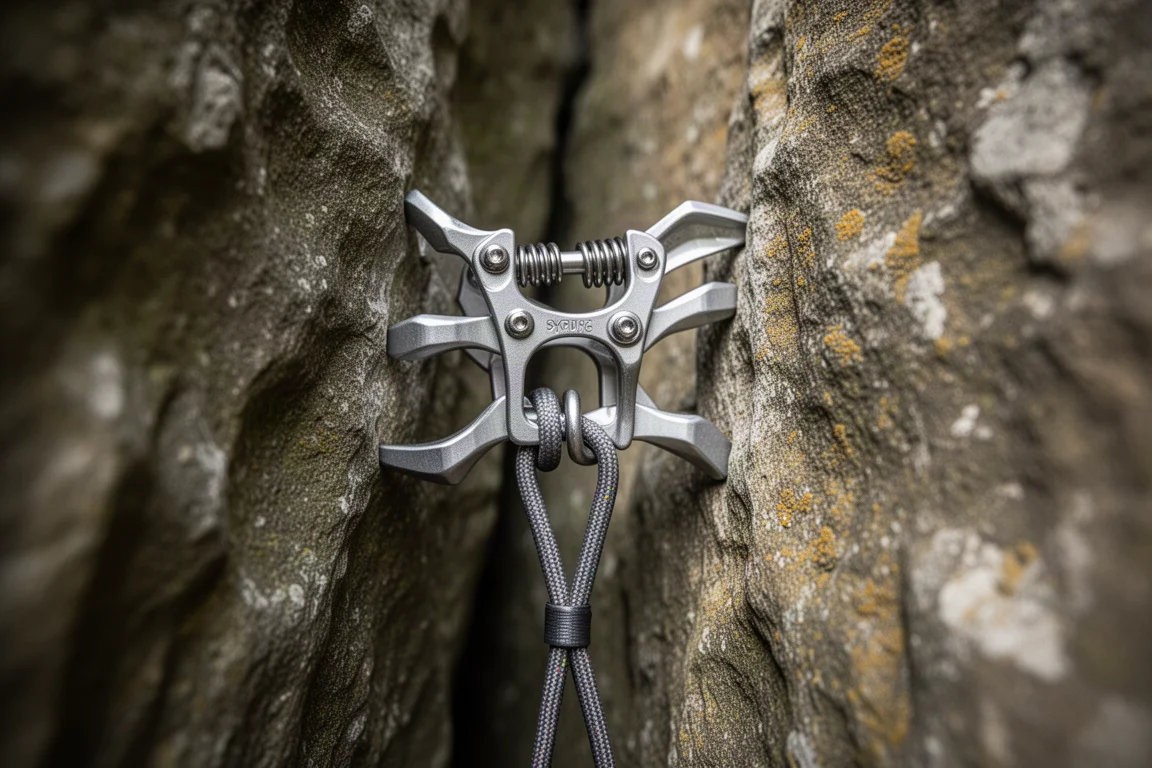
The practical result is a cam that keeps the characteristics people already liked about the previous generation while removing some of its small irritations. For anyone who has used the older version for years, the transition should feel familiar rather than disruptive, which is usually the right outcome for protection you trust your body weight to.
The previous generation also remains in service for plenty of climbers, and there is no suggestion that it has become unsafe or obsolete. This is an evolution of a proven design rather than a replacement of it.
Handling and Placement in Practice
On the rock, the new Friends behave the way the older ones do, which is the point. The thumb loop makes them easy to control during placement, and the action through the cam range is smooth. The polished lobes bite quickly, and the cams feel settled once they are seated.
Extension is where the flow cord earns its place. On gritstone horizontal breaks in particular, being able to lengthen the connection by a small amount keeps the carabiner from running over an edge. That protects the carabiner, reduces drag on the rope, and is kinder to the rock. For alpine or winter use, the cord can also be extended further, and it can be clipped through both strands of the connection with a longer extender when you want more reach.
Racking is straightforward. The cams sit well on a harness, the cord is easy to fold and stow, and the largest size can be collapsed down with its locking device so it takes up less space and is less likely to get in the way while you are climbing.
Things to Consider Before Buying
The honest summary is that the cord is the main event. If you already own the previous dual-axle Friends and they are in good condition, the new version is an improvement rather than a necessity, and there is no reason to rush a replacement.
The wear indicator is worth understanding before you buy. It is a genuinely useful feature because it tells you clearly when the cord needs attention, but it also means the cord has a defined service life and will eventually need replacing, or the cam will need retiring.
There is also the question of range coverage. The new 0.3 size fills a gap that the older line-up did not cover, so climbers who want small placements will find the current range more complete than before. Climbers who already own small cams from elsewhere may not need it.
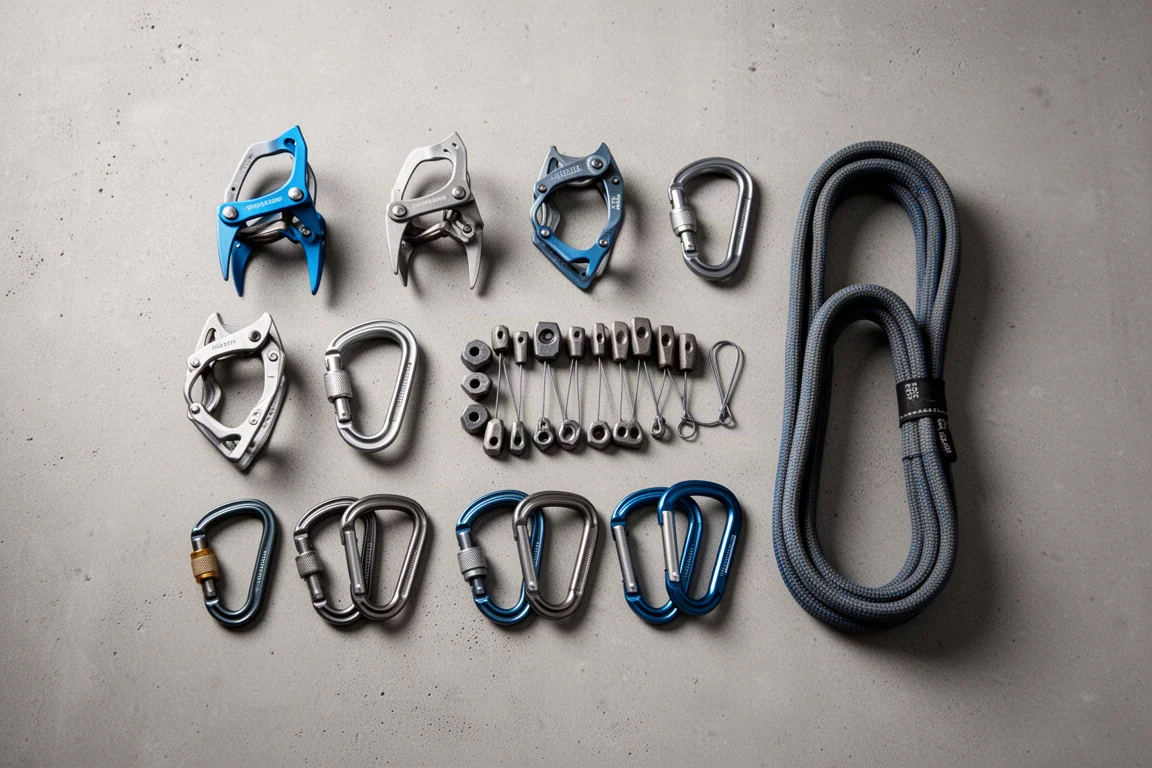
Finally, consider the size of your rack rather than a single cam. Weight savings at the head multiply across a full set, and that is where the hollow axles make the most difference. Buying one cam at a time is fine, but the value of this generation shows up most clearly when you carry several.
Racking, Maintenance, and Long-Term Ownership
The largest cam in the range includes a spring-loaded cam locking device that lets it rack much smaller on the harness. It keeps the cam out of the way while you climb, and it can be operated one-handed, which means you can put it away while you are on the route rather than waiting until you are back on the ground.
Maintenance is simpler than it used to be. The cam wires can be replaced at home, and they are available as a spare part. In practice, double-axle cams do not break or fray as often as the older single-axle designs, so this is more of a reassurance than a frequent task. Knowing you can service a cam yourself rather than sending it away is a real ownership benefit for anyone running a large rack.
The cord should be inspected regularly for the red wear indicator, and the lobes and axles should be checked for damage and cleaned as normal. Extended field testing with a highly active trad climber has put these cams through heavy use, and they have stood up well. That kind of testing tends to destroy gear quickly, so the results are encouraging.
Buying Advice
If you are building a rack from scratch, or replacing cams that are worn out or no longer trustworthy, the current generation of Friends is the sensible choice. It carries forward the design that made Wild Country cams respected in the first place, and it addresses the small frustrations of the previous version without changing the geometry climbers already rely on.
The most compelling reasons to buy are the reduced head weight, the smoother and more durable flow cord, and the broader range that now includes a 0.3. The spring-loaded locking device on the largest size is a genuinely useful addition for anyone who finds big cams awkward to rack.
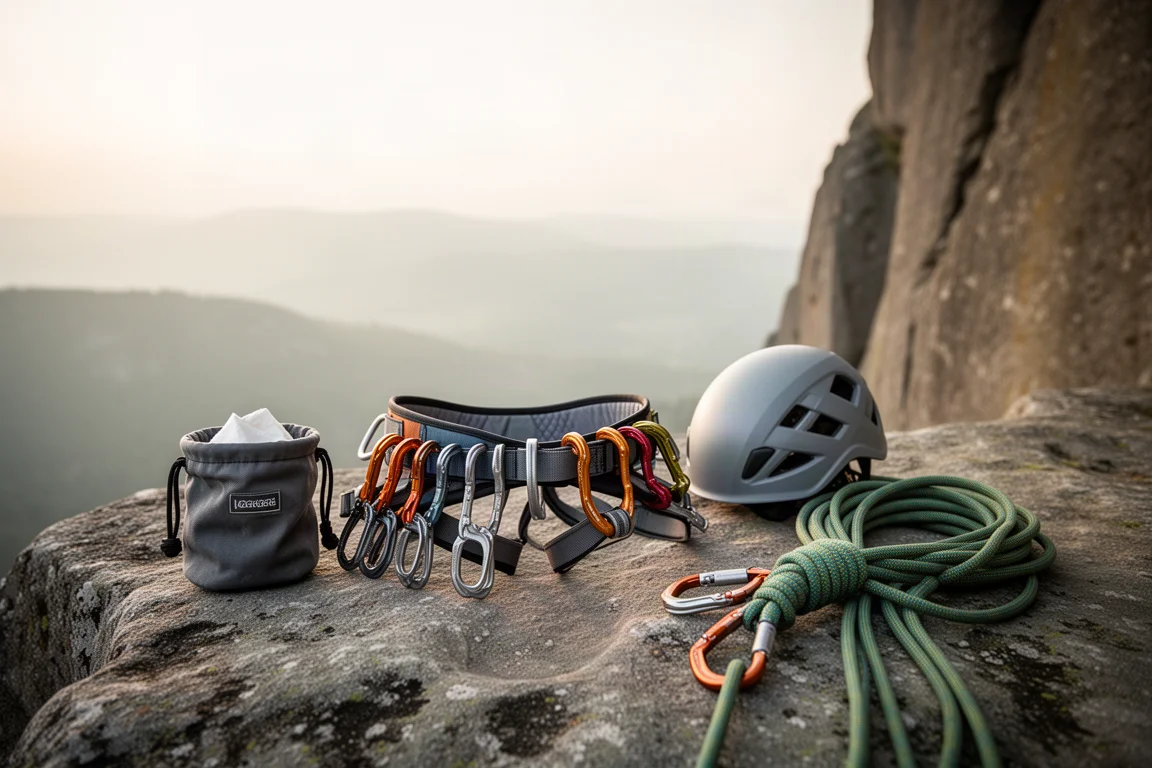
If your existing cams pass inspection and you are happy with them, there is no urgency here. Keep using them. But when the time comes to replace or expand, the new Friends are the version to go for, and climbers who have put serious mileage on them rate them among the best cams they have used.
Conclusion
The Wild Country Friends remain what they have always been: a well-judged camming device built around a camming angle that has proven itself for decades. The latest generation is lighter, grips a little harder thanks to the milled and polished lobes, and replaces the old sling with a flow cord that is easier to extend, more resistant to wear, and honest about when it needs replacing.
It is not a dramatic reinvention, and it does not need to be. For climbers who place cams often, the improvements are the kind you notice every time you rack up, reach for a placement, or pull a rope through an extended piece on a wandering pitch. That is exactly the sort of progress worth paying attention to.
Product link
View more details for Wild Country Friends
This product is mentioned in the review. Check the specifications, options, and compatibility before buying.
View more details for Wild Country FriendsFurther reading
Related Reviews
Climbing Gear
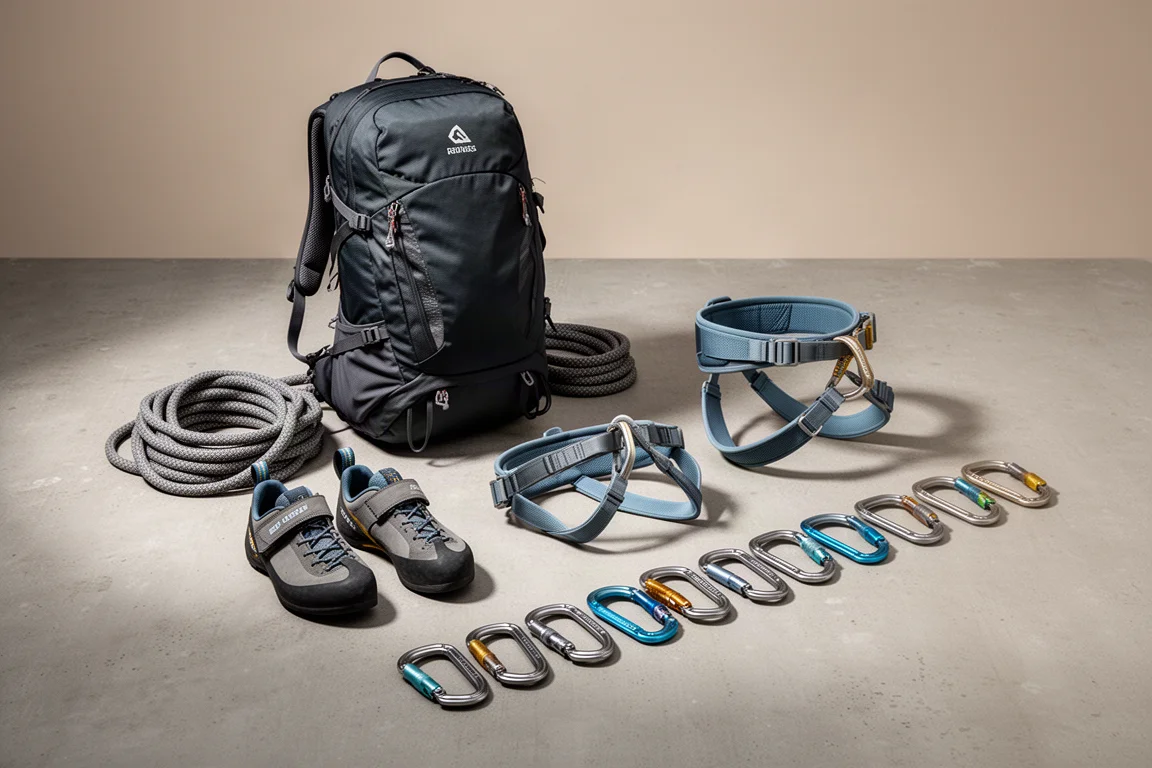
Adam Ondra's Climbing Kit: Bags, Harnesses, Quickdraws, Shoes and Rope
A practical look at eleven pieces of climbing gear used across limestone and gritstone, from crag bags and harnesses to quickdraws, shoes and rope.
Climbing Gear
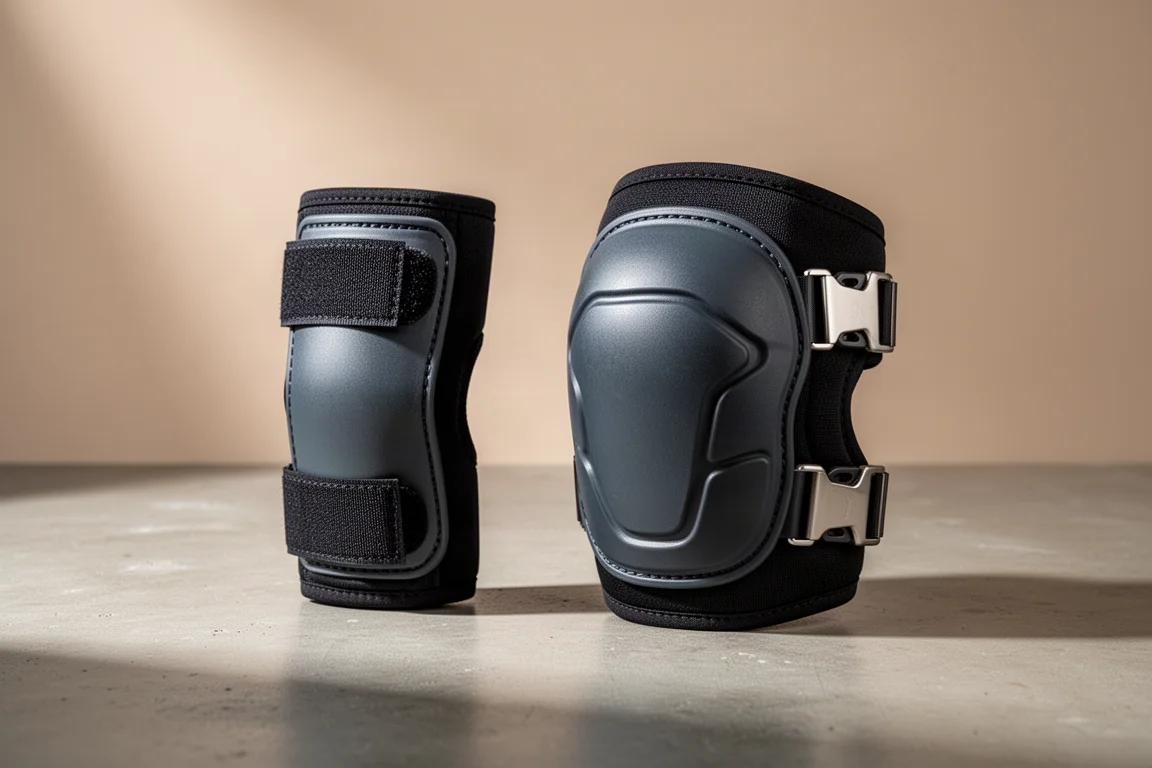
Blakpad VS and Eon Knee Pads: Which One Suits Your Climbing?
A close look at two specialist climbing knee pads from Blakpad, the flexible VS and the more rigid Eon, and how to decide between them.
Climbing Gear
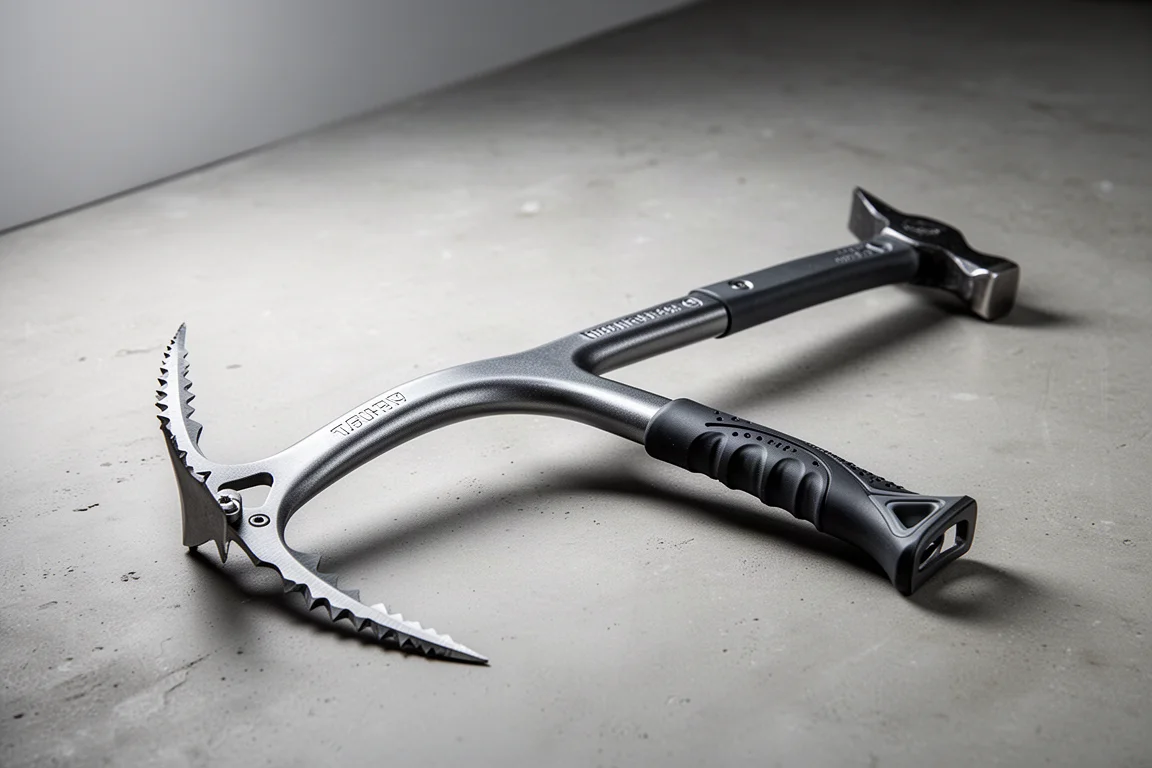
DMM Cortex Review: A T-Rated Ice Axe Built for Technical Winter Climbing
A close look at the DMM Cortex, a 50cm single-piece forged ice axe with T-rated pick and shaft, modular heads, and a reassuringly solid swing.