Climbing Gear
DMM Cortex Review: A T-Rated Ice Axe Built for Technical Winter Climbing
A close look at the DMM Cortex, a 50cm single-piece forged ice axe with T-rated pick and shaft, modular heads, and a reassuringly solid swing.
Introduction
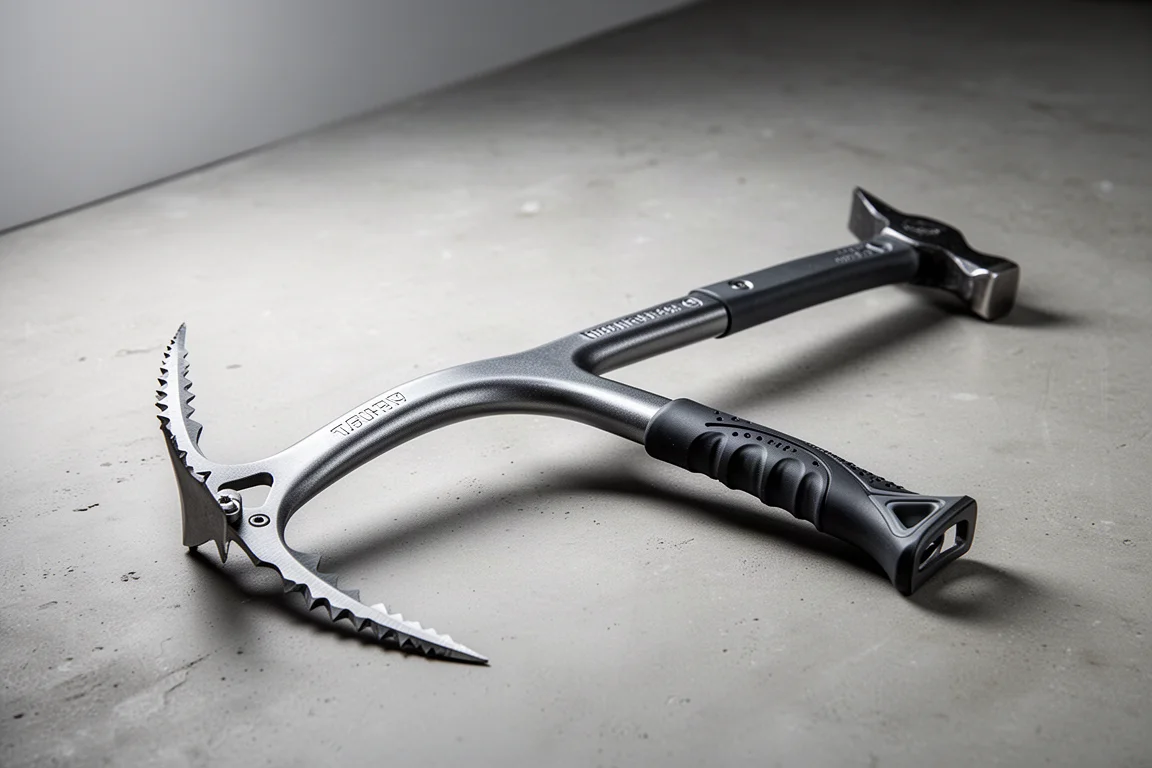
The DMM Cortex is a technical ice axe built around a single-piece I-beam construction that runs from the head all the way down to the handle. At 50cm and 589g, it sits firmly in the specialist end of the market, aimed at climbers who spend their winters on steep ice, mixed ground, and dry tooling terrain. DMM hot forges the axe in Wales, and the design clearly echoes the classic DMM Rebel while moving the construction forward.
The pick and the shaft are both T-rated. That rating matters, because it means the tool is certified for use as an anchor and not only for climbing. Combined with the one-piece build, it is the core of what the Cortex offers.

The result is a tool that feels solid in a way few axes do. It is not the lightest option available, and it is not trying to be. The Cortex is designed around strength, stability, and a swing that drives a point home.
Who the DMM Cortex Is For
This is a technical climbing tool. Steep ice, mixed routes, and dry tooling are its natural habitat, and the geometry is a touch more aggressive than some of the leading axes on the market. That extra aggression does not hold a climber back on easier ground, but it does make the tool feel more precise and more deliberate when the terrain gets hard.
It also suits climbers who want one shaft to cover several disciplines. Interchangeable heads and picks let the same tool work for ice, mixed, dry tooling, and general all-round use, which is useful if you would rather not buy three separate axes.
Main Strengths
The Cortex stands out for construction quality, balance, and a modular system that changes how the tool behaves rather than simply refreshing its parts.
Single-Piece I-Beam Construction
The defining feature is the construction. Head, shaft, and handle are a single forged piece with an I-beam profile running along the length. That removes the joints and fasteners that can loosen or fail on multi-part axes, and it gives the Cortex a stiffness that is easy to feel the moment you swing it.
Because the pick and the shaft are both T-rated, the axe can be used to build belays and anchors as well as to climb. For anyone who has torqued a pick into a crack and watched it flex, that rigidity is the main selling point here.
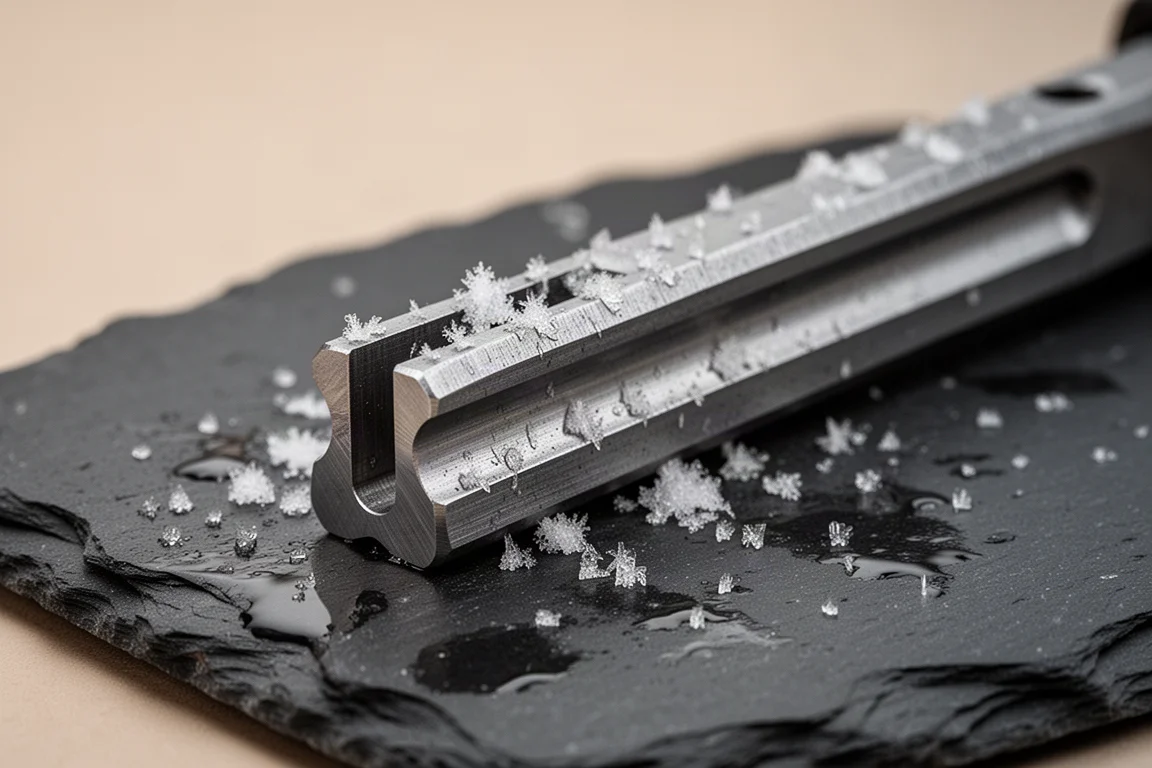
The trade-off for that stiffness is mass, and at 589g the Cortex is not a lightweight tool. It is a deliberate choice rather than an oversight: the weight is positioned so the axe swings and bites cleanly instead of feeling like dead weight dragging on the shaft.
Balance, Swing, and Grip
Balance is where the Cortex is at its most impressive. Rest a finger under the head and the axe pivots cleanly, which suits the flicked swing used on steep ice. Grip it lower and swing it more solidly and it still drives in well, so a single tool covers a range of techniques.
Molded grip sections along the shaft keep hands off cold metal, and the curve of the shaft means the hand sits further away from the snow when the axe is held partway up on easier ground.
Modular Heads, Picks, and Front Weights
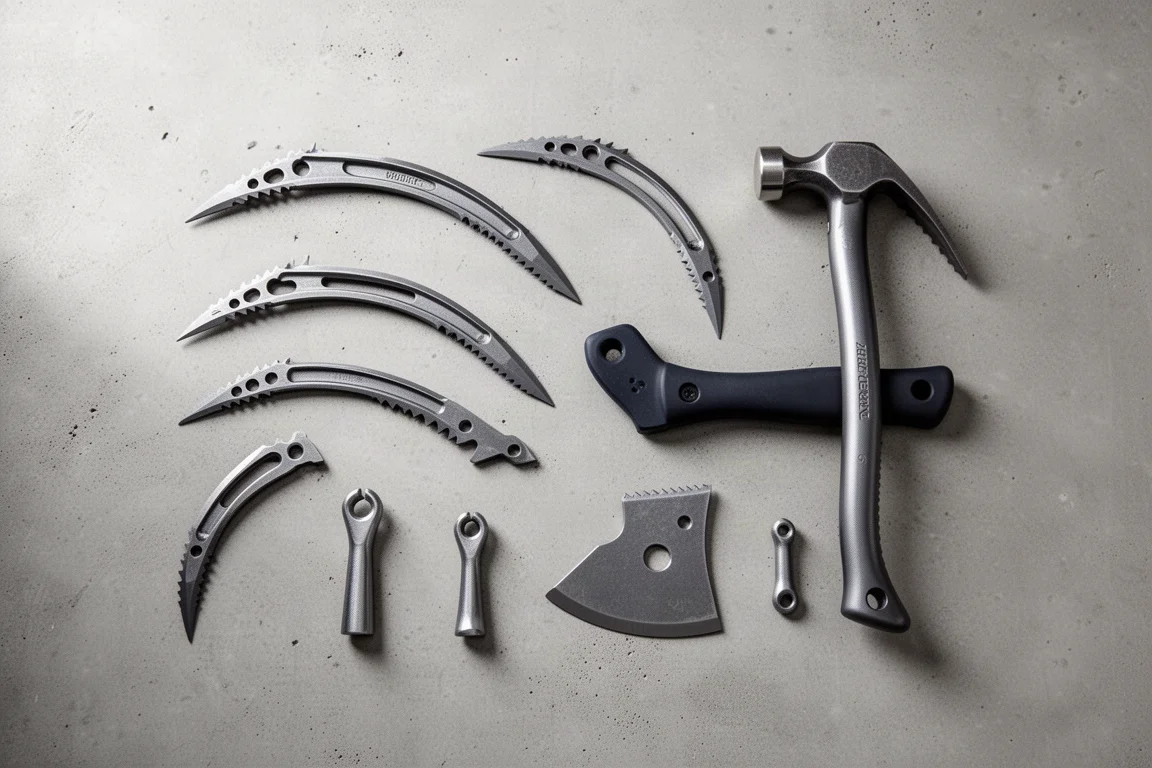
Heads can be swapped for dry tooling, ice, mixed, and all-round use, and hammers and adzes fit onto the back. Changing the pick does more than change the teeth: the angle changes too, so the same axe can feel sharper or more relaxed depending on what you are climbing.
The Cortex ships with the Ice Tech pick, which is T-rated. Many brands fit B-rated picks, which are a similar shape but softer and easier to sharpen. A T-rated pick keeps a good point while staying stiff when it is torqued into a crack.
Optional weights fit on the front of the pick. On well-formed continental ice they add bite and drive the point home with real authority. On mixed ground they can sit in a crack almost like a nut, which is genuinely reassuring when a torque placement is the only option available.
Attachment Points and Leash Options
The bottom of the axe accepts a carabiner or a freedom leash. The eyelet area is solid, which addresses the weak point that has troubled other designs, where clip-in points have snapped off or interfered with the spike.
For climbers who would rather not have hardware under the hand while swinging, DMM rounds the base and adds a small pin across it so cord can be threaded through and knotted on the other side. A 5mm cord is the stated fit, though 4mm passes through more easily in practice. That loop exists to stop a dropped axe, not to take a fall. Leashes are designed to break under a static fall load, so the attachment should never be treated as protection.
Things to Consider Before Buying
The curve that makes the Cortex so good on steep ground works against it on easy snow. Plunging the shaft on snow aretes and low-angle ground is less effective than with a straighter axe. That is normal for a technical tool, but it is worth knowing if most of your days are spent on gentler terrain.
Threading cord through the base pin is fiddly, and the stated 5mm fit can take some persuasion to achieve. It is a minor annoyance rather than a functional problem.
The Cortex is also a specialist purchase. If your climbing is mostly walking and easy gullies, the extra stiffness, the weight, and the aggressive geometry will be more tool than you actually need.
Buying Advice
Buy the Cortex if you climb technical winter routes and want a tool that feels solid in every placement. The T-rated pick and shaft, the one-piece build, and the modular head system cover ice, mixed, and dry tooling without asking you to compromise on any of them.
Choose it if you value durability and a reassuring swing over low weight, and if you are comfortable accepting weaker plunging performance on easy snow. If you mainly climb low-angle ground, or you want a single lightweight axe for alpine use, a straighter and lighter model will serve you better.
Because the system is modular, it is worth planning which heads and picks you genuinely need rather than buying everything at once. The standard Ice Tech pick covers a lot of ground on its own, and the front weights are easy to add later if your climbing takes you onto well-formed ice.
Conclusion
The DMM Cortex is a specialist ice axe that earns its place through construction rather than features. A single forged I-beam running from head to handle, a T-rated pick and shaft, and a modular head system add up to a tool that feels strong in the hand and stable in the placement. It is not the lightest option, and it gives up some performance on easy snow, but for technical winter climbing it is a serious and durable choice.
Product link
View more details for DMM Cortex
This product is mentioned in the review. Check the specifications, options, and compatibility before buying.
View more details for DMM CortexFurther reading
Related Reviews
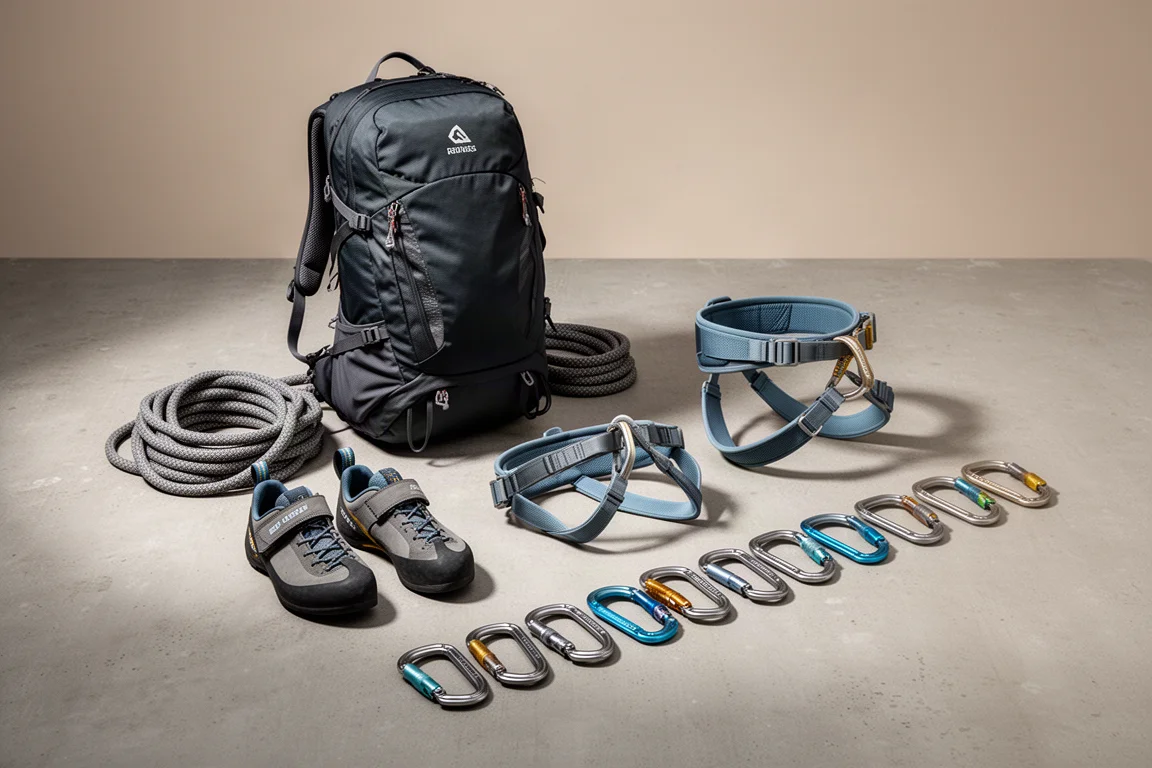
Climbing Gear
Adam Ondra's Climbing Kit: Bags, Harnesses, Quickdraws, Shoes and Rope
A practical look at eleven pieces of climbing gear used across limestone and gritstone, from crag bags and harnesses to quickdraws, shoes and rope.
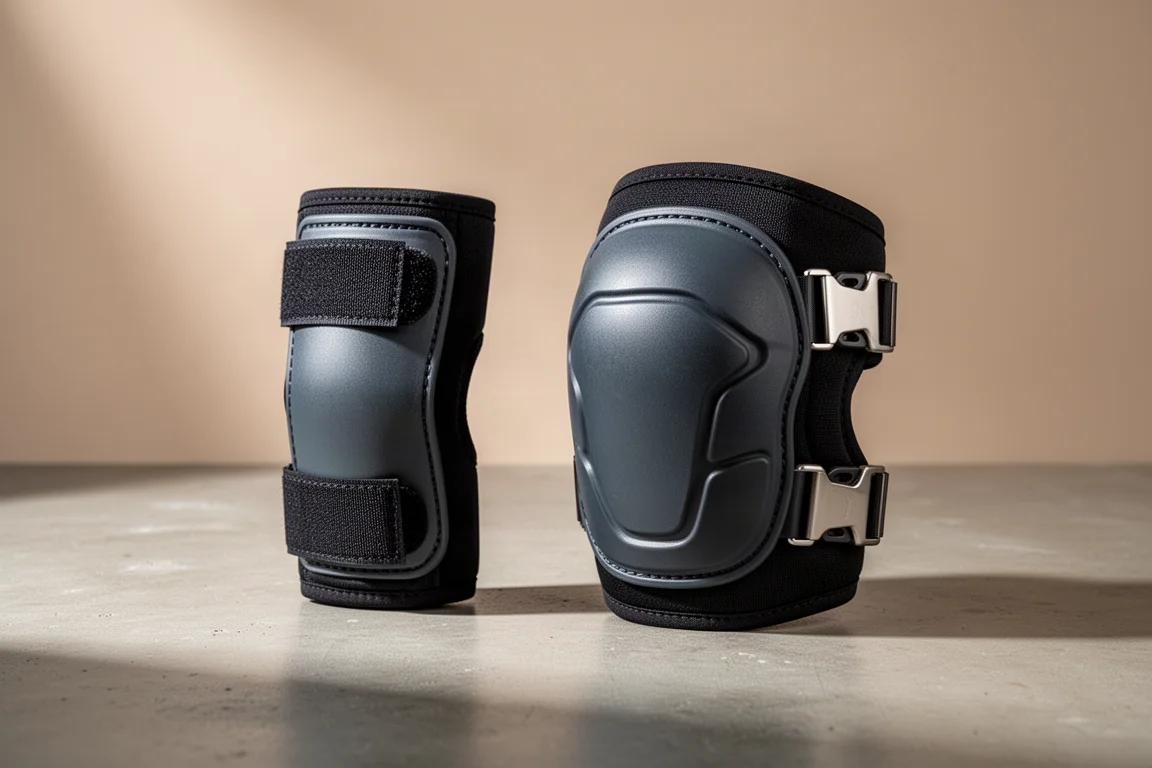
Climbing Gear
Blakpad VS and Eon Knee Pads: Which One Suits Your Climbing?
A close look at two specialist climbing knee pads from Blakpad, the flexible VS and the more rigid Eon, and how to decide between them.
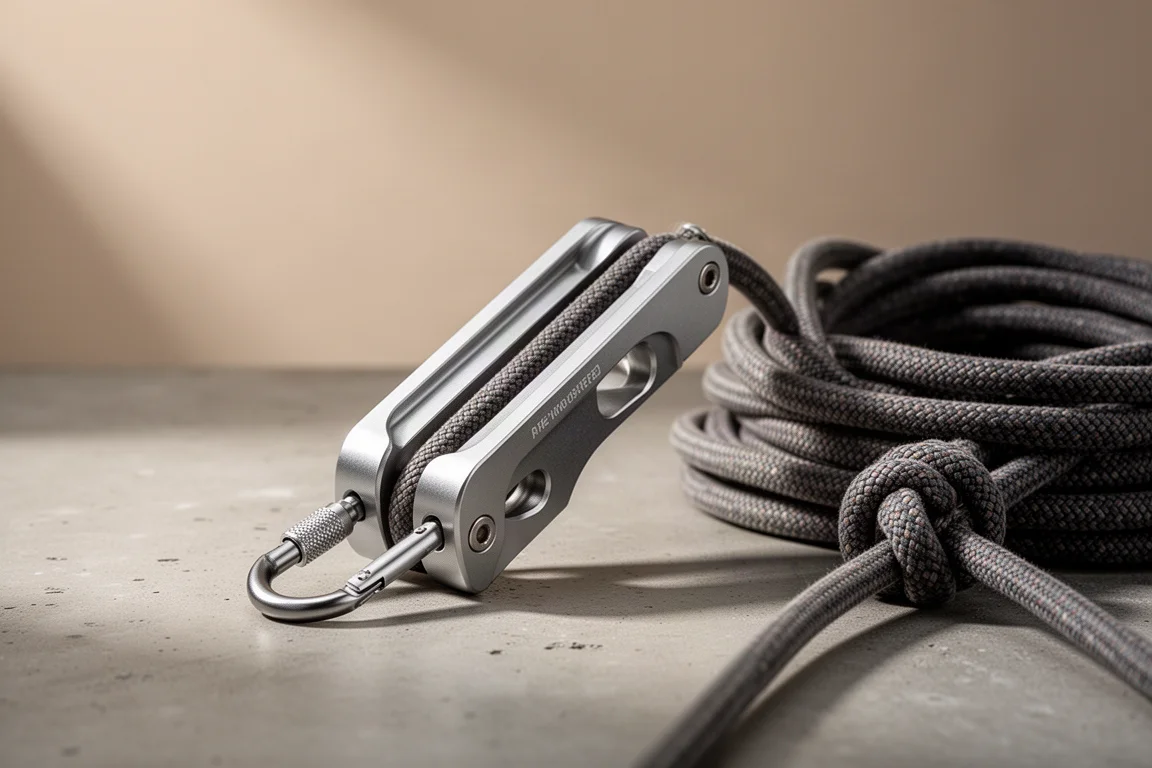
Climbing Gear
Mammut Assist Belay Resistor Review: Softening the Weight Gap on Sport Routes
A small all-metal accessory that adds friction at the first bolt, so a lighter belayer is not dragged into the wall by a heavier climber.