Climbing Gear
Adam Ondra's Climbing Kit: Bags, Harnesses, Quickdraws, Shoes and Rope
A practical look at eleven pieces of climbing gear used across limestone and gritstone, from crag bags and harnesses to quickdraws, shoes and rope.
Introduction
Climbing gear gets judged in two places: on the shop floor, and at the crag on the days that actually matter. This roundup looks at the equipment used across a mixed week of limestone and gritstone climbing, from hard sport projects to trad routes where the rack has to carry everything.
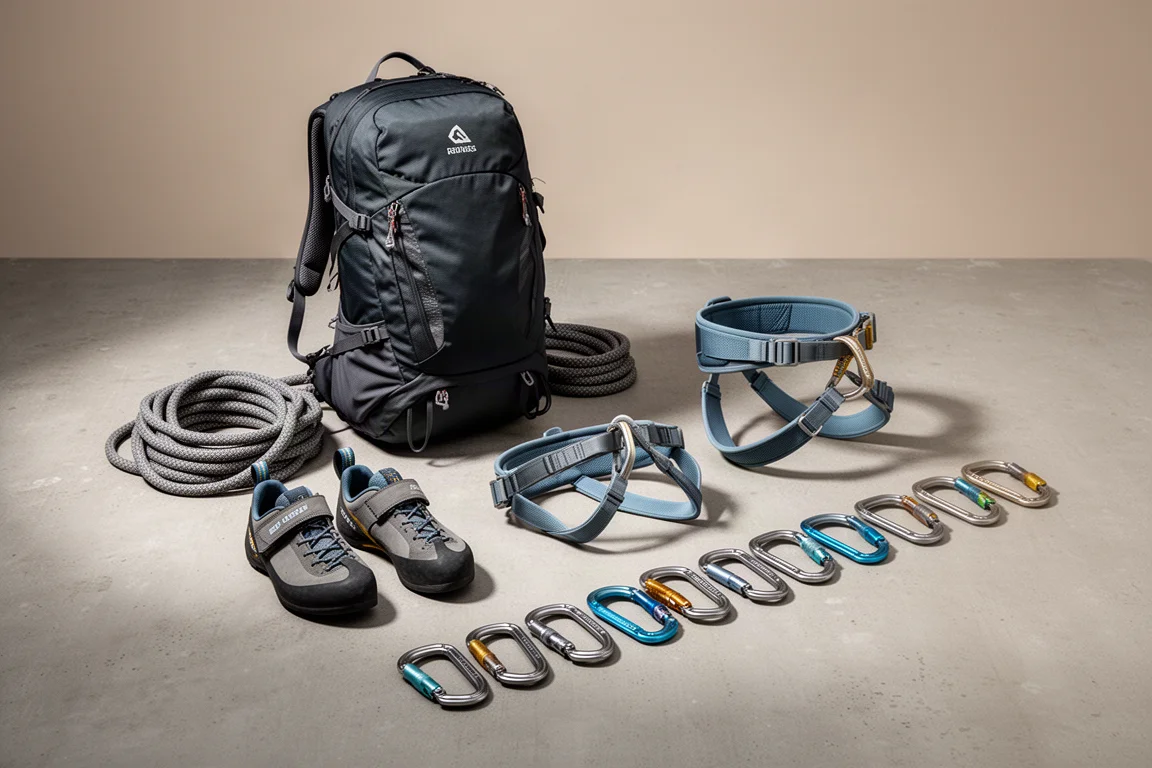
The kit is worth studying because it is not a single-purpose showcase. It mixes load-carrying bags, two lightweight harnesses with different priorities, two very different quickdraw sets, three pairs of climbing shoes with distinct stiffness profiles, and a rope chosen to cover both sport and trad duty. Each item earns its place by solving a specific problem.
Below are the eleven pieces, what each one is actually for, and where the trade-offs sit.
How This Climbing Kit Was Assessed
The evaluation here follows the way the gear was used rather than a lab test. Each item was judged on four things: how it behaves across a full day at the crag, what it costs in weight, how well it handles the specific demands of a route type, and whether it forces a compromise somewhere else.
Weight matters most on hard onsight attempts, where a harness loaded with 25 quickdraws changes how the climbing feels. Durability matters most on projecting days, where a rope gets battered by repeated top-rope working laps. Comfort matters on long hanging sessions and on routes that mix knee bars into the sequence.
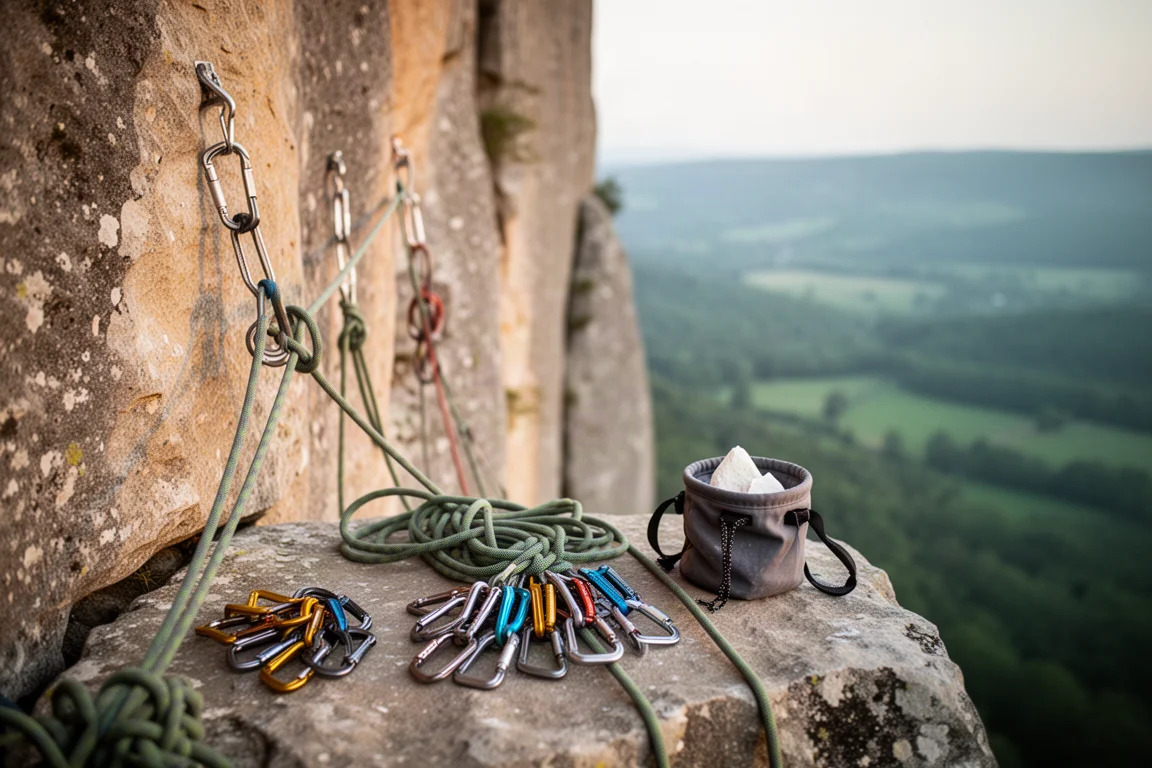
That combination explains why the kit is not uniform. Several items here are deliberately chosen for a narrow job, and one or two are chosen because they cover many jobs acceptably well.
Mammut Neon 45 Climbing Bag
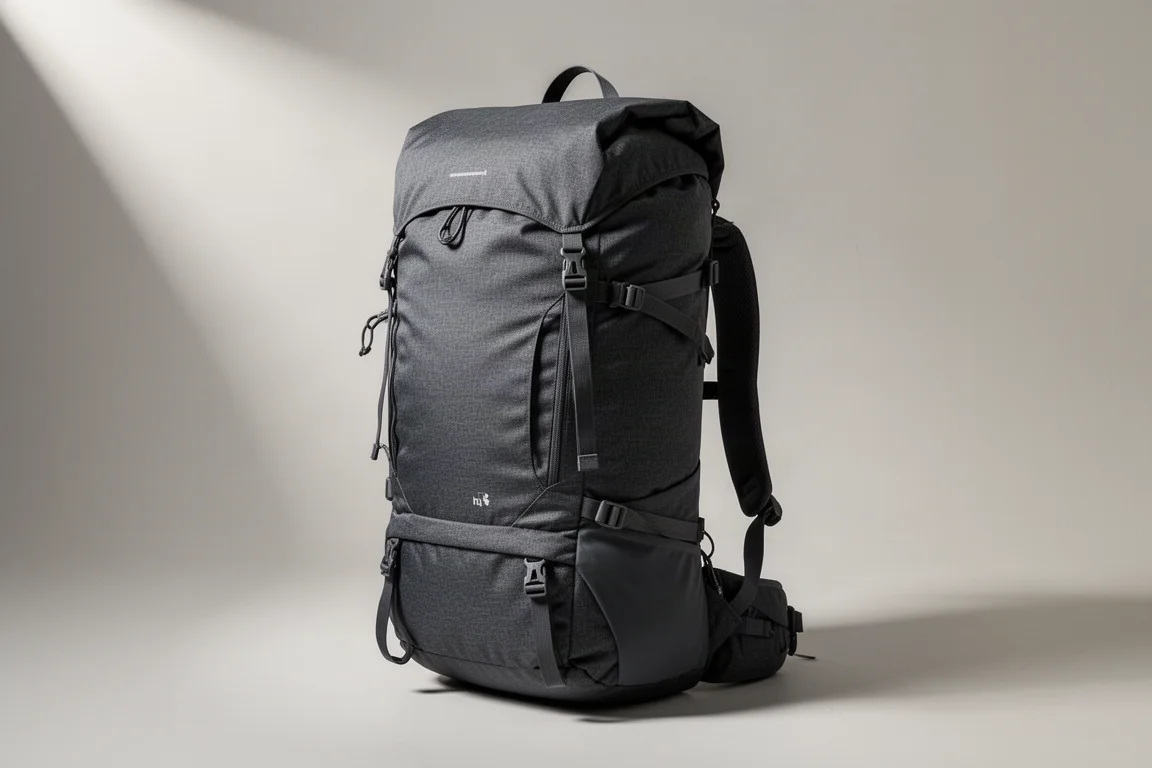
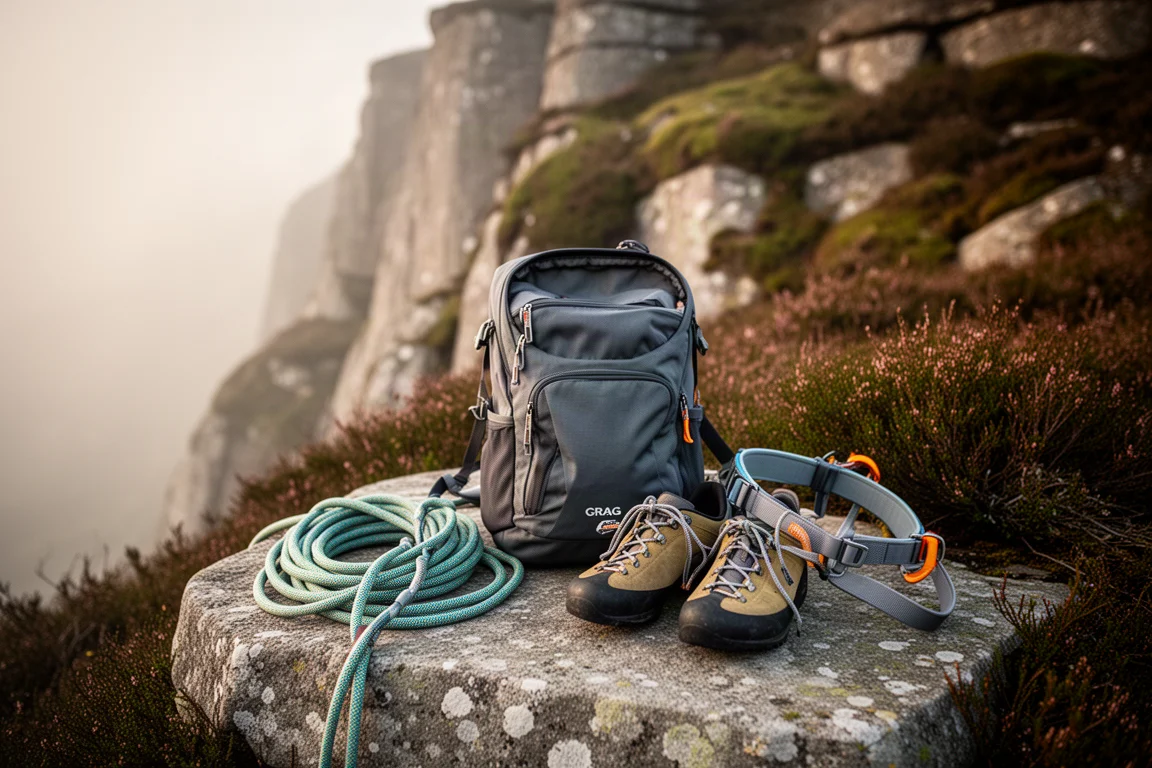
The Neon 45 is the smaller of the two crag bags in this kit and the one that travels everywhere. It stands upright on its own, which sounds like a small detail until you have tried to load a floppy pack on uneven ground with a rope coiled at your feet.
The bag carries a trad rack, a full set of sport draws and an 80 m rope without complaint. It also ships with a tarp that lets the pack double as a rope bag, and the top section pulls up like a small bathtub so a rope can be stowed and carried by the handles. The inner compartment holds the usual crag supplies: lunch, bars, fruit and sweets.
Mammut Neon 55 Climbing Bag
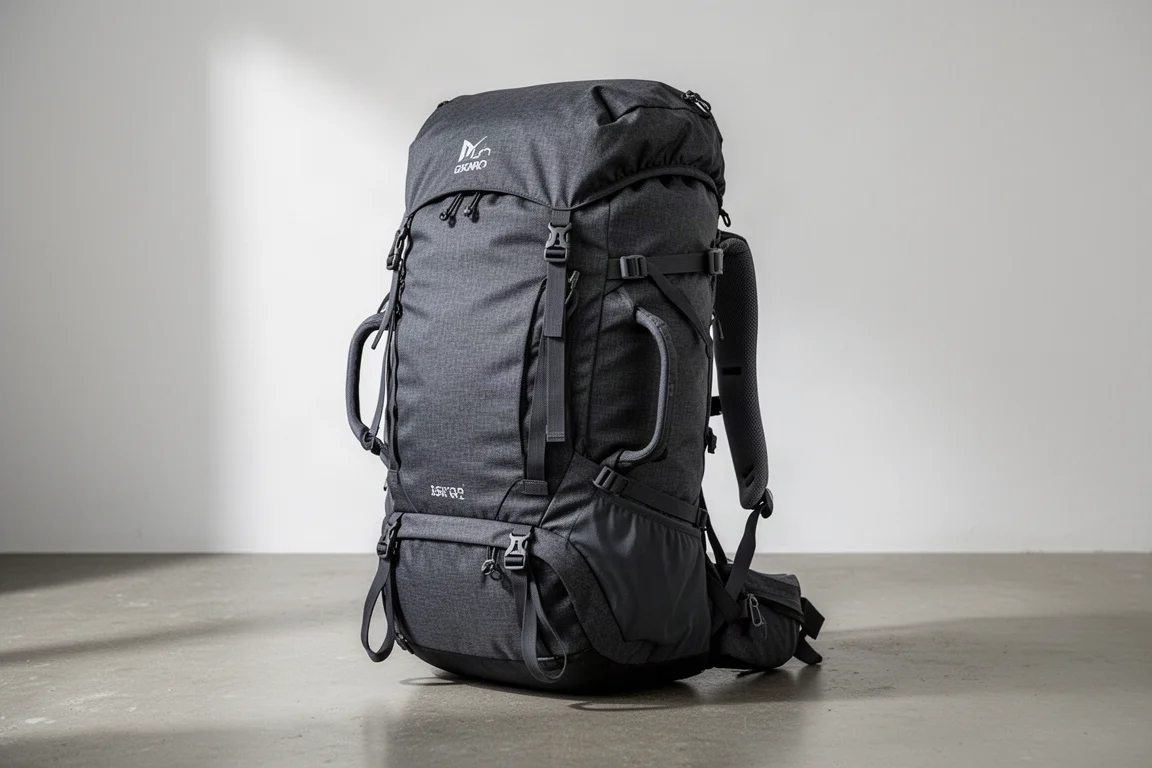
The Neon 55 is the winter version of the same design. The extra volume is there for a big jacket and a thermos, and it means a separate rope bag never has to go over the shoulder. Even in cold conditions the pack swallows everything, and a bulky layer can be strapped to the outside when space runs short.
Both sizes share the same shape and the same stand-up behaviour. The 55 is the one to pick if you carry layers, and the 45 is the one to pick if you want the same layout in a lighter package.
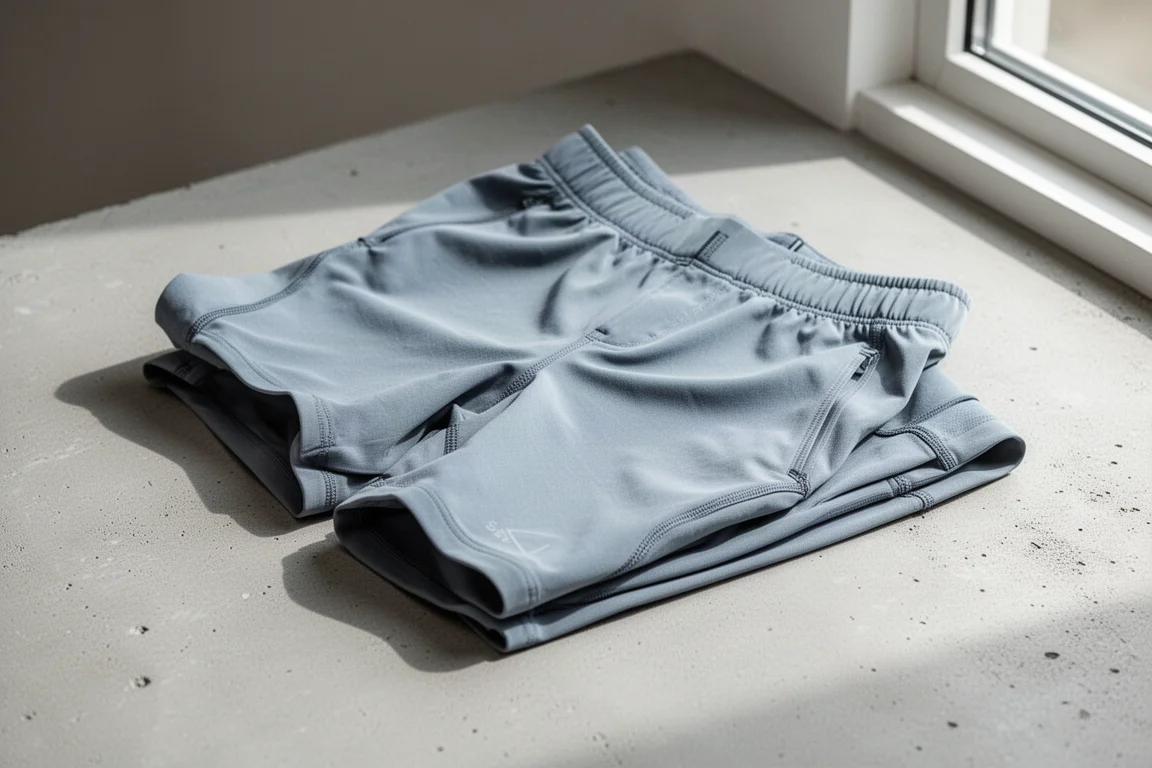
Mammut Massone Light Shorts
These are extremely light shorts, light enough that they can blow away on a windy day if you leave them out. That weight is the point: once you get used to climbing in shorts, long trousers start to feel like a penalty regardless of how cold the crag is.
They also pair better with knee pads than trousers do. Long trousers under knee pads are the worst possible combination, and shorts remove that problem entirely.
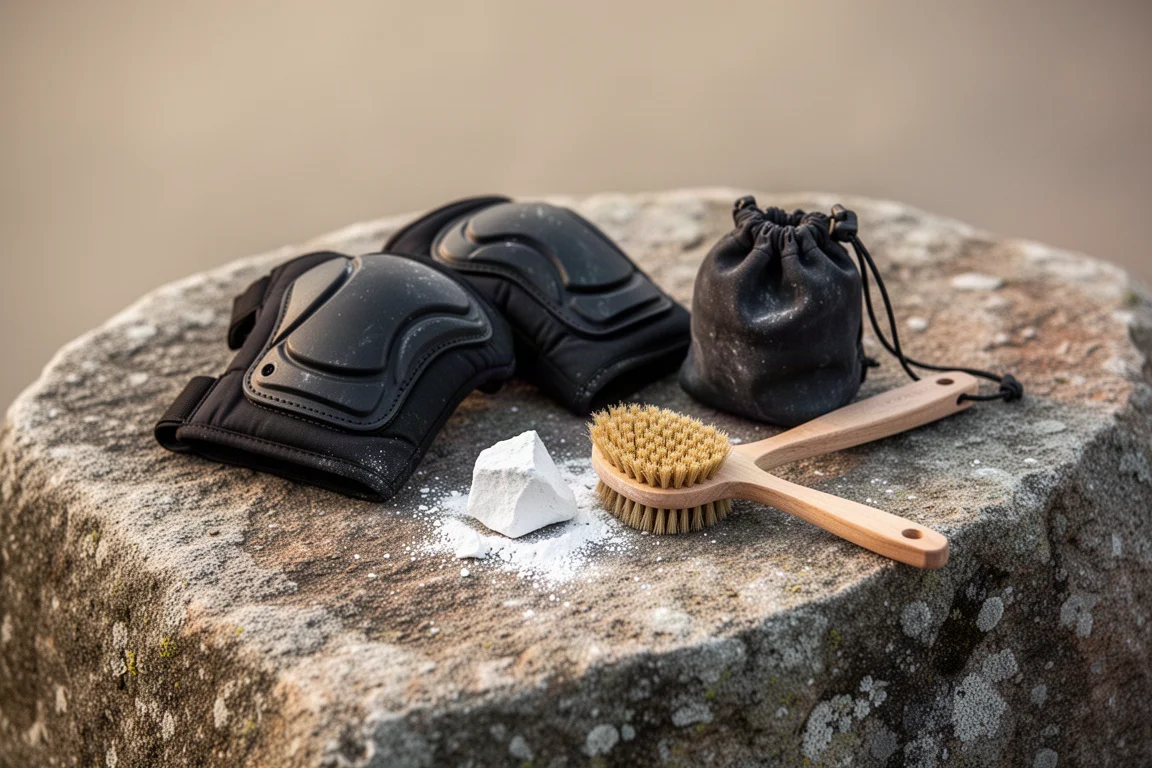
For anyone who climbs with knee pads on sport routes, the shorts are less of an accessory and more of a prerequisite.
Mammut Massone Light Harness
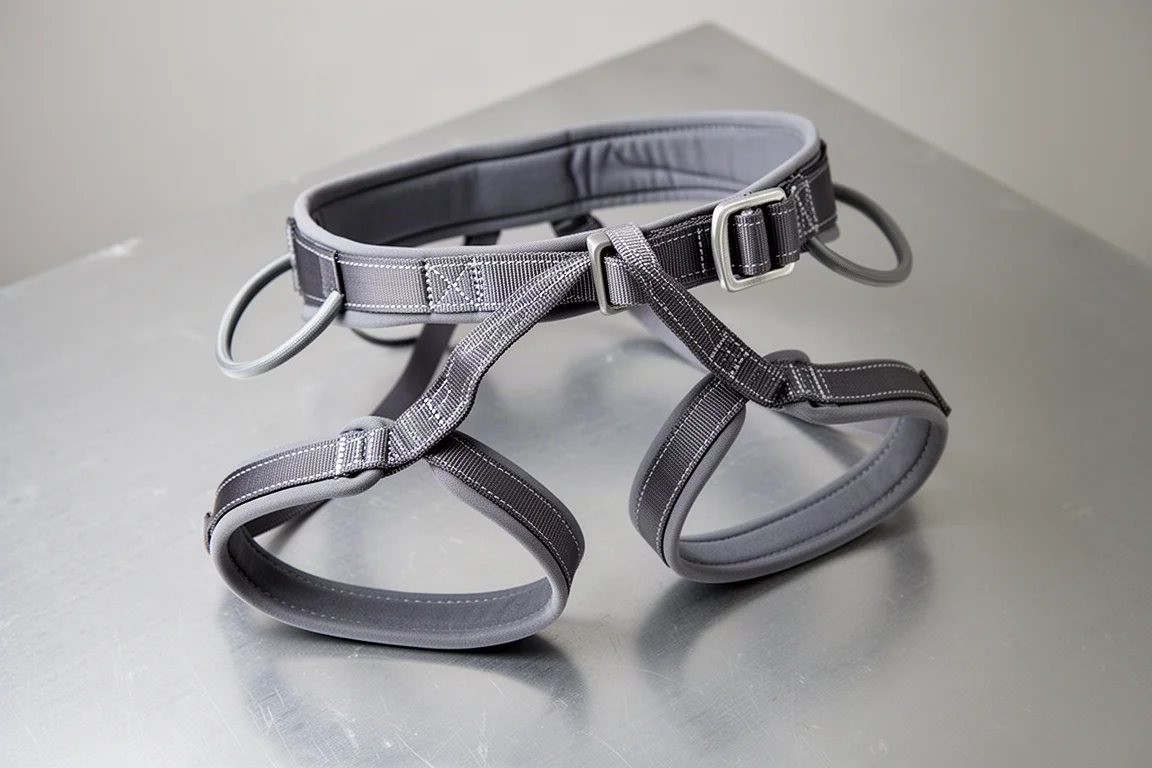
This is the lightweight harness in the kit, and a signature version carries the name of the climber it was developed with. The defining detail is the gear loop layout: one loop on each side rather than the four loops trad climbers expect, which is a real limitation when a route needs a lot of gear.
For sport climbing the trade-off is easier to accept. The harness is very comfortable to climb in, and the low weight is the reason it gets picked. Hanging in the steep stuff for hours is where a heavier harness would win, so a route that involves long working sessions is a reason to switch up.
Mammut Sender Harness
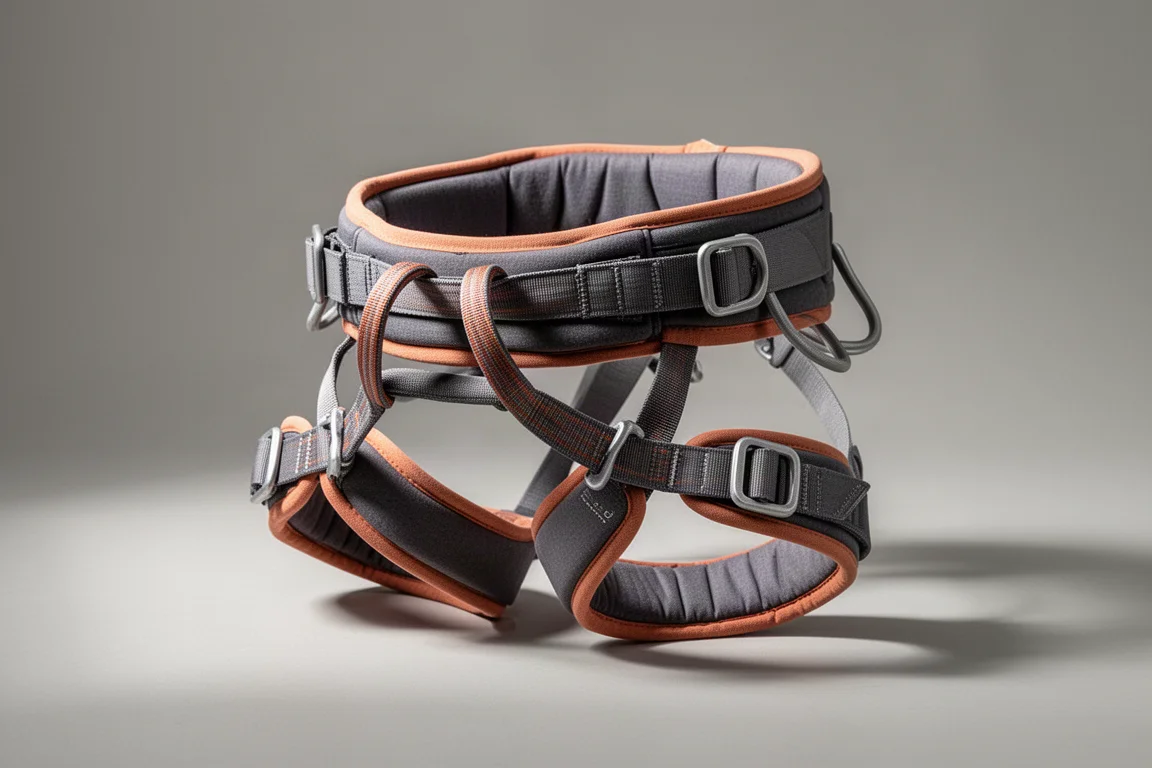
The Sender is the more supportive option, and it has been a popular choice. It is the harness to reach for on multipitch routes and on any day where a lot of time is spent hanging on the rope rather than moving.
The gear loops are a strong point. The shape is well judged and the loops feel solid, which matters when racking draws quickly at a rest.
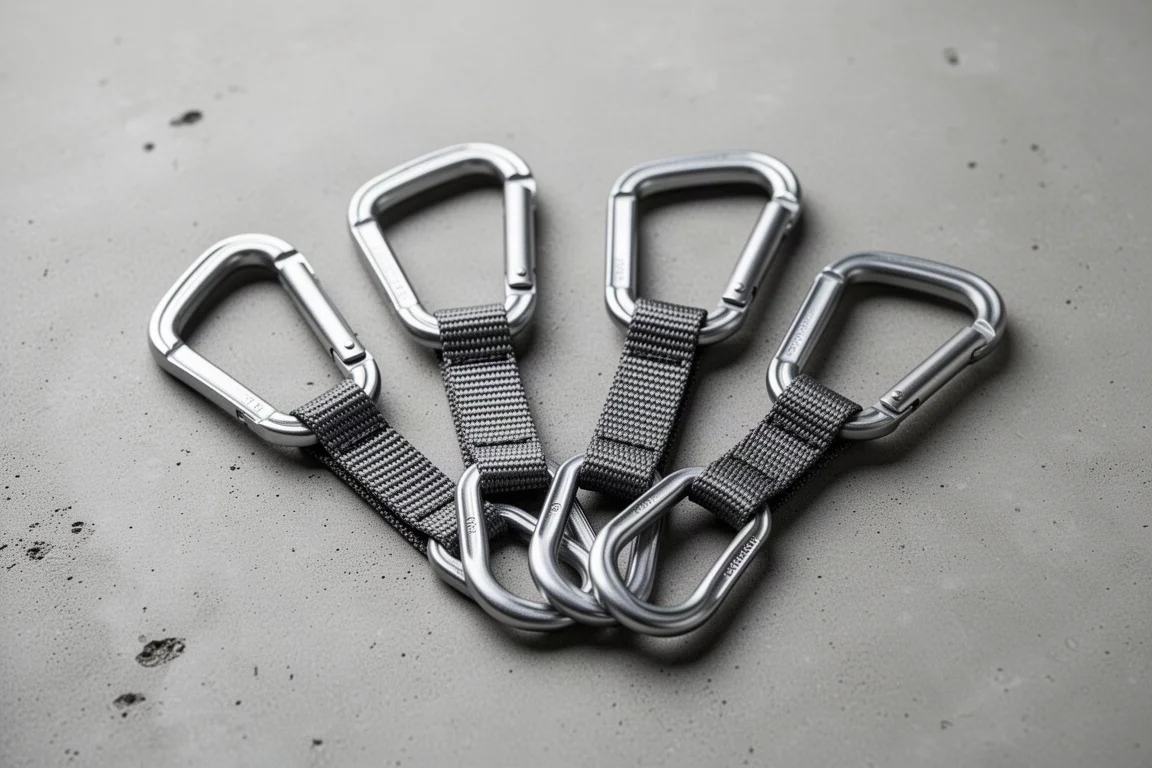
Mammut Sender Light Quickdraws
The Sender Light set is built for onsighting, where every gram on the harness counts. On a hard sport route with 25 draws clipped to you, the difference between a lightweight set and a heavier one is genuinely noticeable.
There is a caveat, and it is a hand-size one. These draws work well for climbers with smaller hands. Several quickdraws on the market reach a similar weight by shrinking the shape, and with a larger hand that simply does not work. This set is a compromise between weight, size and shape, and the comfort of clipping the rope itself is not its strongest suit.
Mammut Workhorse Quickdraws
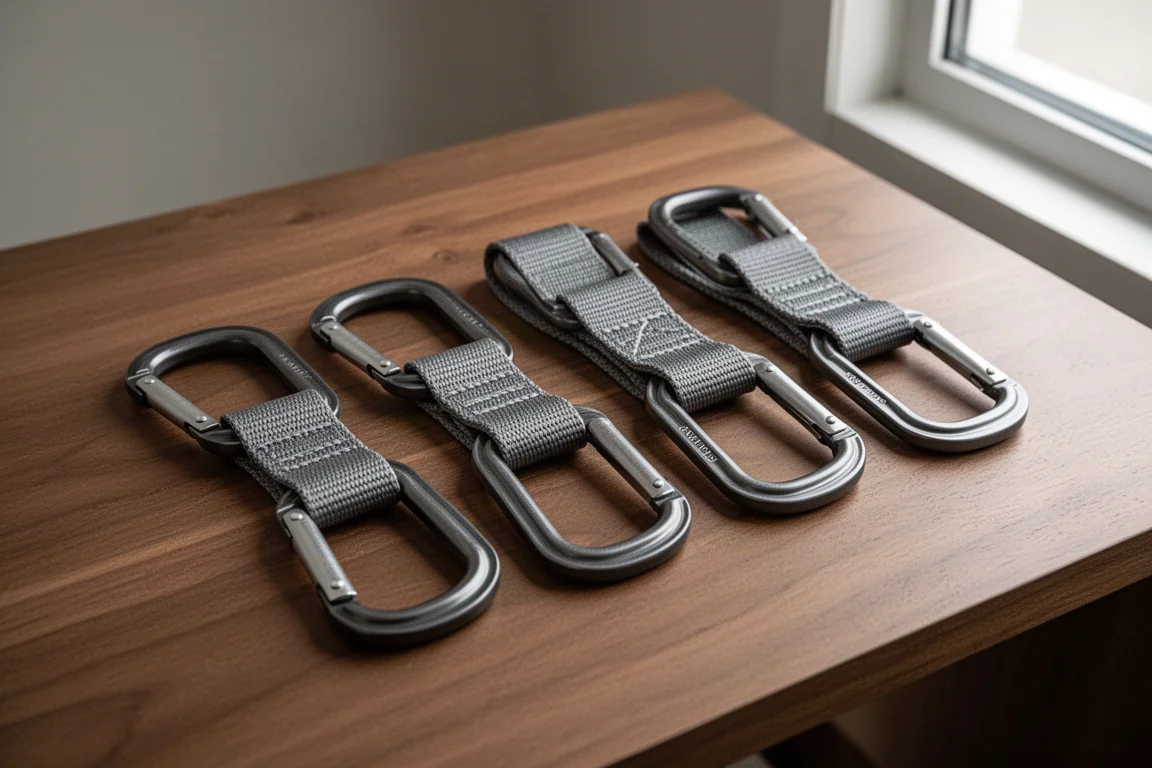
The Workhorse is the heavier, more generous set, and it earns its name at the bolt. Clipping is faster, both when clipping the draw to the bolt and when clipping the rope into the biner, and the larger body is easier to grab when working between draws.
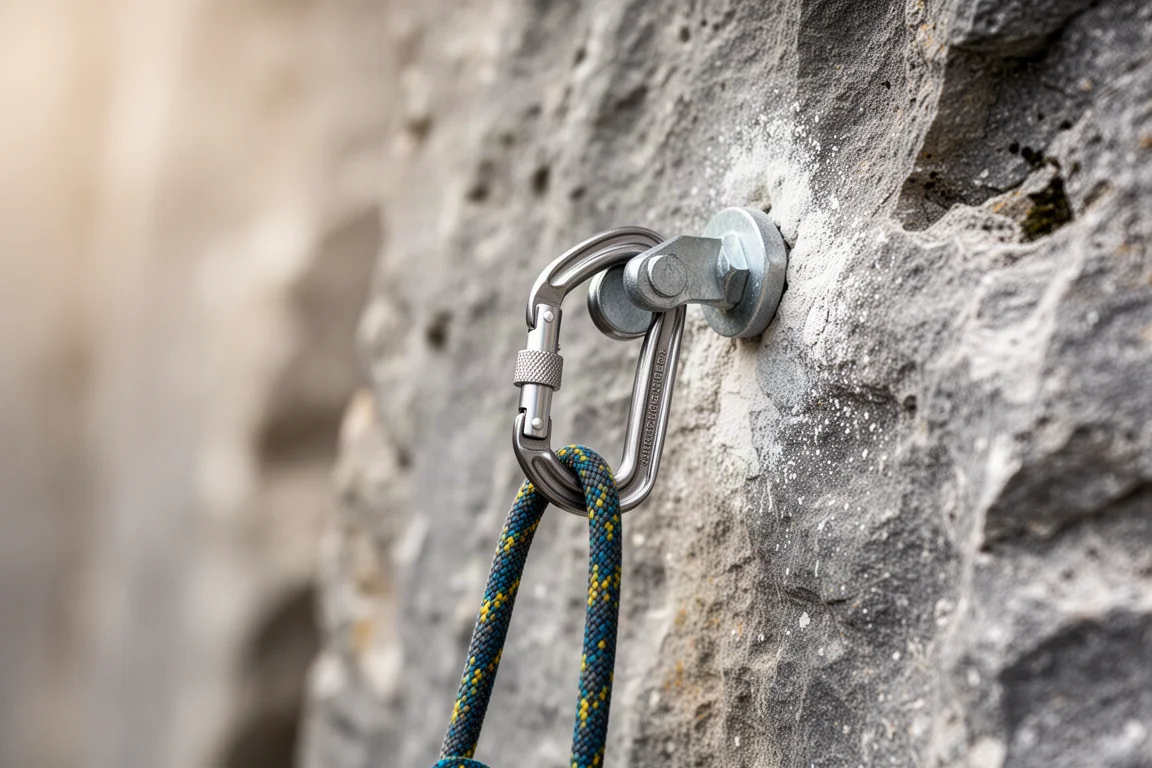
The kit mixes lengths as well as models, and two or three longer draws usually sit on the harness for routes where extra reach matters. A short draw close to the ground adds a mental cost that is hard to ignore, which is exactly the situation the longer ones address.
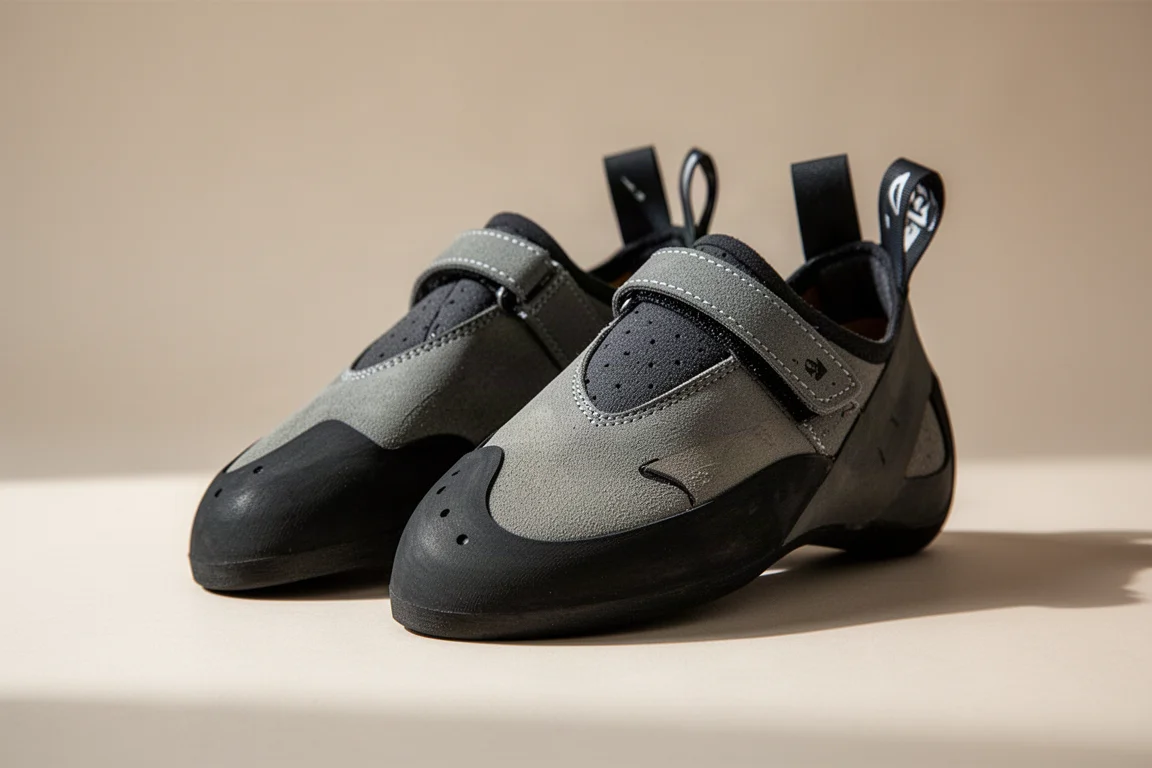
La Sportiva Solution
The Solution is the stiffest shoe in this lineup and the default for sport climbing. Stiffness pays off in knee bars, where the pressure driven through the shoe is higher than anywhere else in a sequence, and a soft shoe becomes painful over time.
For routes that mix knee bars into hard sport climbing, the stiffer platform is the more sensible pick.
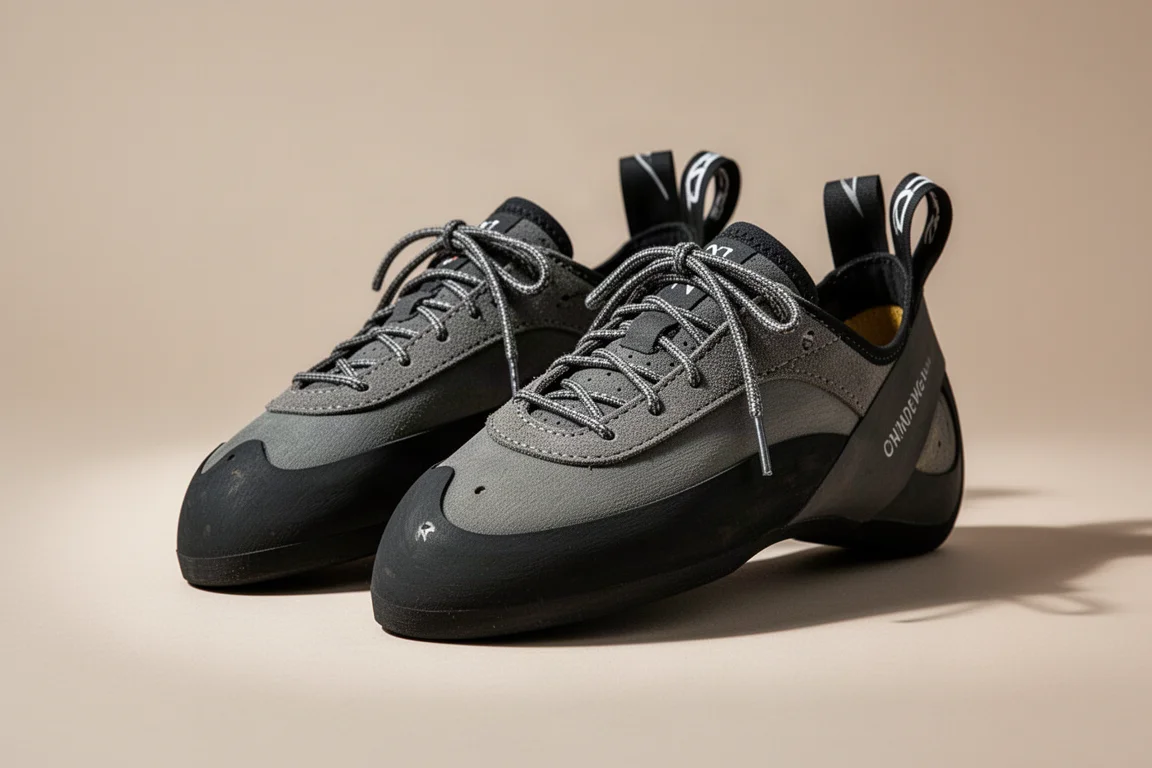
La Sportiva Solution Comp
The Solution Comp is the softer counterpart, and it was the shoe used across both the gritstone and the limestone on this trip. It handled the grit well and worked on the limestone too, and it is the natural choice for gym climbing where a stiffer shoe feels excessive.
Softer rubber and a more sensitive build mean more feel underfoot. On rock where friction and small footholds decide the sequence, that feel is worth more than support.
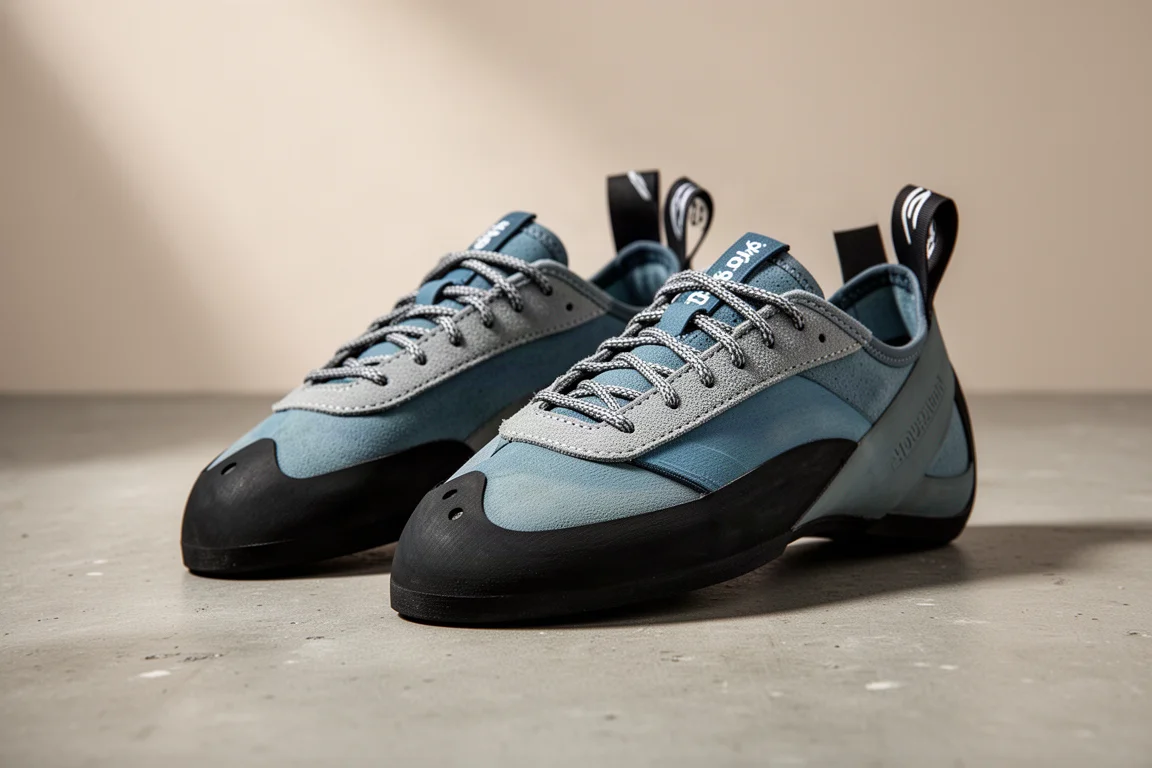
La Sportiva Ondra Comp
The Ondra Comp is the bouldering shoe, and it would always be in the bag for that kind of climbing. On gritstone in particular it delivers a lot of feel, which is what the style demands.
If the plan is bouldering rather than routes, this is the pair to bring.
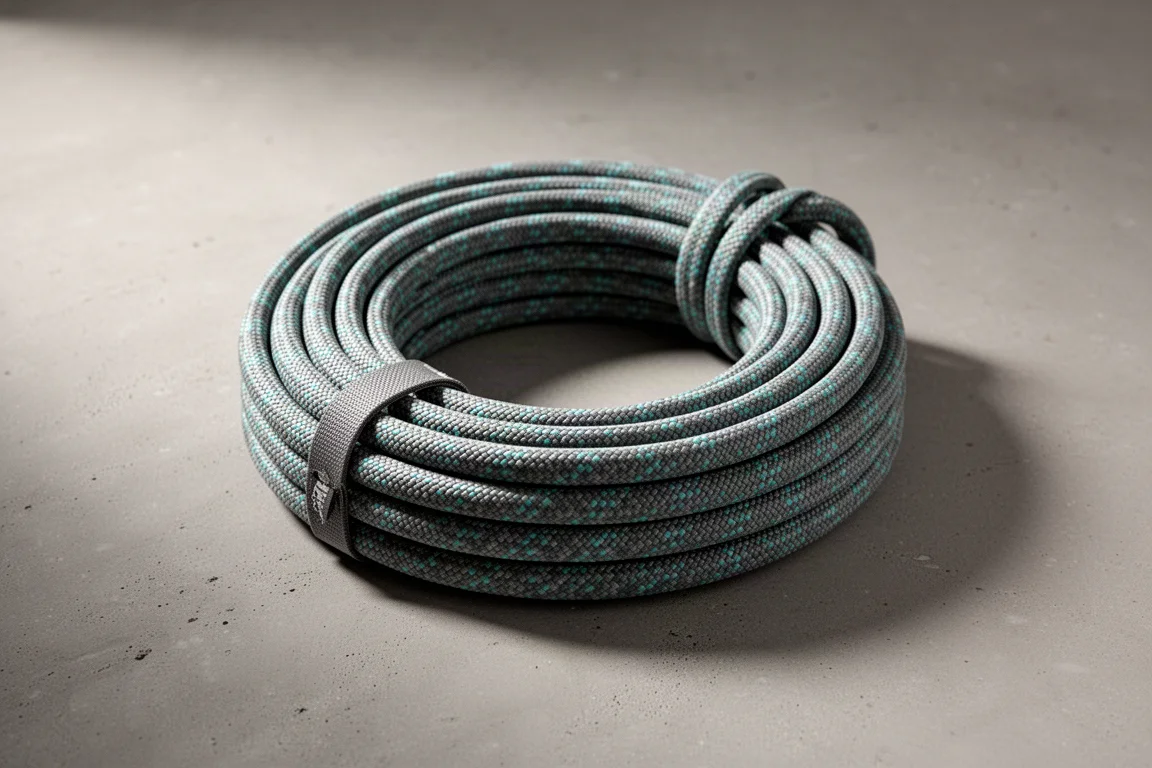
Mammut Crag 9.5 Rope
The Crag 9.5 was chosen for this trip because it had to cover trad climbing as well as sport, and it is a strong compromise if one rope has to do everything. It feels quite thin for a 9.5, and it handles nicely.
Rope choice usually comes down to length and diameter. An 80 m rope covers almost everything, while 60 m and 50 m options leave you short at the wrong crag. For the biggest routes, a thinner 8.7 rope makes the weight difference obvious. The pattern many climbers settle into is two ropes: a thicker one for working a route and a skinny one for the send, because repeated top-rope working laps are what wear a rope out fastest.
Buying Advice: Matching Gear to the Day
The clearest lesson from this kit is that no single setup covers every day. The bag choice comes down to volume: the Neon 45 for a standard load, the Neon 55 when layers and a thermos come along. The harness choice comes down to time spent hanging: the lightweight Massone Light for sport climbing, the Sender for multipitch and long working sessions.
Quickdraws split along the same lines. A lightweight set such as the Sender Light suits onsight attempts and climbers with smaller hands, while the Workhorse is the better call when fast clipping and easy grabbing matter more than grams. Shoes follow stiffness: the Solution for knee-bar-heavy sport routes, the Solution Comp for all-round sensitivity, and the Ondra Comp for bouldering.
If you are building a kit from scratch, start with the items that change how a day feels: a bag that stands up and swallows your rack, a harness that matches your hanging time, and shoes that match the rock. The rest can follow.
Conclusion
This kit works because each piece has a defined job. The bags carry everything and stay upright, the two harnesses split sport and multipitch duty, the quickdraw sets split lightweight onsighting from fast, comfortable clipping, the three shoes cover stiff sport, sensitive all-round and bouldering, and the Crag 9.5 handles both sport and trad in one rope.
Choose the version that matches the climbing you actually do most, and the rest of the list becomes much easier to prioritise.
Further reading
Related Reviews
Climbing Gear
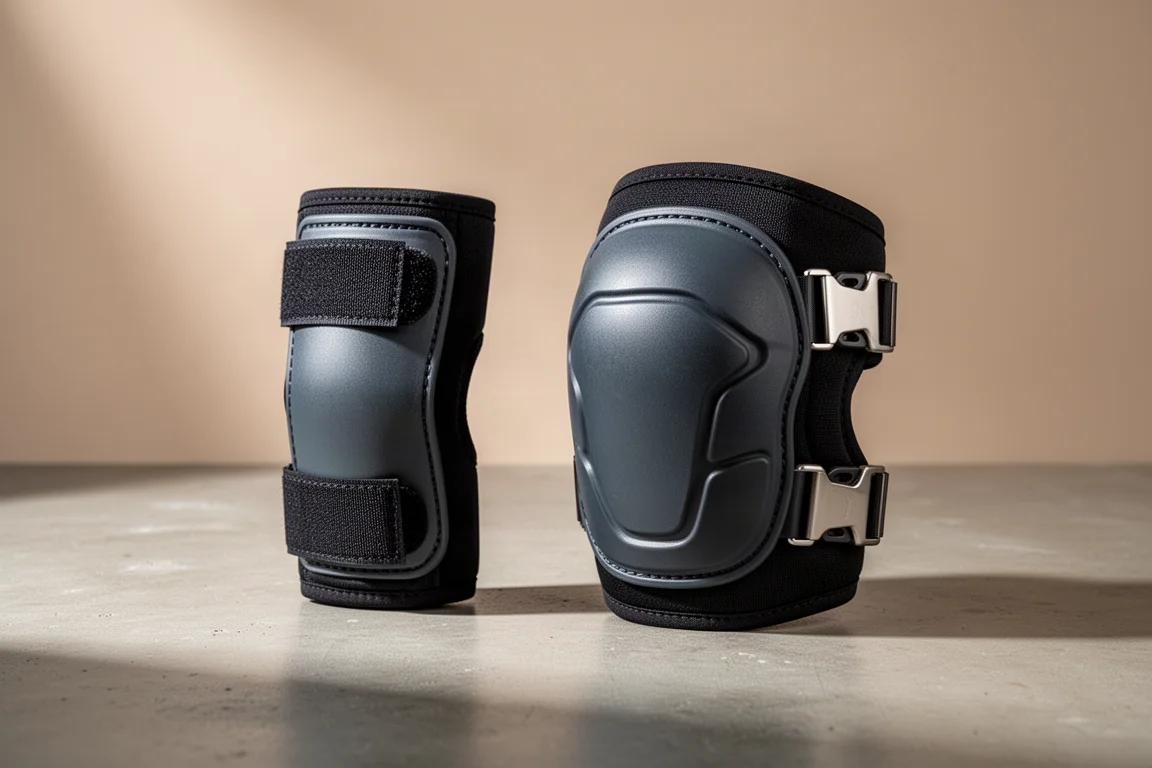
Blakpad VS and Eon Knee Pads: Which One Suits Your Climbing?
A close look at two specialist climbing knee pads from Blakpad, the flexible VS and the more rigid Eon, and how to decide between them.
Climbing Gear
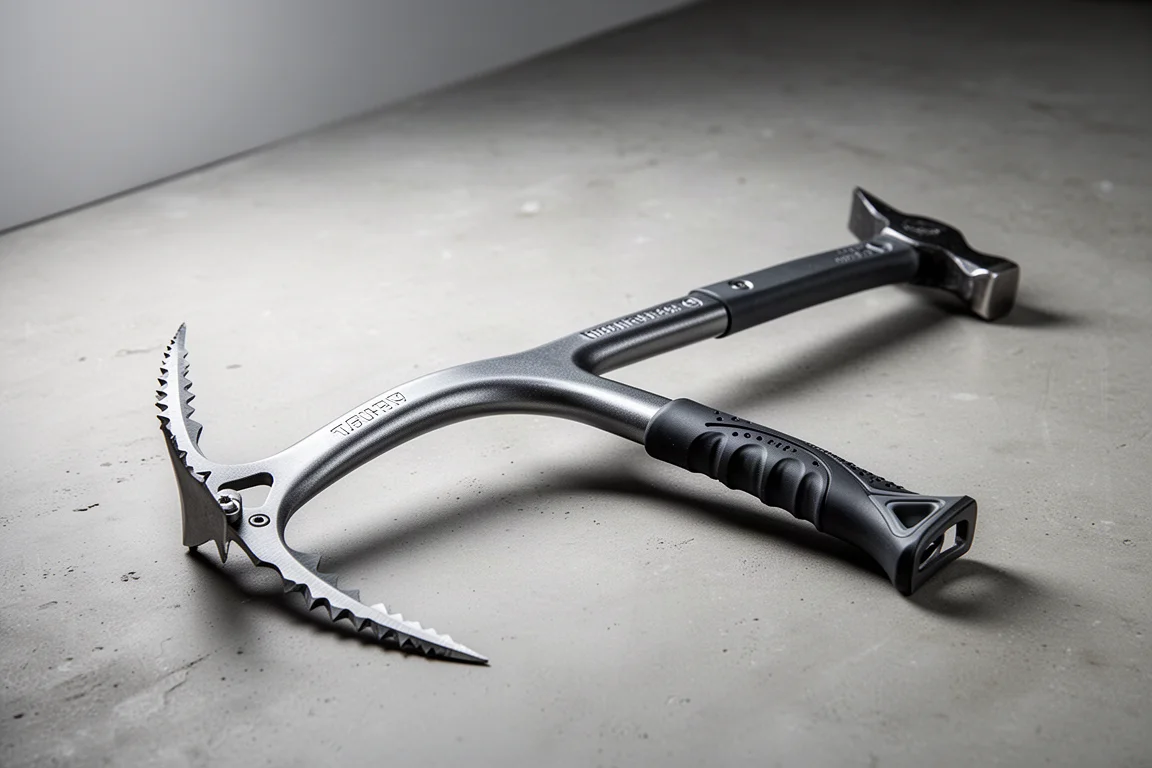
DMM Cortex Review: A T-Rated Ice Axe Built for Technical Winter Climbing
A close look at the DMM Cortex, a 50cm single-piece forged ice axe with T-rated pick and shaft, modular heads, and a reassuringly solid swing.
Climbing Gear
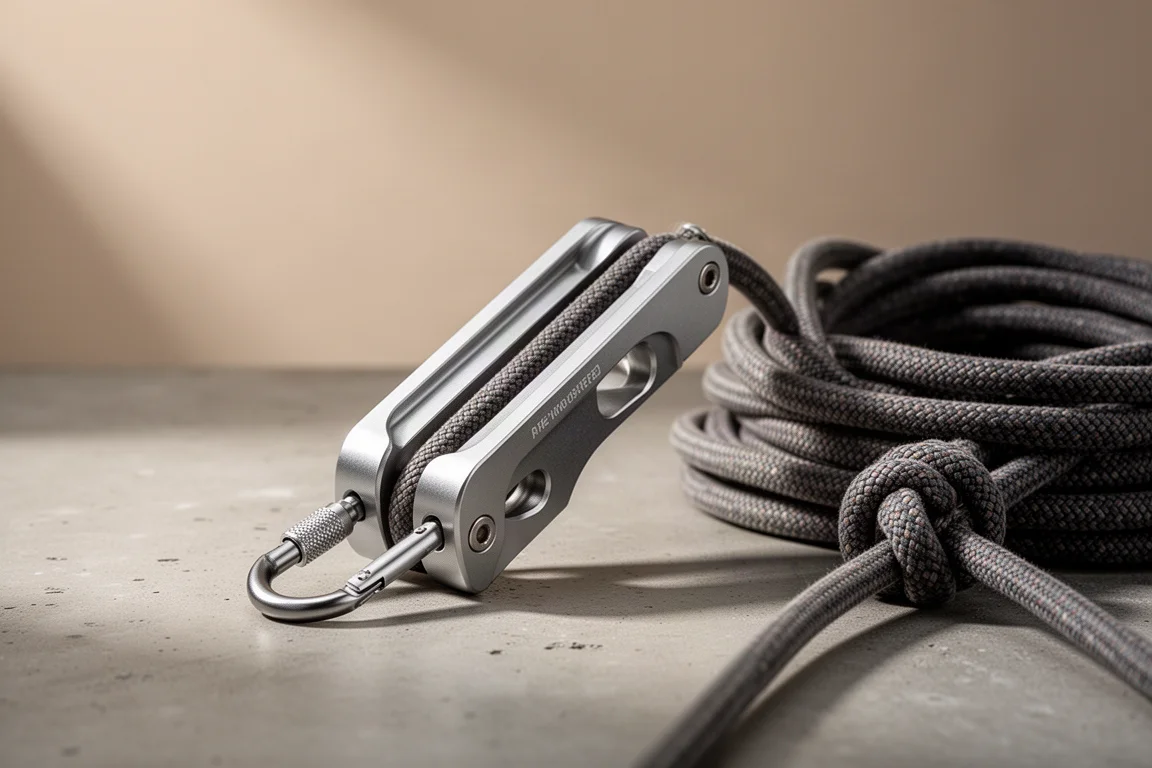
Mammut Assist Belay Resistor Review: Softening the Weight Gap on Sport Routes
A small all-metal accessory that adds friction at the first bolt, so a lighter belayer is not dragged into the wall by a heavier climber.