Music Streamers
WiiM Ultra vs Eversolo DMP-A6 vs Bluesound Node X: Which Music Streamer Fits Your System?
A practical comparison of three streaming DACs: the feature-packed WiiM Ultra, the more resolving Eversolo DMP-A6, and the warmer, more spacious Bluesound Node X.
Introduction
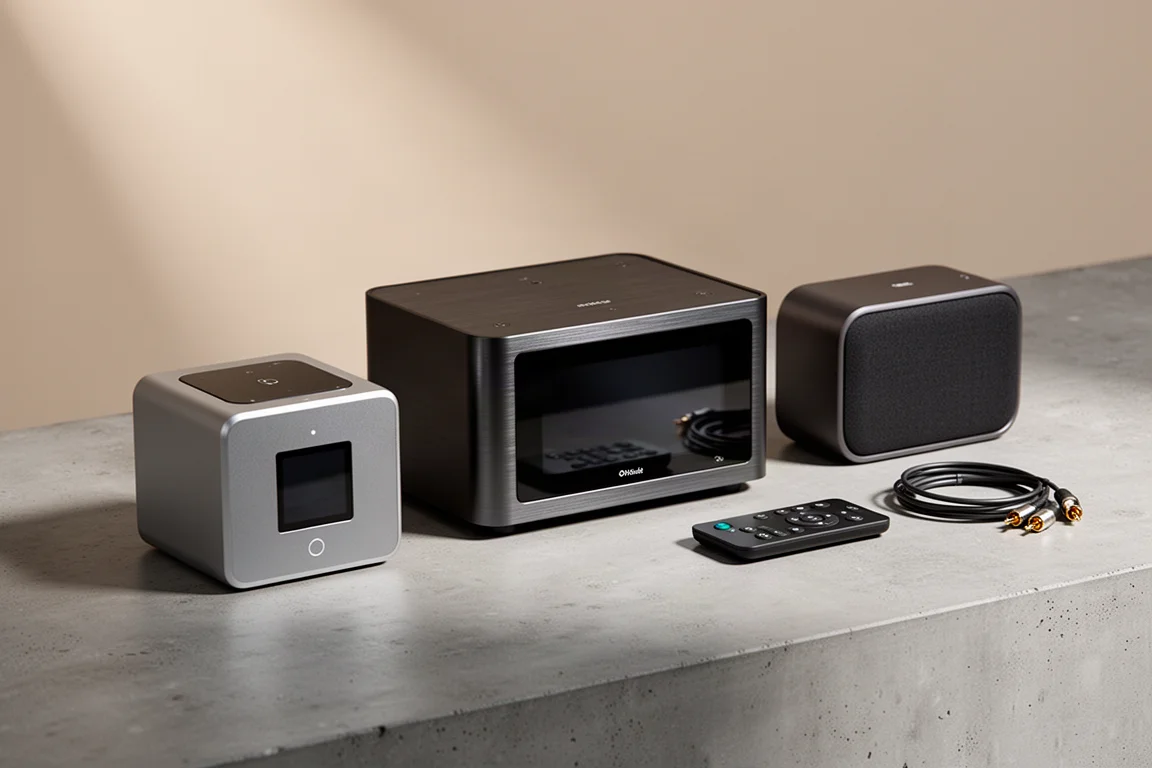
Streaming has become the default way many listeners play music, and the entry point keeps improving while prices stay sensible. The WiiM Ultra arrives at £349 with a connectivity list and a control app that would have looked out of place on an affordable streamer a few years ago. Two established alternatives, the Eversolo DMP-A6 at £799 and the outgoing Bluesound Node X, offer more resolution and more substantial build quality for a significant premium.
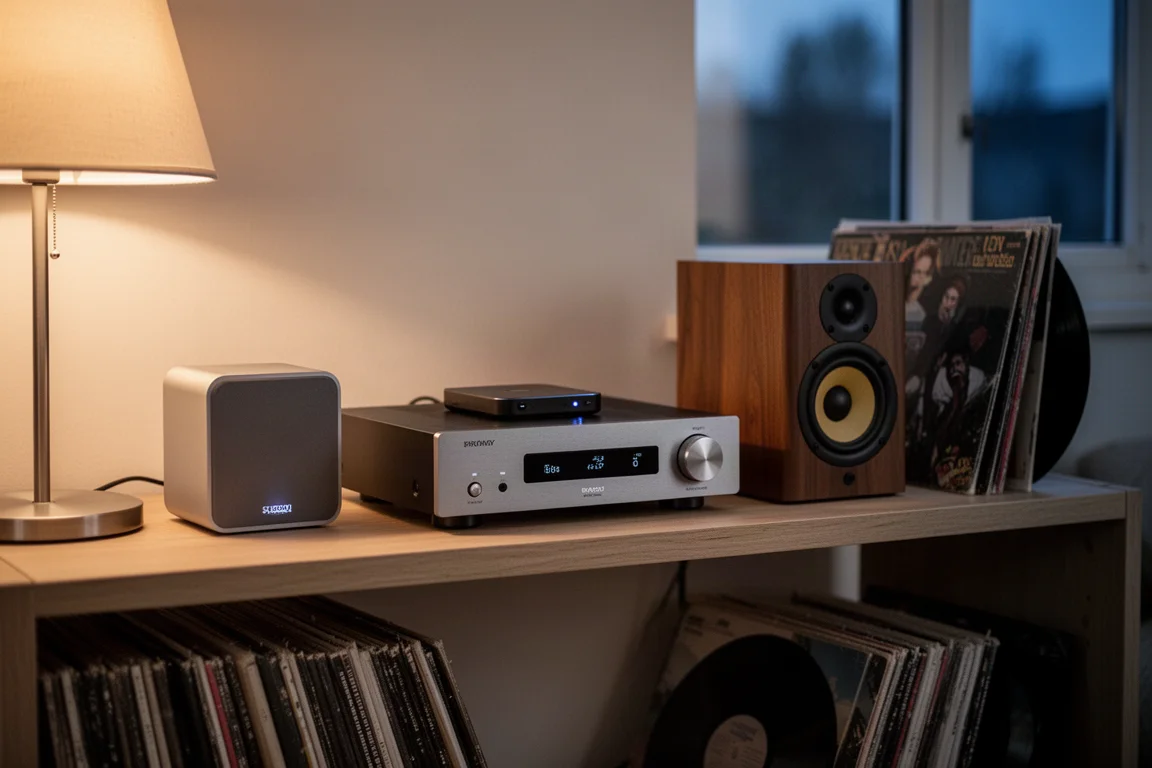
Choosing between them comes down to system matching rather than a simple hierarchy. The least expensive device is not automatically the compromise, and the priciest option is not automatically the best fit for every room. What follows is a breakdown of what each streamer does well, where it holds back, and which systems each one genuinely suits.
What to Look For in a Streaming DAC
Before comparing models, it helps to know which features actually shape day to day use. Network connection options such as Ethernet or Wi-Fi, digital inputs including optical Toslink and HDMI eARC, and analog inputs including a phono stage for moving magnet cartridges all determine how a streamer slots into an existing system. So does the converter inside: the WiiM Ultra uses an ESS 9038 Q2M DAC, and its analog inputs are digitized by an internal ADC before conversion.
Outputs matter just as much. Analog RCA outputs, a subwoofer output, coaxial and optical digital outputs, and a USB digital output for an external DAC all decide how far a device can grow with your system. A built-in volume control is another practical advantage, because it allows a direct connection to a power amplifier or powered speakers without a separate preamp.
Software is the final piece. Streaming service support, the option to bypass the manufacturer app through Roon, Spotify Connect, Tidal Connect or Google Chromecast, and the quality of equalization and room correction tools all affect daily use. Resolution differences between streamers only become obvious as the partnering amplifier and speakers improve, so system matching matters as much as the specification sheet.
WiiM Ultra: The Value Benchmark
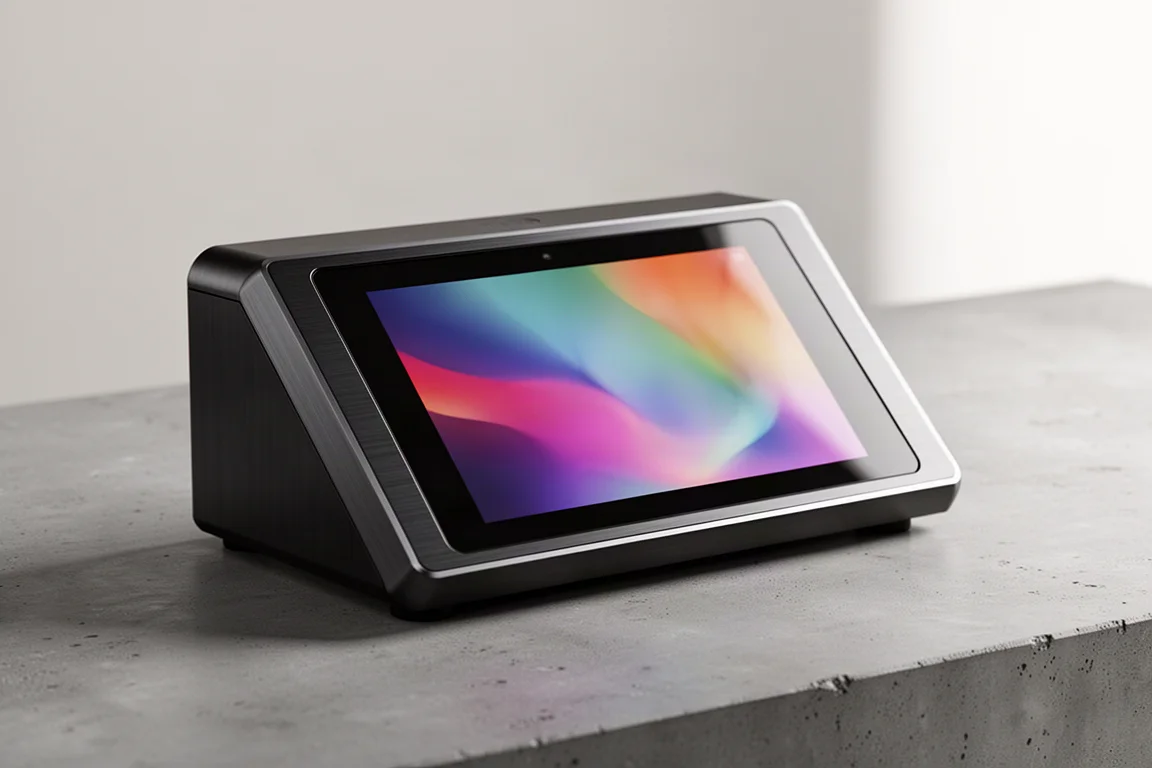
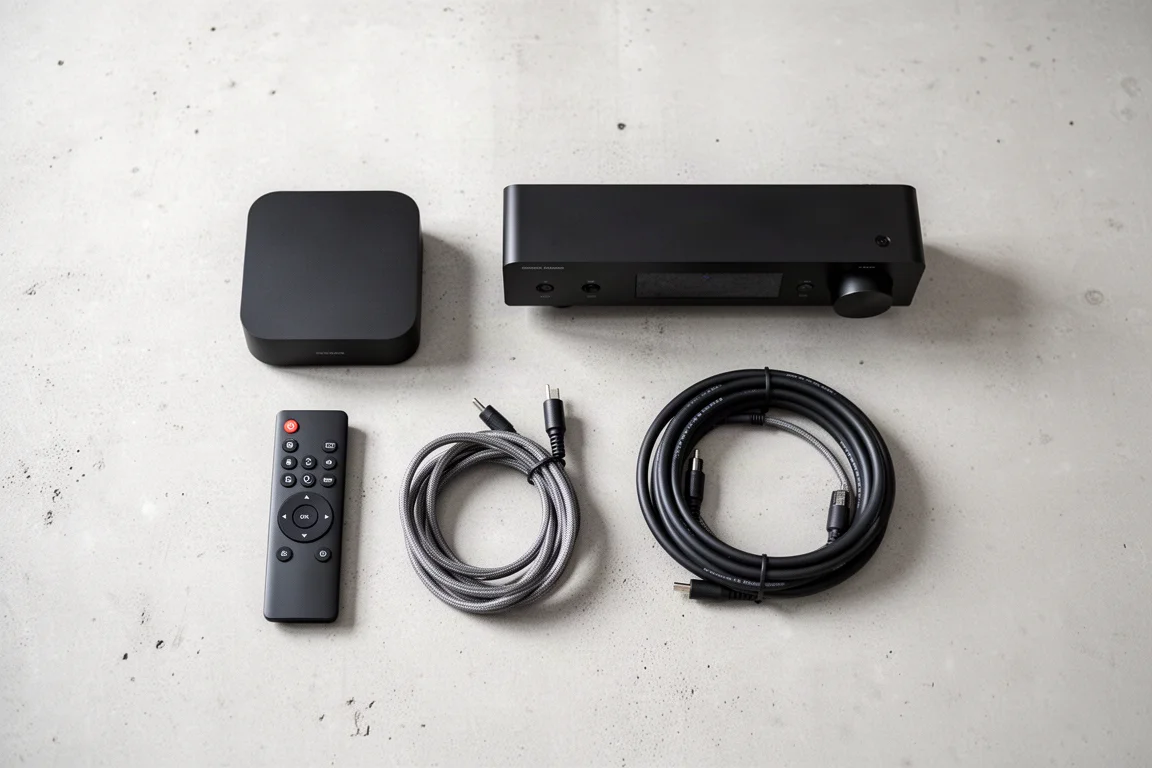
The WiiM Ultra is a compact square device measuring 205 x 205 x 73 mm and weighing 1.3 kg. It is constructed from molded plastic with a convincing faux metallic finish, the sort that requires a tap on the panels to confirm the material. A 3.5 mm headphone jack and a rotary dial for volume sit on the front alongside a 75 mm, 3-inch color touchscreen. That display is not as large or as sharp as the one on the Eversolo DMP-A6, but it is beyond reproach at this price, and a fairly decent remote control is included.
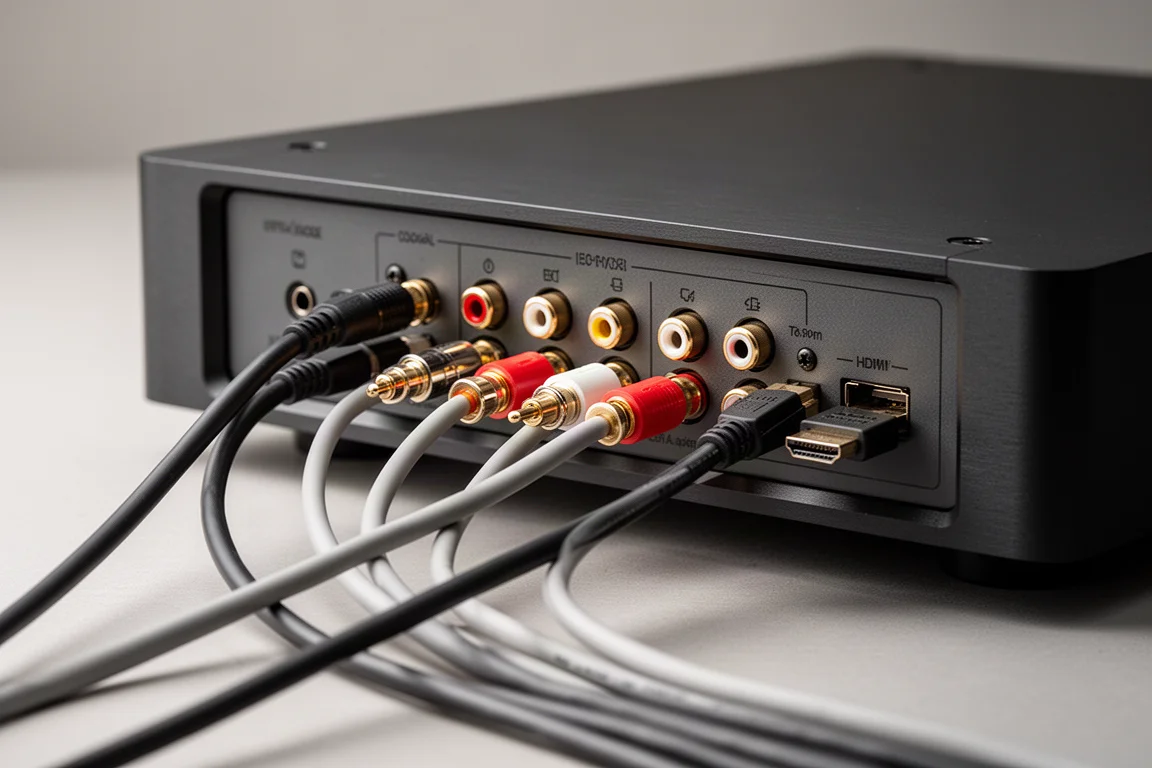
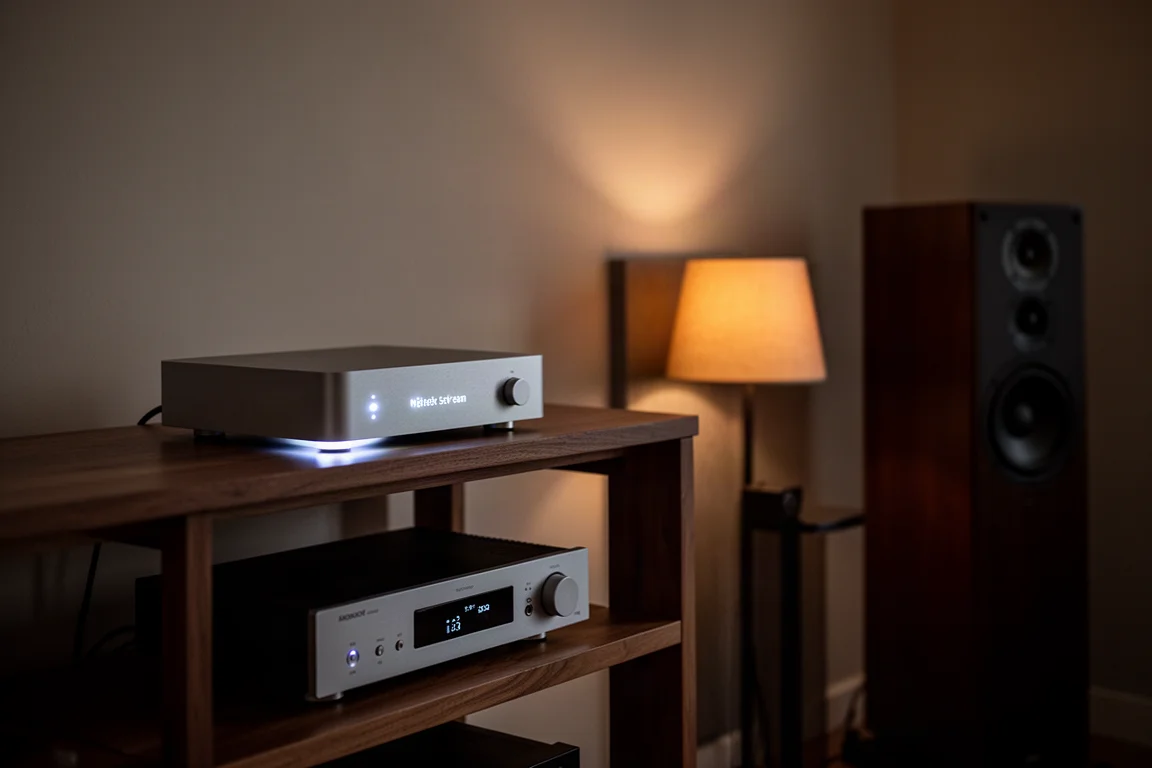
The rear panel is where the value proposition becomes obvious. There is an analog RCA input and a phono input for turntables with moving magnet cartridges, both digitized by the internal ADC before being fed to the ESS 9038 Q2M DAC. Analog outputs, a subwoofer output and a coaxial digital output are provided, together with optical Toslink and HDMI eARC inputs. HDMI eARC lets a compatible TV remote power the streamer on and off and adjust its volume automatically. Two further digital outputs, optical and USB, open the door to performance upgrades through an external DAC. Network connection is available over Ethernet or wirelessly.
Sound quality is the real surprise here. The WiiM Ultra sounds natural rather than bright, with very good resolution across the board and a remarkably mature character that leans just slightly warm. Plenty of affordable digital components sound clean but thin in the midrange with an enthusiastic treble, and this one simply does not. The various digital inputs also perform consistently, with no notable differences between the internal streamer, the coaxial and the optical connections. HDMI eARC worked faultlessly but sounded a little more cloudy, while the line level analog input was more resolving than HDMI but not quite a match for the digital inputs.
The control app is an excellent user experience. Amazon Music, Qobuz, Spotify and Tidal are supported, and you can bypass the manufacturer app entirely by streaming directly through Roon, Spotify Connect, Tidal Connect or Google Chromecast. Apple Music and AirPlay 2 are not supported. There is an old school style graphic equalizer and, more usefully, a 10-band parametric EQ that lets you adjust frequency, gain and Q. Subtle adjustments, such as pulling the 250 Hz band down by 1 dB and lifting the 2 kHz region by half a dB, made no difference to sound quality while allowing the tone to be fine-tuned. Larger corrections of 3 dB or more are better solved at the system level. The app also includes a room correction system that uses your phone or tablet microphone at the listening position; it is easy to use but the response is crude, cannot be adjusted, and the impact on sound quality is significant, so it is best avoided.
One caveat is worth noting. The analog input on at least one unit developed clicking and popping sounds before failing, which appears to be an isolated fault rather than a design characteristic. Everything else about the experience holds up.
Eversolo DMP-A6: More Resolution, More Money
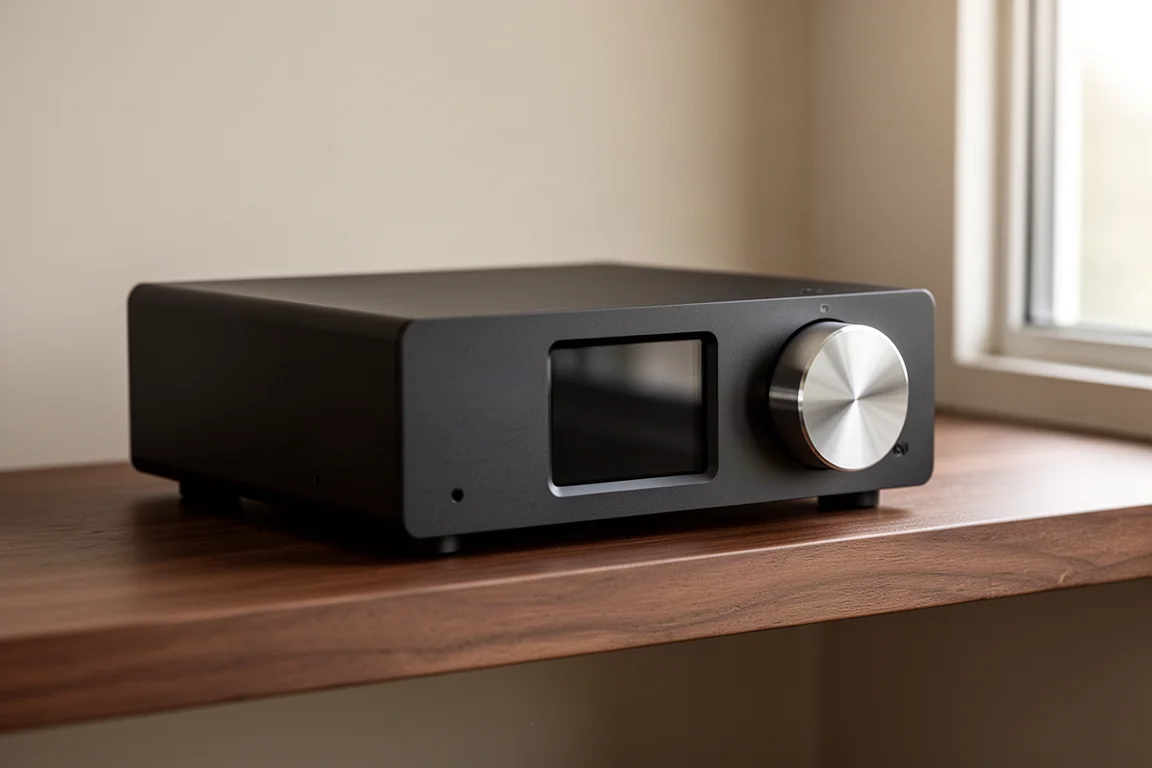
The Eversolo DMP-A6 sits at £799, well over twice the price of the WiiM Ultra. It is physically bigger, uses proper aluminium casework, and carries a fancier screen. It does not offer HDMI eARC, which is unusual given how useful that connection is for television audio.
In pure sound quality terms, the two devices are closer than the price gap suggests. The DMP-A6 is a bit more resolving, with crisper leading edges to notes, slightly more revealing decay structures, and a soundstage that extends a little further in all directions. The location of performers is also a touch more secure.
Its character has shifted over time. Earlier impressions noted a distinct leanness and hardness in the upper midrange; those tendencies remain but the edginess is less prominent now, most likely because a series of firmware updates has refined the DSP engine alongside fixing software glitches and adding features.
Used as a streaming transport, the DMP-A6 provides a cleaner digital output. Connected to a high quality external DAC, it delivered the micro detail, timbral inflections and layered soundstage that a resolving system can reveal. That makes it the more convincing choice when the rest of the chain is transparent enough to show what it is doing.
Bluesound Node X: Warm and Spacious
The Bluesound Node X is an outgoing model, but it remains a capable streamer. Like the Eversolo DMP-A6, it unearths more detail than the WiiM Ultra and throws out the biggest soundstage of the three devices discussed here. Its presentation is more distinctly coloured and warmer, which makes it a matter of taste rather than a straightforward step up.
The BluOS platform has a strong reputation, but the WiiM app is easier to live with. Main menus sit at the bottom of the screen, so you are not forced through multiple presses to exit one submenu and enter another, and moving between your library, music services and inputs feels effortless.
Tone differences between the three streamers were apparent regardless of the cost of the system used, while differences in resolution depended very much on the quality of the partnering equipment. In other words, the Node X makes its case on character and scale rather than on outright detail, and it rewards listeners who prefer a richer, more relaxed balance over a strictly neutral one.
For listeners building a system around modest amplification and speakers, the extra outlay is harder to justify. Where the amplifier and speakers are already revealing, the warmer tone and wider stage become meaningful advantages rather than subtle ones.
How They Compare as Streaming Transports
Both the WiiM Ultra and the Eversolo DMP-A6 can be used as streaming transports with an external DAC, which is the natural upgrade path as a system improves. Fed into a high quality external converter, the WiiM Ultra did admirably but was still missing a little detail and sounded a touch too cozy. A different converter offered better tonal balance but a smaller soundstage in width and considerably less depth.
The DMP-A6 provided a cleaner digital output in the same role, delivering the micro detail, timbral inflections and layered soundstage that a more revealing system can expose. This is where the price difference starts to make sense: not in the stock analog output, but in how much of the signal survives when the streamer is asked to act purely as a source.
Buying Advice: Matching the Streamer to Your System
With speakers and amplifiers that individually cost less than £1,000, the WiiM Ultra is likely to be all the streaming device anyone needs. You may still prefer the slightly cooler tone of the Eversolo DMP-A6 or the richer tone of the Bluesound Node X, but those are preferences rather than requirements. In an accessibly priced reference setup built around £599 standmount speakers driven by a £449 integrated amplifier, the more even-handed tonality of the WiiM Ultra was the most appreciated of the three.
As you step into amplifiers and speakers that retail for around £2,000 each, the limitations of the WiiM Ultra become apparent, and this is the point to consider an external DAC. Something from SMSL or Topping retailing for around £700 will do an admirable job, and there are plenty of other options that will serve the same purpose. The Eversolo DMP-A6 already performs this role well on its own, which is the simplest argument for choosing it over the cheaper streamer.
In a much more resolving system, the WiiM Ultra was well out of its depth, as was the Eversolo DMP-A6, though less so. Because the WiiM Ultra includes a volume control, it can also be connected directly to a power amplifier or powered speakers, provided you do not need additional analog inputs. Just keep in mind that the internal inputs are not perfectly consistent: HDMI eARC sounded a little more cloudy than the digital connections, and the analog line input did not quite match the coaxial, optical or streamer inputs.
Conclusion
The WiiM Ultra is a landmark product in the chronology of streaming devices. It is nicely built, its feature set offers more flexibility than almost anything near the price, and its control app is slicker than most of the competition. It sits right on the heels of streamers that cost twice as much, and it delivers genuinely mature sound rather than a bright, thin approximation of it.
The Eversolo DMP-A6 remains the better choice for listeners whose amplifiers and speakers can reveal its extra resolution and cleaner digital output, while the Bluesound Node X appeals to anyone who prefers a warmer, more spacious presentation. For most systems built around components under £1,000, the WiiM Ultra is the straightforward, confident pick.
Further reading
Related Reviews
Music Streamers
Arylic S10 Plus vs WiiM Mini: Two Affordable Music Streamers Compared
A practical comparison of the Arylic S10 Plus and the WiiM Mini, covering connections, apps, tone controls, and how each internal DAC actually sounds.
Music Streamers
Auralic Aries G1.1 Review: A Streaming Transport That Lifts a Resolving System
A close look at the Auralic Aries G1.1 streaming transport, covering its twin-transformer power supply, Tesla G2 processing, Lightning DS app and the systems where it genuinely pays off.
Music Streamers
Bluesound Nano Review: A Compact Streamer That Keeps Things Simple
The Bluesound Nano is a stripped-down network streamer at $299, with a solid chassis, quick setup, and a clean, punchy sound. Here is what to know before buying.