Music Streamers
Auralic Aries G1.1 Review: A Streaming Transport That Lifts a Resolving System
A close look at the Auralic Aries G1.1 streaming transport, covering its twin-transformer power supply, Tesla G2 processing, Lightning DS app and the systems where it genuinely pays off.
Introduction
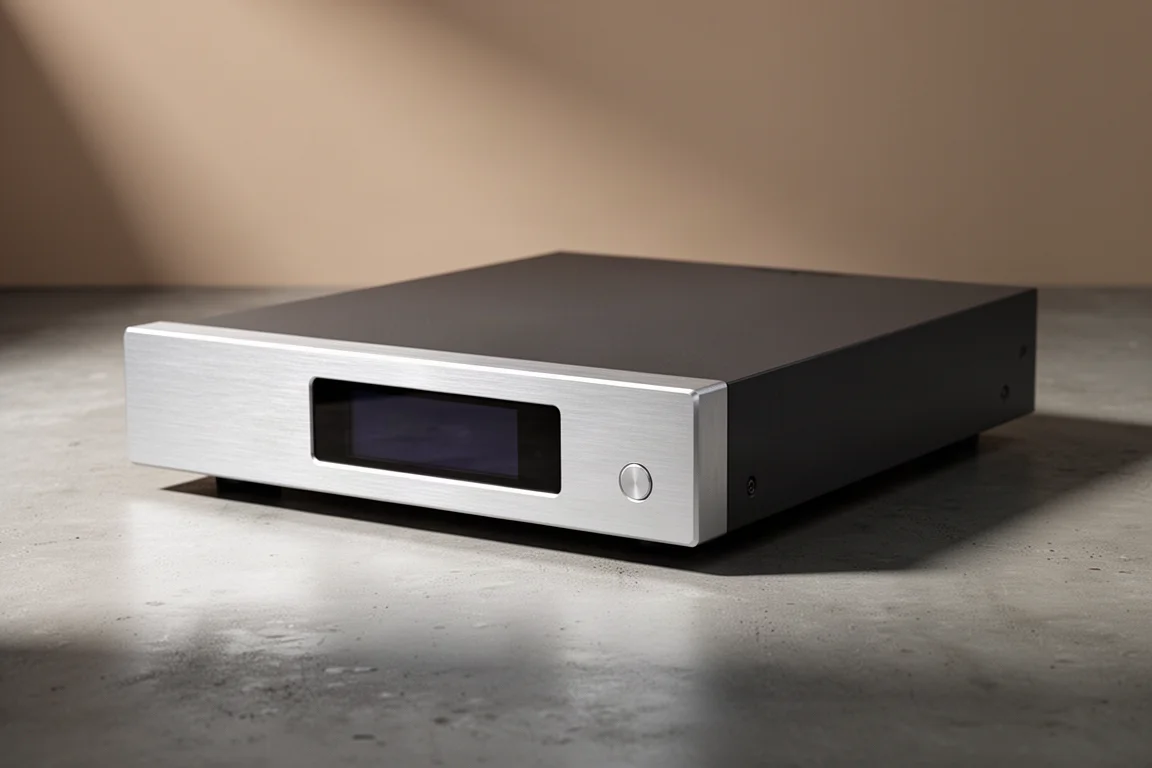
The Auralic Aries G1.1 is a streaming transport, which means it deliberately leaves out one component: a digital-to-analogue converter. Its job is to pull music from a network or a local drive, manage the signal cleanly, and hand it to a DAC you already own. At around £2,500 it is a serious purchase, but it is aimed at a specific problem in a specific kind of system.
The logic behind it is straightforward. With no DAC section on board, the power supply and the circuit layout can be dedicated to the streaming board and the sensitive electronics around it, with nothing else competing for space or attention. It is a similar argument to the one that separates a standalone power amplifier from an integrated amplifier with an identical output stage: fewer jobs for one chassis to handle, and a cleaner result.
Who This Streaming Transport Is For
This is a component for listeners who already own a resolving DAC, amplifier and pair of speakers, each priced somewhere in the region of £2,000 to £5,000, and who are currently streaming through a budget all-in-one network player. In that kind of setup the streamer is very often the limiting factor, the part of the chain that quietly holds everything else back.
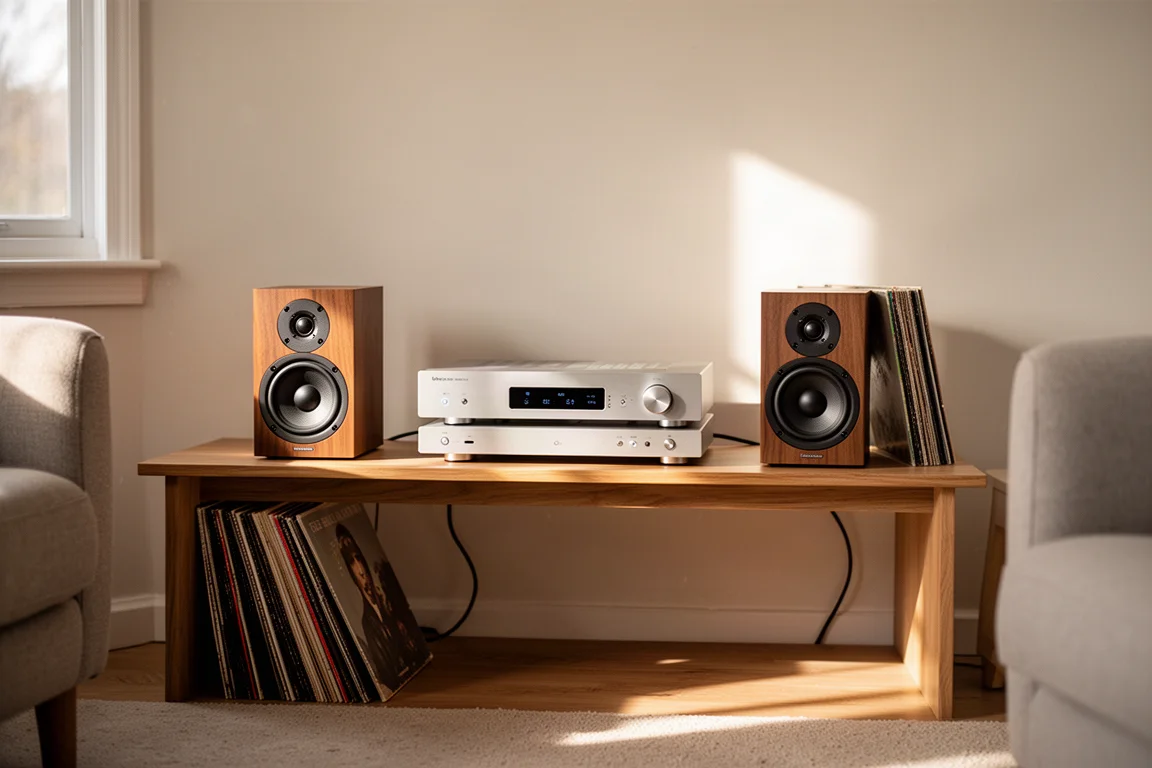
If your system is built around an all-in-one integrated amplifier with an internal DAC and a modest pair of standmount speakers, the Aries G1.1 is not the first upgrade to make. That kind of system can sound excellent for the money, but its DAC and speakers are unlikely to reveal the fine detail a transport at this level passes through. A standalone DAC and speakers at a comparable level are the practical minimum before a transport of this price starts to make sense.
Main Strengths: Build Quality and Internal Design
The Aries G1.1 is a solidly built device, assembled from thick aluminium plates. The most visible change from the outgoing G1 is an anodised silver base plate, a detail trickled down from the more expensive G2 series, where the units are finished in black. The extra mass of that plate helps damp vibrations rather than simply changing the look.
Inside, the power supply uses twin transformers shielded by green casework, an arrangement closer to the brand’s £4,500 flagship than to the simpler single-transformer supply in the similarly priced model that includes a DAC section. Both of those devices share the same streaming board, which is exactly why the power supply design matters here: with the conversion stage removed, the supply has less to do and the streaming electronics have a quieter environment to work in.
Processing comes from the Tesla G2 engine, carried over from the G2 series, with twice the system memory at 2 GB, 6 GB of data storage and 1 GB of cache memory. That combination is reported to make it around 50% faster than the older model. Over a home Wi-Fi network it streams up to PCM 384 kHz / 32-bit and DSD512, and it supports AirPlay 2. An optional 2 TB solid-state drive can be fitted internally for around £400, turning the transport into a music server for locally stored files, or you can connect your own USB drive externally.
Main Strengths: Sound Quality in a Resolving System
Three areas improve: scale, clarity and focus.
Scale refers to soundstage width and depth, both of which open up noticeably. Clarity shows up most clearly in transient attack, whether that is a plucked string, a struck key or a percussion hit, with far more of a sense that a real instrument is in the room. Focus covers instrument separation and the placement of instruments within the stage, what most listeners call imaging.
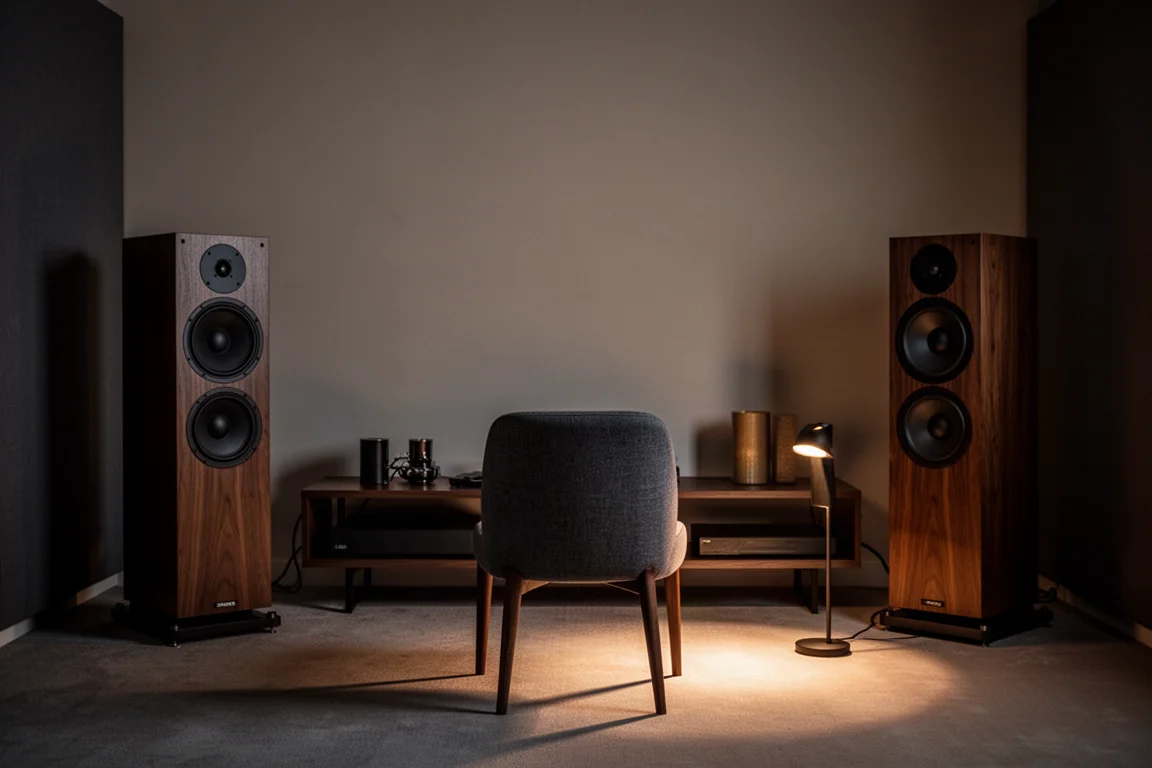
What the transport does not do is just as useful to know. It does not alter tonal balance, so whatever character your system already has stays intact, and it does not change the sense of dynamics between quiet and loud passages. Bass definition, grip and control do tighten up noticeably. The overall effect is greater dimensionality: reverb at the tail of a note becomes easier to follow, and the space around each instrument is more clearly defined.
Lightning DS App, Connectivity, and Streaming Features
The Aries G1.1 is controlled through the Lightning DS app, which runs on Apple iOS devices only. Android and Windows users are left out, and that is a deliberate choice rather than an oversight: the company is small, and its position is that managing one platform properly is better than managing several poorly. Selecting tracks feels more responsive than on the older model, most likely because of the extra processing power on board.
The expected streaming services are covered, including Spotify, Tidal, Qobuz and Amazon, along with Spotify Connect, Tidal Connect, Bluetooth, AirPlay 2 and Roon endpoint use. Connection to the network can be wireless or wired through the Ethernet port.
The front panel is not just decorative. A menu button gives access to what is currently playing, the queue and your library, plus display settings such as idle status and screen brightness. Streamer settings cover volume, the delay time that some DACs need to lock onto an input, enabling or disabling individual streaming platforms and the format of data received from streaming services. The processor menu holds DSP options, including a choice of resample rates and four digital filters when the resampler is enabled, a 16-band parametric EQ, and speaker placement compensation for gain and distance.
Things to Consider Before Buying
There is no DAC inside, so an outboard converter is a requirement rather than an option. That is the point of the design, but it does mean the transport is only ever part of a solution.
Control is limited to iOS devices, which rules out Android phones, Android tablets and Windows computers.
The similarly priced model in the range includes a DAC section but uses a simpler power supply, so the choice between them comes down to whether you need conversion built in. If you already own a good DAC, the transport version is the one that makes sense.
Budget for the optional internal 2 TB drive if you want to store files locally, and remember the transport itself sits at around £2,500.
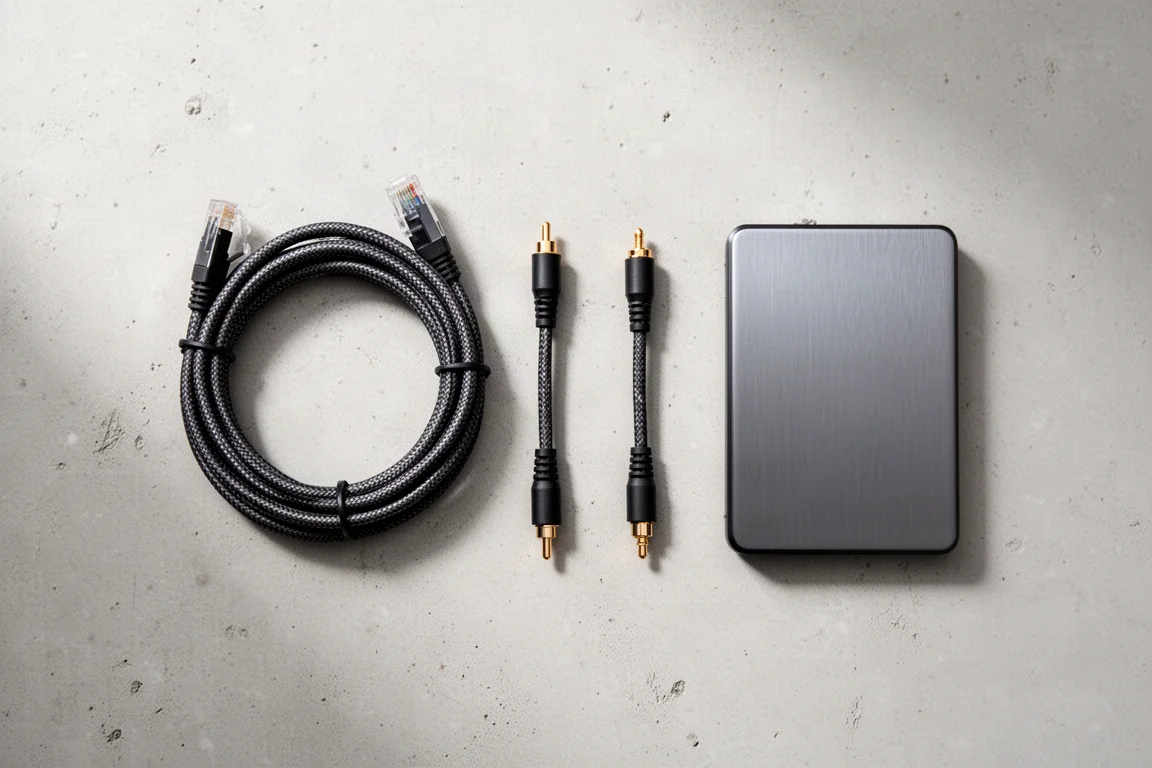
None of these points are design flaws. They are the terms of the deal, and they are worth accepting knowingly before you buy.
What the Aries G1.1 Does Not Change
It will not add warmth, smoothness or extra weight to a system that already sounds lean or bright. Tonal balance passes through untouched, and the sense of dynamics stays as it was, even though bass grip and definition improve. If you are looking for a different flavour of sound rather than more organisation and clarity, this is not the component to buy.
Buying Advice
If you already own a DAC, an amplifier and speakers in that £2,000 to £5,000 per component range, and you are streaming from a budget all-in-one player, the Aries G1.1 is a logical and effective place to spend. It addresses the weakest link rather than duplicating hardware you already have.
If you are still building a system, or your electronics sit well below that level, the money is better spent elsewhere first. A transport of this quality needs a chain capable of passing on what it does.
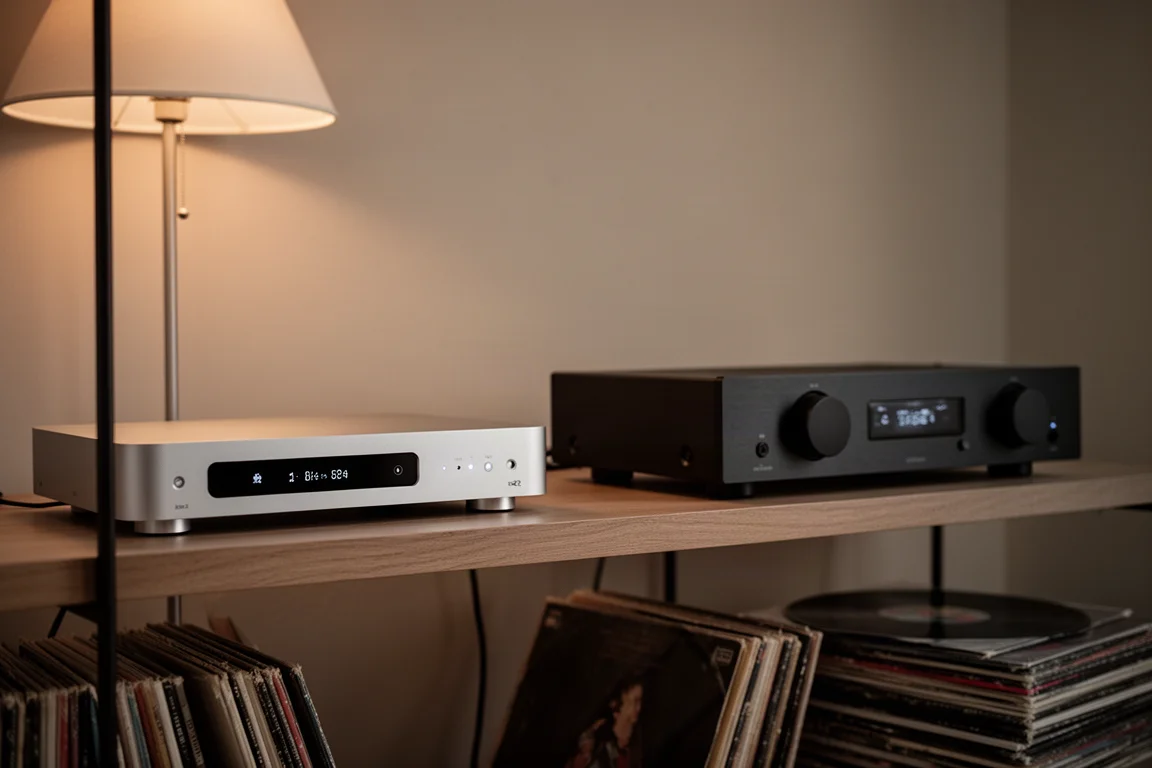
Buy it with the expectation of refinement rather than transformation. It sharpens what a good system already does: wider and deeper staging, cleaner transients, better separated instruments and tighter bass. In a system that can show those differences, the improvement is easy to hear.
Conclusion
The Auralic Aries G1.1 is a substantially built streaming transport with a genuinely useful feature set, a capable control app and a power supply design that reflects its position in the range. Its casework, display and internal processing all point to a device that was engineered with care.
The strongest argument for it is sound quality in the right system. For listeners with a resolving DAC, amplifier and speakers, and a budget streamer currently holding things back, it is one of the more effective ways to lift performance without replacing everything else.
Product link
View more details for Auralic Aries G1.1
This product is mentioned in the review. Check the specifications, options, and compatibility before buying.
View more details for Auralic Aries G1.1Further reading
Related Reviews
Music Streamers
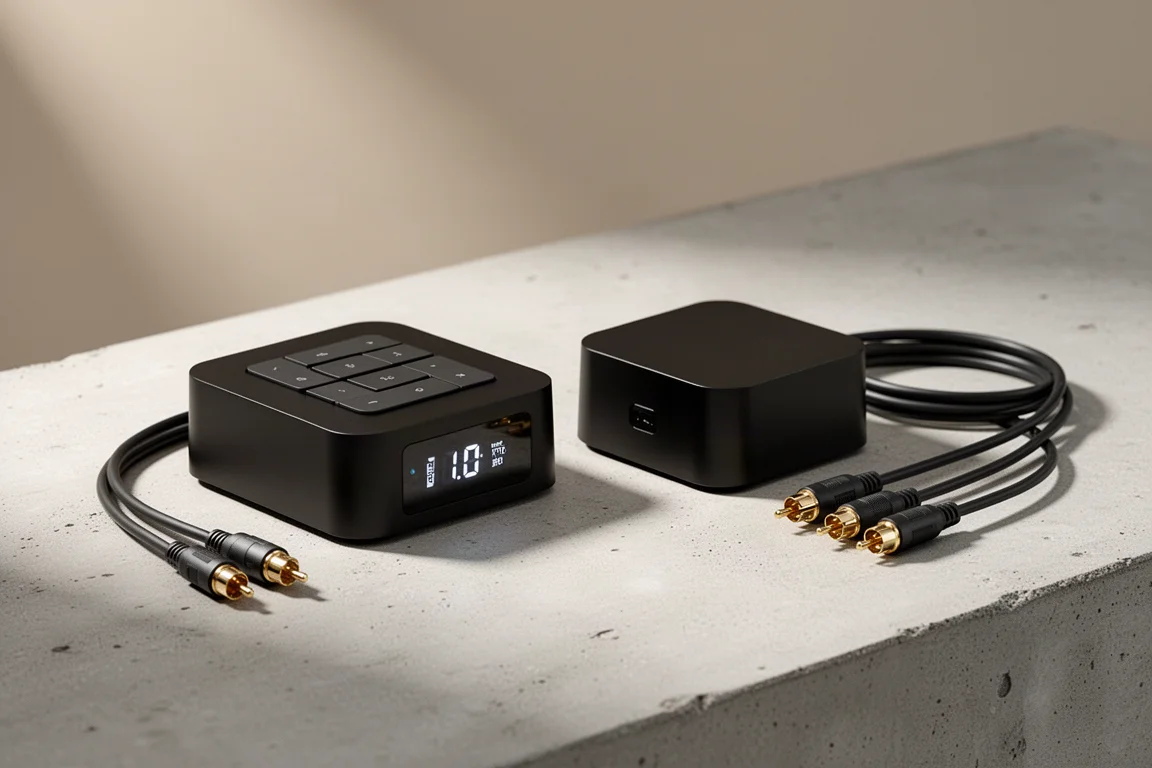
Arylic S10 Plus vs WiiM Mini: Two Affordable Music Streamers Compared
A practical comparison of the Arylic S10 Plus and the WiiM Mini, covering connections, apps, tone controls, and how each internal DAC actually sounds.
Music Streamers
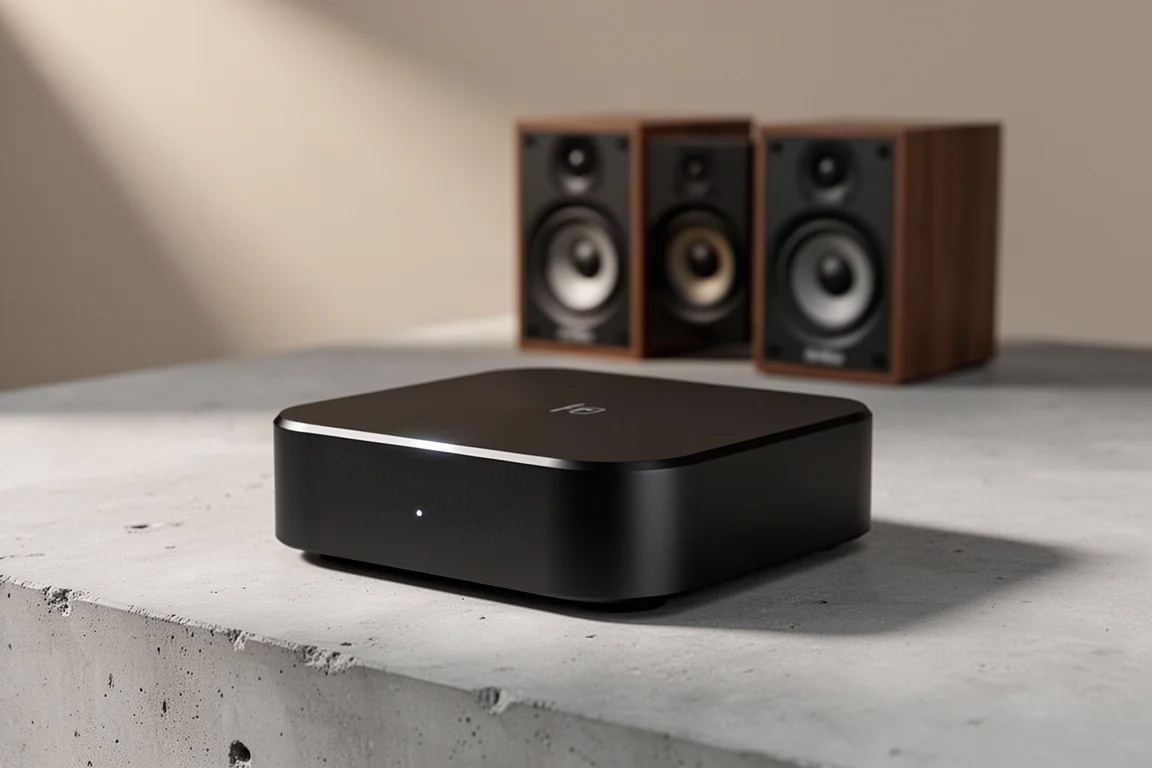
Bluesound Nano Review: A Compact Streamer That Keeps Things Simple
The Bluesound Nano is a stripped-down network streamer at $299, with a solid chassis, quick setup, and a clean, punchy sound. Here is what to know before buying.
Music Streamers
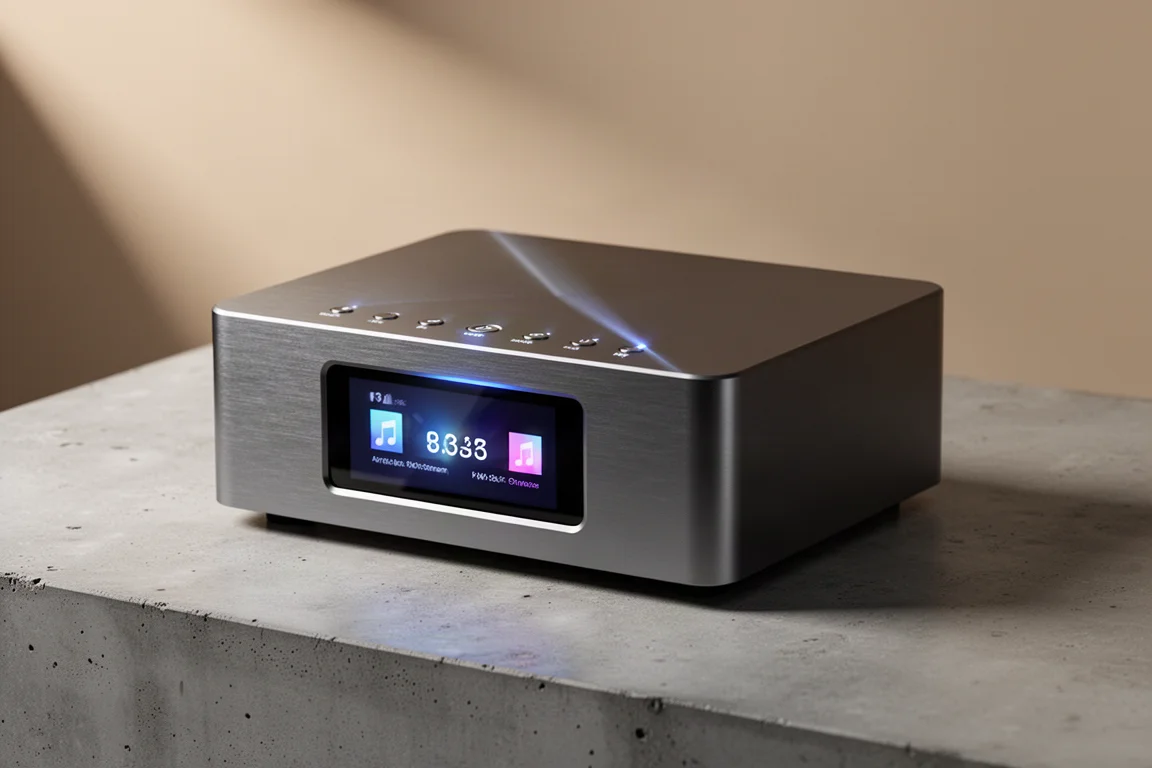
Bluesound Node Icon Review: A Flagship Streamer With Dual DACs and Balanced Outputs
A close look at the Bluesound Node Icon, a sub-$1,000 music streamer with dual ESS Saber DACs, a fully balanced output path, HDMI eARC, and a full-size headphone jack on each side.