Hi-Fi Streamers
WiiM Ultra Review: An Affordable Streaming Preamp, Plus the SMSL SU-1 DAC Option
A practical look at the WiiM Ultra streaming preamp at $330, what its connectivity and software do well, where it falls short, and when adding a compact external DAC like the SMSL SU-1 makes sense.
Introduction
The WiiM Ultra is a streaming preamp priced at $330, and that number is the headline. A streamer with a display, an internal digital-to-analog converter, a phono stage, HDMI ARC and room correction at this price is unusual, and it is the reason this component has become a natural starting point for compact systems.
Earlier, smaller WiiM streamers built a reputation for delivering a lot of function for very little money, and the Ultra takes that approach and scales it up. This is the model in the range that can act as the center of a system rather than a single-purpose add-on.
This guide covers what the Ultra does well, where it falls short, and whether adding a compact external converter such as the SMSL SU-1 is worth the shelf space.
What the WiiM Ultra Brings to a Hi-Fi System
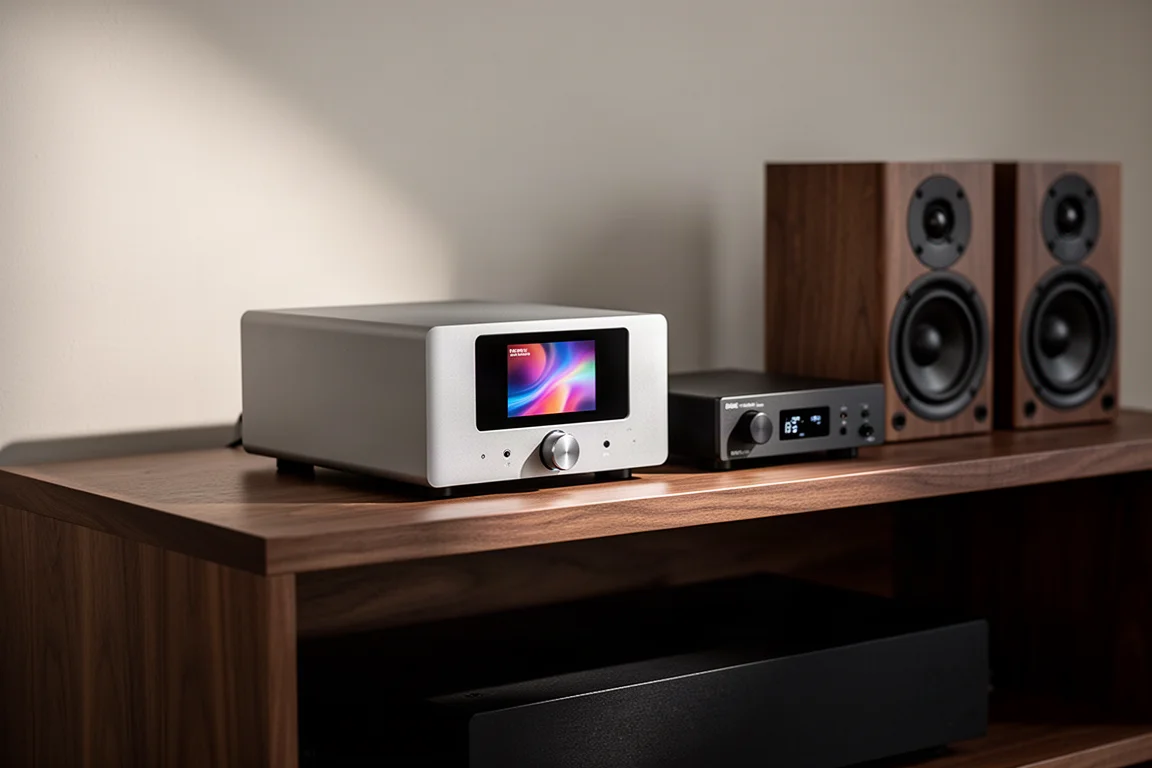
The Ultra is best understood as a streaming preamp: a streamer combined with a deliberately limited preamp. The front panel carries a small screen that displays album art and responds to touch, alongside a volume knob. The screen is small, and from across a room not every element is legible, but album art and the clock read clearly enough. There is also a real-time analyzer style display that is decorative rather than tied to specific frequencies.
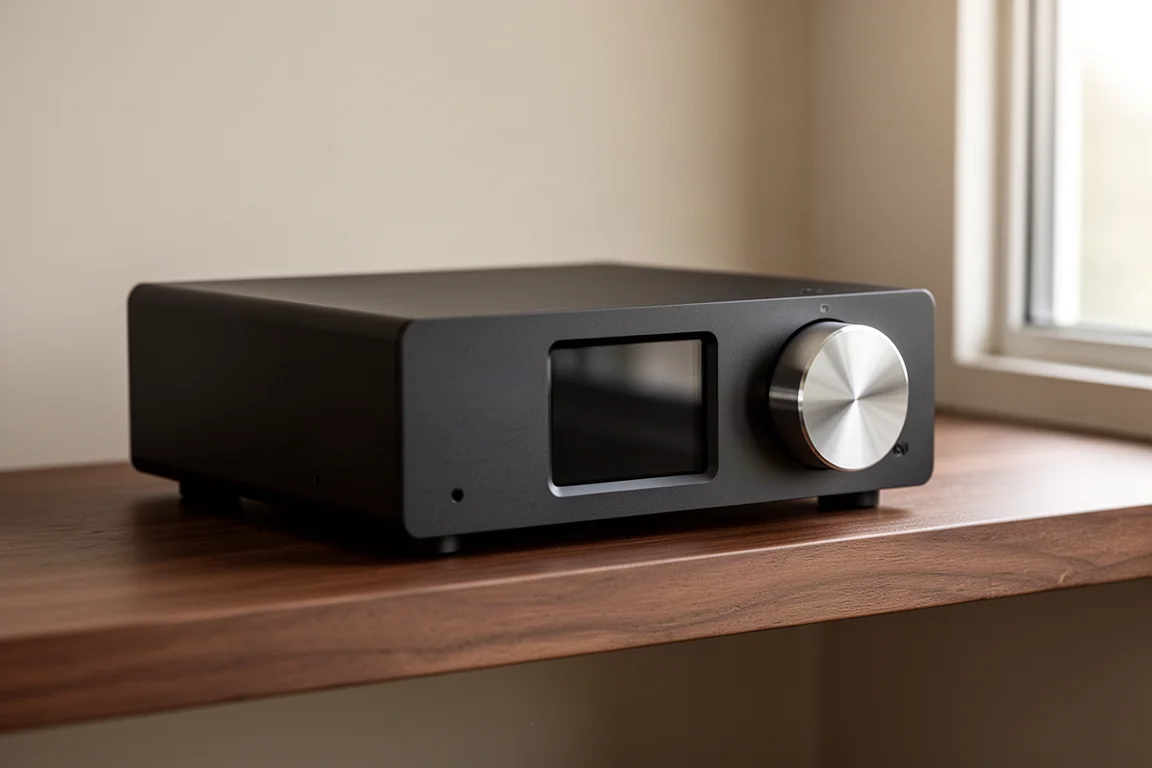
The rear panel is where the Ultra separates itself from cheaper streamers. It offers single-ended RCA outputs and inputs, a phono stage, a subwoofer output, coaxial and optical digital outputs, an optical input, HDMI ARC, a USB connection, an Ethernet port and Wi-Fi. There is also a trigger output, which lets the Ultra switch on a connected amplifier when it powers up. Unlike earlier WiiM models that used external power supplies, the Ultra has an internal power supply.
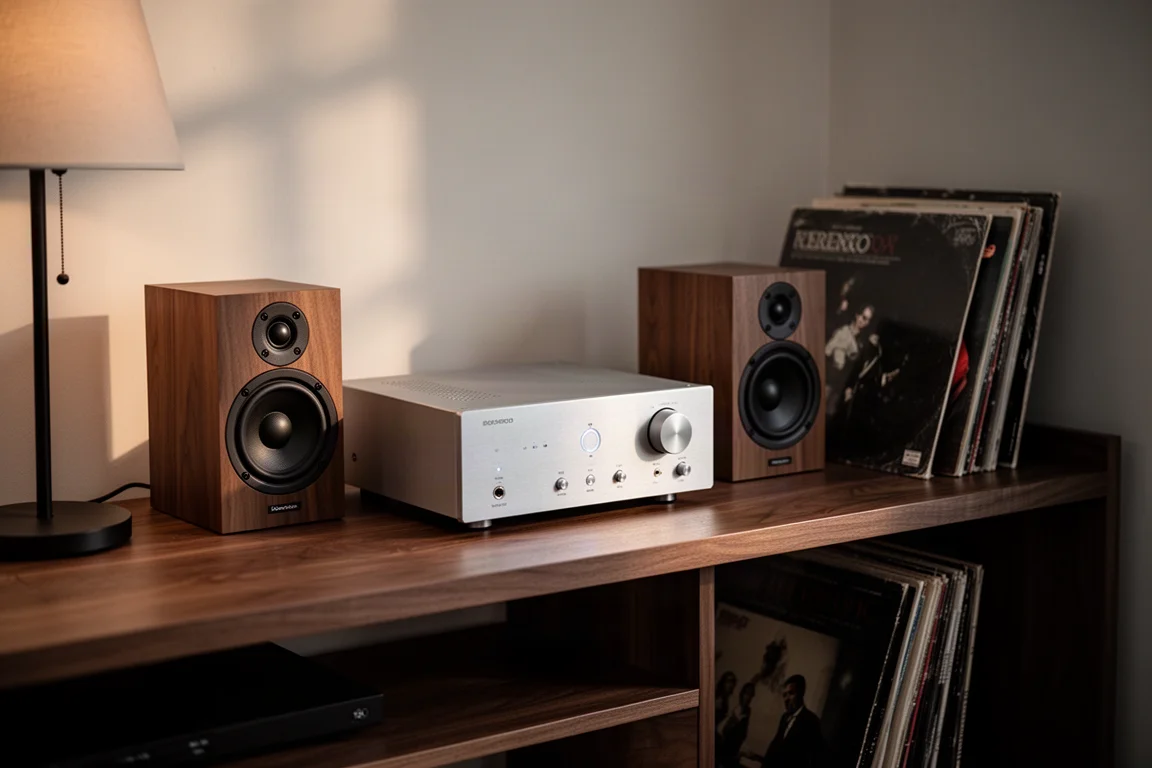
The footprint stays small enough for a shelf, and the finish looks appropriate in a living room system rather than out of place. For anyone assembling a compact setup, this is a single box that covers several jobs at once.
Connectivity That Covers a Full System
HDMI ARC is the most practical inclusion for most households. A television can feed audio into the Ultra over HDMI, and with the trigger output the chain can extend to an amplifier, so a single power-on action brings the whole system up. Optical and coaxial digital outputs make it straightforward to send the signal to an outboard converter later, and the phono stage means a turntable without a built-in preamp can connect directly.
The Ultra is also distributed through established retail channels, including Crutchfield, Audio Advice, Amazon and the brand’s own store. Wider distribution matters for buyers who prefer local support and returns handled by a familiar retailer rather than a direct-only purchase.
Software, Streaming Services, and Room Correction
Software is where WiiM has built much of its advantage. Updates arrive frequently, roughly twice a month, and they are not limited to fixes, because new features are added over time. Room correction arrived for the range as a free update and uses a phone as the microphone: point it at the speakers, run the measurement, then apply the result. A 10-band EQ and a parametric EQ are also available for manual tuning.
Service support covers Amazon Music, Tidal including Tidal Connect, Spotify Connect, AirPlay and Bluetooth. Apple Music is the notable omission. Other streamers in this territory lean on Android-based platforms that offer EQ but no room correction, and their interfaces are less straightforward to live with. A streamer that is not easy to use tends not to get used, and that is where the WiiM platform stands apart.
Room correction is worth treating as a starting point rather than a finished result. In a living room it noticeably tightened up the bass, and the app reported a flat response, yet the midrange lost some of the clarity that acoustic recordings benefit from. Bringing down the area around 300 Hz and 500 Hz restored it. The tools are there to make that correction, but they ask for a little willingness to experiment.
How It Sounds
The Ultra uses a Sabre ES9038Q2M converter and an internal power supply, and it is the best sounding WiiM product to date. Earlier models in the range used serviceable but modest converters, and the Pro Plus was the first to carry a genuinely good AKM 4493 chip. The Ultra continues that trajectory, and it sounds good enough on its own that the buying advice for this product differs from its predecessors.
The internal phono stage is a convenience feature, and it performs at roughly the level of a $50 to a $100 standalone phono preamp. Dynamics are the main compromise. For a turntable that lacks its own preamp, it removes an extra box from the shelf, which is a reasonable trade for many listeners.
Adding an External DAC: The SMSL SU-1
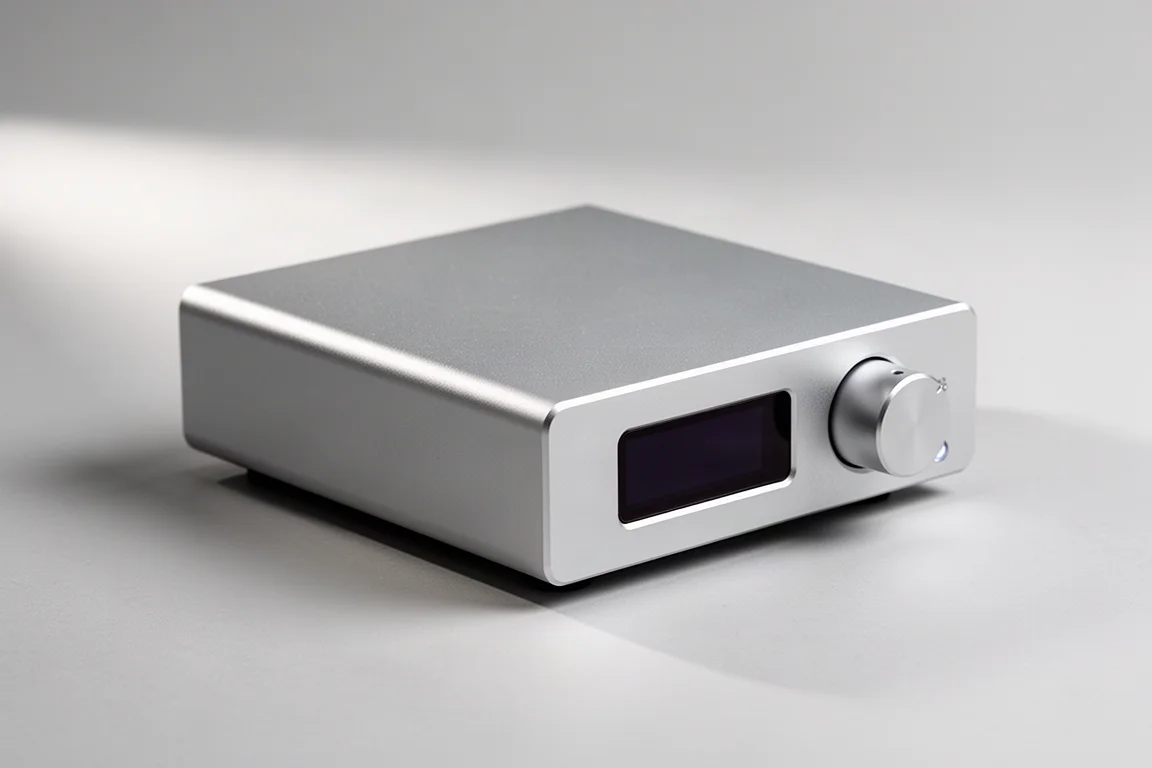
Because the Ultra includes an optical output, an outboard converter remains an option rather than a requirement. The SMSL SU-1 uses an AKM 4493 converter, and against the Ultra’s internal converter it produced marginally better clarity, marginally better dynamics and a little more air. The midrange was cleaner on acoustic material, with a small but audible difference on a track such as Fleetwood Mac’s The Chain.
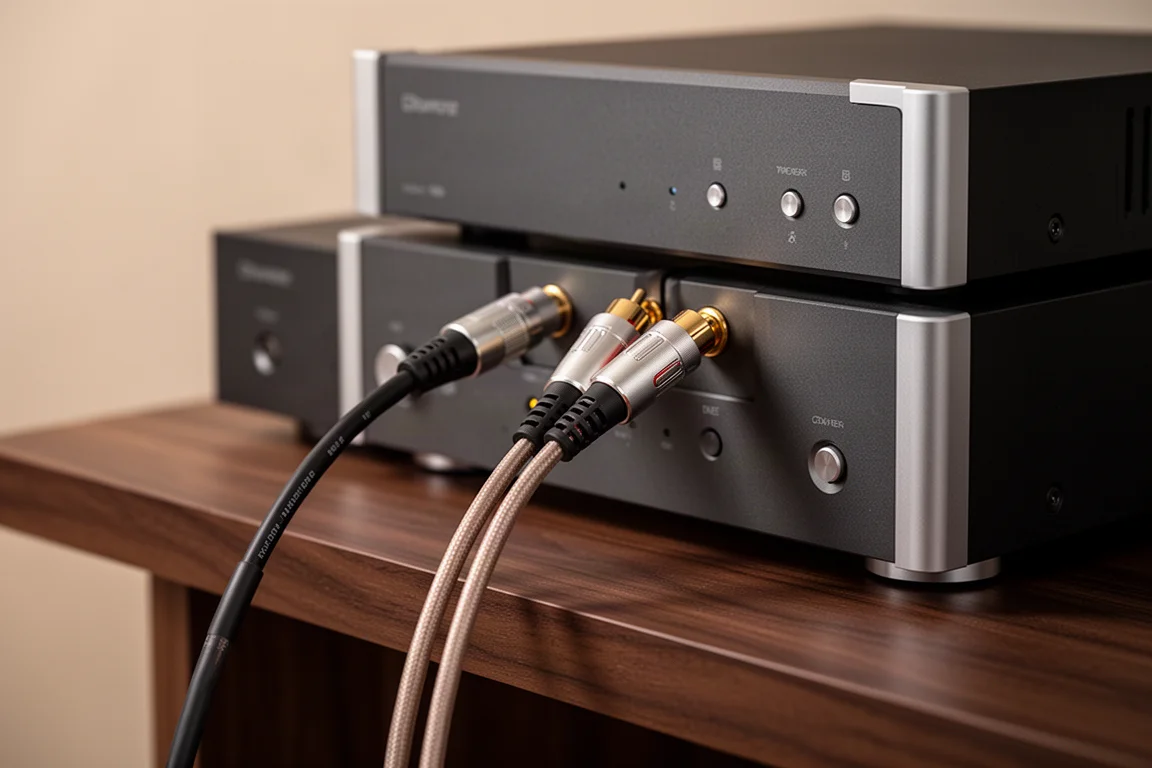
That difference is a refinement rather than a transformation. The Ultra already sounds good enough that adding a converter is optional, and the more compelling reason to consider one is flexibility: once an external unit handles digital-to-analog duties, the streamer’s own sound signature matters much less, which is useful if the system grows later.
What to Consider Before Buying
- There is no Apple Music support, which matters if that is your primary service.
- The display is small, so not everything on screen is readable from across a room.
- Room correction may need manual EQ adjustments to suit your own listening preferences.
- Build quality is good but not class-leading, and Bluesound components feel more substantial while costing more.
- The phono stage is convenience-grade rather than a replacement for a dedicated phono preamp.
Buying Advice
At $330 the Ultra covers streaming, television audio, a turntable input and room correction in one compact chassis, and that combination is difficult to match at the price. Alternatives that pair HDMI with streaming functionality tend to cost around twice as much, and the well-known Bluesound option sits higher on price with better build quality. Android-based streamers from Eversolo and FiiO offer EQ but no room correction and a less polished user experience.
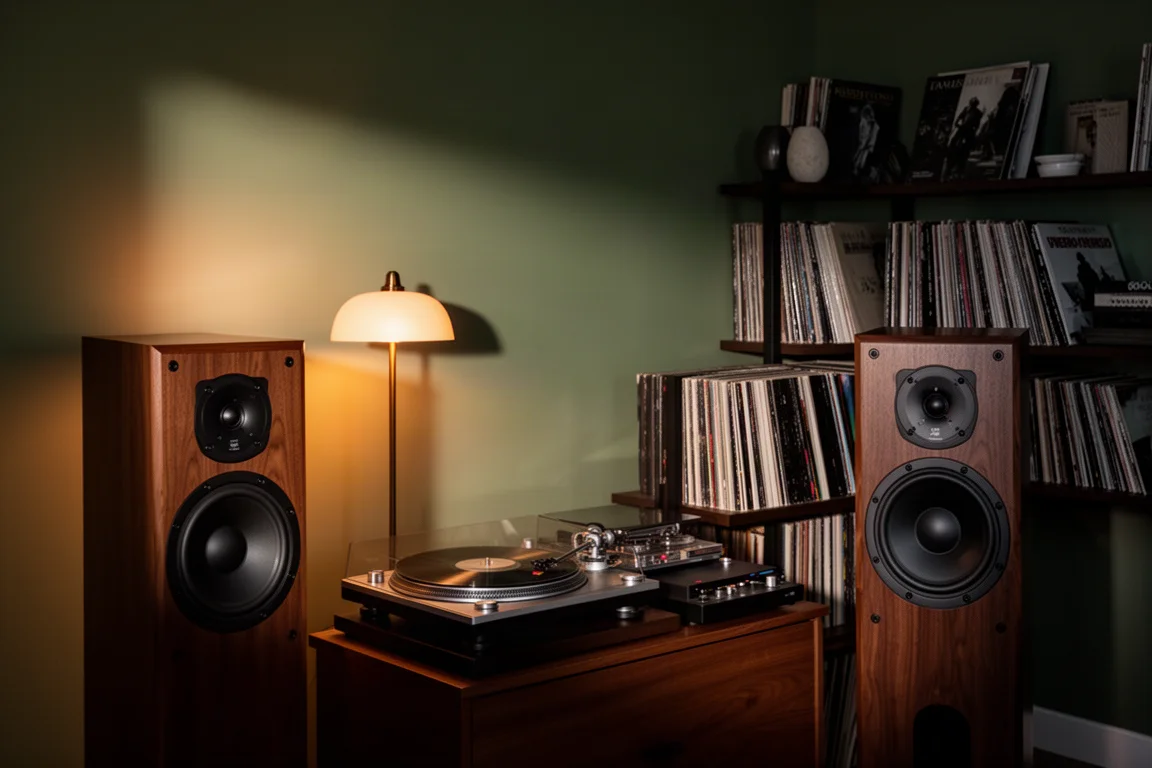
If the plan is a compact system that grows over time, the Ultra is a sensible centerpiece: start with the internal converter, add an external converter or a better amplifier later, and let the trigger output handle power sequencing. If Apple Music is essential to how you listen, this is not the right streamer for you.
Conclusion
The WiiM Ultra earns its reputation on value rather than on absolute sound quality. It is a streaming preamp with an unusually complete feature set for $330, software that keeps improving, and enough flexibility to sit at the center of a small system or to act as a streamer in a larger one. The SMSL SU-1 is a modest but worthwhile optional upgrade for listeners who want a little more clarity and dynamics from the same setup.
Further reading
Related Reviews
Hi-Fi Streamers
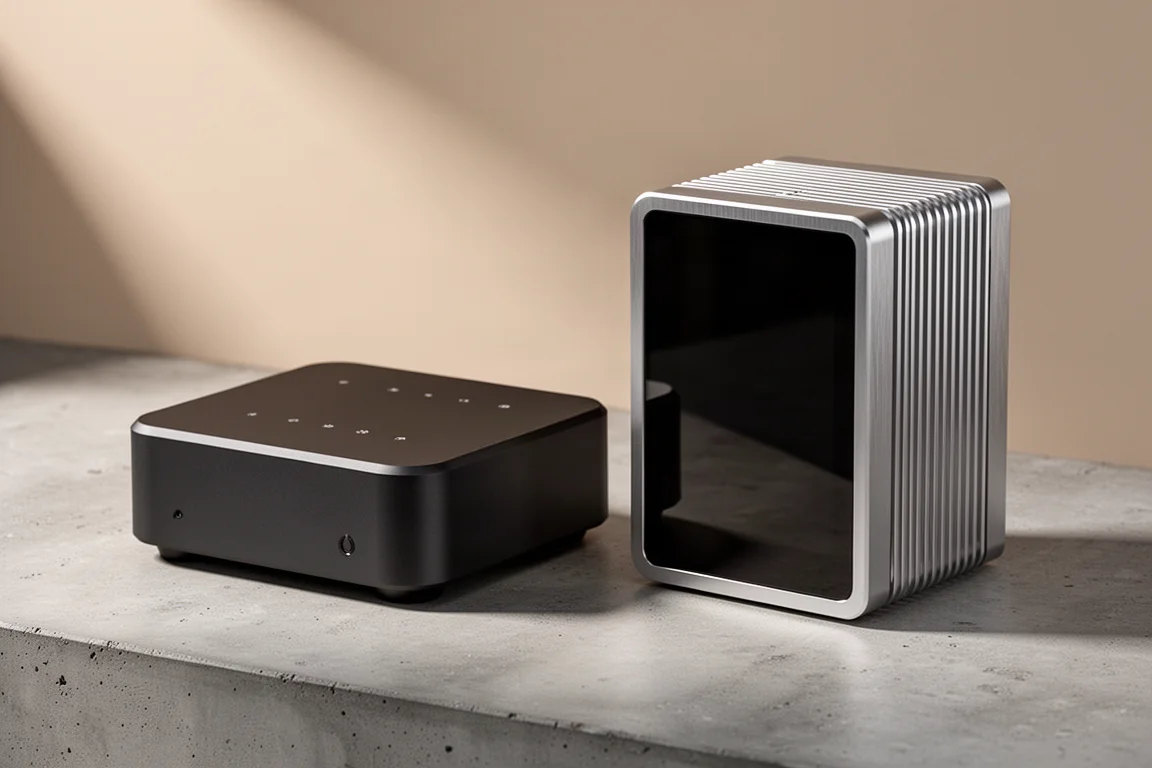
Best Music Streamers Under £1,000: Cambridge Audio CXN 100 vs Eversolo DMP-A6 vs Bluesound Node X
Three sub-£1,000 network streamers compared on sound character, connectivity, build and app experience, with clear guidance on which one suits which system.
Hi-Fi Streamers
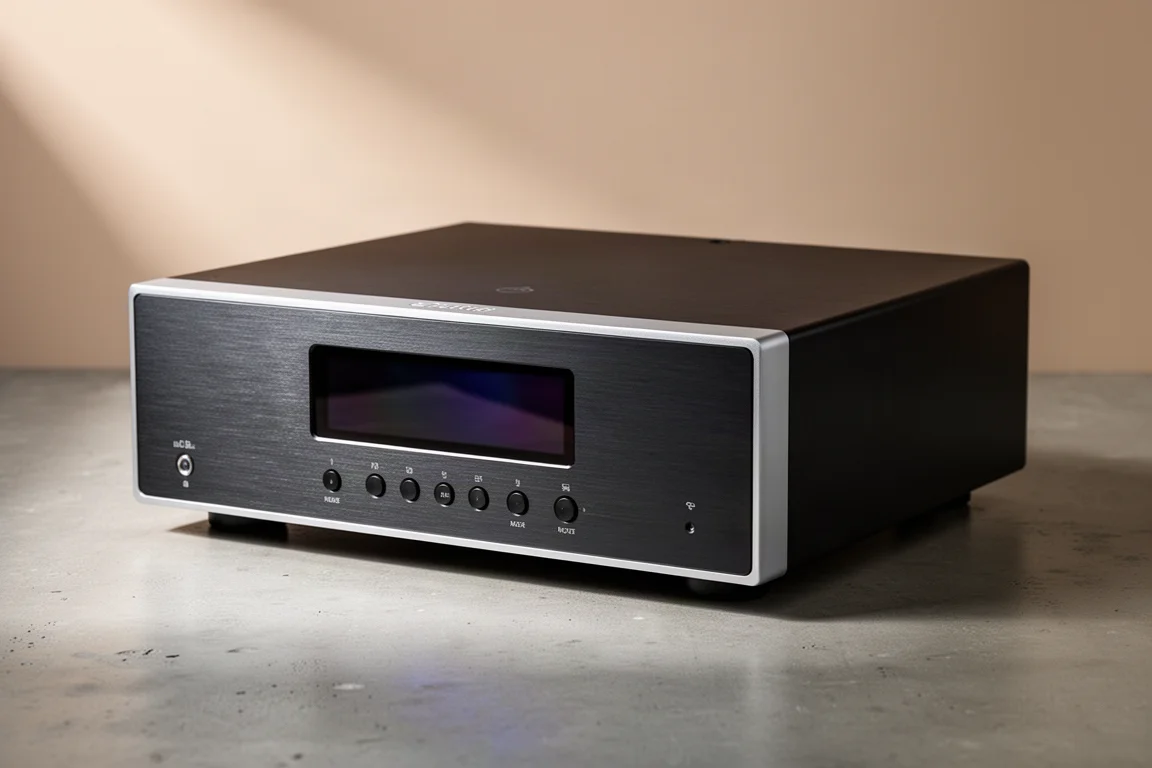
Bluesound Node X vs Eversolo DMP-A6: Two Standout Streamers Below £1,000
A close comparison of two sub-£1,000 music streamers: one focused on app quality and everyday flexibility, the other on build, display and resolution.
Hi-Fi Streamers
Cambridge Audio CXN 100 Review: A Streamer and Digital Preamp in One Box
The CXN 100 replaces a multi-award-winning streamer with a full redesign, adding a better DAC, a 100-step volume control, balanced outputs, and digital preamp flexibility.