Hi-Fi Streamers
Cambridge Audio CXN 100 Review: A Streamer and Digital Preamp in One Box
The CXN 100 replaces a multi-award-winning streamer with a full redesign, adding a better DAC, a 100-step volume control, balanced outputs, and digital preamp flexibility.
Introduction
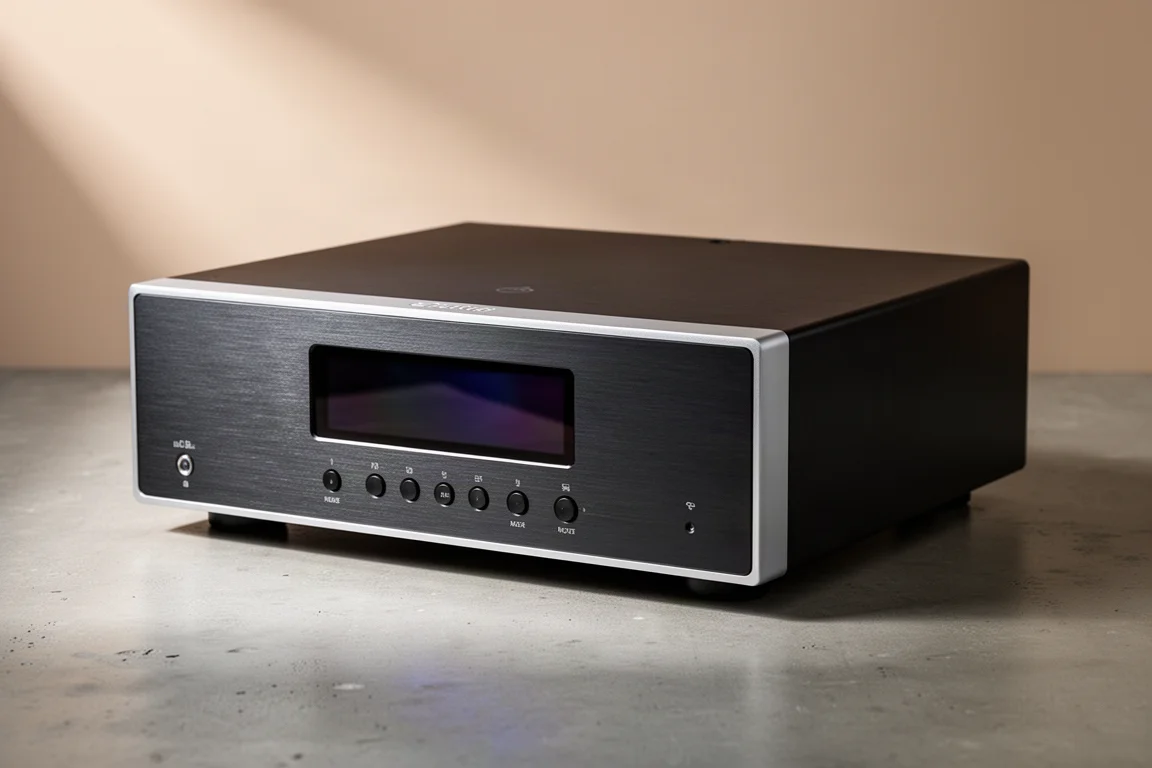
Cambridge Audio has been designing hi-fi components for more than 50 years, and the CXN 100 is the successor to the CXN V2, a streamer that collected awards across several product cycles. This is not a cosmetic refresh. The CXN 100 is a complete redesign that works both as a network streamer and as a full-function digital preamplifier, with a broad set of inputs and both single-ended and balanced outputs.
The appeal is straightforward. One compact box can pull in high-resolution streaming services, music stored on a USB drive, audio from a computer, a legacy CD player with a digital output, and phone or tablet playback over Bluetooth, AirPlay 2, or Chromecast. Set the output to variable and it can drive a power amp directly, taking a preamp out of the signal chain altogether.
That flexibility is the reason the CXN 100 is worth a closer look rather than a quick comparison against other streamers. It is designed to be the digital centre of a system, not just a source.
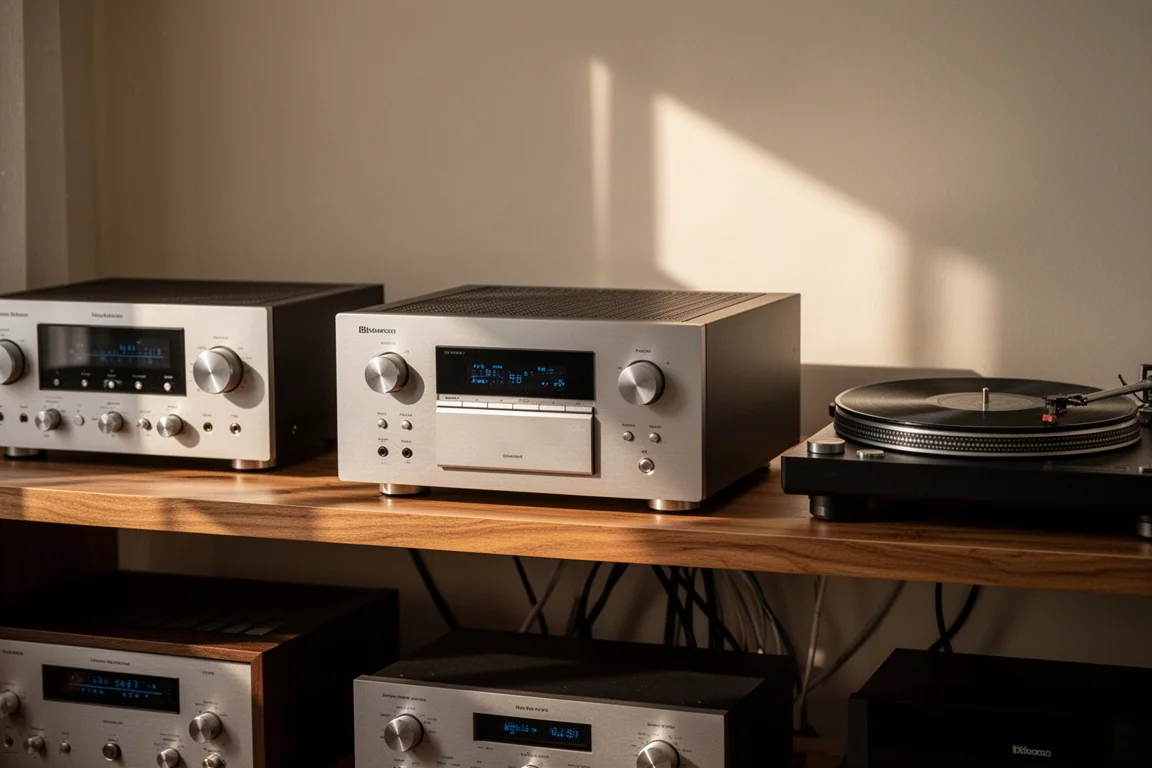
Cambridge Audio’s wider house sound is worth knowing before buying. The brand’s gear tends to sound natural, with a strong sense of rhythm and pacing, and the company achieves that at a moderate price point by keeping the circuitry the signal passes through to a minimum and then testing and carefully listening to different circuit designs. The engineering team also keeps live music in the building on most Friday afternoons, which helps keep their reference for how music should sound firmly grounded.
Who This Product Is For
The CXN 100 suits several kinds of systems, and the right fit depends on what you already own.
The most common case is an existing hi-fi setup that needs access to digital music, whether that means streaming services or files you have ripped or purchased. A second case is a legacy CD player with a digital output: running it through the converter inside the CXN 100 is a practical way to improve it.
Listeners starting fresh may prefer the simplest route. Set the output to variable and pair the CXN 100 with a pair of active speakers, which are increasingly common and have the amplification built in. The CXN 100 then acts as the control centre for the whole system.
Finally, digital-only listeners can leave the preamp out entirely and connect the CXN 100 straight to a power amp for a clean and elegant digital front end.
Main Strengths
The CXN 100’s strengths cluster around three areas: how it is built, how much it can do, and how it sounds.
Design, Build Quality, and Internal Layout
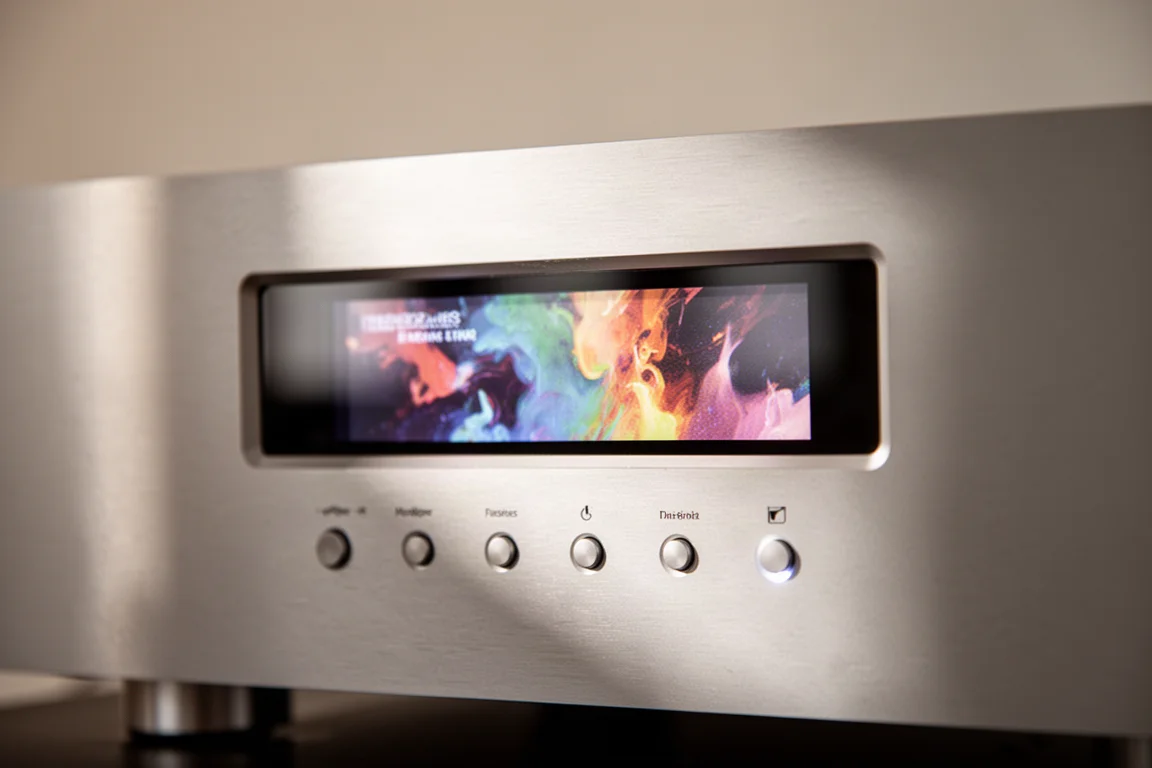
The unit is a typical component size, with one distinctive touch: an arched underside that gives it a floating look in a rack. The front panel carries a large display and a set of control buttons. Most owners will end up controlling everything from a phone, but the physical volume control and the play, pause, and skip buttons are quick to reach without reaching for an app.
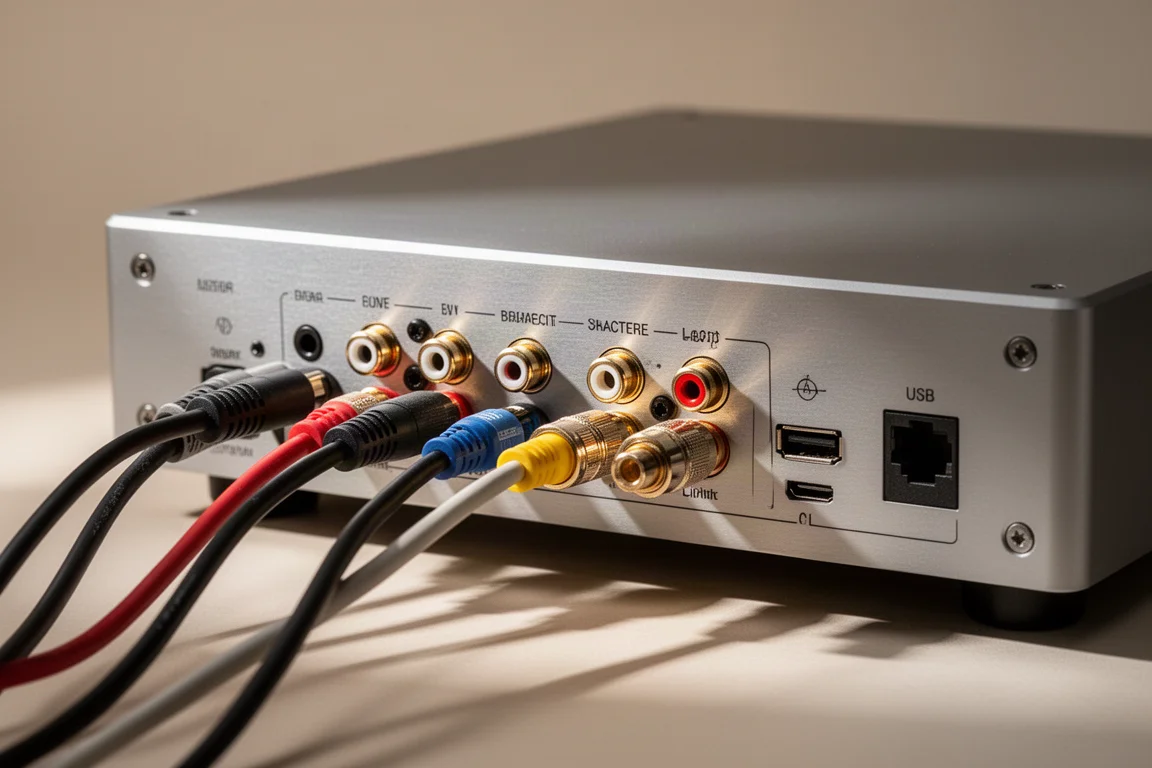
Rear-panel connections are printed right side up and upside down, so the labels stay readable whether you are standing behind the unit or leaning over it. The CXN 100 was designed and engineered in the UK and assembled in a factory in China that Cambridge Audio has worked with for a very long time. Fit and finish is very good.
Inside, the layout is unusually careful for the price. The audio and digital boards sit several inches away from the front panel display to reduce noise pickup, and the power supply board is completely separate and positioned as far from the audio side of the main board as possible. All of the audio connections are wired directly to the board. The digital and audio boards would not look out of place in a far more expensive component, and the packaging is thoughtful too, with a shorter box and cardboard end caps.
It is worth noting how the CXN 100 was voiced. Once the specifications for the parts were set, different vendor parts that met those specifications were compared in listening tests, and one of the company’s top engineers spent hundreds of hours changing and listening to audio-critical components to tune the whole audio stage around them. That approach is common among high-performance brands, but it is rare to see it applied at this price.
Streaming Features and the StreamMagic App
Cambridge Audio has been working on streaming far longer than most brands, and the free StreamMagic control app reflects that experience. It now covers the three major high-resolution streaming services, including Qobuz, Tidal with MQA support, and Deezer, alongside Spotify and many others. Search functions have improved substantially and now come close to the best available, and unlike some of the leading alternatives the app costs nothing extra.
If a service you want is not supported, music can be sent over Bluetooth with aptX HD, AirPlay 2, or Chromecast. The CXN 100 is also Roon ready. Around the back there is wired or wireless Ethernet, coaxial and optical digital inputs, a USB input for computer audio, and a second USB input for a drive or stick holding your music files. Optical and coaxial digital outputs are included for anyone who wants to use the CXN 100 purely as a transport with an external converter. Outputs include RCA and a pair of balanced connections for higher-end systems. Balanced cables keep noise the cable might pick up at effectively zero, and they are worth using where available.
Internet radio has improved a great deal thanks to DASH, a streaming technology that lets stations broadcast at the same 320 kbps bitrate used by Spotify. Thousands of stations worldwide have adopted it, including the BBC, and the result is noticeably better sound quality than older internet radio.
The volume control is a significant upgrade as well. The previous model offered 30 steps from quiet to loud, while the CXN 100 offers 100, which makes fine adjustment far easier when the output is set to variable.
Sound Quality and the DAC
The converter is an ESS 9028Q2M, a big step up from the previous model. It handles rates up to 32-bit/768 kHz and can process DSD 512, so purchased high-resolution files can be played at their full resolution. A wide range of audio formats is supported. The analog stage after conversion was upgraded too, with more efficient capacitors and op amps that improved the signal-to-noise ratio and reduced distortion. The converter that was chosen sounded good enough that no post-DAC filters were required, which keeps fewer parts in the signal path.
Listening on a system built around a Cambridge Edge A integrated amplifier and a pair of Sonus faber Serafino G2 speakers made the differences easy to hear. On an acoustic track carried by three guitars, the soundstage was large and the vocal sat forward, with subtle expressive detail coming through clearly. A 176.4 kHz female vocal recording sounded smooth and flowing with no trace of digital glare, and the hi-hat work shimmered with an effortlessness that is rare from a converter at this price. A rhythmic track with driving drums and guitar riffs drew the ear in, revealing small inflections and volume changes in the vocal.
Compared with the CXN V2, resolution has improved while the smooth character has been retained, and rhythmic performance is clearly better. The CXN V2 was already a standout at its price, and the CXN 100 moves the same formula forward rather than changing direction.
Things to Consider Before Buying
The most obvious omission is a headphone jack. Anyone using the CXN 100 as a digital preamp, or on a desktop, and wanting wired headphones will need a separate headphone amplifier.
The digital outputs deserve a note as well. Using the CXN 100 purely as a transport only makes sense with an external converter that is genuinely better than the one inside, and that is a high bar given the quality of the ESS chip here.
It is also worth matching the CXN 100 with a system that can reveal what it does. Pairing it with an amplifier and speakers of comparable quality is where the improvements in resolution, noise, and rhythmic drive actually show up.
Buying Advice
The CXN 100 is at its best when it is treated as the digital hub of a system. Adding it to an existing amplifier and speakers gives immediate access to streaming services and your own files. Feeding a CD player’s digital output through it is a simple way to improve a legacy disc player. Setting the output to variable and connecting a pair of active speakers makes for a very clean, simple system. And for digital-only listeners, going straight into a power amp removes a whole stage from the chain.
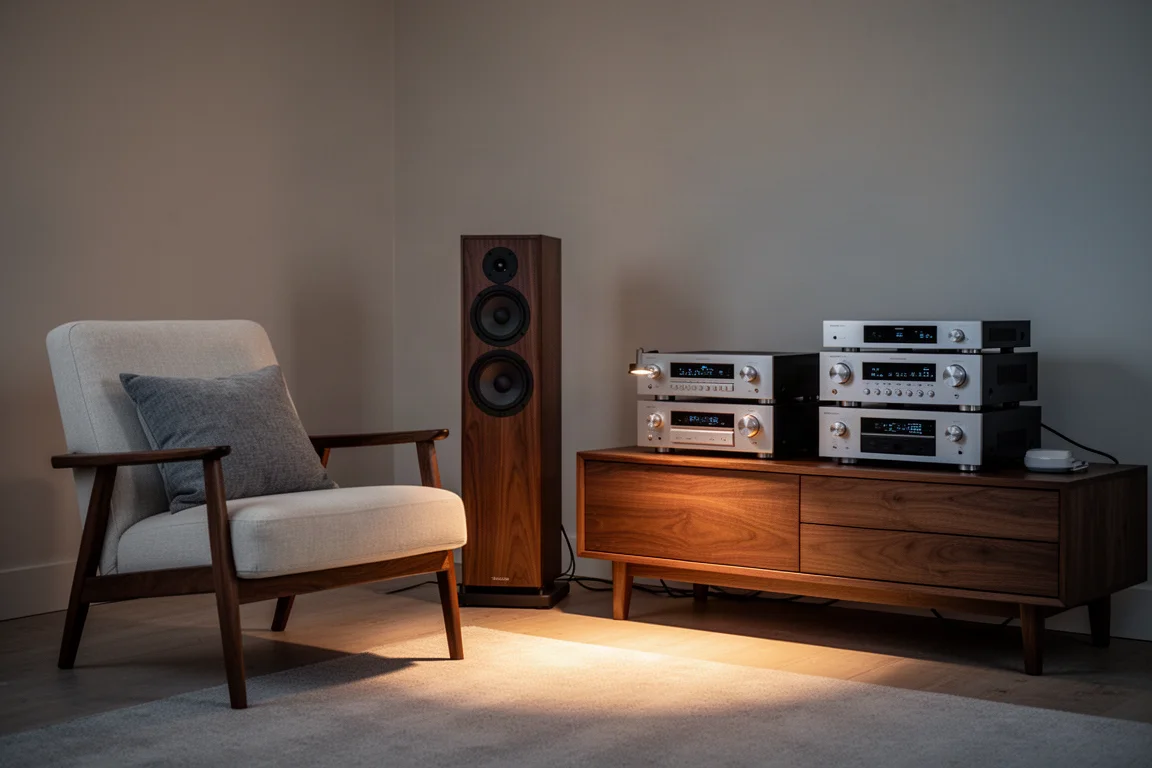
Balanced connections are worth using wherever the rest of the system supports them, since they keep cable-borne noise at effectively zero. If you use the CXN 100 as a preamp, the 100-step volume control gives you the fine adjustment you need to set levels precisely. And if you are new to network streaming, expect a short learning curve rather than a difficult one: the setup is easy to use once you understand it, and support is available if you need help getting your preferred service streaming from your phone or another device.
Conclusion
The CXN 100 takes a streamer that was already a benchmark at its price and rebuilds it from the ground up. The result is a component that sounds smooth and natural while digging out more detail than before, keeps a firm grip on rhythm, and offers genuine flexibility as a digital preamp with balanced outputs, extensive streaming support, and a free control app that has grown into one of the better options available.
If you want one well-built box to bring high-resolution streaming, file playback, and digital inputs into an existing system, or to act as the control centre of a new one, the CXN 100 is a confident choice.
Product link
View more details for Cambridge Audio CXN 100
This product is mentioned in the review. Check the specifications, options, and compatibility before buying.
View more details for Cambridge Audio CXN 100Further reading
Related Reviews
Hi-Fi Streamers
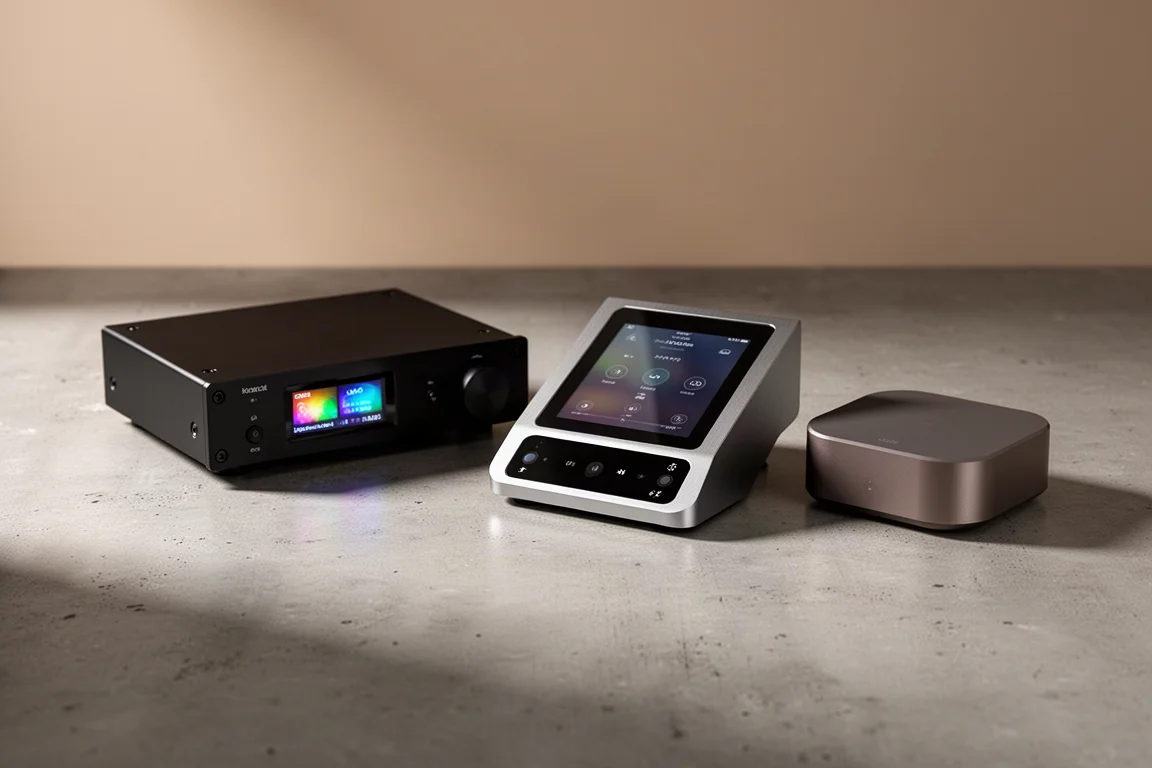
Best Music Streamers Under £1,000: Cambridge Audio CXN 100 vs Eversolo DMP-A6 vs Bluesound Node X
Three sub-£1,000 network streamers compared on sound character, connectivity, build and app experience, with clear guidance on which one suits which system.
Hi-Fi Streamers
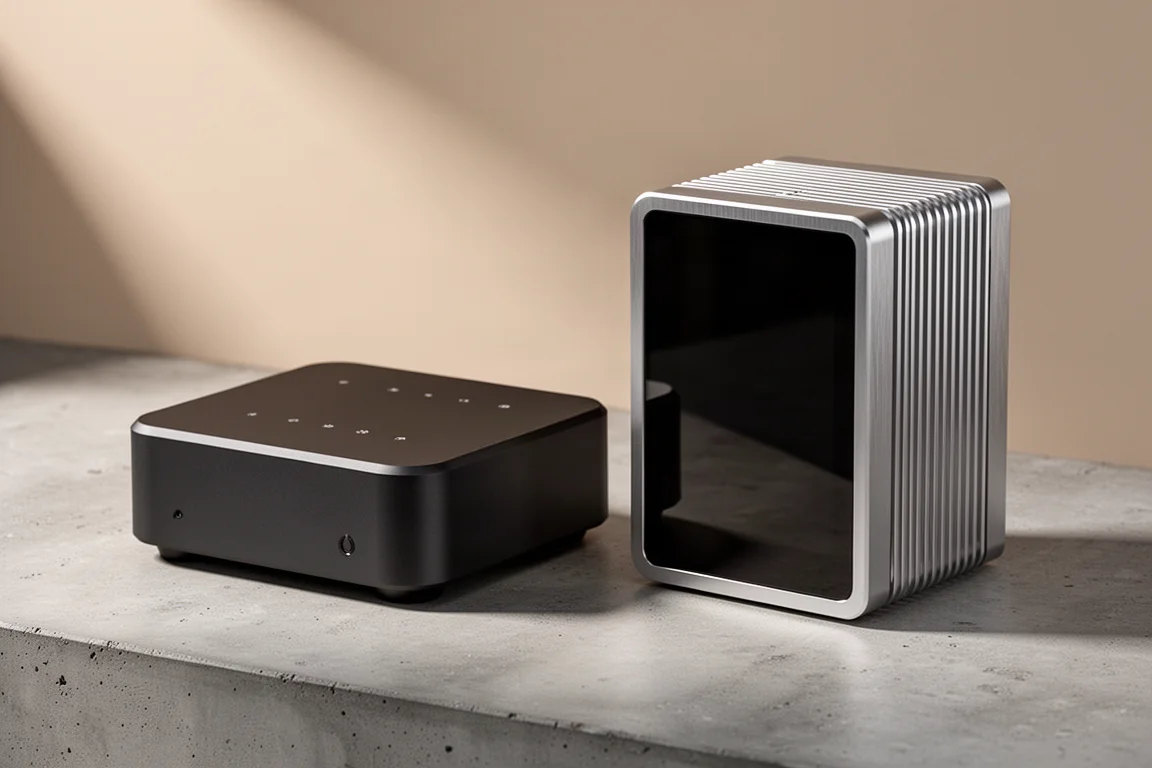
Bluesound Node X vs Eversolo DMP-A6: Two Standout Streamers Below £1,000
A close comparison of two sub-£1,000 music streamers: one focused on app quality and everyday flexibility, the other on build, display and resolution.
Hi-Fi Streamers
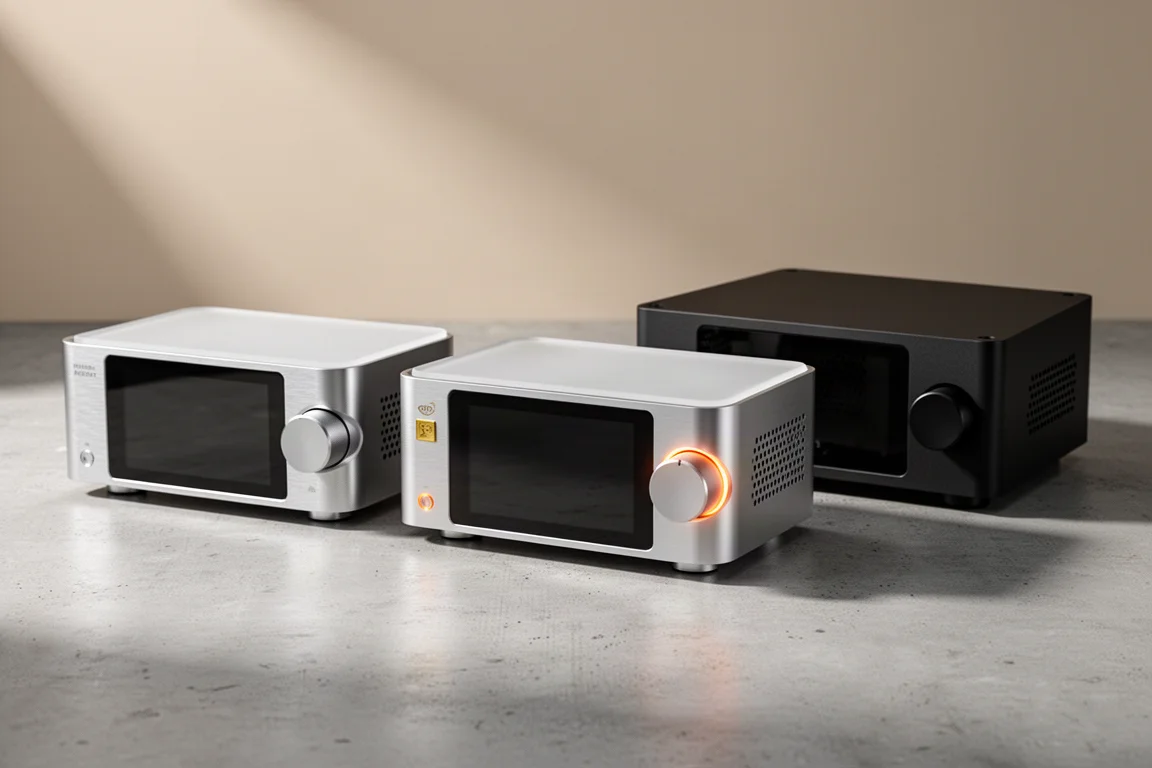
EverSolo DMP-A6 vs DMP-A8: Choosing the Right Streamer DAC Preamp
How the EverSolo DMP-A6, DMP-A6 Master Edition, and DMP-A8 differ, where the Bluesound Node fits, and which streamer DAC preamp suits your system.