Hi-Fi Streamers
Bluesound Node X vs Eversolo DMP-A6: Two Standout Streamers Below £1,000
A close comparison of two sub-£1,000 music streamers: one focused on app quality and everyday flexibility, the other on build, display and resolution.
Introduction
For the better part of a decade, the Bluesound Node has been the default answer for anyone shopping for a streamer below £1,000. The formula was straightforward: a compact unit that looks tidy on a shelf, sounds good enough for critical listeners, and leans on an app that is genuinely pleasant to use.
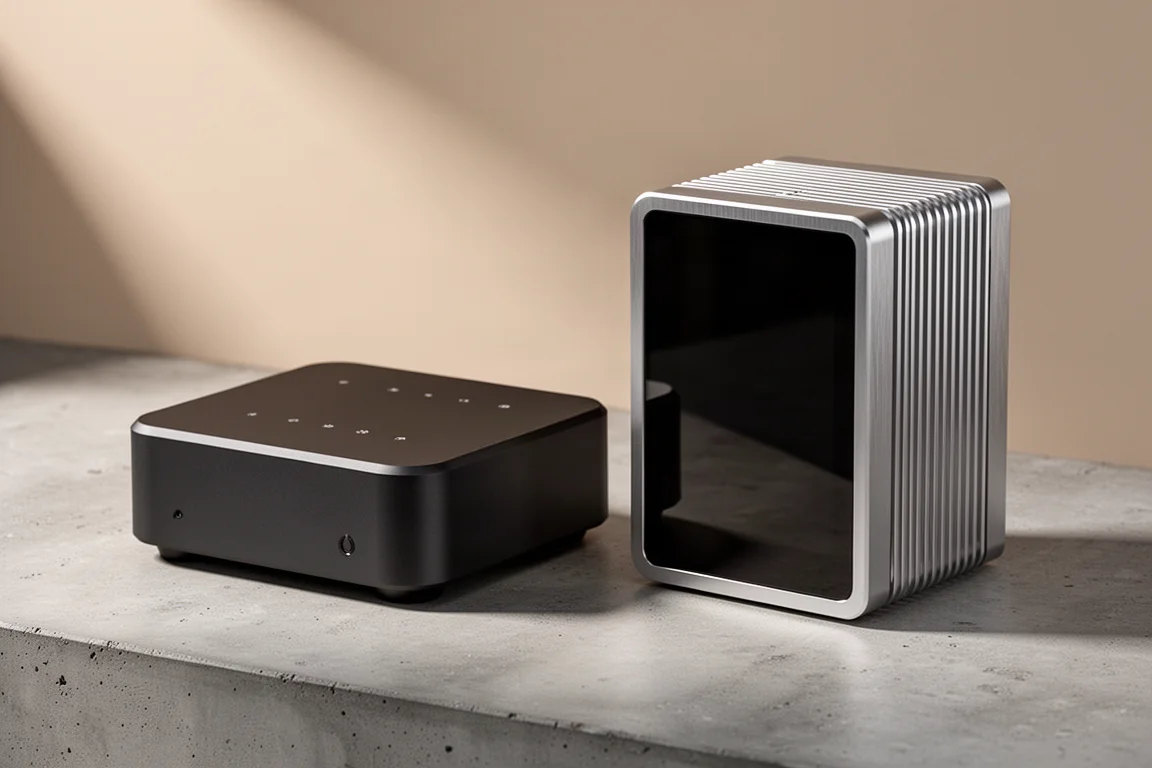
The Bluesound Node X continues that tradition at £699, while the Eversolo DMP-A6 arrives at £759 with a very different set of priorities. One is a discreet half-rack design with an unusually complete feature set. The other is a CNC-machined aluminium component with a six-inch touchscreen and a fully balanced output stage. This comparison focuses on the differences that actually matter once the boxes are unplugged and the music starts.
What Sets These Streamers Apart
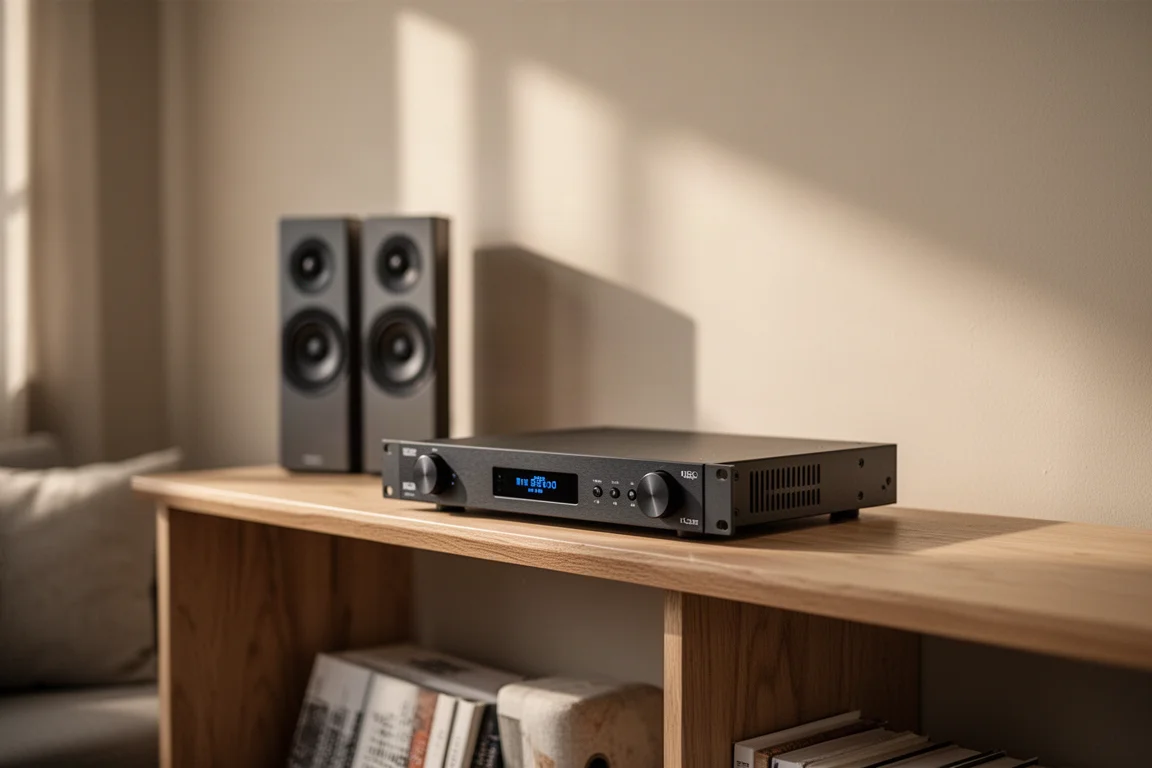
Both units cover the essentials. Tidal, Qobuz, Amazon Music and Spotify are all available, Roon readiness is included, and each device supports Tidal Connect, Spotify Connect, Bluetooth, AirPlay, plus third-party DLNA and UPnP apps.
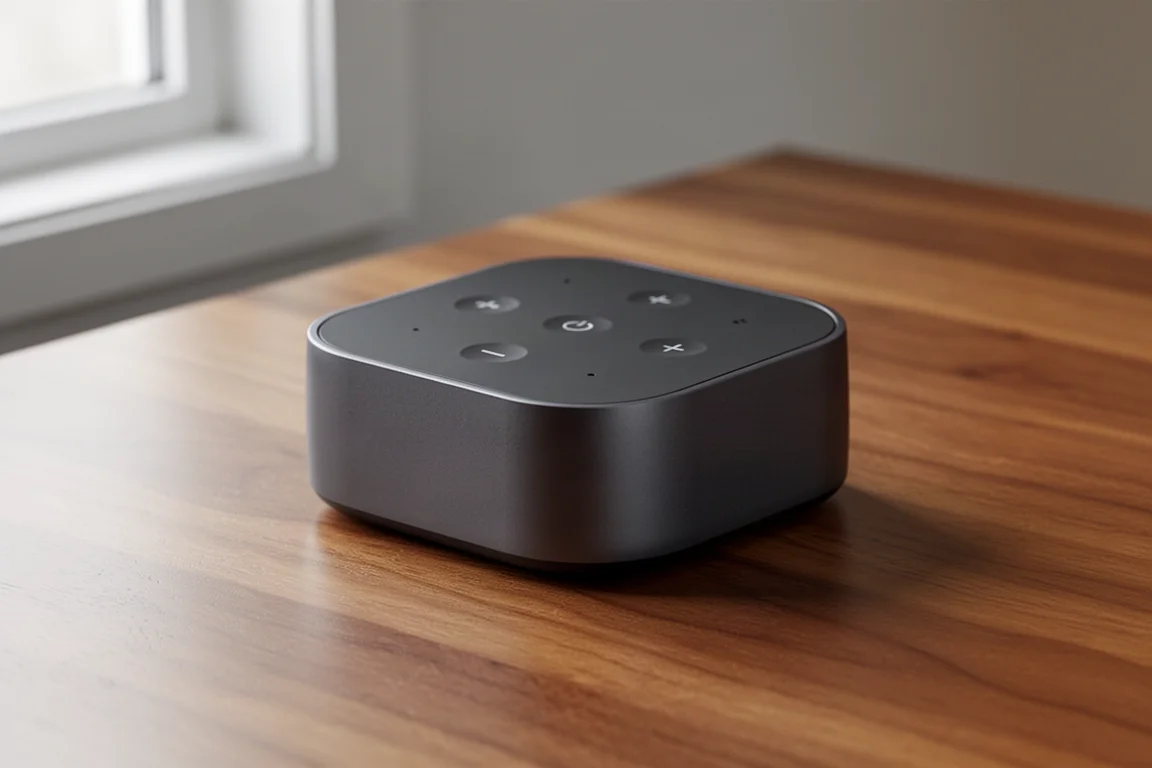
The split appears in how each one expects you to interact with it. The Node X keeps physical controls minimal: five preset dots on the top plate for favourite stations, albums or playlists, plus volume, play, pause and track skip. The DMP-A6 pushes nearly everything onto its touchscreen, which runs a heavily modified Android 11 build on a quad-core ARM Cortex A55 processor.
That difference shapes the whole ownership experience. One is designed to disappear into a rack and be driven from a phone. The other wants to be seen, touched and explored.
Bluesound Node X: The Complete Package
The Node X is a half-rack-width unit weighing 1.1 kg (2.4 lb). The case is plastic, but the unfussy lines and rounded edges read as deliberate rather than cheap, and there is nothing flimsy about how it feels in the hand. It is an understated piece of kit with no aerials protruding from the rear panel, which helps it settle into a living space without drawing attention.
Connections are where the Node X quietly wins. There is a 6.25 mm (1/4 in) headphone jack on the front, an HDMI input that works with a TV remote for volume control, an optical input that doubles as a 3.5 mm analogue input via a mini-Toslink cable, one USB port usable either for external drives or as a digital output to an external DAC, plus coaxial and optical digital outputs and RCA analogue outputs.
Internally it uses an ESS Sabre ES9028Q2M DAC. In listening, the presentation is warmer than neutral, with extra weight in the bass and lower mids, and a soundstage that is wider than some more expensive combinations. That warmth is a feature rather than a fault, and it makes the Node X a natural partner for analytical or bright-sounding systems.
The on-device interface is basic, and that is the honest trade-off. The BluOS app, now at version 4.0, is the strongest streaming interface in this comparison: fast, intuitive, customisable, and capable of building playlists that pull from different sources.
Eversolo DMP-A6: Build Quality and Touchscreen
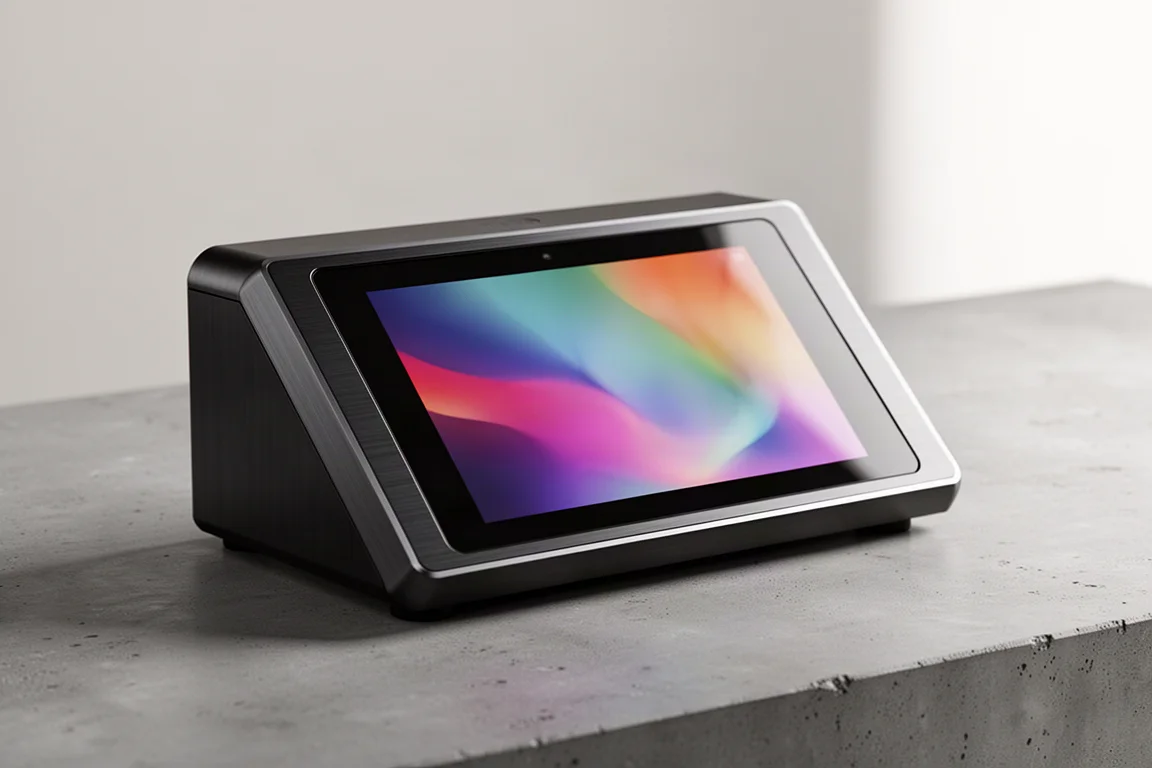
The DMP-A6 is taller, wider and deeper than the Node X, though still only a little broader than half-rack width. The CNC-machined aluminium casework is the headline. Heat-sink-style fins run along the sides and the logo is engraved into the top plate. At £759, the sense of quality exceeds what the price normally buys in this segment.
The six-inch (150 mm) LCD touchscreen is the other differentiator. It is clear and quick, and the menus are laid out logically: music library access, featured streaming services, files stored on internal or externally connected storage, source and output selection, and app management. Cover art displays beautifully, and the VU meters will appeal to anyone who enjoys a visual element while listening. The seven digital filters in the audio menu make a small to imperceptible difference, with the slow roll-off minimum phase option offering the best balance between resolution and a natural sound.
There is more hardware flexibility too. Digital inputs include optical, coaxial and USB-C, with a USB-B port for flash drives and hard drives. A single screw on the underside gives access to an M.2 NVMe SSD slot that accepts drives up to 4 TB, so a 2 TB drive costing around £100 turns the streamer into a capable music server. Outputs include RCA and balanced XLR, backed by a fully balanced internal output stage that helps keep noise low over long cable runs.
Two omissions stand out. There is no headphone output anywhere on the unit, and the HDMI port is for multi-channel audio output rather than a TV-friendly input. Both are worth knowing before you buy.
Sound Quality Differences
Both devices performed beyond expectations, and both sounded cleaner than an older streamer paired with an external linear power supply.
The DMP-A6 uses two ESS Sabre ES9038Q2M chips in a fully balanced configuration. It sounds cleaner, with crisper leading edges to notes and decays that fall into a quieter background. It is also the more resolving of the two. The trade-off is coloration: there is some prominence in the upper midrange that pushes vocals and lead instruments forward, and the treble edges toward bright. In an already lively system that could tip too far, but in a warmer system it provides useful balance.
The Node X counters with a wider soundstage and a more relaxed character. Bass and lower mids carry extra weight, which makes for an easy, engaging listen rather than a forensic one. Neither approach is objectively better. They simply suit different rooms and different amplifiers.
One practical point applies to both. Used as transports into an external DAC, they sounded noticeably better through their USB outputs than through their coaxial or optical outputs. The DMP-A6’s coaxial and optical digital outputs were weak enough that they are best avoided altogether. The likely explanation is asynchronous USB, where the DAC handles timing, and better external DACs often bring superior clocks plus galvanic or optical isolation on the USB input.
Which Streamer Suits Your System
Think about the amplifier and speakers you already own before deciding between these two.
The Node X leans warm and laid back, which makes it a sensible match for components with a lean or analytical balance. Its headphone jack and TV-friendly HDMI input also make it the more practical choice in a shared living space, where one box has to serve television, headphones and music.
The DMP-A6 is forward and lively, so it pairs best with warmer electronics. Its balanced XLR outputs, internal SSD option and large display suit listeners who want a single component to act as both streamer and music server.
Above roughly £1,000 spent on an amplifier and a similar amount on speakers, both devices are better used as transports feeding a higher-quality external DAC. With more revealing systems, the differences between them still come through: the Node X stays a touch laid back, while the DMP-A6 stays a little more forward.
Buying Advice
Two limitations are worth weighing on the DMP-A6. Playlists cannot currently be built across platforms, so a Tidal playlist cannot be extended with tracks from your own library, and the reverse is also true. That capability is confirmed to be in development for a future update. The companion app also failed to connect on an iPad Pro in testing while working fine on an Android phone, though this may be specific to that device. The BluOS app had no such problem on an iPad Pro.
The Node X is the safer all-rounder. Its connectivity covers what most people actually need, its app is the strongest available here, and its relaxed voicing is easy to live with. Its on-device controls are minimal, and its plastic case will not impress anyone who values materials.
The DMP-A6 is the more ambitious product. The aluminium chassis, the touchscreen and the internal SSD option deliver far more than the price suggests, and it resolves more detail. It asks you to give up a headphone socket and a TV-friendly HDMI input, and to partner it carefully.
If you want the simplest path to excellent streaming, the Node X is the confident pick. If you want a streamer that doubles as a music server and you enjoy interacting with the hardware itself, the DMP-A6 justifies its £759 asking price. Neither is a compromise at this price point.
Conclusion
There is no clear winner between these two, and that is the honest conclusion. They are aimed at different listeners with different systems and different habits.
Both earn a strong recommendation on their own terms. Match the Node X to a bright or analytical system, or to a household that needs HDMI and headphone support. Match the DMP-A6 to a warmer system, or to anyone who wants a large display, balanced outputs and internal storage. Decide which of those descriptions fits your setup, and the choice becomes straightforward.
Further reading
Related Reviews
Hi-Fi Streamers
Best Music Streamers Under £1,000: Cambridge Audio CXN 100 vs Eversolo DMP-A6 vs Bluesound Node X
Three sub-£1,000 network streamers compared on sound character, connectivity, build and app experience, with clear guidance on which one suits which system.
Hi-Fi Streamers
Cambridge Audio CXN 100 Review: A Streamer and Digital Preamp in One Box
The CXN 100 replaces a multi-award-winning streamer with a full redesign, adding a better DAC, a 100-step volume control, balanced outputs, and digital preamp flexibility.
Hi-Fi Streamers
EverSolo DMP-A6 vs DMP-A8: Choosing the Right Streamer DAC Preamp
How the EverSolo DMP-A6, DMP-A6 Master Edition, and DMP-A8 differ, where the Bluesound Node fits, and which streamer DAC preamp suits your system.