Music Streamers
WiiM Pro vs EverSolo DMP-A6 vs Cambridge Audio CXN 100: Three Music Streamers Compared
A practical comparison of three network music streamers at three price points, covering connections, DAC hardware, app support, warranty, and sound character.
Introduction
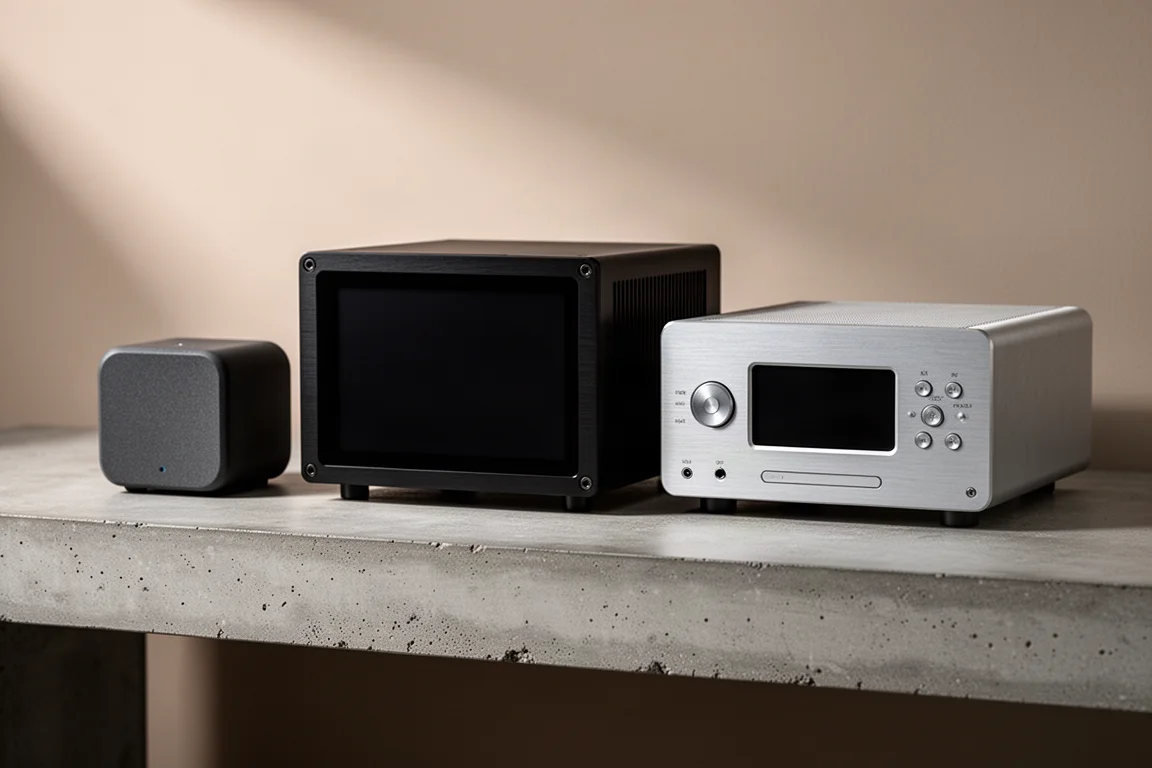
Choosing a network streamer usually comes down to two things: how much you want to spend, and how much you want to tinker. These three streamers sit at three different price points, and each one takes a noticeably different approach to the same job of moving music from a network or a streaming service into your amplifier.
This comparison looks at what each one offers in connections, DAC hardware, app support, warranty coverage, and sound character, so you can work out which one fits the system you already own.
How These Three Streamers Compare
All three units are network streamers with their own control apps, and all three can serve as the digital source in a hi-fi system. The differences show up in the details: the connections on the back panel, the DAC chips inside, how the software is built, and how much support you get after the sale.
On price, the WiiM Pro sits at the entry point, coming in at about $230 when paired with an SMSL SU-1 DAC in this setup. The EverSolo DMP-A6 is $859. The Cambridge Audio CXN 100 sits at the top of this group, and part of that cost reflects the margin a traditional retail distribution model requires.
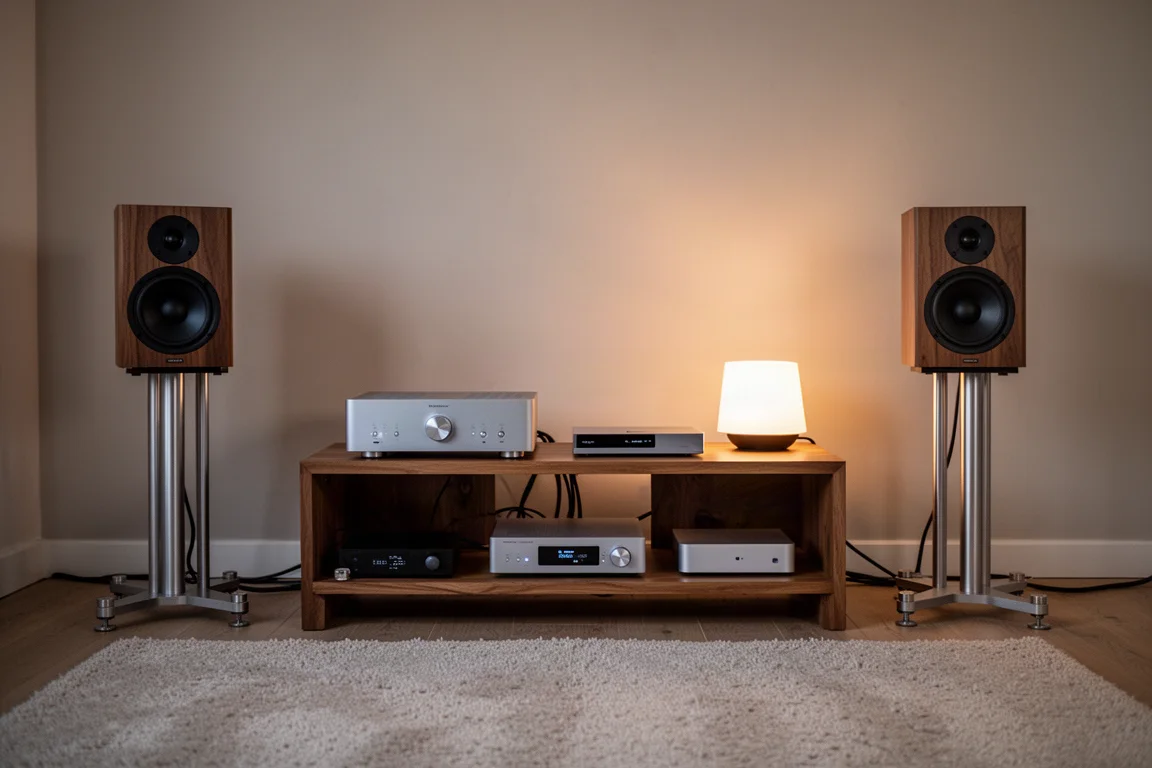
It is also worth remembering that a streamer is only one link in the chain. In a system built around a resolving integrated amplifier and speakers, the differences between these three were audible. In a very affordable system, those differences are much harder to hear.
WiiM Pro: The Budget-Friendly Entry
The WiiM Pro is the smallest and least expensive option here, and it makes a few smart trade-offs. Output is single-ended RCA only, but the input list is unusually generous for the money: optical in, optical out, coaxial in, coaxial out, and a line input for analog sources. That analog input is the interesting part, because it lets the WiiM Pro work as a full preamp rather than just a streamer.
App support is where the WiiM Pro pulls ahead. It offers the most native support for music streaming services of the three, including Amazon Music Unlimited, and it also supports Chromecast and Apple AirPlay 2. Its control app was the easiest of the three to navigate.
In this setup the WiiM Pro ran through an SMSL SU-1 with an AKM 4493 DAC chip, and the pairing was decent for the price. Compared with the other two streamers, the soundstage felt a little closed in.
EverSolo DMP-A6: Dual DACs and Android Flexibility
The EverSolo DMP-A6 is built around two ES9038Q2M DAC chips, a pairing the manufacturer uses to minimize crosstalk. Claimed figures include THD of negative 120 dB, a signal-to-noise ratio of 128 dB, and dynamic range of 128 dB.
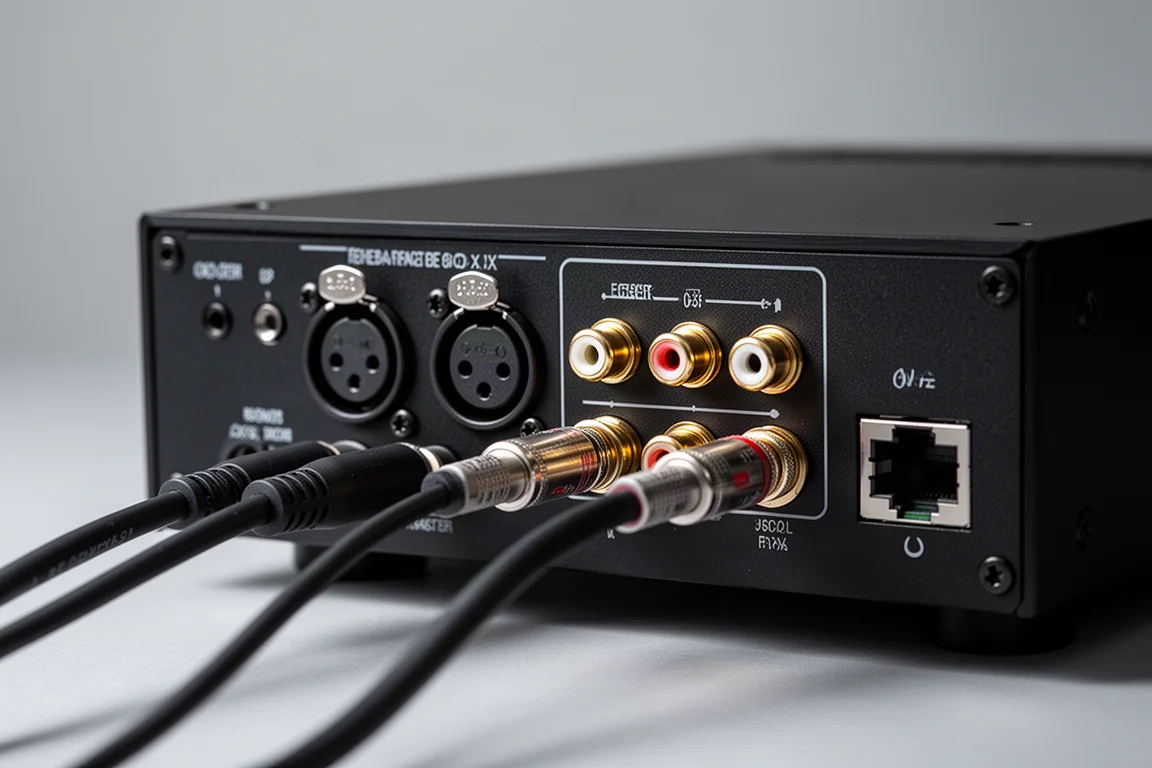
Its software is Android-based, so instead of relying on native integrations, you install the actual streaming apps and use them much as you would on an Android phone. The connection list is long: hardwired ethernet, HDMI out, USB out, optical in, USB-C in, coaxial in, single-ended RCA out, and balanced XLR outputs. There is no analog input, so it cannot take the place of a preamp the way the WiiM Pro can.
Warranty coverage is one year from the manufacturer, and service would most likely mean shipping the unit overseas. Setup offers a great many options, which is either the appeal or the obstacle depending on your temperament. Sonically, it was the more resolving of the two pricier streamers, though it came across as slightly clinical, with a touch less dynamic swing and a little less weight in male vocals.
Cambridge Audio CXN 100: Simplicity, Tuning, and Warranty
The CXN 100 uses a Sabre 9028Q2M DAC chip, but the more interesting detail is what happens after the chip. The analog output stage was tuned rather than left at the status quo, with handpicked capacitors and components chosen to give the streamer a particular character. That approach is audible: it came across as the more soulful and dynamic of the two pricier units.
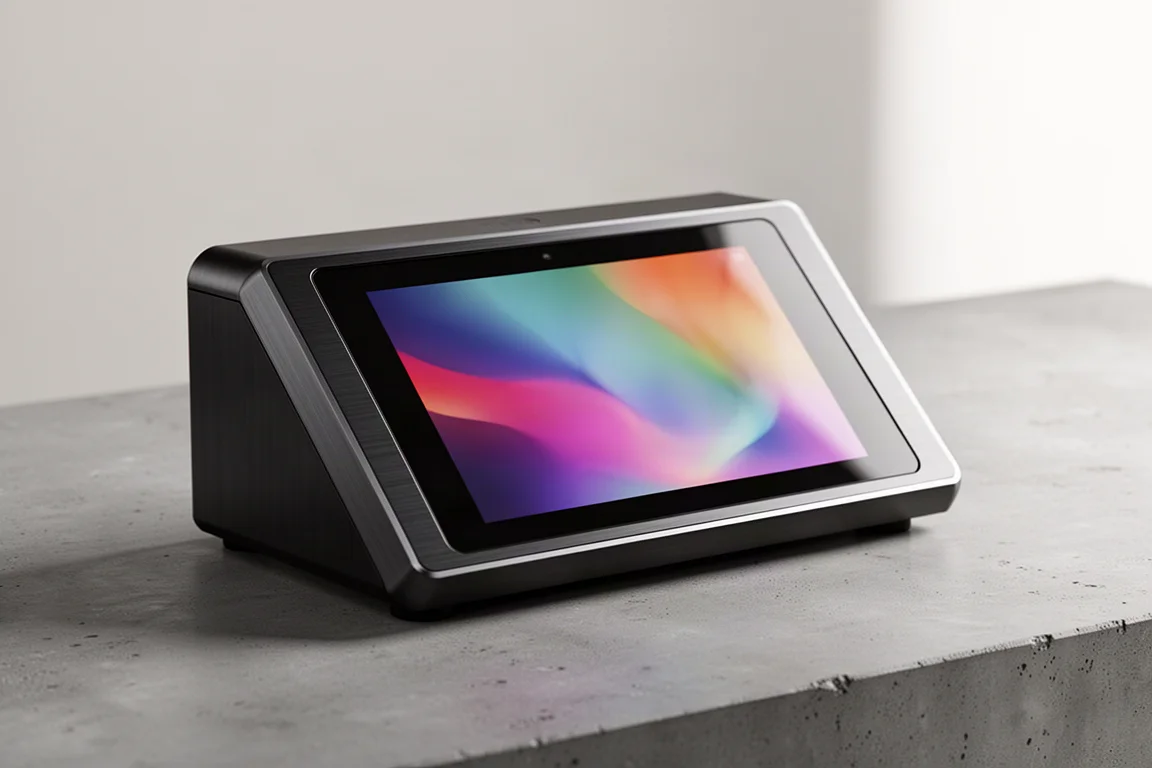
The control layout is deliberately traditional. There is a display, but it is not a touchscreen; instead you get tactile buttons to work with, which makes the whole thing feel closer to a CD player than a computer. It uses its own app, skips native Amazon Music support, and includes Chromecast and Apple AirPlay 2. Setup options are the fewest of the three, which keeps the experience simple.
Warranty coverage is the strongest here: two years as standard, extended to three years if you register the unit. Both this streamer and the DMP-A6 can act as digital preamps with volume control, adjusted through their apps.
Listening Notes: Where the Differences Show Up
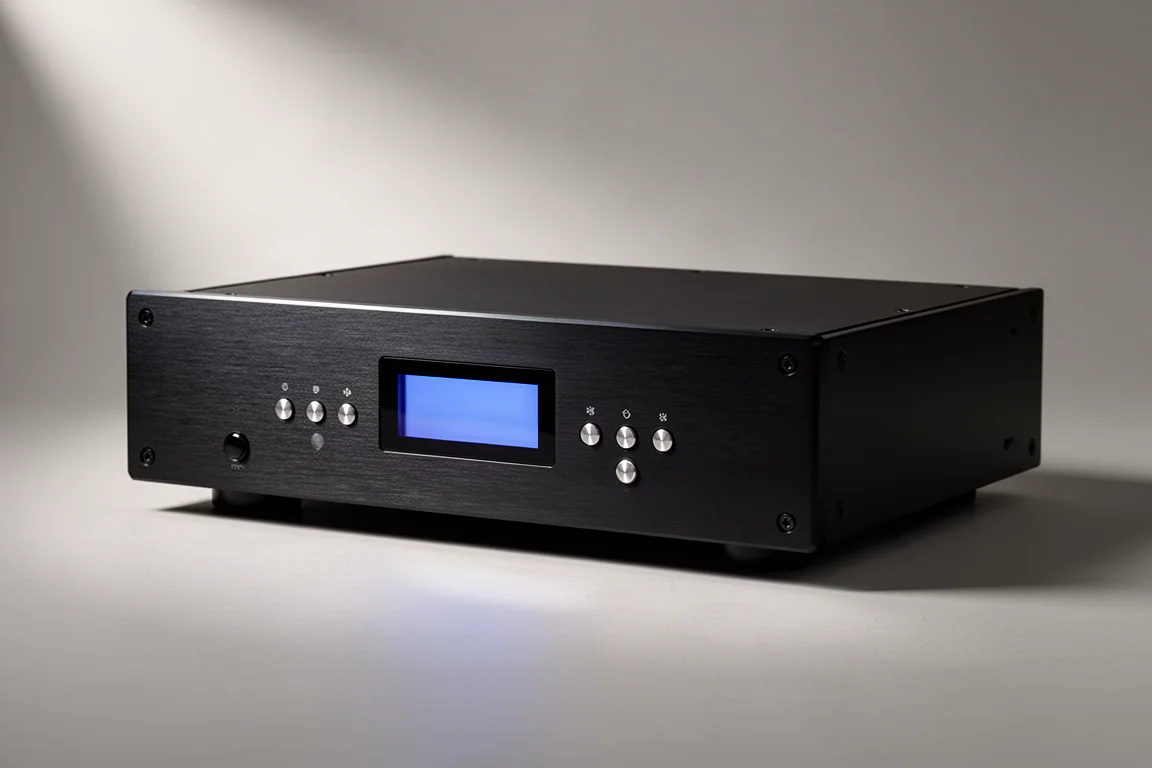
All three streamers were run through the same integrated amplifier and speakers, with their analog outputs feeding the amplifier. Single-ended RCA was used for consistency, and the balanced XLR outputs of the DMP-A6 and the CXN 100 were compared against each other.
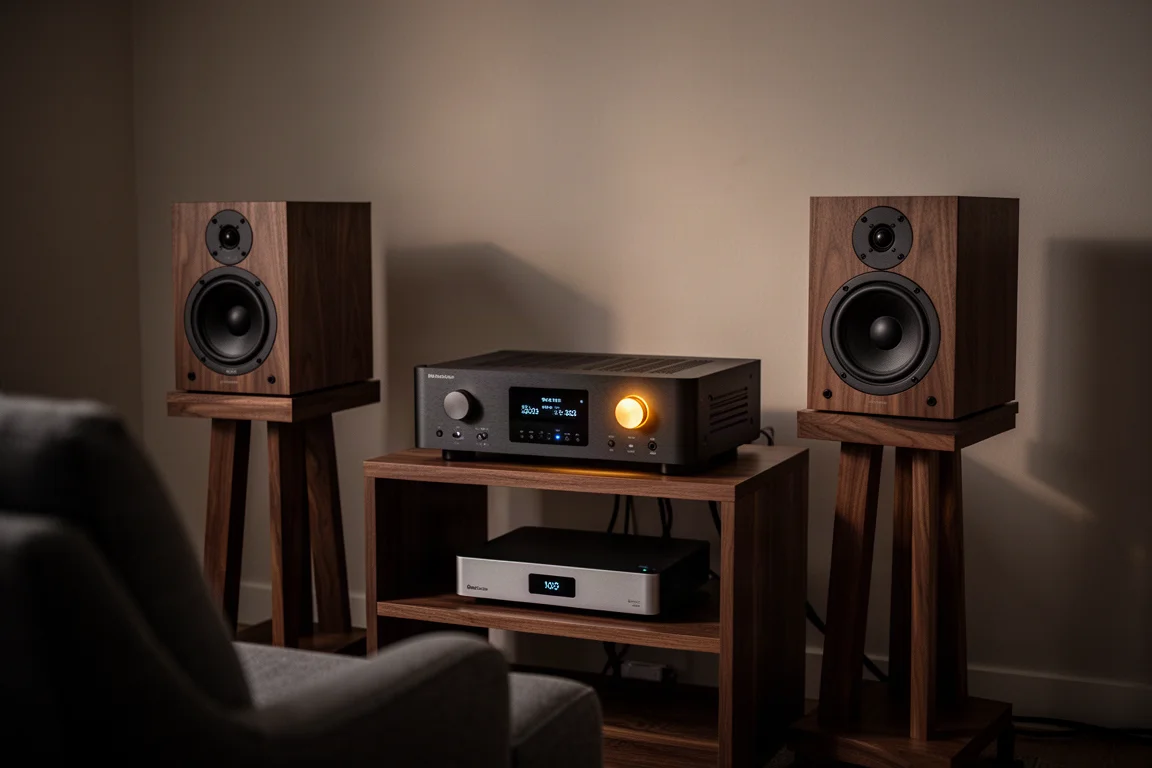
With a resolving system, the differences were real but small. The DMP-A6 was the more resolving of the two, while the CXN 100 was the more soulful and dynamic, with the analog stage tuning clearly doing some of the work. The WiiM Pro and SMSL SU-1 pairing was the least transparent of the three, with a slightly narrower soundstage. These are fine-grained differences rather than night-and-day gaps, and over a long listening session they tend to blur. Both of the pricier streamers sounded good enough that neither is clearly better than the other in absolute terms.
Who Each Streamer Suits
If you enjoy adjusting settings and want the widest set of connections for the money, the DMP-A6 fits that brief. If you would rather have fewer decisions, a tactile interface, and the longest warranty, the CXN 100 is the simpler choice. If you are building on a budget, need an analog input, or rely on Amazon Music Unlimited, the WiiM Pro covers those needs at the lowest cost.
Buying Advice: Matching the Streamer to Your System
Three questions do most of the work here. First, what does your amplifier need: single-ended RCA only, or balanced XLR as well? Second, which streaming services do you actually use, and does the streamer support them natively or through Chromecast and Apple AirPlay 2? Third, how much patience do you have for settings and setup?
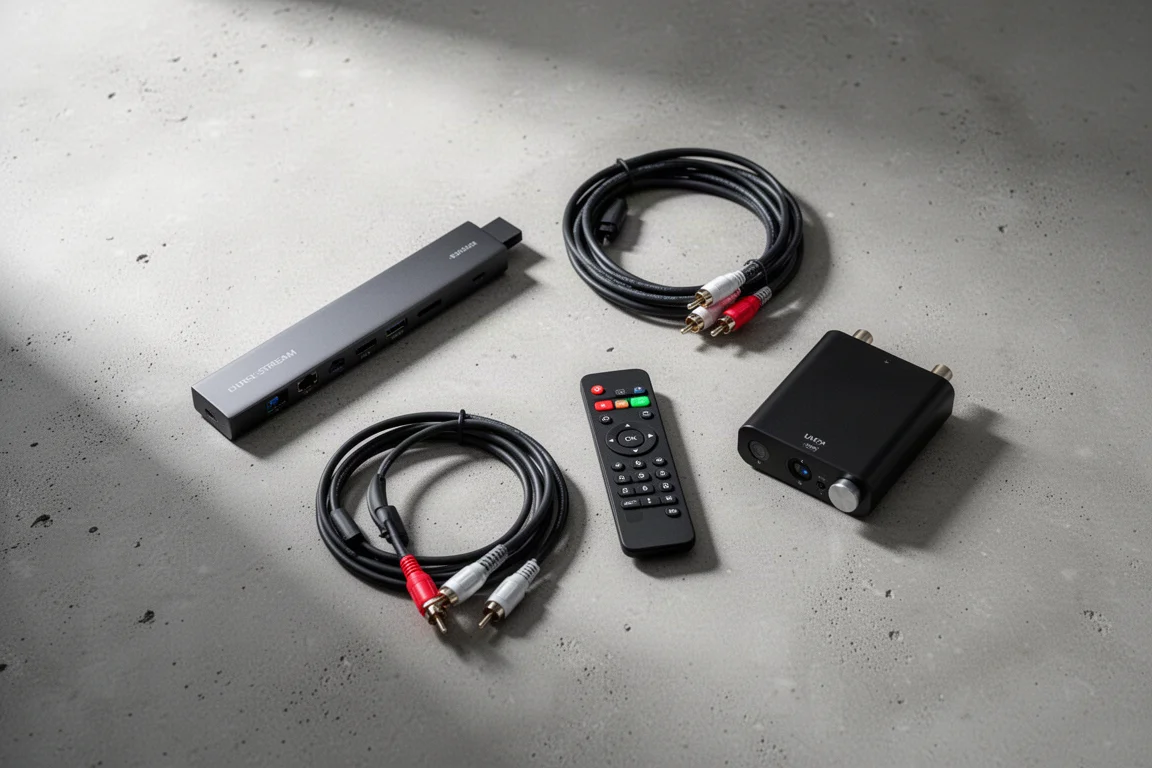
The WiiM Pro is the only one of the three with an analog line input, which matters if you want to run a turntable or another analog source through the same box. If you are not especially comfortable with deep settings menus, the DMP-A6’s Android-style software is worth trying before you commit, while the CXN 100 keeps interaction down to a handful of physical controls.
If budget is the deciding factor, the WiiM Pro and an external DAC get you streaming for the least money. If you want the most connections and options, the DMP-A6 delivers them. If simplicity and long-term support matter more than a specification list, the CXN 100 is the easier product to live with.
Conclusion
There is no single winner here, and that is the honest outcome. The WiiM Pro is the value pick, especially if you need an analog input or use Amazon Music. The EverSolo DMP-A6 is the specification-led option with the broadest connection set and the deepest setup menu. The Cambridge Audio CXN 100 is the simplest to use and the best supported, and it was the easiest of the three to sit down and enjoy. Match the streamer to your amplifier, your services, and your habits, and any of these three will do the job well.
Further reading
Related Reviews
Music Streamers
Arylic S10 Plus vs WiiM Mini: Two Affordable Music Streamers Compared
A practical comparison of the Arylic S10 Plus and the WiiM Mini, covering connections, apps, tone controls, and how each internal DAC actually sounds.
Music Streamers
Auralic Aries G1.1 Review: A Streaming Transport That Lifts a Resolving System
A close look at the Auralic Aries G1.1 streaming transport, covering its twin-transformer power supply, Tesla G2 processing, Lightning DS app and the systems where it genuinely pays off.
Music Streamers
Bluesound Nano Review: A Compact Streamer That Keeps Things Simple
The Bluesound Nano is a stripped-down network streamer at $299, with a solid chassis, quick setup, and a clean, punchy sound. Here is what to know before buying.