Audio Streamers and DACs
WiiM Pro Plus vs WiiM Pro: Is an External DAC Still Worth It?
A practical comparison of five streaming and conversion setups, from the $220 WiiM Pro Plus to the WiiM Pro with an SMSL SU-1 or Geshelli Labs J2.
Introduction
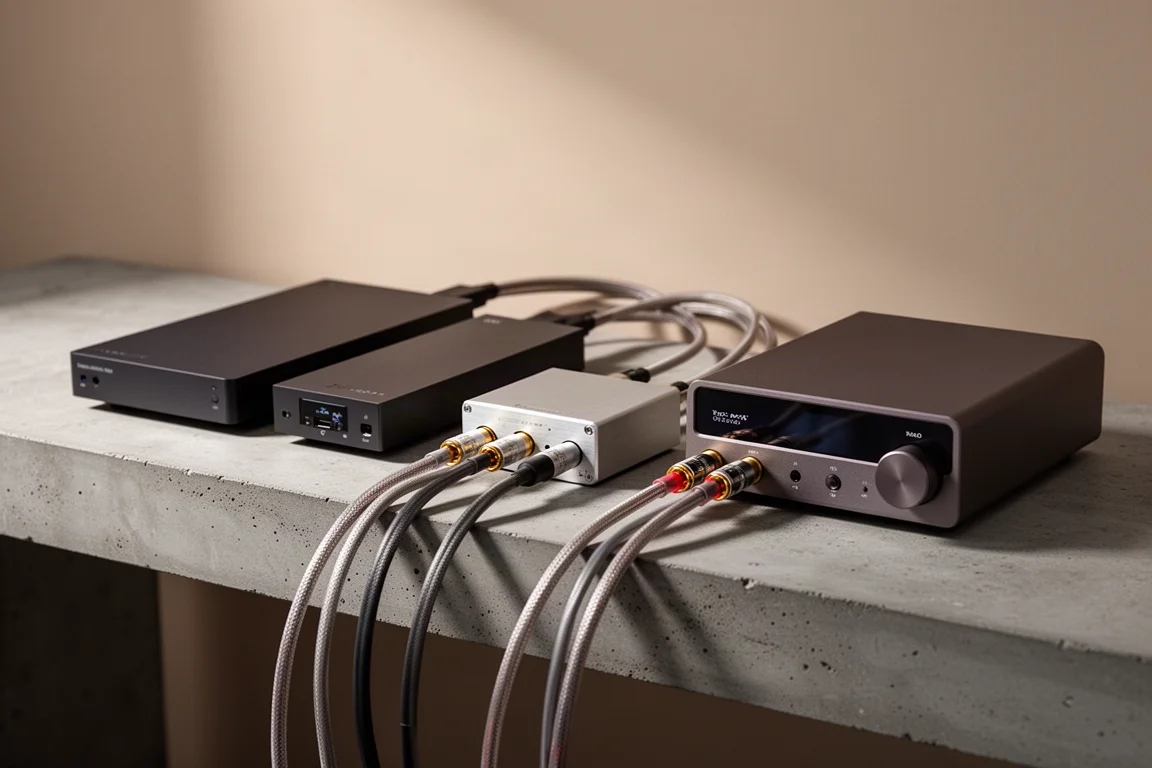
A streamer with a better built-in converter raises a fair question: once the internal conversion improves, is there still a reason to spend extra on a separate DAC? This comparison looks at five options that answer that question in different ways. The WiiM Pro Plus is a $220 streamer with an upgraded converter inside. The WiiM Pro is the $150 original, paired here with the $80 SMSL SU-1. The Geshelli Labs J2 is the higher-end external option, and the Bluesound Node N130 joins as a refined alternative from a different streaming platform. Each setup was fed into the same analog inputs, so the differences described below come from the conversion stage rather than from the rest of the system.
How These Streamers and DACs Compare
A DAC, or digital to analog converter, turns the ones and zeros of a digital file into an analog signal. Televisions, computers, and phones all contain one, and in most of them the conversion stage is the weakest part of the chain. Adding an external DAC is one of the simplest ways to improve digital playback, and streamers are a natural place to start, because the converter built into a streamer is often its least impressive component.
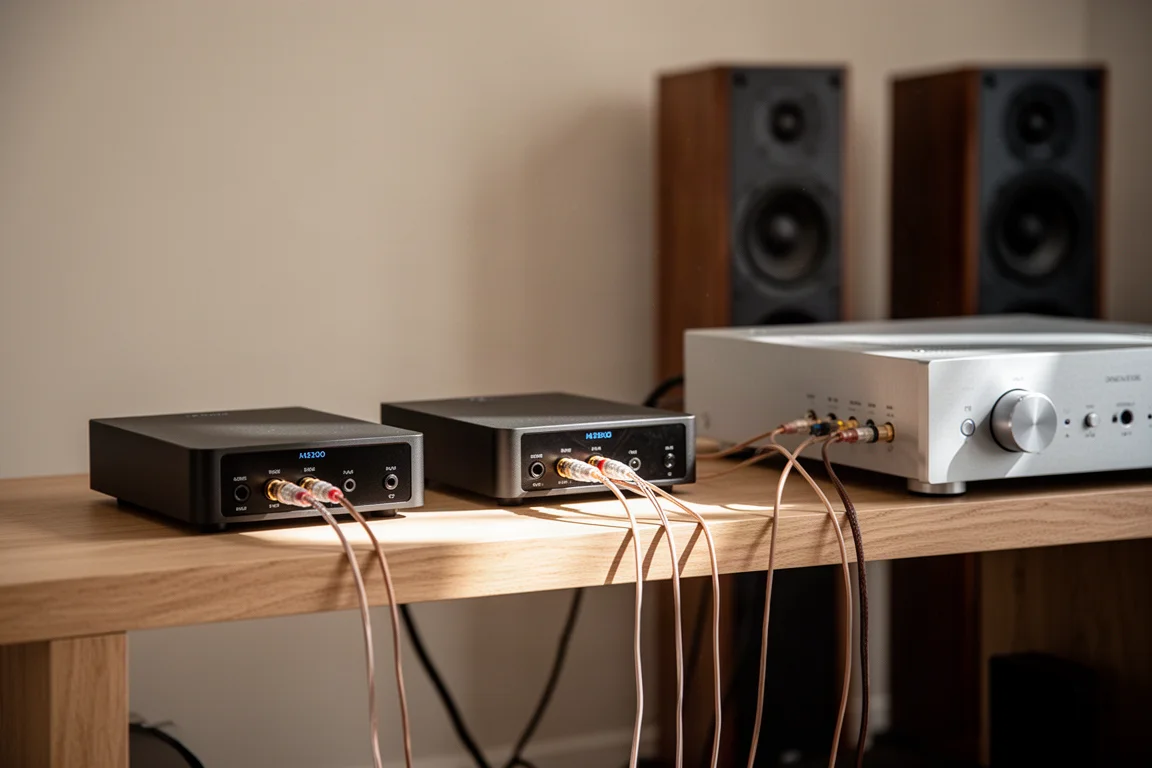
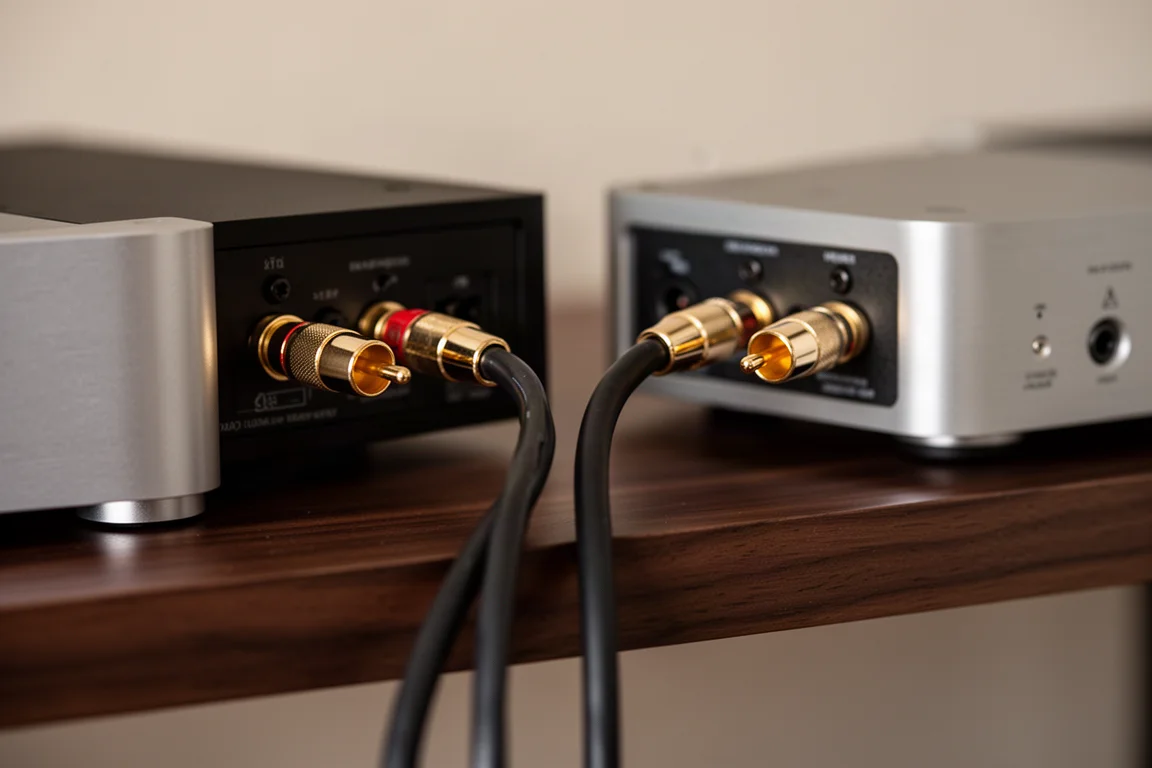
All three WiiM units were linked so they played the same track at the same time, and each output was routed into a separate analog input on the same processor. Output levels were maxed, with the WiiM Pro Plus running at its 2V maximum. Neither the SMSL SU-1 nor the Geshelli Labs J2 offers variable output, so both run fixed. The J2 does output a slightly lower voltage, which worked out to about four steps on the volume control.
Listening covered a wide range of material, with two tracks used repeatedly: Dumb by Nirvana from the MTV Unplugged record, and One by Metallica from S&M2. The first is useful for vocal placement and space, the second for dynamics and the separation of a large ensemble.
WiiM Pro Plus: The All-in-One Option
At $220, the WiiM Pro Plus pairs a streamer and a DAC in a single box. Its converter uses the AKM 4493SEQ chipset, and the unit accepts its own digital inputs, including optical, so a television can feed straight into it. That makes it usable as a simple preamp. The WiiM software also includes a 10-band EQ, which is genuinely useful for tuning output to a room or to a specific pair of speakers.
Sonically, the internal DAC is the most forward-leaning of the group. Vocals sit slightly ahead of the speakers, and the presentation is punchy and lively. Bass is the weak point: it arrives with plenty of presence but less control than the alternatives, which can smear detail further up the range. On speakers with limited low-end output, that extra weight may be welcome. On speakers that already dig deep, it can tip into too much of a good thing. Most listeners will find this the most immediately enjoyable of the setups.
WiiM Pro with an External DAC: The Flexible Route
The WiiM Pro is the previous generation streamer at $150, and it can handle the same digital input duties as the Pro Plus. Paired with the $80 SMSL SU-1, it forms a two-box setup that costs about the same as the Pro Plus alone and adds a little flexibility, since the DAC can be swapped or reused later.
In practice, the gap between this pairing and the Pro Plus is narrower than the price difference suggests. The SU-1 shifts the vocal position back toward where it sits in the recording and widens the stage a little beyond the speakers. Bass is tighter, and that control pays off in the mid-range, which stays clearer because it is no longer being covered by the bottom end. There is also a touch more air around vocals and reverb. These are real improvements, but they are incremental rather than transformative, and they take some careful listening to notice.
For anyone who already owns a WiiM Pro and an external DAC, this is the key finding: the Pro Plus does not offer a compelling reason to change. The older streamer plus a good outboard converter remains a strong combination.
SMSL SU-1: The Affordable External DAC
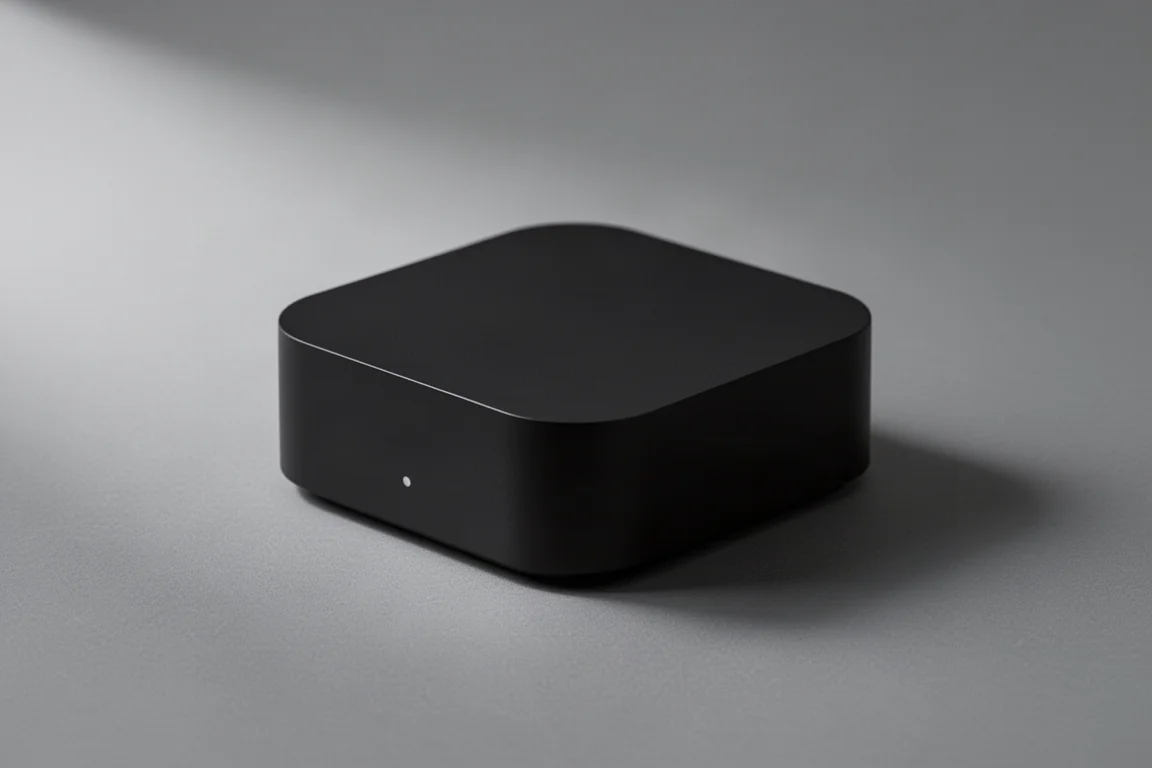
The SMSL SU-1 is the budget entry here at $80, and it uses the AKM 4493S chipset, which is closely related to the converter inside the WiiM Pro Plus. Output is fixed, so volume control stays with the amplifier or processor.
Its character is defined by control rather than excitement. Compared with the Pro Plus internal DAC, the SU-1 delivers noticeably more bass, but that bass is better behaved, which is the more important part. Mid-range detail comes through more clearly as a result, and the top end gains a little extra air without becoming sharp. The soundstage is a bit wider, and instruments are placed more precisely within it. If your speakers are light on low-frequency output, this is the pairing that will fill them out most obviously.
Geshelli Labs J2: The Natural-Sounding Step Up
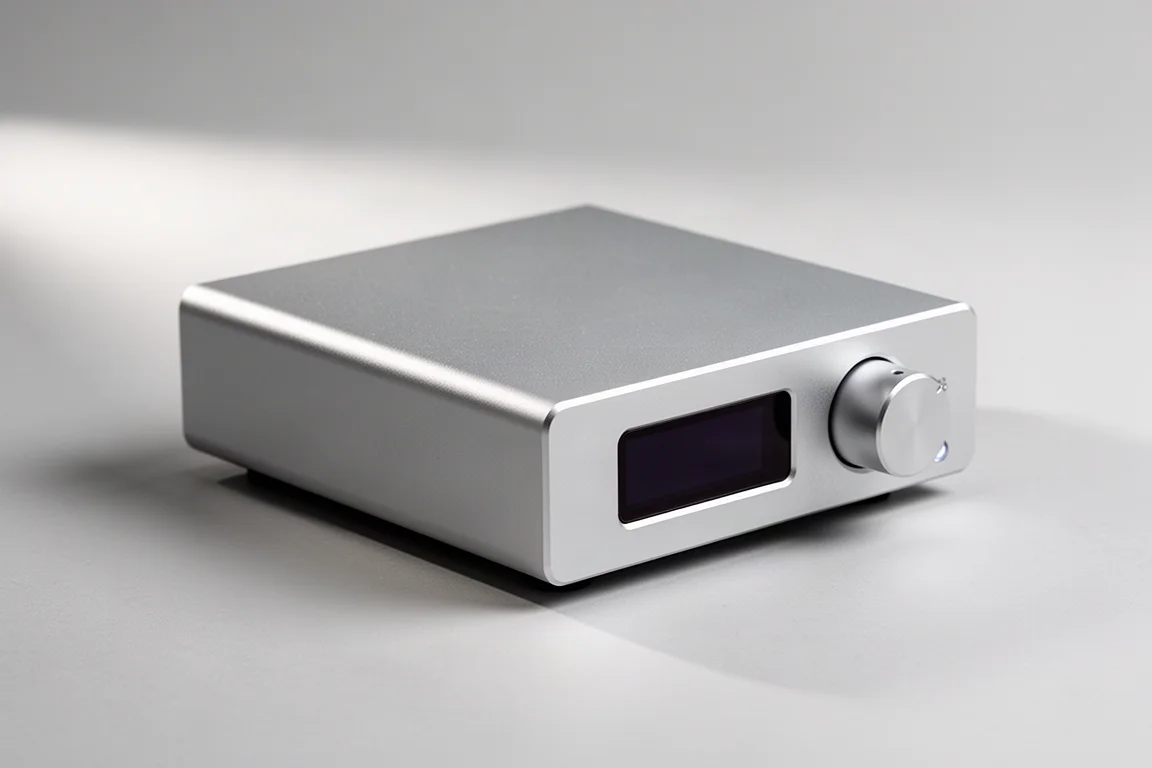
The Geshelli Labs J2 is the most expensive conversion option in this group, arriving as part of a roughly $300-and-up stack, and it is also the clearest step forward. Its output is fixed and slightly lower in voltage than the others, which required a small volume adjustment when switching between setups.
Everything the SU-1 does well, the J2 does more convincingly. The soundstage is the widest of the group, and instruments are placed in space with a sense of realism the other converters do not match. Vocals are less forward than on the SU-1 or the internal DAC, but the overall picture is more believable. Bass is the standout: it is not the largest in quantity, yet it is the cleanest and the most representative of what is actually in the recording. The top end is more laid back, and it comes across as natural rather than dull. The mid-range is cleaner, and separation between instruments is better throughout.
The trade-off is subtle. On a quick first listen, the J2 can seem slightly less dynamic than the punchier options, because it does not exaggerate the low end. Spend more time with it and the difference in realism becomes the more persuasive quality. For a main system where streaming quality matters, it is the strongest performer of the five.
Bluesound Node N130: The Refined Alternative
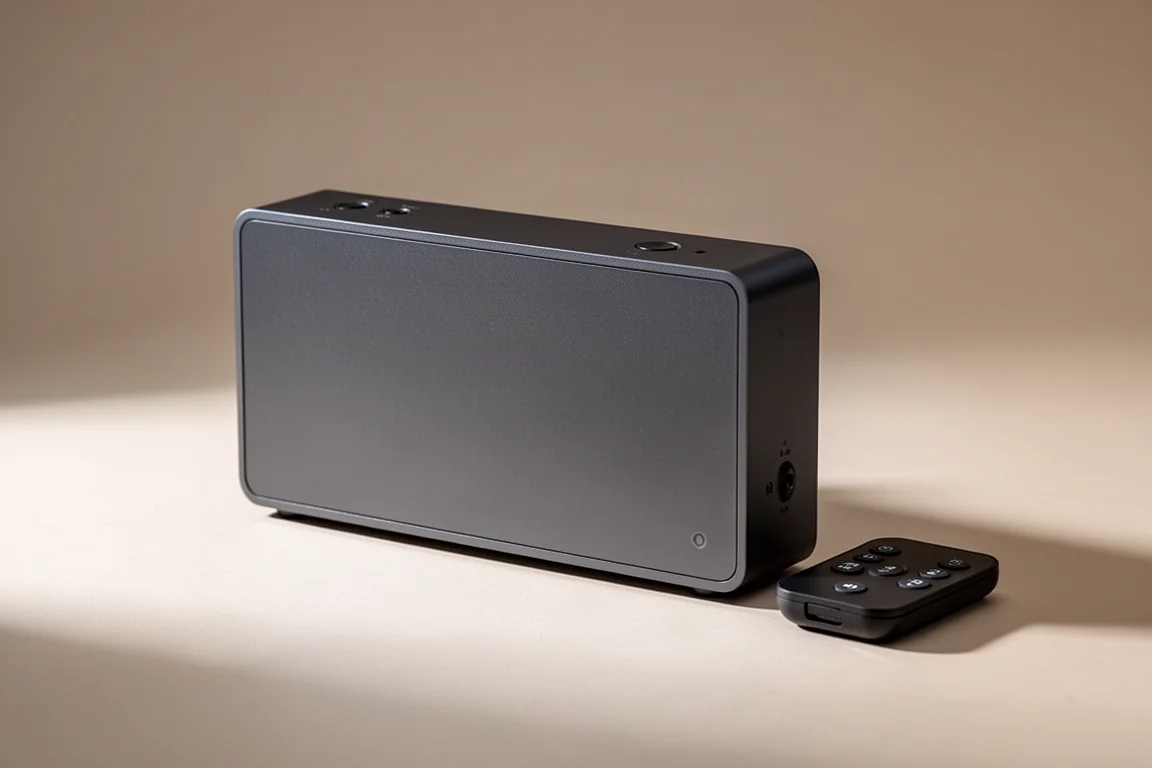
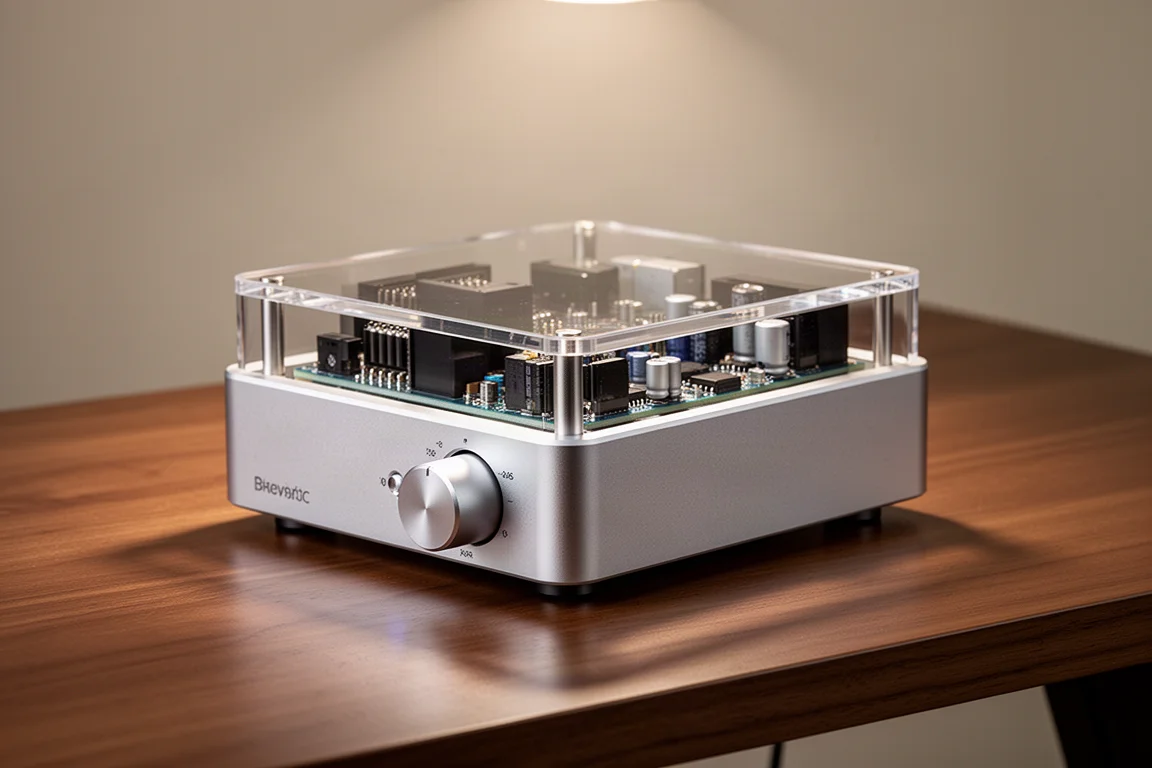
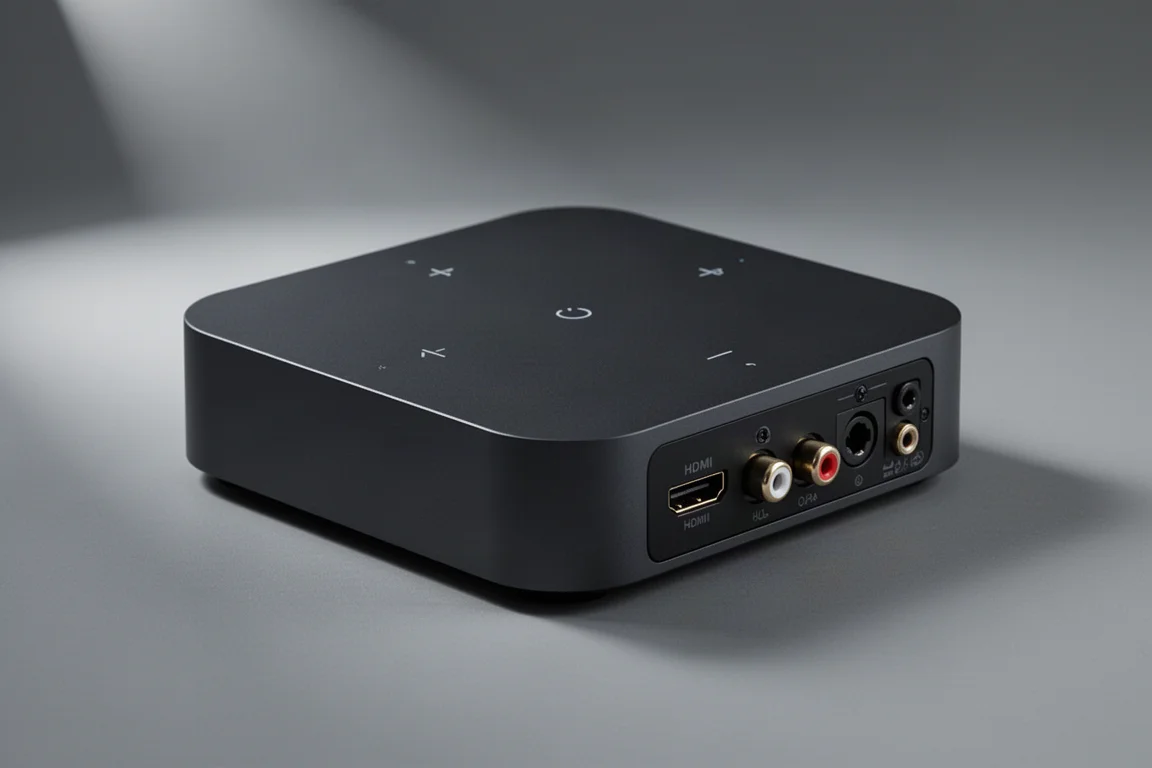
The Bluesound Node N130 rounds out the group and runs on a different streaming platform, which made direct back-and-forth switching far less convenient. Its converter is a Texas Instruments PCM5242 rather than the AKM chips used elsewhere. It also includes an HDMI eARC connection on the back, which none of the WiiM units offer, and that is a meaningful advantage if the streamer is also meant to handle television audio.
The Node’s character is more relaxed. It comes across as refined, with a smoother top end, but it gives up some fine detail and instrument separation compared with the other converters. It is not a worse product so much as a different one. The WiiM Pro Plus is punchier and brighter on top, and most listeners will describe that as sounding better in a quick comparison. The Node’s advantage is composure over long sessions.
Buying Advice: Which Setup Makes Sense
The right answer depends on what you already own and how you plan to use it. If a WiiM Pro and an external DAC are already in place, there is no reason to move to the Pro Plus. If you are starting fresh and want a single box that handles streaming, television input, and basic preamp duties, the WiiM Pro Plus is the straightforward choice, and its internal DAC is good enough that a separate converter is optional rather than necessary.
If you want separates, and the system in question is your main one, the WiiM Pro plus an external DAC of your choosing is the more flexible path. Among the converters compared here, the SMSL SU-1 is the sensible budget addition and the Geshelli Labs J2 is the one that delivers the largest improvement. For a second room, a desktop setup, or powered speakers, the WiiM Pro Plus on its own keeps the system simple without giving up much. The one feature worth weighing is HDMI eARC: if television audio matters, the Bluesound Node N130 has it and the WiiM models do not.
Conclusion
The WiiM Pro Plus is a genuinely capable one-box solution, and its internal DAC is a clear step up from what came before it. Even so, an external converter still earns its place in a main system. The SMSL SU-1 offers better bass control and a wider stage for very little money, and the Geshelli Labs J2 goes further still with the most natural and best-separated presentation of the group. The Bluesound Node N130 remains a refined alternative with an HDMI eARC connection that the WiiM units lack. Choose based on simplicity, budget, and whether your system would benefit from a more controlled low end.
Further reading
Related Reviews
Hi-Fi Audio
Affordable Hi-Fi Gear Worth Buying: Standout Components That Punch Above Their Price
A roundup of affordable speakers, amplifiers, DACs, and sources that deliver performance well beyond their price point.
Stereo Power Amplifiers
Amped 2400 Review: A 17 lb Class D Stereo Amplifier Rated at 400 W and 800 W
A compact 17 lb class D stereo amplifier rated at 400 W per channel into 8 ohms and 800 W into 4 ohms, with strong low-level noise performance and clear limits under sustained output.
Hi-Fi Audio
Arcam Radia Streaming Lineup: ST25, SA35, SA45, and ST5 Compared
A practical guide to Arcam's Radia streaming models, from the compact ST5 streamer to the powerful SA45 integrated amplifier, and how to pick the right one.