Hi-Fi Audio
Arcam Radia Streaming Lineup: ST25, SA35, SA45, and ST5 Compared
A practical guide to Arcam's Radia streaming models, from the compact ST5 streamer to the powerful SA45 integrated amplifier, and how to pick the right one.
Introduction
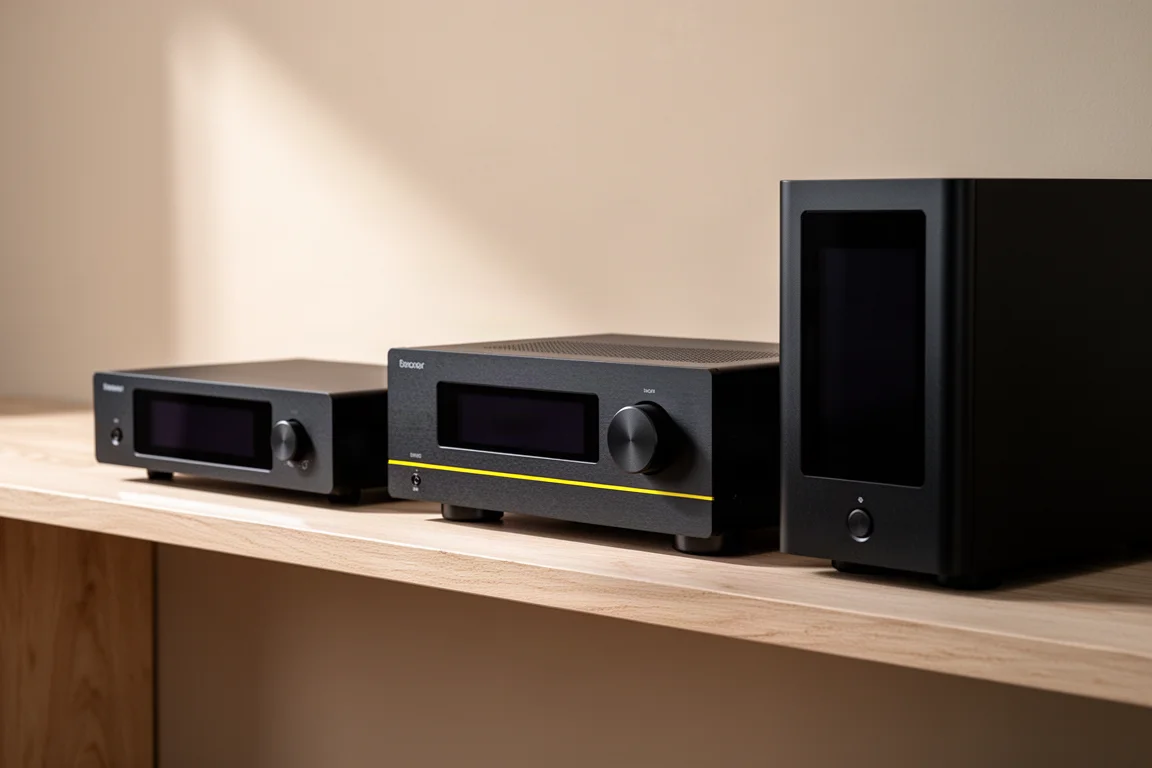
Arcam’s Radia series has grown into a small family of streaming components rather than a single product. The ST25 is a standalone music streamer, the SA35 and SA45 are streaming integrated amplifiers with Arcam’s Class G amplification built in, and the ST5 is the more compact, more affordable streamer in the same design language.
All four share the same streaming platform and the same approach to industrial design, so the real question is not whether they sound good, but which one matches the system you already own or plan to build. This guide walks through what each model offers, where they differ, and which trade-offs matter most.
How We Evaluated the Arcam Radia Streaming Lineup
Four things shape the differences between these models. The first is power supply and conversion: the ST25, SA35, and SA45 use a toroidal transformer based linear power supply and a high-performance DAC platform, while the ST5 takes a simpler approach. The second is amplification, where the SA35 and SA45 add fifth-generation Class G output stages rated at 120 and 180 watts per channel into 8 ohms respectively.
The third is connectivity, including phono inputs, HDMI ARC, balanced connections, and dual subwoofer outputs. The fourth is room correction: Dirac Live is included on both integrated amplifiers and handles crossover and bass management between speakers and subwoofers.
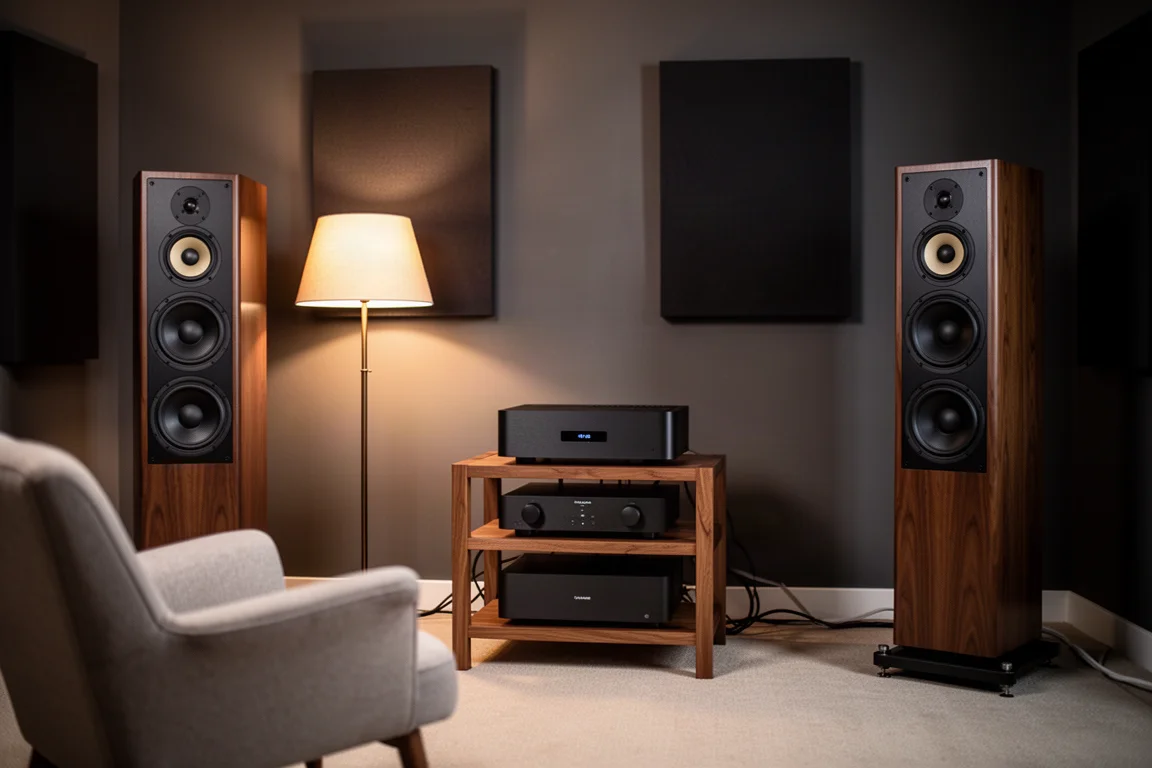
Those four areas also map onto how people actually buy this gear: a streamer to feed an existing amplifier, an all-in-one amplifier to simplify a system, or a step up in power for larger rooms and less sensitive speakers.
Arcam ST25 as a Standalone Streamer
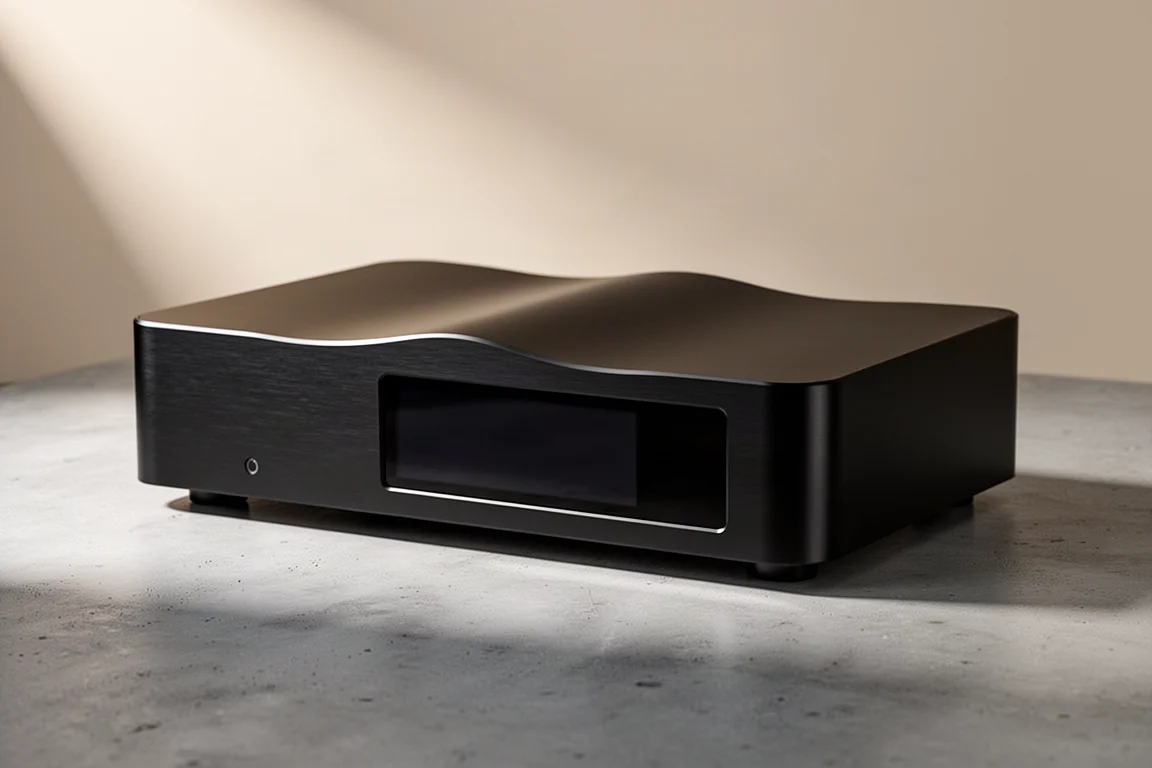
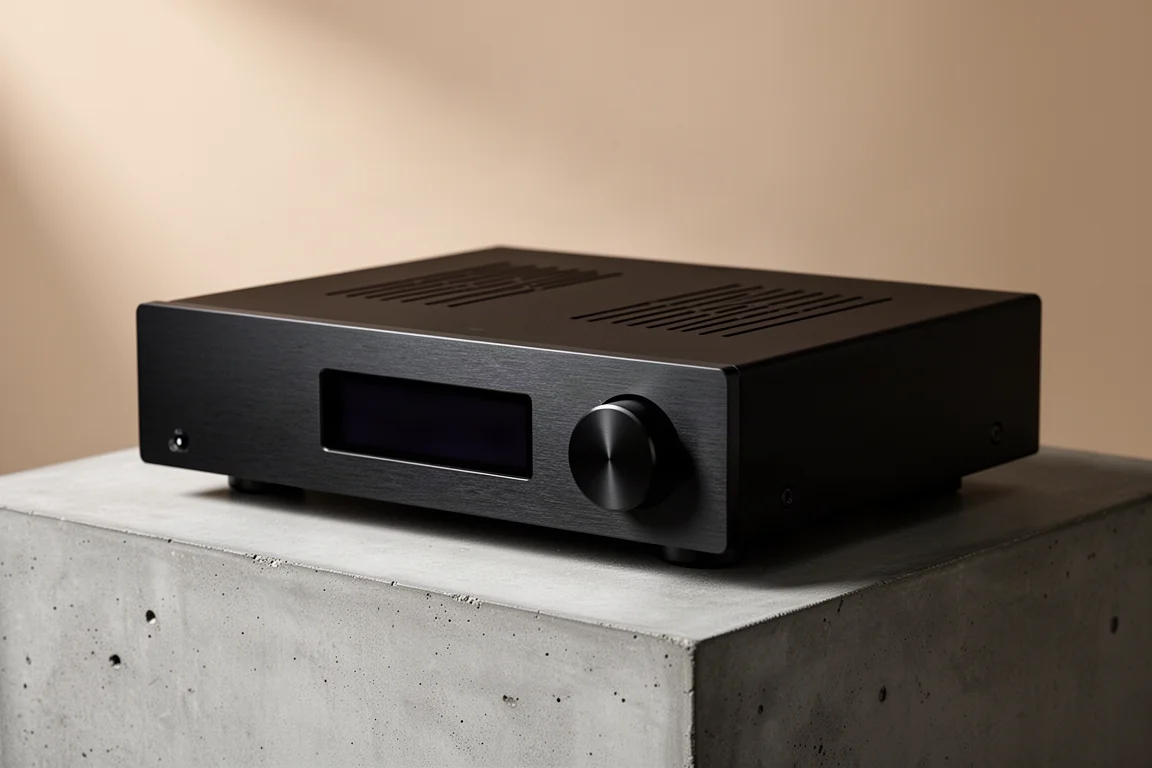
The ST25 is designed to pair seamlessly with the Radia A25 integrated amplifier, but analog and digital outputs mean it can feed virtually any amplifier. The chassis measures 17 inches wide, 13.5 inches deep, and about 4 inches tall, and weighs 11 pounds, with a wavy top panel, a front face that carries no buttons, and a 6.5-inch high-resolution display that makes album art and track information readable from across a room.
Inside, a newly designed toroidal transformer based linear power supply delivers clean, stable power, and the transformer sits well away from sensitive audio paths in a spacious enclosure built to minimise interference. The front, top, and rear panels use anodized aluminium, which adds a durable, premium finish and helps reduce vibration and resonance.
At the centre is an ESS ES9027 Pro DAC in an eight-channel summing balanced configuration, where all eight channels run in parallel and are summed. Because the audio signal sums coherently while random noise does not, dynamic range increases and the noise floor stays very low, and the fully balanced operation further reduces the impact of any remaining noise. Supported resolutions reach 32-bit/384 kHz. Around the back you get an IEC power input, a master power switch, optical and coaxial digital outputs, analog RCA outputs, a USB port for local storage, Ethernet, dual-band Wi-Fi, and a 12-volt trigger output with a dedicated control jack, so powering on the streamer can power on a paired Radia amplifier.
Arcam SA35 Streaming Integrated Amplifier
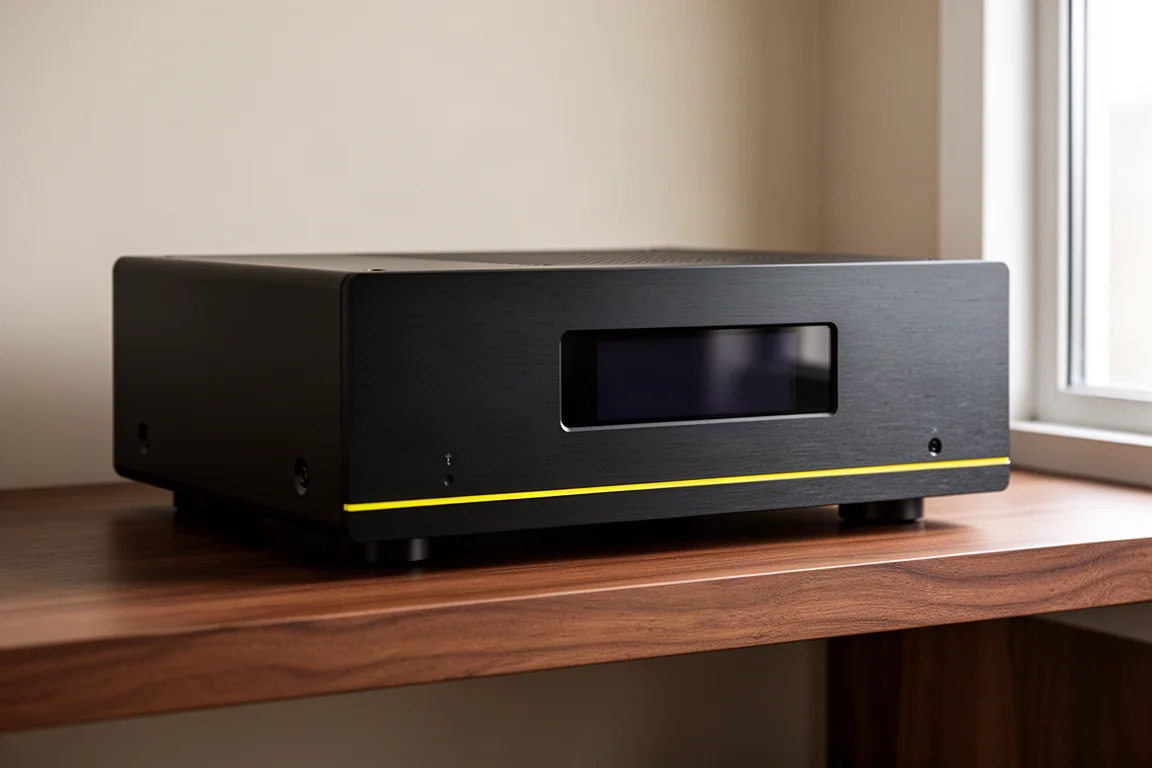
The SA35 combines the streaming platform of the ST25 with Arcam’s signature Class G amplification in a single chassis, finished in matte black with yellow accents and the same 6.5-inch display. It measures 17 inches wide, 13.5 inches deep, and about 4 inches tall, and weighs 26 pounds.
Class G here is a fifth-generation design built around a toroidal transformer with dual voltage rails. At lower listening levels the amplifier runs on the lower rail in pure Class A, and when more power is demanded, a lifter circuit raises the voltage across the output stage above the lower supply rail, tracking the audio signal in real time and adding roughly 5 volts of headroom. The point of that approach is to avoid the abrupt rail switching that can introduce unwanted noise or artifacts in typical Class G and Class H designs. Output is rated at 120 watts per channel into 8 ohms, and the amplifier is 4-ohm stable, so it can drive anything from bookshelf speakers to more demanding floorstanders.
The rear panel carries three analog RCA inputs plus dedicated moving magnet and moving coil phono inputs, which opens the door to multiple turntables or dual tonearms, though one of those inputs is limited to moving magnet. Full-range preamp outputs let you use the SA35 as a streaming preamp later, and there are dual subwoofer outputs, two optical and two coaxial digital inputs, HDMI ARC for TV integration, USB inputs, IR control options, and high-quality binding posts.
Arcam SA45 Streaming Integrated Amplifier
The SA45 follows the same formula with more of everything. It steps up to an 8.8-inch display that is easier to read from across a room, measures 17 by 15.5 by 5.5 inches, and weighs 37 pounds. Power rises to 180 watts per channel into 8 ohms, with the same 4-ohm stability.
Connectivity is where the SA45 pulls further ahead. It adds balanced analog inputs and outputs, including dual balanced subwoofer outputs, which suits long cable runs and helps reduce interference in larger or more advanced systems. The rest of the layout matches the SA35: phono inputs, digital inputs, HDMI ARC, USB, and binding posts.
Both amplifiers use the same high-performance DAC platform found in the ST25, but the implementation differs. Rather than summing all channels together, the DACs in the SA35 and SA45 are arranged in a balanced architecture with dedicated channels allocated to the left and right outputs as well as the two subwoofer outputs.
Arcam ST5 in the Radia Series
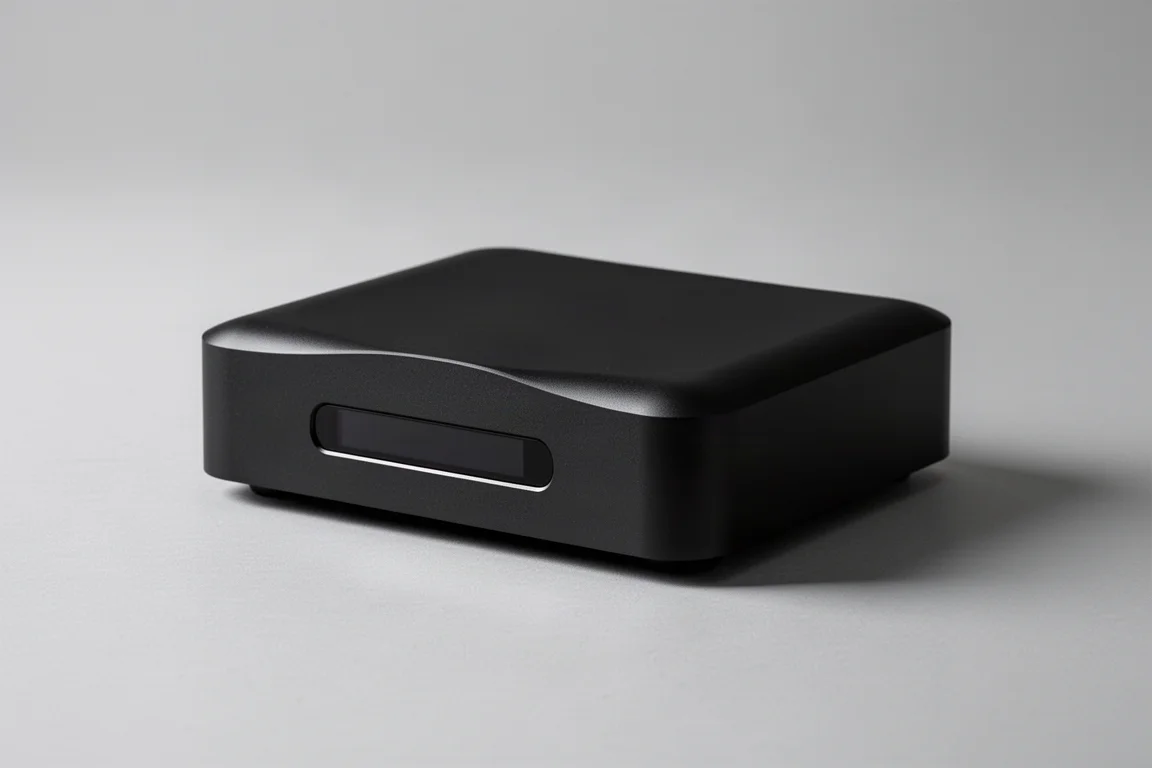
The ST5 is the simpler streamer in the Radia family, and it makes sense for anyone who wants the core streaming experience in a more compact chassis. It uses an ESS ES918 DAC with a resolution ceiling of 24-bit/192 kHz and a simpler one-line display.
The ST25 is the step up: better power regulation from its linear supply, a more advanced DAC, support for higher resolutions, and the large 6.5-inch screen. The ST5 leans toward simplicity and value, while the ST25 targets listeners who care about sound quality and the on-screen interface.
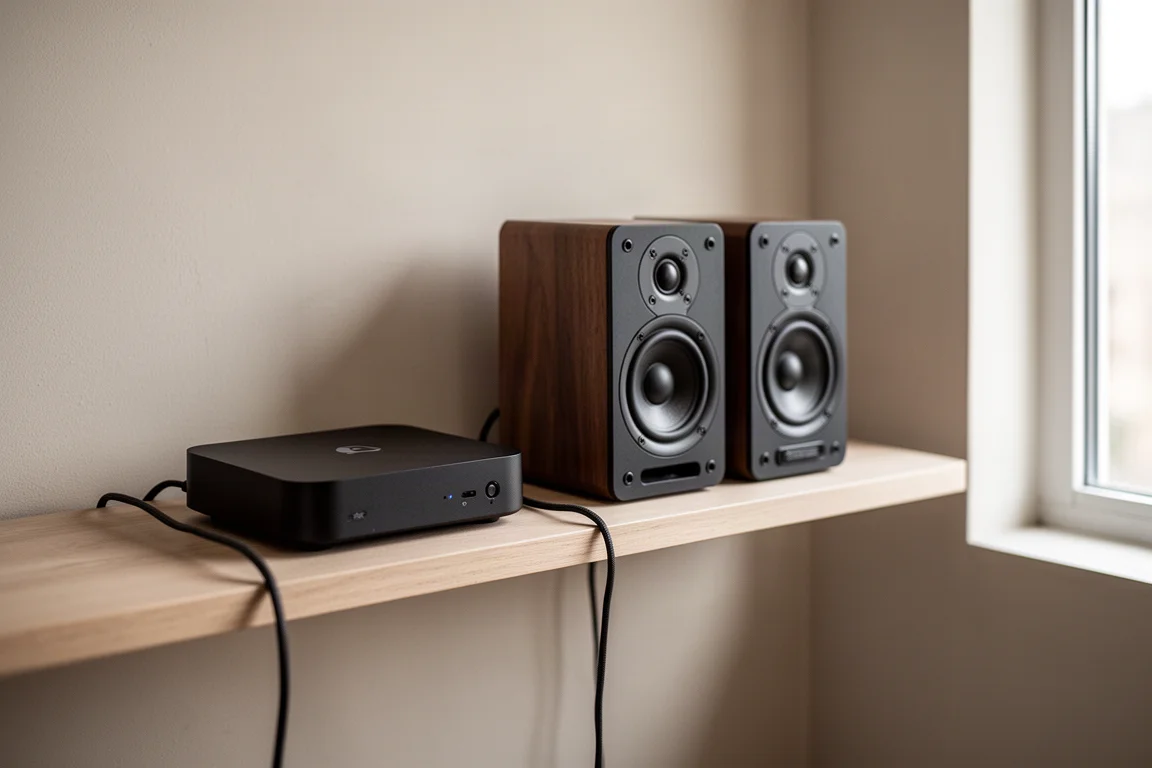
For a secondary system, a desk setup, or a first step into streaming separates, that simpler package is a reasonable place to start. The trade-off is a smaller display and a lower resolution ceiling, which matters most if you keep high-resolution files or plan to build your system around the streamer for years.
Streaming, App Control, and Room Correction
All four models work with Spotify Connect, Tidal Connect, and Apple AirPlay 2, and Roon Ready certification is expected. The Arcam Radia app is not strictly required beyond the initial Wi-Fi setup, but it adds a lot: Qobuz, Spotify, and Amazon Music streaming, UPnP streaming, USB drive playback, podcasts, and internet radio in one place. A supplied remote covers volume, menu navigation, and input selection for listeners who prefer physical controls, and it matches the styling of the rest of the series.
Dirac Live Room Correction is included on the SA35 and SA45, and it is one of the strongest arguments for either amplifier. It analyses the acoustics of your room and makes real-time adjustments to timing, frequency response, and phase alignment, while also handling crossover and bass management between speakers and subwoofers. Both amplifiers also include dual subwoofer outputs, which makes a two-subwoofer setup easier to balance across the whole listening area.
One detail worth noting for buyers: the subwoofer outputs are currently optimised together in common with the main speakers, and independent subwoofer measurement and optimisation is expected to arrive in a future firmware update. That will be most useful in rooms with asymmetrical subwoofer placement. Also worth knowing is that none of the displays are touchscreens. They are high resolution and look excellent, but if walking up and tapping the screen matters to you, that is a limitation to accept.

Taken together, the app, the remote, and Dirac Live cover the practical side of living with these components: easy access to streaming services, physical controls when you want them, and calibration tools that make a real difference in imperfect rooms.
Buying Advice for the Arcam Radia Lineup
Start with the system you already have. If you own a capable amplifier and simply want to add streaming, the ST25 is the natural choice, and the 12-volt trigger lets it behave like one unit with a Radia amplifier. If you would rather have fewer boxes, the SA35 or SA45 replaces both the streamer and the amplifier.
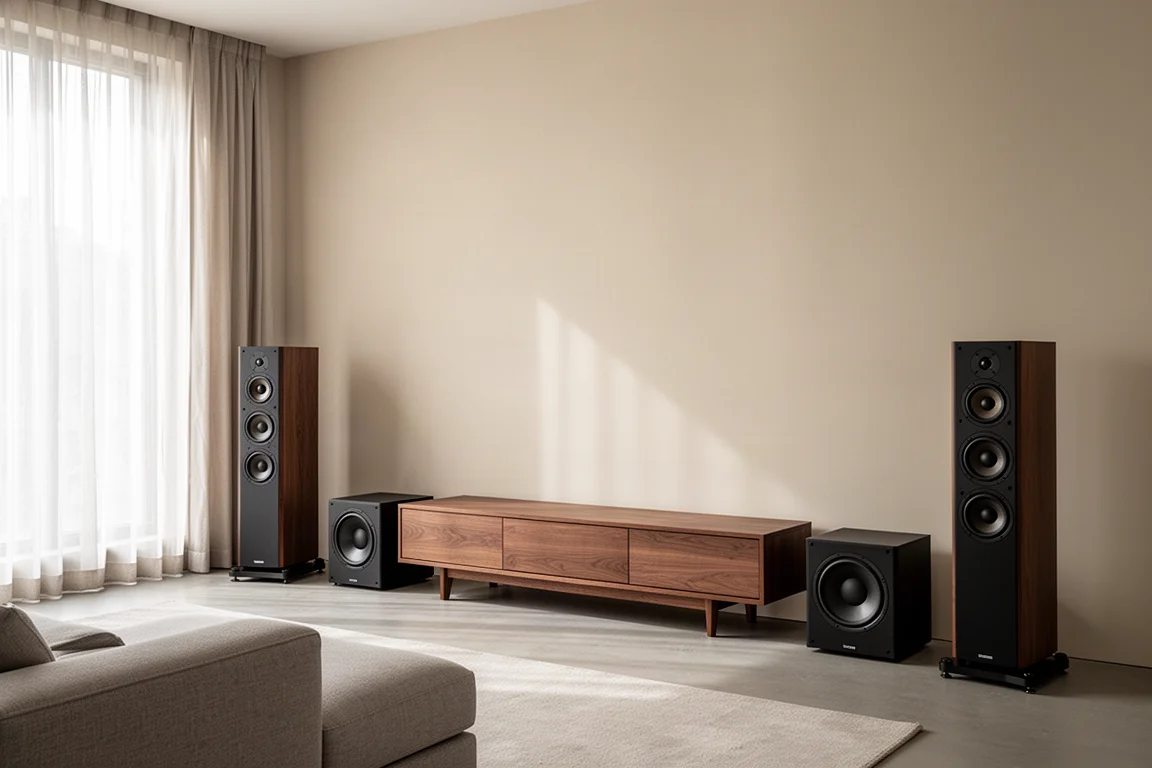
Between the two amplifiers, the decision comes down to room size, speaker sensitivity, and headroom for dynamic peaks. The SA45 is the clear choice for larger rooms, less sensitive speakers, and systems that will grow, and it adds balanced connections that help over long cable runs. The SA35 is no slouch: it drives most tower speakers well and delivers clean, authoritative power with everything most systems will ever need. If the SA45 is a stretch, the SA35 remains a strong option rather than a compromise.
The ST5 covers the value end of the range. It gives up the linear power supply, the more advanced DAC, and the large display, and in return it is simpler, more compact, and easier to place in a smaller system. All four models are designed to sit in the same ecosystem, so the choice is mostly about how much amplification, connectivity, and display you want in one chassis.
Conclusion
The Radia streaming models stand out because they pair serious performance with thoughtful design. The ST25 is a well-equipped standalone streamer with a linear power supply, a large display, and flexible outputs. The SA35 and SA45 bring that streaming platform together with fifth-generation Class G amplification, Dirac Live room correction, and dual subwoofer outputs. The ST5 keeps things simple for smaller systems and tighter budgets. Match the model to your speakers, your room, and the way you listen, and any of the four will serve as a solid foundation for a two-channel system.
Further reading
Related Reviews
Hi-Fi Audio
Accuphase C-57 vs Allnic H-7000V: Two High-End Phono Stages Compared
A fully balanced solid-state phono stage with a pitch-black noise floor meets a tube design built for well-loved records. Here is how to choose between them.
Hi-Fi Audio
Active vs Passive Hi-Fi: Five Components for a Modern System
Five components that define modern active and passive hi-fi systems, with the strengths, trade-offs and setup details worth weighing before you buy.
Hi-Fi Audio
Advance Paris A10 Apex Review: A Hybrid Integrated Amplifier That Covers a Lot of Ground
A French hybrid integrated amplifier with a class A tube preamp stage, analogue power meters, and an internal DAC and phono stage good enough to make extra boxes unnecessary.