Hi-Fi Audio
Affordable Hi-Fi Gear Worth Buying: Standout Components That Punch Above Their Price
A roundup of affordable speakers, amplifiers, DACs, and sources that deliver performance well beyond their price point.
Introduction
The best affordable hi-fi gear does not just save money. It often delivers performance that feels far above its price. After years of listening to a wide range of components, a handful of affordable products stand out for their ability to keep up with, and sometimes surpass, gear that costs two, three, or even several times more. This roundup covers the speakers, amplifiers, DACs, and sources that are worth coming back to.
What to Look For in Affordable Hi-Fi Gear
When shopping below the premium tier, focus on the fundamentals that matter most. A well-designed speaker with a clean mid-range and controlled treble can outperform a larger, more expensive model in a small room. Amplifiers built around modern class D chipsets offer high efficiency and low distortion at modest prices. DACs with flexible inputs and swappable op amps provide an upgrade path. Subwoofers with solid cabinet construction and simple manual controls can anchor a system without a premium price tag.
Also consider the connections you actually need. HDMI ARC, optical, coaxial, and USB inputs determine how easily a component fits into a television or desktop setup. A remote control, a headphone output, or a high-pass filter can add daily convenience. Finally, think about the upgrade path. Some products let you swap op amps or add an external power supply later, which helps the system grow with your budget.
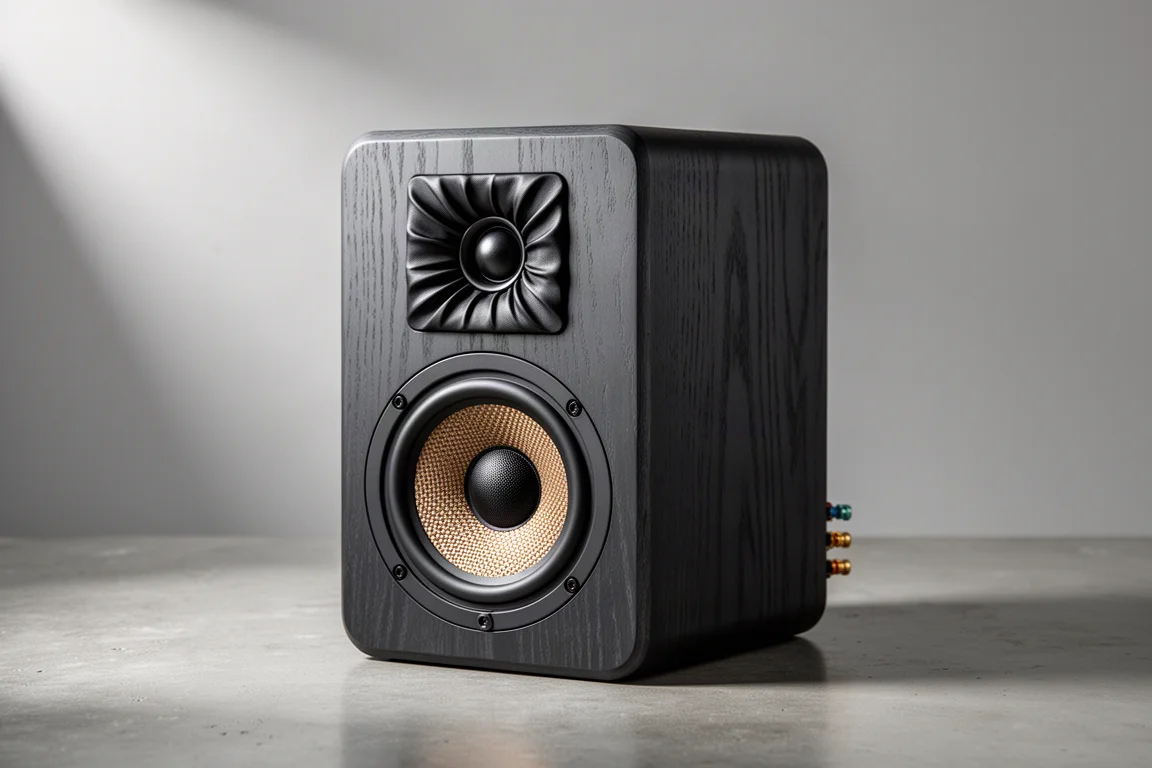
Cambridge Audio SX50
The Cambridge Audio SX50 is a compact bookshelf speaker with a 5.25-inch woofer. It has been on the market for a while, and it remains a compelling choice for small spaces. In direct comparisons against speakers costing several times more, the SX50 held its own, especially at lower listening levels around 70 to 75 dB. Its sound is dynamic for its size, with a gentle bass lift, a clean upper mid-range, and an open top end. There is a slight reduction in the mid-range, which makes it forgiving with recordings that are not perfectly mastered.
At around $200, the SX50 is an easy recommendation for desktop systems or a living room where volume levels stay moderate. It shares a tonal family with several well-known brands, so listeners who enjoy a clean, slightly laid-back presentation will feel at home. It does not need a lot of power to sound good, but a high-pass filter and a subwoofer can help it play louder in a larger room.
Emotiva XB1
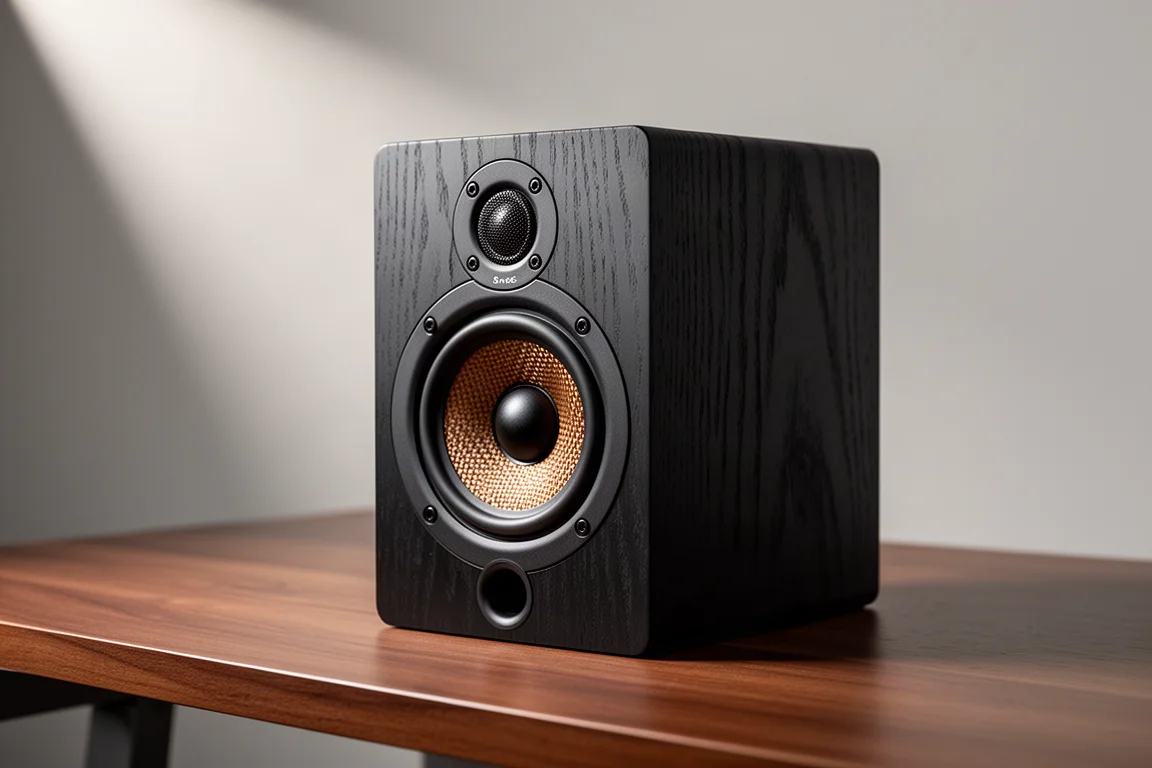
The Emotiva XB1 is the smaller of the company’s latest bookshelf speakers, built around a roughly 5-inch woofer. It uses a ribbon tweeter, which gives it a clean and clear top end. The XB1 is remarkably small, making it a natural fit for a desktop or a compact shelf. Compared with the previous generation, this model sounds a little warmer and more organic, with more body through the mid-range. It is not an analytical speaker, and that makes it easy to listen to for long sessions.
The XB1 will not fill a large room on its own, but with a high-pass filter and a subwoofer it can surprise you with how much output it delivers. It carries the same house sound as the larger Emotiva models, which is a notable achievement at this size.
Emotiva XB2
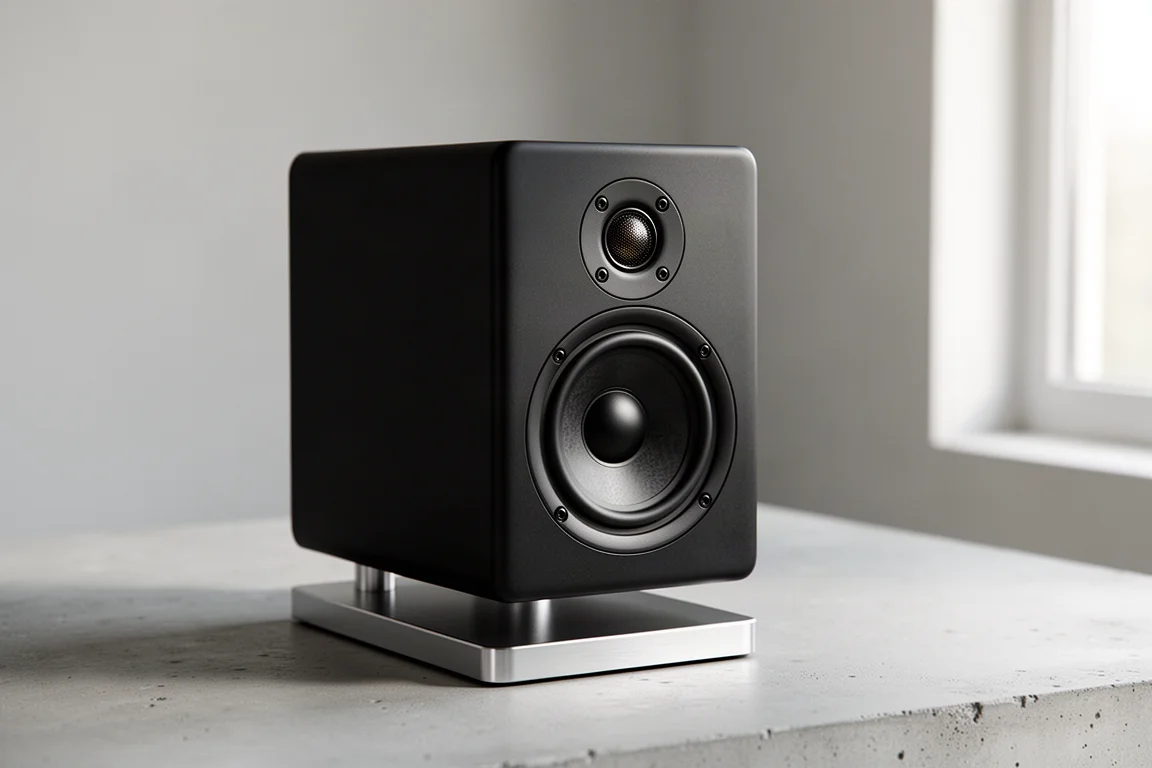
The Emotiva XB2 steps up to a 6-inch woofer and is the larger of the two new bookshelf models. It shares the ribbon tweeter and the warm, organic character of the XB1, but it can play bigger in a larger room. The XB2 is priced around $550, though Emotiva frequently runs sales that bring it below $500. That makes it a strong value for listeners who want a full-range bookshelf speaker without moving up to floor-standing models.
The XB2 is linear across the frequency range, with perhaps a slight dip between 800 Hz and 2,000 Hz. That subtle tuning keeps it from sounding forward or harsh. It handles a wide range of music well, and it pairs nicely with a subwoofer and a high-pass filter for higher output in a living room.
SMSL PL100
The SMSL PL100 is a compact CD player that has become a favorite for affordable disc playback. It includes a Cirrus Logic DAC that also serves as a headphone amplifier, and it sounds slightly analytical. At around $100, it is an easy entry point for anyone who wants to keep listening to CDs without spending a lot. It is a single front-loading player, and it offers a headphone output on the back for private listening.
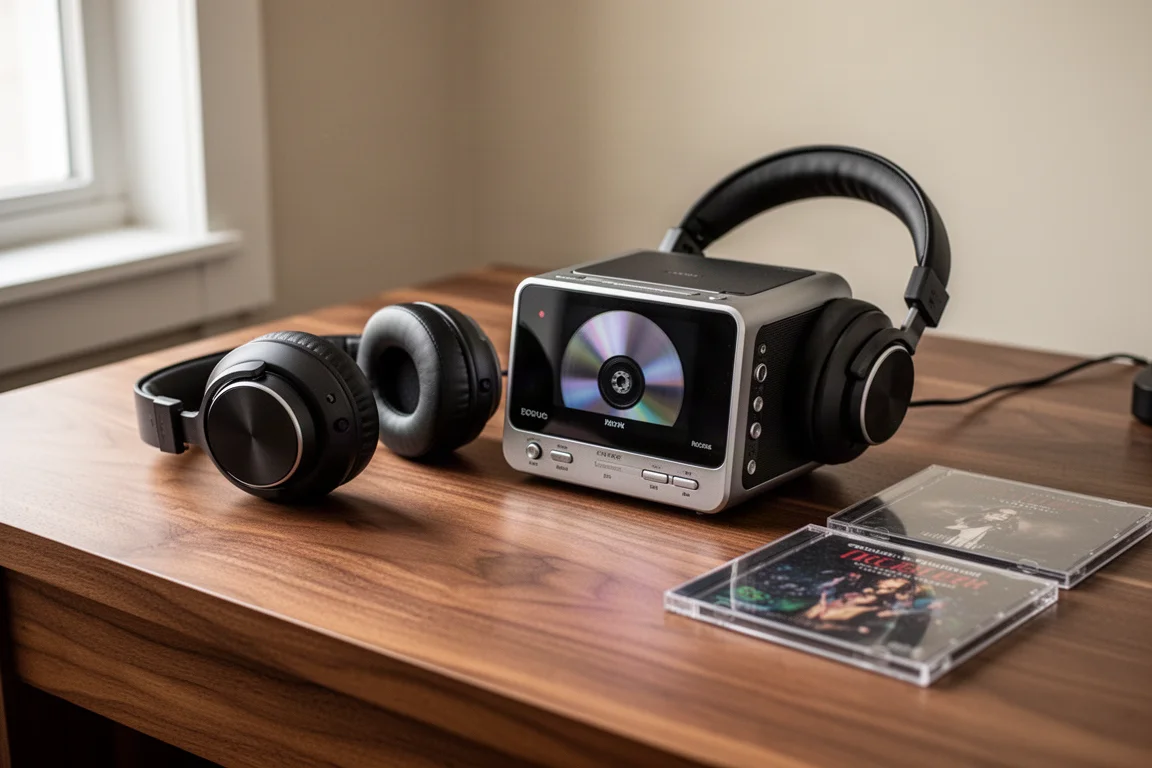
One important detail: the PL100 requires a 5V power supply that can deliver 2.2 amps. That is not the typical phone charger you might have in a drawer. If you do not use the correct power supply, the unit may light up but will not function properly. On the plus side, it includes optical and coaxial digital outputs, so you can use it as a CD transport with a higher-end DAC.
Fosi Audio ZA3
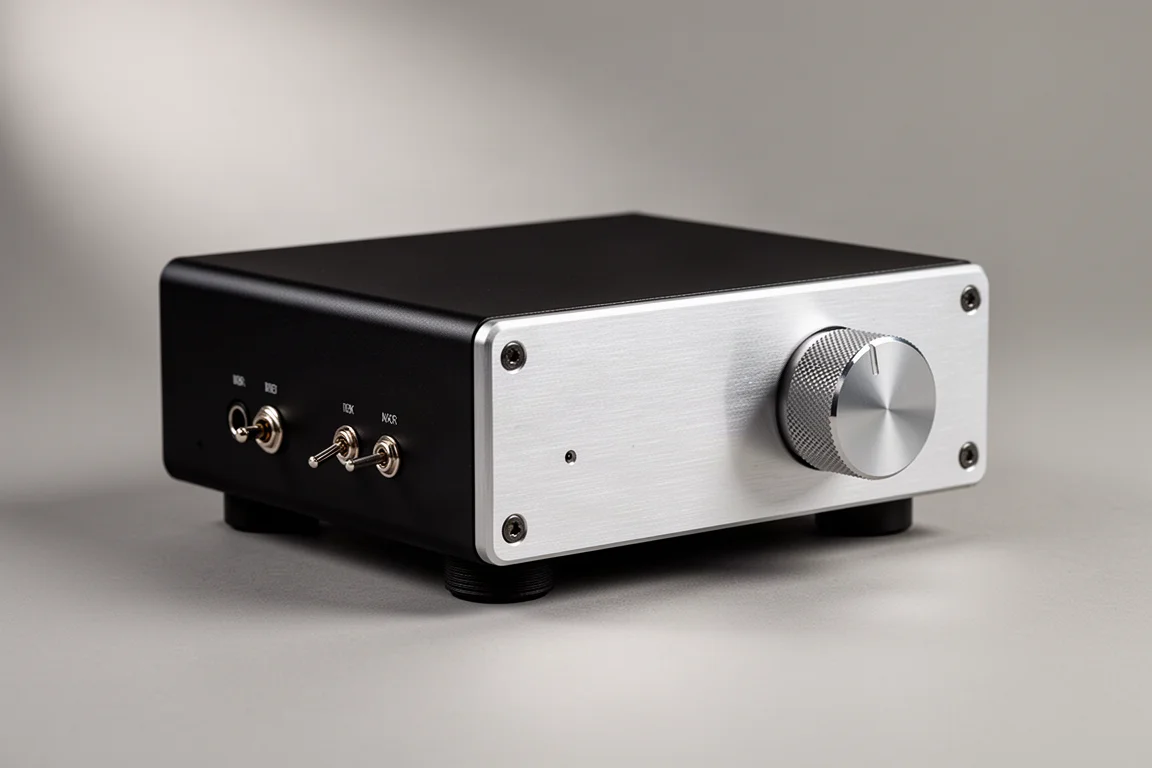
The Fosi Audio ZA3 is a compact class D amplifier built around the Texas Instruments 3255 chipset. It can accept a 48V power supply, though a 48V 5A unit is a safer choice given the small chassis. One of its standout features is a high-pass filter, which is uncommon at this price. It also uses PFFB feedback loop technology and has removable op amps, so you can change the sound by swapping them.
At less than $100, and sometimes on sale for around $85, the ZA3 is an easy recommendation. There is no source or remote control built in, so you will need a separate DAC or streamer and you will adjust volume with a physical knob. The ZA3 can also run in mono mode, so buying two gives you better channel separation.
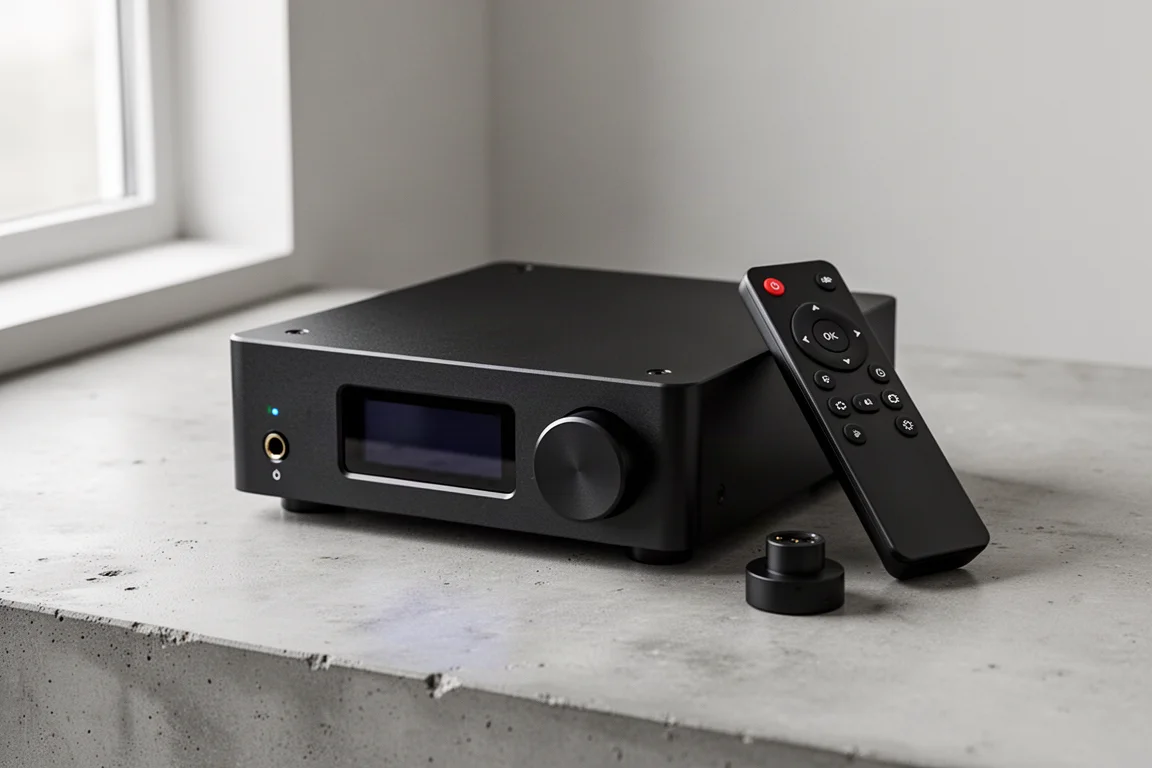
Fosi Audio ZD3
The Fosi Audio ZD3 is a matching DAC for the ZA3, and it adds an HDMI connection that is rare at this price. It sounds very good, includes a remote control, and typically sells for around $150 or less. You can connect it to a television, or hook up an affordable CD player through optical or coaxial inputs.
Together, the ZA3 and ZD3 make a compact and flexible system for around $300 or less when on sale. The HDMI input on the ZD3 is particularly useful for TV setups, and it is difficult to find another DAC with HDMI at this price point.
RSL Speedwoofer 10E
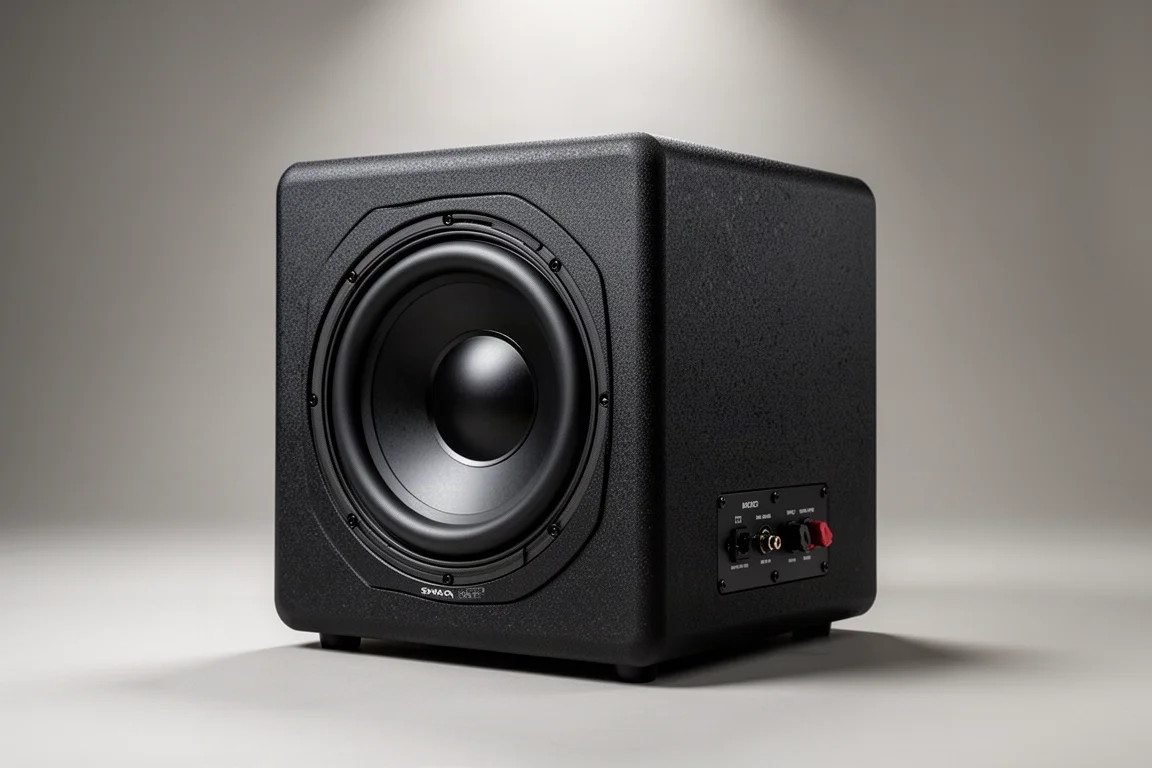
The RSL Speedwoofer 10E is a subwoofer that has earned a strong reputation for affordable bass. At around $300, it is built incredibly well and delivers performance that is hard to beat at its price. It takes an old-school approach: there is no app, and you dial in crossover and level manually on the back panel. For people who prefer a set-it-and-forget-it solution, that simplicity is a benefit.
If you want more features, such as app control, you will need to move up to a model like an SVS subwoofer, which typically costs around $600. But if raw bass performance and solid construction matter most, the Speedwoofer 10E remains a top choice.
Fluance RT85
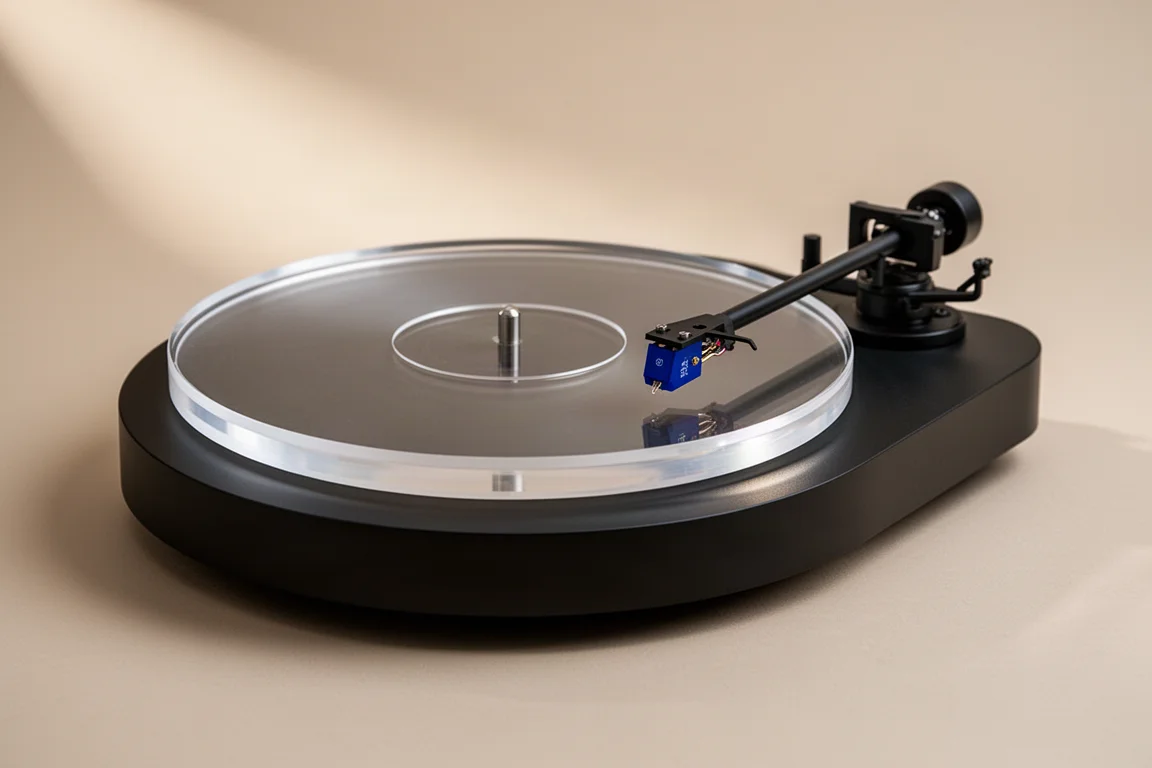
The Fluance RT85 is a turntable that comes in at $500 and includes a choice of either an Ortofon 2M Blue or a Nagaoka MP10 cartridge. Both cartridges sound good, but the 2M Blue is a personal favorite. The RT85 is part of a larger line of Fluance turntables, and if you are shopping below $500, it is worth sticking with the RT82 and up. Those models use a better motor than the RT80 and RT81.
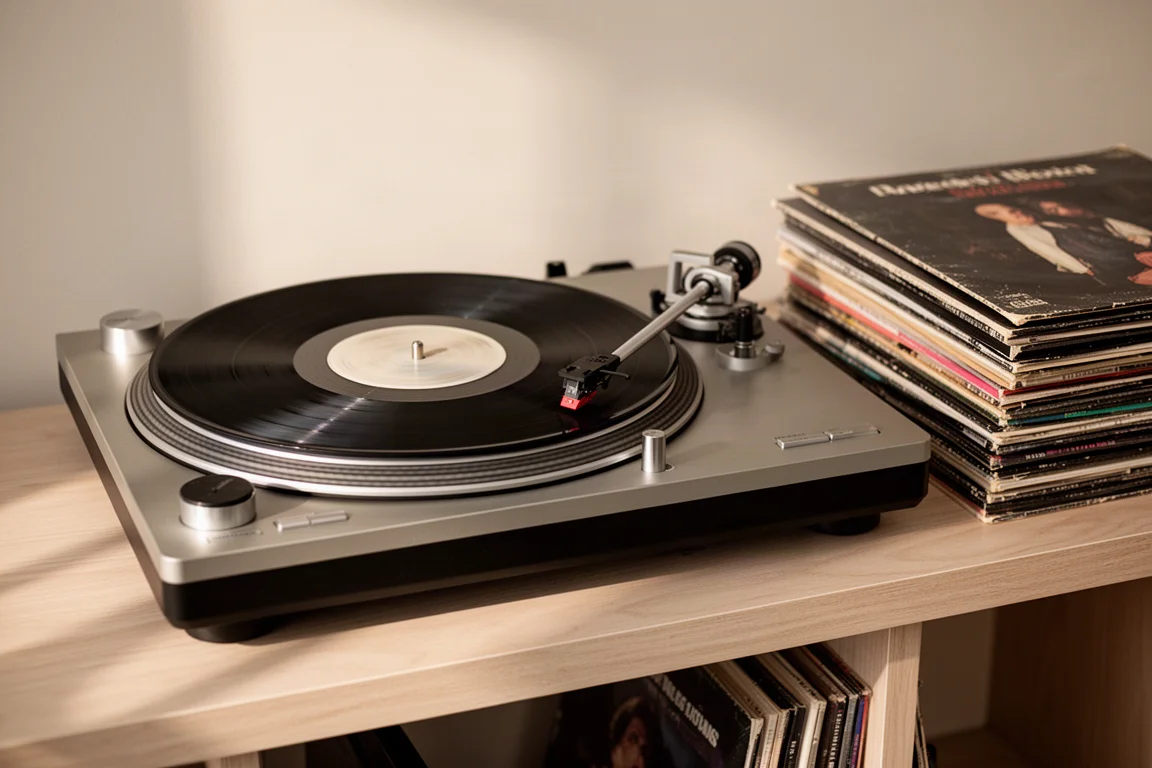
The RT85 also has a removable headshell, which makes swapping cartridges much easier if you like to experiment. Many turntables priced at $750 or more still do not include a cartridge as capable as the Ortofon 2M Blue, which on its own costs around $150 to $200. That makes the RT85 a standout value.
WiiM Ultra
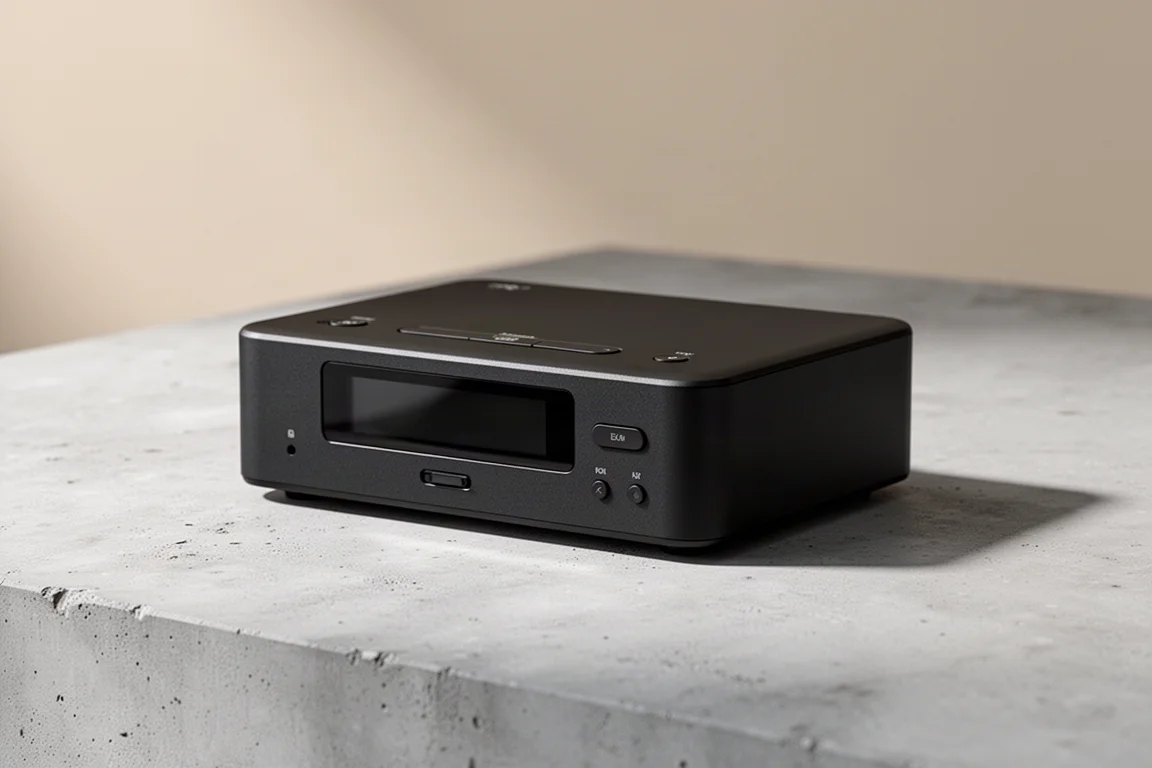
The WiiM Ultra is a streaming digital hub that sells for around $330, and sometimes as low as $300. It includes HDMI, a built-in streamer that supports services like Spotify, Qobuz, and Amazon Music, and a screen that displays album art. It is used daily in a living room system, running a television and the whole audio setup.
The Ultra is already impressive out of the box, but it has a useful upgrade path. If you use the digital outputs and bypass the internal DAC, you can connect an external DAC and a small reclocker for around $60. That combination takes performance to another level. Competing streamers, such as the EverSolo, end up costing over $1,000 once you add a separate DAC.
Geshelli Labs J2
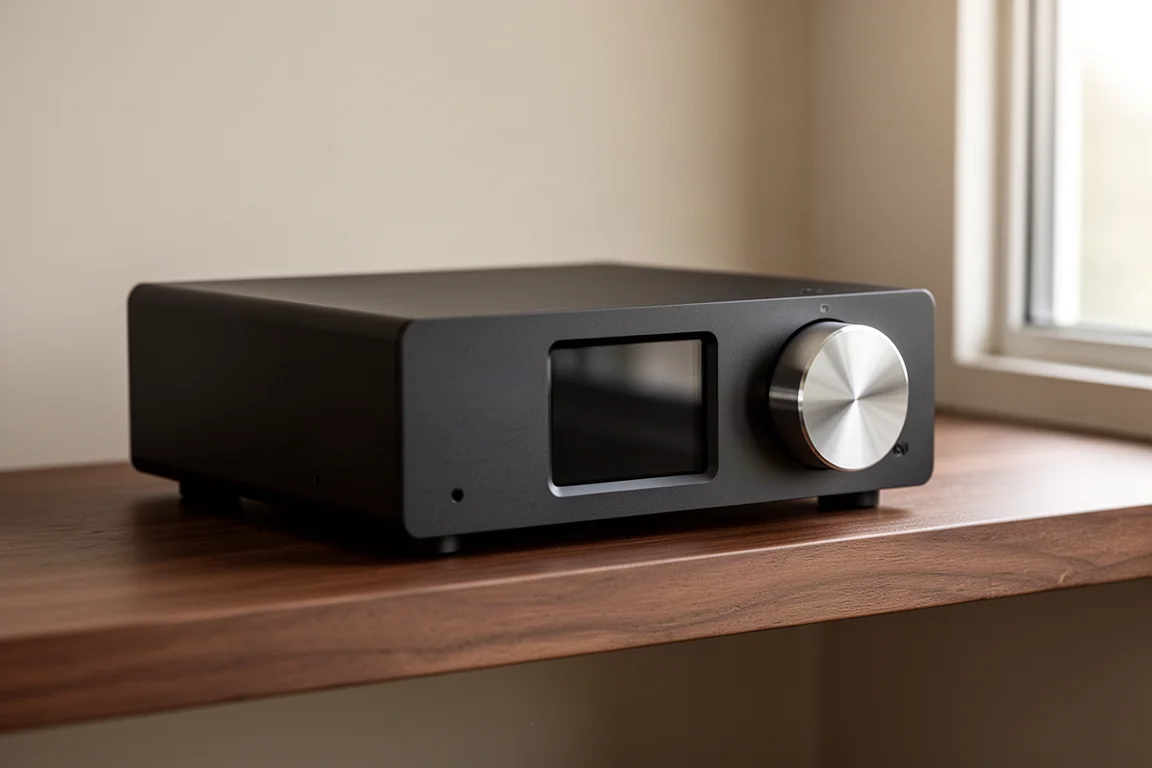
The Geshelli Labs J2 is a desktop DAC that offers a choice of Sabre chips or an AKM 4493 chip. The AKM 4493 is the preferred option for this model. If you ever want to swap op amps, be sure to choose the J2S version. The standard J2 does not allow op amp swapping, and the J2S option adds only about $10 to the price.
The J2 is a flexible starting point for listeners who want to experiment with different op amps later. It delivers clean sound and a solid feature set for the price.
Geshelli Labs J3
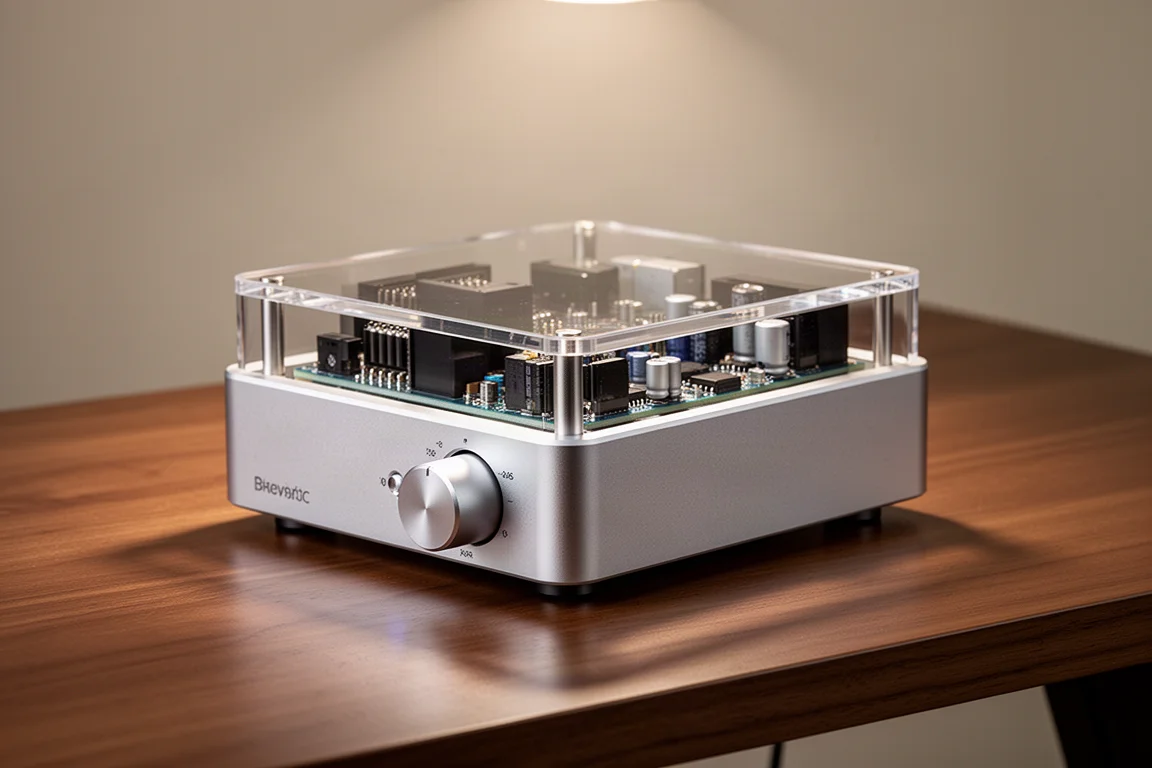
The Geshelli Labs J3 is the more expensive model in the lineup, and it uses an AKM 4499 DAC chip along with an AKM 4491. The 4499 operates in a way that resembles a multi-bit or R2R design on a chip, and the result is spectacular. It also has swappable op amps, so you can install something like Sparkos op amps. With those upgrades, the imaging, instrument separation, dynamics, and cleanliness reach a very high level.
When paired with a linear power supply, the J3 can hang with DACs costing around $1,500, such as the Denafrips Ares. The real strength of the J3 is its upgrade path. You can buy it affordably, then improve it later with different op amps and a better power supply. It grows with you as your budget allows.
Buying Advice
These products share a common trait: they deliver performance that feels well beyond their price. When building a system, start with the component that matters most for your listening habits. If you mostly listen at a desk, a compact speaker like the Cambridge Audio SX50 or the Emotiva XB1 can be ideal. For a living room, the Emotiva XB2 or the RSL Speedwoofer 10E will fill the space more convincingly. If you are exploring digital sources, the WiiM Ultra and the Geshelli Labs DACs offer flexible paths for streaming and desktop audio. The Fosi Audio ZA3 and ZD3 pair well for a compact amplifier and DAC setup, while the SMSL PL100 and Fluance RT85 cover CD and vinyl playback.
A linear power supply is one upgrade worth considering. A dual linear power supply with 12V and 5V outputs can improve a streamer and a DAC at the same time. They are available from various sources, including AliExpress, though quality varies, so some research is worthwhile. At around $250, a good one can make a noticeable difference.
Conclusion
The affordable hi-fi market is full of options, but these components stand out because they consistently punch above their price. They are not just budget alternatives; they are products that can satisfy long-term listening. Whether you are setting up a desktop system, a living room stereo, or a vinyl and CD setup, there is a strong option here to fit your needs.
Further reading
Related Reviews
Hi-Fi Audio
Accuphase C-57 vs Allnic H-7000V: Two High-End Phono Stages Compared
A fully balanced solid-state phono stage with a pitch-black noise floor meets a tube design built for well-loved records. Here is how to choose between them.
Hi-Fi Audio
Active vs Passive Hi-Fi: Five Components for a Modern System
Five components that define modern active and passive hi-fi systems, with the strengths, trade-offs and setup details worth weighing before you buy.
Hi-Fi Audio
Advance Paris A10 Apex Review: A Hybrid Integrated Amplifier That Covers a Lot of Ground
A French hybrid integrated amplifier with a class A tube preamp stage, analogue power meters, and an internal DAC and phono stage good enough to make extra boxes unnecessary.