Hi-Fi Audio
WiiM Amp and Sony SSCS5: A Complete Budget Hi-Fi System for Around $500
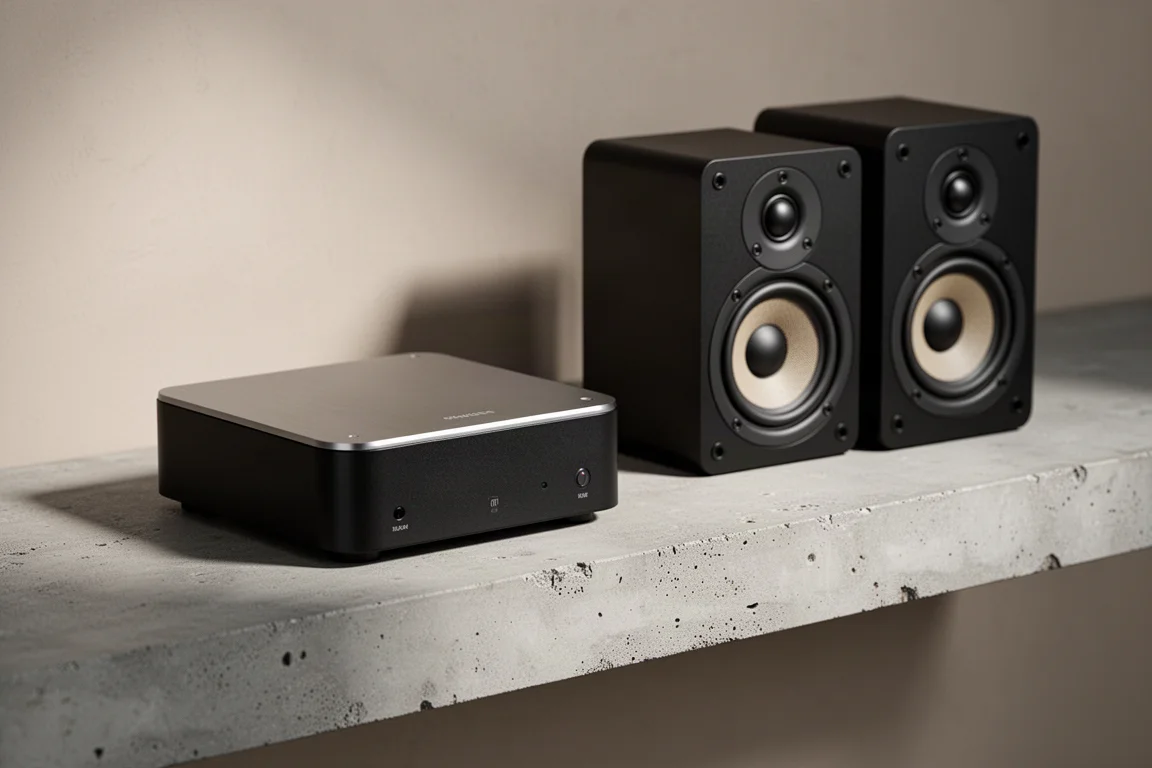
A $300 streaming amplifier paired with a frequently discounted bookshelf speaker adds up to a full two-channel system for roughly $500.
Introduction
Most people assume that a first hi-fi system has to be expensive. It does not. Two carefully chosen components can cover streaming, television audio, and everyday listening for a fraction of what a single premium component costs.
This guide looks at the two pieces that make that possible: a compact streaming amplifier that handles sources, volume, tone control, and bass management, and a bookshelf speaker that has become one of the most frequently recommended affordable options in hi-fi. Together they form a complete two-channel system, and the total lands close to what many people expect to pay for one component alone.
Neither product is being presented as the best in the world. The point is to explain what each one actually does, where the value sits, and what a realistic total looks like once speaker cables and tax are added.
Why the WiiM Amp Is the Foundation of This System
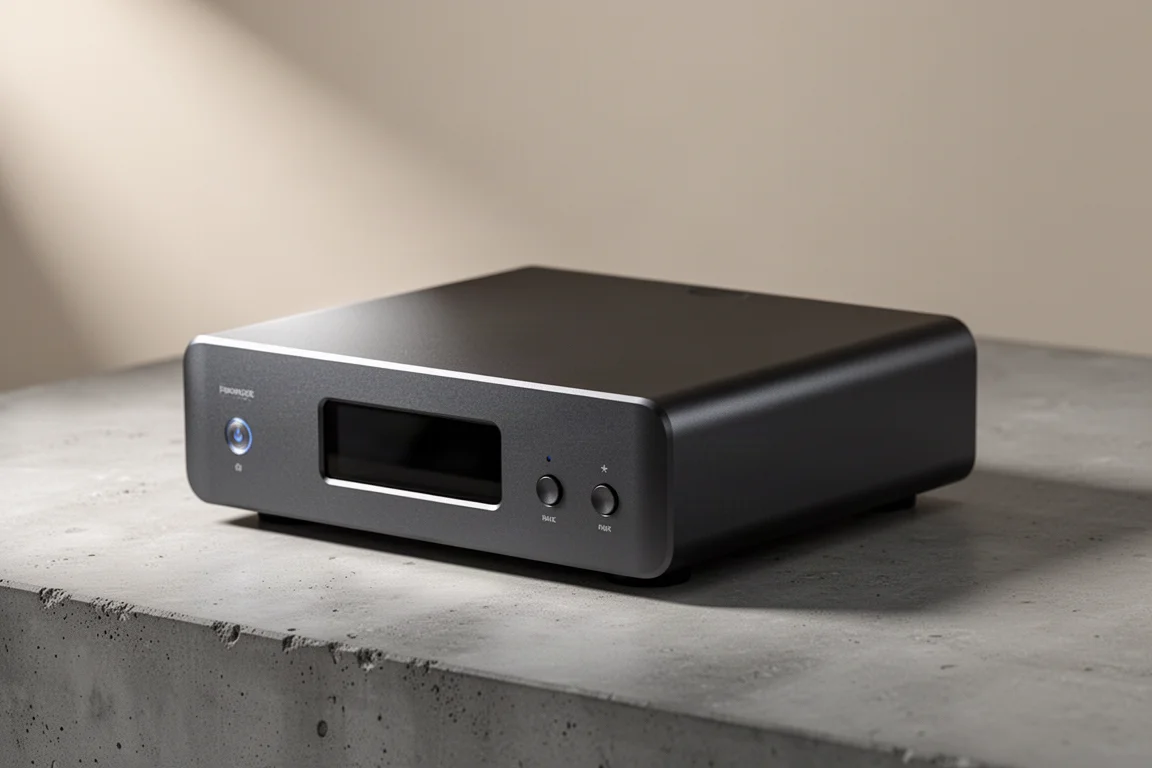
The WiiM Amp is a streaming amplifier priced around $300, and its feature list is what makes it the anchor of a budget system. It combines a music streamer, a DAC, a preamplifier, bass management, and a 10-band equalizer in a single chassis. It also includes HDMI, which means the same system handles television and movie audio without a separate device.
Streaming support is broad: AirPlay, Chromecast, Spotify Connect, Tidal Connect, Amazon Music, Qobuz, Deezer, and internet radio. In practice that covers almost any source a new listener is likely to use, and it removes the cost of adding a dedicated streamer later.
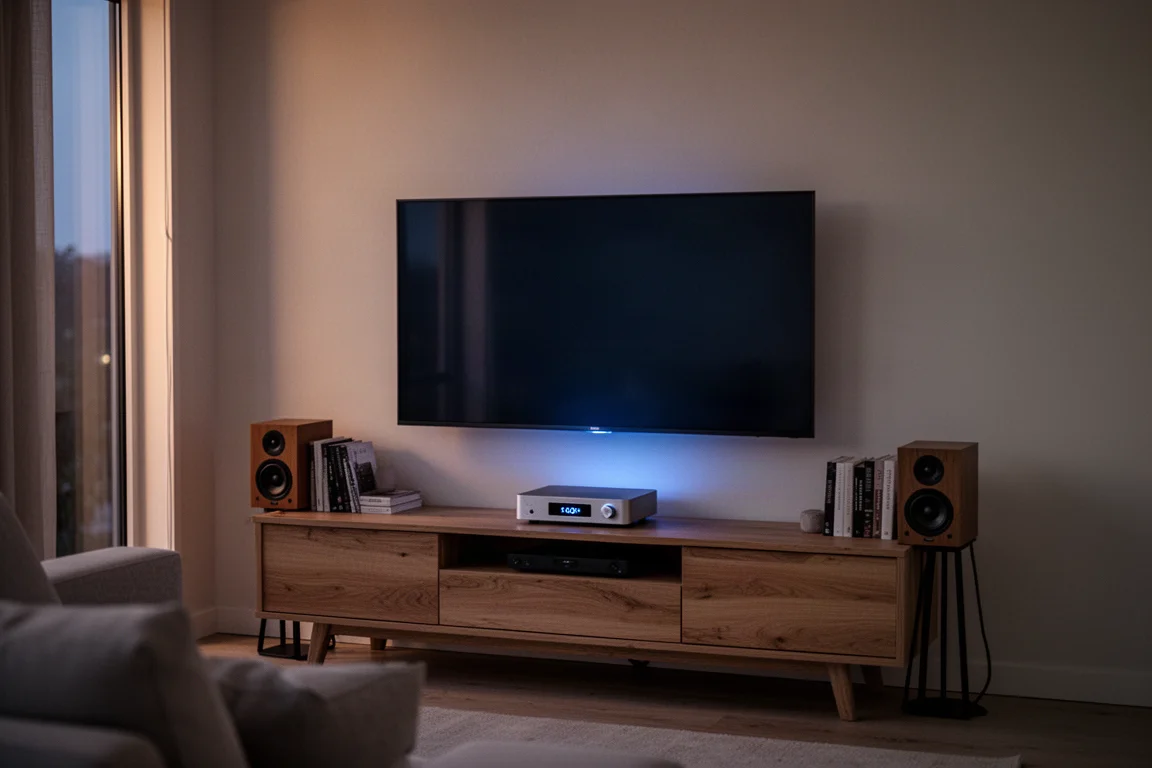
On the amplification side, the WiiM Amp is rated at 60 watts into 8 ohms and 120 watts into 4 ohms, built around a Texas Instruments TPA3255 amplifier chip. It uses an internal power supply, so there is no external power brick to hide behind a cabinet, and it has a natural, unforced tonal character.
It is worth being realistic about the limits. This amplifier does not have unlimited current on tap and it will not drive every speaker on the market. At $300, expectations should stay reasonable. Paired with an efficient bookshelf speaker, however, it has more than enough headroom for a small to medium room.
The equalizer is the quiet advantage. A 10-band EQ lets you correct the parts of a speaker’s response you do not like, which is a meaningful benefit when the speakers themselves cost less than the amplifier.
Sony SSCS5: The Affordable Speaker That Keeps Coming Back
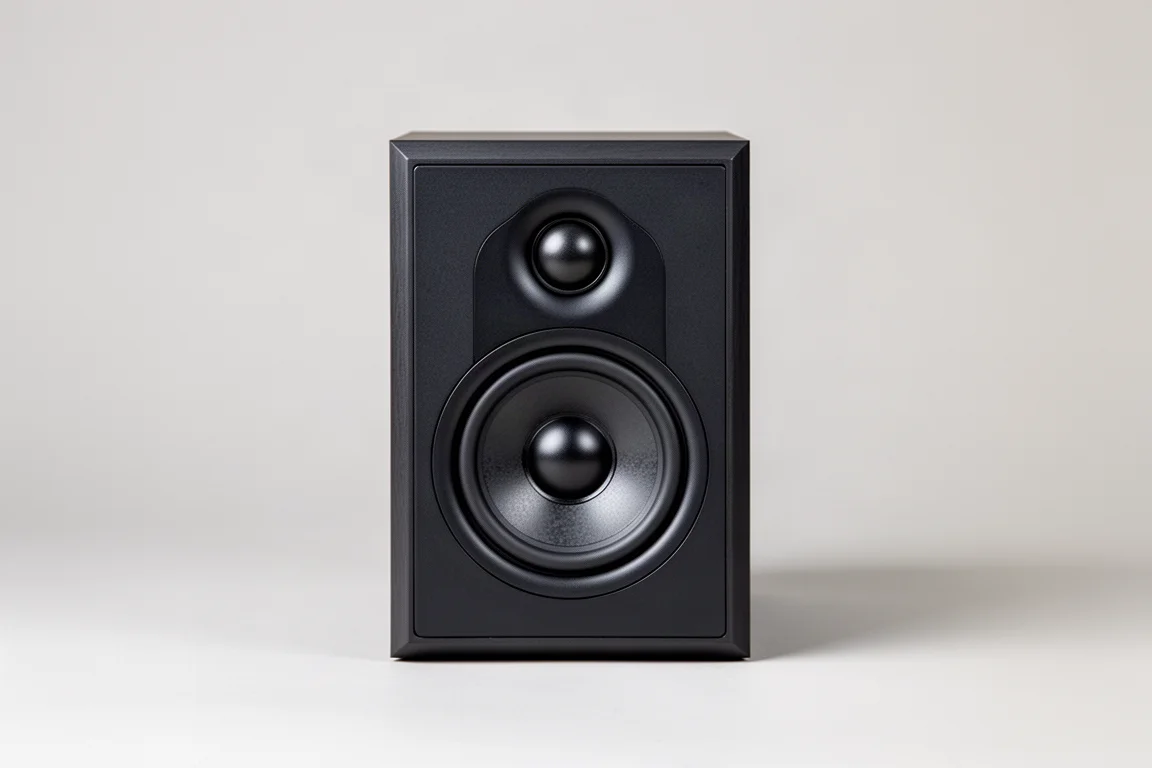
The Sony SSCS5 is a 2.5-way bookshelf design with three drivers per cabinet, one of which is a super tweeter. That driver complement is unusual at this price, and it is a large part of why the speaker keeps resurfacing in budget recommendations.
Pricing is the other half of the story. The SSCS5 can often be found for around $123, though the price fluctuates between roughly $100, occasionally $123, and up to about $180. The practical advice is simple: wait for $123, and watch for warehouse deals that occasionally drop below it.
The frequency response does not suit every listener. Some find the top end too forward. That is where the amplifier’s 10-band EQ earns its place: pull the treble down if the speaker sounds sharp, or lift the band around 125 Hz if you want more low-end weight.
For the money, this is one of the strongest value propositions in affordable hi-fi. It is not a universal favourite, and not everyone will love it, but finding a better speaker at this price is genuinely difficult.
Bass Management and Subwoofer Integration
Bass management is where the WiiM Amp punches furthest above its price. It is more capable in this area than many amplifiers costing two, three, or even four times as much.
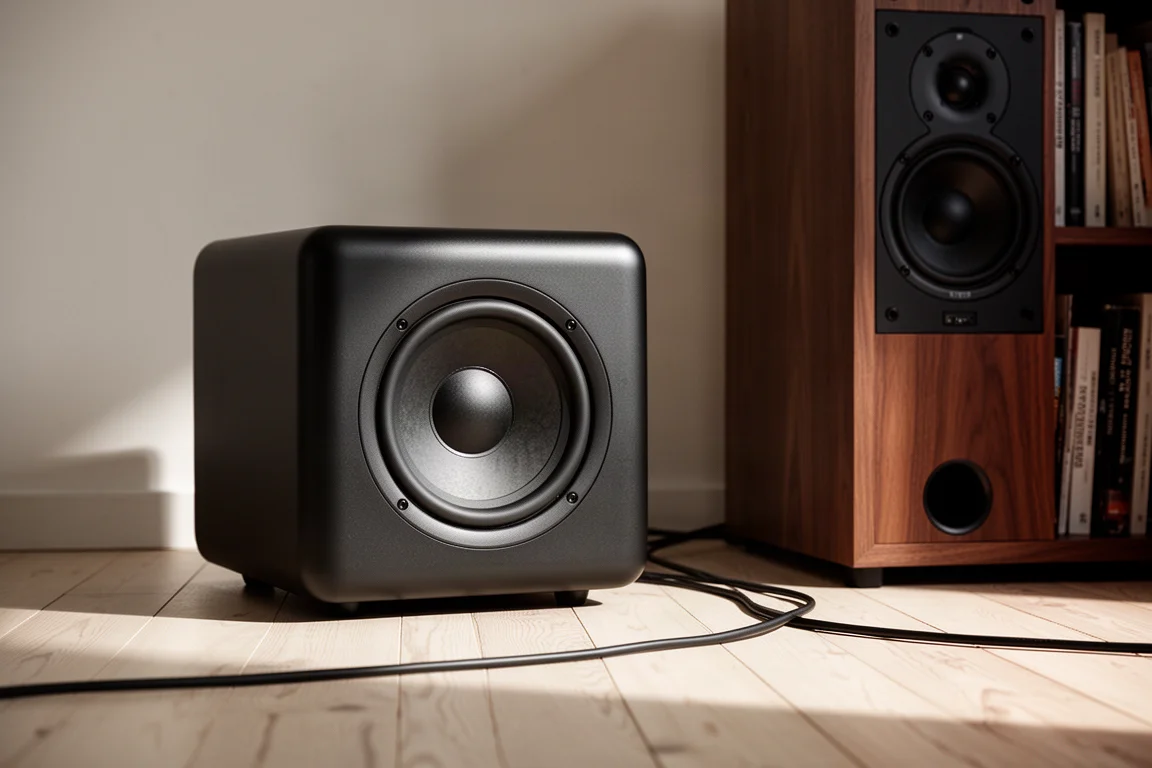
The feature works by routing low frequencies to a subwoofer while sending everything above the crossover point to the main speakers, with a high pass filter protecting the bookshelf pair from deep bass. A sensible starting point is 80 Hz. With the Sony SSCS5, 70 Hz is likely to work well too.
The benefit is practical rather than theoretical. Offloading the lowest octaves lets the amplifier’s 60 watts stretch further and lets the speakers play cleaner at higher volumes, which is exactly what a small system needs when you add a subwoofer later.
Whole-Home Audio on a Budget
Because the WiiM Amp is a networked streamer as well as an amplifier, buying more than one turns a single-room system into a whole-home setup. Multiple amps and multiple pairs of speakers can play the same music simultaneously and stay in sync.
The arithmetic is what makes this interesting. The amplifier and speaker pair come to roughly $423 as a package. Speaker cables and tax push that closer to $500 in practice. For around $1,500, the same budget covers three complete systems placed around a home, all playing the same track at the same time.
That matters more than it sounds. Walking from a bedroom into a kitchen while the same song continues uninterrupted is a genuinely different experience from carrying a phone between rooms.
What to Check Before You Buy
The headline numbers are not the whole cost. Speaker cables are a required purchase, tax applies, and the realistic all-in figure for one system is closer to $500 than the $423 component total.
Room size is the next consideration. The WiiM Amp will comfortably drive an efficient bookshelf speaker in a small or medium space, but larger rooms and demanding speakers are a different proposition. If you plan to add a subwoofer, factor that into the budget now rather than later, because bass management is one of the amplifier’s strongest features and it deserves to be used.
It is also worth confirming that your preferred streaming services are supported, and being honest about whether you will actually use an equalizer. The EQ is a real advantage, but only if you are willing to adjust it.
Building the System for Around $500
The component total is around $423 for the amplifier and the speaker pair. With cables and tax, plan on roughly $500 for a complete, working two-channel system.
For that, you get streaming from the major services, television and movie audio through HDMI, volume and tone control, and bass management that would normally be associated with far more expensive amplifiers. It is a configuration that covers the vast majority of what a first-time buyer actually needs.
The upgrade path is straightforward as well. Add a subwoofer when budget allows and let the amplifier’s bass management take over. Add a second amplifier and speaker pair to extend music into another room. Neither step requires replacing what you already own.
Buying Advice
This pairing suits someone building a first real hi-fi system who wants streaming, television audio, and room-friendly tone control without spending four figures. It is also a strong fit for anyone who wants synchronized music in more than one room on a modest budget.
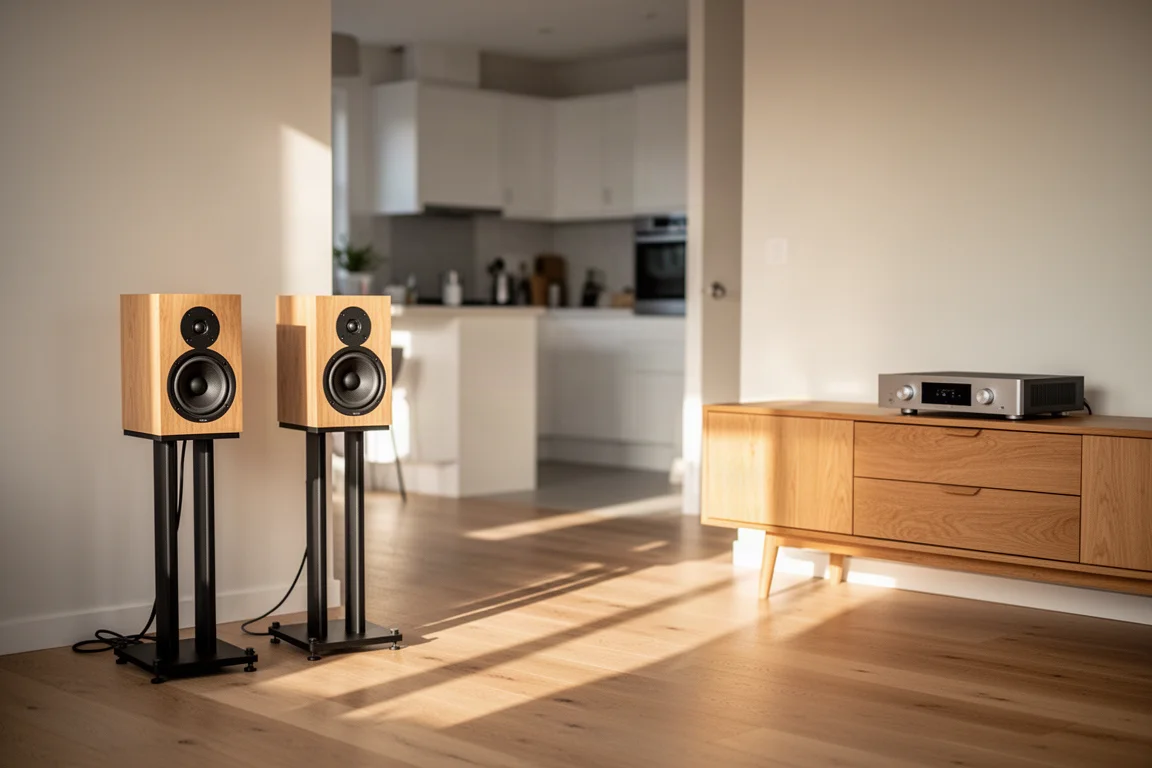
It is less suitable for large rooms, for very inefficient speakers, or for listeners who want maximum current delivery and headroom. Those are legitimate reasons to spend more, and the WiiM Amp’s limits should be respected rather than ignored.
If you take one rule away from this guide, make it the timing rule: buy the amplifier at its normal price, but wait for the speaker to drop to around $123 before you commit. That single decision is what keeps the whole system inside a $500 budget.
Conclusion
A complete hi-fi system does not require a large outlay. A streaming amplifier that handles sources, tone control, and bass management, paired with a bookshelf speaker bought at the right price, delivers streaming, television audio, and multi-room playback for around $500.
The WiiM Amp is the more capable of the two components and the reason this system works as well as it does. The Sony SSCS5 is the reason it stays affordable, provided you buy it when the price is right. Together they make a convincing case that a first system can sound good without costing a fortune.
Further reading
Related Reviews
Hi-Fi Audio
Accuphase C-57 vs Allnic H-7000V: Two High-End Phono Stages Compared
A fully balanced solid-state phono stage with a pitch-black noise floor meets a tube design built for well-loved records. Here is how to choose between them.
Hi-Fi Audio
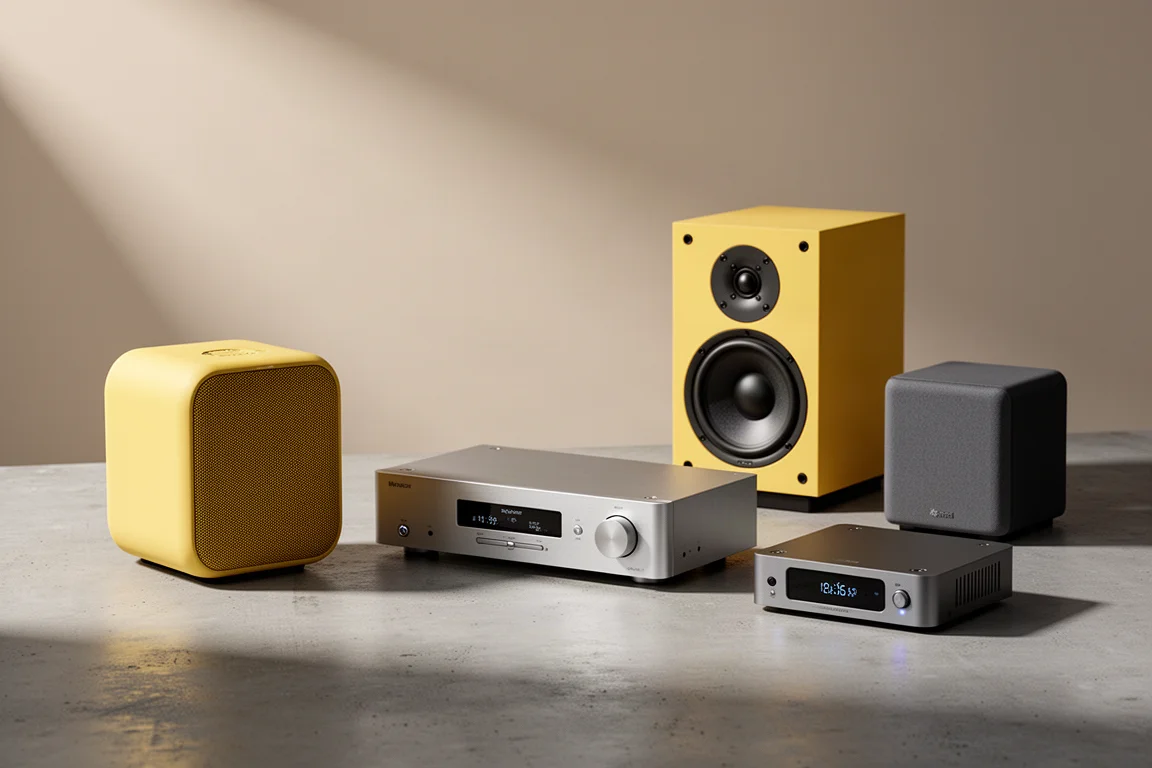
Active vs Passive Hi-Fi: Five Components for a Modern System
Five components that define modern active and passive hi-fi systems, with the strengths, trade-offs and setup details worth weighing before you buy.
Hi-Fi Audio
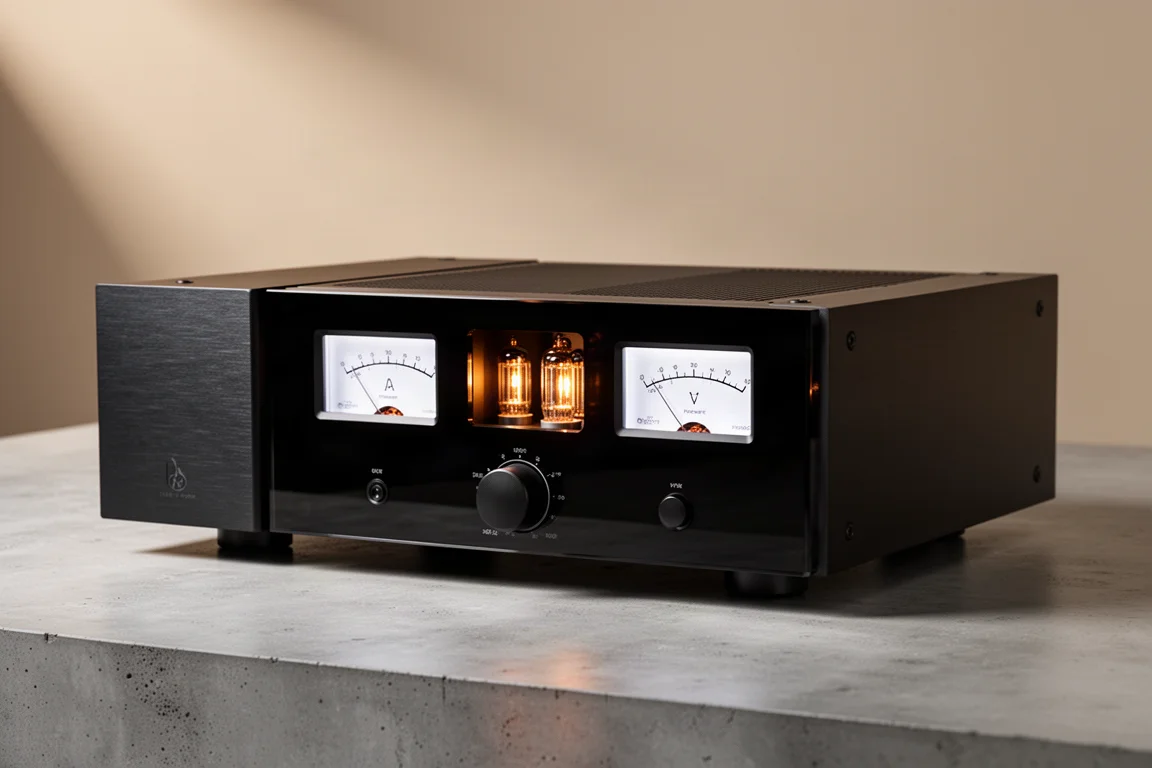
Advance Paris A10 Apex Review: A Hybrid Integrated Amplifier That Covers a Lot of Ground
A French hybrid integrated amplifier with a class A tube preamp stage, analogue power meters, and an internal DAC and phono stage good enough to make extra boxes unnecessary.