Streaming Amplifiers
WiiM Amp Pro Review: Is the Second-Generation Streaming Amplifier Worth It?
A close look at the WiiM Amp Pro streaming amplifier, covering its DAC and connectivity upgrades, real-world loudness, speaker pairing, and how it stacks up against the first-generation WiiM Amp.
Introduction
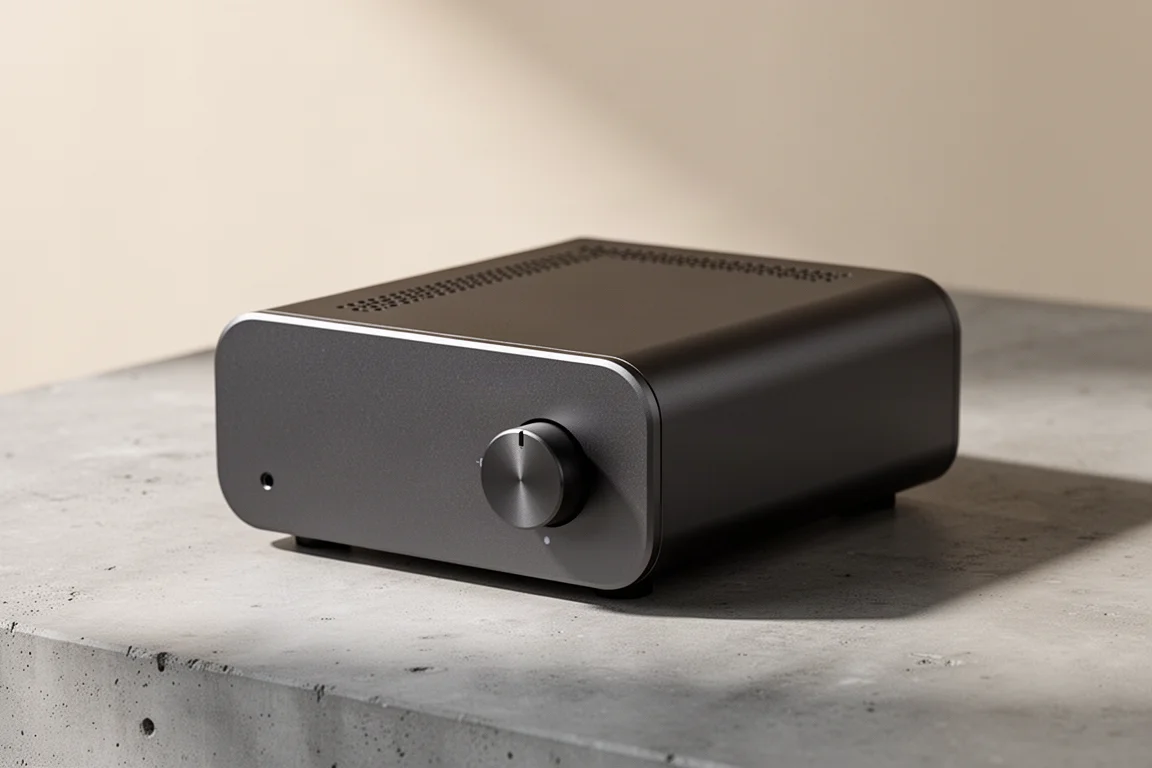
The WiiM Amp Pro is the second-generation version of WiiM’s streaming amplifier, and it arrives with one obvious question attached: is it worth roughly $80 more than the model it replaces? WiiM has spent the past few years reshaping what buyers can expect from affordable hi-fi. The company began with the WiiM Mini streamer, followed by the WiiM Pro streamer, the WiiM Amp streaming amplifier, the WiiM Pro Plus, and the WiiM Ultra. Each release has pushed more capability into a lower price bracket, and WiiM products are now widely regarded as remarkable value for money.
Distribution has changed as well. WiiM gear is no longer limited to Amazon and the WiiM website. It is also sold through specialist dealers such as Crutchfield and Audio Advice, which means buyers can speak with US-based customer service, use a 60-day return policy, and in some cases take advantage of a price match guarantee. That extra layer of retail support matters when you are spending several hundred dollars on a component you intend to keep for years.
Who the WiiM Amp Pro Is For
This amplifier is aimed at listeners who want a complete system with as few boxes as possible. Add a pair of speakers, optionally add a subwoofer, and you have a working setup. There is no separate streamer, no separate DAC, and no external power supply to accommodate, because the WiiM Amp Pro handles all of it inside one compact chassis.
It also suits anyone already living inside the WiiM ecosystem. The app and multi-room features carry over, so a second WiiM device can be added in another room and controlled from the same place. Setup is quick: getting the amplifier running, including a firmware update, took less than five minutes.
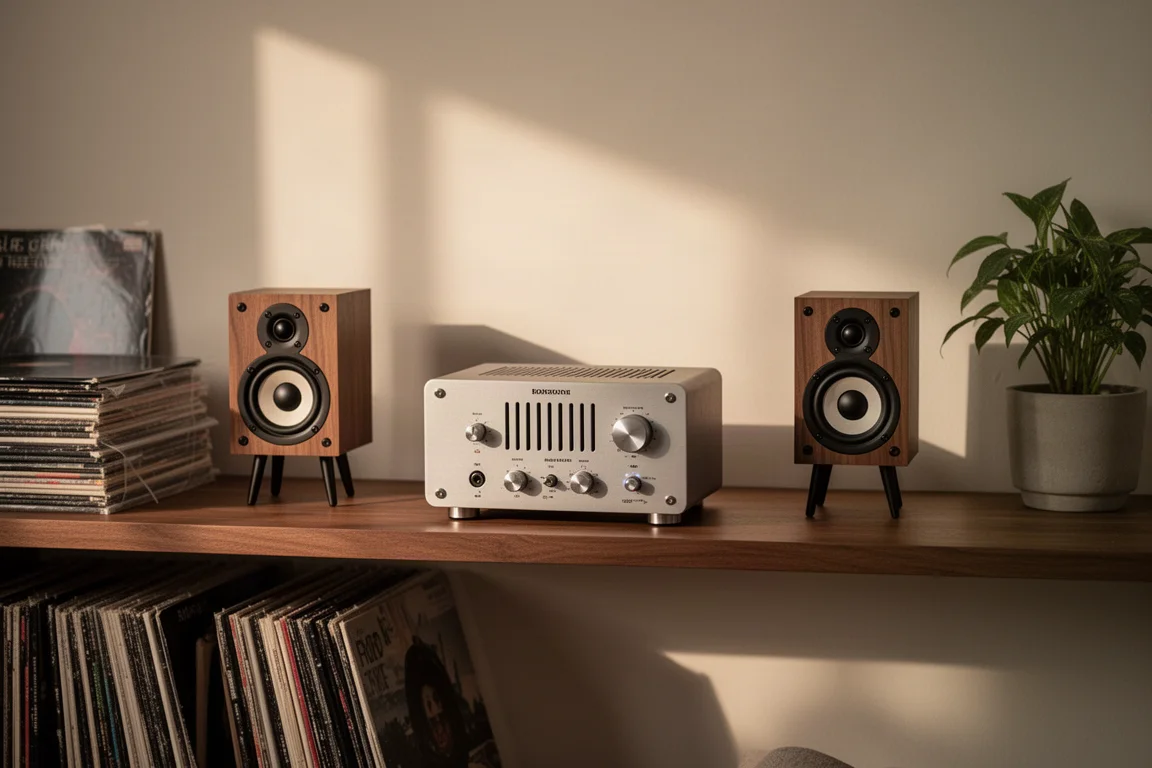
For most buyers the appeal is the combination of price, convenience, and software quality rather than raw output. The WiiM Amp Pro is designed to sit at the centre of a simple, modern system, and it is priced to make that decision easy.
Main Strengths: Amplification and Sound Quality
Inside, the WiiM Amp Pro uses a Texas Instruments 3255 class D amplifier chip, one of the most respected affordable class D designs available. WiiM rates the amplifier at 60 watts into 8-ohm loads and 120 watts into 4-ohm loads. Power comes from an internal supply fed by a standard figure-8 power cable, so there is no external brick to hide behind a cabinet.
The new model also adds post-filter feedback, or PFFB, a technique that does not appear on the first-generation WiiM Amp. On the digital side, the WiiM Amp Pro uses an ESS Sabre 9038 Q2M DAC, replacing the 918 K2M in the original. WiiM’s claimed signal-to-noise figures for the new model are substantially higher than the outgoing version’s.
In direct comparisons between the two generations, the differences are real but small. The WiiM Amp Pro comes across as marginally clearer through the midrange and slightly fuller at the bottom. Switch between the two with matched levels and the same source and the gap is narrow enough that a blind comparison would be genuinely difficult.
Streaming, Connectivity, and the App
Connectivity is where the second-generation model pulls ahead on paper. It adds Wi-Fi 6 and Bluetooth 5.3, upgrades that should help stability on crowded home networks, though for most people Bluetooth will not be the primary way they listen.
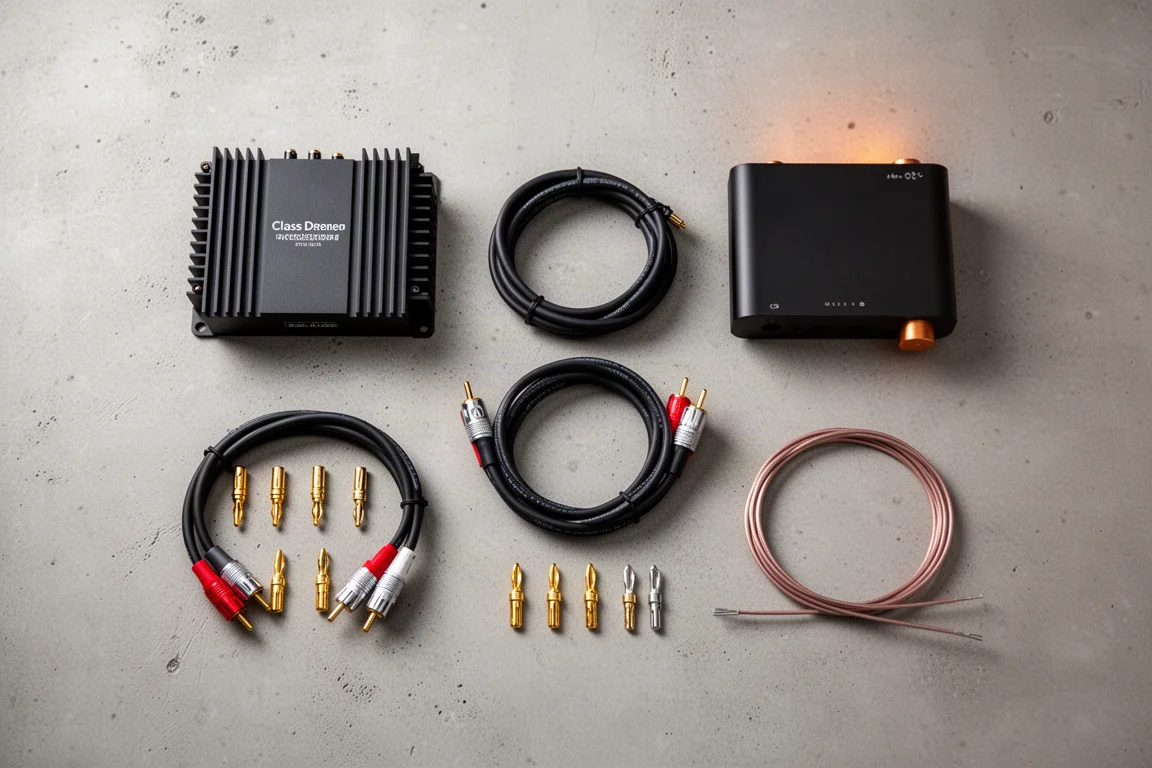
The rear panel is straightforward: an HDMI ARC input for connecting a television, an Ethernet port for a wired network connection, a USB port for a thumb drive full of music, one analogue input, one optical digital input, a subwoofer output, and speaker binding posts. It is a compact but complete set of connections.
One omission stands out: there is no AirPlay support. That is an unusual decision for a streaming product at this level, and anyone who relies on AirPlay should factor it in before buying. AirPlay is not essential for every listener, and the rest of the streaming feature set is unaffected.
What makes the WiiM Amp Pro easy to recommend is the software. The WiiM app is one of the best streaming control apps available at any price, and it supports multi-room playback across WiiM devices. Getting the amplifier online and updated takes only a few minutes, which is not something every network audio product can claim.
Things to Consider Before Buying
The most significant limitation is the absence of a preamp output. Without it, you cannot start with the WiiM Amp Pro and later add a more powerful amplifier while continuing to use the WiiM as a streamer and preamp with bass management. That upgrade path is closed, which is a shame given how sensible the rest of the design is.
There is also no phono stage, so a turntable will need its own phono preamp or a line-level connection. And as noted, AirPlay is missing entirely.
Power is the other consideration. The claimed 60-watt and 120-watt figures look generous on paper, but real-world output depends heavily on the speaker and the room. The Texas Instruments 3255 chipset can accept a much larger external supply than the internal one provides, and the internal supply is the practical ceiling here.
Speaker Pairing and Real-World Loudness
With Dali Opticon 6 MKII floorstanders connected, the WiiM Amp Pro drove them comfortably to around 80 dB. Push harder into bass-heavy material and the amplifier starts to run out of headroom. With the lower-sensitivity ELAC Debut 3.0 bookshelf speakers, the result was surprising: they played louder and held together better, despite being the smaller and less sensitive speaker of the two.
The practical takeaway is that you should not expect 90 dB in a large room from roughly ten feet away. For typical listening levels in a normal room, the amplifier is more than adequate. Applying bass management with a high-pass filter to the speakers removes some of the low-frequency workload from the amplifier, which helps it stay composed.
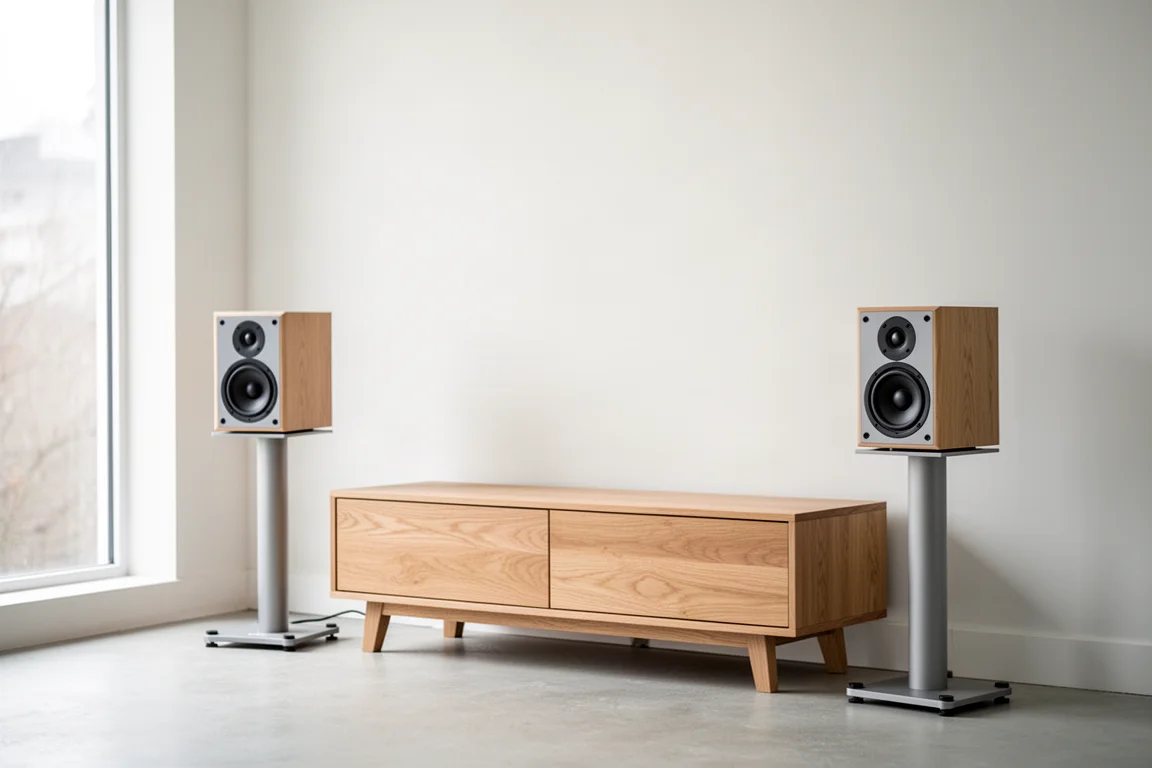
Pairing matters more than raw specifications. Speakers with a softer, more relaxed top end suit this amplifier best, because a highly revealing tweeter makes its limits easier to hear. The ELAC Debut 3.0, at around $450 a pair, is a natural match, and a WiiM Amp or WiiM Amp Pro paired with those speakers lands under roughly $1,000 for a complete system.
Buying Advice
The WiiM Amp Pro costs about $80 more than the first-generation WiiM Amp. For that money you get the newer DAC, Wi-Fi 6, Bluetooth 5.3, post-filter feedback, and higher claimed signal-to-noise figures, but you give up AirPlay, and the audible improvement is modest.
If you do not use AirPlay and you want the newer hardware and the longer software runway, the WiiM Amp Pro is the easier recommendation. If AirPlay matters to you, or if you simply want to spend less, the original WiiM Amp remains an excellent streaming amplifier and a safer value choice.
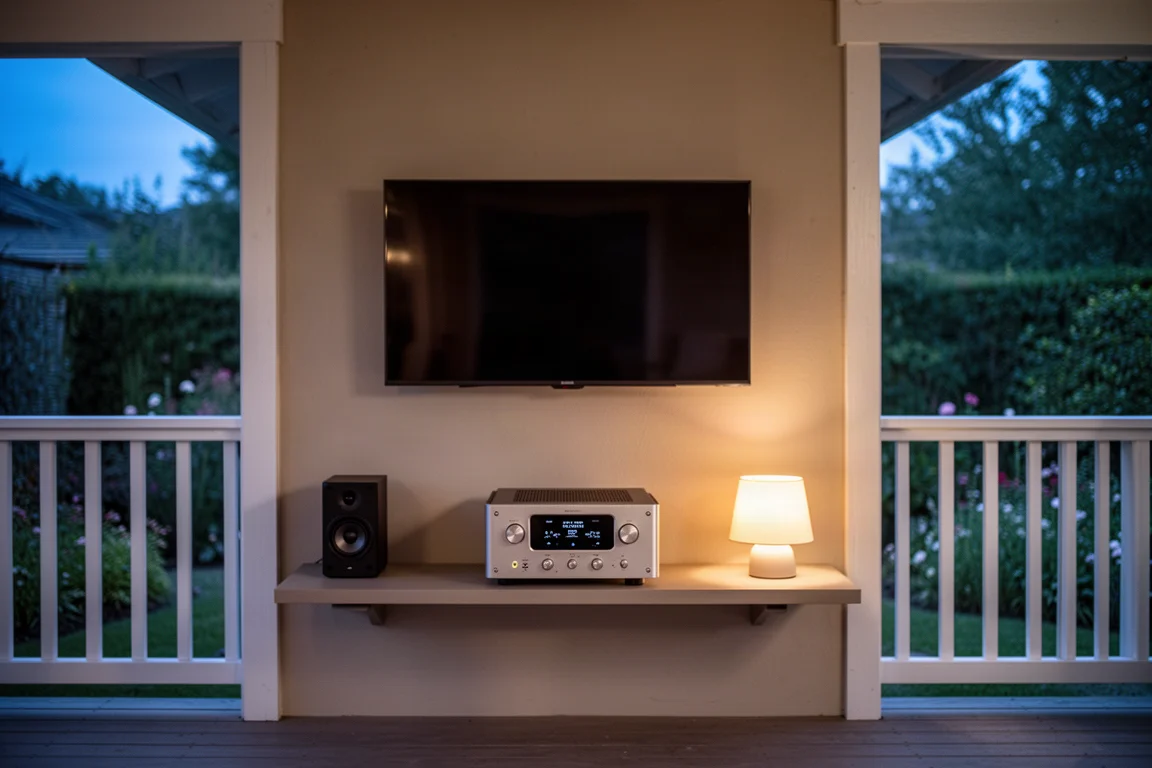
There are alternatives worth knowing about. Bluesound also offers a streaming amplifier if you want to compare options. Separately, WiiM’s own Ultra streamer includes a screen, a better DAC, and a phono stage, and pairing it with compact monoblock amplifiers costs roughly $300 more, roughly doubling the total system price while playing louder.
Conclusion
The WiiM Amp Pro is a well-executed second generation. It adds meaningful connectivity and digital upgrades, keeps the excellent WiiM app, and delivers sound that is a small step ahead of the model it replaces. Its limits are equally clear: no preamp output, no phono stage, no AirPlay, and realistic power ceilings with difficult speakers.
For a minimalist system built around a pair of friendly speakers and an optional subwoofer, it is hard to beat at the price. Buyers who want AirPlay, or who would rather save the difference, should look at the original WiiM Amp instead. Either way, the WiiM Amp Pro is easy to recommend for anyone assembling a compact, modern streaming setup.
Product link
View more details for WiiM Amp Pro
This product is mentioned in the review. Check the specifications, options, and compatibility before buying.
View more details for WiiM Amp ProFurther reading
Related Reviews
Streaming Amplifiers
Best High-Performance Streaming Amplifiers: Seven Full-Size One-Box Picks
Seven full-size streaming integrated amplifiers for serious two-channel systems, each chosen for a different priority: room correction, power, minimalism, musicality, or reference build.
Streaming Amplifiers
Best Mid-Tier Streaming Amplifiers: NAD M10 V2 vs Naim Uniti Atom
Two compact all-in-one streaming amplifiers compared on interface, app experience, sound character, and connectivity.
Streaming Amplifiers
Bluesound Power Node N331 Review: A Streaming Amplifier Built for More Than Stereo
The Bluesound Power Node N331 keeps the compact chassis of its predecessor and adds a more powerful amplifier, a dedicated center channel output, and a THX AAA headphone stage.