Streaming Amplifiers
Best High-Performance Streaming Amplifiers: Seven Full-Size One-Box Picks
Seven full-size streaming integrated amplifiers for serious two-channel systems, each chosen for a different priority: room correction, power, minimalism, musicality, or reference build.
Introduction
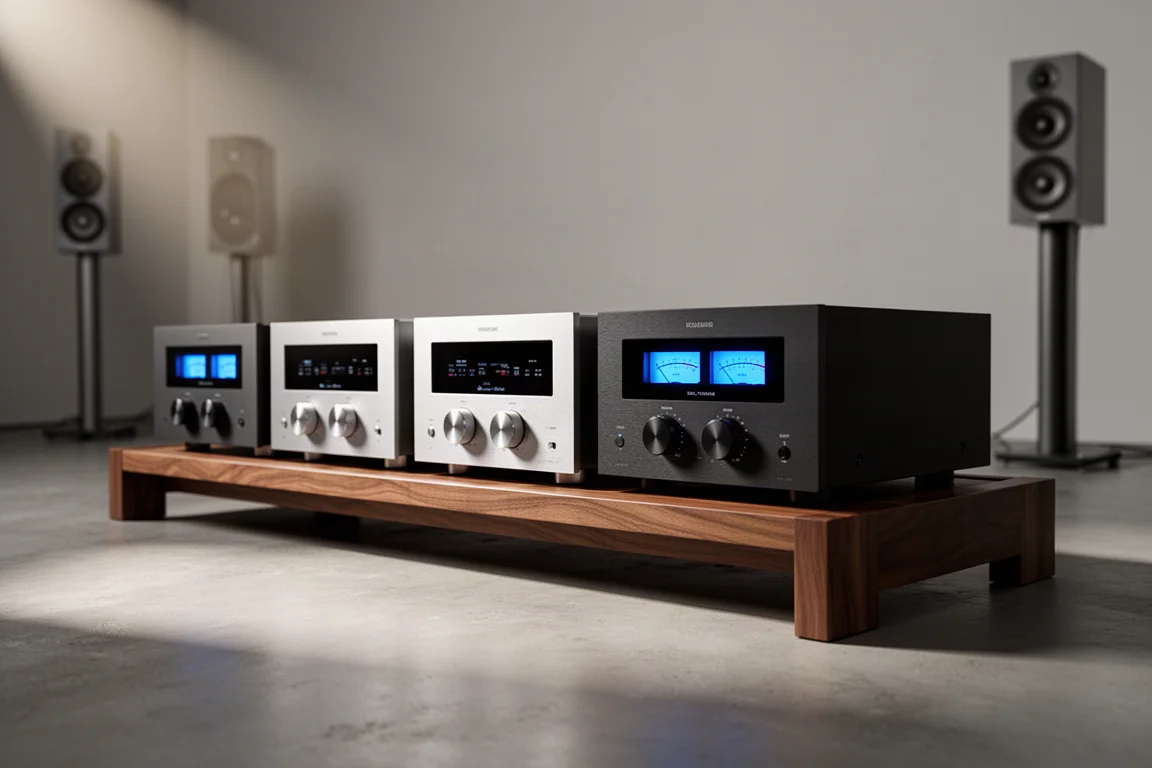
Full-size streaming integrated amplifiers are the one-box answer for listeners who want real amplifier authority, high-end digital-to-analogue conversion, and long-term flexibility without filling a rack with separates. Every model in this group can confidently drive demanding speakers, and each takes a different route to get there: room correction, raw power, minimalism, musical flow, or reference-grade build.
This roundup covers seven amplifiers suited to serious two-channel systems and dedicated listening rooms. The focus is on why each one stands out and which kind of listener it fits, rather than a full specification walkthrough.
What These Amplifiers Have in Common
Every model here is a full-width integrated amplifier with streaming built in, so a single chassis replaces a separate streamer, DAC, and preamplifier. Most include a phono input for a turntable, and most include HDMI ARC so the same system can handle television audio without a second box or a second remote.
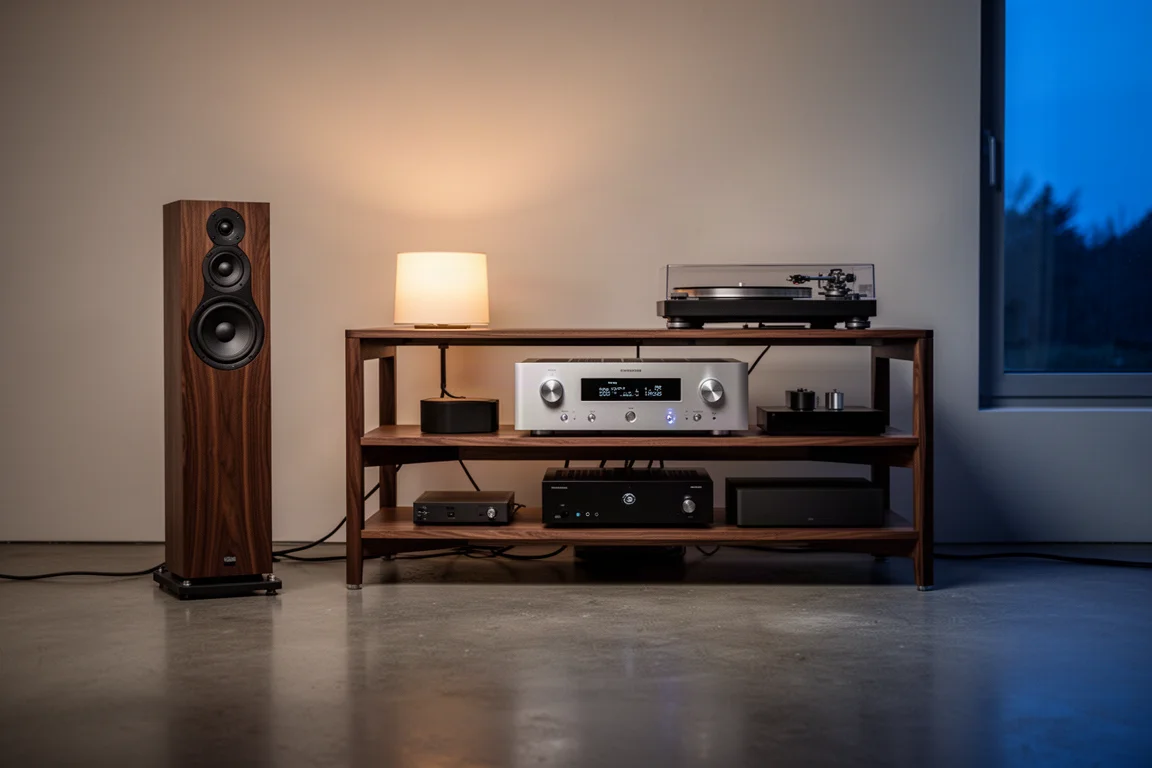
They also share a practical advantage: modern streaming support, app control, and enough inputs to build around vinyl, digital sources, and a television. Where they differ is tuning philosophy. Some include digital room correction, some deliberately leave it out, and some put the budget into amplification and power supply instead.
Best Feature-Rich Pick with Room Correction: Onkyo TX-850
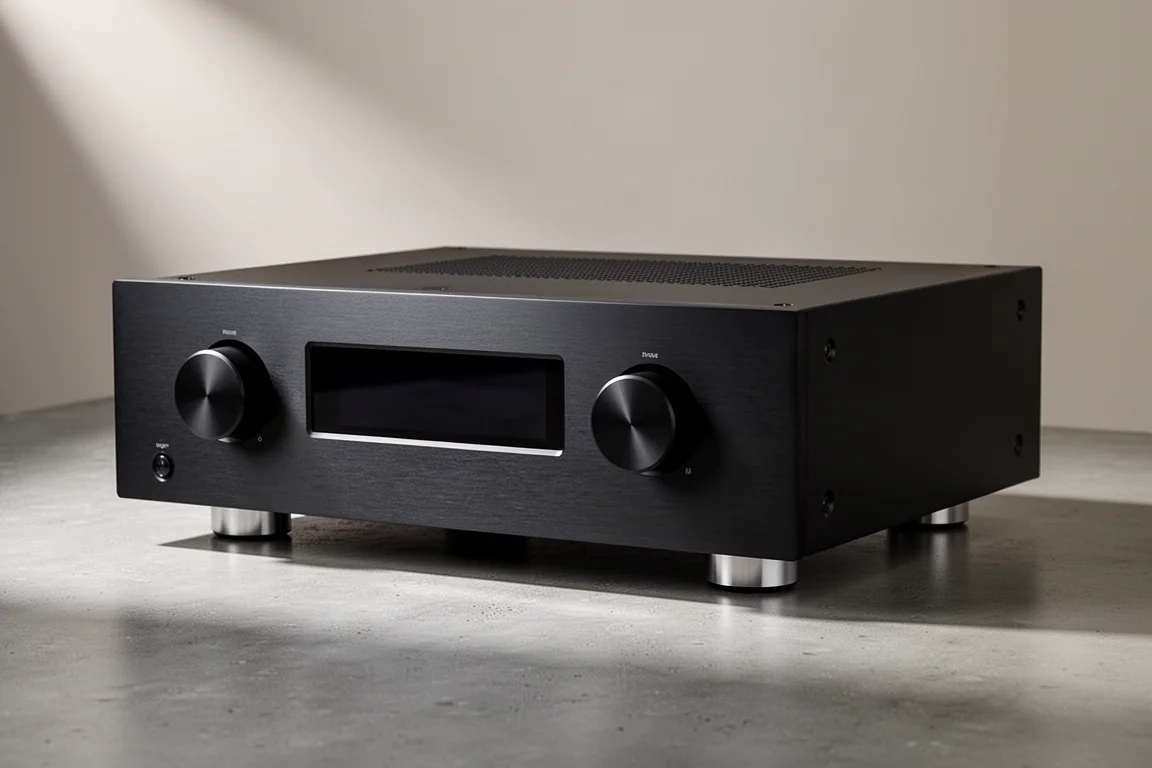
The TX-850 is the most affordable amplifier in this group and also the most feature-dense for the money. It is designed for listeners who want a strong, confident sound with modern streaming and the ability to tune the system to the room they listen in.
The sound is clean, controlled, and well balanced. It avoids a flashy or exaggerated character, which makes it as comfortable with focused music listening as it is with everyday television audio. It has the power and control to make speakers sound confident and grounded without straining.
Dirac Live room correction is included at no extra cost, and that is the headline feature. It can improve bass control, clarity, and overall balance right out of the box, with no extra hardware or paid upgrade required. In many rooms that improvement can matter more than changing amplifiers or speakers. HDMI ARC, a proper phono input, and app-based control round out the package.
Best All-Around Value Under $3,000: Marantz Model 40n
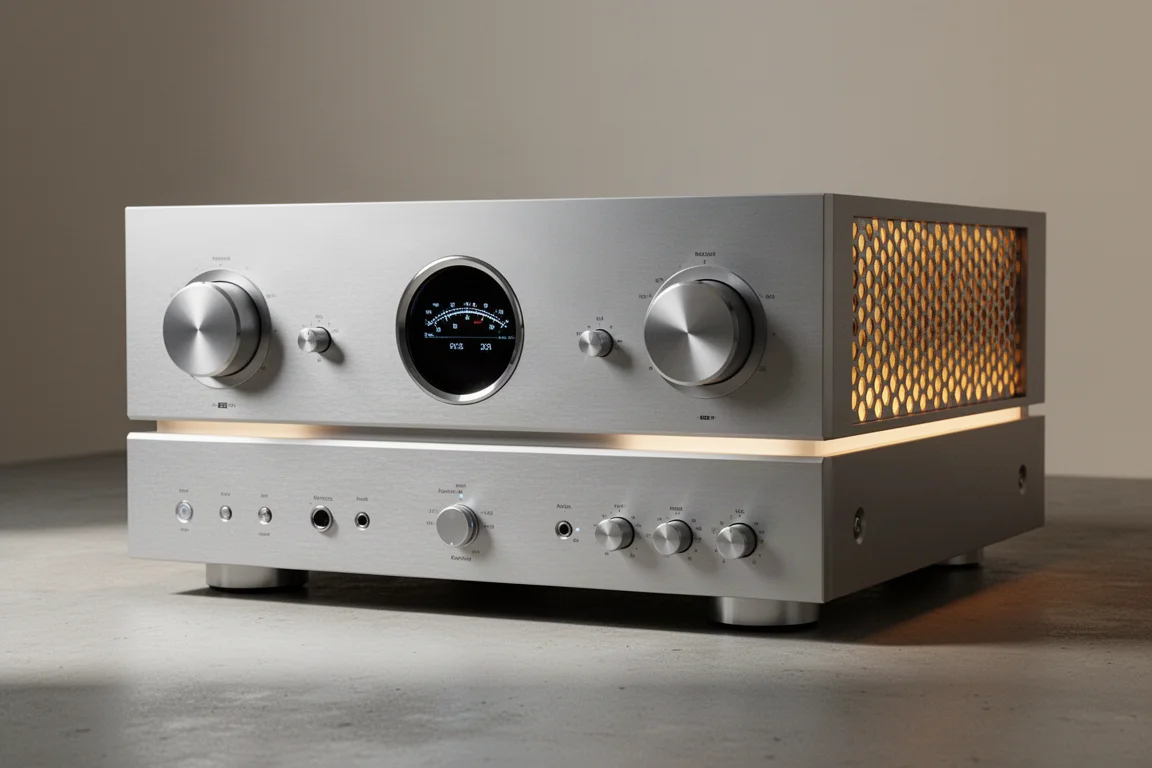
The Model 40n offers the best balance of sound quality, features, and build under $3,000. It sounds great, it is easy to live with, and it provides the flexibility most listeners actually need in a single box.
The unit feels premium the moment you touch it. The controls are smooth and deliberate, and the amplifier is hand-assembled in the Marantz Shirakawa facility in Japan. The engineering inside is more serious than is typical at this price, and that shows in how composed and musical it sounds. The presentation is a little warm and engaging without feeling soft or slow, and it pairs beautifully with a wide range of speakers, working especially well in small to medium rooms. Long listening sessions are easy because it never becomes fatiguing.
Integration is straightforward. HDMI ARC handles television audio, a phono stage covers a turntable, and a subwoofer output makes adding a sub simple without complicated menus or setup steps. There is no digital room correction, and that is a deliberate design choice: the Model 40n keeps things musical and intuitive rather than endlessly adjustable.
Best High-Power Option: HiFi Rose RS520
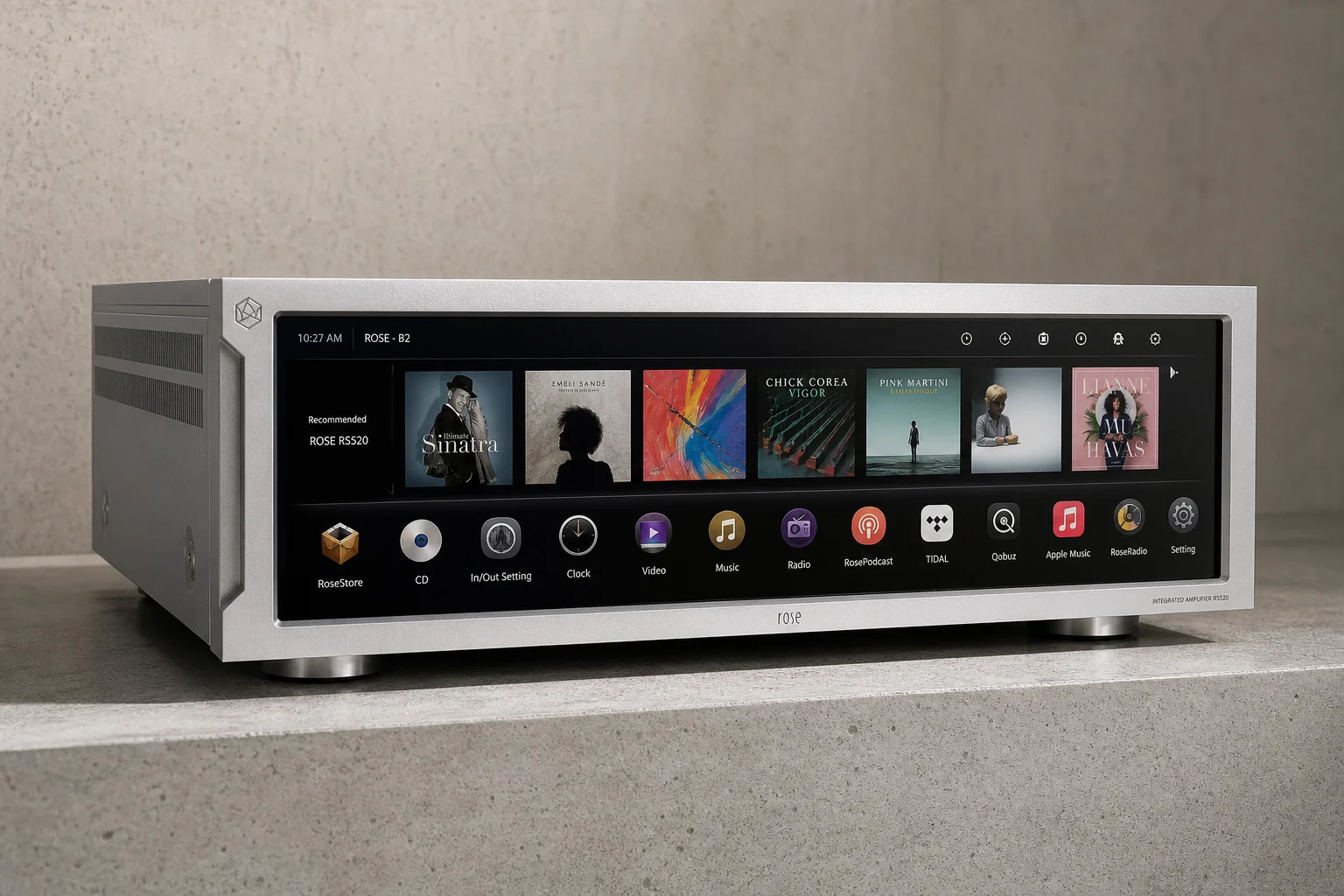
The RS520 combines a flagship streamer and a serious power amplifier in one beautifully built chassis, which is why it stands out for listeners who need genuine muscle from a single box.
The 12-inch front touchscreen is the defining feature, and it is not decorative. It is fast and intuitive for browsing albums, switching sources, and exploring music, which makes this the one amplifier here that truly invites you to interact with your library on the unit itself. A well-designed phone app covers everything else.
Power is the other half of the story. It delivers the kind of effortless drive that makes large floor-standing speakers easy to listen to, staying composed when music becomes dense or dynamic, with the current control to keep bass tight and authoritative. There is no room correction, but built-in parametric EQ gives useful control over bass and balance when a room needs it.
Best Minimalist Audiophile Choice: Hegel H150
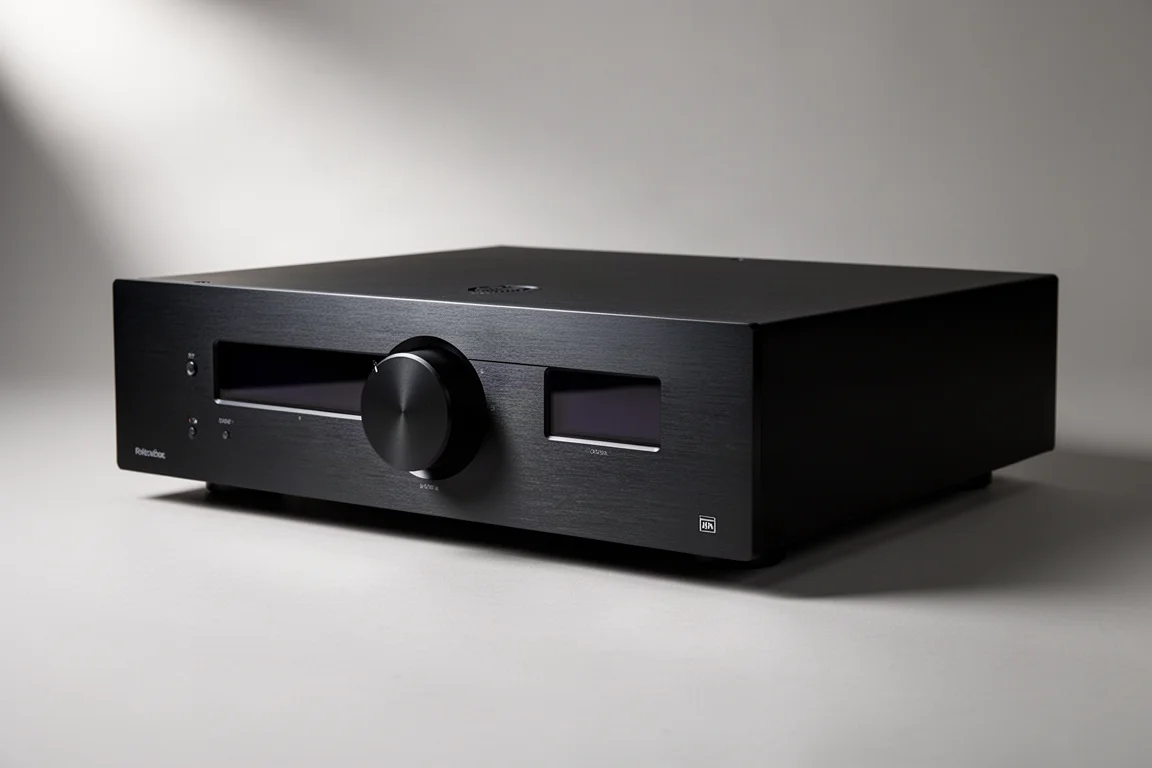
The H150 is the most sound-first amplifier in this group. Hegel prioritises speaker control, low distortion, and musical accuracy above everything else, and the design reflects that: clean lines, minimal controls, and no unnecessary distractions.
The power rating looks modest on paper, but in practice the H150 sounds far more authoritative than the number suggests. Bass grip is outstanding, transients are fast and clean, and complex mixes stay organised even at high listening levels. The DAC follows the same philosophy, staying quiet, clean, and transparent so recordings speak for themselves rather than gaining added warmth or gloss.
That focus comes with trade-offs. There is no HDMI input, no room correction, and no native streaming app. Instead, streaming runs through your preferred services or through Roon. For listeners who would rather not manage another app, that is part of the appeal.
Best Flagship with Advanced Room Correction: Arcam SA45
The SA45 pairs high power with serious room correction. Like the Onkyo, it uses Dirac Live, and in many rooms that correction can do more for sound quality than an amplifier or speaker upgrade.
Its Class G amplification delivers smooth, refined sound at lower levels and serious power when the music demands it, while Dirac Live addresses bass issues, improves imaging, and tightens overall balance. The chassis is clean and modern with a large front display that is easy to read from across the room. It is not a touchscreen, but it is high quality and suits both two-channel and mixed-use systems.
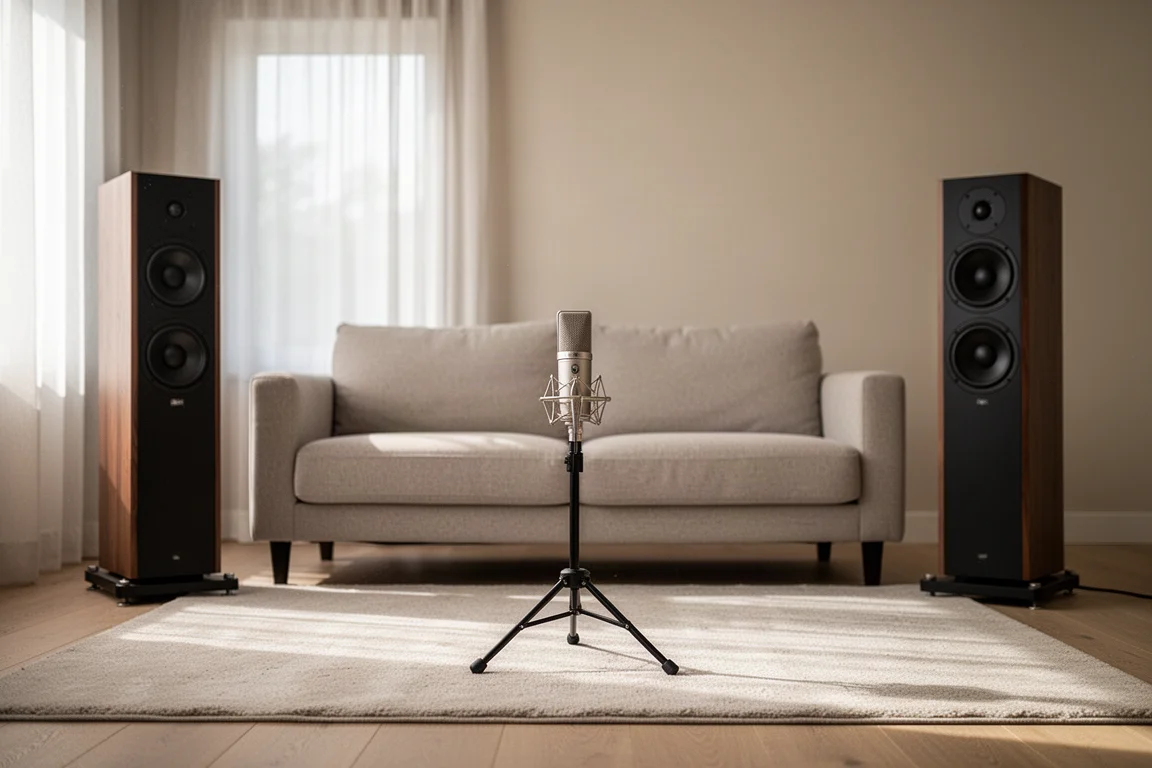
Streaming support is excellent, and HDMI ARC makes it a comfortable fit in systems that include a television. A phono stage covers turntables, and multiple subwoofer outputs make it easy to build a system with more than one sub. For long-term system flexibility, few amplifiers in this group offer more.
Best Musical All-in-One: Naim Uniti Nova
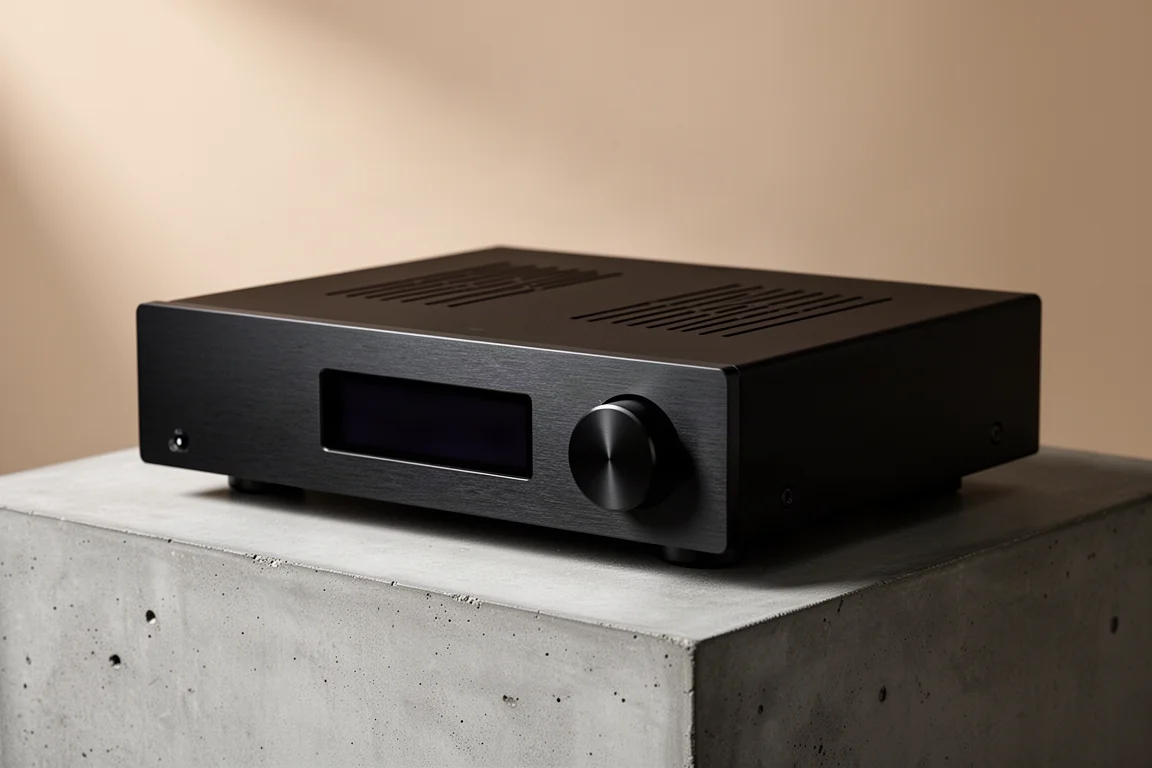
The Uniti Nova delivers one of the most engaging and rhythmically satisfying listening experiences available from a single box. Naim’s design philosophy centres on timing, dynamics, and musical flow, and this amplifier captures that completely.
It does not chase specifications or overload you with features. It focuses on making music feel alive, with a sense of drive and energy that pulls you in as soon as you press play. The amplifier section has plenty of power and current, driving demanding speakers while maintaining control and punch. Streaming is rock solid and intuitive through the Naim app, with broad service support and fast, reliable performance. The build is equally impressive: a heavy, beautifully machined chassis with a large top-mounted volume dial that feels as good as it looks.
There is no room correction here, and no attempt to turn the amplifier into a hybrid home theatre product. This one is for listeners who value the emotional two-channel connection and long sessions that make you want to play one more song.
Best Premium Reference: McIntosh MSA5500
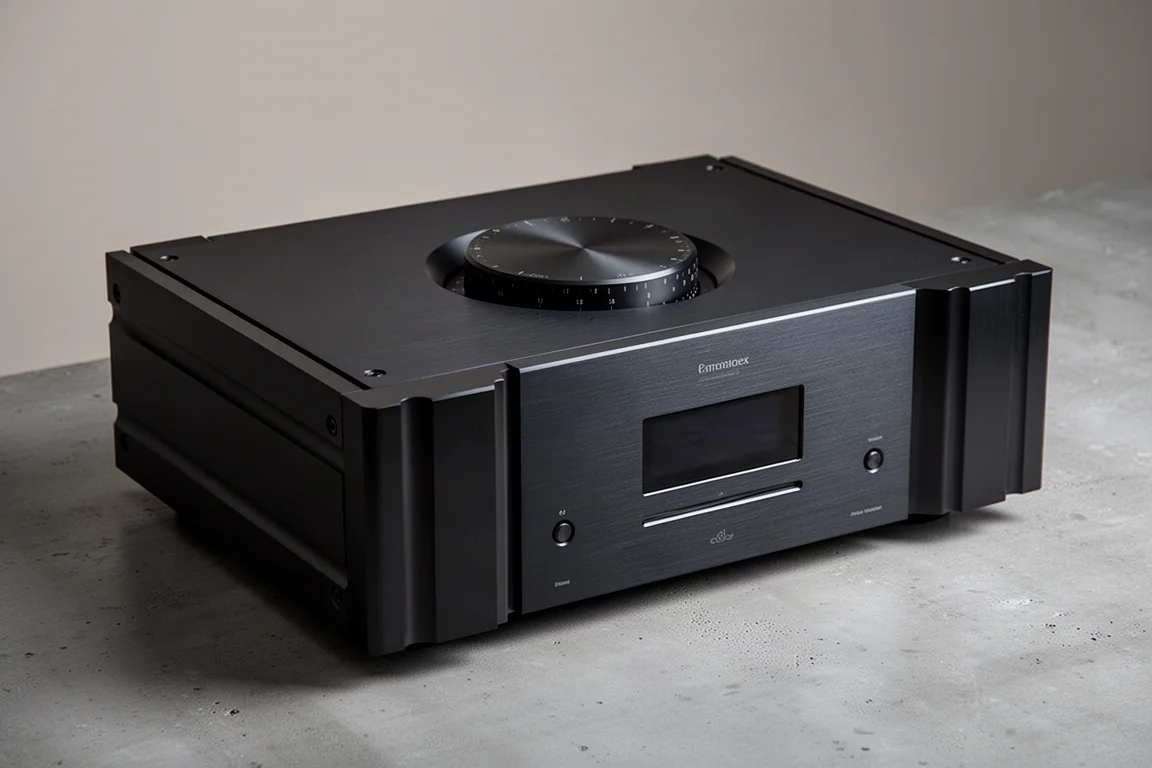
The MSA5500 delivers the full McIntosh experience, including the blue meters, in a simplified all-in-one design. It is not only the look: the sound, the build quality, and the confidence make it feel like a reference component.
Everything about it feels substantial. The amplifier section has real authority, the presentation is full and natural, and it stays composed as you turn the volume up. It produces a big, effortless sound that fills a room without strain. Streaming is straightforward and reliable, with control handled through your preferred apps and the McIntosh Connect app covering volume and system controls. The approach is less about flashy interfaces and more about consistency and long-term ownership.
Connectivity is extremely flexible, making it easy to build a system around vinyl, television audio through HDMI ARC, the built-in phono stage, digital sources, and even home theatre integration.
Buying Advice: Matching an Amplifier to Your Room and Habits
Start with the room. If you listen in a space with difficult bass behaviour or an awkward layout, the two amplifiers here with Dirac Live room correction, the Onkyo TX-850 and the Arcam SA45, offer the most direct way to improve balance without moving furniture or changing speakers. The Onkyo does it at the lowest cost in this group, while the Arcam adds Class G amplification and more system flexibility.
If you own large floor-standing speakers and want effortless drive, the HiFi Rose RS520 and the Naim Uniti Nova are the strongest candidates for power and control, and the RS520 adds a large touchscreen interface on top.
If sound quality alone is the priority and you are happy to stream through your preferred services or Roon, the Hegel H150 keeps the signal path focused and the feature count low. If you want a single box that simply sounds great with a television, a turntable, and a subwoofer, the Marantz Model 40n under $3,000 is the easiest recommendation. And if the goal is a long-term reference system that replaces several components without compromise, the McIntosh MSA5500 is built for that role.
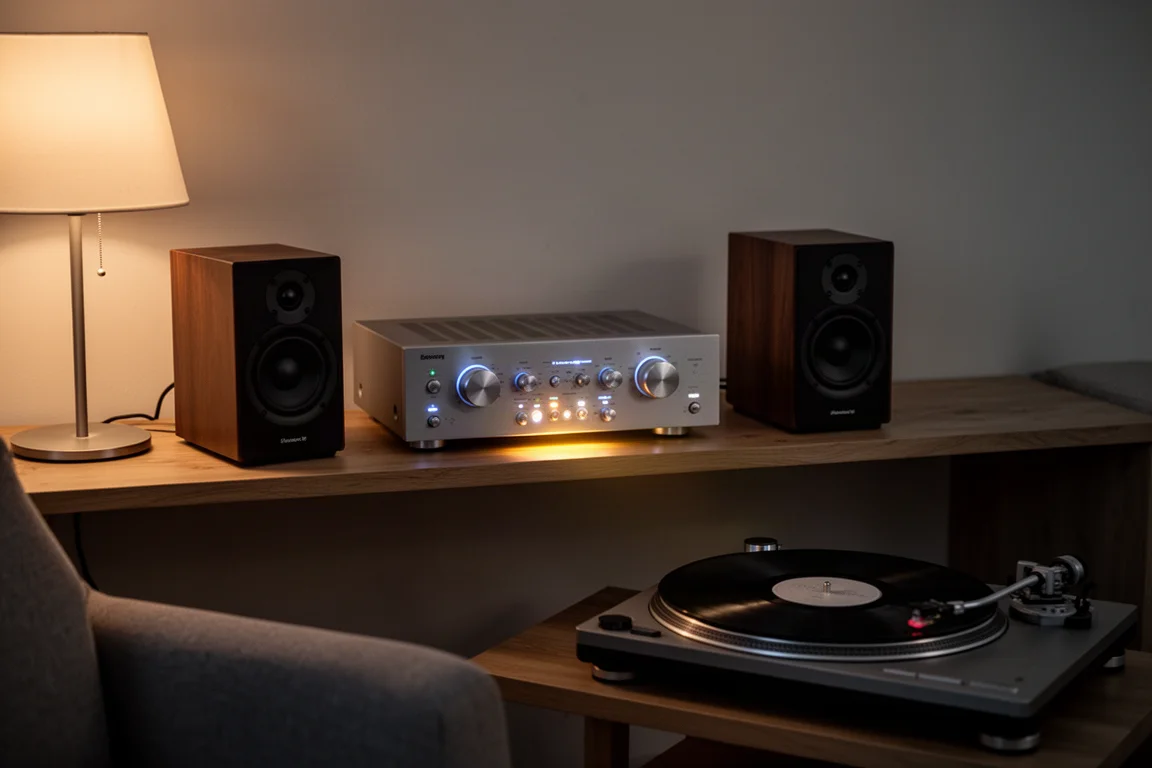
Whichever direction you take, confirm the inputs you actually use. HDMI ARC for television audio, a phono stage for vinyl, and a subwoofer output for low-frequency support appear across most of this group, but not all of them, and those three connections usually decide whether an amplifier fits a real system or only looks good on paper.
Conclusion
These seven amplifiers all have the authority to anchor a serious two-channel system, and each wins on a different strength. The Onkyo TX-850 brings room correction and features at the lowest cost. The Marantz Model 40n is the best all-around choice under $3,000. The HiFi Rose RS520 and the Naim Uniti Nova lead on power and musical drive. The Hegel H150 is for listeners who put sound above features. The Arcam SA45 is the flagship for high power plus advanced room correction. The McIntosh MSA5500 is the premium reference piece for a system built to last.
Match the amplifier to your room, your speakers, and the way you actually listen, and any one of these will serve as a long-term foundation for serious listening.
Further reading
Related Reviews
Streaming Amplifiers
Best Mid-Tier Streaming Amplifiers: NAD M10 V2 vs Naim Uniti Atom
Two compact all-in-one streaming amplifiers compared on interface, app experience, sound character, and connectivity.
Streaming Amplifiers
Bluesound Power Node N331 Review: A Streaming Amplifier Built for More Than Stereo
The Bluesound Power Node N331 keeps the compact chassis of its predecessor and adds a more powerful amplifier, a dedicated center channel output, and a THX AAA headphone stage.
Streaming Amplifiers
Denon Home Amp vs Marantz M1: Two Compact Streaming Amplifiers Compared
A compact streaming amplifier comparison covering what the Denon Home Amp and Marantz M1 share, how their tunings differ, and which one suits your system.