Mountain Bikes
Why a Trail Bike Could Be the Only Mountain Bike You Need
Trail bikes sit between cross-country and enduro machines, and that middle ground covers more riding than you might expect. Here is why one trail bike can replace several, with seven models worth comparing.
Introduction
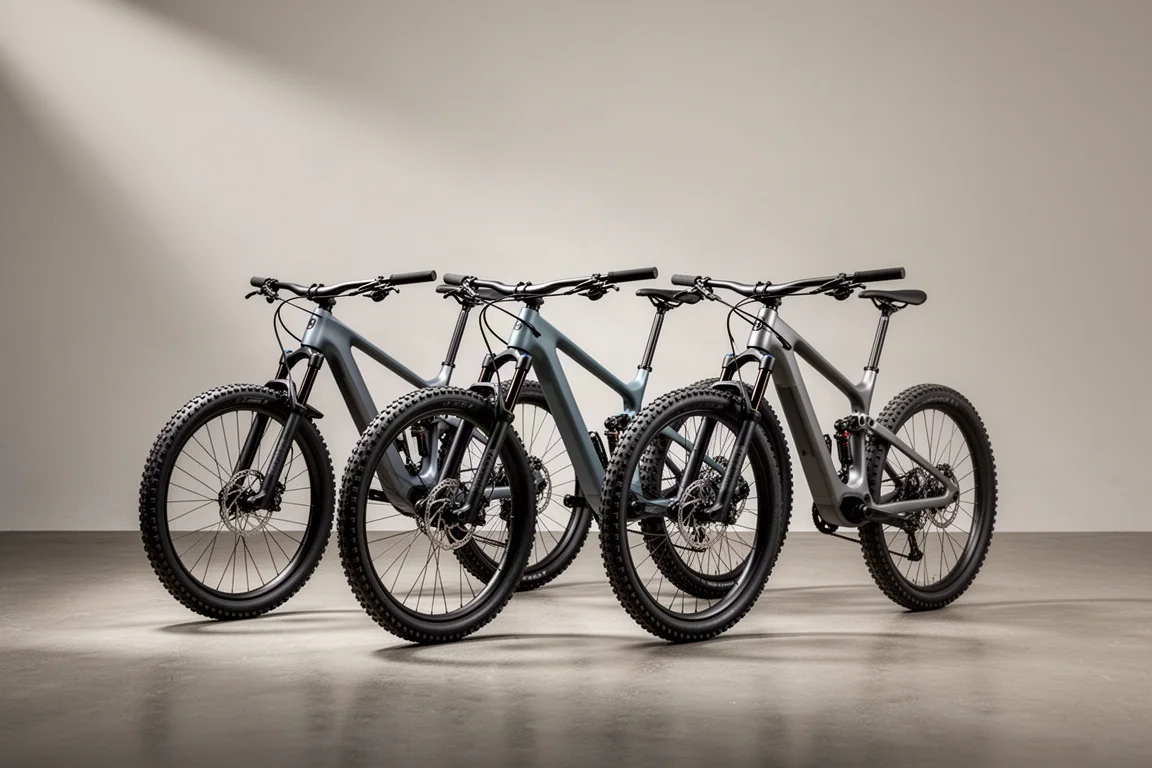
Trail bikes have a reputation problem. They are often described as average, middle of the road, and mediocre, sitting between the sharp focus of a cross-country race bike and the composure of a long-travel enduro machine. Look closer, though, and that middle ground starts to look less like a compromise and more like the most practical place to be.
A trail bike is the all-rounder of the mountain bike world, and the case for owning one as your only bike rests on five straightforward arguments: adaptability, cost, value, capability, and fun. The seven models below show how that plays out in the current Specialized and Canyon line-ups.
Why a Trail Bike Works as a One-Bike Quiver
A trail bike behaves like the hatchback of the mountain bike world. A hatchback can be a cheap, practical car that swallows a family and all their luggage, but the same basic shape can also become a high-performance road, track, or rally car with a few alterations. Trail bikes follow the same logic.
Fit a set of lightweight wheels and fast-rolling, low-tread tyres and the same bike is ready for a cross-country or marathon event. Fit downhill tyres and larger brake rotors and it can be taken to a bike park, to Whistler, or to the Alps and live to tell the tale.

Yes, a bike built specifically for either of those situations will be faster or more confidence-inspiring within its own discipline. What it will not have is the breadth of ability or the adaptability of a trail bike. A simple wheel or tyre change is enough to shift the bike’s performance when you want to ride outside its everyday use case, which means you can almost have three bikes in one.
What a Trail Bike Saves You
The law of n+1 is appealing in theory, but owning several bikes is not always practical or financially viable. A trail bike with multiple sets of tyres and perhaps two sets of wheels costs far less than two or even three bikes for different occasions.
Storage matters too. One bike takes up less room in a shed, garage, or house, and there is only one machine to keep in working order, which keeps maintenance costs down. Popular, adaptable models may also hold their value better on the used market, so selling one later can put more money towards the next bike.
Value is not only about the number of bikes in the shed. Cross-country and enduro bikes have become increasingly specialised and race-focused, and many are available only with carbon fibre frames. Specialized’s Epic and Enduro are both sold exclusively with carbon frames, with the cheapest models starting at roughly $4,000 to $5,000.
The Stumpjumper, Specialized’s trail bike, costs less than either of them. Canyon makes a similar point in its own range: the cheapest carbon Neuron is around £300 cheaper than the Lux with a largely similar specification, and the gap between the base Spectral CF7 and the cheapest Strive CFR Underdog is wider still, at around $1,800 or £1,100.
There are cases where prices between categories are more evenly matched, but in many cases a trail bike will be the cheaper purchase.
How Capable Modern Trail Bikes Have Become
Not long ago, riders who wanted to tackle tough descents often preferred all-mountain or enduro bikes for the extra travel and slacker geometry. That calculation has changed. Head angles on trail bikes now mostly sit in the 64 to 65 degree range, suspension designs have been refined, and trail bikes can often keep pace with burlier stablemates.
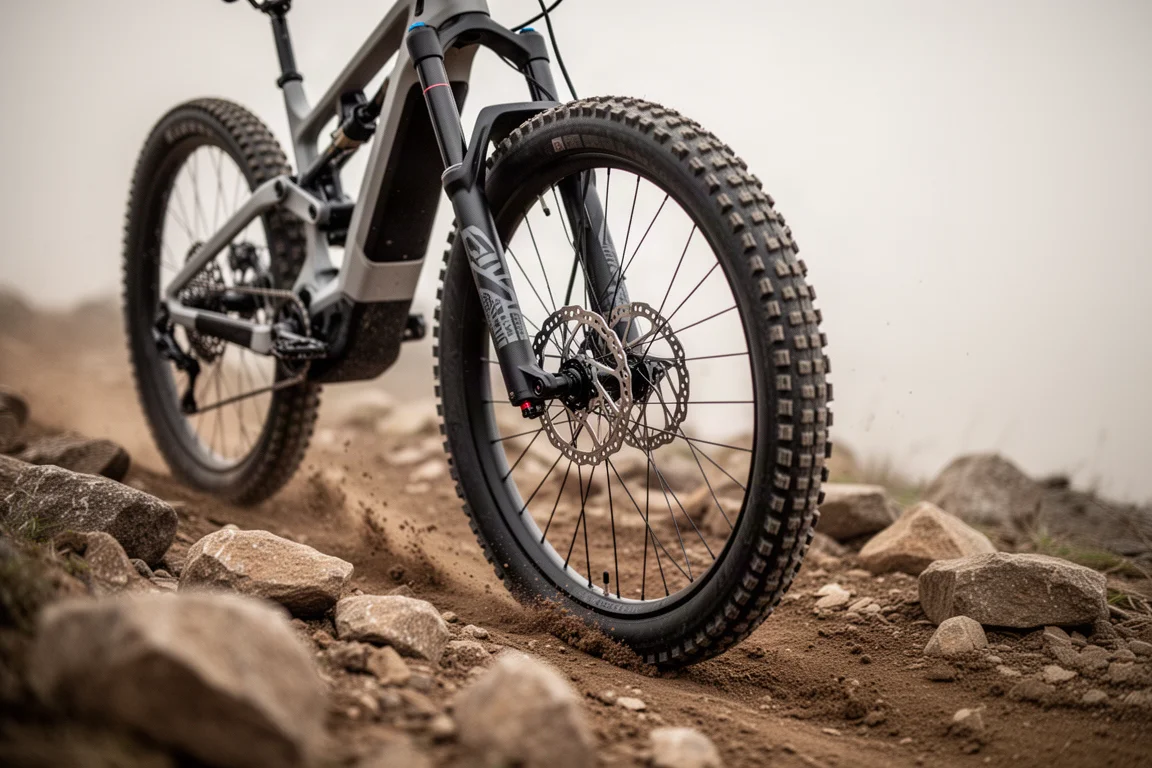
Suspension forks have moved in the same direction. Modern trail forks such as RockShox Pike and Lyrik and Fox’s 34 and 36 are lighter, plusher, and more controlled than earlier generations. Combined with advances in tyre technology, the result is a category of genuinely capable machines.
They are capable enough that some professional enduro racers choose trail bikes over longer-travel enduro bikes on flatter and smoother courses. The argument that a trail bike can be the one bike to rule them all has more support on the descents than ever before.
Specialized Stumpjumper: The Alloy Trail Option
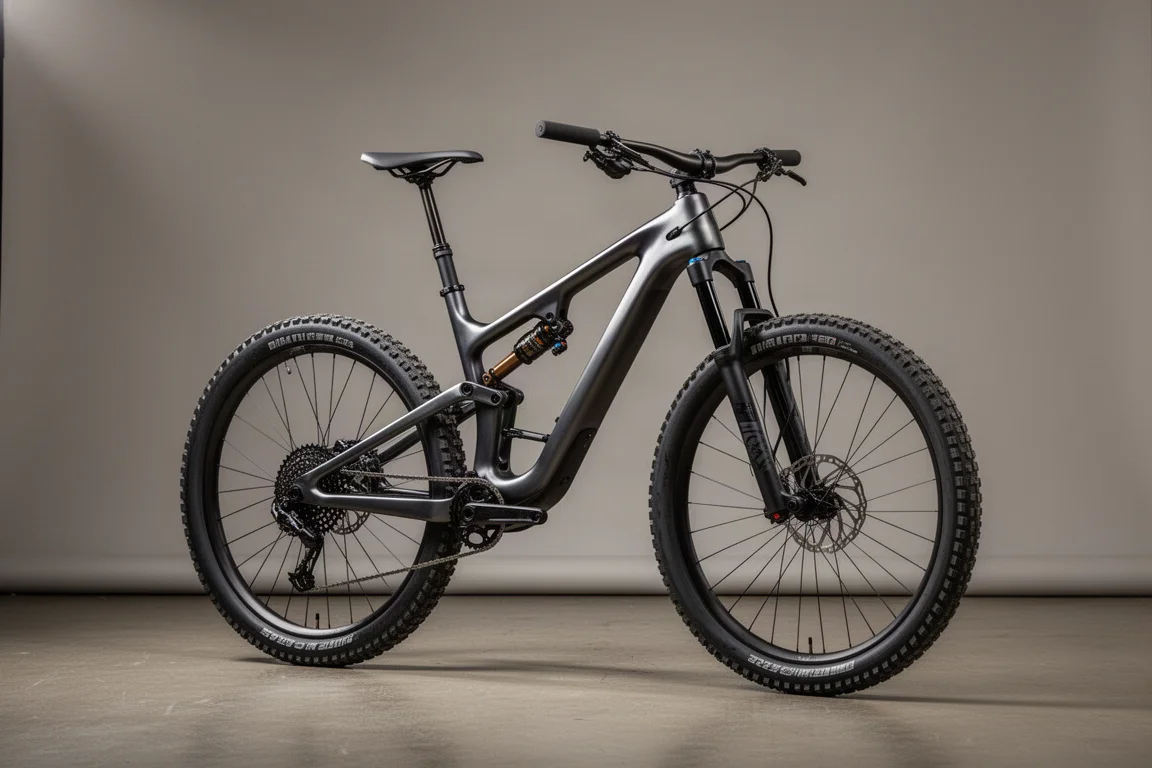
The Stumpjumper is Specialized’s long-standing trail bike and the model that makes the brand’s pricing comparison straightforward. Where the Epic and the Enduro are carbon-only, the Stumpjumper is an alloy bike and costs less than either of them.
That combination makes it the most accessible route into a Specialized mountain bike that can handle a wide range of terrain rather than one specific discipline.
Specialized Epic: The Cross-Country Race Bike
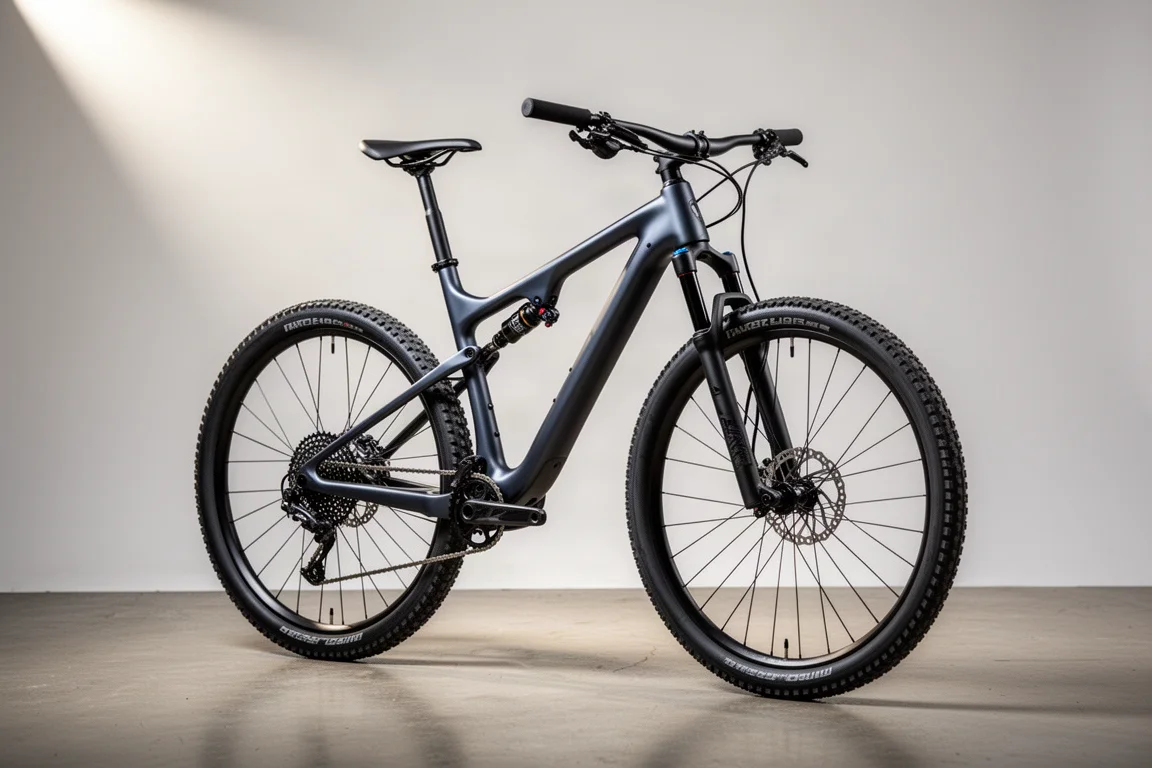
The Epic is Specialized’s cross-country platform, and it illustrates how specialised the category has become. It is sold exclusively with carbon frames, and the cheapest models start at around $4,000 to $5,000.
That focus delivers speed within a specific discipline, but it also makes the Epic a narrower tool than a trail bike: excellent for cross-country riding and racing, and less adaptable once the terrain turns rougher.
Specialized Enduro: Built for Tough Descents
The Enduro sits at the opposite end of Specialized’s range. Like the Epic, it is carbon-only, with the cheapest models starting at around $4,000 to $5,000.
It is designed for the kind of riding where travel and geometry matter most, and for riders who prioritise descending performance over all-round versatility. The trade-off is price and focus: it costs more than the Stumpjumper and is built around a narrower brief.
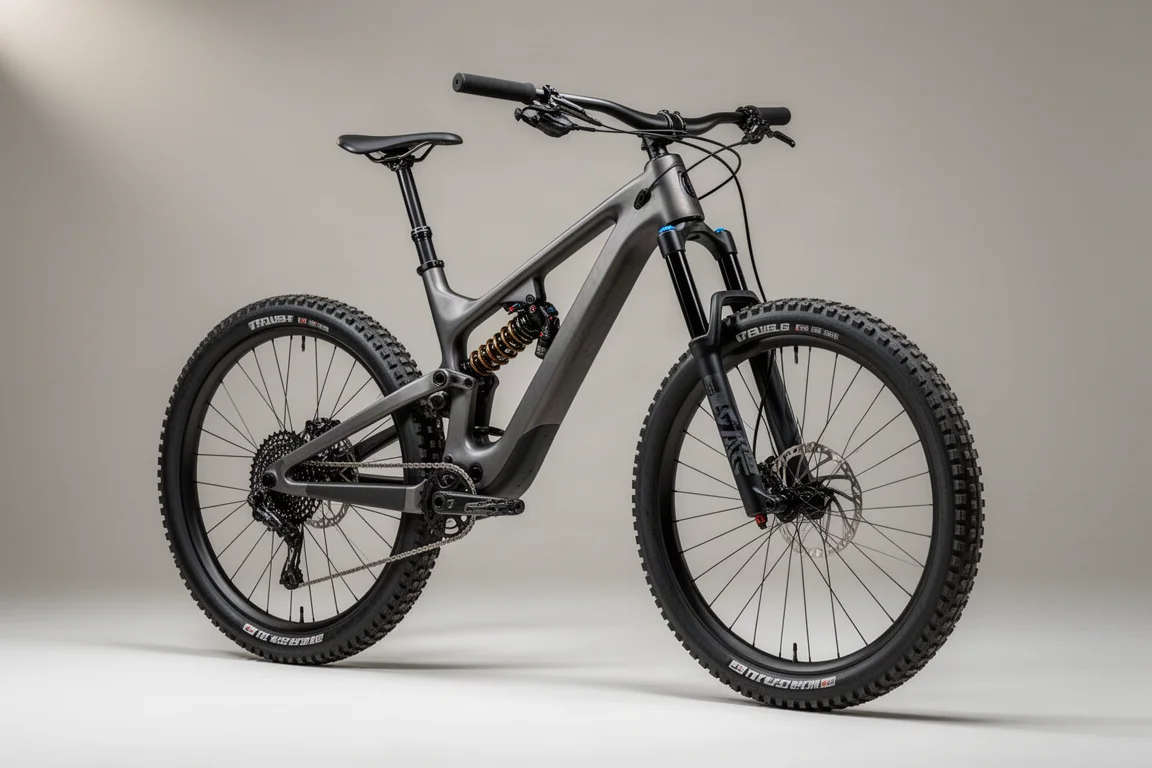
Canyon Neuron: Carbon Trail Value
Canyon’s range places the Neuron between the cross-country Lux and the longer-travel models. The cheapest Neuron with a carbon frame costs roughly £300 less than the Lux while sharing a largely similar specification, which makes it an appealing entry point for riders who want trail geometry without paying a cross-country premium.
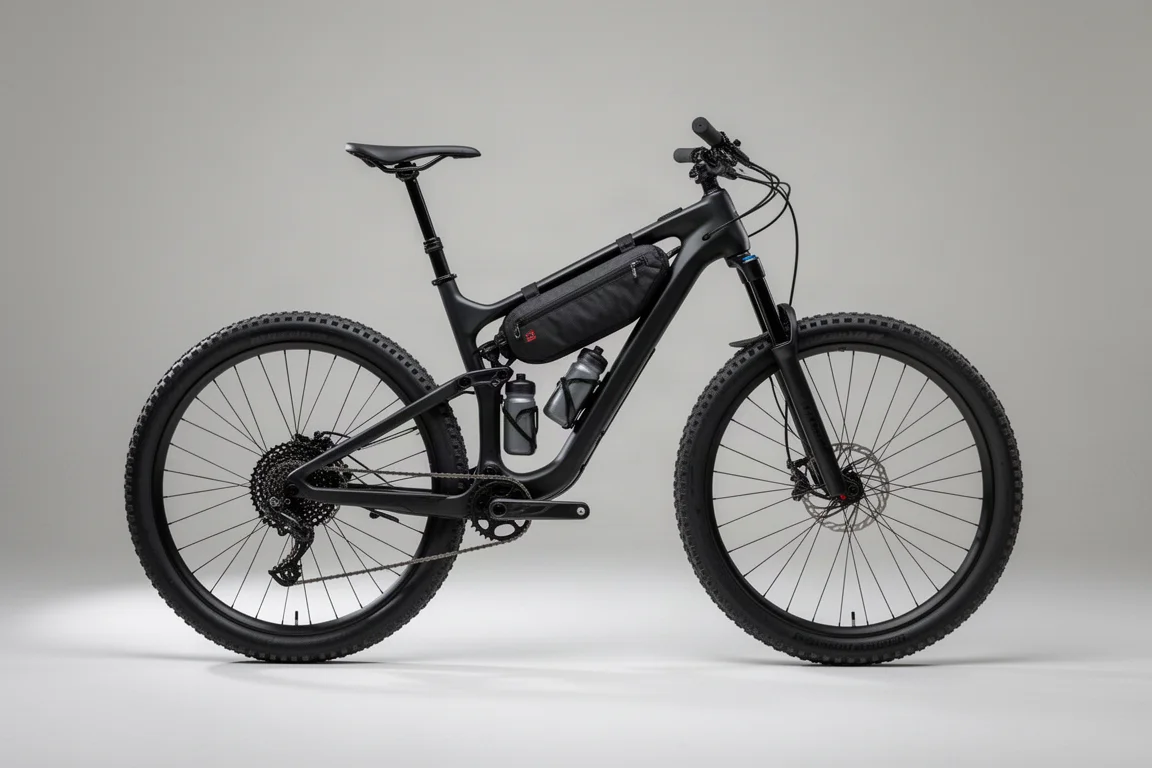
Canyon Spectral: The Versatile Trail Platform
The Spectral is Canyon’s other trail bike and the clearest illustration of the one-bike argument in the range. The base Spectral CF7 undercuts the cheapest Strive CFR Underdog by around $1,800 or £1,100, so the trail option is also the more affordable route into a long-travel-capable Canyon.
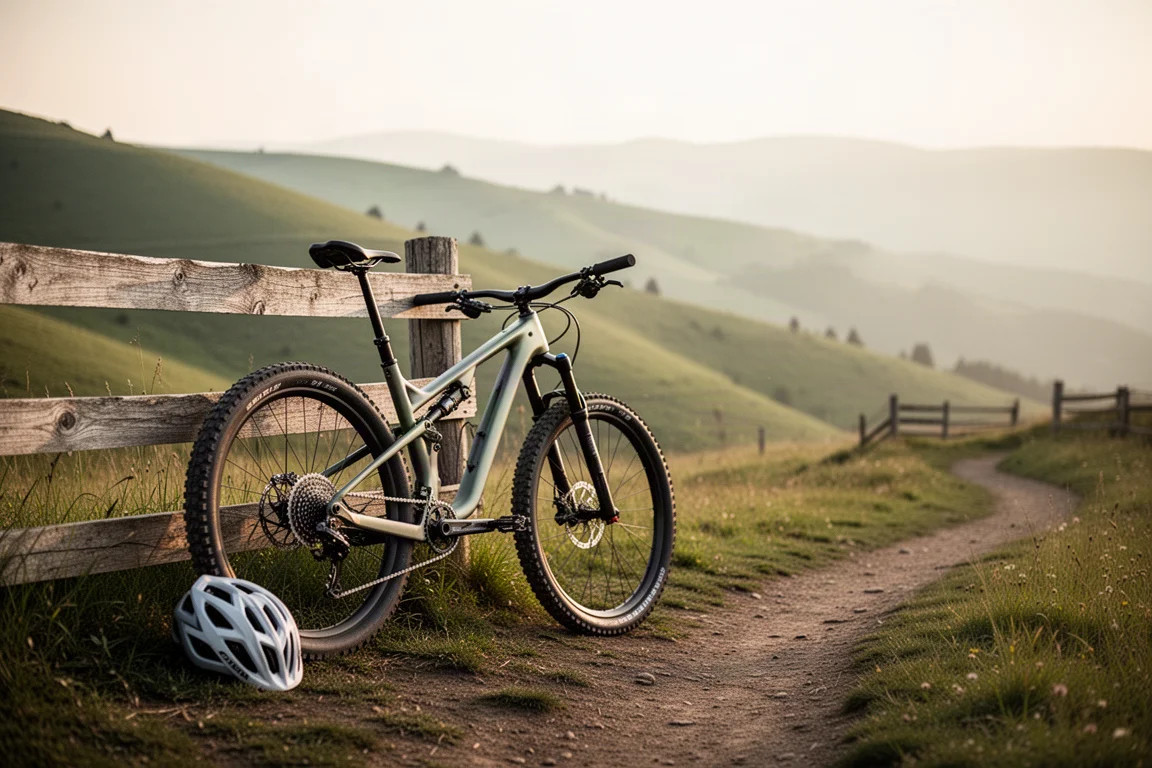
That price gap matters because the performance gap is smaller than the categories suggest. The Spectral is capable enough that some professional enduro racers have chosen it over longer-travel enduro bikes on flatter, smoother courses.
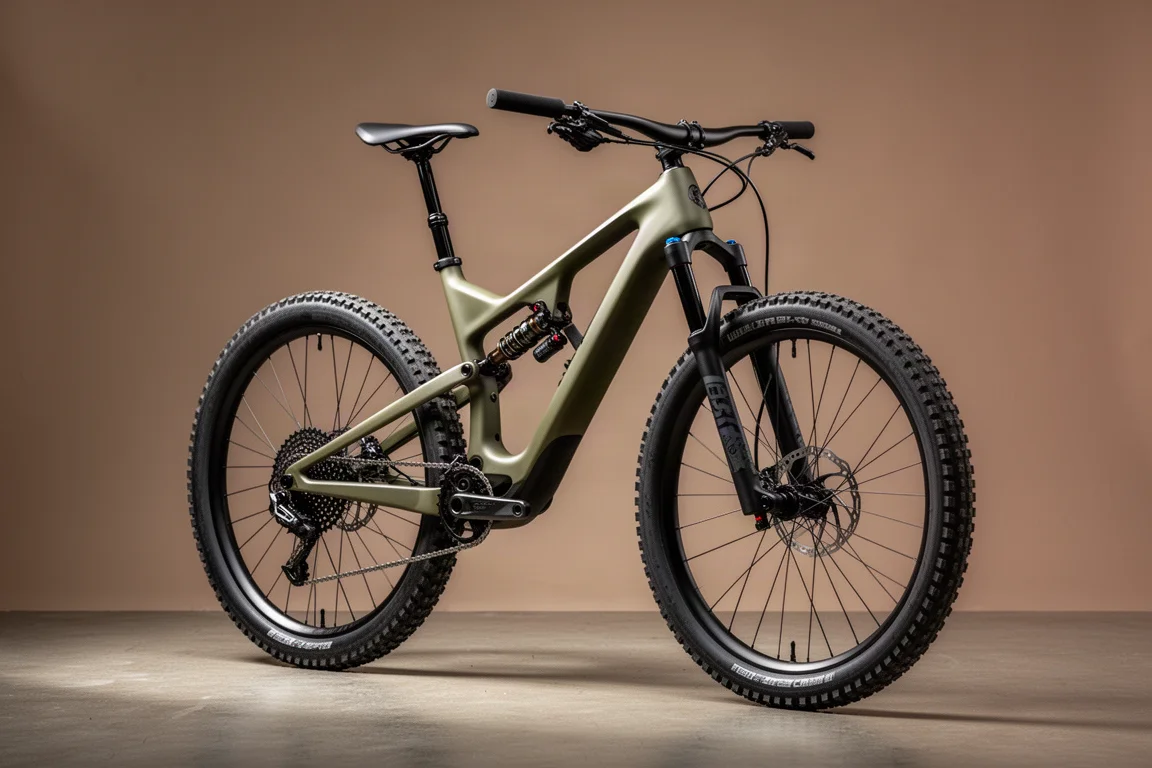
Canyon Lux: The Cross-Country Option
The Lux is Canyon’s cross-country bike, sitting above the Neuron in the range and priced higher than the carbon Neuron despite a largely similar specification.
That positioning reflects its purpose. It is built for cross-country riding and racing, where the priority is speed in a specific discipline rather than all-round adaptability.
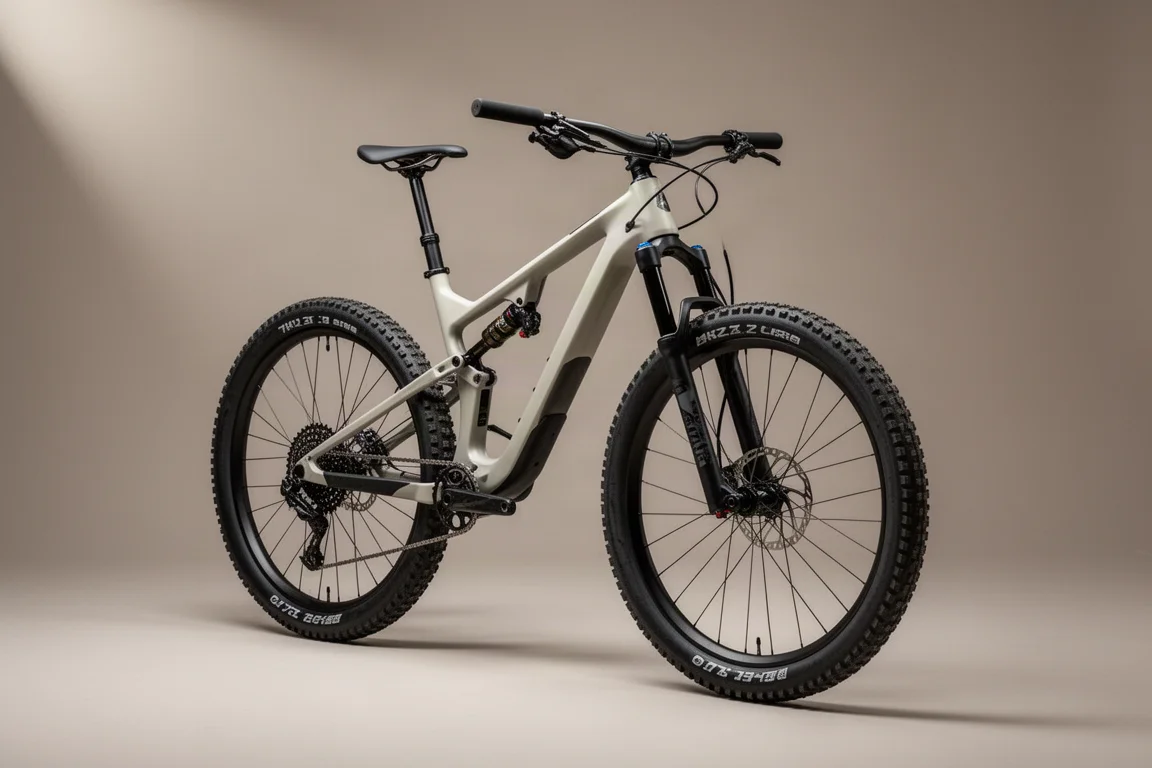
Canyon Strive: The Long-Travel Enduro Bike
The Strive is Canyon’s longer-travel enduro bike, and the cheapest Strive CFR Underdog costs around $1,800 or £1,100 more than the base Spectral CF7.
That extra outlay buys more travel and a more descent-focused build. For riders whose riding is dominated by steep, demanding terrain, that can be worthwhile, but it is a narrower investment than a trail bike that covers both climbing and descending duties.
Overall Buying Advice
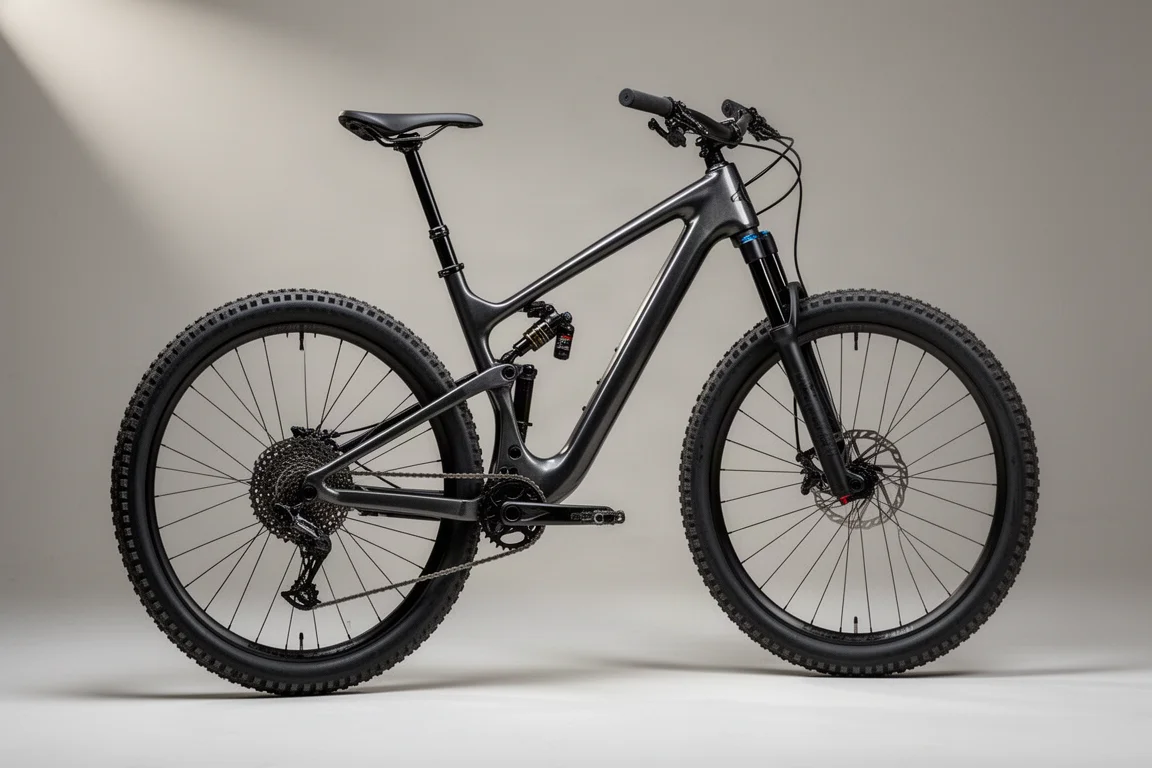
The case for a trail bike is not that it beats a dedicated cross-country or enduro bike at that bike’s own job. It is that one bike can cover far more ground than its position in the middle of the range suggests. If you ride a mix of terrain, want the option of a cross-country event one weekend and a bike park the next, and would rather maintain one bike than three, a trail bike is the sensible starting point.
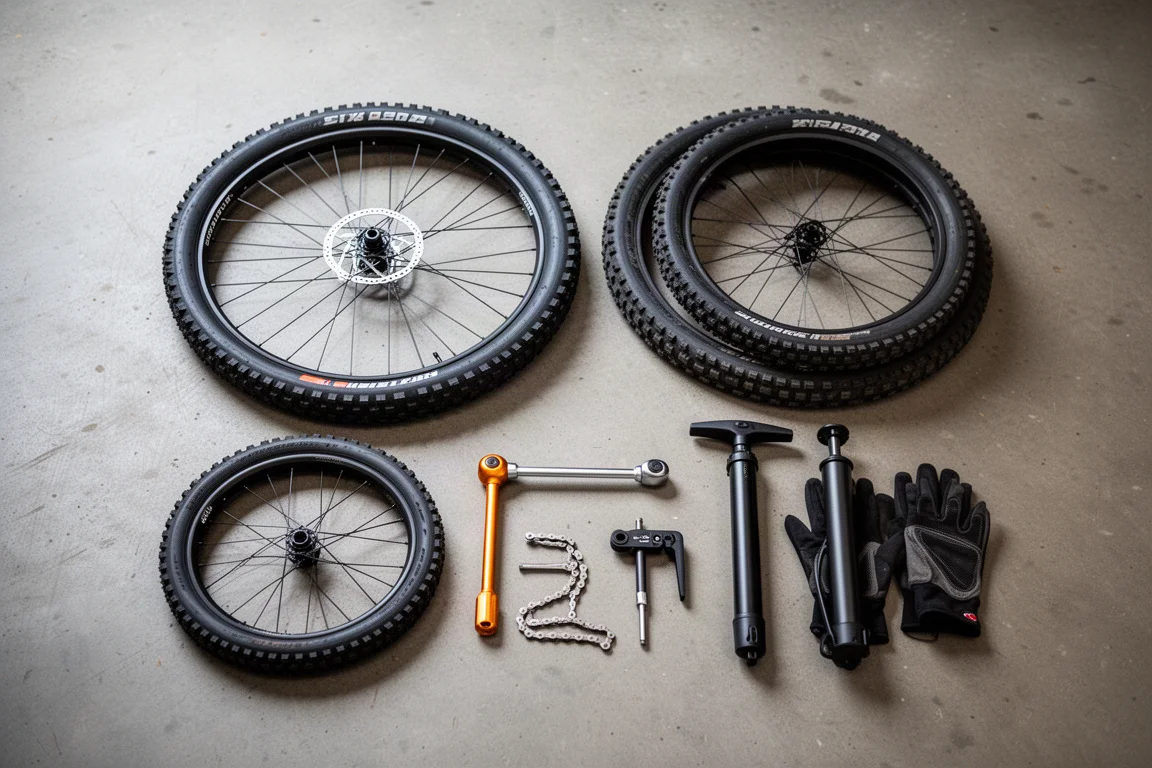
Budget is the other half of the decision. Trail bikes are frequently the cheaper option within a brand’s range, and the money saved can go towards a second wheelset or a set of tyres that extends the bike’s range further. If most of your riding is genuinely race-focused cross-country or committed enduro terrain, a dedicated bike may still be the better match, but it is a narrower brief than a trail bike covers.
Conclusion
Trail bikes may be described as average, but that description misses what makes them useful. They adapt with a wheel or tyre change, they cost less than several bikes combined, they are increasingly competitive with more specialised machines, and they are fun to ride on almost any trail.
For riders who want one mountain bike that can do a bit of everything, that combination is hard to argue with.
Further reading
Related Reviews
Mountain Bikes
Atherton AM.130 Review: 3D-Printed Titanium Lugs and a 130mm Trail Bike That Descends Like a Bigger Machine
The Atherton AM.130 pairs 3D-printed titanium lugs with carbon tubes and a DW6 suspension platform. Here is how it rides, what the build delivers, and who it suits.
Mountain Bikes
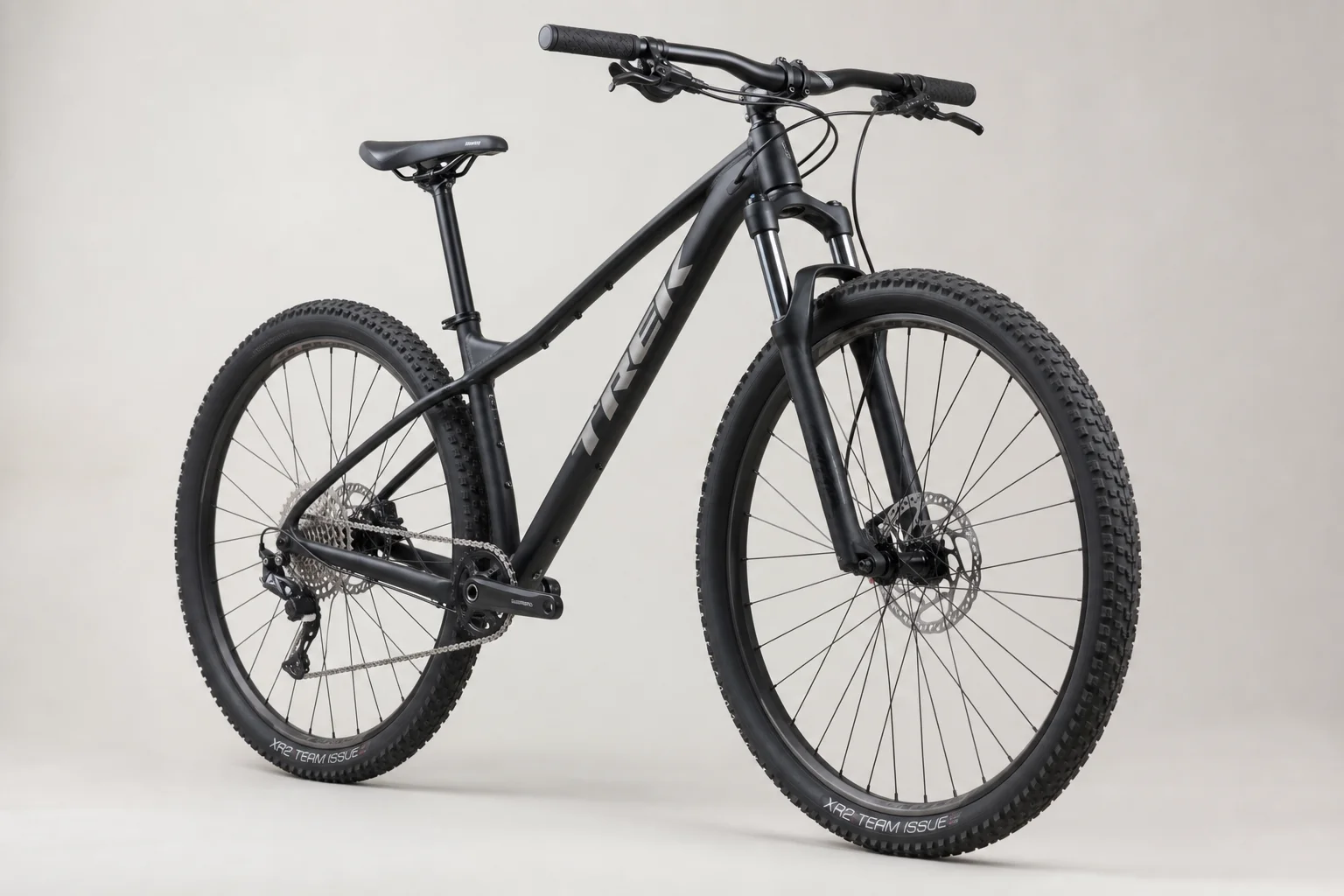
Beginner Mountain Bike Buying Guide: What to Look For in a Trailworthy Hardtail
A practical framework for evaluating beginner mountain bikes, whether new or used, by examining key components that indicate real trail capability.
Mountain Bikes
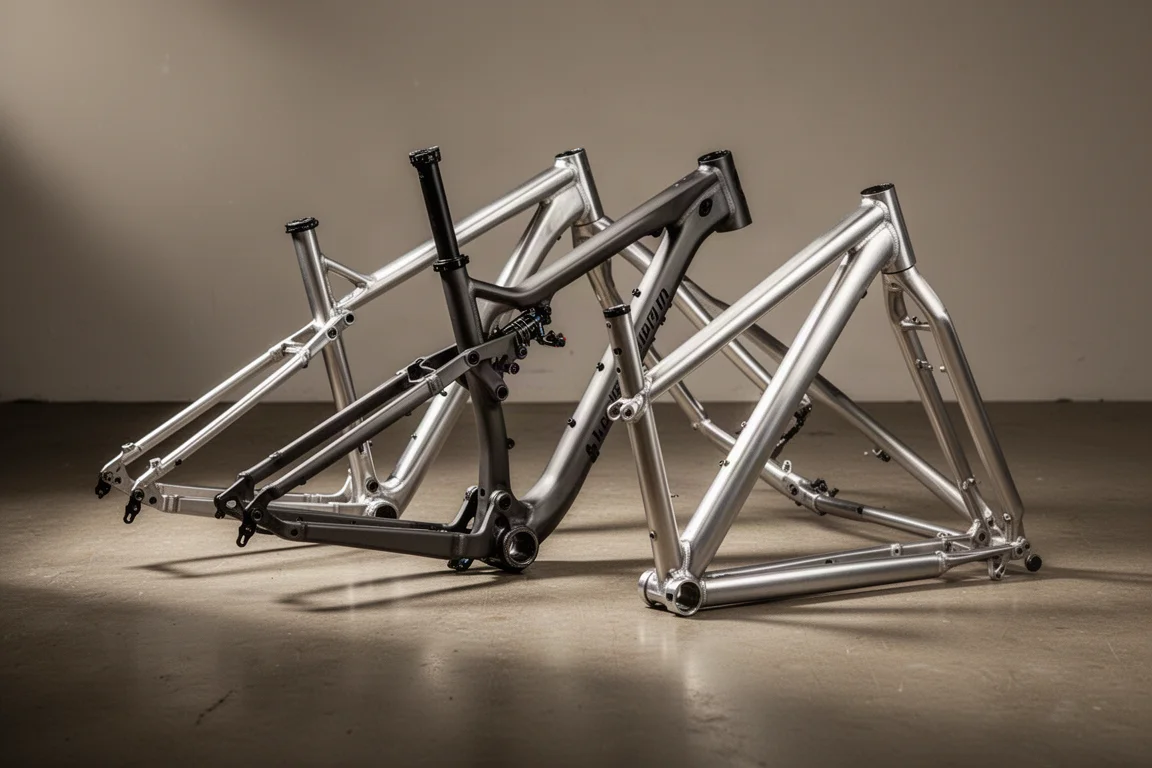
Best Aluminum Mountain Bikes 2026: Five Alloy Bikes Worth Your Attention
Five aluminum mountain bikes that show how far alloy has come, from a 120mm trail bike and a versatile machined frame to a 180mm freeride machine.