Camping Tents
White Duck Scout Rover Canvas Tent Review: 8-ft by 6-ft vs 8-ft by 9-ft
A practical look at the White Duck Scout Rover canvas tents in both sizes, covering standing height, roll-up screen walls, stove compatibility, and the real trade-offs of canvas.
Introduction
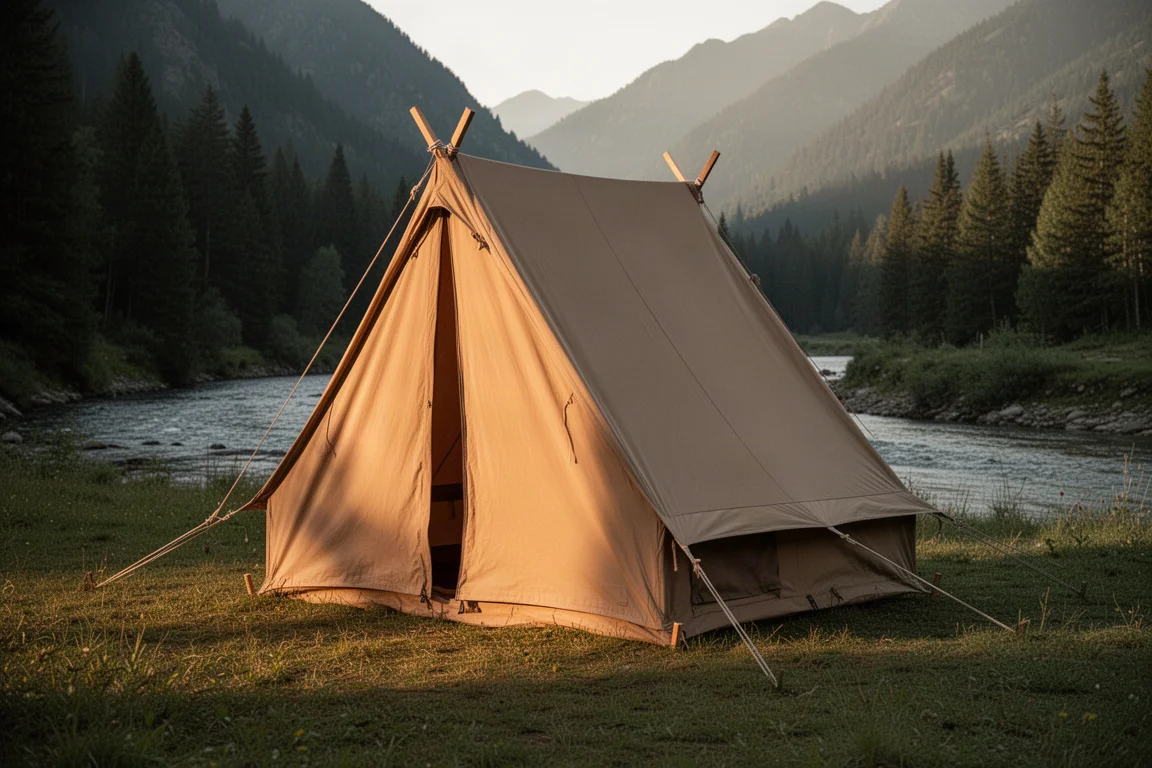
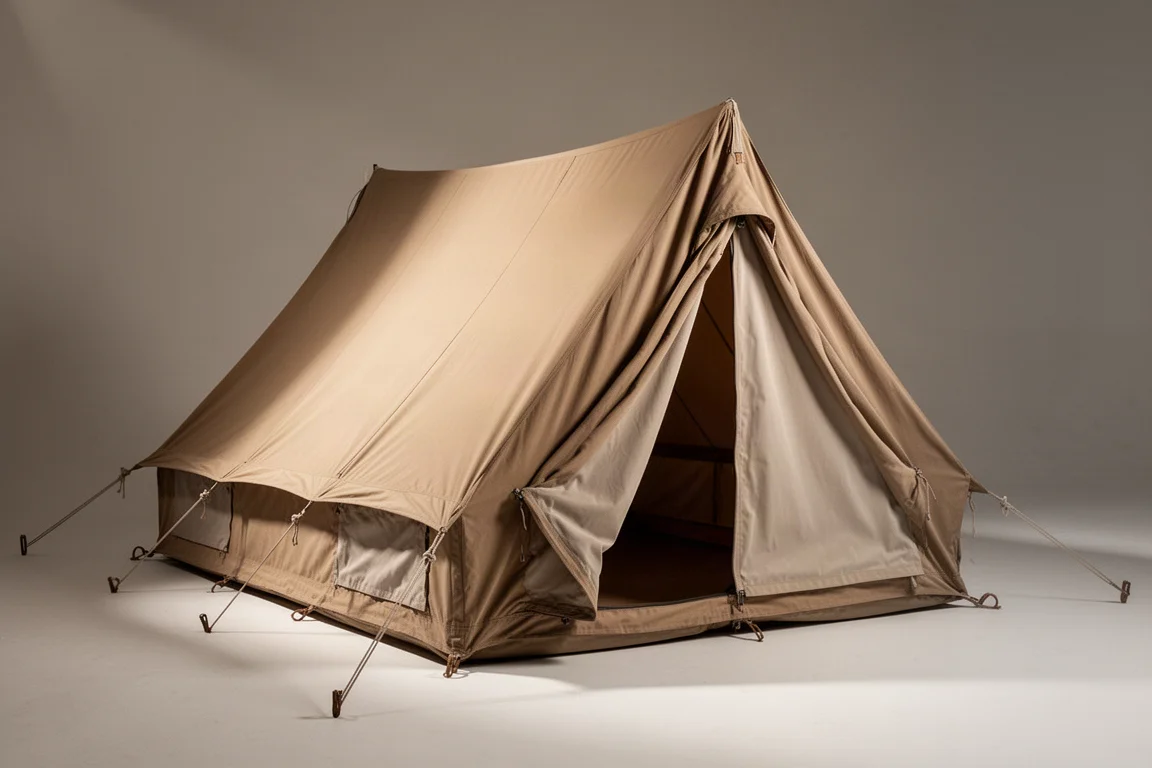
Canvas tents sit in their own corner of camping. They are heavier, they pack larger, and in exchange they offer space, quiet, and a sense of permanence that lightweight synthetic shelters rarely match. The White Duck Scout Rover occupies the small end of that category. The 8-ft by 6-ft version is one of the smallest canvas tents you can buy while still being a two-person tent you can stand up in. The 8-ft by 9-ft version is its roomier sibling, built on the same idea with more floor area.
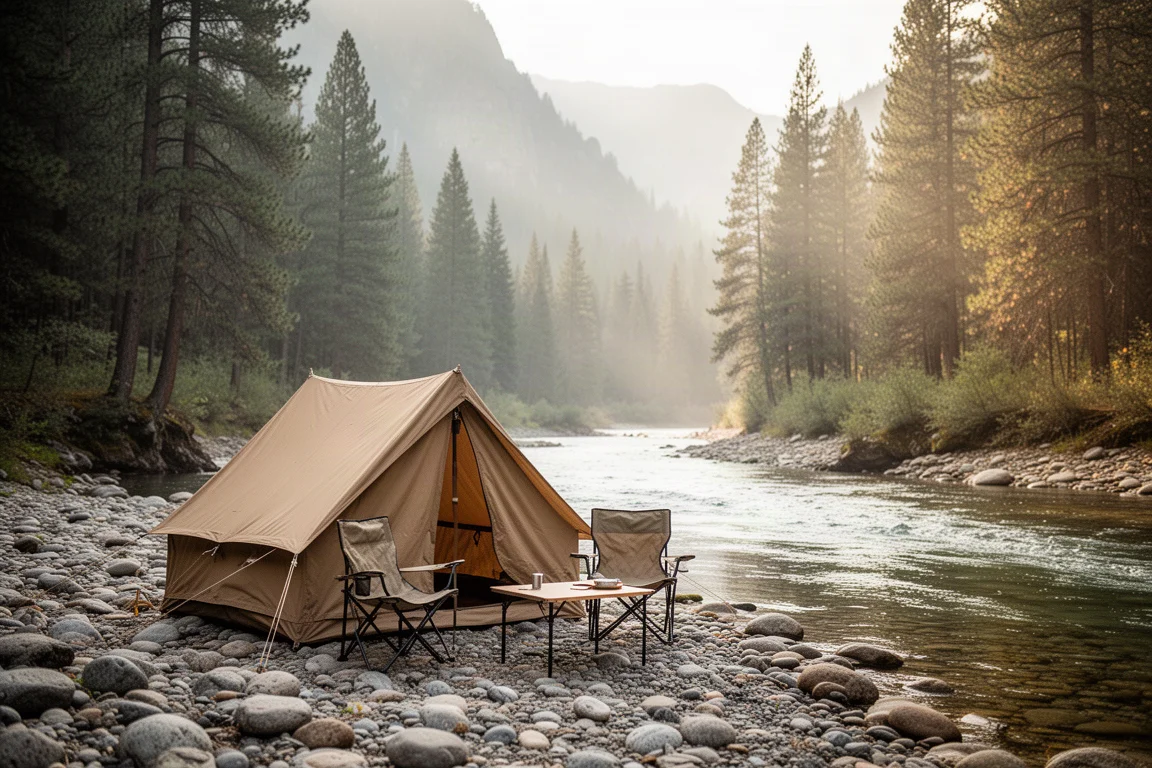
Both share an A-frame silhouette and a tan canvas shell, and both are aimed at campers who value a livable interior over a minimal pack weight. The real decision comes down to footprint: one is sized for solo trips and cozy pairs, the other adds enough room for two people with gear or three close companions.
What Makes a Canvas Tent Different
The appeal here is as much about feel as it is about function. Canvas has an old-school character that nylon cannot replicate, and the tan color makes a noticeable difference once you are inside. Many synthetic tents use bright, saturated fabrics, which tint everything in the interior and can be hard on the eyes over a long evening. A neutral canvas shell keeps the inside calm and homey, and the cabin-like A-frame shape adds to that effect.
Construction also plays a role in how the tent behaves in poor weather. This design is described as solid for wind protection and storm protection, and the material and build suggest a shelter that should hold up over many seasons of use. The trade-off is unavoidable: canvas is heavier and bulkier than synthetic fabric, so pack size and weight are the price of admission.
White Duck Scout Rover 8-ft by 6-ft: The Compact Option
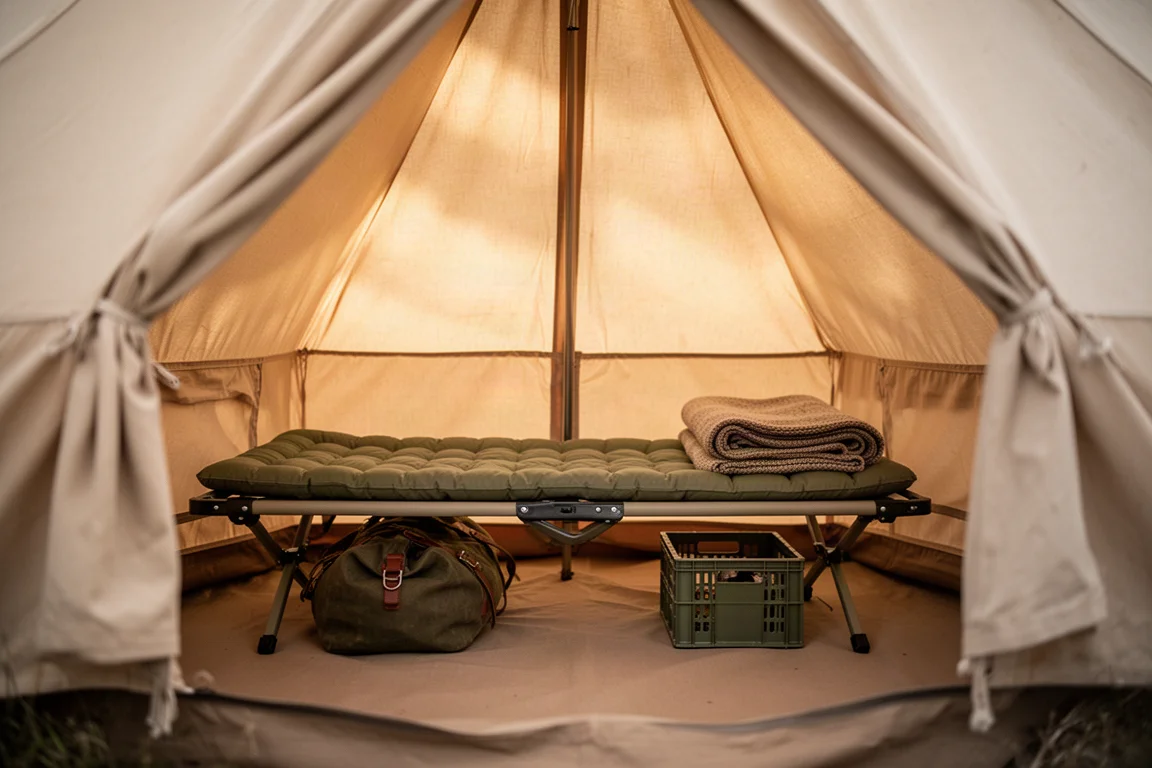
This is the version to look at if you want the smallest possible canvas footprint without giving up standing room. The A-frame shape and tall sidewalls mean you can move around upright instead of crouching, which is unusual for a tent this compact. For one person it feels generous. For two, it works if you are comfortable being close, and the floor space under a cot gives you somewhere to stash gear rather than piling it on the sleeping area.
There is a stove jack in this model, so a wood-burning stove is an option. That said, adding a stove naturally eats into the usable sleeping area, and it would make two occupants a much tighter proposition. Because the 6-ft measurement runs across the width rather than the length, shorter campers may find they can sleep across the tent and free up floor space.
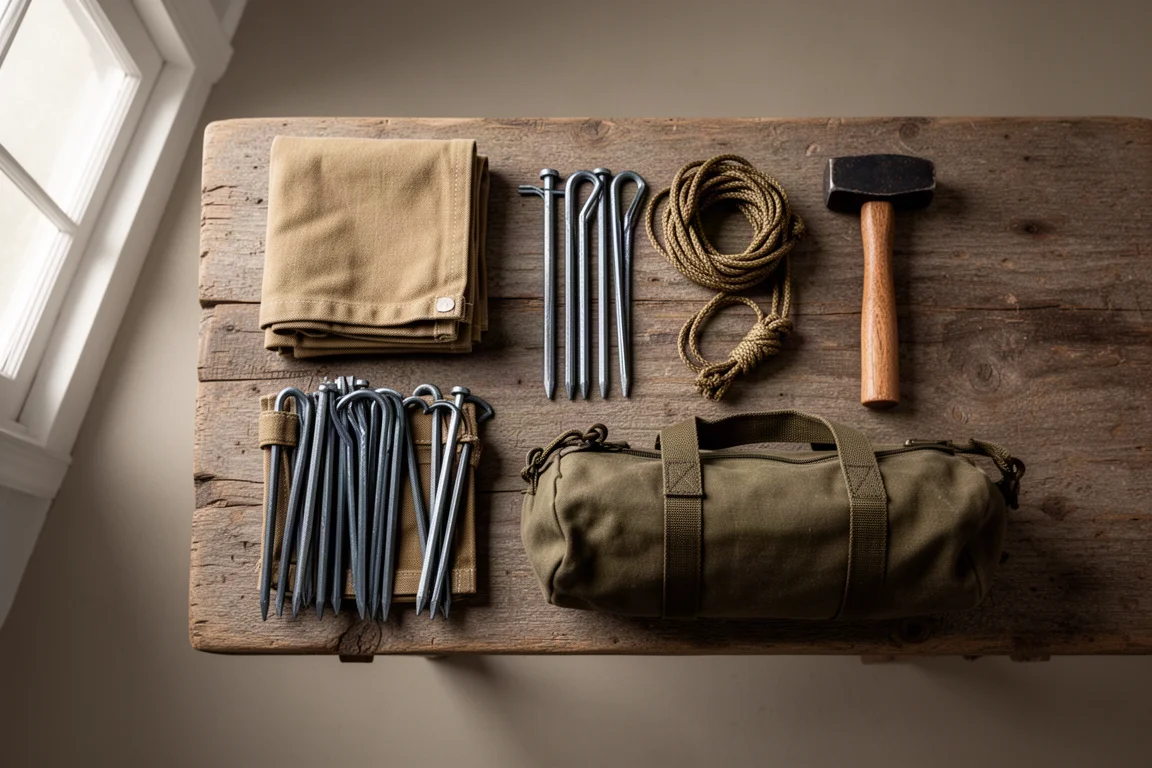
One thing worth planning for is the pitch. Getting the tent up takes real effort, particularly the first time, so arriving with daylight to spare makes the first night considerably easier. Once it is standing, though, it is a genuinely pleasant place to spend time, whether that is a solo trip with a dog or a short weekend with one other person.
White Duck Scout Rover 8-ft by 9-ft: The Roomier Option
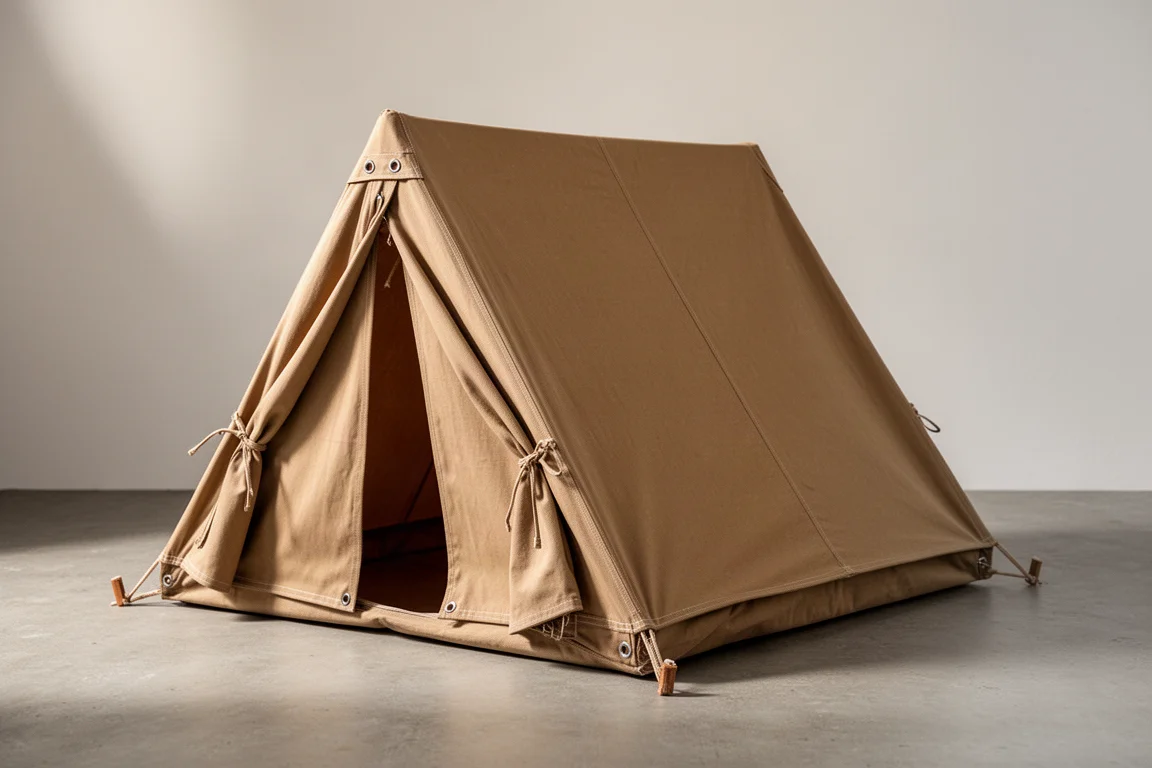
The larger Scout Rover takes everything above and adds floor area. This is the size that comfortably accommodated three occupants on a previous trip, and it remains a sensible choice for two people who want space for bags, bedding, and a bit of breathing room. If a stove is installed, two people becomes the realistic limit, since the stove and its clearance zone take up the space that would otherwise sleep a third person.
Beyond the extra footprint, the fundamentals are the same: the same tall sidewalls, the same neutral canvas interior, the same wind and storm protection, and the same ventilation approach. Choosing between the two is largely a question of how many people and how much gear you expect to bring.
Living Space, Ventilation, and the Roll-Up Walls
The standout feature on both sizes is the ability to roll up the side walls and effectively turn the tent into a screen shelter. That single design decision changes how the tent feels on warm days, allowing a strong cross breeze while keeping insects out. It creates a genuinely bug-free space that is still open to the view and the air around you.
That combination of airflow and enclosure makes the tent more versatile than its size suggests. A small camp table fits comfortably inside, and the standing height means it can serve as a workspace, a reading corner, or a place to wait out a shower without feeling confined. On cooler evenings the walls go back down and the canvas does what canvas does best, holding warmth and blocking wind.
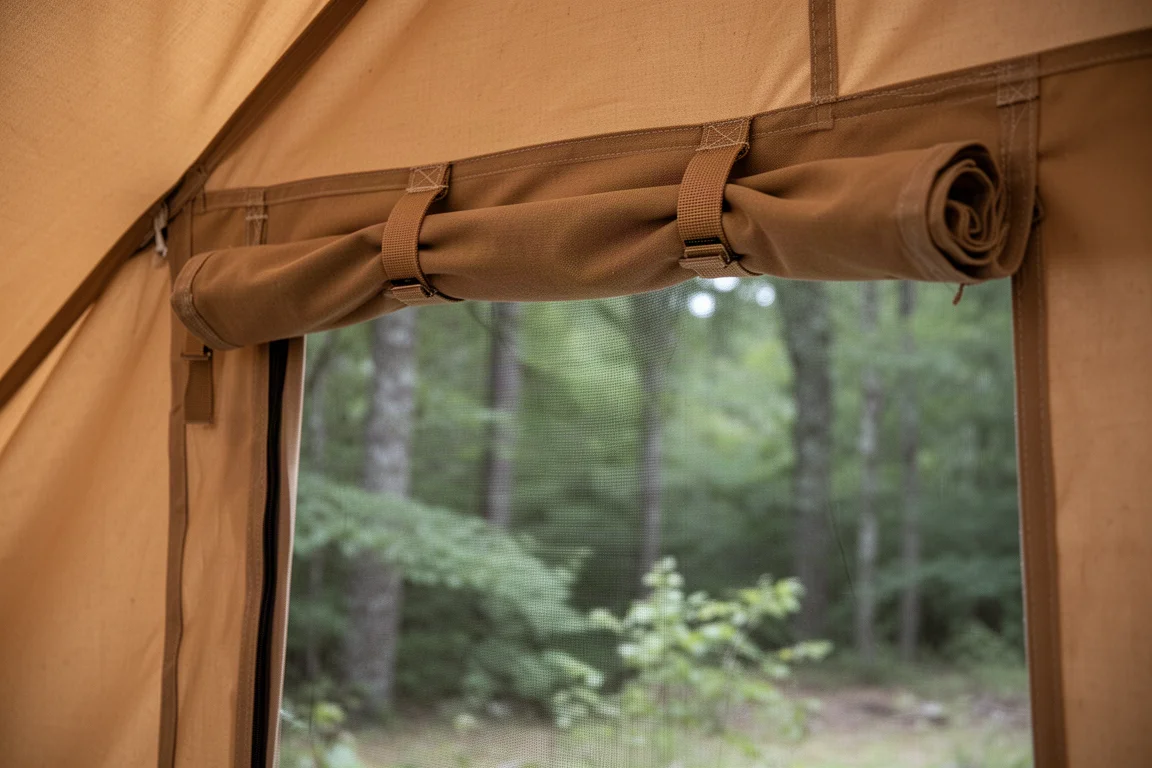
Interior light is another quiet advantage. Daylight passing through the tan fabric is soft and even rather than harsh, and the neutral tone keeps the space feeling warm instead of clinical. Add a wood-burning stove through the jack and the tent becomes viable well into cold-weather camping, as long as you accept the reduced sleeping capacity that comes with it.
Things to Consider Before Buying
Weight and pack size are the honest drawbacks. Canvas is heavy, and both sizes demand more cargo space and more effort at the trailhead or campsite than a comparable synthetic tent. If you move campsites often or hike in to your spot, that matters.
Setup effort is the second consideration. Pitching takes some muscle and patience, and the first attempt is the slowest. Budget extra time on arrival and the process gets easier with repetition.
Finally, think carefully about occupancy. A cot plus a sleeping pad raises your sleeping height and reduces the space available underneath for storage, and a stove reduces how many people the tent can realistically hold. Sizing the tent to your actual setup, rather than to its maximum capacity, is the difference between a comfortable trip and a cramped one.
Buying Advice: Choosing Between the Two Sizes
If you camp alone, or with one other person and minimal gear, the 8-ft by 6-ft Scout Rover delivers the canvas experience in the smallest package available in this range. It gives you standing height, ventilation, and stove capability without demanding a large pitch area. It is the natural pick for solo campers and for pairs who like being close.
If you regularly camp with two people and a full load of gear, or occasionally with three, the 8-ft by 9-ft version is the safer choice. The extra floor area is what keeps a cot, bedding, bags, and a small table from competing for the same square meter. Whichever size you choose, measure your sleeping setup first and allow for the space a stove or a raised cot will consume.
Conclusion
Both Scout Rover sizes are built around the same appealing idea: a canvas shelter you can stand up in, open to the breeze when you want it, closed against wind and weather when you do not, and finished in a neutral tone that feels calm rather than clinical. They are not light, and they are not quick to pitch, but that is the nature of canvas. For campers who prioritize a livable interior and long-term durability over pack weight, the smaller version suits solo trips and cozy pairs, while the larger version is the more forgiving choice for two people with gear or a group of three.
Further reading
Related Reviews
Camping Tents
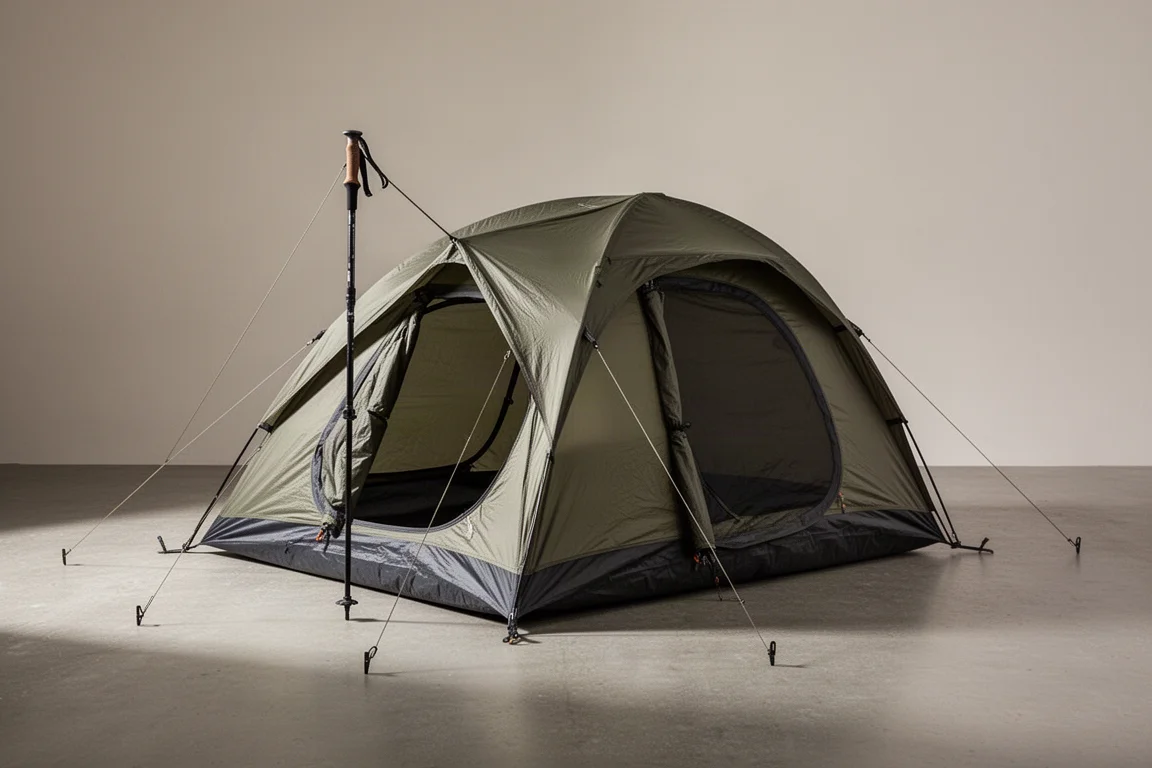
3F UL Gear Taiji Two-Person Tent Review: Field Waterproofing Results and Buying Advice
The Taiji pairs an attached fly with a removable inner, but sustained rain exposed untaped vent seams that need sealing before this shelter can be trusted.
Camping Tents
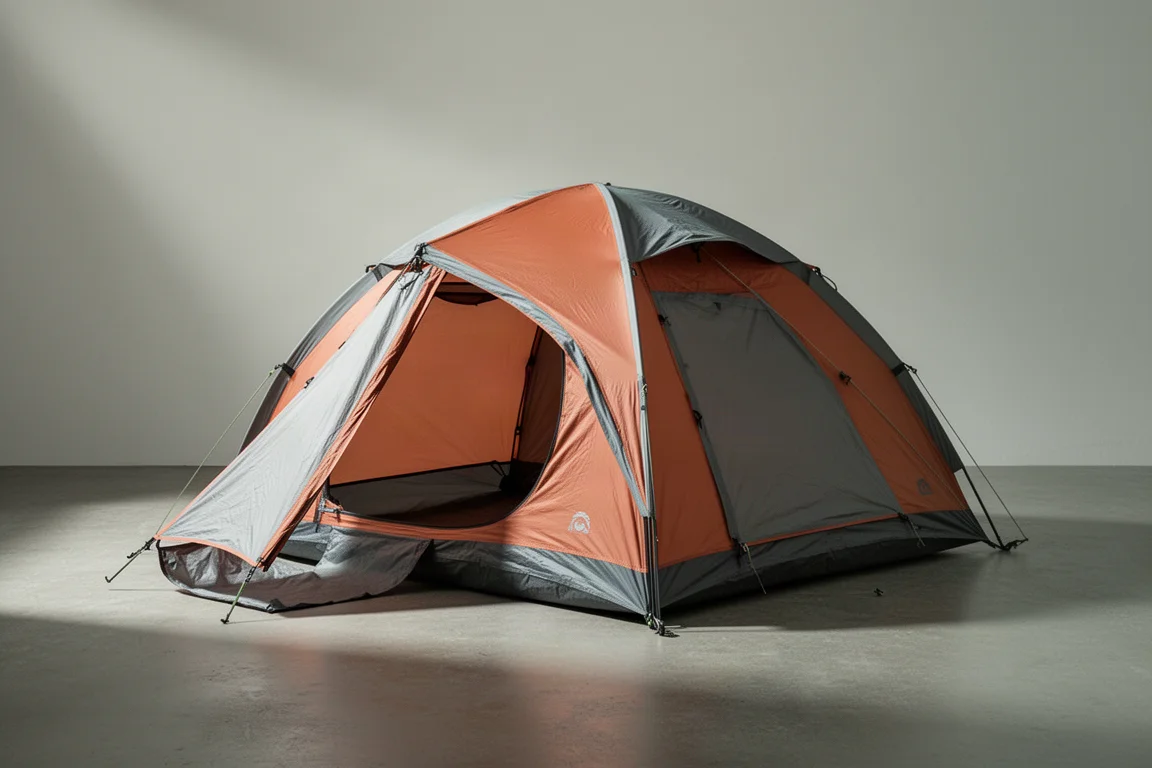
3FUL Gear Lanshan 2 Pro 4-Season Review: A Sub-$200 Single-Wall Trekking Pole Tent
An early look at the 3FUL Gear Lanshan 2 Pro 4-Season, covering its straightforward pitch, generous interior space, and the condensation and seam-sealing questions that come with any single-wall shelter.
Camping Tents
Alps Mountaineering Lynx 1-Person Tent Review: Big Value in a Small Budget Tent
A close look at the Alps Mountaineering Lynx 1-Person Tent, covering real interior dimensions, materials, setup time, ventilation limits, and who should buy it.