Ski Resorts
Whistler Blackcomb Review: What to Expect From North America's Largest Ski Resort
A practical look at Whistler Blackcomb's terrain, snowfall, lift lines, and cost, plus who gets the most out of a trip.
Introduction
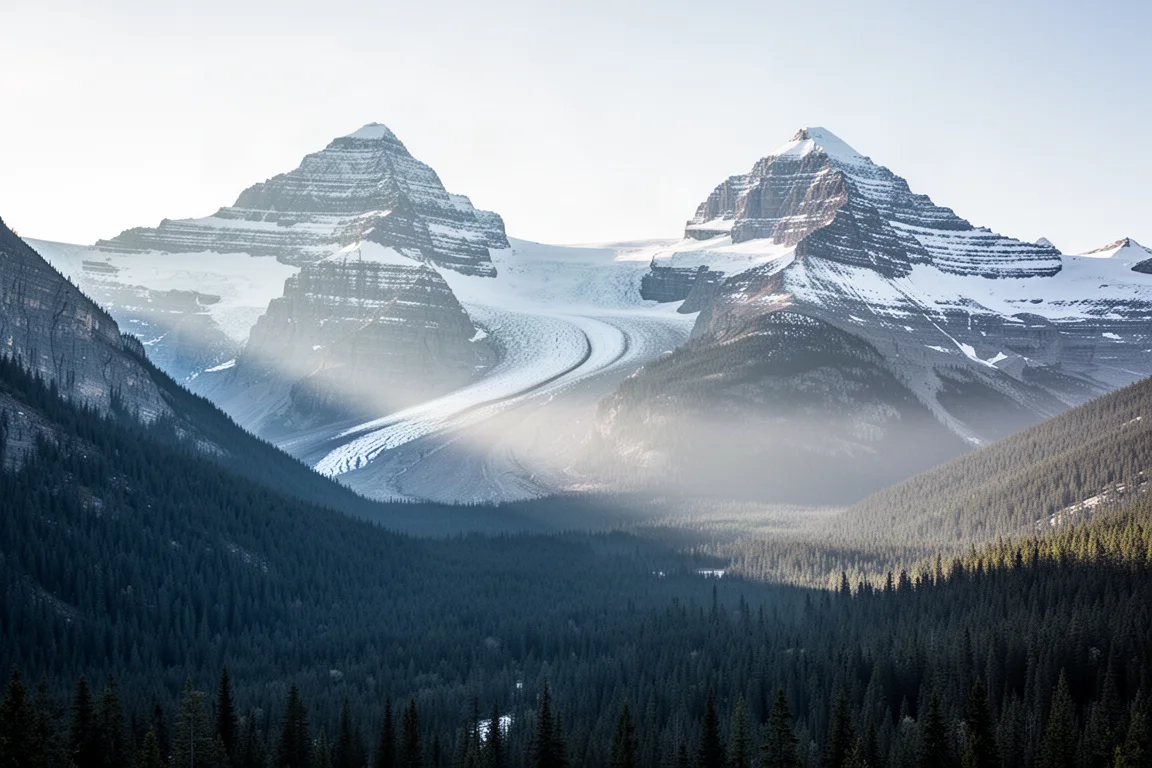
Whistler Blackcomb is the largest ski area in North America by skiable acreage, and the numbers behind that claim are unusual. Two connected mountains, Whistler and Blackcomb, combine for 8,171 acres of lift-served terrain, and the resort sits close enough to the coast to collect an average of 1,338 cm of snow each season. That combination of scale and snowfall is the reason it appears on so many trip lists.
It is also one of the most expensive places to ski on the continent. Window lift tickets run around $300 CAD, on-mountain food is priced accordingly, and accommodation in the village follows the same pattern. A trip here rewards planning more than most resorts do, and the terrain rewards skiers who can actually use it.
This review covers what the resort does well, where it asks for patience, and how to get more out of a visit.
Who This Resort Is For
Whistler Blackcomb suits skiers who can already handle a range of terrain. The resort is enormous, but a large share of its most memorable skiing, the alpine bowls, the steeps, and the glacier runs, is not accessible or enjoyable for someone still learning to link turns. A beginner pays full price for a fraction of the mountain.
That said, the resort does offer a discounted pass for newcomers that covers the Magic Chair on the Blackcomb side and the Olympic Chair on the Whistler side. It is a genuine option for practising without paying the full walk-up rate.
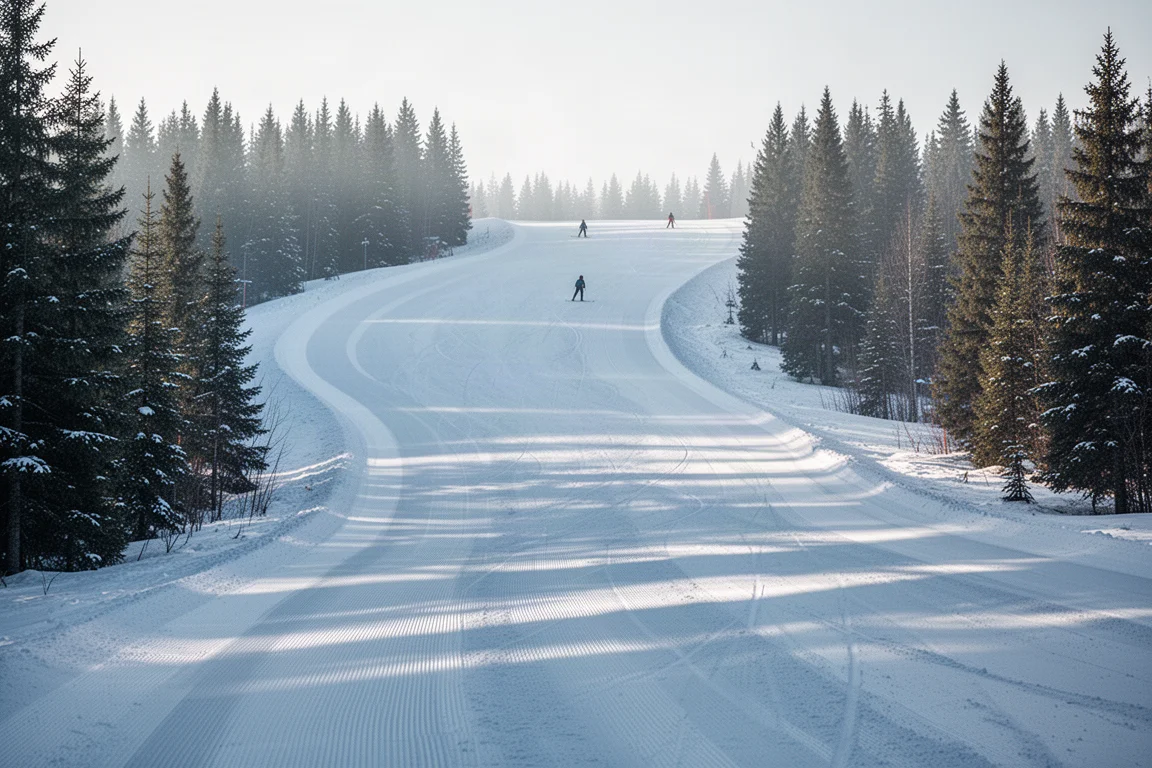
The strongest fit is an intermediate or advanced skier who plans several days, moves around the mountain rather than staying on one lift, and is comfortable reading changing conditions. That group gets the most value from the scale.
Beginners and First-Time Skiers
The Whistler side is the better choice for anyone comfortable on green runs. Blackcomb leans more advanced, and its green runs tend to be cat tracks, which are tiring to ski rather than fun.
Good starting areas on the Whistler side include Ego Bowl off the Emerald Chair, which is open, well groomed, and has strong views, and Pony Trail off the Red Chair. Once confidence builds, the Burnt Stew Trail from the top of the Peak Chair down to the Symphony Chair is the most scenic green run on the mountain, and a cat track brings skiers back to the bottom of the Harmony chair. It is mellow enough to be manageable while still giving a genuine big-mountain experience.
Intermediate and Advanced Skiers
The Blackcomb Glacier is the standout recommendation for this group. It delivers a remote, big-mountain feel with a pitch that skis somewhere between blue and black depending on conditions, and a cat track returns skiers to the Crystal Chair. When the ice cave is open, it is worth a look.
On the Whistler side, the large open alpine bowls suit skiers building toward more aggressive lines. They are wide, relatively free of hazards, and a good place to develop confidence before moving to steeper terrain.
Experts and Freeride Skiers
The Peak Chair is the centre of the resort’s freeride scene, with marked and unmarked steeps, cliffs, and chutes, including well-known lines such as the Coffin and the double cliff drop at Air Jordan, which is visible from the lift line. Terrain of this kind would not be permitted in bounds at many resorts.
Bootpacking is part of the experience. Spanky’s Ladder is the best-known inbounds hike on the Whistler side, alongside options such as Glacier Wall, West Cirque, the Blackcomb Glacier, and the Grey Zone. The best snow is usually the hardest to reach, and the alpine around 2,000 m is where the resort separates itself from almost everything else.
Main Strengths
Terrain Scale and Variety
With 8,171 skiable acres across two mountains, Whistler Blackcomb has the largest skiable acreage in North America and one of the biggest vertical drops on the continent. The practical effect is that every lift serves a mix of challenging runs and terrain that helps a skier progress toward them. A week here does not run out of new lines.
Snowfall and Elevation
The resort averages 1,338 cm of snow per season. Coastal snow is heavier and wetter than the dry powder found in Utah or Colorado, which changes how it skis but not how much of it arrives.
Elevation creates three weather systems at once. It can be raining in the valley, sunny at mid-mountain, and snowing light, dry powder in the alpine on the same day. The upside is significant: whatever the weather is doing, there is usually good snow somewhere on the mountain.
Alpine Bowls
The alpine is the resort’s defining feature. Bowls include Jersey Cream, Lakeside, Opal, the Gemstone Bowls, Secret Bowl, Blackcomb Glacier, Whistler Bowl, Glacier Bowl, Sun Bowl, Flute Bowl, West Bowl, and Harmony Bowl, among others. Spending an entire day between roughly 2,000 m and the summits is realistic, and it feels closer to big-mountain terrain than to a typical resort.
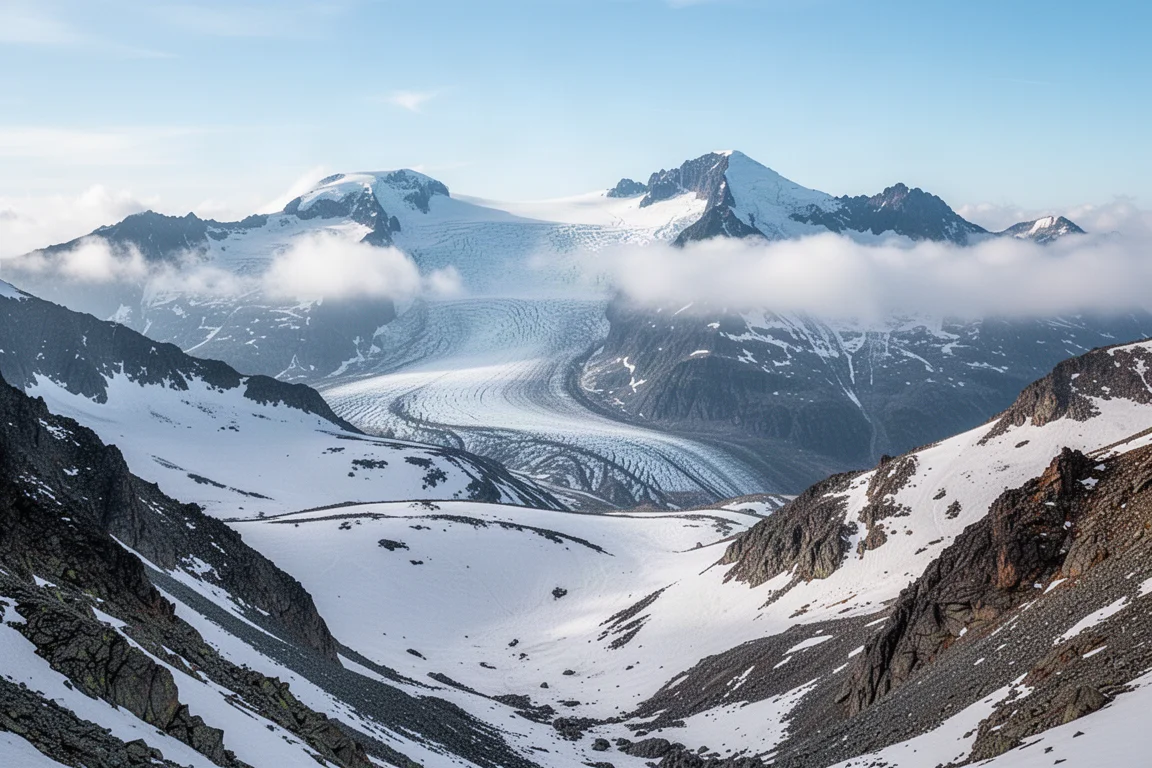
For many skiers this is the reason to visit. The bowl skiing is the most complete in-bounds alpine experience the resort offers.
Tree Skiing
The trees are an underrated part of the resort, and they are the answer on low-visibility days, which are common. On the Whistler side, the best tree skiing sits off the Peak Chair toward the Red Chair, off the back of Harmony, and in the Harvey’s, Robinson’s, Emerald, and Garbanzo areas.
Blackcomb is the preferred side for trees, thanks to Everglades in Seventh Heaven, the selectively logged areas near Catskinner, and the trees around the Crystal Chair. Much of the mid-mountain is skiable through the trees, and new lines turn up constantly.
Groomers and Carving
Groomed runs here are fast and wide, and early starts matter. Arriving at opening on a hardpack day means empty corduroy and space for long, aggressive turns without dodging other skiers.
On the Whistler side, the Garbanzo Express area holds the runs used for Whistler ski races, including Dave Murray, and they are built for speed and large turns. On Blackcomb, Seventh Heaven offers a combination of views and open alpine grooming that is hard to match, and Hugh’s Heaven has a sustained fall line. For something more relaxed, Rock and Roll and Ridge Run off the Crystal Chair are reliable, and Springboard beneath the gondola is a favourite.
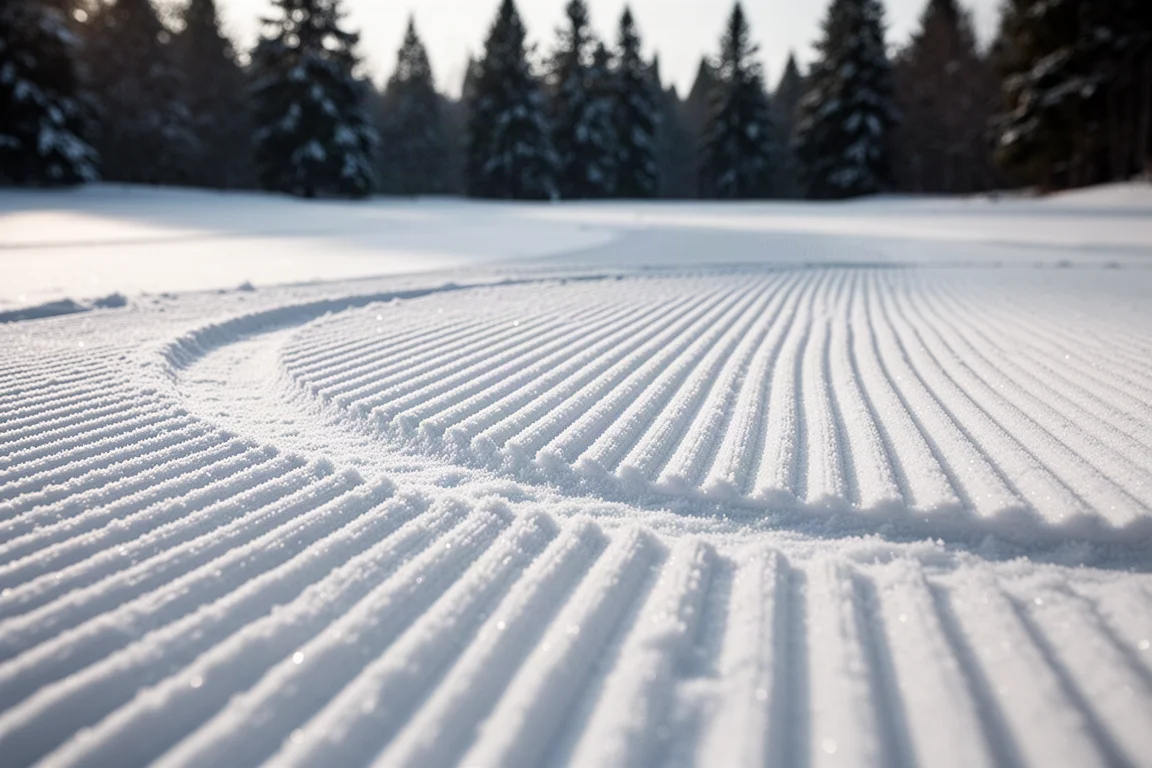
Peak to Creek, running from the top of the Peak Chair all the way to Creekside, is the prize. It is groomed top to bottom only rarely, and when it is, it is worth rearranging the day for.
Terrain Parks and Scenery
The Blackcomb park is the large one, with big features and a reputation for attracting highly skilled riders, plus a jump known as Shaq that is worth watching. The Whistler side has a smaller park aimed at progression.
The scenery is a genuine part of the appeal. The Garibaldi Range seen from the Peak Chair and the views from Seventh Heaven are the highlights, with glaciers and snow-capped peaks across the horizon. On a clear day, a sightseeing trip is worthwhile even without skis.
Food and On-Mountain Dining
The resort lists 17 restaurants. Christine’s on Blackcomb is the higher-end option, the Umbrella Bar is a good place for a drink on the mountain, and the Crystal Hut is a popular stop for waffles. Lodge food is expensive for what it is. Packing a sandwich and a snack, then saving the spending for a drink, is the approach most regulars take.
Things to Consider Before Buying
Lift Lines
Lines on holidays and weekends can be genuinely difficult, and there is no reliable way around them. Waits of an hour for a gondola, followed by another hour or more to reach the upper mountain, do happen.
Weekdays outside holiday periods are the simplest solution. Powder days are the exception: everyone in Vancouver, Squamish, and Whistler heads for the mountain at once. Patience and persistence are what get a skier onto good snow on those days.
Cost
Window lift tickets sit around $300 CAD, food is expensive, and accommodation is more expensive still. Buying at the window is the worst value on the mountain.
Preseason Edge Cards are the practical alternative, available in two-day, five-day, and ten-day versions, with the per-day cost dropping as the number of days rises. Timing matters too. Early winter in November and early December, and late season in April and May, are far cheaper than peak periods, and skipping holidays avoids the worst of it.
Getting There and Parking
The Sea to Sky corridor has serious traffic congestion, and a two-hour drive can stretch to five. Leaving the mountain early is one strategy, though most skiers prefer to stay until the last lift.
Parking adds another complication on busy days. Free lots fill early, and late arrivals end up in the village lots, which charge for parking on top of the lift ticket.
Buying Advice
Whistler Blackcomb is not a resort to book casually. Deciding on dates first, then buying a preseason Edge Card, is the single biggest cost saving available. Choosing a weekday outside holiday periods solves most of the line problem, and low-season windows in early December and spring offer the best combination of price and conditions.
Budget for food and accommodation separately, and treat on-mountain dining as a treat rather than a plan. A flexible schedule helps with the drive, and arriving early helps with parking.
For skiers who can use the terrain, the scale justifies the cost. The resort covers a range of conditions, elevations, and difficulties that few places can match, and the alpine terrain in particular is what makes it worth the planning.
Conclusion
Whistler Blackcomb is the largest ski area in North America, with 8,171 acres, an average of 1,338 cm of snow, and alpine terrain that runs to roughly 2,000 m and above. It is expensive, the lines on busy days are real, and the drive can be slow.
What it offers in return is variety. Coastal snowfall, three simultaneous weather systems, enormous bowls, excellent tree skiing, long groomers, serious steeps, and bootpacks for those who want them. Skiers who plan around the cost and the crowds tend to have a very good time here.
Product link
View more details for Whistler Blackcomb
This product is mentioned in the review. Check the specifications, options, and compatibility before buying.
View more details for Whistler BlackcombFurther reading
Related Reviews

Ski Resorts
Alyeska Resort Review: Alaska's Largest Ski Resort, Worth the Journey?
A deep look at Alyeska Resort: heavy snowfall, expert terrain, an Icon Pass connection, and the trade-offs of a near-sea-level mountain in the Last Frontier.

Ski Resorts
Bear Valley Ski Resort Review: Northern California's Quiet Sierra Alternative to Tahoe
A lesser-known Sierra resort with over 1,300 skiable acres, surprisingly strong expert terrain, and crowd levels Tahoe can only dream of. Here is what to know before you go.

Ski Resorts
Colorado Ski Resorts Ranked: The Best Destination Mountains for Overall Experience
A ranked guide to Colorado's destination ski resorts, covering terrain, snow, logistics, crowds, and cost so you can pick the right mountain for your trip.