Ski Resorts
Alyeska Resort Review: Alaska's Largest Ski Resort, Worth the Journey?
A deep look at Alyeska Resort: heavy snowfall, expert terrain, an Icon Pass connection, and the trade-offs of a near-sea-level mountain in the Last Frontier.

Introduction
If you are chasing the ski adventure of a lifetime, few destinations fit the brief like Alyeska Resort in Alaska. It is the largest lift-served ski resort in the state, pairing world-class views with demanding terrain and staggering annual snowfall. The catch: getting to Alaska is not easy for most travelers, and the mountain itself comes with quirks that smaller or lower-elevation visitors may not expect. This review walks through the overall mountain experience, the practical details of a visit, and how Alyeska stacks up in North American rankings.
Who Alyeska Resort Is For
Alyeska is Alaska’s largest lift-served ski resort, offering 76 named trails across a few distinct areas. The skiable footprint is roughly 1,200 acres, which is somewhat smaller than most destination resorts in the lower 48. About 69% of that footprint is directly served by lifts; the other 31% requires at least some hiking. The resort is held together by two main base areas, the Hotel Alyeska base and the Day Lodge base, with the 40% aerial tramway serving most guests at the hotel side and the Teddy’s Express lift starting the day at the day lodge side.
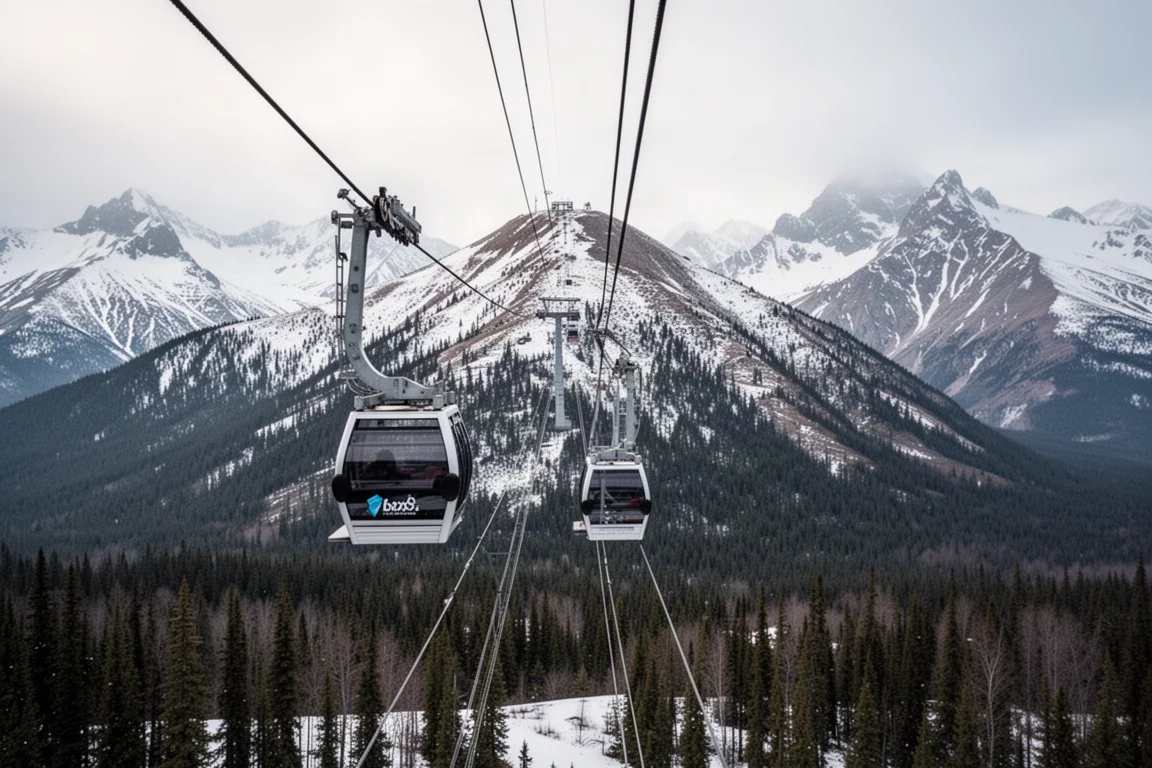
One thing to be clear about from the start: Alyeska is not a beginner’s resort. There is a learning area at the base, but there are no green trails anywhere above it, and skiers coming from the lower 48 will find more accessible options elsewhere. The resort is best enjoyed once your skills are advanced enough to explore more of the mountain.
Main Strengths
Alyeska’s headline strength is its expert terrain. Essentially every area of the mountain outside the beginner base zone offers black and double black terrain. The headwall areas of the High Traverse and the upper bowl are geared toward advanced rather than expert skiers, but the North Face, Max’s Traverse, and the High Two headwall are where the mountain reaches its full potential. The North Face, reached via the Glacier Bowl Express or the aerial tram, is accessed exclusively through double black diamond trails, some requiring a short hike, with several no-fall zones. Extreme lines like Christmas Chute and New Year’s Chute demand intense focus and endurance. Max’s Traverse opens up steep, lightly trafficked, powder-filled areas without hiking, while the Center Ridge hike to the top of the headwall offers some of the most perilous but powder-rich terrain on the mountain, with avalanche beacon access required and openings dependent on ski patrol avalanche control.
Intermediate skiers are not forgotten. Most terrain off Teddy’s Express is regularly groomed, and while the blue runs there are steeper than typical lower 48 blues, generous width and consistent grooming make them excellent. The Glacier Bowl Express serves a handful of blue runs in the upper bowl with breathtaking views of Turnagain Arm on clear days, and a few intermediate-rated runs off the learning-oriented Bear Cub chair make good progression steps. Terrain parks with features ranging from small to large, plus the occasional mini pipe, keep freestylers reasonably happy.
Snowfall is the other major draw. Alyeska averages well over 400 inches of snow per season, among the snowiest totals of any US ski resort, and good years can approach double that. The early, heavy regional snowfall typically builds a deep, healthy snowpack by opening. Beyond the boundaries, the area also offers some of the best backcountry skiing in the world, with guided heli and cat skiing packages through Chugach Powder Guides ranging from mellow powder bowls to steep couloirs and mountain spines.
Crowds and navigation round out the strengths. Weekend crowds exist but pale next to lower 48 resorts, and lift lines rarely exceed five minutes despite the tram’s low capacity, with the exception of powder mornings when locals turn out. Navigation is intuitive, signage is clear and well maintained, and all expert-only terrain is properly roped off. The overall setting is exceptional: dramatic peaks straight out of the big ski films, an unmatched view of the Cook Inlet, moose and bald eagles, occasional northern lights, and a rustic ski town atmosphere largely lost at other US destinations.
Things to Consider Before Buying
The biggest surprise about Alyeska is that it is not the most consistent ski resort. Its top lift-served elevation is just 2,750 feet, lower than every major Western US resort and most Northeast mountains. Lower mountain areas close to sea level can see rain during the season, and total snowfall varies wildly: mid-mountain areas may see close to 800 inches one year and closer to 250 the next, with summits approaching four figures in the best years and bare ground at the bases in the worst. The oceanic climate produces wetter, heavier snow more akin to Pacific Northwest resorts than the Rockies, and slush is not out of the question near the bottom of the mountain.
The lift setup has its own trade-offs. While the lift fleet is generally modern and the high-speed quads plus the tram handle visitation well, nearly a third of the skiable area, and the entire top 1,200 vertical feet, requires hiking. Lift-served skiers experience only about a 2,000-foot vertical drop across roughly 850 acres, so the practical footprint can feel smaller than expected. Steep terrain and heavy snow also make large portions of the mountain prone to avalanche mitigation closures, and several of the best expert lines need exceptionally high totals or stable conditions to open.
Practical details are mostly favorable. Alyeska sits about 40 miles from Anchorage International Airport, just under an hour by car with shuttle services available, and parking is easy: a large free day lodge lot with no shuttle required, ample free parking at the Hotel Alyeska, plus paid valet. Lodging is anchored by the Hotel Alyeska, with over 300 rooms, a Nordic Spa, restaurants, and shopping, all a short walk from the tram. The town of Girdwood at the resort’s base offers short-term rental apartments, condominiums, and houses, several within walking distance of the lifts. The Powder Gin offers the only multi-room ski-in ski-out vacation home rentals.
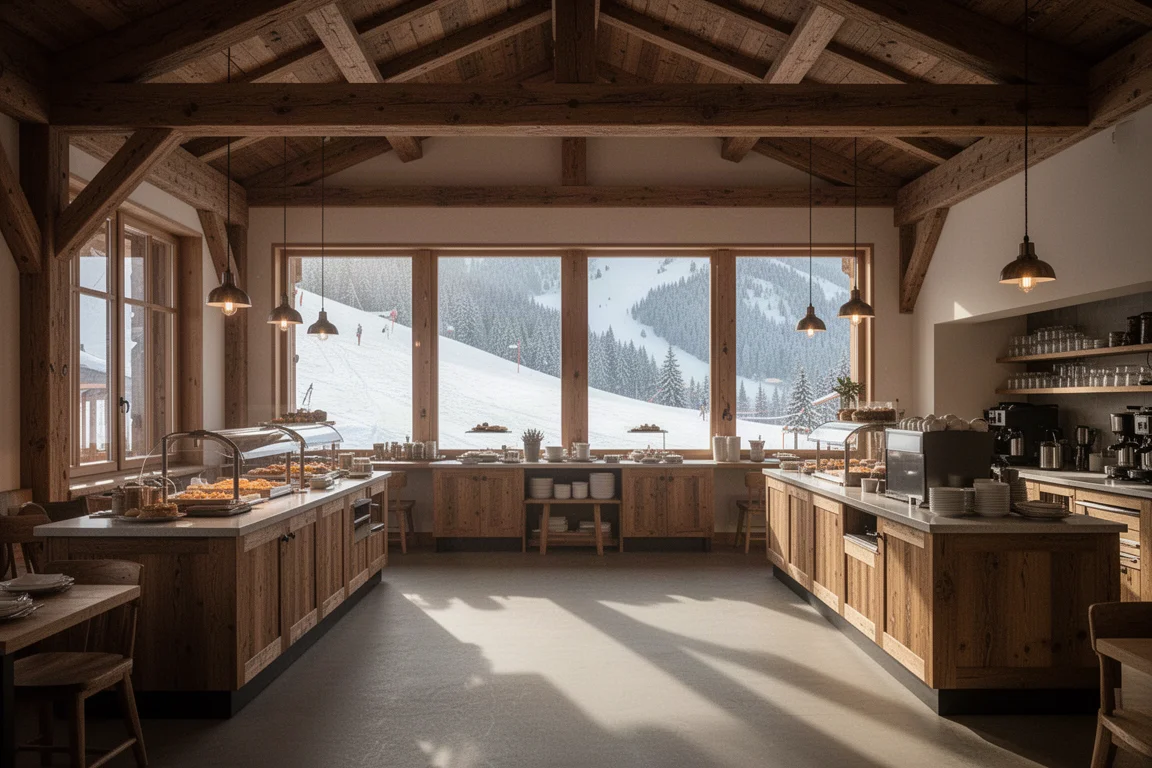
On-mountain facilities are serviceable rather than spectacular. The Day Lodge offers cafeteria-style food, a learning center, and restrooms; the Hotel Alyeska has a cafe and restaurant; the upper tram terminal has a grab-and-go cafeteria and a sit-down restaurant; and the Sitzmark Bar and Grill sits upslope from the day lodge. The apres scene is mellow, though Girdwood’s restaurants and breweries within a short drive do not disappoint.
Daylight deserves special mention. During early winter around the solstice, the sun sets just before 4:00 pm and rises as late as 10:00 am; by March, it rises around 8:00 am and sets around 8:00 pm. Lifts do not start running until 10:30 am, later than every other major North American destination. Night skiing runs Thursday through Saturday from December through March, and late in the season it can still be somewhat light at the 8:00 pm closing hour.
Access pricing is also worth planning around. Alyeska lift tickets are not cheap, starting at over $100 and rising as high as $169 during peak times, though that is still more reasonable than some popular lower 48 destinations that can exceed $200 for a single day.
Buying Advice
For most visitors, an Icon Pass product is the best-value route. Alyeska offers 7 days of access on the full Ikon Pass, 5 days on the Ikon Base and Base Plus passes, and 2, 3, or 4 days on the Ikon Session Pass. The Ikon Pass suite goes off sale in early December each year, and Alyeska has no holiday blackout restrictions on the Ikon Base pass, though the Session Pass does carry holiday blackouts. Buying in advance generally secures the best deal.
If you book a trip, the ranking data supports it. Alyeska scores a 9 for snow, a 9 for challenge, an 8 for crowd flow, an 8 for navigation, and a perfect 10 for mountain aesthetic, against a 6 for resiliency, size, lifts, and facilities, a 7 for terrain diversity, for an overall score of 75. That places it second on the West Coast and 12th in North American rankings as of December 2024. It is not the most competitive resort on size, but the snow totals, expert terrain, and exotic views let it fight against the best on the continent, with backcountry touring and the sheer experience of being in Alaska as extra bonuses.
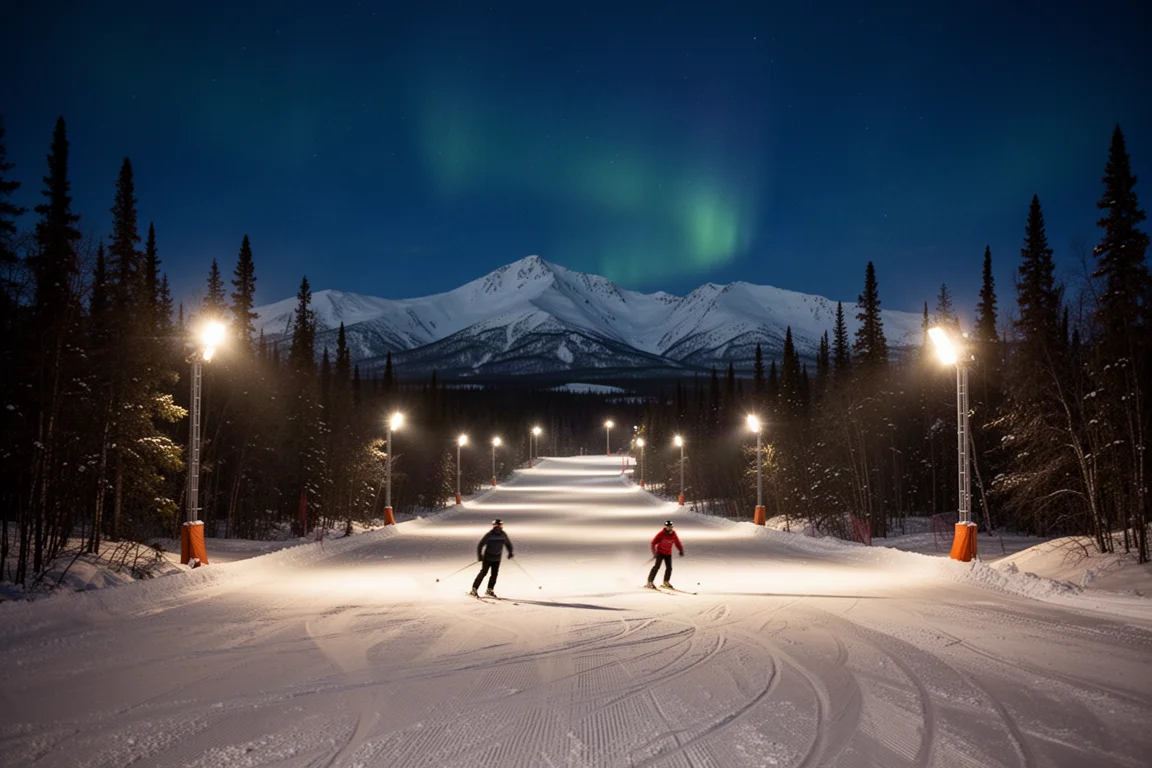
Night skiing is the kind of experience worth building a trip around if your visit falls Thursday through Saturday, and late-season guests will appreciate the longer daylight windows.
Conclusion
Alyeska will not be easy to get to, and it is not for beginners or anyone expecting lower 48 consistency. But for advanced and expert skiers and riders who value heavy snowfall, genuinely extreme terrain, and landscapes unlike anywhere else in the United States, it is a destination gem that earns its place among North America’s best.
Product link
View more details for Alyeska Resort
This product is mentioned in the review. Check the specifications, options, and compatibility before buying.
View more details for Alyeska ResortFurther reading
Related Reviews

Ski Resorts
Bear Valley Ski Resort Review: Northern California's Quiet Sierra Alternative to Tahoe
A lesser-known Sierra resort with over 1,300 skiable acres, surprisingly strong expert terrain, and crowd levels Tahoe can only dream of. Here is what to know before you go.

Ski Resorts
Colorado Ski Resorts Ranked: The Best Destination Mountains for Overall Experience
A ranked guide to Colorado's destination ski resorts, covering terrain, snow, logistics, crowds, and cost so you can pick the right mountain for your trip.
Ski Resorts
Best Lake Tahoe Ski Resorts for Experts: A Ranked Guide
A ranked look at nine Lake Tahoe ski resorts by how well they serve expert skiers and riders, from wide gladed tree runs to cornice-crowned chutes.