Ski Resorts
Colorado Ski Resorts Ranked: The Best Destination Mountains for Overall Experience
A ranked guide to Colorado's destination ski resorts, covering terrain, snow, logistics, crowds, and cost so you can pick the right mountain for your trip.

Introduction
Colorado is close to the default choice for a fly-to ski trip. The state leads the country in destination resorts, and the range of options is almost dizzying: massive footprints, varied terrain, and top-notch ski towns. The harder question is which of those major mountains actually delivers the best overall experience once you are on the snow.
This ranking covers the state’s destination ski resorts in order of overall mountain experience and highlights the strengths and the trade-offs of each. One important caveat: Colorado is an incredibly competitive state, so a resort sitting in the middle or near the bottom of this list is still a very good mountain. The four Aspen Snowmass areas are treated as separate resorts here, because they are physically separate mountains that visitors are unlikely to move between in a single day.
How These Colorado Ski Resorts Were Compared
The ranking weighs the things that shape a ski vacation: how much terrain is lift-served, how the mountain handles skiers and riders of different abilities, snow quantity and snow preservation, lift logistics, how easy the resort is to reach, and how much the whole trip costs.
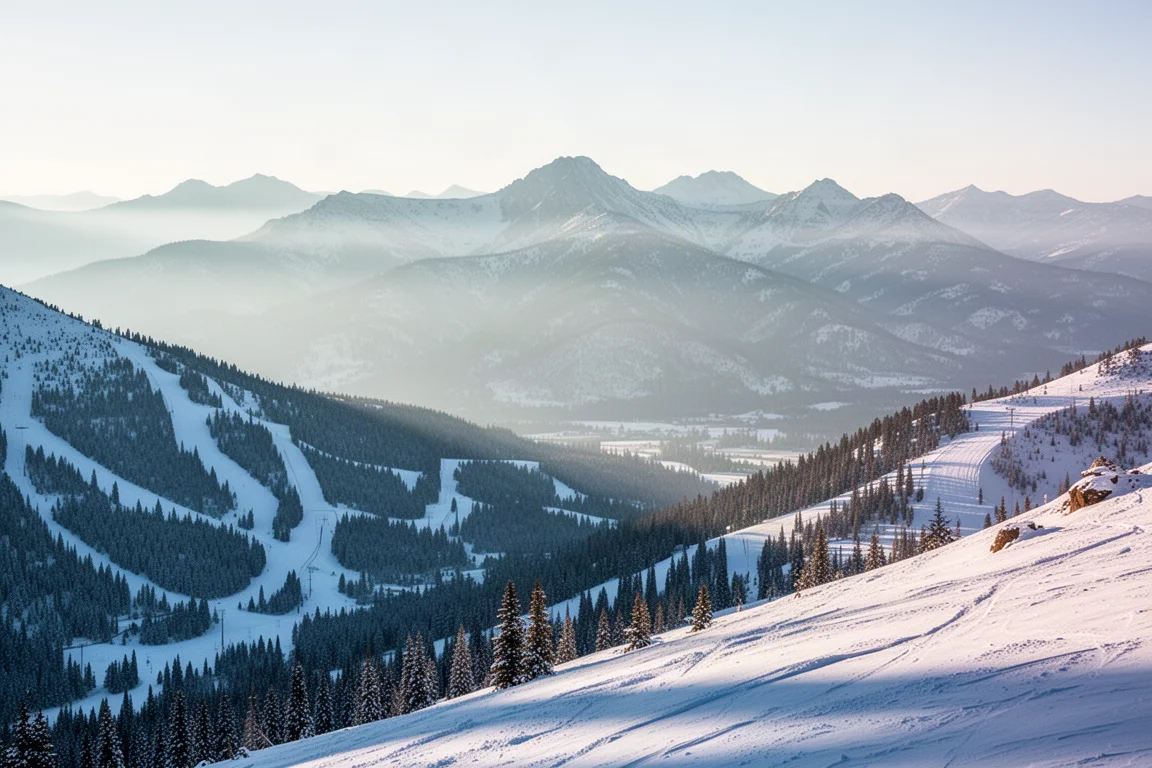
Snow totals and terrain figures matter, but so do the details that quietly ruin a trip: a single base lift that funnels everyone into the same queue, a layout that makes it hard to move between mountain areas, or a footprint where the good terrain requires hiking to reach. Cost is weighted heavily too, because day-ticket pricing in Colorado now ranges from genuinely reasonable to among the highest on the continent.
Vail: The Biggest Resort in Colorado, and the Best Overall
Vail takes the top spot on the strength of scale and variety. It is the largest resort in the state, with a massive footprint, 20 detachable lifts, and the one-of-a-kind Back Bowls and Blue Sky Basin zones that offer seemingly limitless tracks on a powder day. On-mountain maintenance is first rate, and the expansive base village keeps people busy after the lifts close, though the activities are expensive ones.
It is not a perfect mountain. The footprint can be genuinely tough to navigate, and the resort does not offer much truly extreme terrain compared with some competitors. Without a multi-resort pass product, day tickets are among the most expensive in the state. Even so, Vail’s scale and execution are hard to argue with, and it earns the top spot by the narrowest of margins.
Snowmass: The Most Complete Package in the Aspen Group
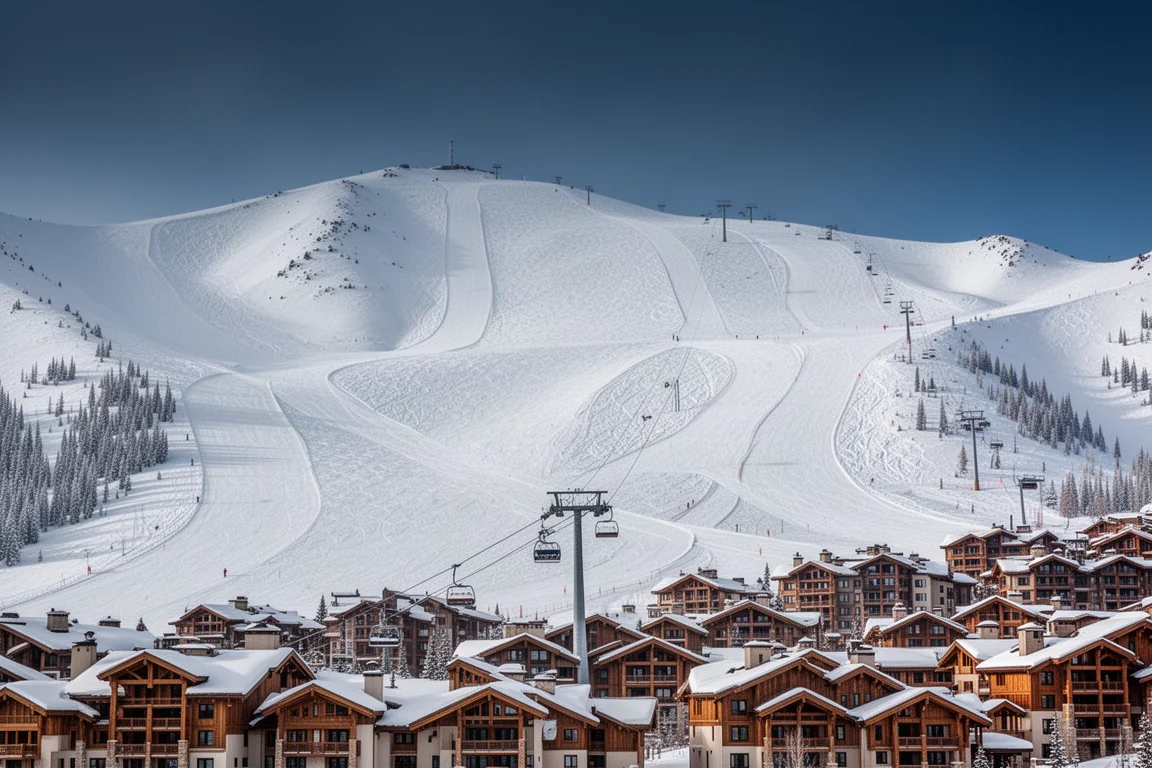
Snowmass is arguably the best showcase of what the Aspen Snowmass complex does well. It has diverse terrain for all abilities, fast and comfortable lifts, and the longest lift-served vertical drop in the state. Upscale lodges are scattered across the resort areas, and the expansive footprint opens up some of Colorado’s tallest and most distinctive peaks from the upper mountain.
The drawbacks are minor but real. The base lift setup could use some work, and lapping some lower-mountain areas takes more effort than it should. The cost of entry is steep: without a full pass product, one-day tickets clock in at the same 200-plus rate charged across the Aspen group. For most visitors, though, Snowmass is hard to be disappointed by.
Beaver Creek: Luxury That Also Skis Steep
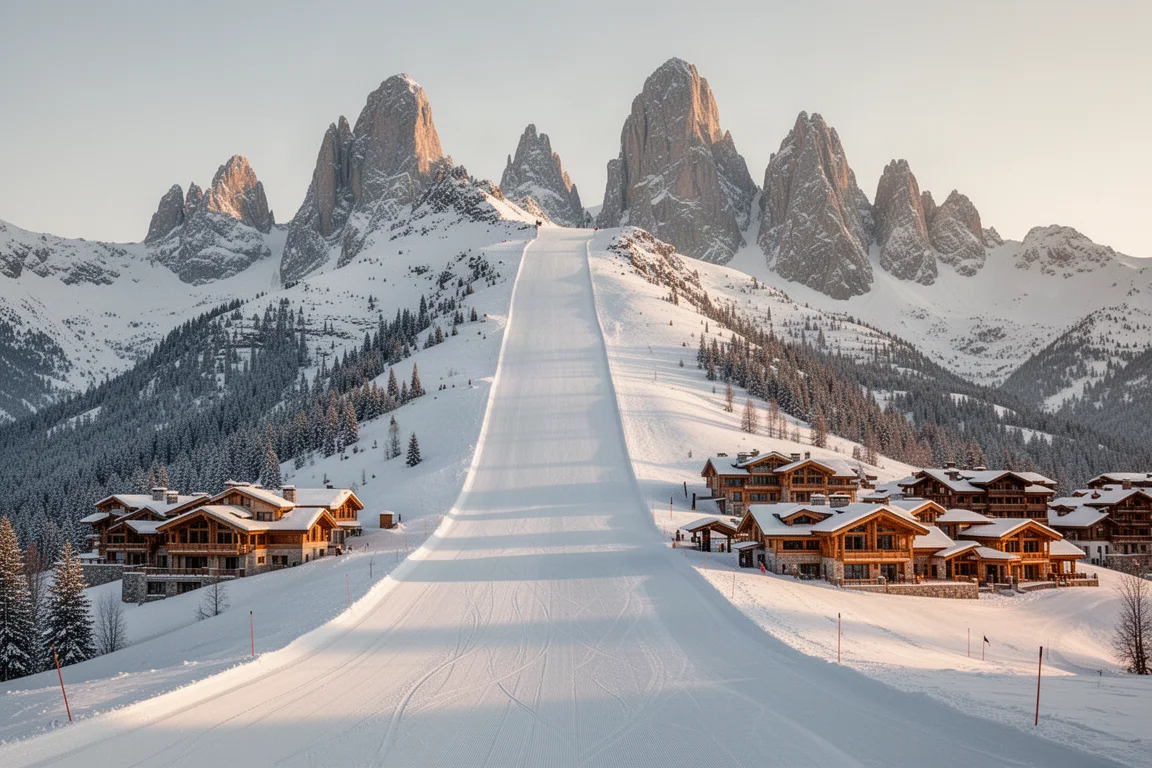
Beaver Creek is better known for its luxury than for the quality of its slopes, but the on-mountain experience has more to offer than its reputation suggests. The resort lives up to its upscale billing, with high-speed lifts, fantastic grooming, and some of the most impressive on-mountain facilities anywhere.
It also has a wilder side: surprisingly technical glade and mogul trails, including some of the longest steep ungroomed runs on the continent. That combination makes it as much a serious expert’s mountain as a pampered getaway, and serious lift lines are rare even on peak weekends and holidays.
The main shortfall is a lack of advanced and expert bowl terrain. The 3,300-foot vertical drop is nothing to scoff at, but most competitors offer a more distinctive high-alpine feel, and the ritzy atmosphere will not suit every visitor. Lift ticket rates are almost mind-blowingly high, although a qualifying pass product purchased before December brings the cost down to something more reasonable.
Telluride: The Most Dramatic Setting in the State
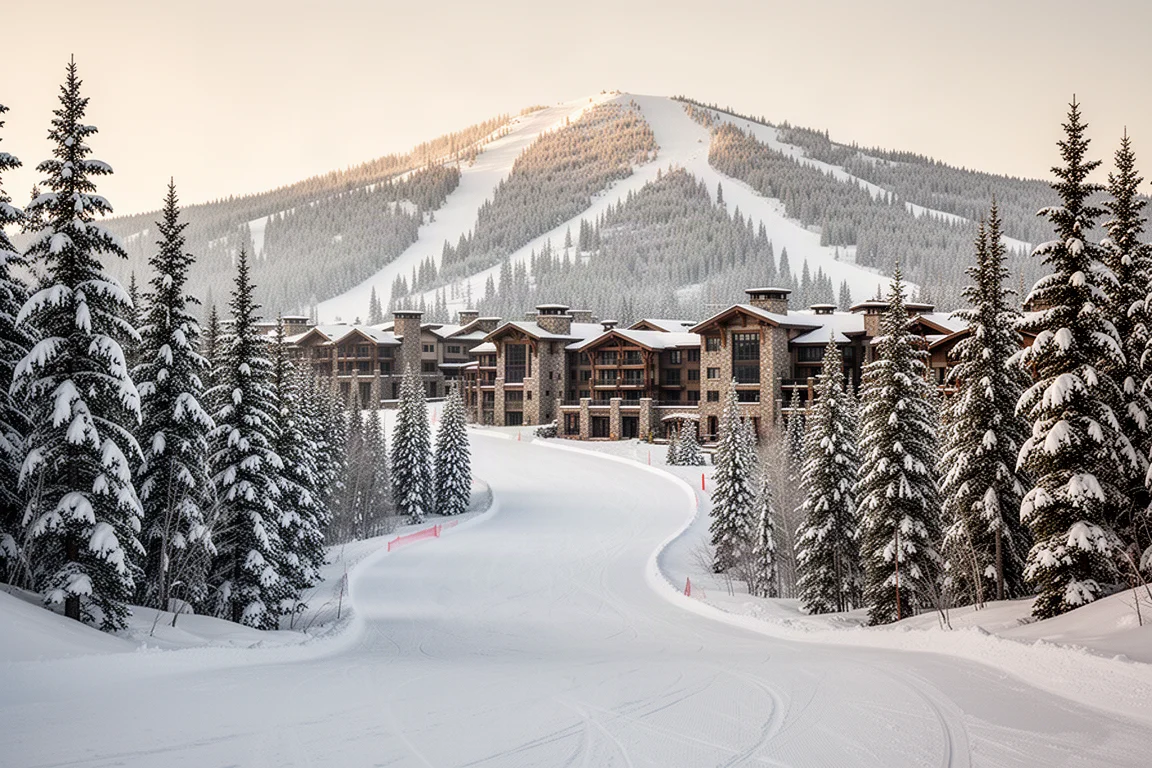
Telluride might be the most stunning ski resort in Colorado. Set in the heart of the San Juan mountain range in the southwest, it stands out with a diverse footprint running from gentle cruisers to tenuous extremes, a sizeable vertical drop, and far fewer crowds than the Interstate 70 mountains.
The resort also lays claim to what may be the most intense hike-to terrain in the entire country, with the longest descents taking over two hours, and an unusual spread of lodging across both a slopeside base village and a historic mountain town. The trade-offs are snow quantity and access. Snow preservation is strong, but accumulation is lighter than at the northern destinations, which makes early-season skiing less reliable, and the remote location is genuinely hard to reach: the nearest airports offer only regional flights. Day-ticket rates are among the highest in the state. For anyone looking to escape the crowds at a destination that will satisfy an entire group, Telluride is hard to beat.
Arapahoe Basin: Expert Terrain and a Dependable Spring
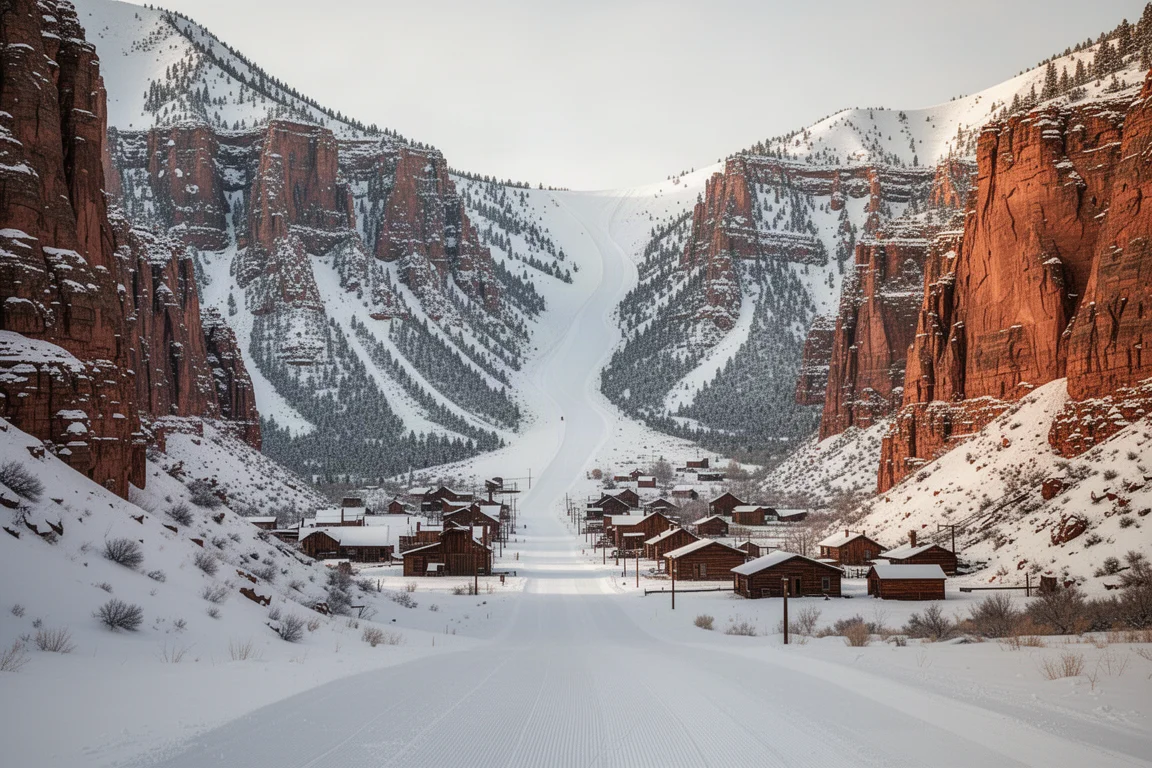
At first glance Arapahoe Basin may not look special next to the other destinations on this list. It spans just a 1,400-acre footprint, many lifts are slow, and reaching or exiting more than a quarter of its terrain requires hiking. What it offers instead is hard to find at nearby competitors: an extensive selection of truly demanding expert terrain, considerable bowl and tree skiing, and reasonable crowds even during peak times. Snow preservation is excellent, and the season reliably extends through April and May.
It is not for everyone. Beginner terrain is slim, and while there is a solid variety of blue-rated slopes, they tend to ski tougher than their rating suggests and might be blacks at other resorts. The high elevation will especially affect those prone to altitude sickness, and there is no on-site lodging, with the nearest options at least a few miles away. Day-of lift tickets are pricey, but planned in advance they can be an incredible value for what you get.
Copper Mountain: The Best-Designed Layout in the State
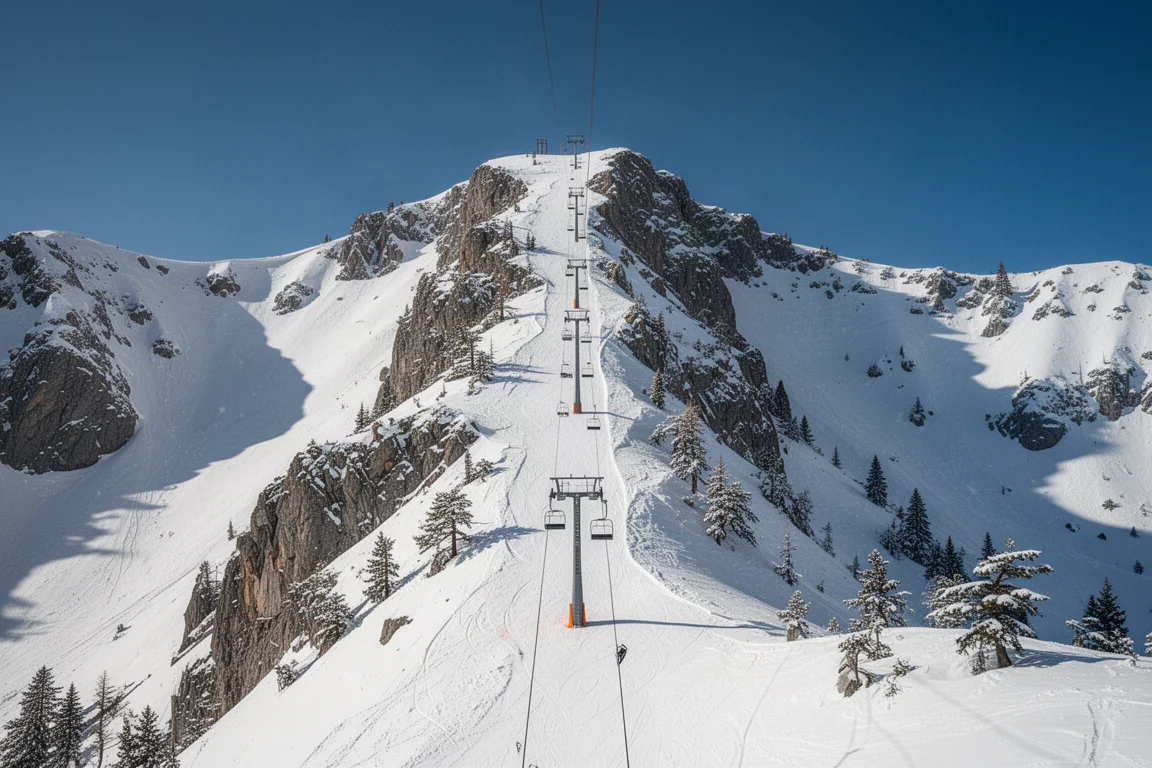
Copper Mountain stands out for a well-laid-out footprint and a strong variety of terrain. It offers perhaps the best natural separation of ability levels in Colorado, with runs that get harder as you move from east to west and very little mixing between skiers and riders of different levels. The high-alpine terrain is excellent, and the resort feels less commercialized than many competitors.
That lack of commercialization brings a few drawbacks. Some lifts, especially on the backside, remain slow and can be difficult to load depending on the snowpack, and getting from the remote backside areas to the nearest lodge takes effort. The altitude can be overwhelming for some visitors as well. Even so, the well-rounded terrain and inviting layout make Copper a top choice for a down-to-earth destination trip, and while window rates are expensive, committing early to a pass product can make it a good deal.
Aspen Highlands: A Bucket-List Mountain for Experts
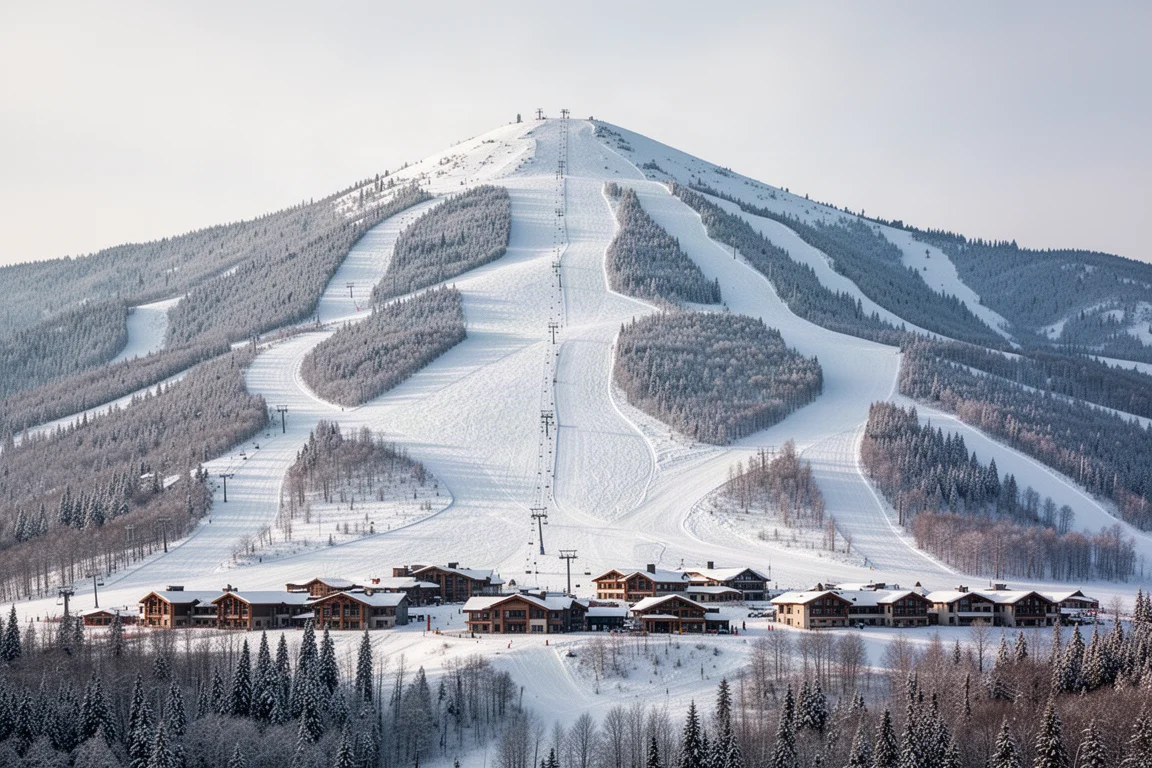
Aspen Highlands is perhaps the most naturally striking of the four Aspen mountains. It is defined by incredible steeps and iconic bowl terrain, most famously the high-alpine Highland Bowl, which requires a lengthy hike to reach but delivers high-quality snow and a substantial vertical descent. The rest of the resort mixes precipitously pitched, stamina-sapping expert terrain with well-groomed intermediate and advanced-intermediate cruisers, and its sheltered terrain and high elevation keep snow conditions on par with the best in Colorado.
The limitations are structural. Highlands is smaller than most Colorado destination resorts, with a very competitive vertical drop but a notably narrow footprint. It is really only great for intermediates and true experts: single-black advanced terrain is limited and there is literally no beginner terrain. Crowds are typically manageable, but only one lift connects the base to the upper mountain, which creates early-morning waits and leaves guests out of luck if that lift goes down. It shares the Aspen group’s premium pricing, but for a day or two the right guests will find the experience worth it.
Winter Park: The Easiest Major Resort to Reach
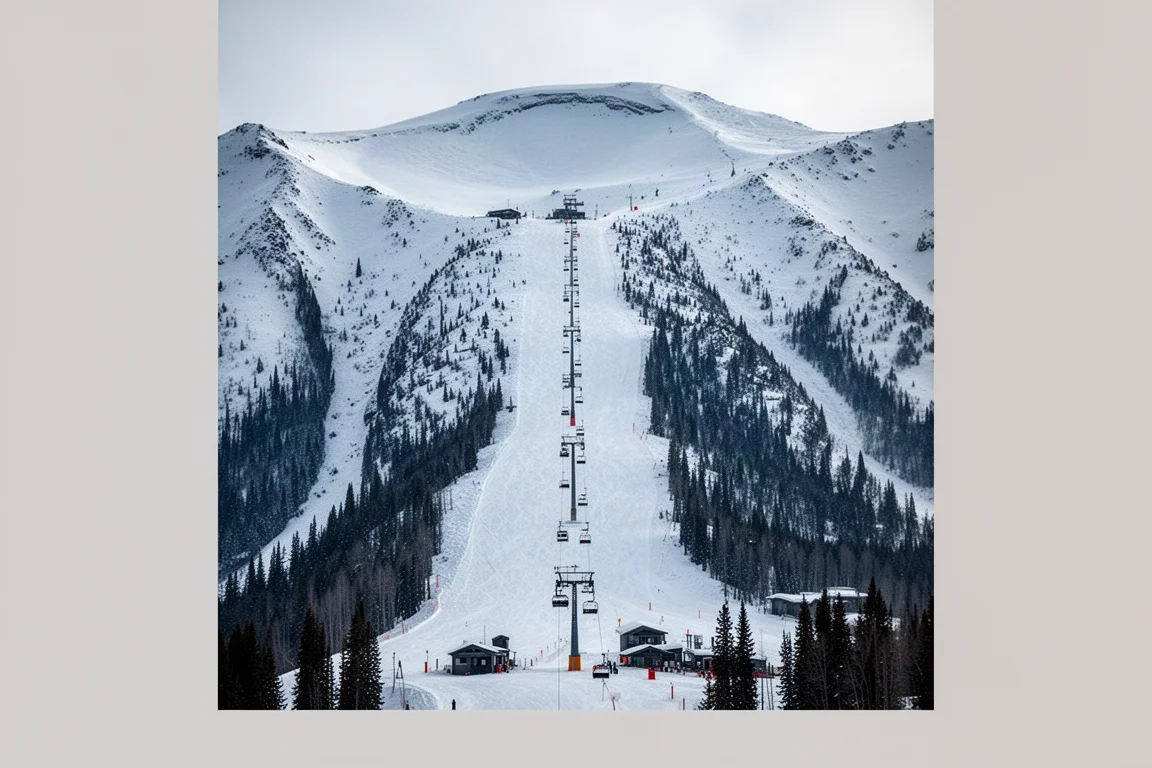
Winter Park may be the most hassle-free large Colorado resort to reach. It sits just west of the Continental Divide, so it does not require a drive through the Interstate 70 tunnel, and it is even accessible by train at select times. Its 3,000-acre footprint covers a strong variety of slopes, with especially good tree terrain and long, demanding mogul runs alongside a solid selection of family-friendly beginner and intermediate terrain.
The resort’s popularity brings crowding, particularly on weekends and holidays. High-alpine bowl terrain exists but is limited compared with other Front Range mountains, and it is served by a single lift, which produces massive lines at peak times. Reaching the advanced and expert zones involves some hiking or a limited service sled ride.
Lift ticket rates are extremely high at the window, though booking in advance brings significant discounts. Winter Park is a dependable bet for a Front Range ski vacation, even if a few competitors offer a more distinctive experience in certain areas.
How the Rest of the Field Compares
Not every strong Colorado mountain fits the destination mold, and several resorts further down this ranking are still excellent for the right trip.
The smaller regional areas come first. Monarch is a time-capsule hill for central Colorado, with vintage lifts, widespread glade terrain, a solid hike-to expert zone, and excellent views of the Continental Divide, but a 730-acre footprint and a 1,200-foot vertical drop make it too small to fight the better mountains here, and there is no on-site lodging. Eldora is the closest real resort to Denver, with high elevation that preserves snow well and an extensive progression-oriented terrain park, but a 680-acre footprint, surprisingly scant beginner terrain, and extremely limited parking. Loveland sits on top of the interstate at the highest vehicle-traffic tunnel in the world, with heavy Continental Divide snowfall and above-tree-line terrain for all abilities, but almost all of its lifts are slow, below-tree-line terrain is limited, and there is no on-site lodging. Wolf Creek, deep in southern Colorado, often sees the best snow totals in the state, rarely feels crowded, and tops out at just 95 dollars for a one-day ticket, but a 1,600-foot vertical drop and its distance from any airport keep it out of destination contention.
Other areas are strong in one dimension and limited in another. Aspen Mountain, known locally as Ajax, sits steps from the streets of Aspen with a commendable 3,000-foot vertical drop and some of the most gnarly lines in the state, but a 675-acre footprint and an unintuitive lift layout make the bottom two-thirds hard to lap. Buttermilk is Aspen’s beginner-oriented mountain, with family-friendly terrain, high-quality snow, high-speed lift service, and a world-class terrain park that hosts professional competitions, but it charges the same 200-plus day rate as its siblings, which makes it a poor value for anyone outside its niche. Purgatory, in the San Juan range, has a genuine local feel, stunning scenery, high-speed lifts, and free lift tickets for kids 12 and under, but a 2,000-foot vertical drop, a sprawling layout, and lighter snow accumulation hold it back.
A few larger resorts also fall short of the top of this list for specific reasons. Steamboat has some of the best skiable aspen glades in the country and a lively nearby town, but its bowls are small, its expert terrain is hard to reach, and all access to the resort funnels through one base area, which builds serious lines on peak weekends; a new gondola and an expert terrain expansion are planned to ease those bottlenecks. Crested Butte offers one of the most extreme in-bounds facades anywhere, with more than half its footprint made up of double-black trails and a layout that naturally separates ability levels, but its 1,500-acre footprint, lighter snowfall, and extremely high base elevation make it a harder sell for less experienced guests. Keystone has a distinctive layout with two rows of peaks beyond the front side, the only night skiing in the Colorado Front Range, and a strong terrain park setup, but a substantial share of its terrain, including all of its bowl terrain, has required hiking or a paid snow cat ride to reach. Breckenridge is close to the default Colorado destination and offers an incredible assortment of terrain across a very large footprint, especially in its high-alpine bowls, plus one of the best ski towns in the Front Range, but it is crowded on weekends and holidays, its high-alpine areas are susceptible to wind, and its front-facing layout makes moving between mountain areas exasperating.
How to Choose a Colorado Ski Resort
Choosing comes down to matching the mountain to the trip rather than simply chasing the highest rank. Three questions do most of the work: how much terrain you want lift-served, how the group’s ability levels will mix on the hill, and how much the ticket or pass product will cost.

If scale and variety matter most, Vail is the obvious answer, and Snowmass is the closest thing to a complete package for a mixed-ability group that also wants upscale lodging. If the group skews expert, Aspen Highlands, Telluride, and Arapahoe Basin all offer genuinely demanding terrain, with Arapahoe Basin adding a dependable spring season. If access and logistics are the priority, Winter Park avoids the Interstate 70 tunnel entirely and Copper’s layout keeps different ability levels naturally separated. Beaver Creek suits travelers who want polished facilities, excellent grooming, and steep ungroomed runs without peak-weekend lift lines.
Cost deserves its own line in the planning. Colorado day rates now range from reasonable to among the highest in North America, and the gap between window pricing and advance pass products is large at nearly every resort here. Arapahoe Basin and Copper are the standout values among the top tier, while the smaller areas such as Loveland and Wolf Creek keep one-day pricing genuinely low. Booking early is the single biggest lever on the total cost of a trip.
Conclusion
Colorado’s destination resorts sit remarkably close together in overall quality. Many of them finish within a point or so of one another, and the top of this ranking came down to a near tie between Vail and Snowmass, separated only by Vail’s roughly 60 percent larger skiable footprint. That is a fair reflection of the state: the differences between these mountains are usually about fit, not about whether a resort is worth visiting.
Pick the mountain that matches how your group actually skis, how far you are willing to travel, and how much you want to spend on tickets. On that basis, the top of this list is a very safe bet, and even the resorts further down will deliver a genuinely good winter vacation.
Further reading
Related Reviews

Ski Resorts
Alyeska Resort Review: Alaska's Largest Ski Resort, Worth the Journey?
A deep look at Alyeska Resort: heavy snowfall, expert terrain, an Icon Pass connection, and the trade-offs of a near-sea-level mountain in the Last Frontier.

Ski Resorts
Bear Valley Ski Resort Review: Northern California's Quiet Sierra Alternative to Tahoe
A lesser-known Sierra resort with over 1,300 skiable acres, surprisingly strong expert terrain, and crowd levels Tahoe can only dream of. Here is what to know before you go.
Ski Resorts
Best Lake Tahoe Ski Resorts for Experts: A Ranked Guide
A ranked look at nine Lake Tahoe ski resorts by how well they serve expert skiers and riders, from wide gladed tree runs to cornice-crowned chutes.