Electric Mountain Bikes
Which Electric Mountain Bike Should You Buy? Hardtail, SL and Full Power Compared
A practical guide to the three main types of electric mountain bike, with hardtail, lightweight SL and full power examples from Canyon.
Introduction
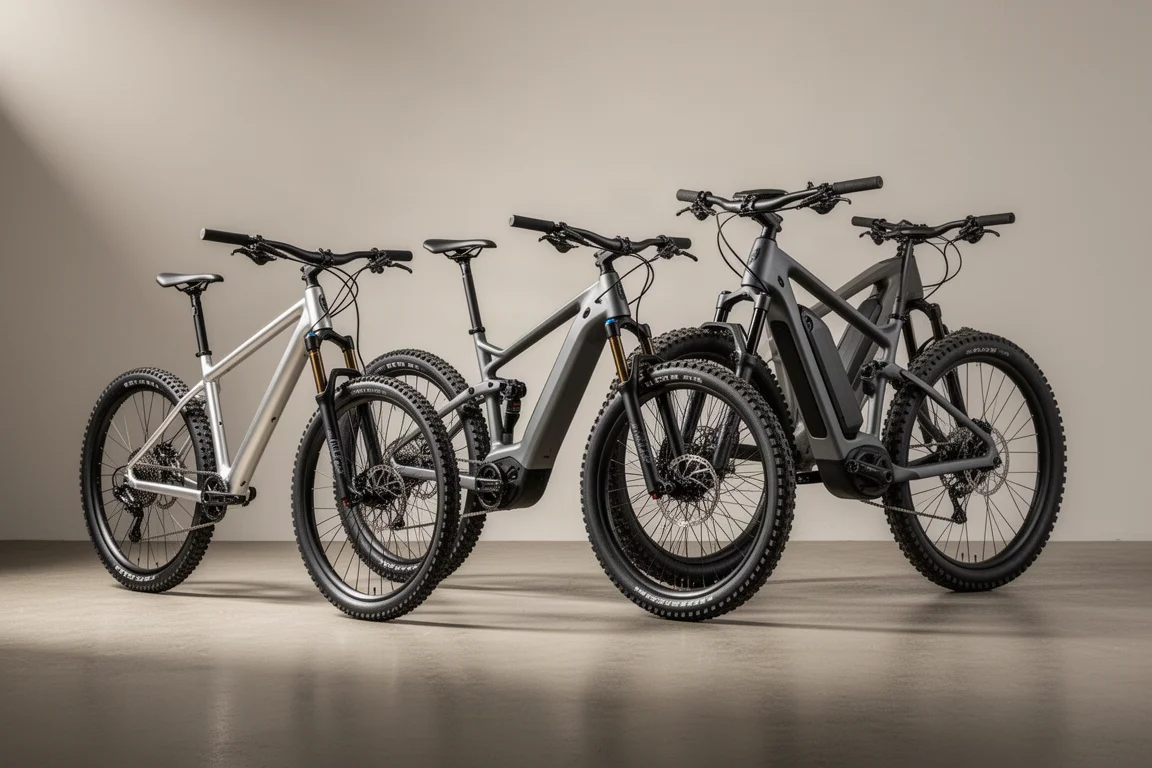
Electric mountain bikes cover a much wider spread than most riders expect. A hardtail built for fire roads, commuting and gentle trails sits at one end, a lightweight full suspension bike that feels close to a normal trail bike sits in the middle, and a full power machine with a large battery and a lot of torque sits at the other. Choosing badly is usually a matter of matching the bike to the wrong kind of riding rather than picking a bad product.
Canyon builds models across that whole range, which makes the brand a useful way to look at the three main categories side by side: the aluminium hardtail Grand Canyon:ON, the lightweight full suspension Neuron:ONfly, and the full power Strive:ON CFR.
How to Choose the Right Electric Mountain Bike
The first split is suspension. Hardtail eMTBs use a rigid rear end and a suspension fork, which keeps cost, weight and maintenance down. They are well suited to fire roads, lower graded trail centre loops, less technical singletrack, commuting and cycle touring. Full suspension eMTBs add a rear shock and are usually grouped by travel: trail bikes around 120mm to 150mm, enduro bikes around 160mm to 180mm, and the burliest downhill oriented bikes around 180mm to 200mm.
Wheel setups follow the same logic as non-assisted mountain bikes. Most models run full 29-inch wheels or a mixed setup with a 29-inch front wheel and a 27.5-inch rear wheel, while some smaller frame sizes use full 27.5-inch wheels. Frames are usually aluminium or carbon fibre, and carbon models carry a price premium.
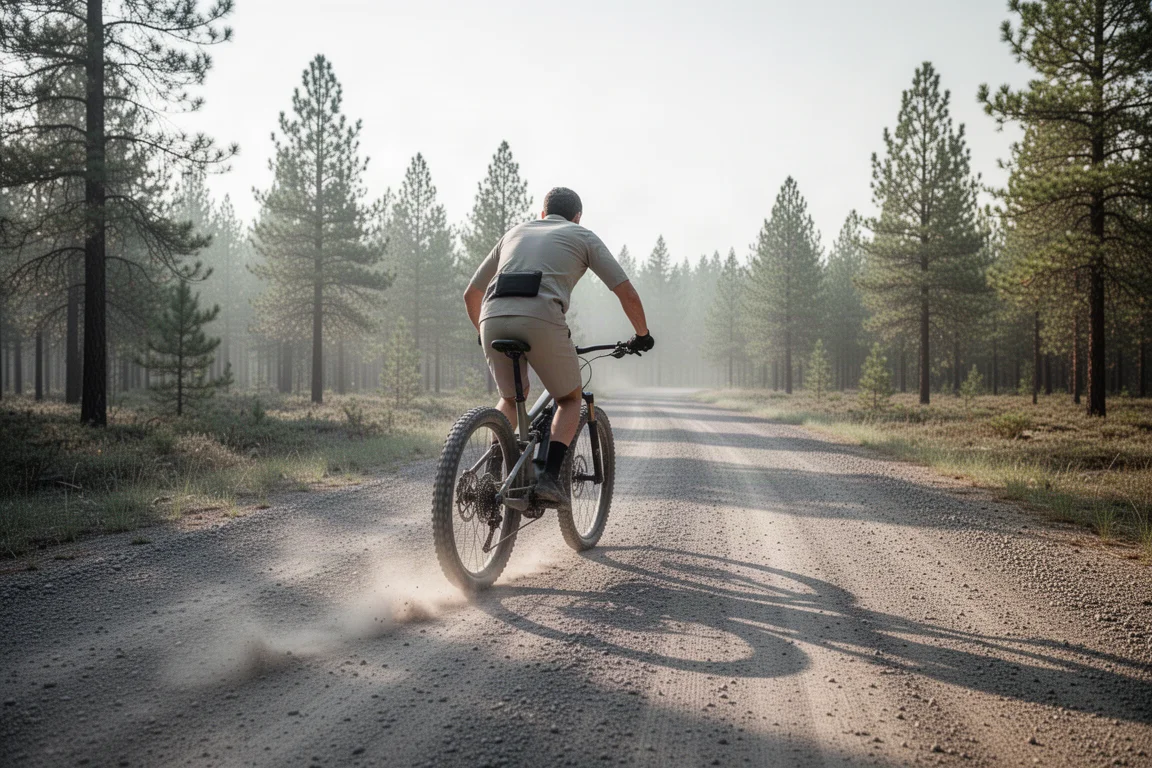
The second split is the motor and battery, and on an eMTB it matters more than almost any other specification. Full suspension models come in lightweight SL versions and heavier full power versions, and the difference shows up in how the bike climbs, how it descends and how easy it is to live with day to day.
Hardtail eMTBs: Canyon Grand Canyon:ON
Hardtails are the most versatile and the most affordable way into electric mountain biking, and the Grand Canyon:ON follows the formula closely. It uses an aluminium frame, a short travel suspension fork and cross-country style tyres. Those choices keep the cost down while improving comfort, control and rolling speed off road compared with a regular electric bike.
It runs a full power motor and a high-capacity battery, so it has the assistance and the range to cover a wide brief. Lower graded trails and less technical singletrack are well within its comfort zone, and it is equally adept at the daily commute and longer cycle tours. Hardtail eMTBs generally start from around £1,500 or $1,500 and upwards, which makes this the value end of the category.
Lightweight SL eMTBs: Canyon Neuron:ONfly
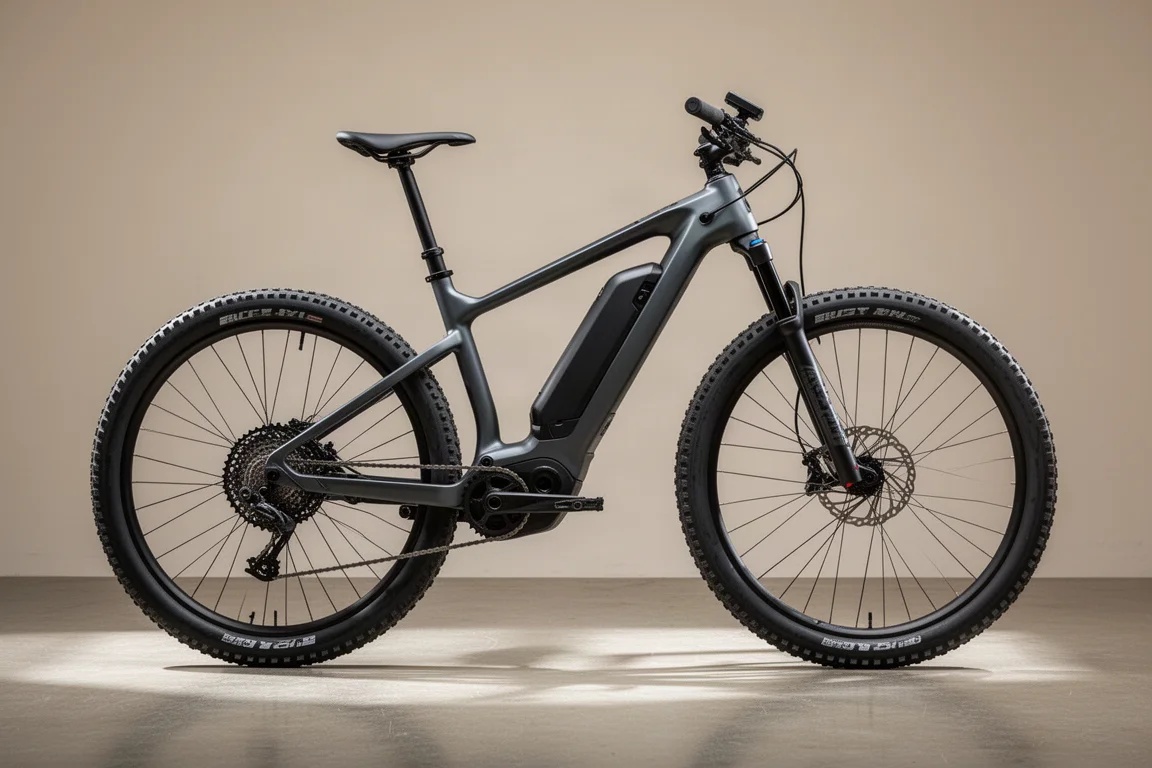
SL eMTBs use smaller, lighter and less powerful motors paired with lower capacity batteries. A typical SL motor produces around 50Nm to 60Nm of torque and 300W to 600W of assistance, matched to a battery of roughly 250Wh to 500Wh. The payoff is weight: these bikes are designed to come in around 20kg or less, so they ride much more like a conventional mountain bike.
The Neuron:ONfly is a clear example. It pairs a 400Wh battery with a Bosch SX motor producing 55Nm of torque and up to 600W of assistance. That is enough help on the climbs without turning the bike into something that feels heavy or remote on the descents.
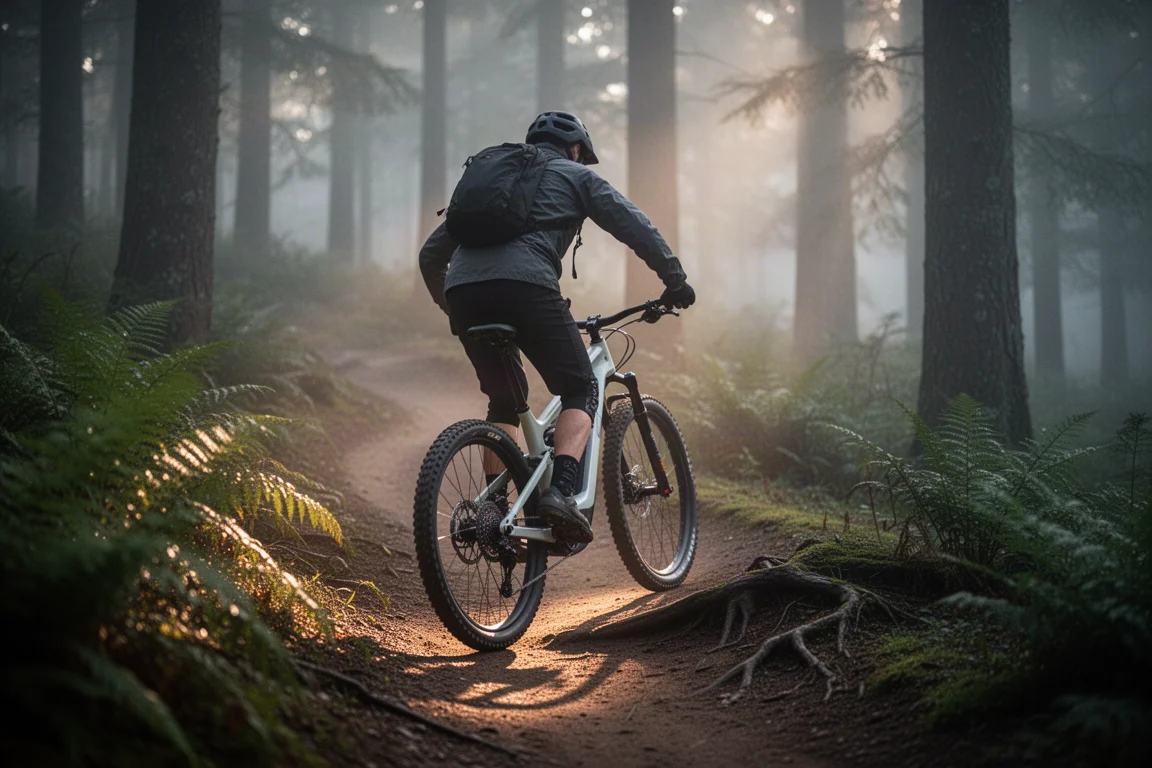
This category suits riders who want their electric mountain bike to feel close to a non-assisted bike, with assistance that takes the sting out of the climbs rather than flattening the whole ride. The trade-off is straightforward: less torque and less range than a full power machine.
Full Power eMTBs: Canyon Strive:ON CFR
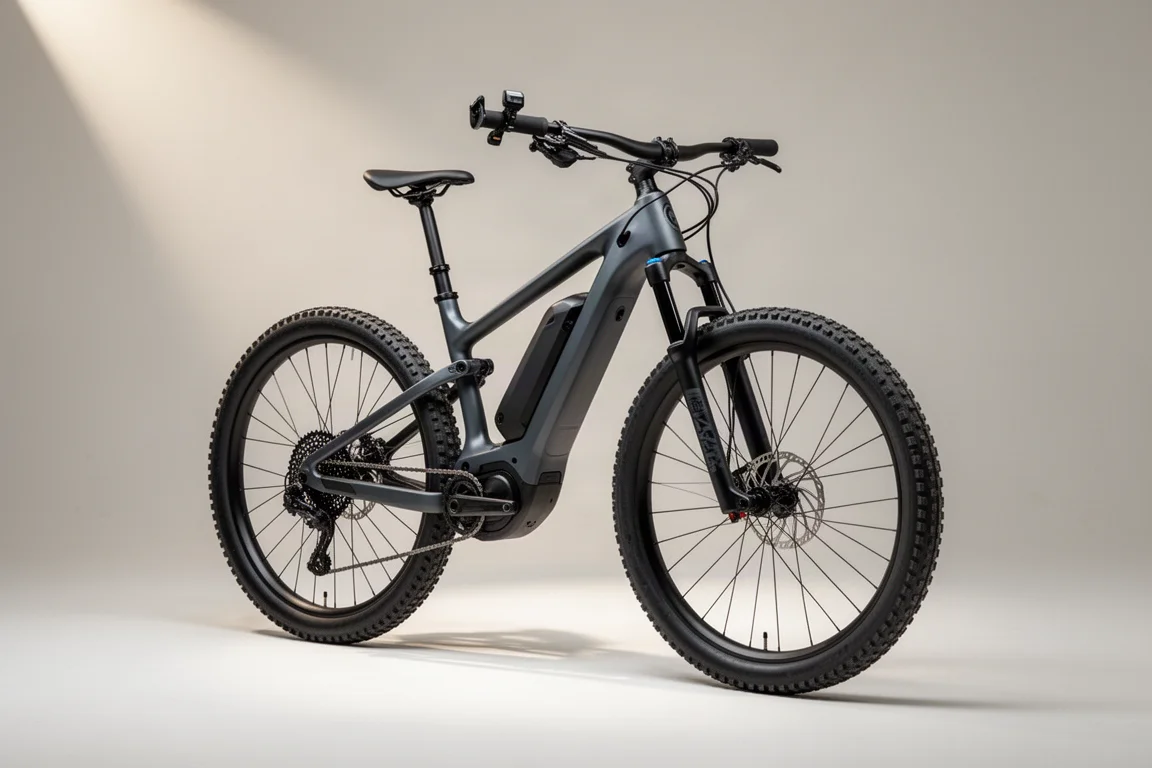
Full power eMTBs, sometimes called full fat, take the opposite approach. Motors deliver roughly 75Nm to 100Nm of torque and around 600W to 700W of assistance, fed by batteries from about 500Wh up to 900Wh or more. The result is the most assistance and the longest range in the category, along with the most weight: some of these bikes come in close to 28kg, which makes them more cumbersome both to ride and to move around.
The Strive:ON CFR is the full power option here and the most expensive model in this group, priced at £6,699 and not available in the US. It sits at the top of the range for riders who want maximum assistance and maximum range and are willing to accept the extra weight that comes with it.
Motor Power and Battery Capacity
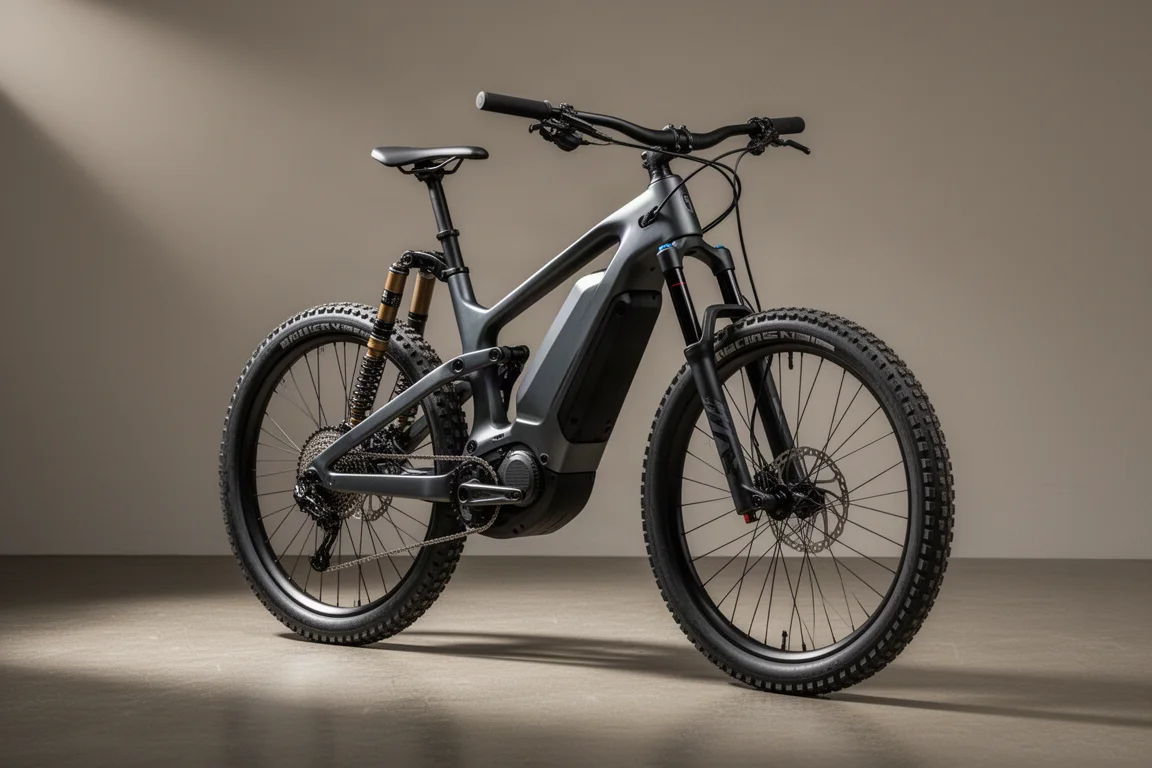
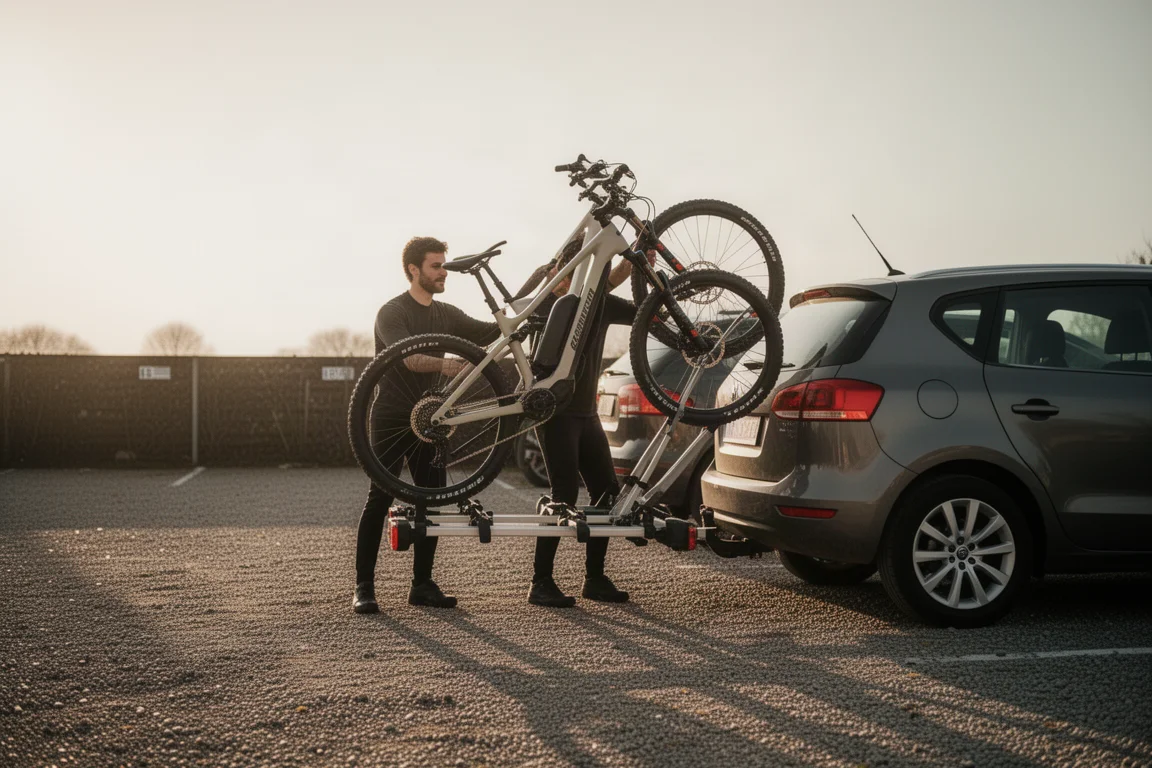
Where the motor sits matters as much as how powerful it is. Rear wheel motors are usually found on more budget models. A frame mounted motor keeps the weight of the motor centralised, which makes the bike feel more balanced, more fun to ride, and practically easier to lift onto a car or a rack.
Battery capacity is tied to the motor choice. Lightweight motors suit smaller batteries in the 250Wh to 450Wh range, while bigger and more powerful motors are generally paired with batteries from around 500Wh up to 900Wh or more. Many bikes can accept an additional range extender, a smaller battery that mounts to the frame and plugs into the bike, though it adds both weight and cost.
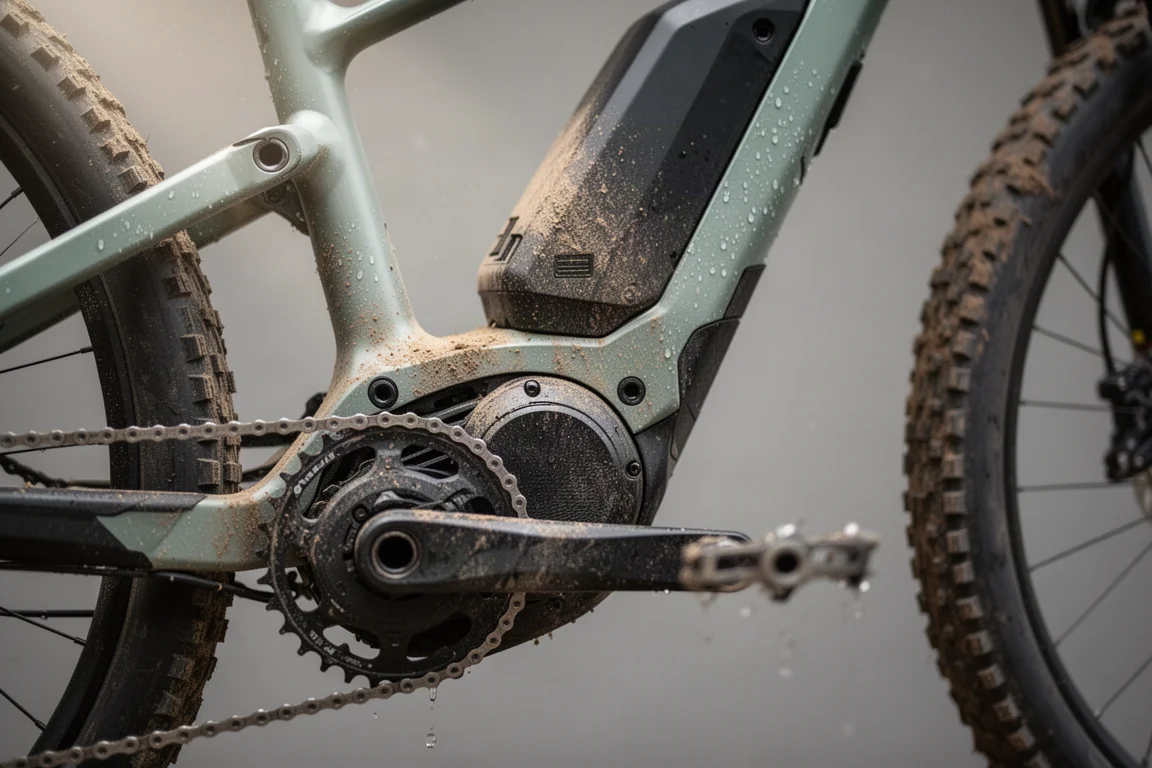
Weight is the price of capacity. Full power eMTBs are heavy machines, while SL models are built to stay light and to mimic a traditional bike. Which of those two you value more should decide the category you shop in.
Range, Motor Modes and Range Extenders
Range depends on the motor mode you use, rider weight, terrain and even the weather. As a working guide, lightweight eMTBs with smaller batteries can cover around 20 miles and 1,000m to 1,300m of elevation gain, while heavier full power bikes can manage roughly 25 to 30 miles and 1,300m to 2,000m. A separate range extender battery, where one is available for your bike, can add a little more.
Almost every eMTB lets you switch between motor power modes to stretch range. Some systems go further: Shimano’s eMTB mode adapts assistance on the fly, while Bosch motors can be tuned through the Bosch Flow app to set how much power is delivered in each setting for your terrain and riding style. Bosch also offers an eBike range calculator that is worth checking before you commit to a battery size.
The main takeaway is simple. More battery capacity means more range but a heavier bike. If your typical ride is 10 to 15 miles, a lighter bike with a smaller battery will usually serve you better than a heavy machine carrying capacity you rarely use.
Common eMTB Myths and Ownership Questions
Electric mountain bikes are not mopeds or motorbikes, and you do not need tax or insurance to ride them on the road or on trails. There are laws about the minimum age for riding an electric bike, and those vary from country to country, so it is worth checking the rules where you live.
The idea that an eMTB is cheating only really applies in a race where assistance is not permitted. For everyday riding, assistance usually means more rides and more time pedalling than you would otherwise manage, and more riding is good for fitness whether or not a motor is helping.
Reliability is the other common worry. Electric mountain bikes can go wrong, as any bike can, sometimes in the first year, the first month or occasionally the first day. Most bike shops are now set up to service and repair them. If you buy direct from a brand, check the warranty and service commitment first: Canyon, for example, has service centres and certified mechanics across the UK, Europe and the US covering warranty and maintenance work.
Buying Advice: Matching the Bike to Your Riding
Start with the riding you actually do rather than the riding you would like to do. A hardtail such as the Grand Canyon:ON covers commuting, touring, fire roads and lower graded trails with a full power motor and a high-capacity battery at the lowest cost. An SL bike such as the Neuron:ONfly trades torque and range for a weight around 20kg or less and a ride that feels much closer to a normal mountain bike. A full power bike such as the Strive:ON CFR gives you the most assistance and the longest range, at the cost of weight and a considerably higher price.
Budget for the electric premium as well. Electric mountain bikes generally cost around £1,500 to £2,000 or dollars more than a similarly equipped non-assisted bike from the same brand, and full suspension models start from roughly £3,000 to £4,000 or dollars and upwards.
If you are unsure between categories, be honest about distance. Riders doing 10 to 15 mile outings rarely need the biggest battery, and the lighter bike is usually the more enjoyable one. Riders chasing maximum assistance, long days out and big elevation totals will get more from a full power machine despite the weight.
Whatever you choose, buy from a brand with a clear warranty and service path, and check what is actually available in your region before settling on a specific model.
Conclusion
There is no single best electric mountain bike, only the type that fits your riding. Hardtails such as the Grand Canyon:ON deliver versatility and value with full power assistance. Lightweight SL bikes such as the Neuron:ONfly prioritise a natural ride feel and low weight. Full power machines such as the Strive:ON CFR deliver the most assistance and the longest range for riders who want it, at a premium price and with more weight to manage. Match the category to your terrain and your typical ride distance, and the decision becomes much simpler.
Further reading
Related Reviews
Electric Mountain Bikes
Best E-Mountain Bikes: Five Electric Trail and Enduro Bikes Compared
A practical look at five electric mountain bikes, from a lightweight carbon trail build to long-travel enduro machines, with the trade-offs that matter before you buy.
Electric Mountain Bikes
Best Electric Mountain Bikes 2026: Four Price Points Compared
Four electric mountain bikes from £999 to £9,999 compared on motor power, battery capacity, weight, and trail performance.
Electric Mountain Bikes
Best Electric Mountain Bikes: Five E-MTBs Worth Shortlisting
Five full-suspension electric mountain bikes compared, from lightweight trail machines to full-power enduro rigs, with the strengths and trade-offs to weigh before buying.