Electric Mountain Bikes
Best E-Mountain Bikes: Five Electric Trail and Enduro Bikes Compared
A practical look at five electric mountain bikes, from a lightweight carbon trail build to long-travel enduro machines, with the trade-offs that matter before you buy.
Introduction
Electric mountain bikes have settled into a clear role: they give you assistance on the climbs so you can spend more of your energy on the descents. Whether you want help on technical ascents or simply more recovery time on flatter ground, a motor-assisted bike can change the shape of a ride.
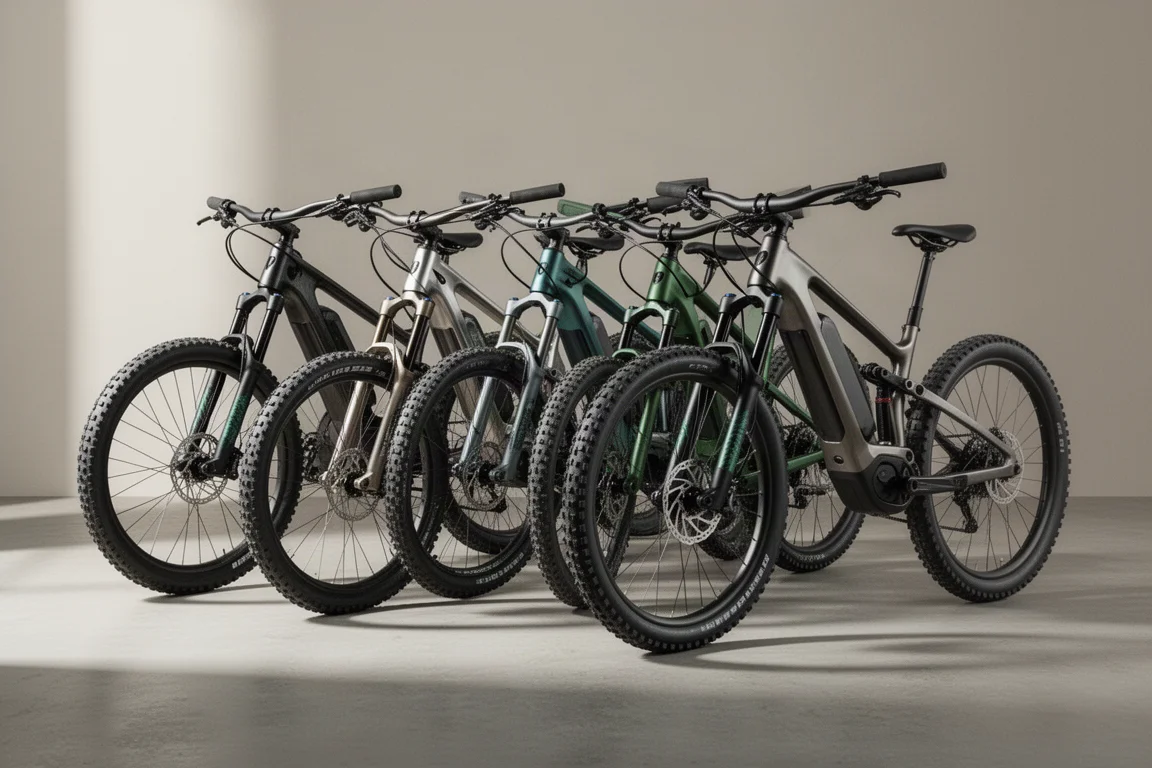
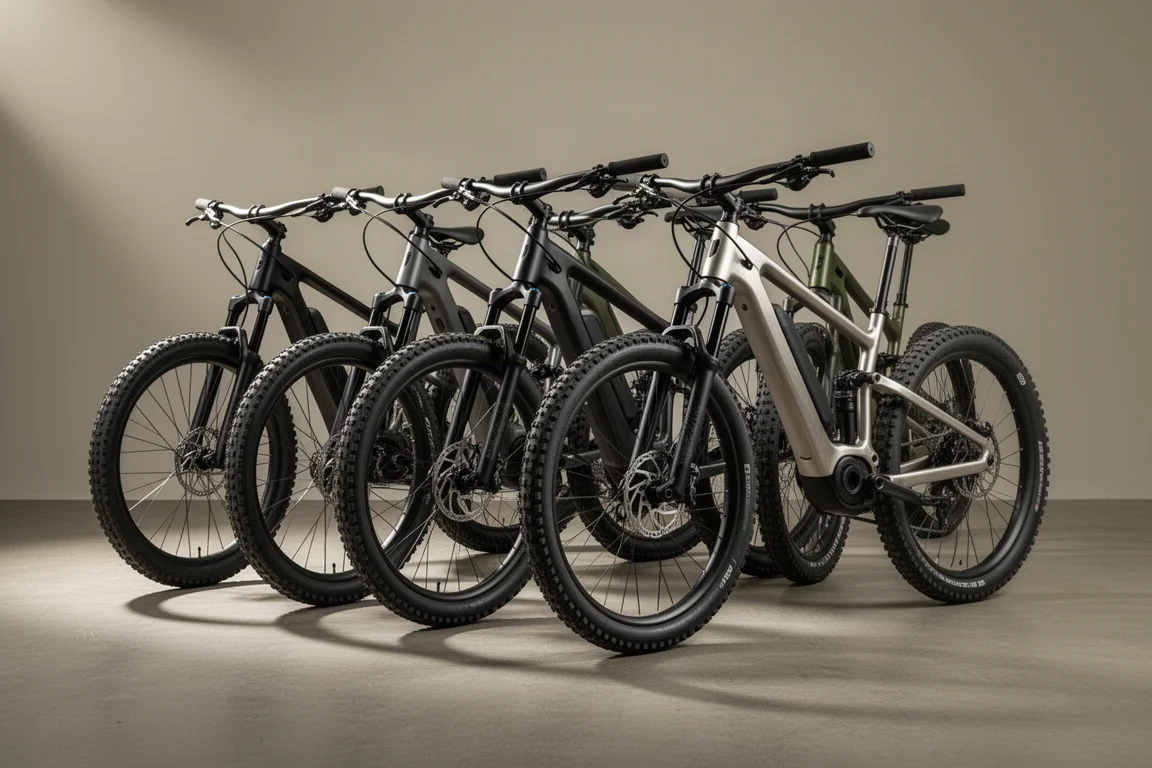
The five bikes below are very different answers to the same question. One is built to feel almost like a regular trail bike, another leans on long travel and a big battery, and a couple make a strong case on value. Pricing across the group ranges from a direct-to-consumer enduro build to range-topping carbon machines, so matching the bike to the riding you actually do matters more than chasing the biggest numbers on a spec sheet.
How We Evaluated These E-Mountain Bikes
Four things separate a good electric mountain bike from an average one.
Motor character matters most. Some systems prioritise a natural, quiet feel with modest torque, while others deliver noticeably more punch for steep, sustained climbs. Weight is the second factor. A lighter bike with a smaller motor can still be ridden comfortably without assistance, and that changes how it behaves in tight, technical terrain.
Suspension travel and geometry come next. Trail bikes in the 140 to 150 mm range stay agile and efficient, while long-travel enduro builds with up to 170 mm of rear travel feel calmer at speed and more forgiving in rough ground. Finally there is spec and price. Drivetrain, brakes and dampers vary widely within the same price band, and that difference is often more noticeable on the trail than a handful of extra watts.
Trek Fuel EXe: The Lightweight Trail Option
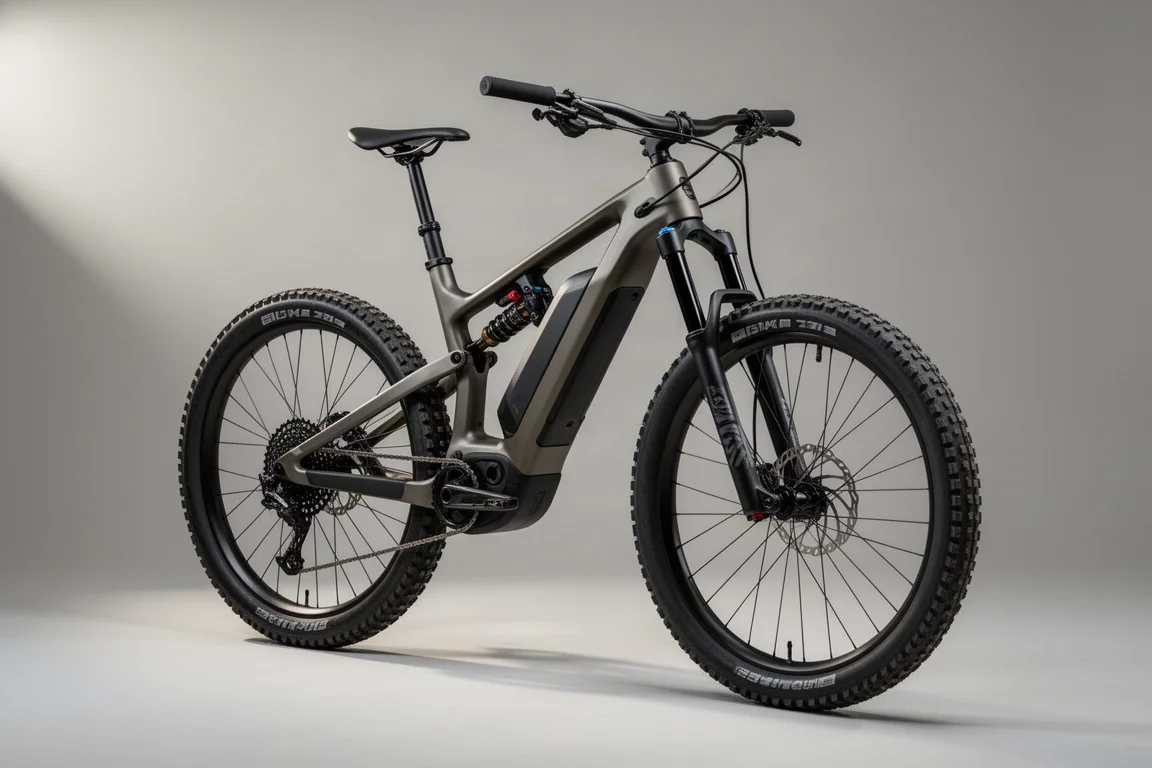
The Trek Fuel EXe is designed to still feel like a non-electric mountain bike while giving you a bit of assistance on the hills. The TQ HPR 50 motor produces 50 newton metres of torque and 300 watts of peak power, and the most eyebrow-raising detail is its weight: just 1.85 kg. That combination makes for a quiet ride with no discernible downsides, and the bike is light enough to be ridden on trails using human power alone.
Compared with hardcore downhill-oriented electric bikes such as the Trek Rail, the Fuel EXe does not deliver the same level of power. The weight savings offset that, and you still get meaningful benefit from the assistance without the bulk. The full carbon frame is based on the Fuel EX trail bike with a slightly modified frame shape and layout, and it offers 140 mm of rear wheel travel paired with a 150 mm fork.
The range-topping model is expensive at just under $14,000, or around £13,500, which puts it firmly in premium territory.
Marin Alpine Trail E2: Best Value Trail E-MTB
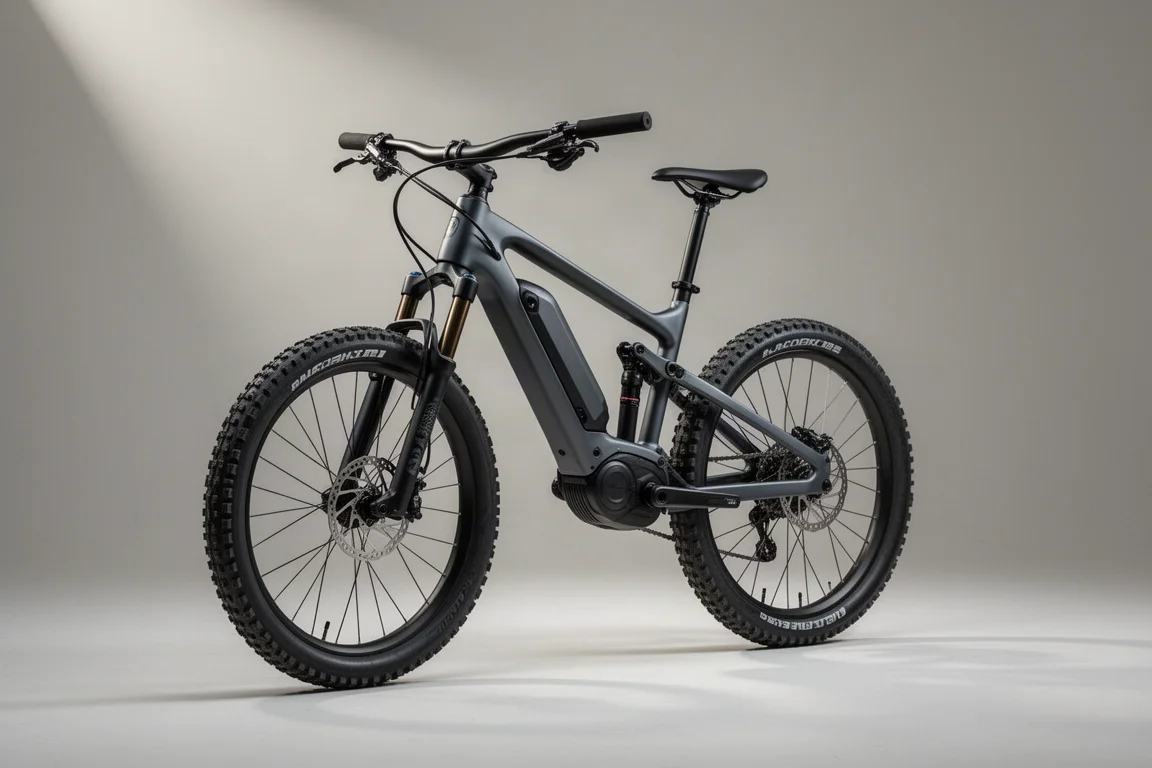
Marin’s first full-suspension e-bike does not read like a first attempt. The Alpine Trail E2 pairs top-spec dampers and a Shimano drivetrain with a modern, genuinely capable geometry, and the aluminium frame carries 150 mm of travel driven by Shimano’s EP8 motor.
At $6,299, or £5,765, it sits in a far more accessible bracket than the carbon flagships here, and it is at home across a broad spectrum of trails. Marin positions it as a bike that puts a smile on your face, and the spec sheet supports that idea: this is a versatile trail machine rather than a single-purpose build.
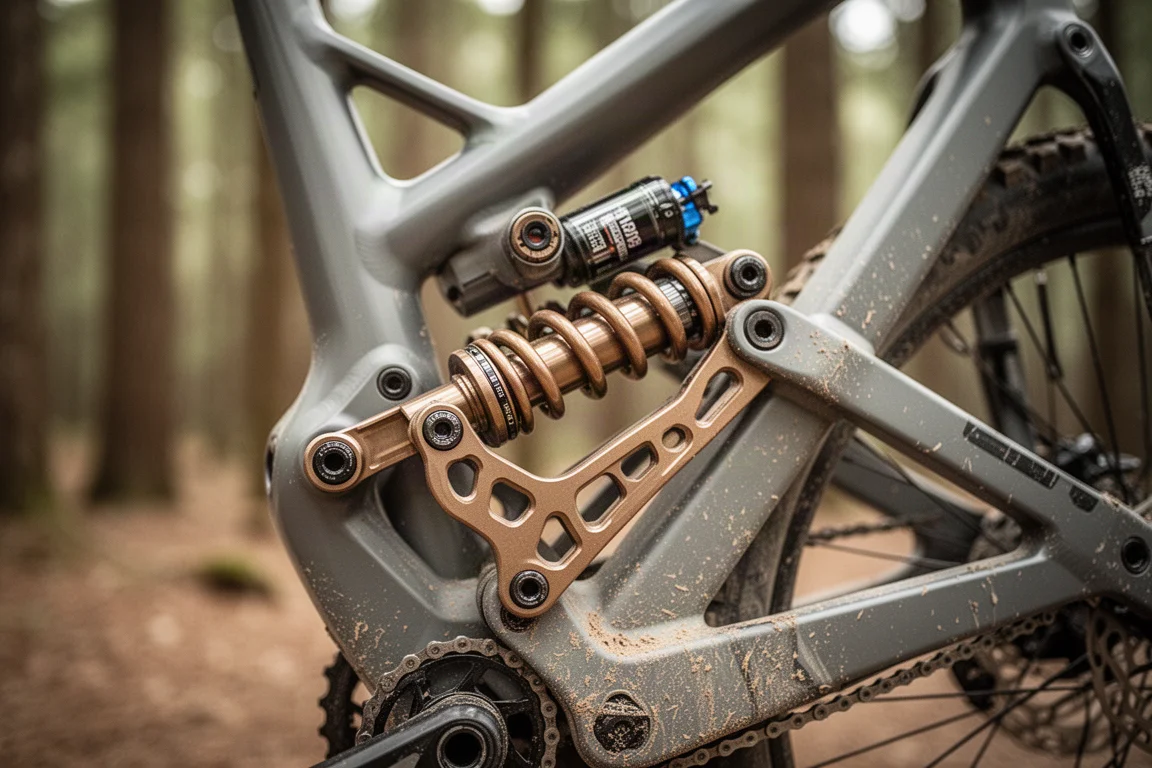
That balance is the Alpine Trail E2’s real argument. It is a capable, fun and comfortable electric mountain bike with a well thought out specification, and it makes a strong case as one of the better value options on the market.
Specialized S-Works Turbo Levo: Premium Performance
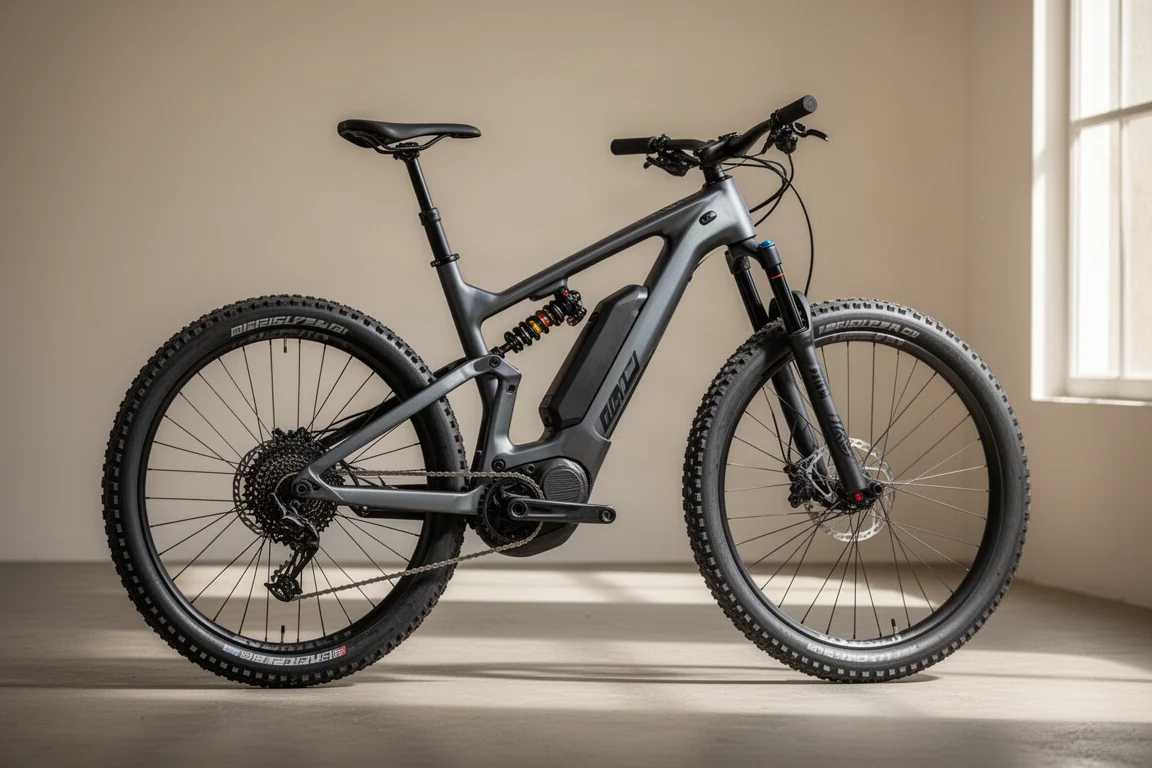
The Specialized S-Works Turbo Levo takes a different approach, aiming for a ride that is impeccably smooth and calm while still being throwable like a machine half its weight. A large 700 watt-hour onboard battery feeds a custom-developed Brose motor with 565 watts of peak power.
The build is uncompromising. The FACT 11m carbon fibre frame offers six potential geometry settings, and the top two models in the range add a burly Fox 38 fork and a Float X2 rear shock. That combination of adjustability and suspension quality is what separates it from cheaper carbon rivals.
The obvious obstacle is price. At $15,000, or £13,000, the Turbo Levo sits at the very top of this group, and cost is the main reason to think carefully before committing.
Nukeproof Megawatt 297: Long-Travel Enduro Machine
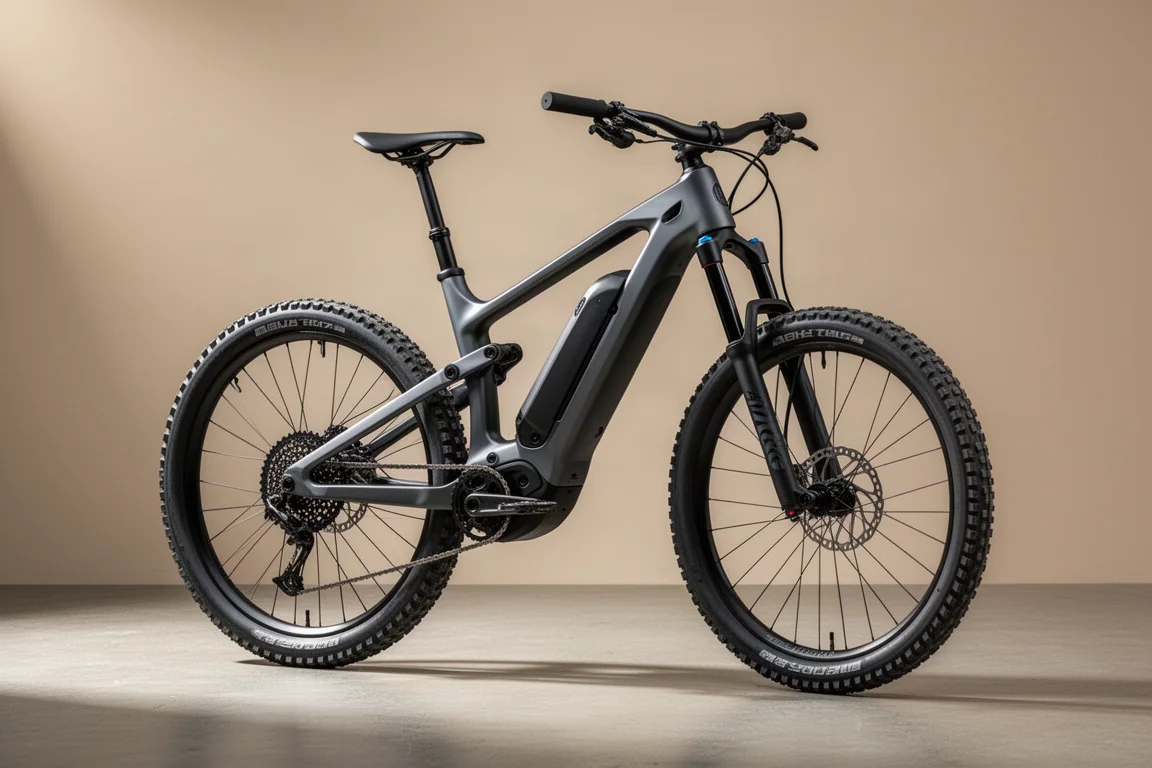
The Nukeproof Megawatt 297 is the brand’s first electric mountain bike, and it arrives with balanced geometry figures, comfortable and efficient climbing performance, a powerful Shimano motor and a well-specced build kit. It has the biggest rear wheel travel in this group at 170 mm, driven by a Horst link suspension system, with Fox Factory dampers and a 38 fork paired to a Float X2 shock on the top model.
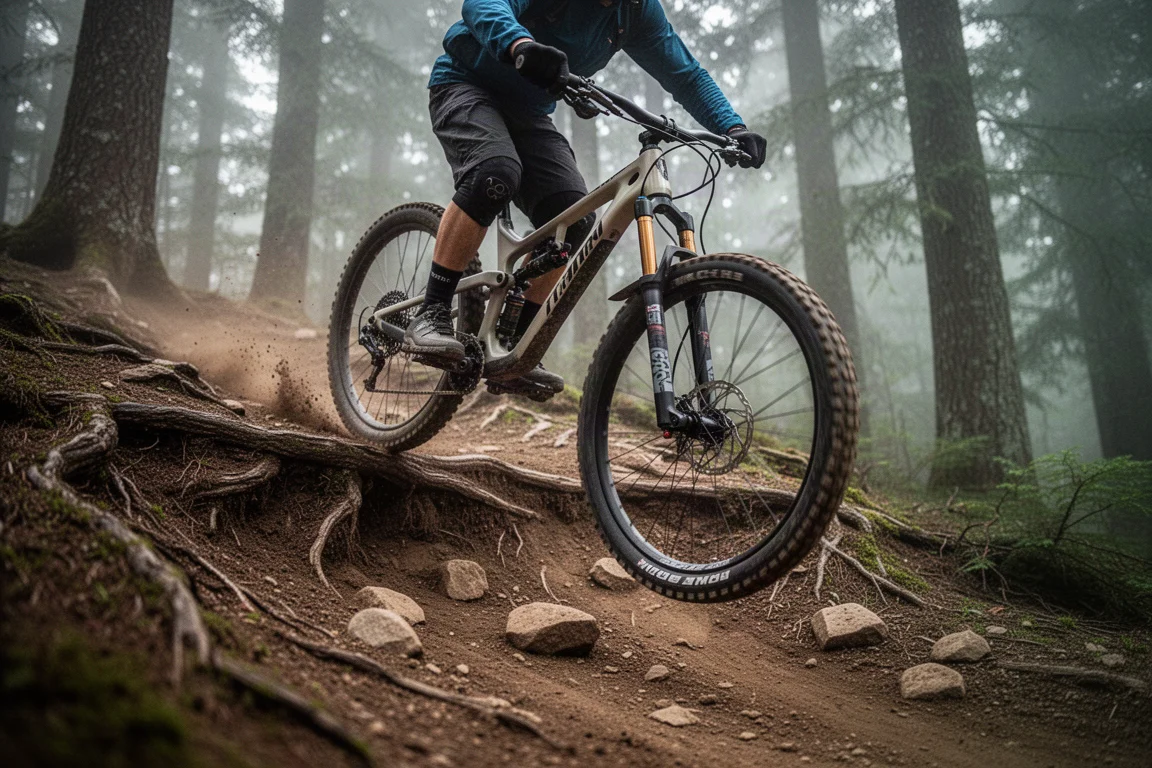
Power comes from Shimano’s EP8 motor with 85 newton metres of torque and a 630 watt-hour battery. Away from the spec sheet, the Megawatt combines super smooth long-travel rear suspension with impressively balanced geometry. It feels calm and composed where that matters and playful in tighter terrain, defying its weight and travel until you need it, at which point it pulls you through chunky ground without drama.
Vitus E-Summit: Direct-to-Consumer Enduro Value
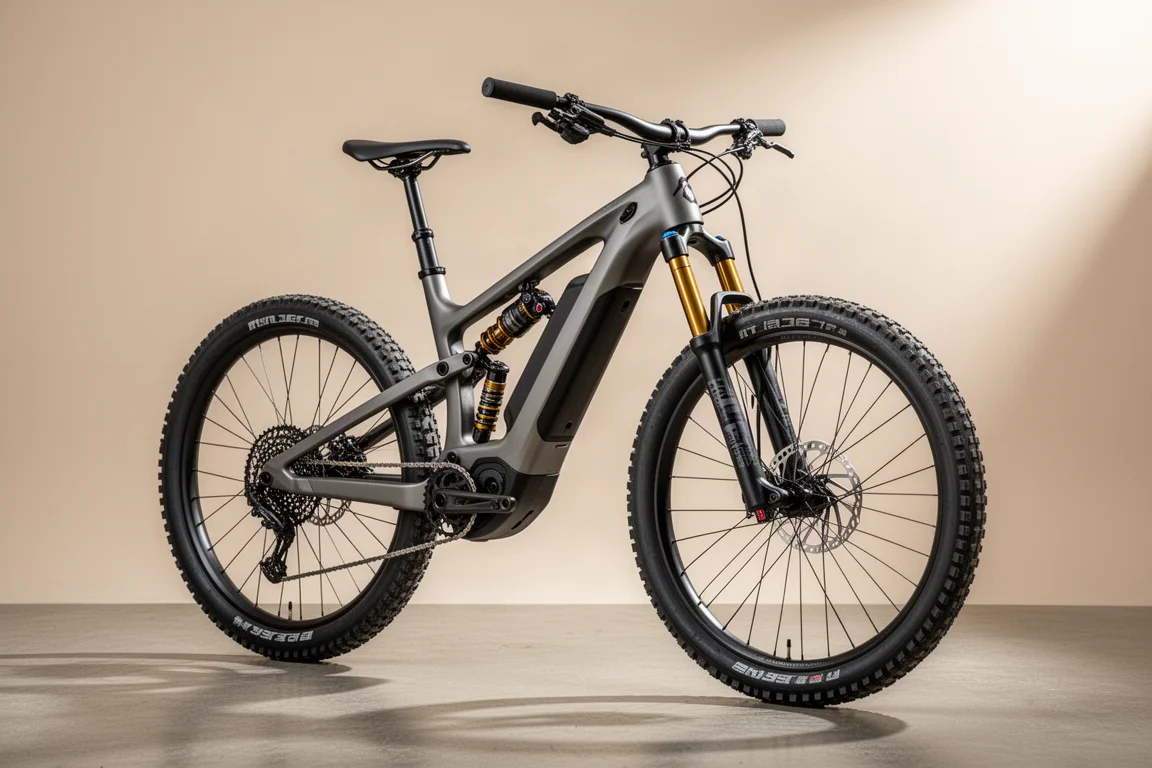
The Vitus E-Summit is intuitive, fun and capable, and it impresses on almost every level. This is the direct-to-consumer brand’s top-spec and longest-travel model, designed specifically for the rigours of enduro riding.
For £5,499 you get a RockShox Zeb Ultimate fork, Shimano’s M8100 XT drivetrain and brakes, and a Shimano EP8 motor. Keeping up with current trends, the E-Summit runs mullet wheels with a 29 inch front and a 27.5 inch rear, a 64 degree head tube angle and 478 mm of reach on a size large frame.
That specification is backed up by a ride that feels intuitive, massive fun and highly capable for faster, more experienced riders. Paired with super subtle suspension, the E-Summit is impressively adaptable across rider levels, and it stands out as about as good as you can get for the cash.
Buying Advice: Matching the Bike to Your Riding
The right choice depends far more on your terrain and riding style than on peak power figures.
If you want a bike that behaves like a normal trail machine and can be ridden without assistance when you choose, the lighter end of this group makes the most sense. If your priority is composure at speed on steep, rough descents, the long-travel 170 mm builds with larger batteries are the better fit. And if value matters most, the direct-to-consumer and aluminium-framed options deliver a great deal of capability for considerably less money.
It also helps to think about where you ride most often. Motor character is felt on every climb, weight is felt in every tight corner, and geometry is felt on every descent. A bike that is slightly over-specified for your local trails will still be enjoyable, but a bike that is under-specified for the terrain you actually ride will be frustrating.
Budget aside, all five of these bikes share one thing: they make climbing less of an obstacle and put more of the ride back into descending.
Conclusion
Electric mountain bikes cover a wider spread than their motor specs suggest. The Trek Fuel EXe shows how light and natural an assisted trail bike can feel, the Marin Alpine Trail E2 makes a persuasive value argument, the Specialized S-Works Turbo Levo pushes refinement and adjustability to the top of the market, the Nukeproof Megawatt 297 brings long-travel composure with a powerful Shimano motor, and the Vitus E-Summit demonstrates how much enduro capability a direct-to-consumer price can buy.
Match the bike to the riding you actually do, and any of these five will keep you out on the trails for longer.
Further reading
Related Reviews
Electric Mountain Bikes
Best Electric Mountain Bikes 2026: Four Price Points Compared
Four electric mountain bikes from £999 to £9,999 compared on motor power, battery capacity, weight, and trail performance.
Electric Mountain Bikes
Best Electric Mountain Bikes: Five E-MTBs Worth Shortlisting
Five full-suspension electric mountain bikes compared, from lightweight trail machines to full-power enduro rigs, with the strengths and trade-offs to weigh before buying.
Electric Mountain Bikes
Best Electric Mountain Bikes: What Four Price Points Actually Get You
Four electric mountain bikes at four price points, from a £999 hardtail to a £10,000 flagship, and where the extra money genuinely changes the ride.