Electric Mountain Bikes
Best Electric Mountain Bikes 2026: Four Price Points Compared
Four electric mountain bikes from £999 to £9,999 compared on motor power, battery capacity, weight, and trail performance.
Introduction
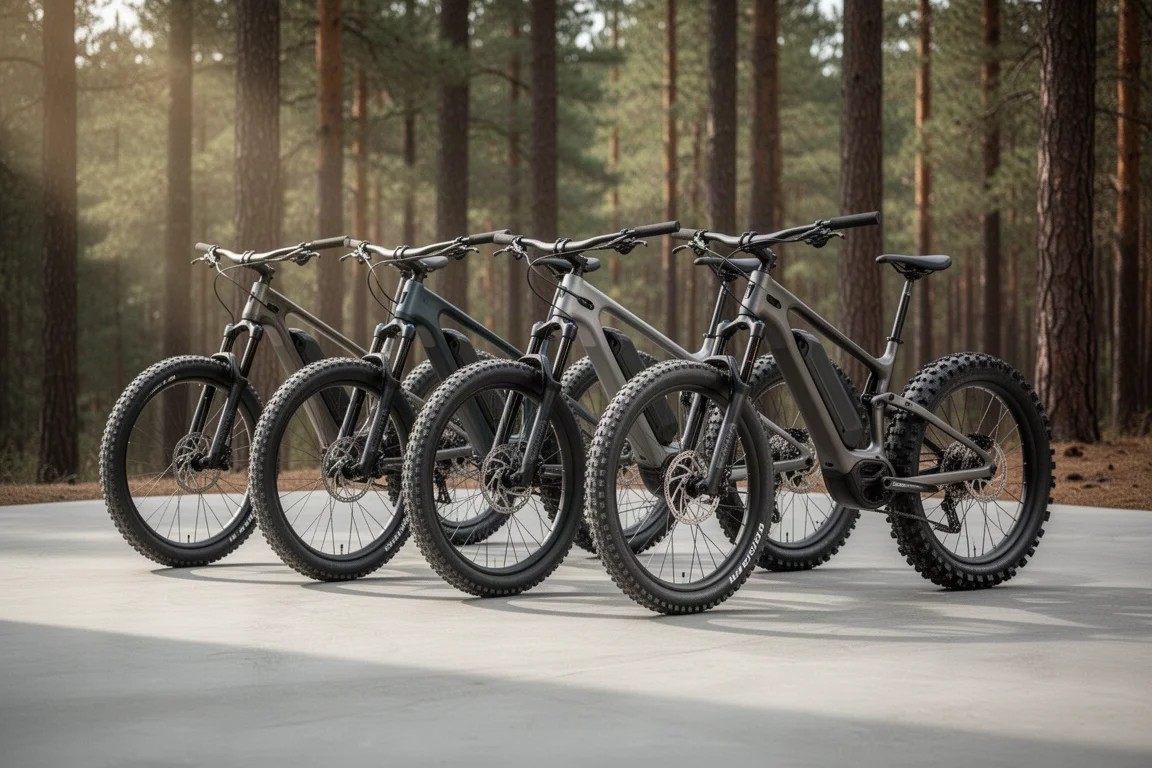
Electric mountain bikes have spread across a remarkable price range in a short time. At one end you can buy a complete, supported e-MTB for around the price of a budget hardtail, and at the other there are carbon machines that cost as much as a small car. The four bikes compared here sit at four distinct points on that scale, and the differences between them are far bigger than the numbers on the price tags suggest.
This guide looks at what each bike actually delivers: motor output and battery capacity, weight, suspension, drivetrain, and how they behave on climbs, fire roads, and technical descents. The aim is to help you judge where your money is best spent.
What Separates These Bikes at Each Price
The single biggest factor is the motor and battery package. Entry-level e-MTBs typically use a hub motor and a modest frame-mounted battery, while mid-range bikes move to a crank-driven system from a major brand with a much larger battery. That change affects speed, range, and how natural the assistance feels.
Weight matters too, but not always in the direction riders expect. The four bikes here range from 20.1 kg to 24.3 kg, and the heaviest bike in the group is not the most expensive one. A bigger battery adds weight, and a lightweight build often trades battery capacity for agility.
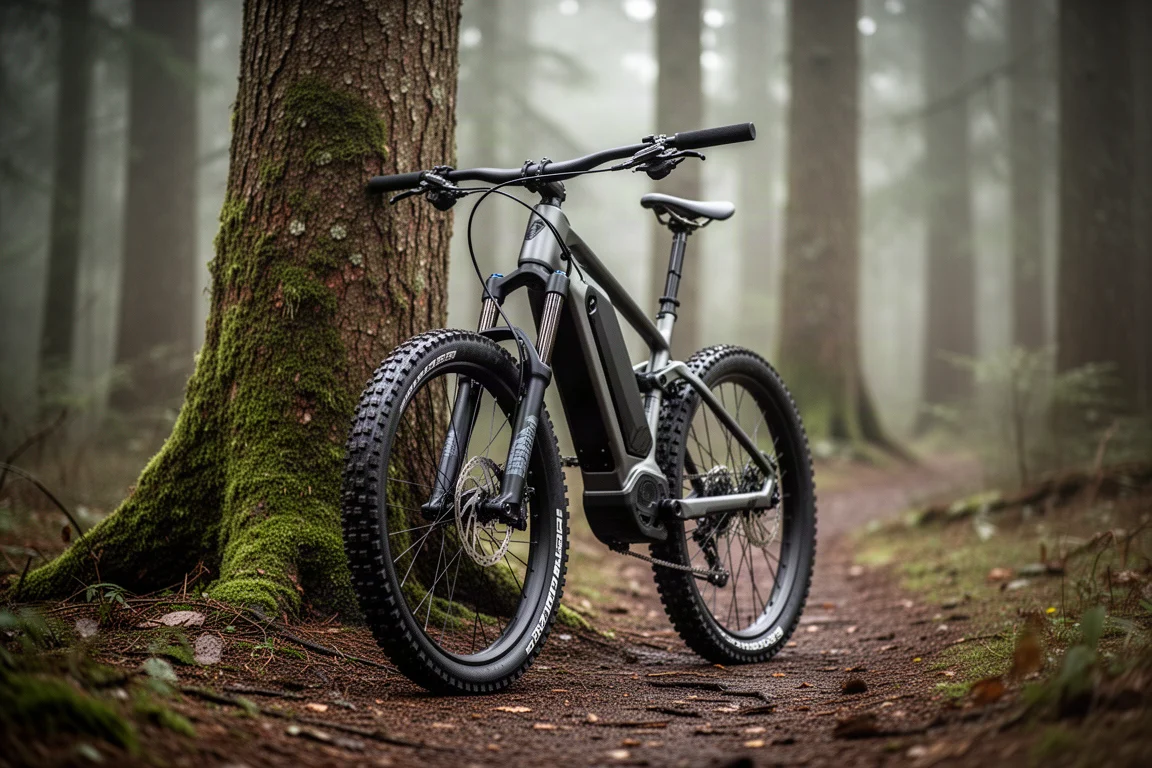
Suspension, braking, and frame geometry follow a similar pattern. Budget bikes make do with basic forks and mechanical disc brakes, while higher price points bring air springs, hydraulic braking, dropper posts, and geometry that is longer, lower, and slacker for stability at speed.
Decathlon E-ST 100: Solid Value for Fire Roads and Tarmac
At £999, which works out to around $1,300, the Decathlon E-ST 100 is one of the cheapest mainstream electric bikes on the market. It is not sold in the US. For the money you get a hardtail mountain bike with a 380 Wh frame-mounted battery and a 250 W rear hub motor producing 42 Nm of torque. It is a purpose-built electric bike rather than a converted one, so it comes with a warranty and manufacturer and dealer support.
The specification is less basic than the price suggests: three assistance modes, an LCD control screen, a 100 mm suspension fork with a quick release axle, an 8-speed drivetrain with a narrow-range cassette, mechanical disc brakes, and tubeless-ready rims. The tyres themselves are not tubeless, and both wheels are 27.5 inches. Total weight is 22.2 kg.
Out on the trail, the lowest assistance mode feels flat and the top mode is where the bike makes sense. On flat ground and fire road climbs it copes well. Point it at a red-graded singletrack trail, however, and the limits show: the brakes feel underpowered, the tyres offer little grip, and the fork has minimal damping.
Canyon Grand Canyon ON: The Bosch-Powered Step Up
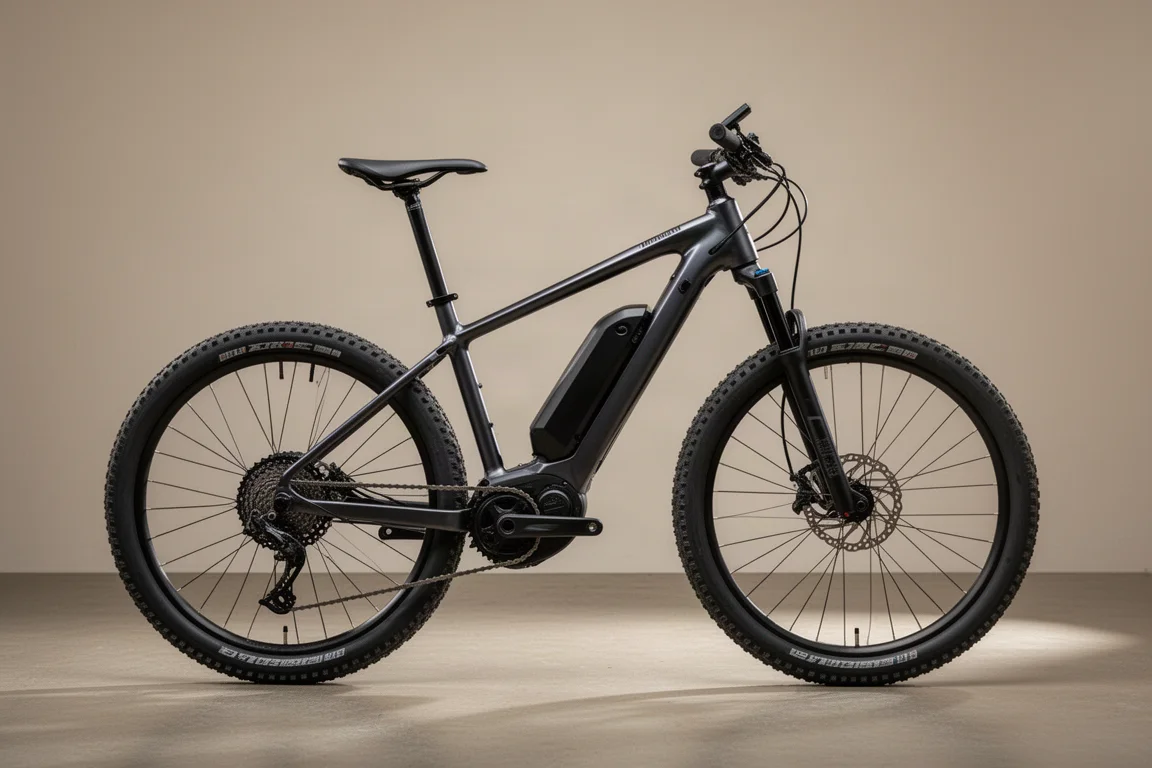
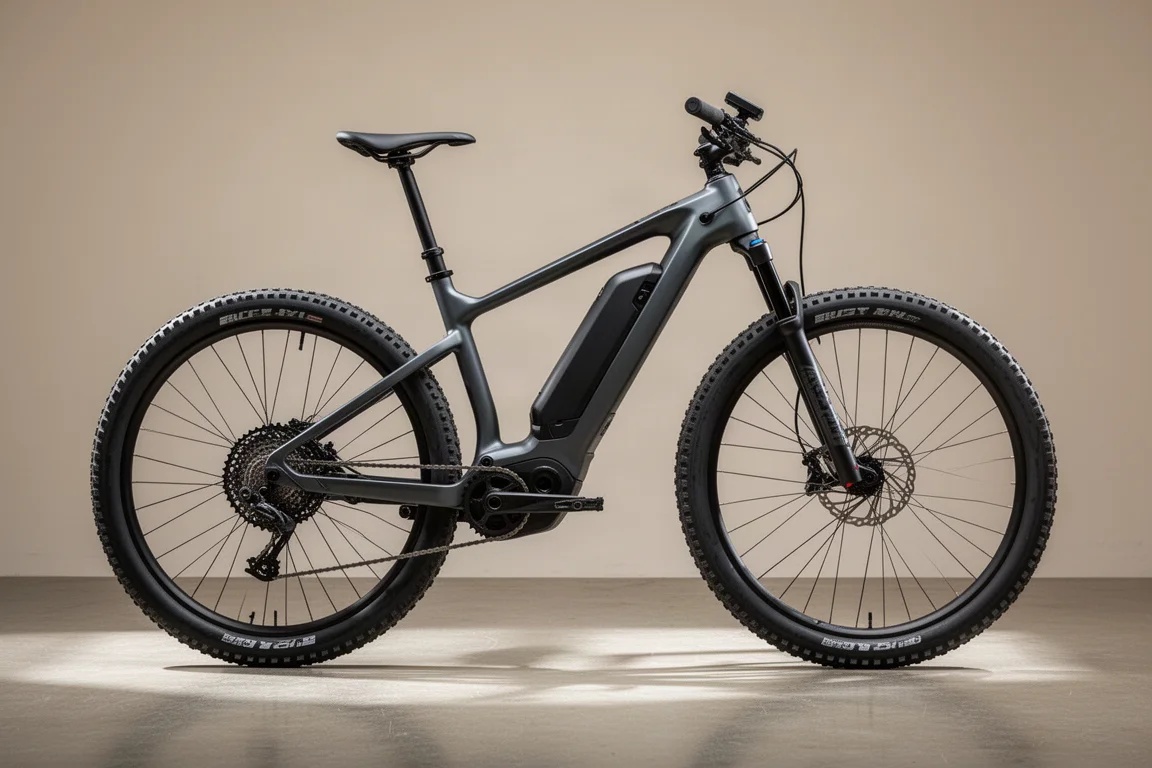
The Canyon Grand Canyon ON costs £3,999 and remains a hardtail, but the motor and battery are in a different league. Bosch’s range-topping Performance Line CX motor is paired with a 750 Wh battery, the largest of any bike here. That capacity comes with weight: at 24.3 kg this is the heaviest bike in the group.
Where it should shine is on longer, less technical rides. The 29-inch wheels and chunky, modestly treaded tyres promise grip, control, and rolling speed, while the RockShox Judy Silver fork uses an air spring with adjustable damping across 120 mm of travel. Braking comes from SRAM DB8 hydraulic discs, and the drivetrain is Shimano’s Deore 12-speed. A dropper post is not included, which is a notable omission at this price.
On the climb, the difference is immediately obvious. The Bosch motor is still fairly noisy, but the gain in speed and efficiency over the budget bike is enormous, and the whole ride feels smoother and more refined. On a red-graded trail the bigger wheels and better tyres make it feel far more planted and confident than the E-ST 100. The components are solid rather than spectacular, but the motor and battery are genuinely impressive.
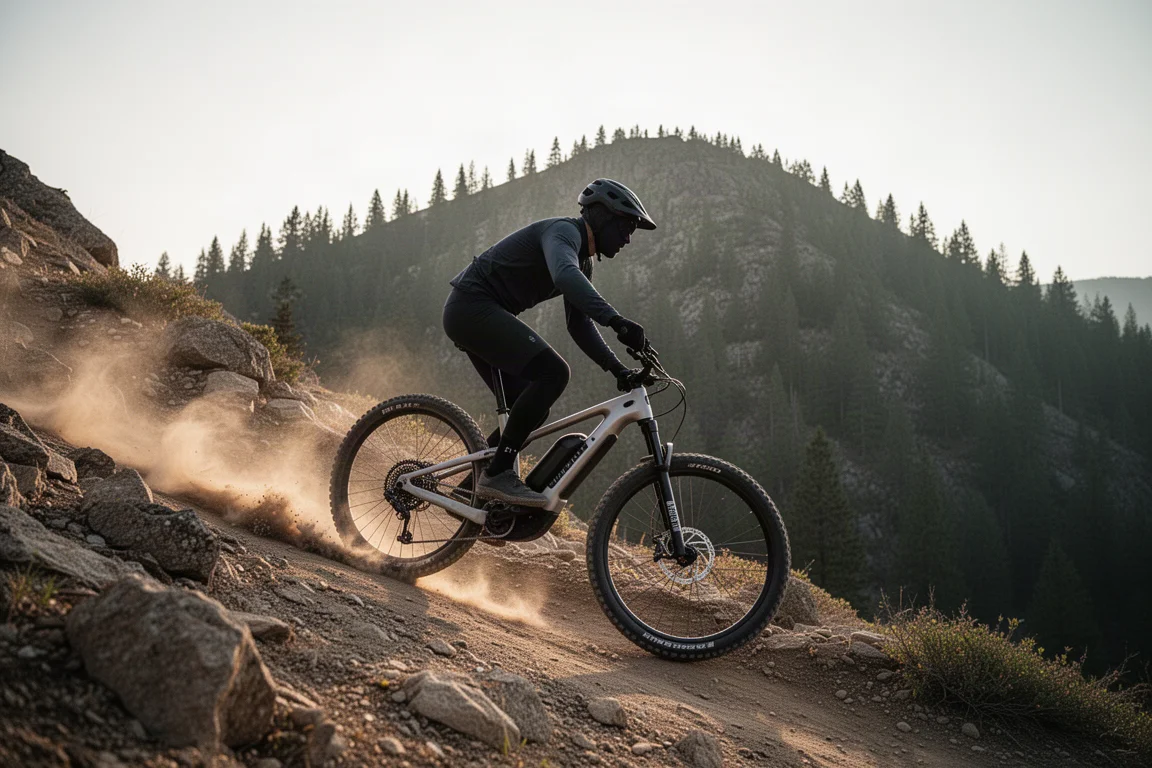
For riders who want to progress from fire roads onto lower-graded mountain bike trails, this is a sensible place to start. Fitting a dropper post would make it more capable still.
Specialized Turbo Levo SL Alloy Comp: The Sweet Spot for Real Trails
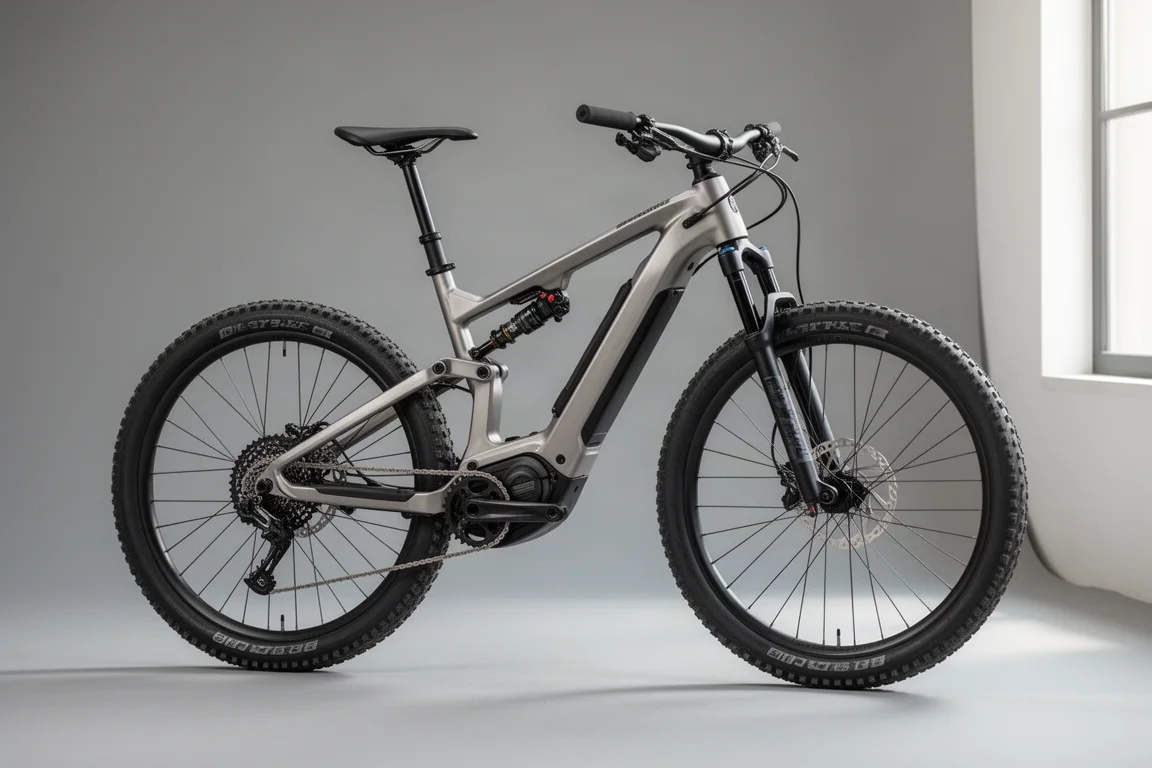
At £5,250, or around $7,000, the Specialized Turbo Levo SL Alloy Comp moves to a full suspension frame with a rear shock, a long, low, slack geometry, and a wide range of adjustment. It also brings a dropper post, a 1x12 drivetrain, powerful four-piston hydraulic brakes, Fox suspension, and a mixed wheel setup with a 29-inch front and a 27.5-inch rear.
As a lightweight SL model, it makes a deliberate trade-off. The battery is 320 Wh, smaller than both cheaper bikes here, and the motor delivers up to 320 W of assistance and 50 Nm of torque. The reward is weight: at 20.1 kg it is the lightest bike in this comparison.
That lightness is obvious as soon as you start moving. The bike feels nimble and manoeuvrable, but the motor does not have the kick of the Bosch Performance Line CX even in its highest mode, and riders on full-power e-MTBs will pull away on climbs. Effort on the way up is closer to the budget Decathlon than you might expect from the price. The descents are where the money shows: the dropper post, geometry, and suspension make it far easier to attack rough, rooty trails with confidence.
Propain Ekano 2 CF Ultimate: The Premium Flagship
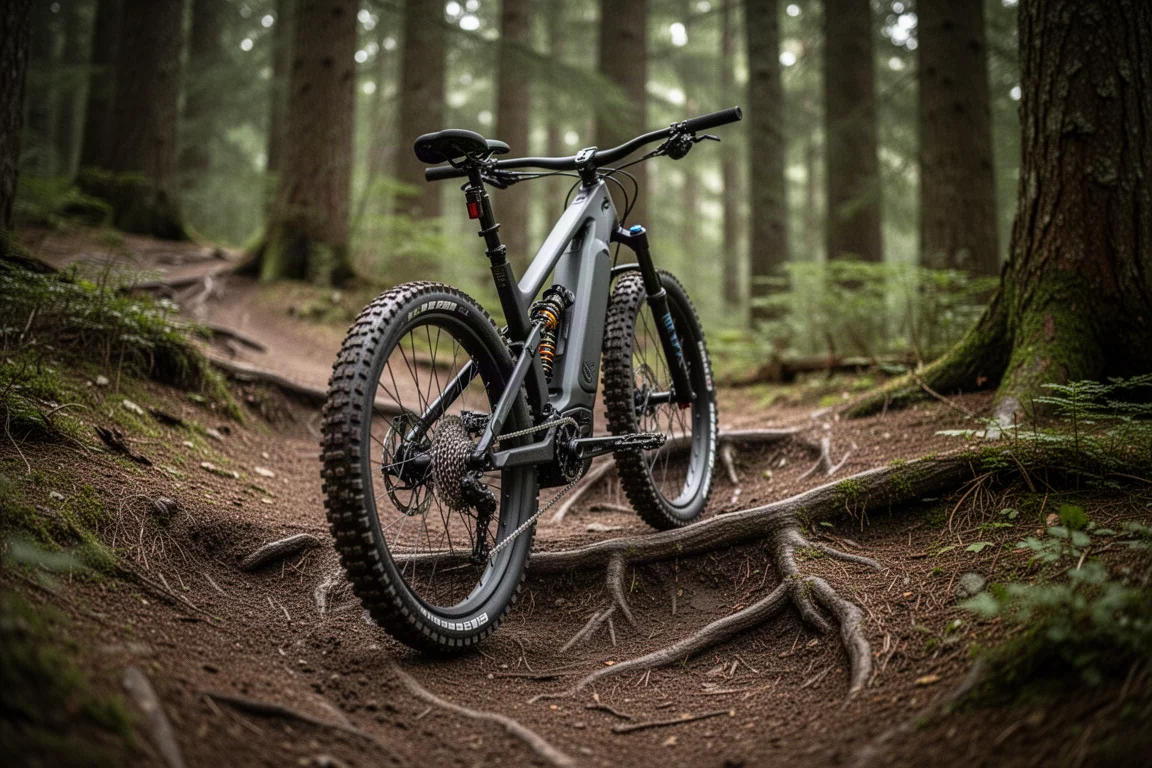
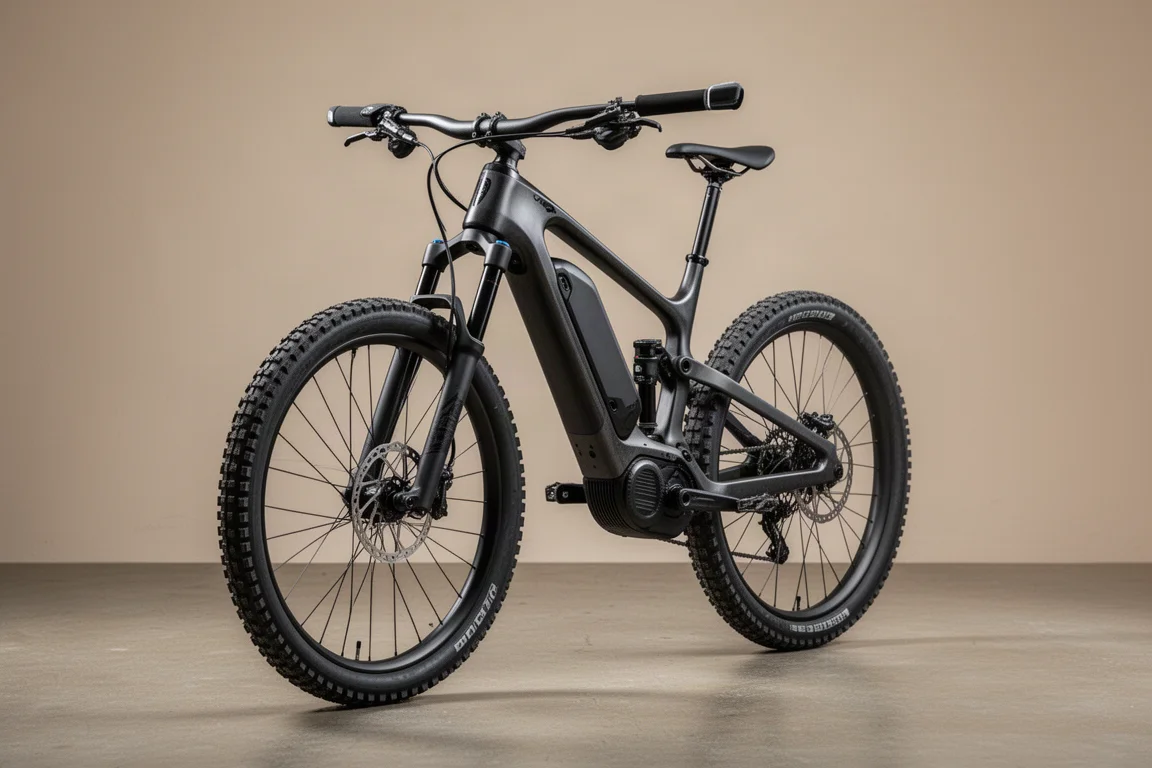
The Propain Ekano 2 CF Ultimate costs £9,999 and is one of a small number of bikes using SRAM’s Powertrain system, the company’s first e-bike motor. It integrates with SRAM’s wireless AXS transmissions and uses sensors to work out which gear is needed and shift automatically. There is no cable clutter around the handlebar, and the AXS pod controllers also operate the wireless Reverb AXS dropper post.
The numbers are the strongest here: a 650 Wh battery, 90 Nm of torque, and 680 W of assistance. The frame is carbon fibre, yet at 23.7 kg it is still the second heaviest bike in the group.
On the trail the motor is exceptionally good and among the quietest here, with noticeably more torque on tap. The automatic shifting works as described, changing gear without any input from the rider. Grip and control come from a burly fork and aggressive, soft-compound tyres. It is a hugely impressive machine, and the automatic shifting is genuinely remarkable, though not strictly necessary.
The harder question is value. The motor is a clear step up from the Specialized unit, but against the Bosch Performance Line CX the two are close. Twice the price of the Levo SL is a lot to justify.
Is the Premium Bike Worth Twice the Price?
Automatic shifting is the headline feature of the Ekano 2 CF Ultimate, and it works well. It also adds cost and complexity that most riders will never need, and the ride quality gap between it and the Specialized is smaller than the price gap suggests. The Ekano is the better bike on paper and on the trail, but it is not worth nearly twice as much as the Levo SL for most riders.
At the other end of the scale, the Decathlon E-ST 100 does not pretend to be more than it is. It is a genuinely good value way to get steady miles in on fire roads and tarmac with a bit of assistance, and it comes with proper manufacturer and dealer backing. What it is not is a trail bike.
The Canyon sits between those two positions and is the clearest example of diminishing returns working in a buyer’s favour. The motor and battery are the best value item in the whole group, even if the rest of the build is unremarkable.
Buying Advice: Matching the Bike to Your Riding
If your riding is mostly fire roads, towpaths, and tarmac with some help on the climbs, the Decathlon E-ST 100 covers that ground for a very low outlay and leaves money for a helmet and locks.
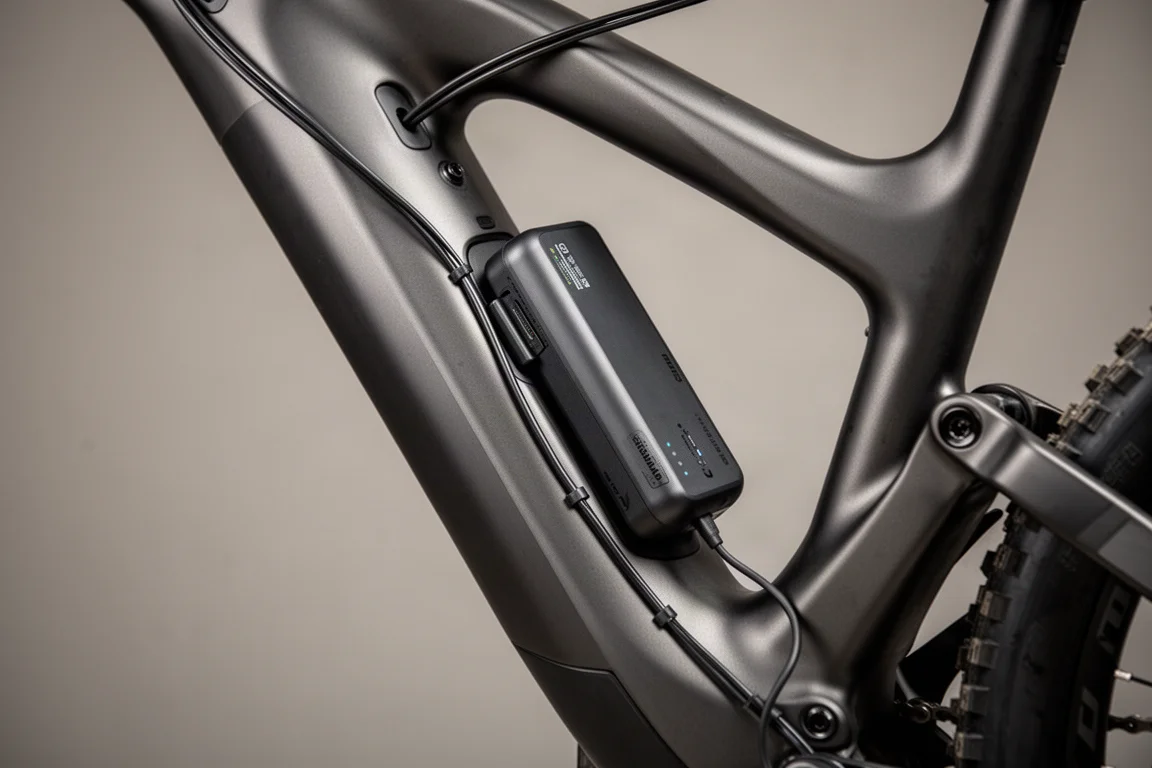
If you want the same kind of riding with more refinement, plus the ability to tackle lower-graded mountain bike trails, the Canyon Grand Canyon ON is the natural next step. Its Bosch Performance Line CX motor and 750 Wh battery are the standout parts of the build. Full suspension e-MTBs are available at a similar price, but the motor and battery on those bikes are generally not as good.
For riders who are serious about off-road riding, the £4,000 to £5,000 bracket is where a bike starts to feel complete. The Specialized Turbo Levo SL Alloy Comp is the pick of this group: light, capable, and equipped with everything needed for demanding trails. It will not out-drag a full-power e-MTB on a climb, but it will handle almost any descent you point it at.
Conclusion
Four bikes, four price points, and one clear pattern. The jump from a £999 hardtail to a £3,999 Bosch-powered hardtail buys far more than the jump from a £5,250 full suspension bike to a £9,999 flagship with automatic shifting. If value matters most, the Decathlon and Canyon make strong cases. If trail performance matters most, the Specialized Turbo Levo SL Alloy Comp is the one worth saving for.
Further reading
Related Reviews
Electric Mountain Bikes
Best E-Mountain Bikes: Five Electric Trail and Enduro Bikes Compared
A practical look at five electric mountain bikes, from a lightweight carbon trail build to long-travel enduro machines, with the trade-offs that matter before you buy.
Electric Mountain Bikes
Best Electric Mountain Bikes: Five E-MTBs Worth Shortlisting
Five full-suspension electric mountain bikes compared, from lightweight trail machines to full-power enduro rigs, with the strengths and trade-offs to weigh before buying.
Electric Mountain Bikes
Best Electric Mountain Bikes: What Four Price Points Actually Get You
Four electric mountain bikes at four price points, from a £999 hardtail to a £10,000 flagship, and where the extra money genuinely changes the ride.