Electric Mountain Bikes
Best Electric Mountain Bikes: Five E-MTBs Worth Shortlisting
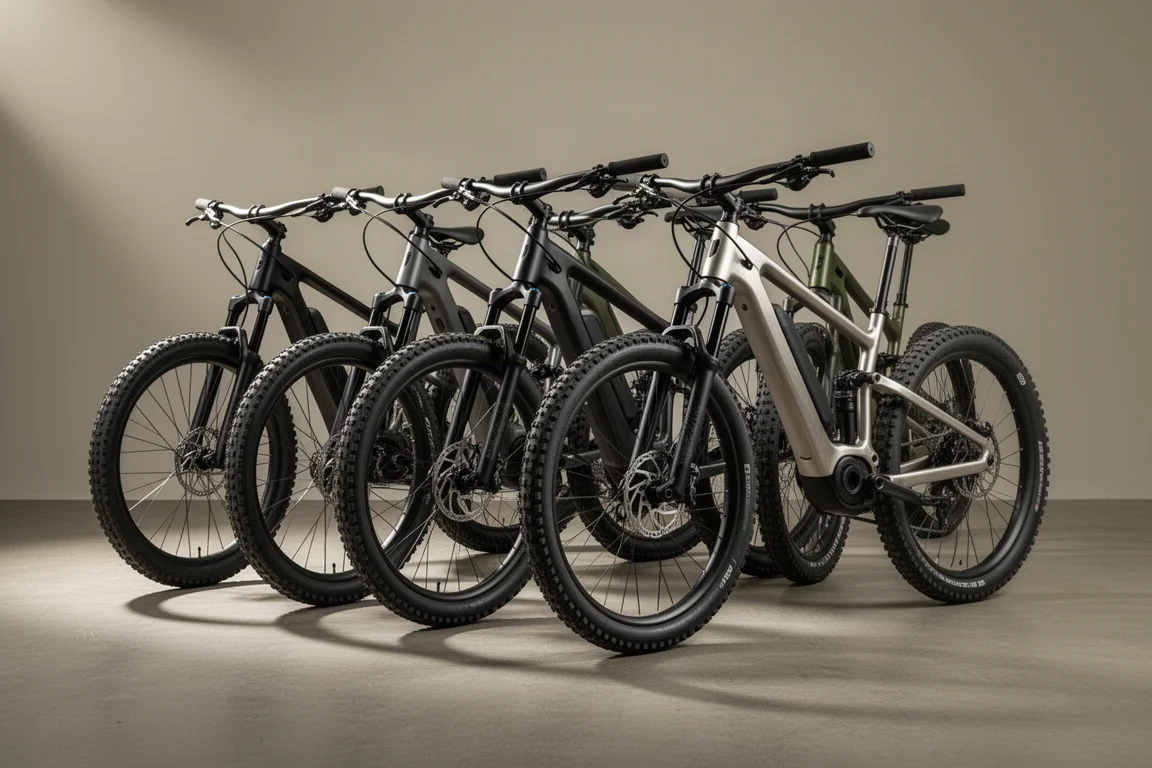
Five full-suspension electric mountain bikes compared, from lightweight trail machines to full-power enduro rigs, with the strengths and trade-offs to weigh before buying.
Introduction
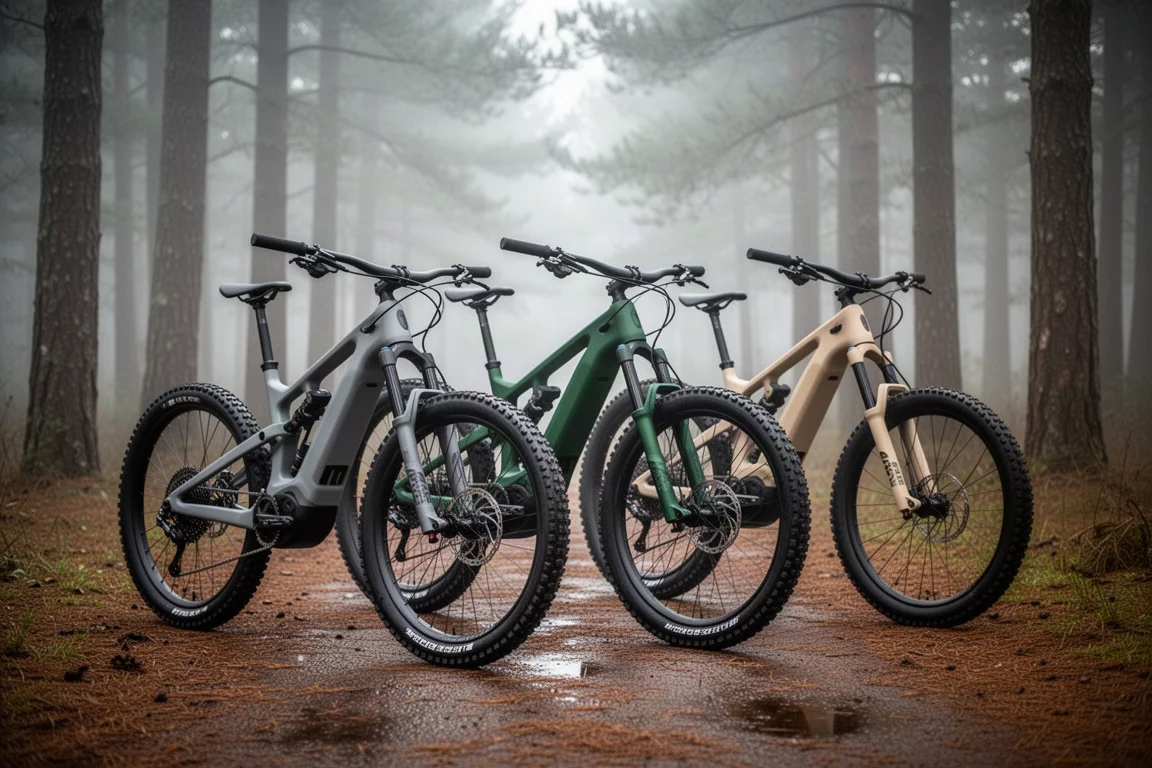
Electric mountain bikes have gone from curiosity to default choice for a growing number of riders, and the options now split into clearly different philosophies. Some bikes chase maximum power and travel, while others strip weight back until the assistance feels more like a quiet tailwind than a motor. The five bikes below cover both ends of that spectrum and much of the space in between.
Each one has a distinct reason to be on a shortlist: a drivetrain overhaul, a lighter motor, aggressive enduro pricing, a discreet drive unit, or a carbon frame that undercuts most rivals on weight. What follows is a practical look at what each bike offers, where it stands out, and what to weigh up before committing.
What Separates These Five E-MTBs
Before comparing individual bikes, it helps to separate them into two broad groups. The Specialized Turbo Levo SL2, Santa Cruz Heckler SL and Whyte E-Lyte are lightweight e-MTBs, built around lower-torque motors and smaller batteries. They aim to feel close to a regular trail bike while still offering meaningful assistance. The Transition Repeater PT and Canyon Strive:ON sit in the full-power camp, with larger batteries and motors that deliver considerably more torque.
Torque, battery capacity, wheel setup and geometry adjustability are the numbers that shape how each bike rides. Two of these bikes let you change geometry and rear wheel size, while others lock you into a single configuration. Travel figures range from 140mm up to 170mm, and prices span a wide band, so matching a bike to your terrain matters more than chasing the biggest figure on the spec sheet.
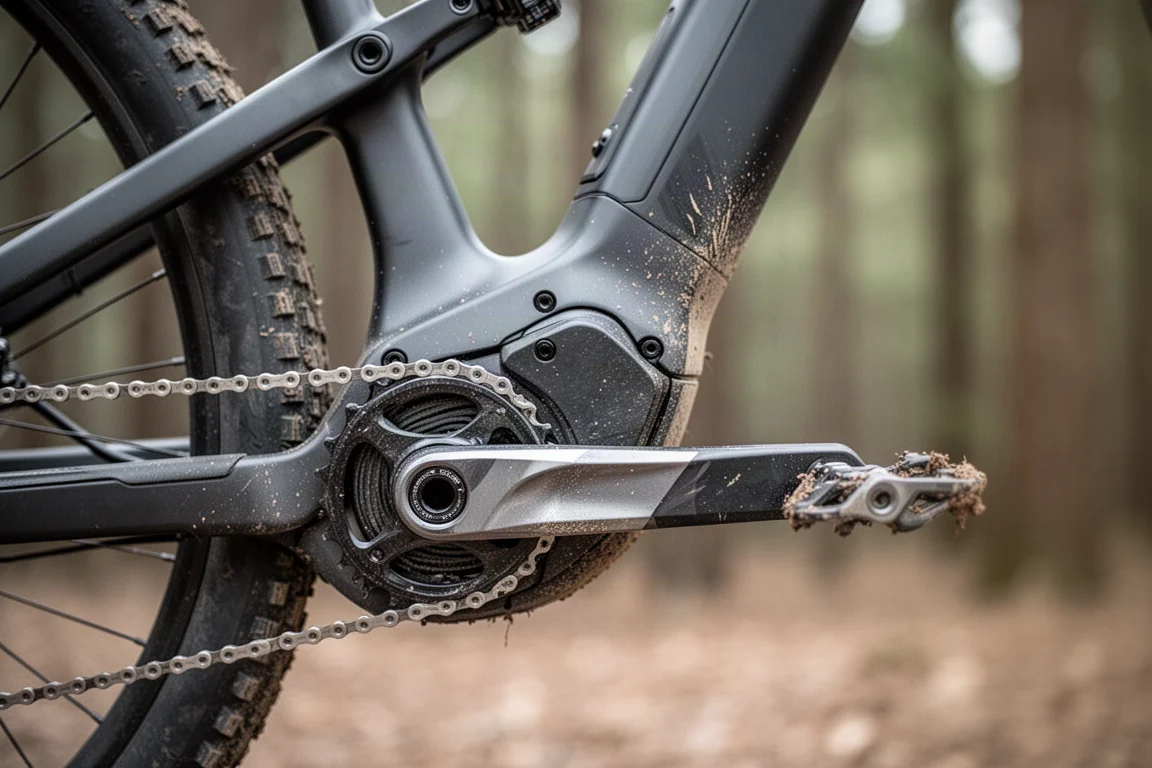
Wheel configuration is another dividing line. Most of these bikes use a mullet setup, pairing a larger front wheel with a smaller rear wheel for a balance of rollover and agility. One of the five also lets you switch to a full 29-inch rear wheel, but only if you are prepared to work through its adjustment points.
Transition Repeater PT: SRAM Powertrain and Bigger Travel
The Repeater was Transition’s first e-MTB, and it earned attention for terrain-devouring rear suspension, balanced geometry and a rare talent for climbing. The complaints were narrower: a basic drivetrain and a fork that left riders wanting more composure on fast descents. The Repeater PT answers both.
The headline change is SRAM Eagle Powertrain, which works with SRAM T-Type transmissions for wireless electronic shifting. Teamed with Powertrain, the system also adds auto shift and coast shift functions, giving two automatic shifting modes. The motor is controlled by SRAM AXS pod controllers, with an AXS display built into the top tube. The result is a very clean front end with only two brake hoses running to the bars.
Travel increases to 170mm at both the fork and the rear wheel, which slackens the head angle by half a degree to 63.5 degrees. Transition has also steepened the size-specific seat angle, with a large frame measuring 78.2 degrees. Two models are offered, GX AXS and XO AXS, and neither is cheap, but the latest drivetrain technology rarely is.
Specialized Turbo Levo SL2: Lightweight and Highly Adjustable
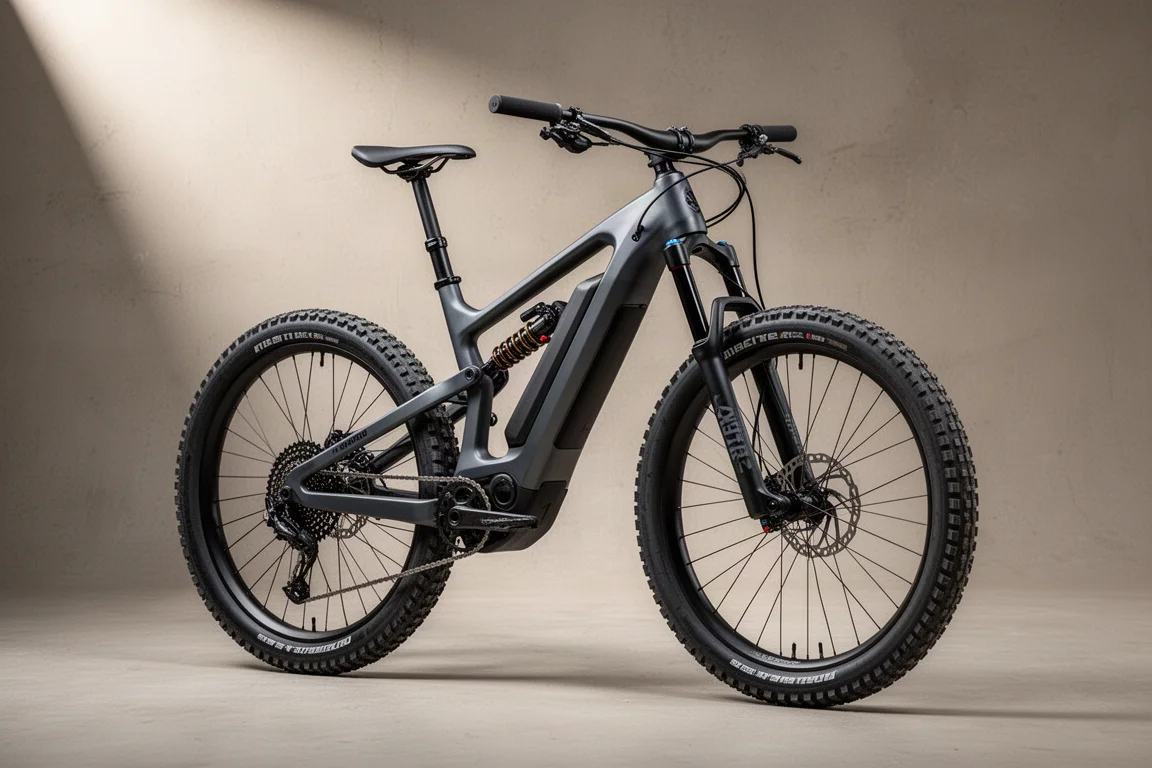
The Levo SL2 is effectively a Stumpjumper Evo with a motor, which is a strong starting point given how capable and playful that platform already is. The Turbo SL 1.2 motor lifts output to 320W and 50Nm of torque, a clear step up from the 240W and 35Nm of the previous version. The 320Wh battery carries over unchanged, and the bike is compatible with a 160Wh range extender for longer days.
A Mastermind TCU display handles the system interface and can be customised through the Mission Control smartphone app. Geometry is where the Levo SL2 pulls ahead of most rivals, because it offers three separate points of adjustment. Offset cups change the head angle, generally between 65.8 and 63.8 degrees in one-degree steps depending on how the other adjustments are set. An offset bushing on the shock eyelet raises or lowers the bottom bracket by 5mm, and a flip chip at the Horst link pivot moves chainstay length between 432.5mm and 442.5mm. That last adjustment also allows a 27.5-inch or 29-inch rear wheel, although every model ships with a mullet setup as standard.
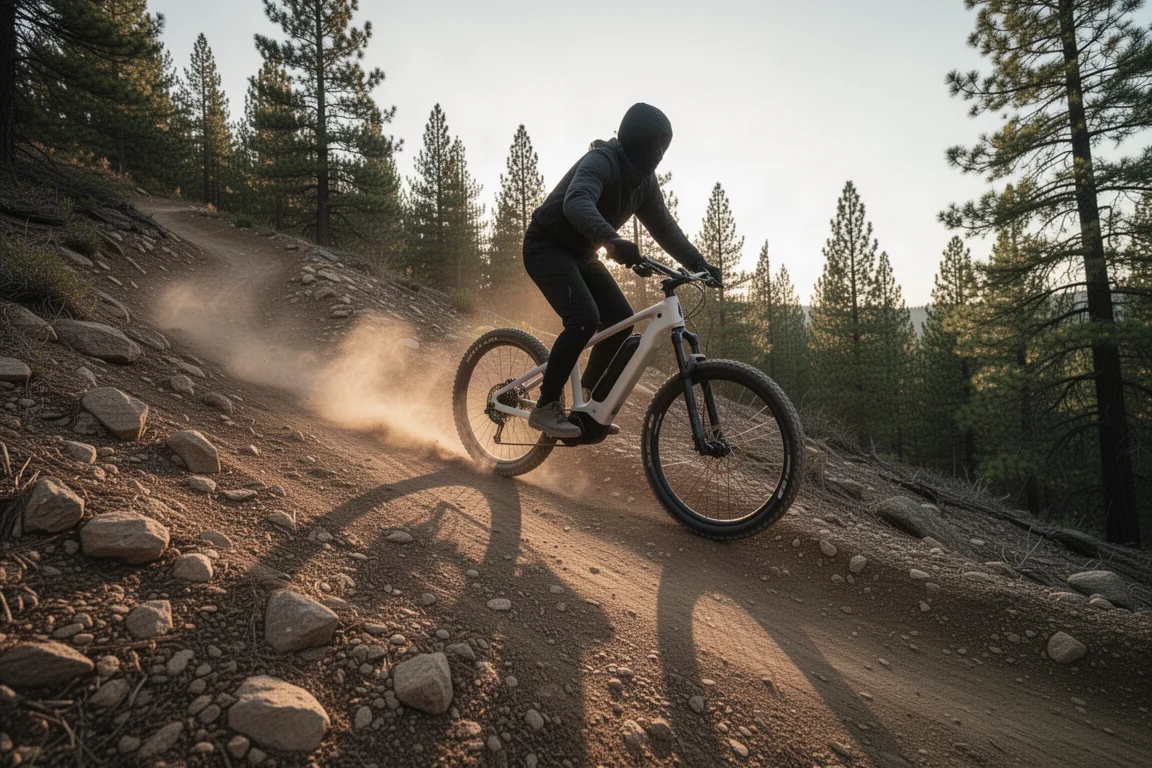
Five models cover the range: Comp, Pro, Expert and two S-Works builds. Pricing starts at £7,000 or $8,000 and climbs to £13,500 or $15,500 at the top, so this is a bike that rewards a comfortable budget.
Canyon Strive:ON: Enduro Focus with Full Power
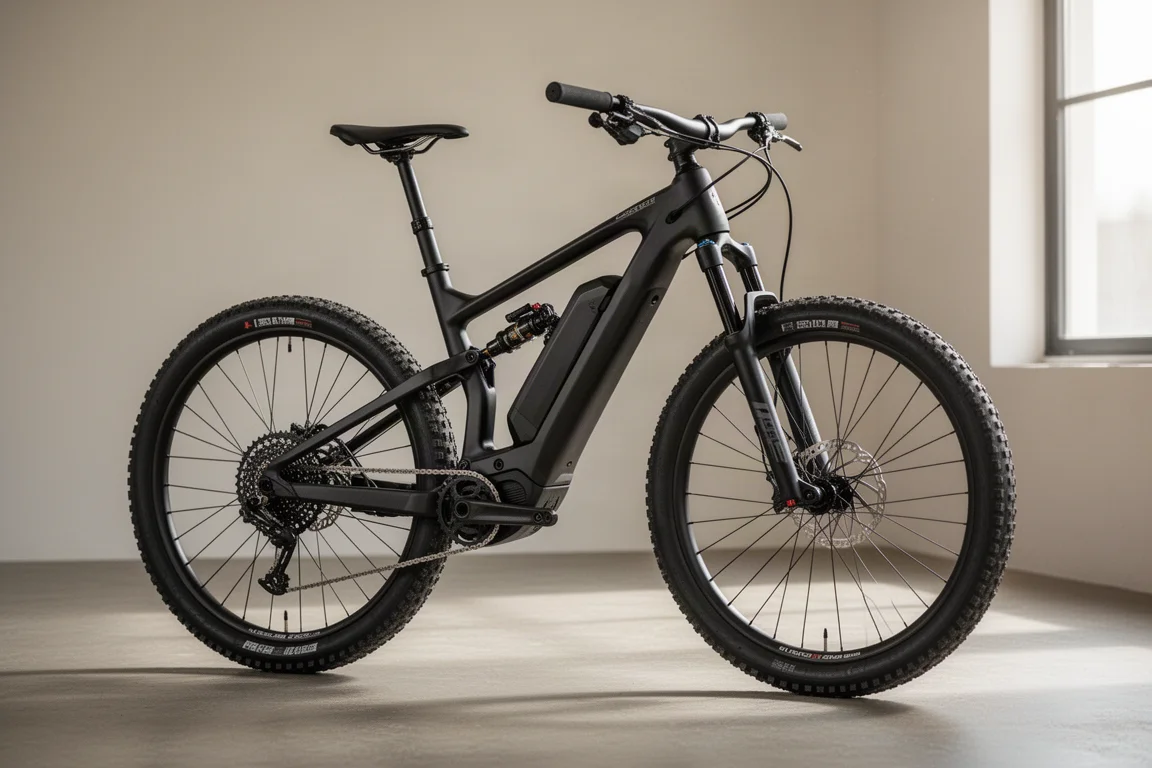
The Strive:ON is Canyon’s first enduro-specific electric bike, developed with input from a downhill legend, and it slots between the Spectral:ON and the Torque:ON in the range. Where the Levo SL2 trims weight, the Strive:ON goes the other way with a full-fat build: 160mm of rear wheel travel, a 625Wh or 750Wh battery, and Bosch’s Performance Line CX motor, or the punchier CX Race unit on the flagship CFR Limited model.
It shares a name with the non-assisted Strive but not its geometry tuning. Canyon’s Shape Shifter technology does not appear here. Instead the setup is more traditional and closer to the regular Spectral. The bike follows current trends with a mullet wheel pairing and a slack 63.5-degree head angle, while a 475mm reach on a size medium is on the longer side, sitting closer to what most brands use on a large. Chainstays measure a fairly short 445mm. Geometry is fixed, with no adjustment and no option to fit a larger 29-inch rear wheel, so you need to get on with the stock setup.
Pricing is where the Strive:ON makes its case. Every model uses a carbon frame, Fox suspension and DT Swiss wheels alongside the Bosch motor and battery. The base CFR Underdog starts at £5,499 or $5,700 with the smaller 625Wh battery, and the range-topping CFR Limited undercuts many rivals at £8,999 or $9,499 while adding a SRAM X0 T-Type transmission, RockShox suspension, carbon wheels and the CX Race motor.
Santa Cruz Heckler SL: Santa Cruz’s First Lightweight E-MTB
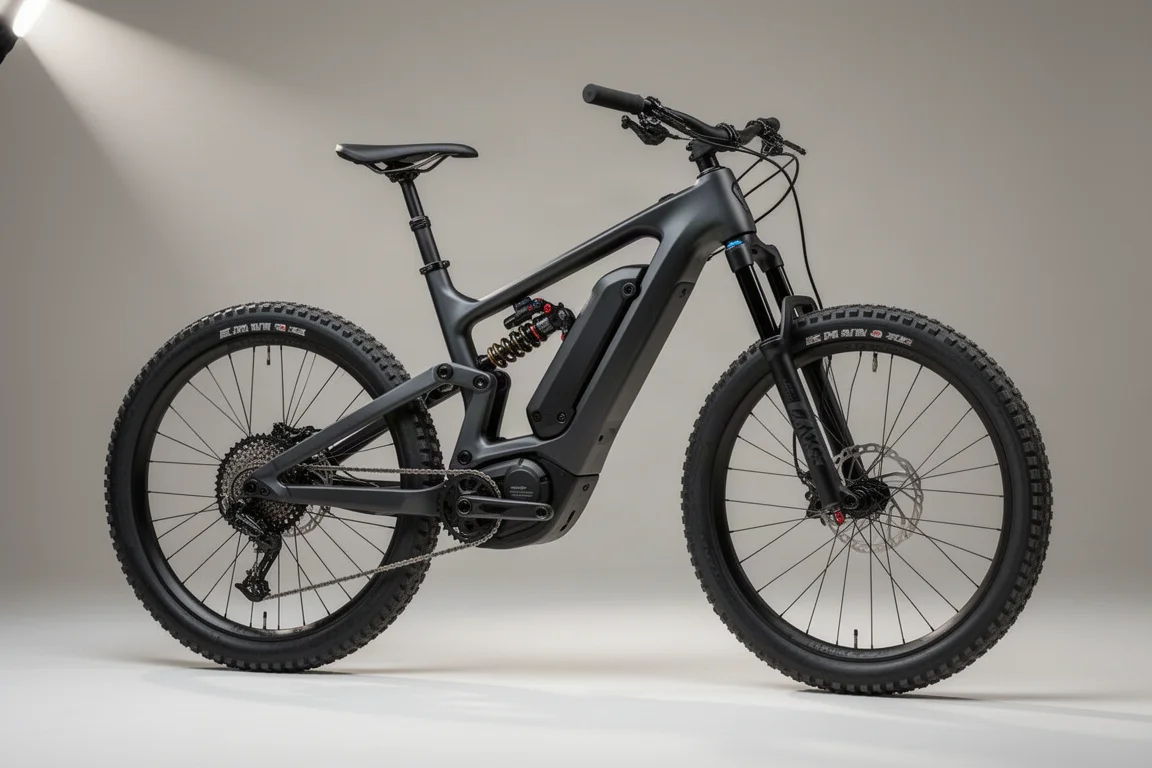
The Heckler name stretches back to 1996 and stayed with a single-pivot suspension design until 2016. It returned in 2020 as a Shimano-motor e-bike and was later revised with the EP8 motor. The Heckler SL takes the badge in a lighter direction, using the Fazua Ride 60 drive unit and a 430Wh battery, with 60Nm of torque and up to 450W of assistance.
That output is lower than the full-power motors on the Canyon and Transition, but it is a solid step up from the Specialized. Claimed weights sit between 18.93kg and 19.55kg, which makes the Heckler SL heavier than the Levo SL2. The motor is neatly hidden in the frame, so at first glance the bike can pass for a regular mountain bike.
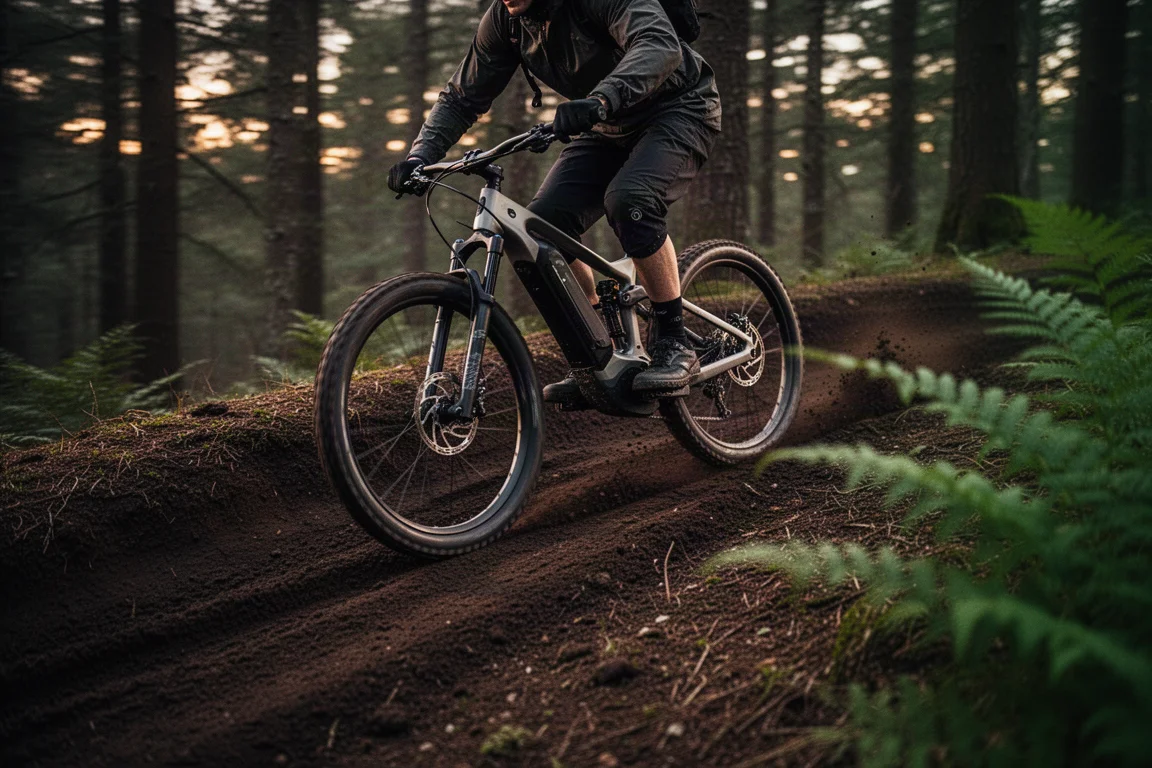
Suspension comes from Santa Cruz’s VPP design with 150mm of rear travel paired to a 160mm fork, and a mixed wheel mullet setup keeps the handling nimble. Think of it as an electrified Bronson. The Heckler SL is carbon only, with C and lighter CC variants, and pricing reflects that, starting at £6,699 or $7,299.
Whyte E-Lyte: The British Lightweight Contender
Whyte may not be the first name that comes to mind when thinking about brands that pushed mountain bike design forward, but the British manufacturer has produced some of the most influential bikes of the past two decades. The 146 X was one of the first mainstream trail bikes with a one-by drivetrain, and the T129 helped establish the 29er trail bike as we know it. The E-Lyte is the brand’s bid to shape the lightweight e-MTB category.
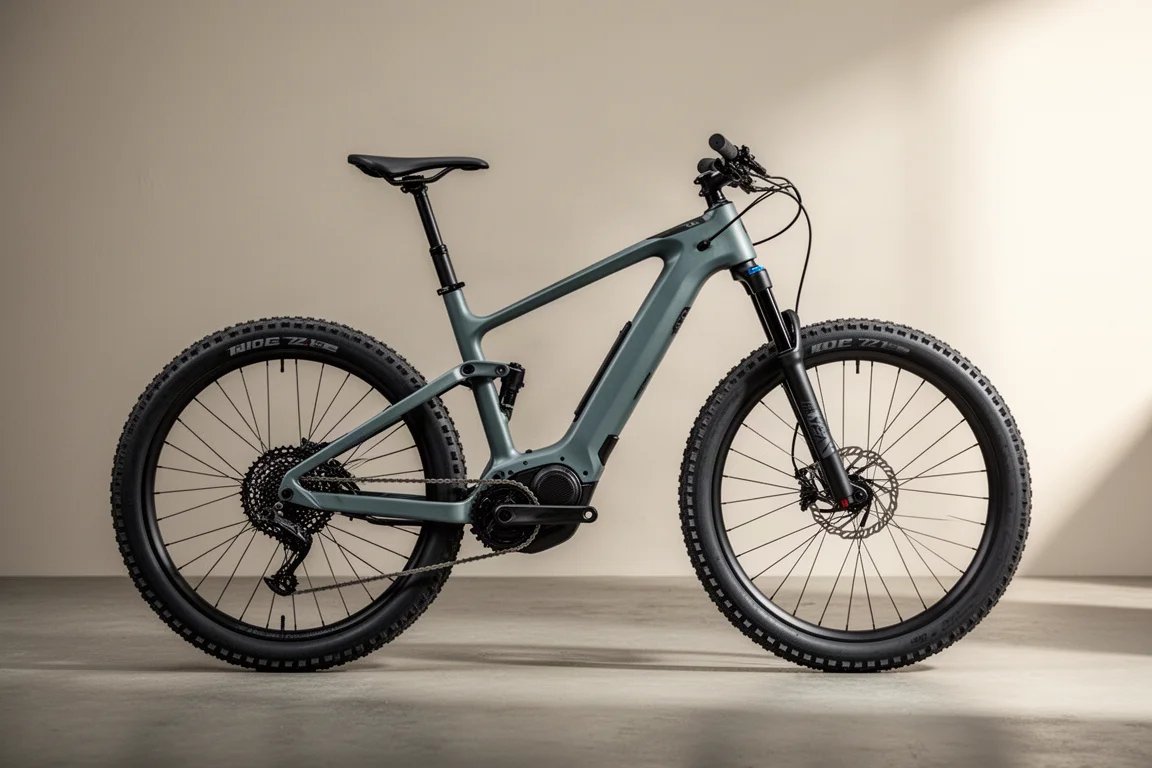
The carbon frame houses Bosch’s SX motor, which delivers 55Nm of torque and up to 600W of assistance from a 400Wh battery. A 250Wh PowerMore range extender can boost capacity, and Whyte includes that extender in the price of the two range-topping Works models. Torque is down compared with a full-fat e-MTB, but the package comes close to bridging the two categories.
The E-Lyte is available in 140 and 150 variants. The E-Lyte 140 is a single Works model with a lighter Fox 34 fork and a build kit that prioritises weight saving while staying tough enough to ride hard all day: DT Swiss carbon wheels, a SRAM XX SL drivetrain, Level Ultimate four-piston brakes and a carbon cockpit from Race Face and KS. Whyte claims 16.4kg for the E-Lyte 140 Works, which comes at a price of £10,999. The 150 version is the more interesting one for many riders, pairing a burlier Fox 36 or RockShox Lyrik fork with Whyte’s typically progressive geometry. The E-Lyte 150 Works and RSX are the ones to watch.
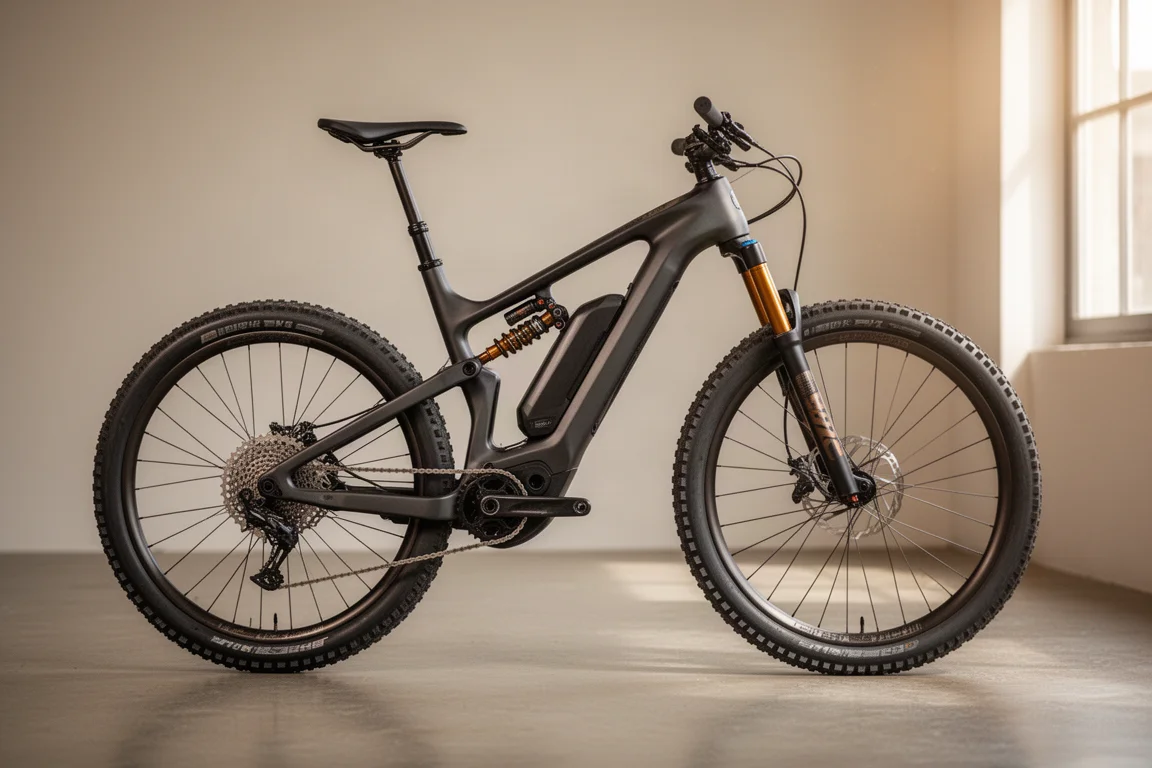
Buying Advice: Matching the Bike to Your Riding
The right choice depends far more on terrain and riding style than on spec sheet bragging rights. If you want maximum assistance for steep, long climbs and you are happy to carry extra weight, the full-power Transition Repeater PT and Canyon Strive:ON are the natural picks. Both deliver substantially more torque and larger batteries than the lightweight group.
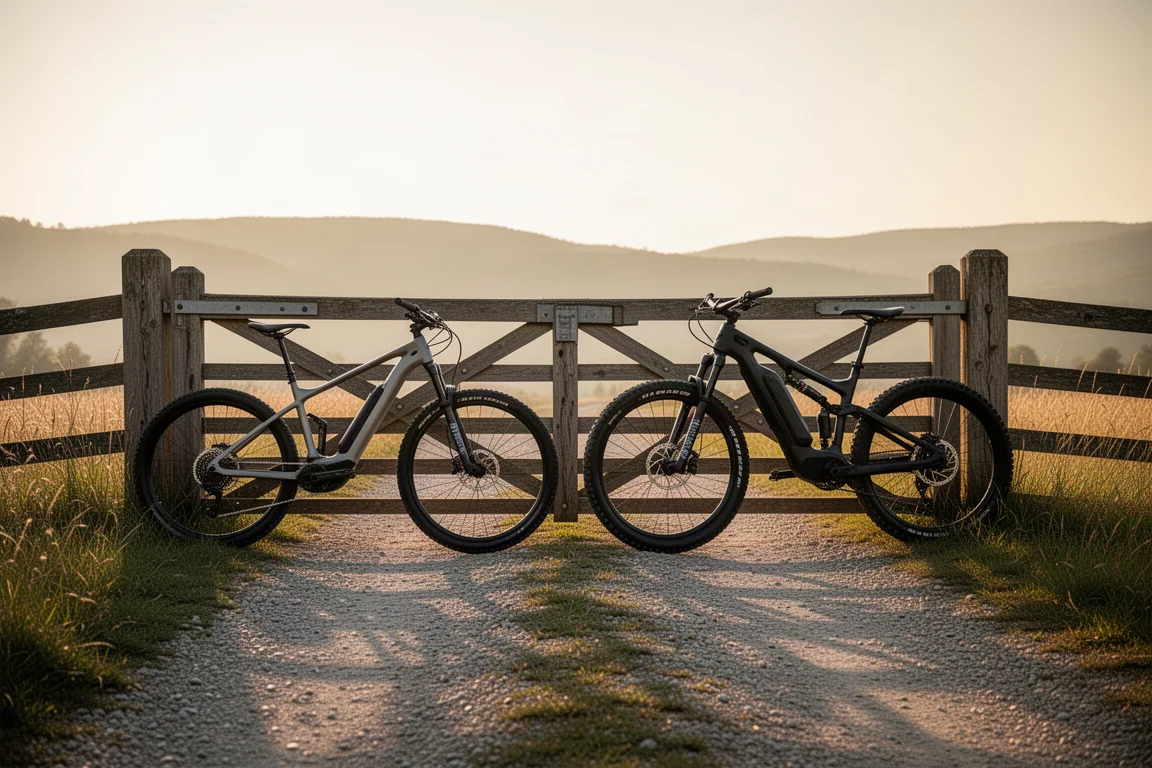
If you prefer a bike that feels quick and playful and you are willing to work a little harder on the climbs, the lightweight trio makes more sense. The Specialized Turbo Levo SL2 offers the most adjustability of the five, with three geometry adjustment points and the option of a 27.5-inch or 29-inch rear wheel, plus a range extender for longer rides. The Santa Cruz Heckler SL trades some of that flexibility for a discreet drive unit and VPP suspension, while the Whyte E-Lyte goes furthest on weight, with a claimed 16.4kg on the E-Lyte 140 Works and a range extender included on the top Works builds.
Two other details are worth checking before you buy. First, whether the geometry can be adjusted at all: the Levo SL2 can be tuned, while the Strive:ON is fixed. Second, wheel setup. A mullet configuration is standard on most of these bikes, and only the Levo SL2 lets you move to a larger rear wheel. Budget bands also differ sharply: the Strive:ON starts well below the rest, while the top S-Works Levo SL2, the Repeater PT models and the Whyte Works builds sit at the upper end of the group.
Conclusion
These five bikes show how quickly the electric mountain bike category has diversified. Lightweight machines such as the Levo SL2, Heckler SL and E-Lyte blur the line between assisted and unassisted trail bikes, while the Repeater PT and Strive:ON push power, travel and enduro capability. None of them is a compromise-free purchase, and each asks you to decide what matters more: low weight, adjustability, motor output or value.
If you can match the bike to the trails you actually ride, any of these five is a confident choice. Riders who want the lightest feel should look at the Whyte E-Lyte and Specialized Turbo Levo SL2. Those who want full power for the money should start with the Canyon Strive:ON. And if a discreet motor with a proven suspension platform appeals, the Santa Cruz Heckler SL is the one to shortlist, while the Transition Repeater PT is the pick for anyone who wants the latest drivetrain technology and bigger travel.
Further reading
Related Reviews
Electric Mountain Bikes
Best E-Mountain Bikes: Five Electric Trail and Enduro Bikes Compared
A practical look at five electric mountain bikes, from a lightweight carbon trail build to long-travel enduro machines, with the trade-offs that matter before you buy.
Electric Mountain Bikes
Best Electric Mountain Bikes 2026: Four Price Points Compared
Four electric mountain bikes from £999 to £9,999 compared on motor power, battery capacity, weight, and trail performance.
Electric Mountain Bikes
Best Electric Mountain Bikes: What Four Price Points Actually Get You
Four electric mountain bikes at four price points, from a £999 hardtail to a £10,000 flagship, and where the extra money genuinely changes the ride.