Hi-Fi Buying Guide
New or Used Hi-Fi: When to Buy New and When to Buy Used
A practical guide to buying new versus used hi-fi gear, with clear advice for streamers, turntables, amplifiers, speakers, and DACs.
Introduction
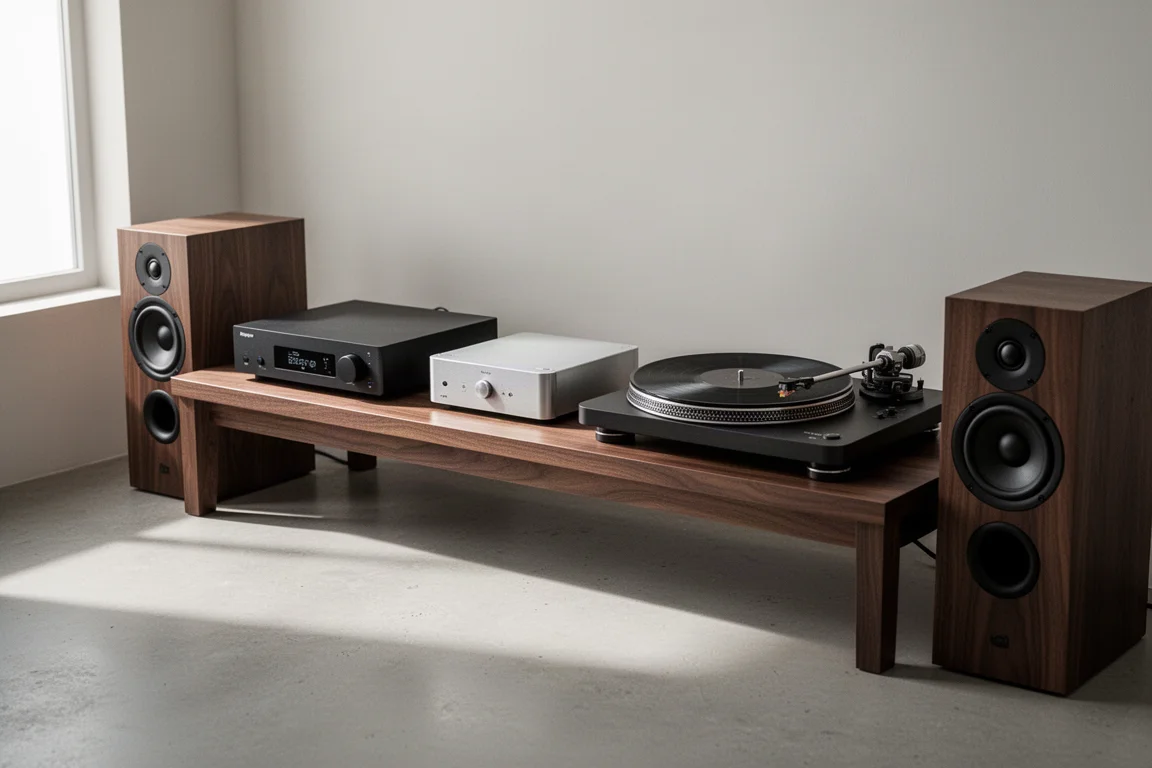
Buying used is often treated as the default way to save money on hi-fi, and sometimes it is. But the decision depends on the product, not on the principle. Age, availability, serviceability, and how quickly the technology inside a component changes all matter, and there are categories where buying new is the smarter move even when a secondhand bargain is sitting right there.
This guide walks through where each approach pays off, with specific examples across streamers, turntables, and digital-to-analog converters.
The New Versus Used Checklist
Before deciding, check whether the exact model you want is listed used near you. Facebook Marketplace, Craigslist, and Audiogon are the usual places to look, and a local listing can come in around 25 percent below the new price. If you can inspect the item in person, hold it, and confirm its condition, that discount is worth taking.
The second question is serviceability. Some well-regarded components come from companies that no longer make or support them, which turns a bargain into a risk. The third question is how quickly the technology inside the product moves. Digital components age faster than mechanical ones, and that single distinction explains most of the advice below.
Buy New for Budget Streamers: WiiM Mini
Streamers at the affordable end of the market are usually best bought new. Prices below roughly $500 already tend to sit on sale or carry coupon codes, particularly gear that ships directly from overseas, so the gap between new and used narrows to the point where the warranty is worth more than the saving.
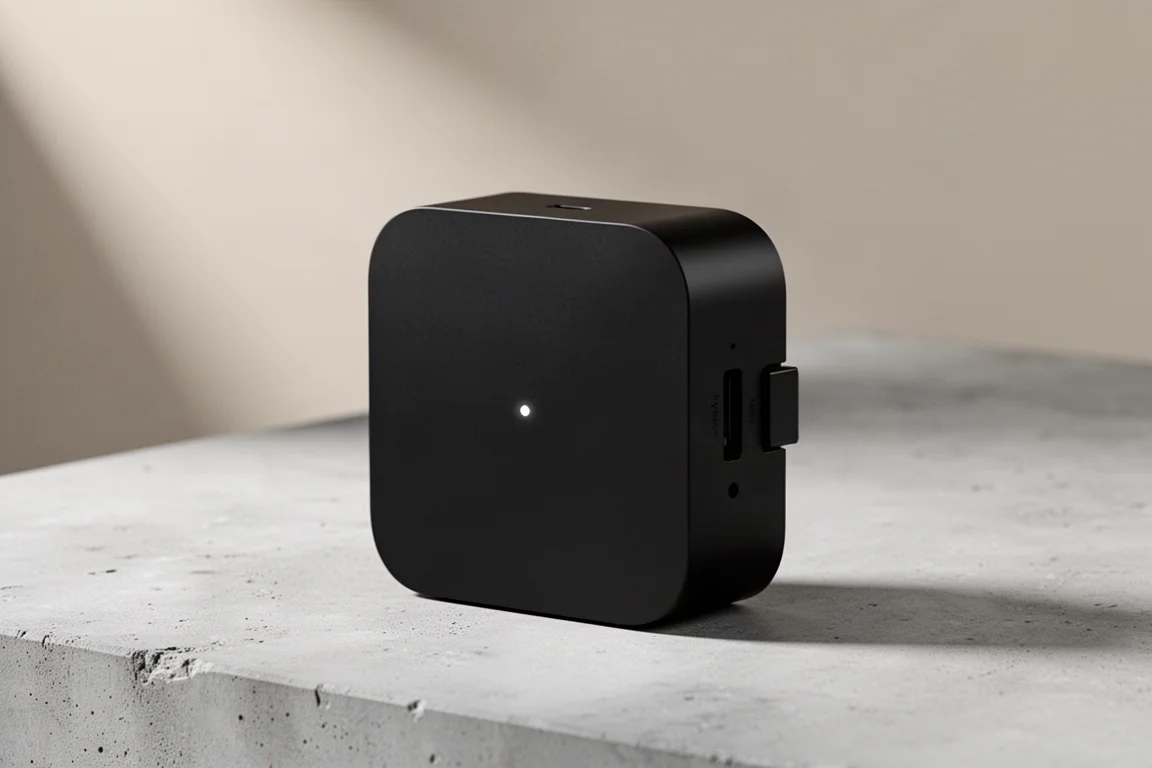
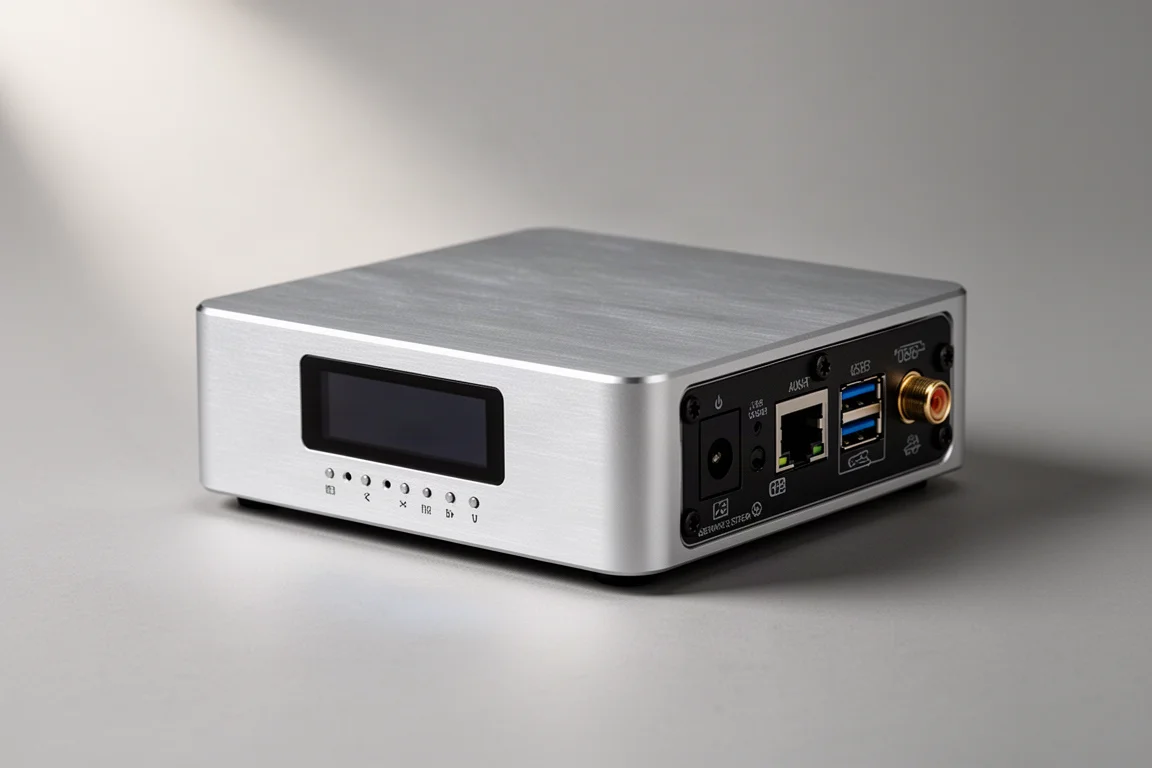
The WiiM Mini is a good example of the type. It is an inexpensive way into network streaming, and buying it new avoids the usual risks of secondhand electronics without giving up much on price.
Buy Used for Mid-Priced Streamers: iFi Zen Stream
Move up the range and the maths changes. Mid-priced streamers turn over quickly on the used market, and because each new generation brings only incremental improvements, a two-year-old unit performs close to a new one. On a roughly $500 product, used pricing can save $150 to $200, which is a substantial percentage.
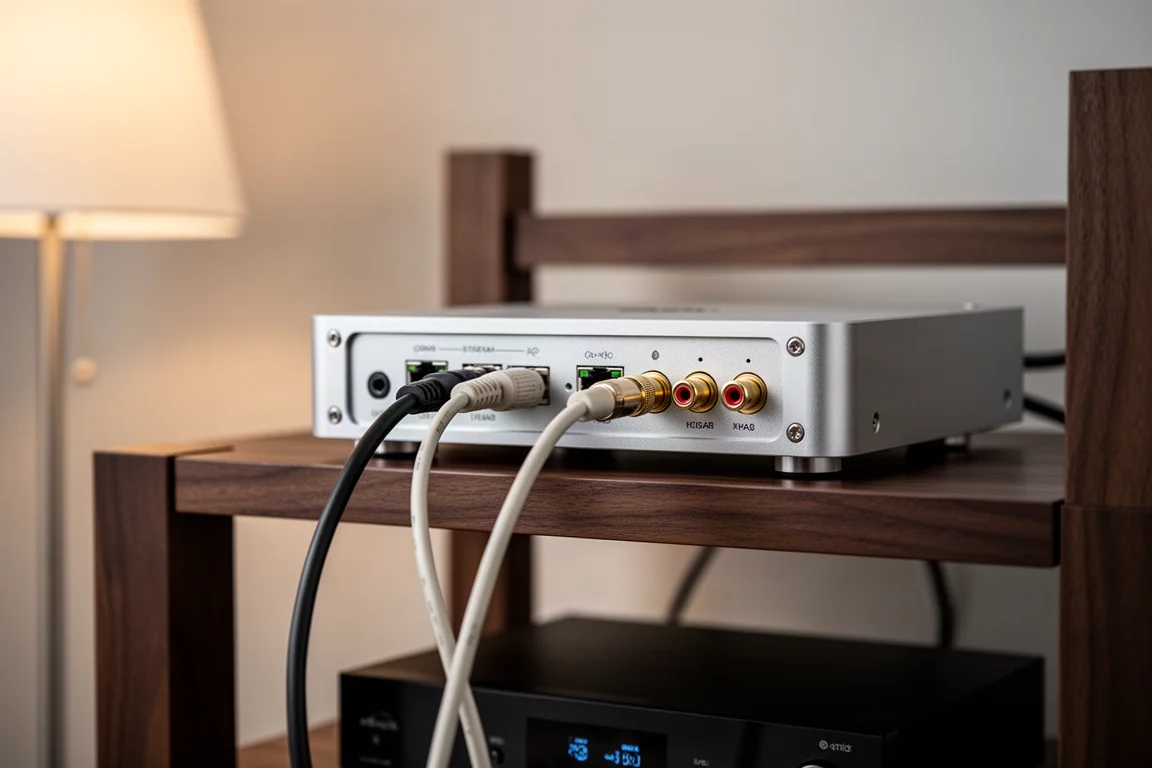
There is one limit worth respecting. For a streamer used with streaming services, a unit older than about five years is a poor bet. If the streamer is only serving your own local digital library, an older model can still be perfectly reasonable.
Buy New for Turntables: U-Turn Orbit Theory
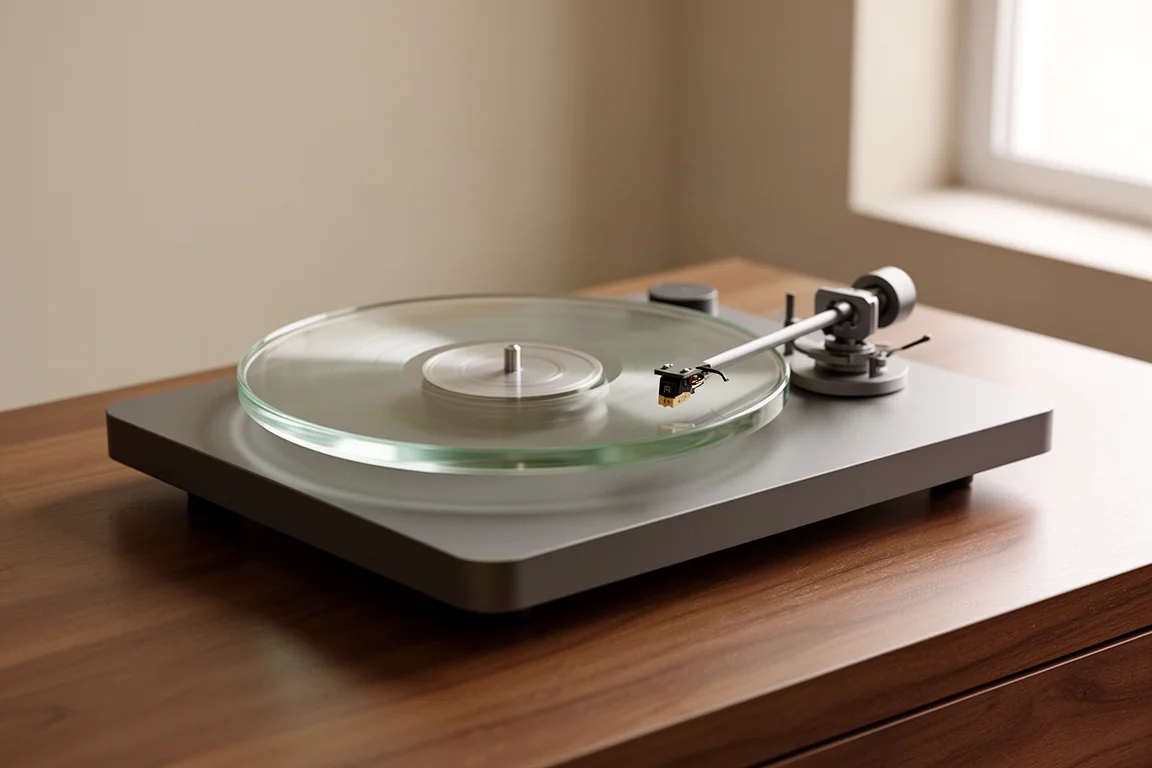
Turntables are the clearest case for buying new. They are full of moving parts that wear, and vintage decks frequently need work soon after purchase. Finding a technician who is reputable, reliable, and affordable is not always possible, which is why a well-priced vintage turntable can still be a false economy.
The U-Turn Orbit Theory comes with a three-year warranty, which is exactly the kind of protection that matters on a mechanical product. If you are getting into vinyl, buying new and skipping the restoration project is the lower-risk route.
Buy Used for R-2R DACs: Denafrips Ares
Digital converters generally reward buying new. Technology in this category moves quickly, and a $500 converter today can outperform a model that sold for $1,500 to $2,000 five years ago, the same way flat-screen televisions fell in price as production scaled up.
R-2R converters are the exception. The Denafrips Ares uses an R-2R topology, which means it does not rely on the processors and chips that age badly.
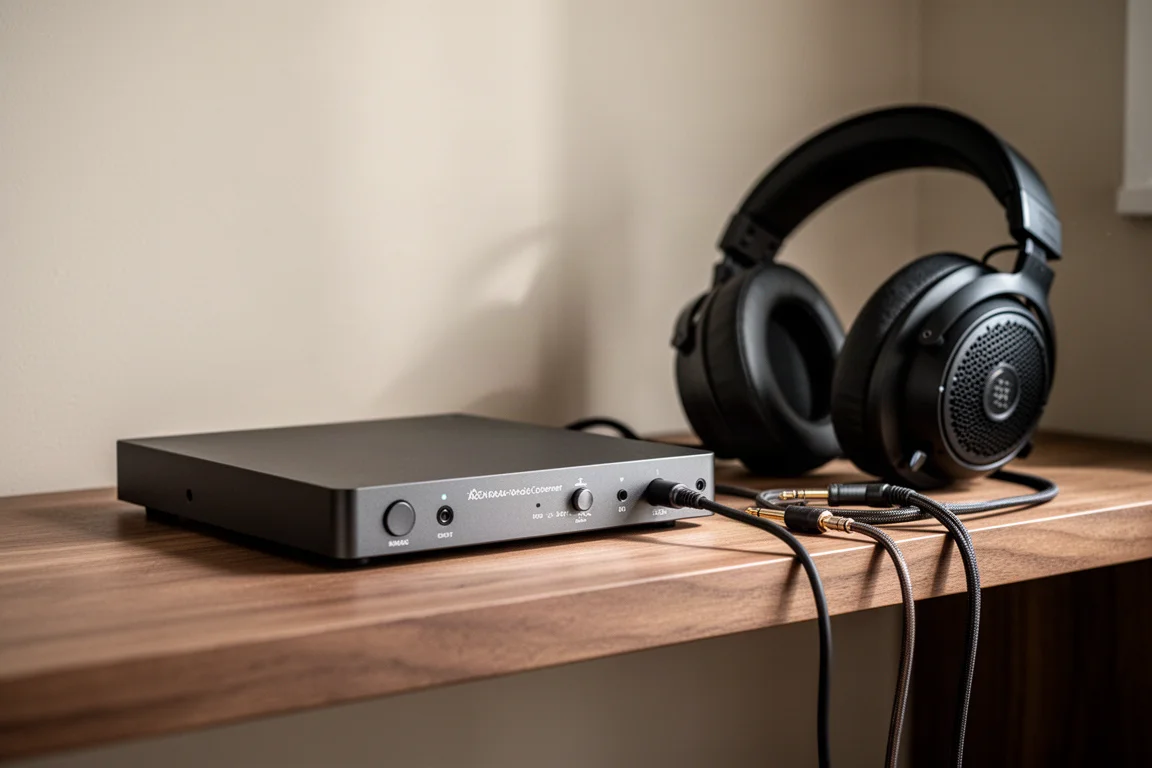
That design choice is what makes it a sensible used purchase. Do the research on age and condition, confirm the price against what the model sold for when new, and the used route becomes the better value.
Buy Used for R-2R DACs: Denafrips Pontus
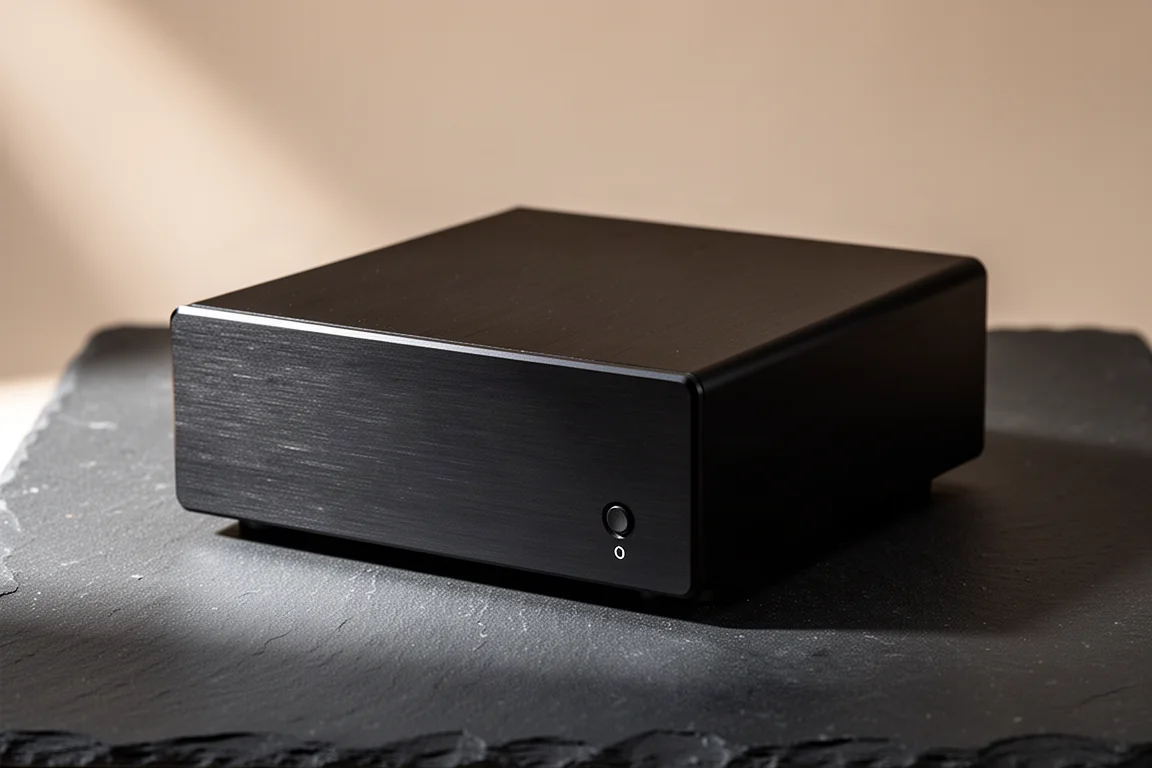
The same logic applies further up the range. Above roughly $1,000, converters are worth hunting for on the used market, provided the unit is current within the last three or four years. The Denafrips Pontus is an R-2R design, so it falls into the category where used shopping makes the most sense and where the technology does not go stale.
As with any used digital purchase, confirm how old the unit is and make sure the sound suits the rest of your system before you commit.
Buying Advice: Matching the Rule to the Product
The pattern is simple once you sort components into two groups.
Buy new: budget streamers, turntables, CD players and transports, and converters under about $1,000 that are not R-2R designs. CD players are a particular case. The classic used options are no longer supported, and a $300 secondhand player that fails after a week leaves you with an expensive doorstop. New Cambridge players start around $300, Audio Lab transports sit near $600, and Denon and Marantz players, transports, and streamers land in the $500 to $600 range. A budget Blu-ray player, usually around $100 new, is a cheap way to try the format.
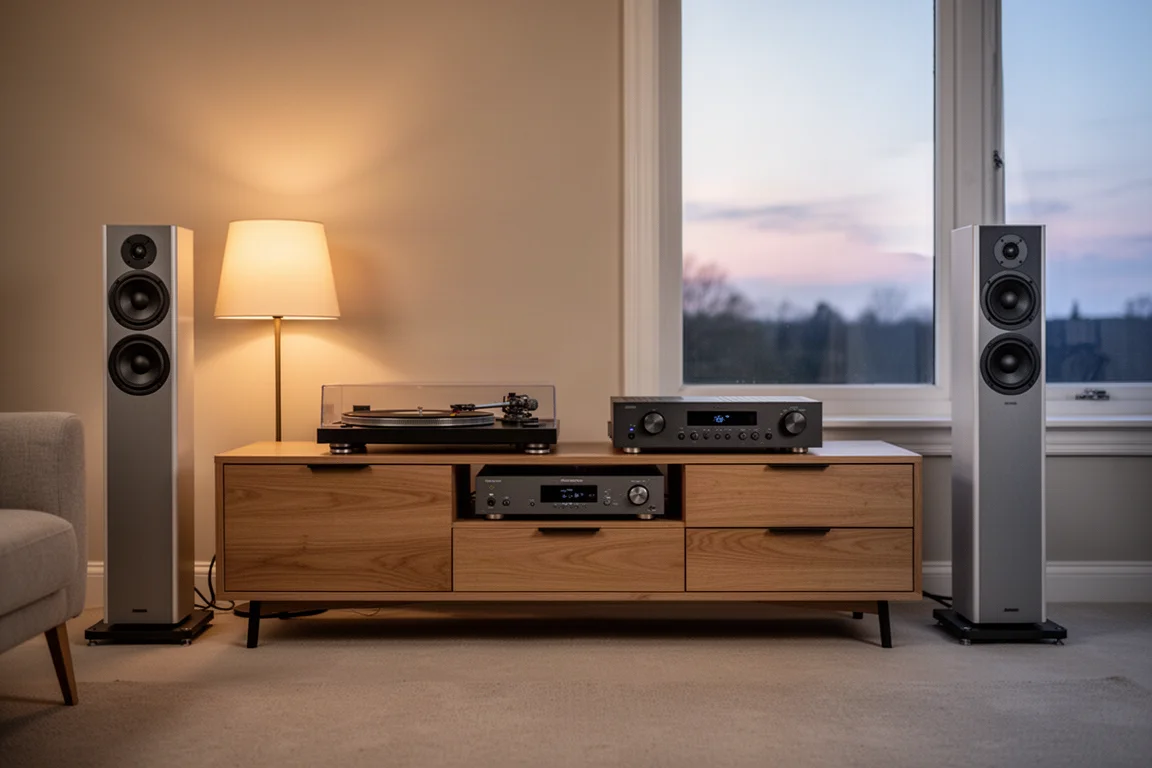
Buy used: mid-priced and high-end streamers, amplifiers from brands such as Rotel, Parasound, and Marantz within the last five years, Anthem and Arcam models up to about ten years old, floorstanding speakers, and R-2R converters. The middle tier of hi-fi is where used value is strongest, and high-end dealers are worth visiting simply to learn which brands they carry, since those names often appear used at a fraction of their original price. Floorstanding speakers are a buyer’s market because shipping costs are high enough that local buyers hold the leverage. Just check the age and the original price before making an offer, because some sellers overvalue older models.
One caveat on amplifiers: if a used integrated amp includes a DAC, that converter will not be the latest design. It will work, but it will not match current digital technology.
Conclusion
Buying used is a tool, not a rule. Mechanical products and budget digital gear reward buying new, while mid-tier amplifiers, floorstanding speakers, and R-2R converters are where secondhand shopping consistently delivers. Match the decision to the component in front of you, and the savings are real rather than theoretical.
Further reading
Related Reviews
Hi-Fi Buying Guide
How to Save Money on Hi-Fi and Home Theater Gear: Five Products Worth Watching
A practical guide to buying hi-fi, home theater, and headphone gear for less, with five product lines worth tracking and the tactics that make a discount purchase safe.

Backpacking Gear
Building a 10 lb Base Weight: An Ultralight Backpacking Gear List
A practical walkthrough of the ultralight pieces behind a 10 lb base weight, from a 765 g pack and a roomy one-person tent to a full camp chair and a dependable water filter.

Road Bikes
10 New Road Bikes Worth Watching: Aero, Titanium, Steel and Endurance Standouts
A practical roundup of 10 new road bikes, from aero flagships chasing single-watt gains to titanium, steel and endurance platforms built for real roads.