Hi-Fi Buying Guide
How to Save Money on Hi-Fi and Home Theater Gear: Five Products Worth Watching
A practical guide to buying hi-fi, home theater, and headphone gear for less, with five product lines worth tracking and the tactics that make a discount purchase safe.
Introduction
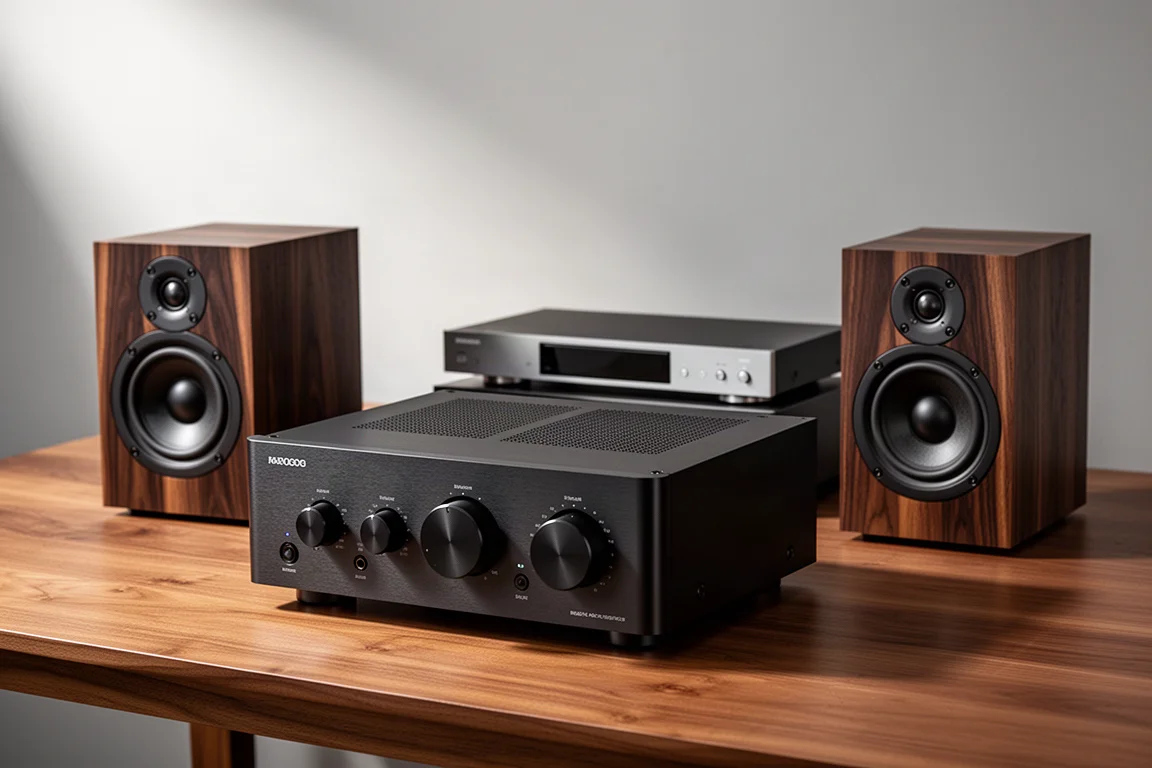
Buying hi-fi, home theater, and headphone equipment at full retail is rarely necessary. This part of the market moves in predictable cycles: receivers are replaced almost every year, speaker lines are refreshed, and retailers constantly clear returned and open-box stock. A patient buyer who knows where to look can usually get the sound they want for meaningfully less than the list price.
The five product lines below are especially worth watching, because each one has either an earlier version, a discontinued sibling, or a discount channel that keeps good hardware within reach. Alongside them, this guide covers the practical side of saving money: how to inspect used gear safely, where scratch and dent stock appears, when sale seasons land, and when it is reasonable to simply ask for a better price.
What to Check Before You Commit to a Discount
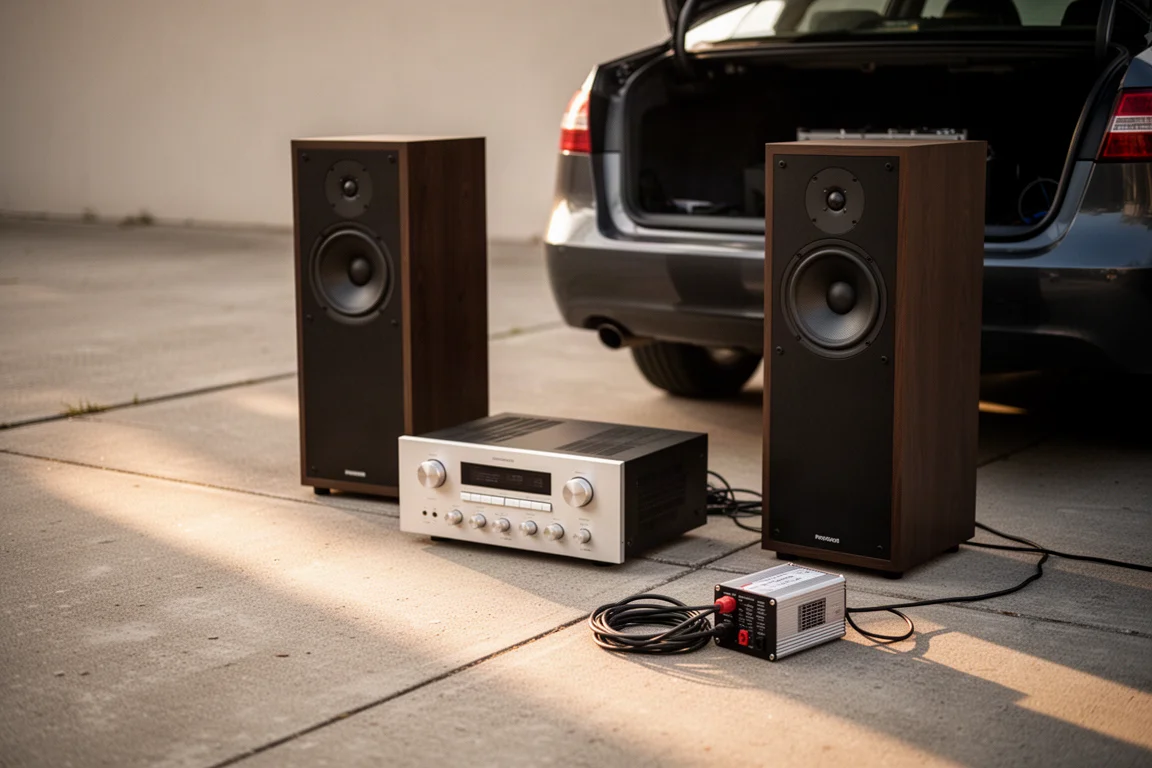
A lower price only counts as a good deal if the hardware is in proper working order. If you are buying used in person, ask to see the unit powered on. A small 12-volt inverter is enough to test a component in a driveway or a parking lot, so you can confirm it switches on before any money changes hands.
Take a close look at the corners and edges for signs of a drop, and check every connection on the back panel by gently moving the RCA plugs. If a remote control is included, test the buttons as well. Be cautious about sellers who cannot tell you anything about the equipment or where it came from; someone who acquired a component by chance is not the same as an owner who knows their system. Used floorstanding speakers are often the strongest value of all, because they are expensive and awkward to ship, which gives a local buyer genuine negotiating room.
Warranty terms are the other half of the equation. Ask directly what coverage comes with the item, because policies differ between retailers and between individual listings, and the answer can change whether a discount is worth taking.
Rotel A11 Mark 2
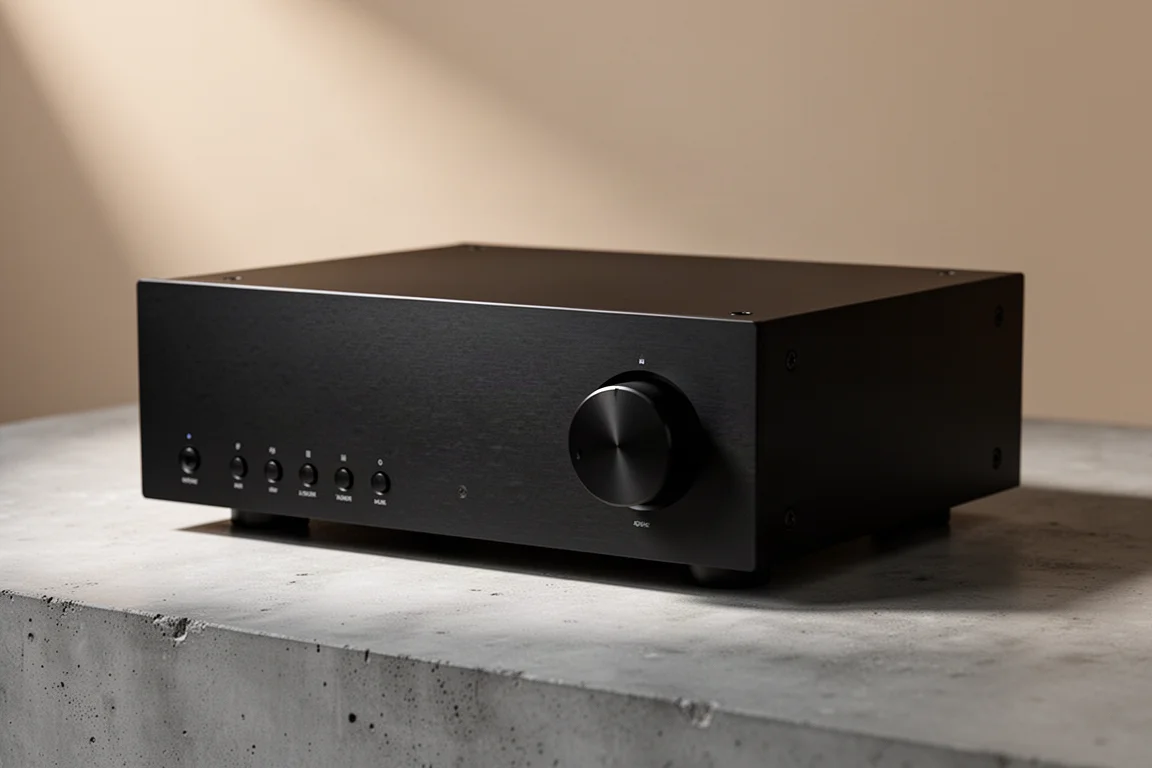
The A11 Mark 2 is the current integrated amplifier in Rotel’s A11 family, and it is a useful illustration of how version history creates savings. The A11 Tribute is still available in some places, and the A11 Mark 1 can occasionally still be found new. For listeners who do not need the latest revision, an earlier version offers a way into the same line of amplification at a lower price.
Because the names sit so close together, it pays to read listings carefully and confirm exactly which version is being sold before you commit. That single step prevents most of the confusion that surrounds this family.
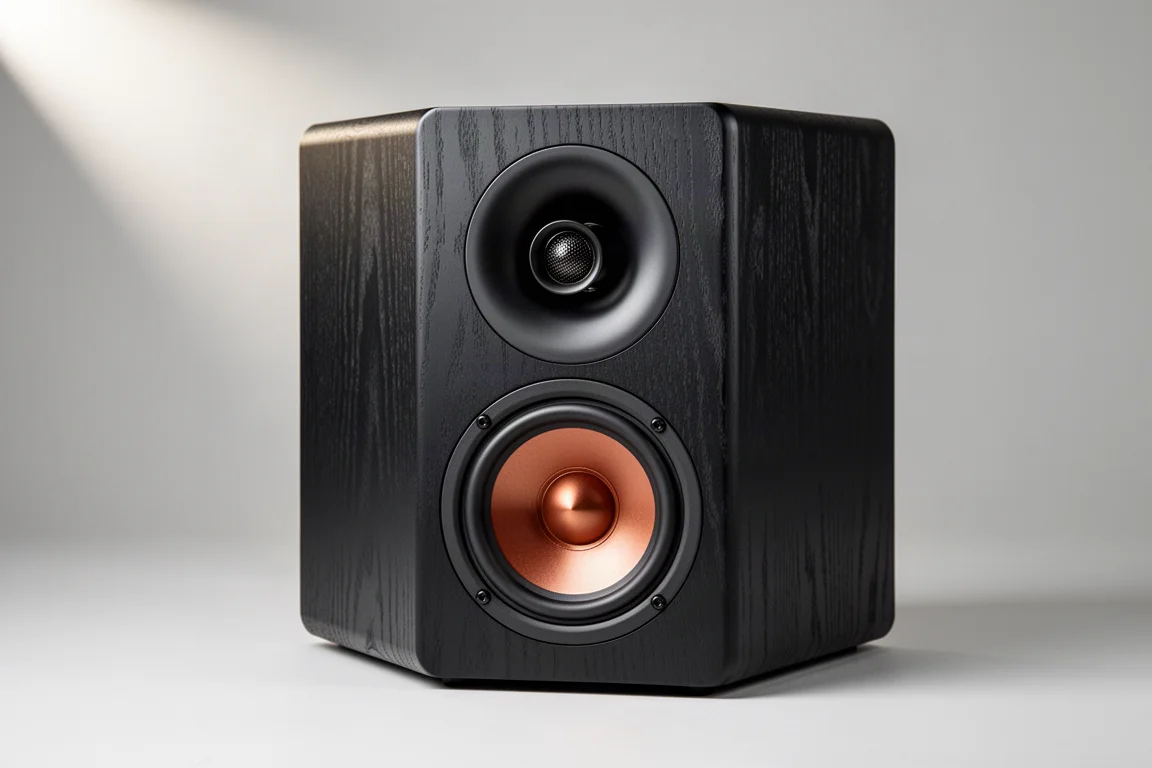
Klipsch RP-600M
The RP-600M is a good example of a speaker that can still be bought new while regularly appearing at a steep discount. Larger resellers sometimes buy out inventory from Klipsch or from one of its distributors and pass it on at a much lower price. Those prices move around, so it is worth checking back rather than assuming a single quote is the best available. Older Klipsch models behave in a similar way: the RB-51 Mark I and RB-61 Mark I can still be purchased new with enough digging.
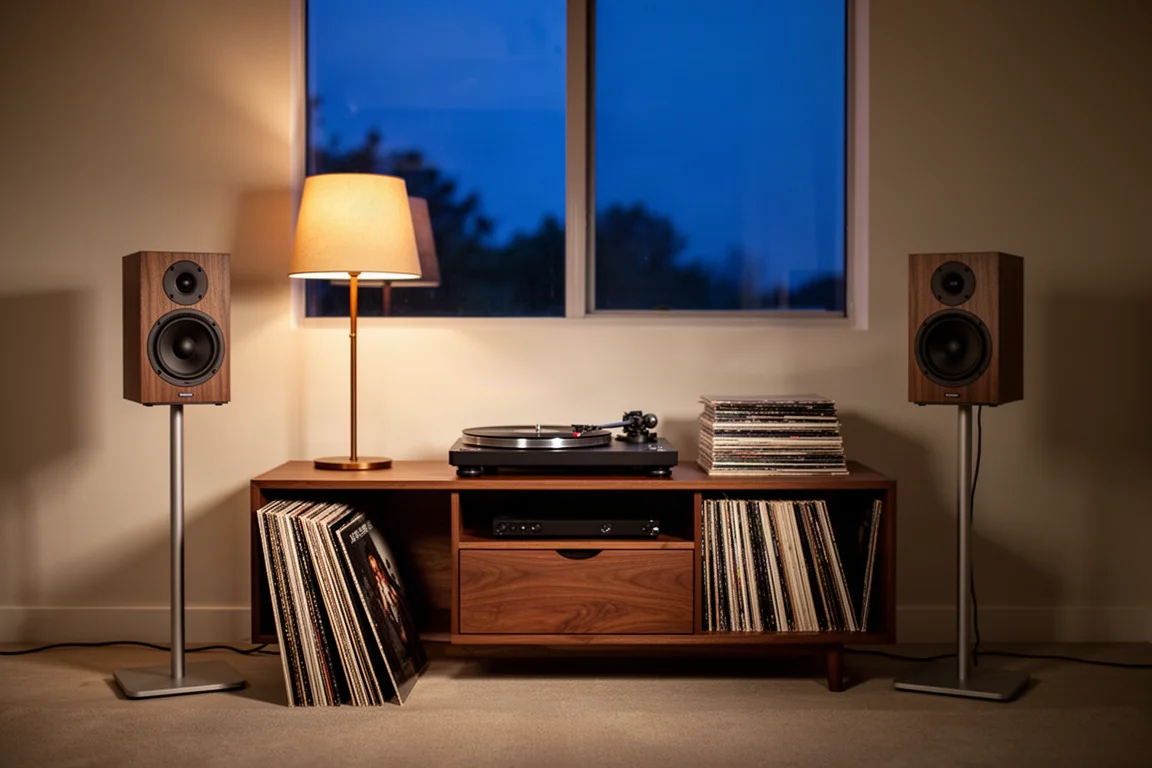
For anyone who has been waiting for the right moment on a well-known bookshelf speaker, this is the pattern to watch. The product stays current, but the street price does not stay fixed.
Marantz NR1711
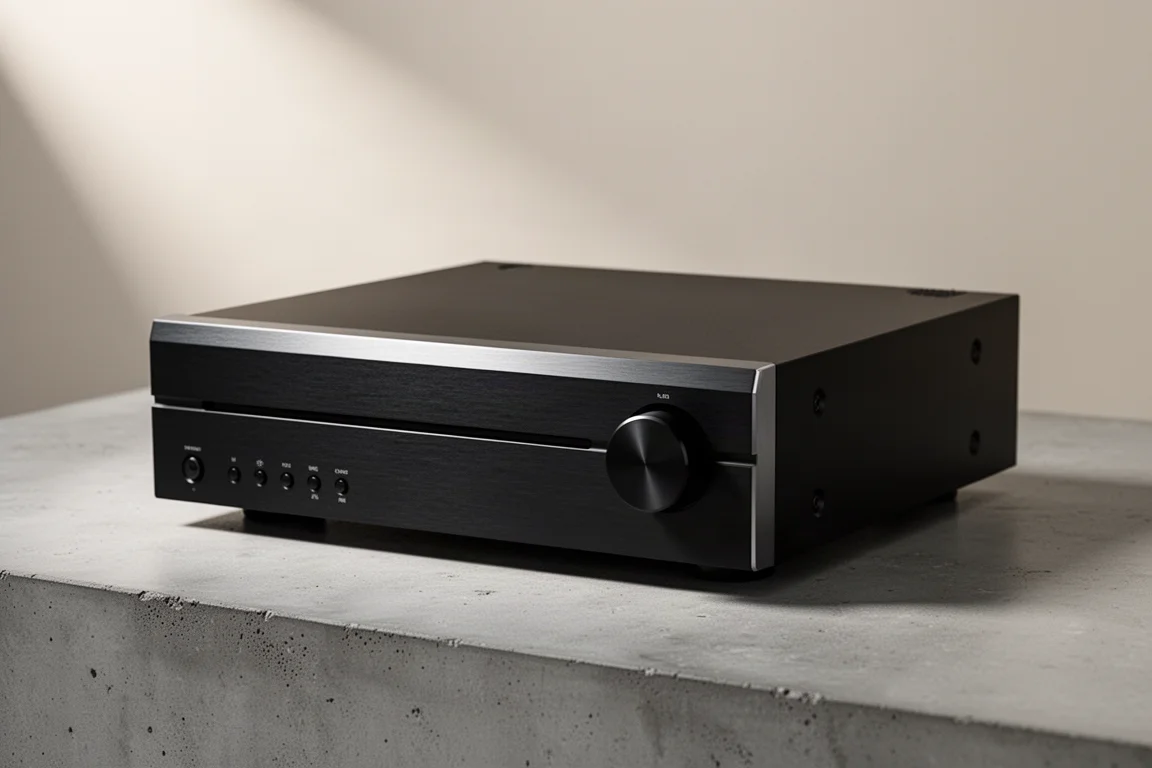
Slimline home theater receivers show why a broader search often beats a narrow one. Instead of searching for one exact model number, search for slimline receivers as a category, and you may find that the previous generation, the NR1710, is still available new. It may not offer the newest 8K HDMI pass-through, but that feature matters to a small group of users, mainly gamers. For most listening and viewing setups, the older generation covers the same ground.
Receivers are replaced on a fast cycle, which means the previous generation is frequently where the real value sits. If you can live without the newest connectivity, the savings are often substantial.
Wharfedale Diamond 11.2
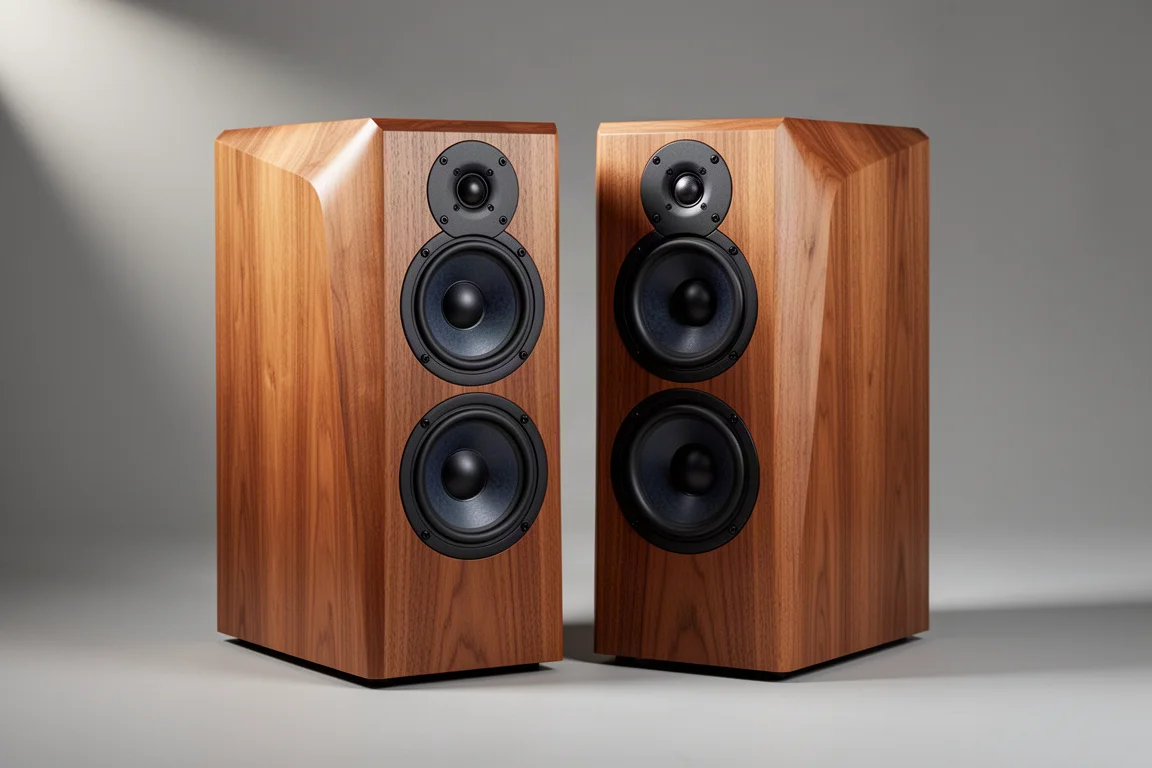
The Diamond 11.2 is discontinued, and finding a pair new today is unlikely. It remains worth knowing because it shows how far a discontinued model can fall below its original price. It launched at around $500 for a pair, and its build quality felt consistent with that figure. Its sound was warm, which suited some listeners and not others, so it was never a universal recommendation.
It also became well known for a different reason: a pair once appeared in an online listing at a tiny fraction of its retail price, and word spread quickly. Deals that extreme are rare, but they illustrate why discontinued speakers are worth tracking.
Polk RTi Series
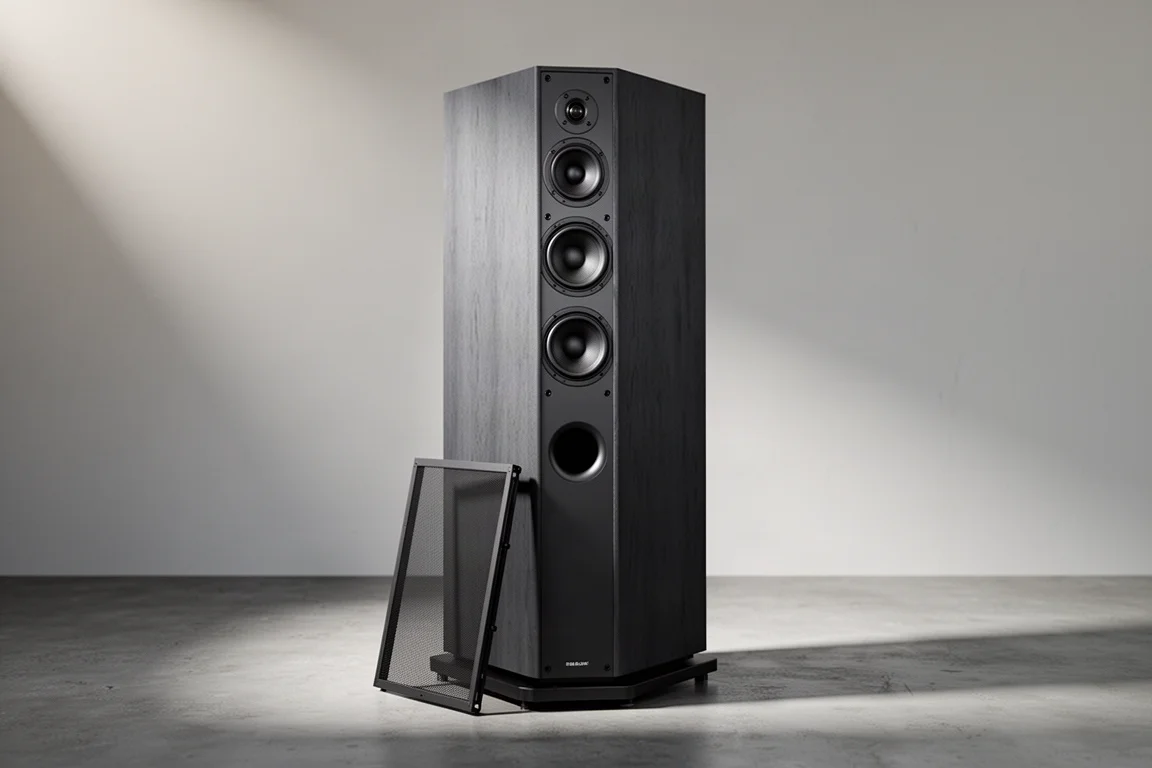
Discontinued lines are another reliable route to savings. The Polk RTi series can still be found new from some sellers, while the Legend and LSi series are no longer current. With larger brands, each generation tends to be a modest step forward rather than a transformation, so an older line can still deliver most of the performance of the newer one for roughly half the price.
The trade-off is research. You need to establish when a model was current and what it originally sold for, otherwise it is difficult to judge whether a listing is genuinely good value.
Where Scratch and Dent Stock Shows Up
Retailers such as Crutchfield, Best Buy, and Amazon Warehouse Deals regularly list returned and cosmetically imperfect stock. Many of these units have nothing more than a dented carton, and some arrive looking untouched. Pricing follows the product itself, so when a Klipsch or Polk speaker goes on sale, the scratch and dent price drops with it.
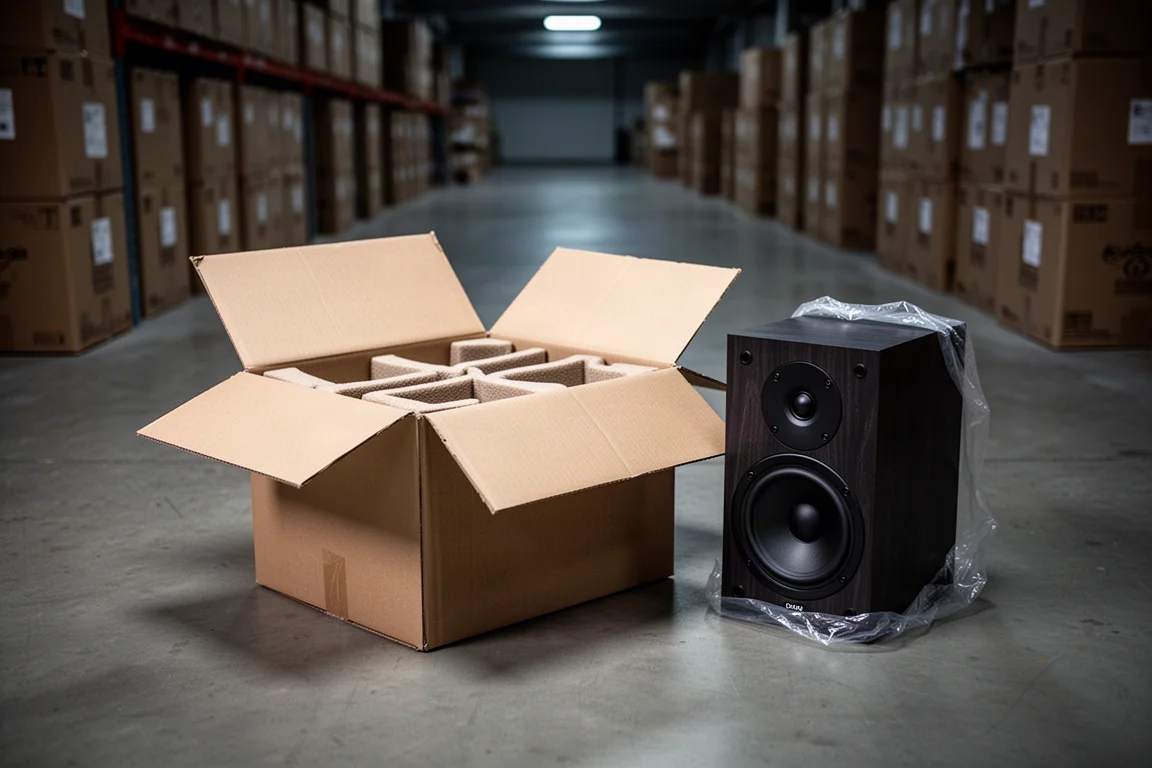
On Amazon, the open-box option is often tucked behind the other-seller link on the product page, so it is worth clicking through rather than stopping at the first price you see. Warranty terms vary between retailers and listings, so confirm the details before ordering.
Timing a Purchase Around Sale Seasons
Sale calendars are predictable. Amazon runs Prime events in the summer and again in early October, and many other retailers, including Best Buy and the manufacturers themselves, align their promotions with those dates. Black Friday and Cyber Monday are the largest discount days of the year, and the run-up to the December holidays keeps prices low.
January is the other window worth marking. Returns spike after the holidays as unwanted gifts go back, which pushes more open-box and scratch and dent stock onto the market. Brands such as Klipsch, Polk, and KEF run promotions often enough that paying full retail is rarely the right call.
When It Is Worth Asking for a Discount
Asking is the simplest tactic on this list, and it works more often than people expect. Smaller dealers are usually the most flexible, and a question about demo units or open-box stock can open the door to a better price. Some manufacturers also offer military discounts, so it is worth asking directly.
In a physical store, a manager may be able to take another 10 to 15 percent off an item that is already discounted or has been returned, particularly if an accessory is missing or the unit has a visible scratch. Being specific about what you have noticed, and polite about it, gives the best chance of a yes.
It costs nothing to ask, and the answer is often a price you would not have been offered otherwise. The only real requirement is that you are ready to buy when the answer is yes.
Conclusion
Saving money on hi-fi, home theater, and headphone gear comes down to a handful of habits. Check what earlier versions of a product are still selling for, look for discontinued lines that larger brands have moved past, watch the scratch and dent listings, buy during the predictable sale windows, and do not be shy about asking for a better price.
The five lines above show how differently those tactics play out in practice: a current integrated amplifier with older siblings still on shelves, a bookshelf speaker that is regularly discounted, a slimline receiver one generation back, a discontinued standmount with a warm character, and a Polk line that still turns up new. Choose the one that fits your system, verify condition and warranty, and time the purchase well.
Further reading
Related Reviews
Hi-Fi Buying Guide
New or Used Hi-Fi: When to Buy New and When to Buy Used
A practical guide to buying new versus used hi-fi gear, with clear advice for streamers, turntables, amplifiers, speakers, and DACs.

Backpacking Gear
Building a 10 lb Base Weight: An Ultralight Backpacking Gear List
A practical walkthrough of the ultralight pieces behind a 10 lb base weight, from a 765 g pack and a roomy one-person tent to a full camp chair and a dependable water filter.

Road Bikes
10 New Road Bikes Worth Watching: Aero, Titanium, Steel and Endurance Standouts
A practical roundup of 10 new road bikes, from aero flagships chasing single-watt gains to titanium, steel and endurance platforms built for real roads.