Backpacking Gear
What Not to Bring Backpacking: What to Skip and What to Carry Instead
A practical guide to the bulky gear that rarely earns its place on a backpacking trip, plus three lighter options that do.
Introduction
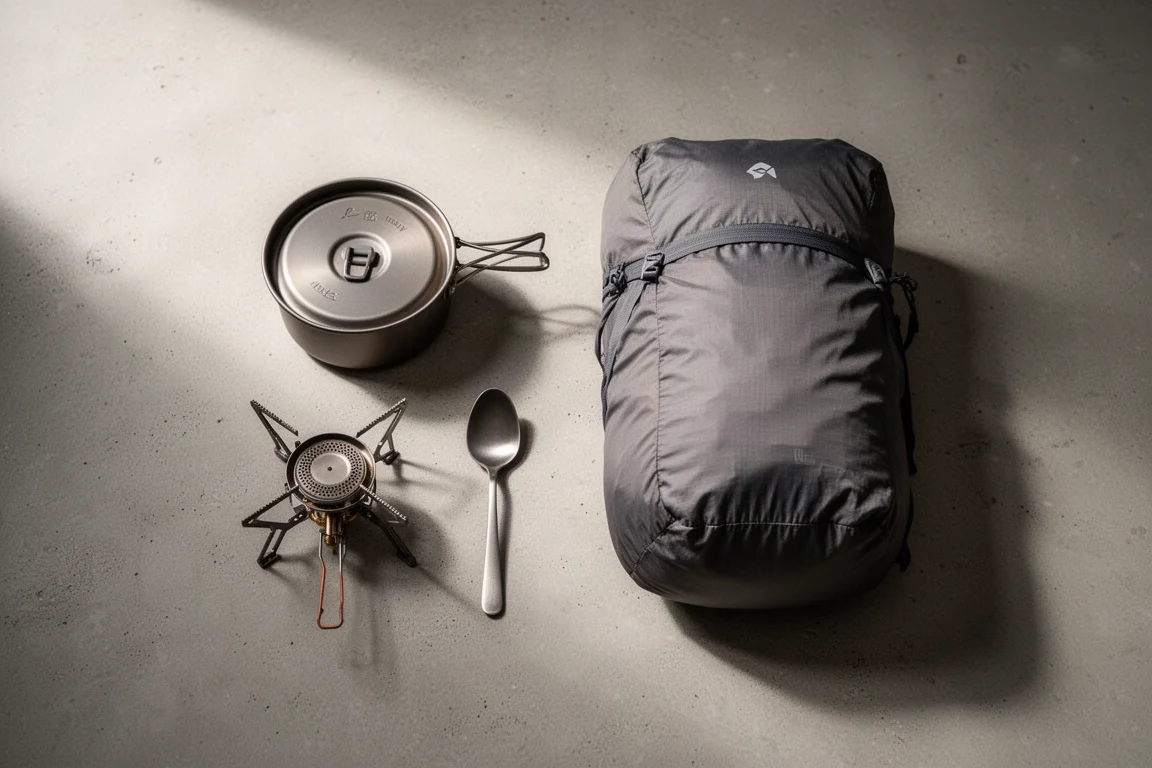
Most packs get heavier for the same reason: gear that looked essential in the shop never comes out of the bag on the trail. Insulated bottles, folding solar panels, backup flashlights, and oversized cook kits all make sense in theory, and almost none of them earn the space they take up.
The items below are the ones that consistently stay behind. Each was bought with good intentions, and each has a lighter, simpler replacement that does the same job without the bulk.
What Earns a Place in Your Pack
Two measurements decide most packing arguments: weight and bulk. An item can be light and still be a problem if it is thick, rigid, and impossible to compress around.
The second test is whether the item gets used while you are moving. Gear that only matters at camp is easy to justify. Gear that never gets touched is not, and a surprising amount of backpacking clutter falls into that second category.
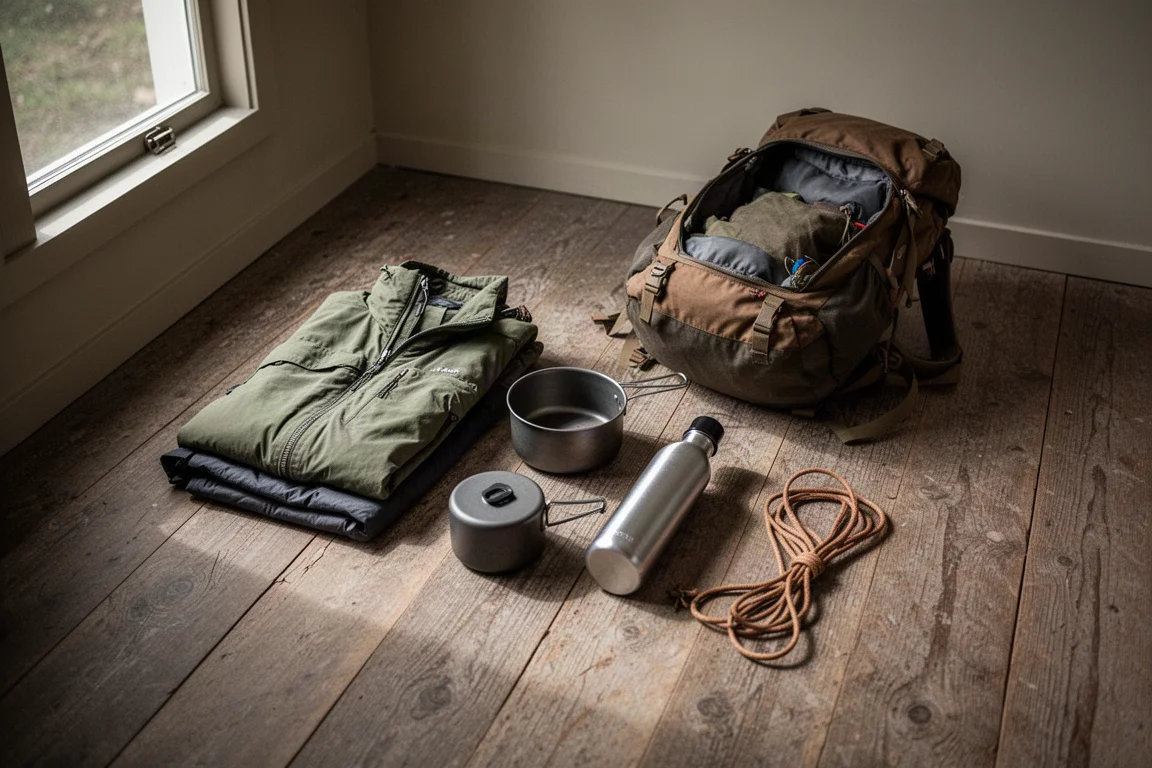
That is why experienced hikers tend to end up with a short list of multi-use items and a long list of things they stopped carrying years ago.
Water Bottles and Solar Panels: Additions That Rarely Pay Off
Insulated bottles are the clearest example. They are heavy, bulky, thick, and uncompressible, and the insulation does very little for a hiker who is drinking constantly through the day. A plain lightweight bottle weighs a fraction as much and can be crushed down as it empties. Reservoir-and-hose systems are another option, though a simple bottle is easier to refill and easier to keep track of.
Folding solar panels have the same problem in a different form. Charging devices from the sun sounds appealing, but a panel only produces useful power when it is deployed in good light, and most of the day is spent walking with the pack on. What is left is a large, bulky item that rarely gets used. A small battery bank is the more dependable answer. For a phone that needs a single recharge, a bank around 5,000 mAh is a sensible size; trips that include camera gear call for something larger.
Cook Systems: Where Packs Quietly Gain Weight
Cook kits are the single biggest source of unnecessary bulk for many hikers. A large isobutane canister is heavy and awkward to pack around, and if a canister is used at all, the smallest size is the practical choice. Screw-on burner heads paired with wide pots add bulk on top of that, and complete all-in-one systems are not for everyone.
Old mess kits are the clearest illustration. A multi-piece stainless set that seemed essential years ago often turns out to have been used for a fraction of its parts. Titanium cookware is a far easier starting point: light, simple, and small enough to nest into a package that disappears into the pack.
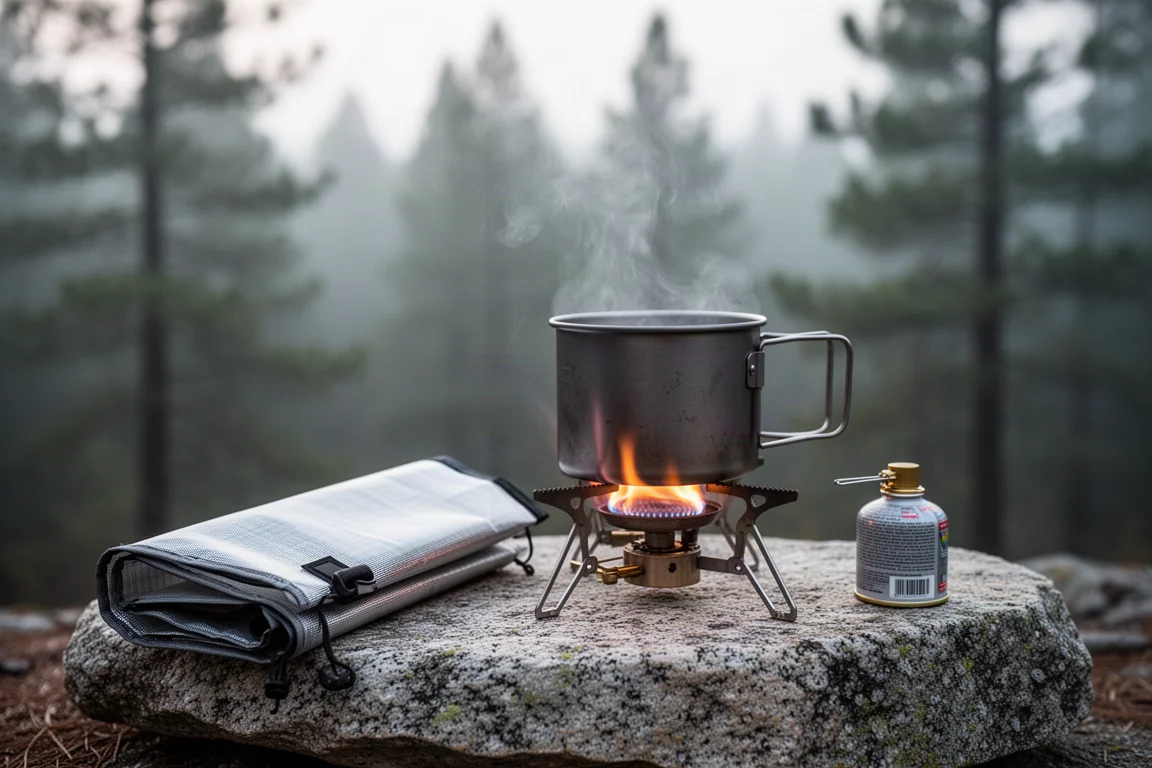
For fuel, an alcohol stove is a compact option that many hikers prefer to a canister on shorter trips. It suits a particular style of cooking, and it pairs naturally with the kind of minimal titanium kit described below.
Toaks Titanium Cook System: A Light Cook Kit That Replaces the Clutter
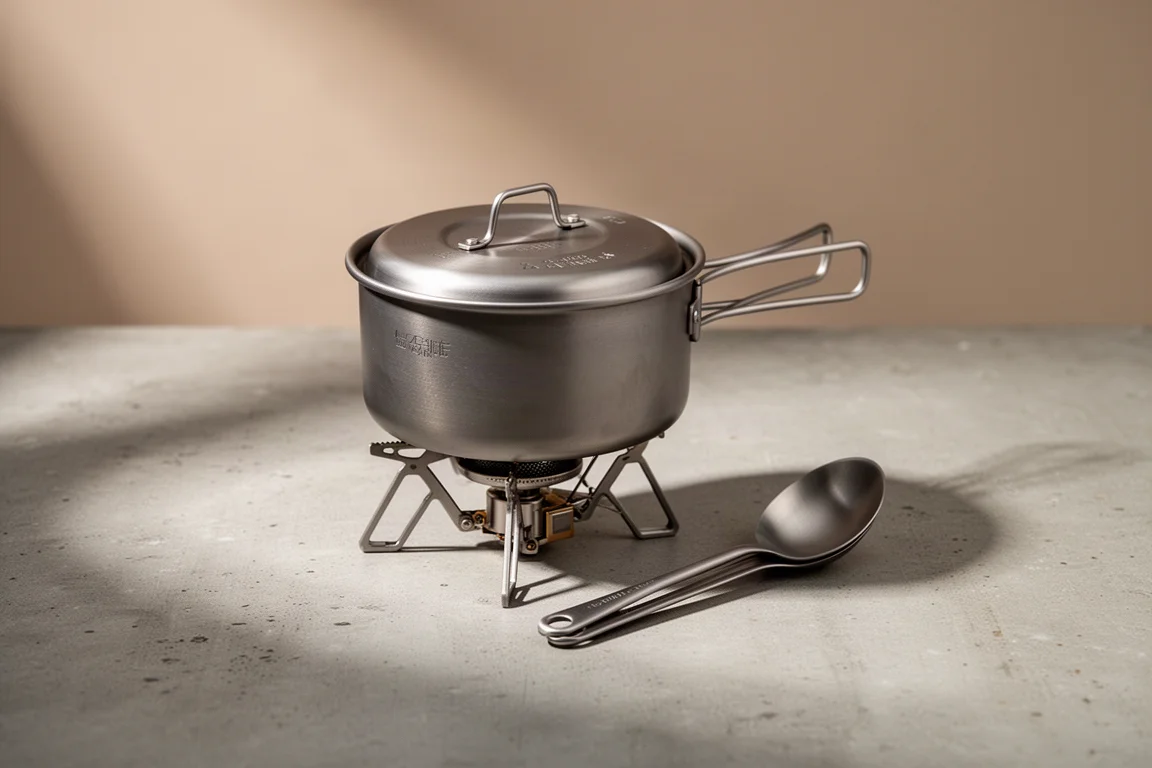
A titanium cook system is one of the simplest ways to take bulk out of a pack. The kit is minimal by design: a small pot, a stove, and a titanium spoon that nest together, so the whole setup takes up about as much room as the pot on its own.
Titanium is also a forgiving place to start for anyone moving away from heavier stainless cookware. It is light, it packs down small, and Toaks makes it an easy and affordable entry point for hikers who are new to titanium gear.
Lighting, Layers, and Tools: Small Items That Add Up
A handheld flashlight is one of the easiest things to leave behind. A good headlamp already covers camp chores and night walking, and a phone paired with a charged battery bank covers the backup role. The one habit worth keeping is checking the headlamp batteries before a trip for corrosion, which is the most common failure point.
Deodorant is another item that does not survive contact with a real hiking day. It is heavy for what it does, and after a long climb it makes very little difference either way.
Extra clothing follows the same logic. Layers are essential, but duplicates of the clothes you are already wearing are not. Rotating socks and underwear once a day handles the hygiene side, and a second pair of trail pants mostly just adds weight.
Large fixed-blade knives are a classic beginner carry. A small folding knife in the one to two ounce range covers everything a backpacking trip actually requires. Full rolls of toilet paper are oversized in the same way; pulling off the amount you need and sealing it in a small bag takes up far less room.
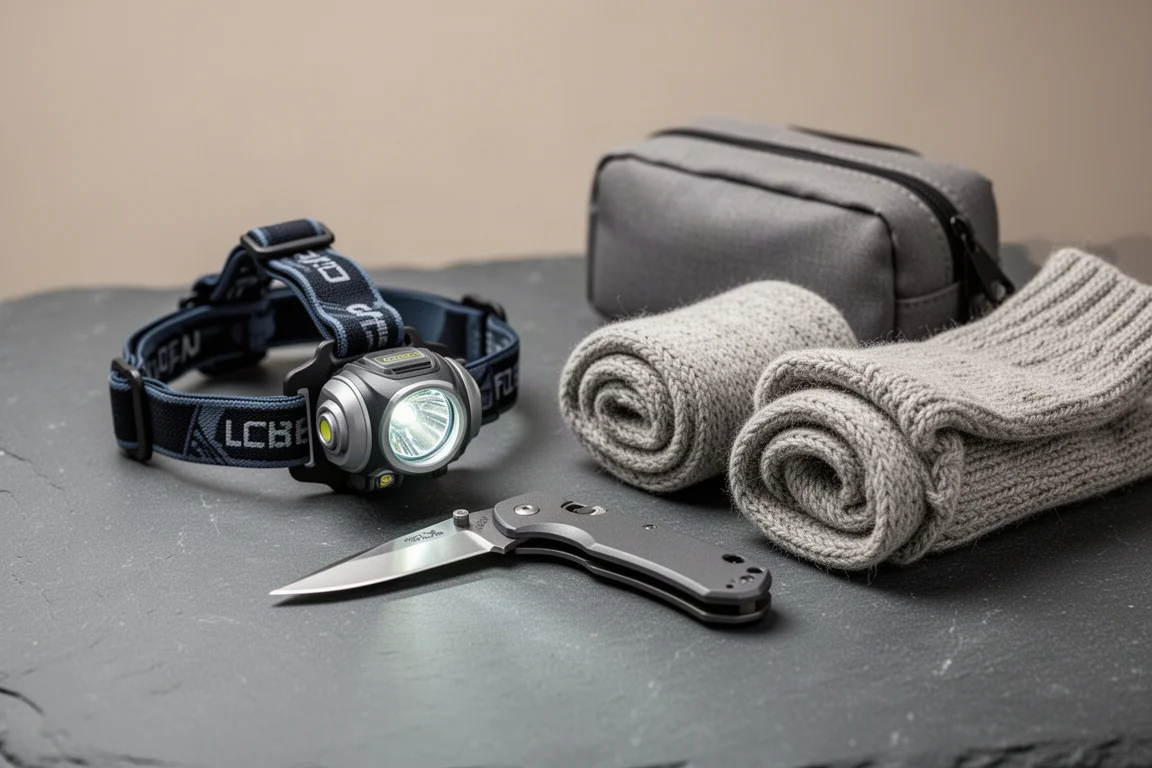
None of these items are bad purchases in themselves. They are simply weight that does not get used on a backpacking trip.
Outdoor Vitals Shadowlight Backpack: One Pack for Overnights and Day Hikes
A dedicated daypack is a common purchase that ends up staying home. It means a second pack in the gear room, and on a trip it usually means carrying something that was not needed in the first place.
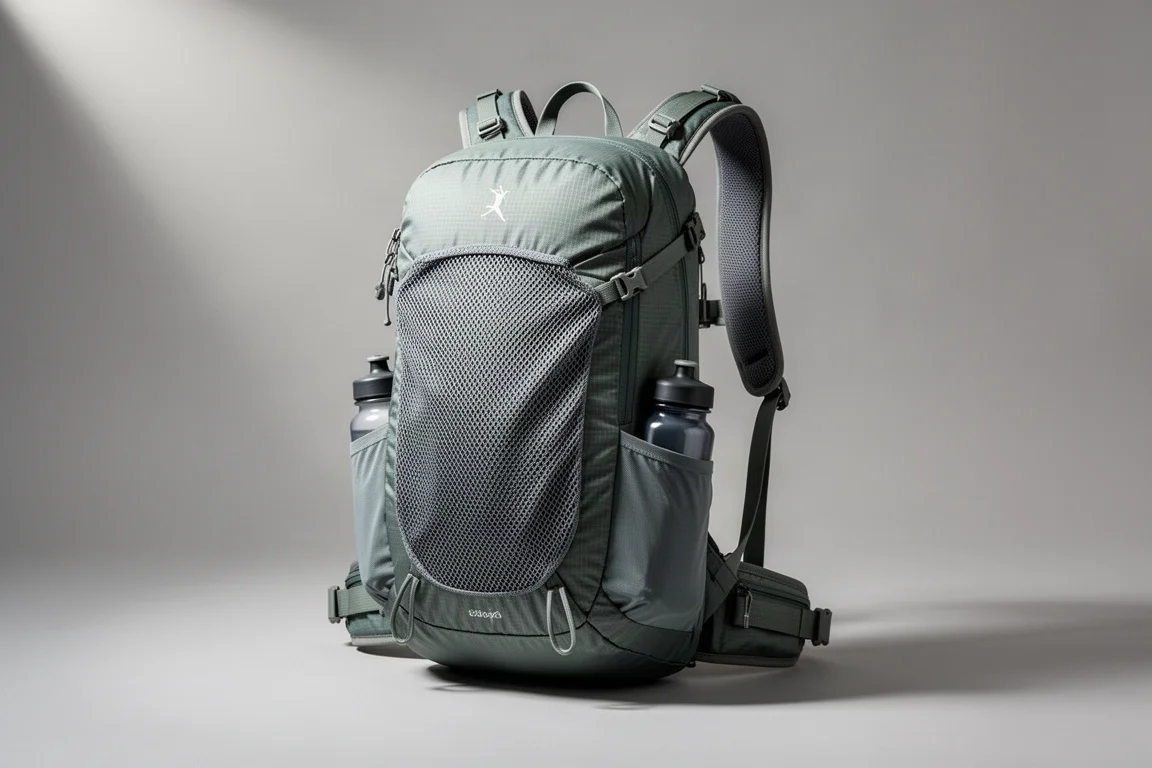
The Shadowlight covers both roles. It works as an ultralight overnight pack, and on a day hike out from a basecamp it does the job a separate daypack would, which removes the need for a second bag entirely. It sits around $200, and member promotions have discounted it by $50.
Outdoor Vitals Drifter Backpack: A Daypack Under Two Pounds
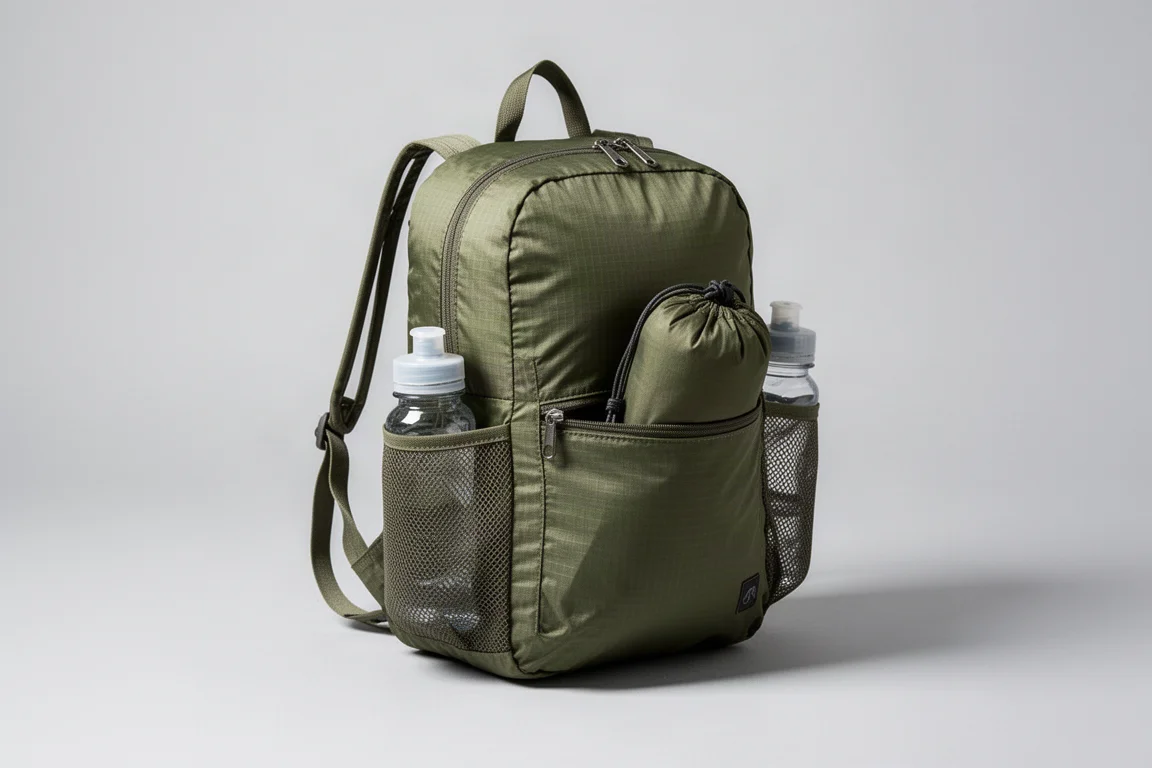
The Drifter makes the same argument from the other direction. Empty, it weighs under two pounds, which keeps it light enough to be genuinely useful rather than dead weight in the pack.
It is also adaptable. The hip belt can be pulled out, and the frame can be removed, which drops more than half a pound and makes the pack more functional for shorter day hikes where structure matters less.
Buying Advice: Match the Gear to the Trip
The pattern behind all of this is straightforward. The gear that earns its place is the gear that gets used while you are moving. Before buying anything, it is worth asking two questions: how often will this come out of the pack, and how much space does it take when it is not in use?
For most hikers, the highest-value changes are a lighter cook system, one pack that covers overnight and day use, and a small knife and a headlamp instead of larger backups. A plain water bottle, a modest battery bank, and a trimmed amount of toilet paper cost very little and save a surprising amount of weight.
If you are rebuilding a kit, change one item at a time and test it on a short trip before committing to a longer one.
Conclusion
Leaving gear at home is not about deprivation. It is about carrying the things that actually get used and dropping the ones that only seemed like a good idea at the time.
Start with the biggest offenders: the oversized cook kit, the insulated bottle, the solar panel, the second pack. Replace them with lighter versions that do the same job, and the pack gets easier to carry without giving up anything that matters.
Further reading
Related Reviews

Backpacking Gear
Building a 10 lb Base Weight: An Ultralight Backpacking Gear List
A practical walkthrough of the ultralight pieces behind a 10 lb base weight, from a 765 g pack and a roomy one-person tent to a full camp chair and a dependable water filter.

Backpacking Gear
A 15-Pound Lightweight Backpacking Gear List for Solo Trips
A beginner-friendly 15-pound backpacking setup built from easy-to-find gear, with notes on what each piece does, how it packs, and where to spend your attention.

Backpacking Gear
8 Ultralight Backpacking Gear Upgrades Worth Carrying
Eight small, affordable backpacking upgrades that solve real trail annoyances, from a pillow that stays put to a fuel valve that rescues leftover canister gas.