Hi-Fi Speakers
Wharfedale Super Linton vs Linton: Which Heritage Bookshelf Speaker Fits Your System?
A practical comparison of the Wharfedale Super Linton and the Linton reissue, covering cabinet changes, driver and crossover upgrades, sound character, and who each speaker suits.
Introduction
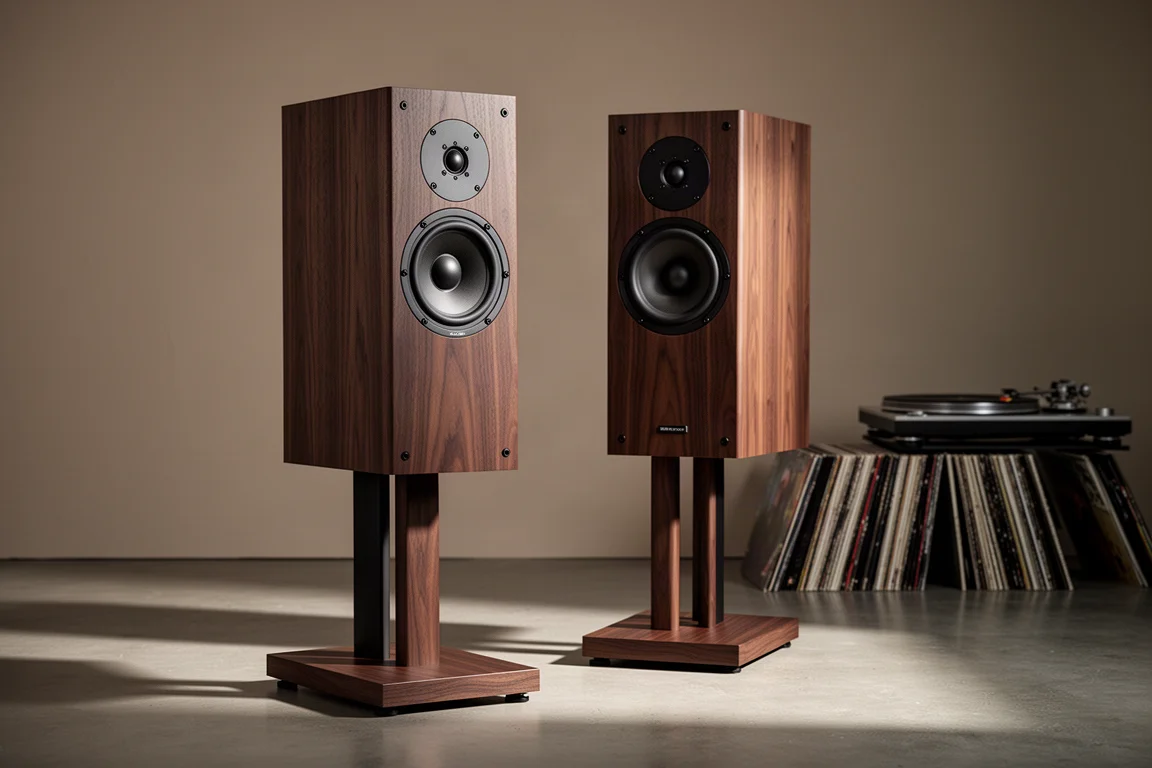
The Wharfedale Linton reissue arrived in 2019 as an 85th anniversary model, reviving a name that stretches back to 1965. It went on to become one of the brand’s most successful speakers, earning awards and praise for its value, its classic industrial look and its easy, full-bodied sound. Wharfedale then pushed the same concept further with the Super Linton, a taller and heavier speaker that costs roughly $1,000 more and changes a great deal beneath the cabinet skin. This comparison covers what actually differs and which of the two makes more sense for your room, your records and your amplifier.
Why the Super Linton Exists
The Linton reissue succeeded for a simple reason: it delivered a lot of speaker for the money, with a design and build quality that made it easy to sit down and listen for hours. With that success came room to level up. Rather than replacing the Linton, Wharfedale kept it in the range and added the Super Linton above it, taking a step up in engineering and performance in almost every area while staying close to the same visual language.
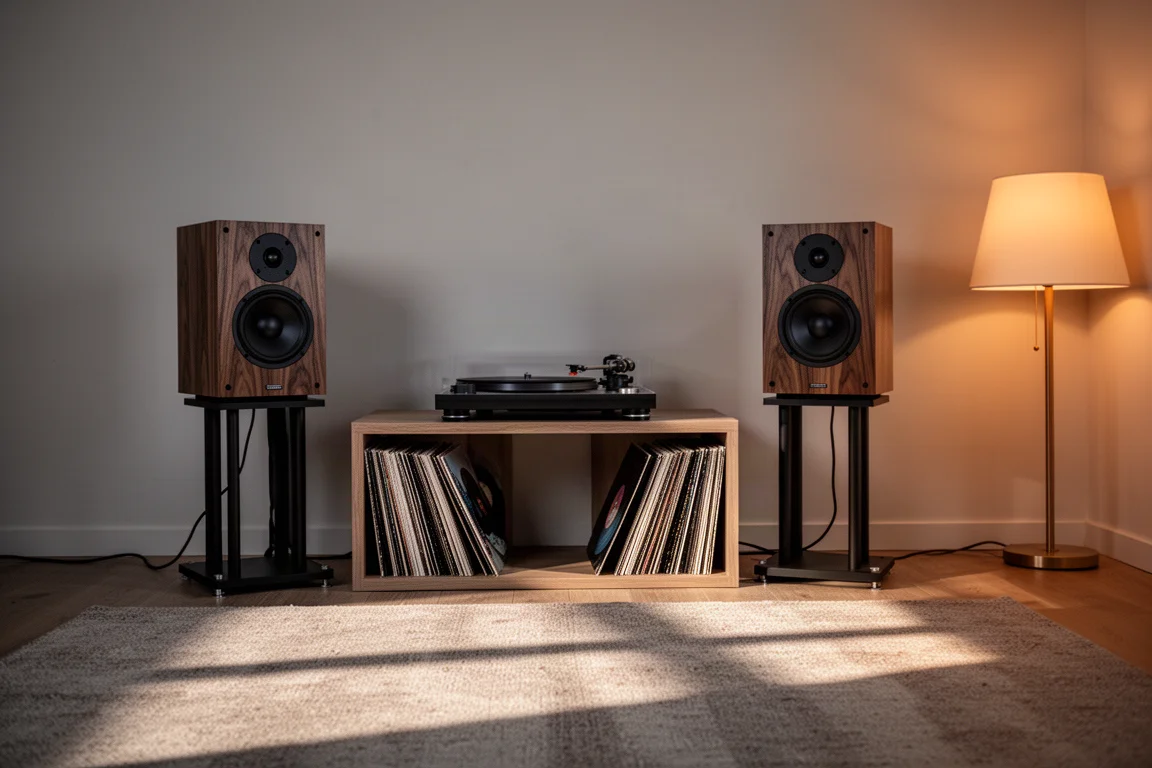
The two speakers share a family sound, so the decision is less about character and more about how much low-frequency weight and fine detail you want. Listeners who already own the Linton and enjoy its signature but wish for a fuller presentation with more resolution are the most obvious candidates for the upgrade.
Wharfedale Super Linton: Cabinet and Build Quality
The Super Linton cabinet is about 4 cm, or roughly an inch and a half, taller than the Linton. That extra volume gave the engineers room to improve the bass unit’s performance, and the complete speaker weighs around 3 lb more. Wharfedale uses its sandwich construction here, bonding layers of particle board and MDF with a latex-based acoustic damping glue to cut down on resonance. The enclosure matters as much as the drivers, and a stiffer, quieter cabinet lets you hear more of the music and less of the box.
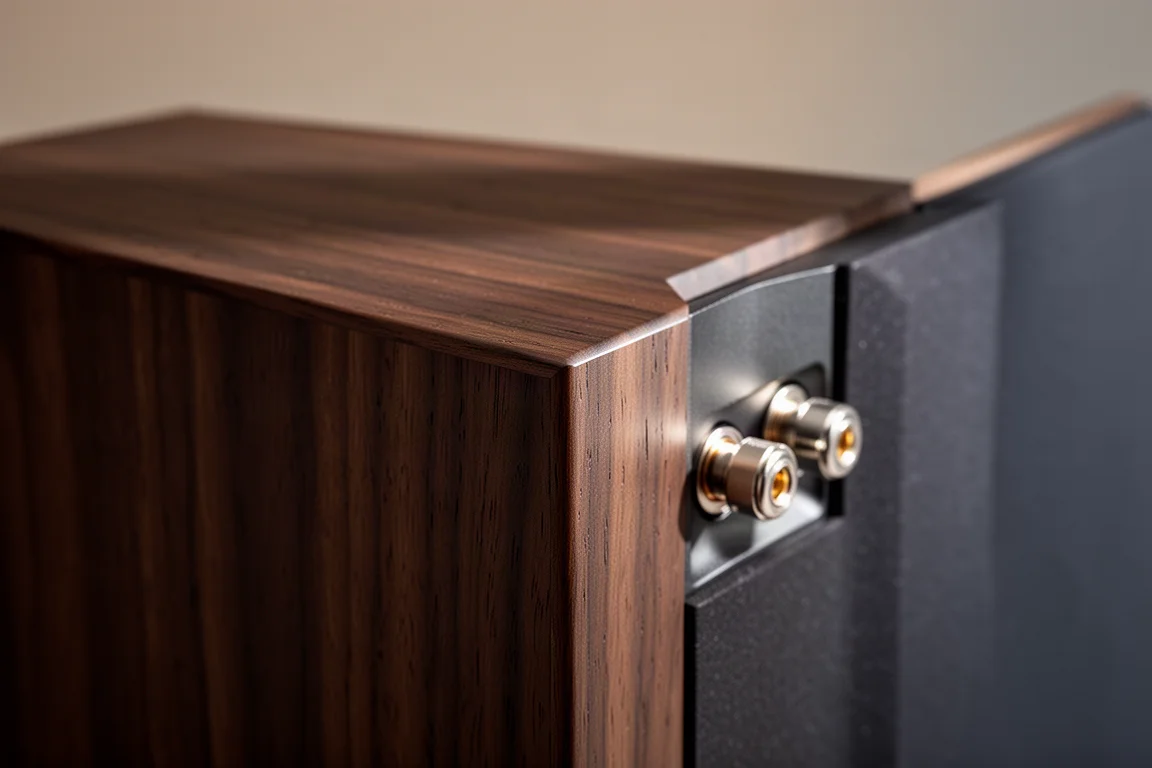
Outside, the cabinet is finished in real wood veneer, with twin bass ports and quality binding posts on the rear panel. A vintage-style logo placard sits on the back as well, a small nod to the model’s heritage. Fit and finish are excellent, with tight joints and veneers that hold up both at a distance and up close. A new grille design gives the speaker a seamless look, though the cabinet looks its best with the grilles removed.
The Super Linton is designed to pair with the existing Linton stands. Those stands are heavy, provide a solid base that helps control vibration and make the speaker harder to knock over, and their lower opening is sized to hold records. Using another stand is possible, but the matching one places the speaker at the intended height and listening axis. If you already own Linton stands in the same colour, the Super Linton will fit them, which keeps the upgrade cost down.
Wharfedale Super Linton: Drivers, Crossover, and Sound
The bass unit is new, with a more powerful motor system that extends low-frequency output down to 32 Hz, compared with 40 Hz on the Linton. On bass-heavy material the difference is plain to hear: the Super Linton simply has more impact and more texture in the low end.
Above it, the 5-inch Kevlar midrange driver sits in its own separate cylindrical chamber lined with layers of long-hair fibre that cancel specific back waves from the rear of the cone. The goal is clearer vocals and instruments in the mid frequencies. At the top, the tweeter is a new lightweight 1-inch fabric dome with special damping material, supported by a ceramic magnet motor system and a revised short horn waveguide with an improved profile for a smooth response down into the upper midrange. The front panel drops the small metal grille found on the Linton and mounts the drivers on a sleek metal plate for a cleaner, more refined look.
The crossover received just as much attention. Where the Linton uses a single PCB board, the Super Linton uses two, one for the midrange and high frequencies and one for the woofers. That keeps crosstalk between components to a minimum and frees up space for upgraded capacitors and inductors. Wharfedale also uses linear crystal oxygen-free copper cable in a PE dielectric for better signal transfer, along with precision resistors, air core inductors on the midrange and tweeter, and polycaps. Notably, the 6 ohm nominal impedance and 90 dB sensitivity of the original are unchanged, so the Super Linton can be driven by tube or solid-state amplifiers from 25 to 200 watts. A low-powered tube integrated and a high-output solid-state design are both viable, and the higher-quality crossover lets more of the amplifier’s tone reach the drivers.
In listening, the Super Linton keeps the full-bodied character of the Linton and turns it up a few notches. Bass has more punch and detail, the midrange gains focus, and the treble is more dynamic and more detailed without turning aggressive. Soundstage and imaging remain outstanding for the price class, vocals sit solidly in the middle of the room, and guitars, bass and drums stay punchy and balanced across genres. It is, in effect, a hotter-rodded Linton.
Wharfedale Linton: The Reissue That Started It
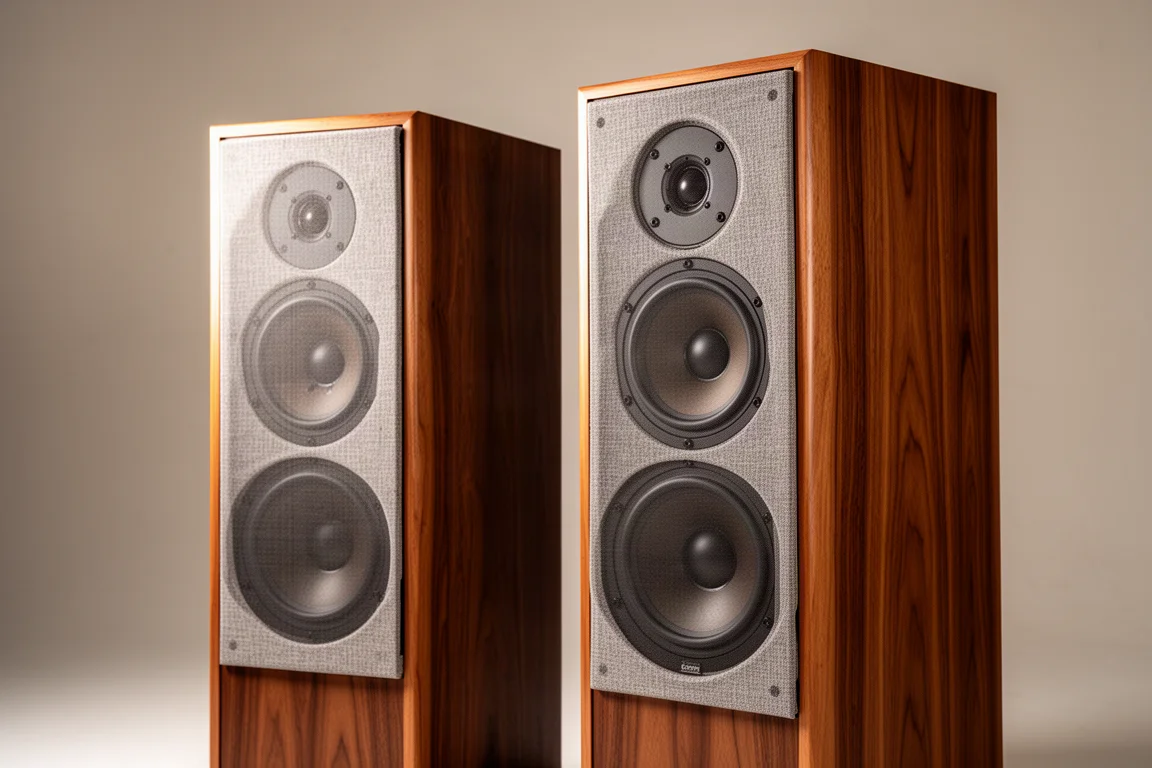
The Linton that returned in 2019 has a lineage stretching back to 1965, and it quickly became one of Wharfedale’s most successful models, supported by awards, strong coverage and endorsements from industry figures. Its appeal is straightforward: classic industrial styling, solid build quality and a value proposition that is hard to argue with at its price.
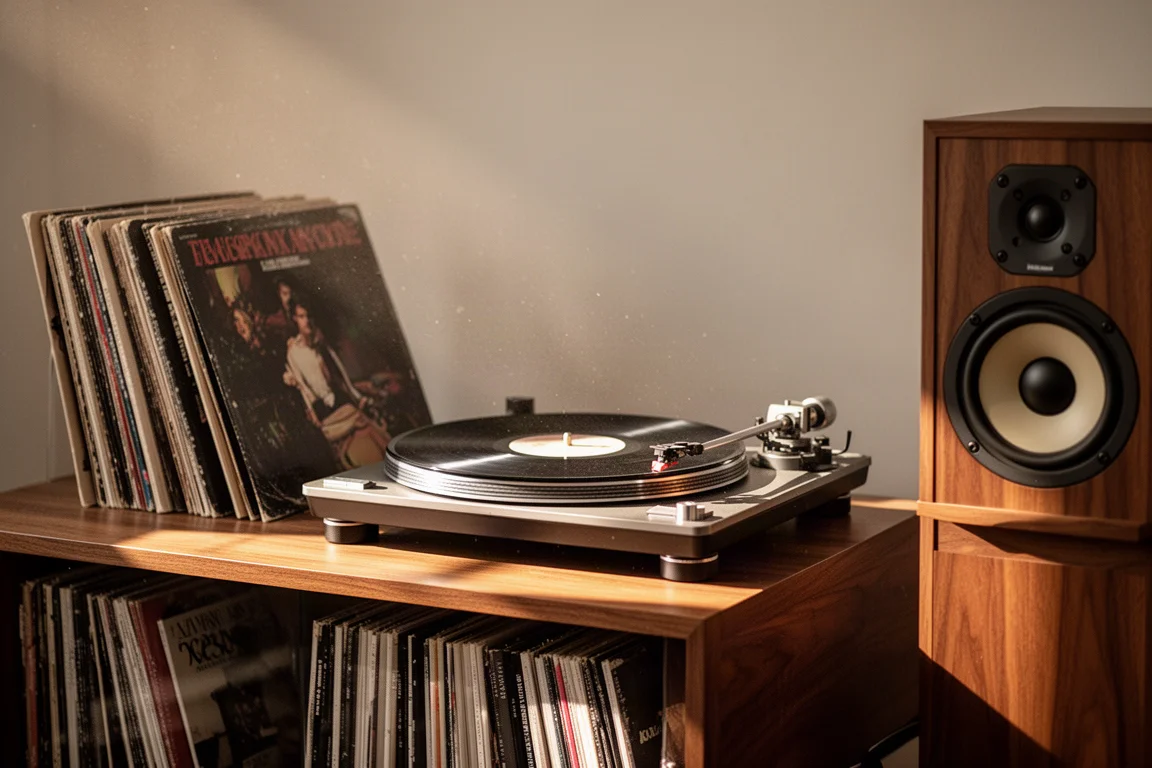
Technically, it is the more modest design of the two. Bass extension reaches 40 Hz rather than 32 Hz, the crossover uses a single PCB board, and the front baffle includes a small metal grille that the Super Linton removes. It shares the same 6 ohm nominal impedance and 90 dB sensitivity, pairs with the same stands, and delivers the warm, full-bodied presentation that made the model so popular in the first place. For listeners who want the heritage sound without stretching the budget, it remains a genuinely enjoyable speaker.
Stands, Amplifiers, and Setup
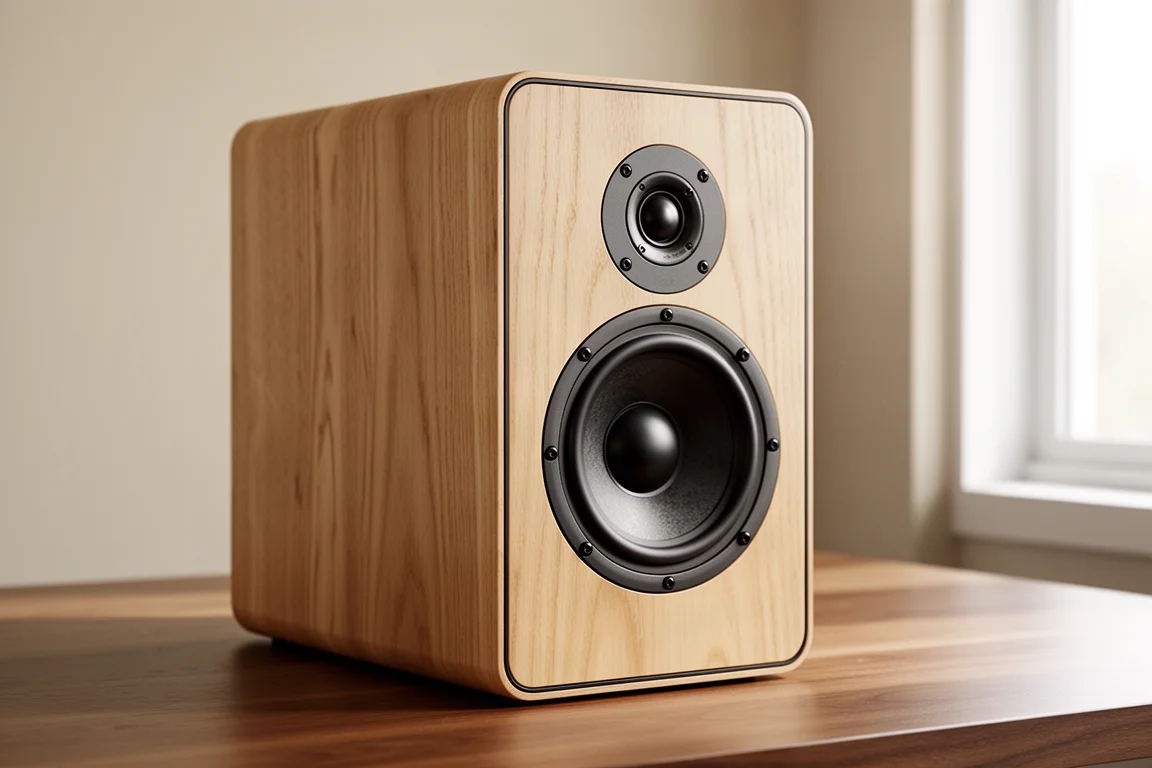
Both speakers are built around the same matching stand, and that stand does real work. It is heavy, it provides a stable base that reduces vibration, it resists accidental knocks, and it places the speaker at the correct height and listening axis. The shelf underneath is sized for records, which suits the way most owners will use these speakers. Budgeting for the stand is worth doing, because it contributes as much to the experience as the speaker itself.
Amplifier matching is unusually flexible. With 90 dB sensitivity and a 6 ohm nominal impedance, both models can be driven by anything from a low-powered tube integrated to a high-output solid-state amplifier in the 25 to 200 watt range. The Super Linton’s upgraded crossover is the more revealing of the two, so it will show more of what a good amplifier brings to the system. If you are unsure whether your current amplifier is a good match, it is worth checking before you buy rather than after.
Buying Advice: Super Linton or Linton?
If you already own the Linton and love its sound signature, the Super Linton is an easy recommendation: it delivers a fuller overall presentation with more bass weight and more detail, and if your stands are the same colour you can keep them and skip that cost entirely.
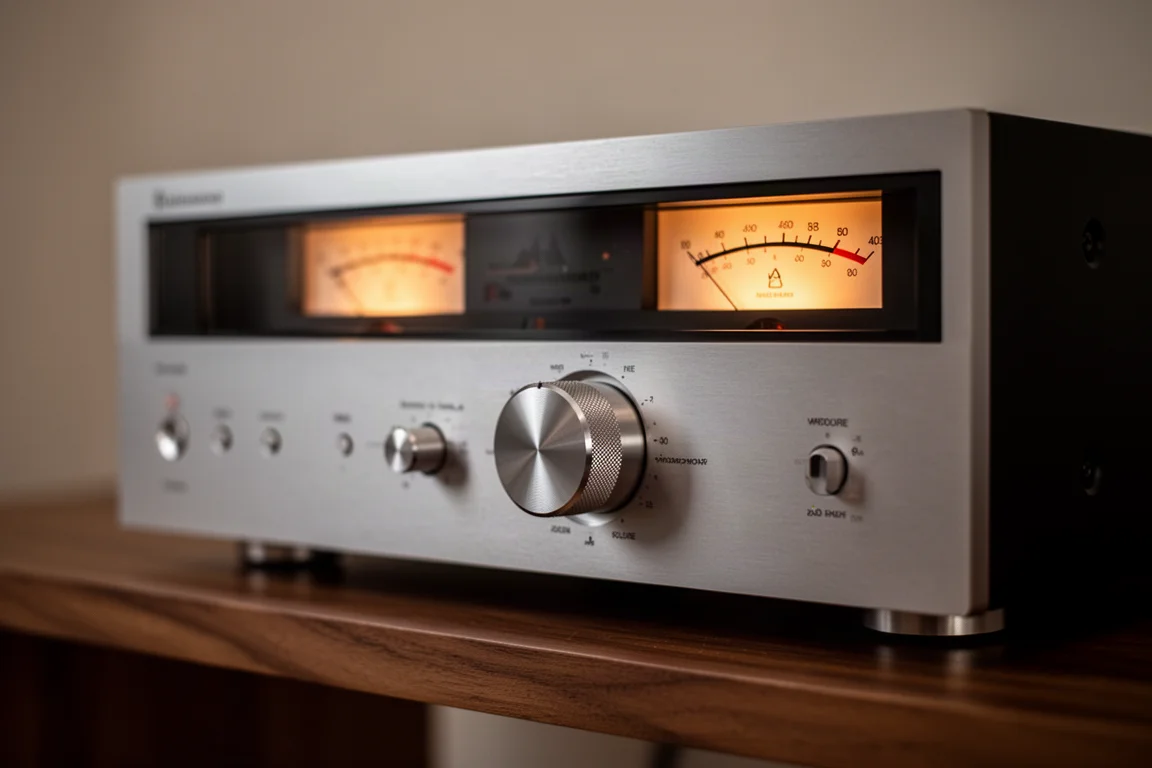
If you are starting fresh, the choice comes down to budget and ambition. The Linton remains a strong value at its price and delivers the same family character, while the Super Linton asks roughly $1,000 more and returns a taller cabinet, a deeper and more powerful bass unit, a dedicated midrange chamber, an upgraded tweeter and waveguide, and a two-board crossover with better components. Taken together, those changes amount to more than the price difference suggests, which is why the Super Linton stands on its own as a well-judged speaker rather than simply a costlier version of the same thing.
Conclusion
Two speakers, two price points, one clear family sound. The Linton reissue remains a compelling value in the heritage-style segment, and the Super Linton builds on it with meaningful engineering changes that translate into deeper bass, a more focused midrange and a more detailed top end. If you want the most capable version of the Linton formula and your system can take advantage of it, the Super Linton is the one to aim for. If you want the character and the look at a lower cost, the Linton still delivers it.
Further reading
Related Reviews
Hi-Fi Speakers
1723 THX Tower vs 1528 Bookshelf: Which Speaker Fits Your Room?
Two speakers at roughly the same price, built very differently. How the 1723 THX tower and the 1528 bookshelf compare on construction, bass, power needs, and sound.
Hi-Fi Speakers
Acoustic Energy AE 300 Review: Deep Bass From a Compact Standmount
A two-way standmount with real wood veneer, surprising low-end weight, and a warm, easygoing character. Here is what to know before buying.
Hi-Fi Speakers
Acoustic Energy AE1 40th Anniversary Review: A Modern Take on a British Classic
A compact standmount that revives a 1980s favorite with all-new parts, a warm mid-centric balance, and a price of £1,499 per pair.